Buying on the Upper West Side is exciting, but the NYC closing timeline can feel like a maze. If you’re comparing co-ops and condos or planning a move from out of state, the steps and timing aren’t always obvious. You want a realistic schedule, fewer surprises, and a smooth handoff from accepted offer to keys. This guide breaks down the process, typical timeframes, Upper West Side nuances, and practical ways to stay on track.
Let’s dive in.
The NYC closing timeline at a glance
From accepted offer to closing, most NYC purchases follow a similar arc. The exact timeline depends on property type, financing, and your preparedness.
- Accepted offer and attorney review
- Contract signing and deposit into escrow
- Financing and appraisal (if financing)
- Inspections and building document review
- Co-op board package and interview (co-ops only)
- Closing coordination, wires, and final walkthrough
- Closing and key transfer
Co-ops and condos share several steps, but the board-approval process in co-ops is a major timing driver on the Upper West Side.
Co-op vs. condo timing on the Upper West Side
Co-ops: what to expect
Co-op purchases involve buying shares in a corporation with a proprietary lease. The board must review and approve your application, and most buildings hold an interview. Preparing a complete, polished board package often takes 1-4 weeks. Once submitted, board review and interview scheduling commonly add 2-6 weeks, and some boards take longer during busy seasons.
A typical financed co-op closing on the UWS runs about 60-120+ days from contract to keys. All-cash deals can be faster in best cases, but the board’s calendar still governs timing. Lenders may also require more reserves and building financials, which can extend underwriting.
Condos: what to expect
Condo purchases transfer a deed, with title insurance and recording as standard. There is usually an application, but it is rarely as intrusive as a co-op board process. With financing, many condo deals close in 30-90 days, depending on appraisal, title work, and document readiness. Cash buyers can compress timing further if all parties are aligned.
Quick comparison for planning
- Board involvement: Co-ops require formal approval and often an interview; condos typically have a lighter application process.
- Typical timing: Co-ops commonly take longer due to board steps; condos are often faster when documents and financing move smoothly.
- Closing costs: Condos include title insurance and recording taxes; co-ops have a different fee mix and may include building-specific charges.
Upper West Side realities that affect timing
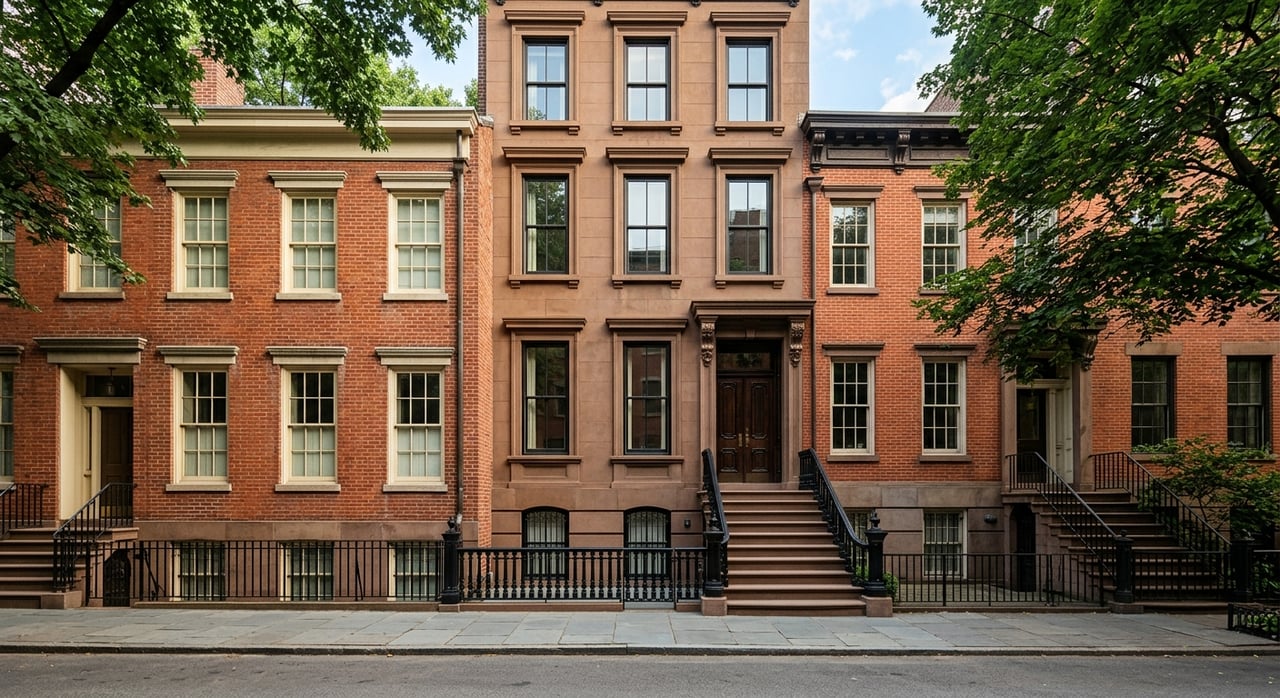
Many Upper West Side buildings are pre-war co-ops with established boards. Packages in these buildings are usually thorough, and boards may request additional documentation, which can extend the review phase. Management offices for older buildings sometimes have longer lead times to provide building financials or signed forms.
Move logistics require special attention. Freight elevators often need reservations and certificates of insurance from movers. Buildings may also require move permits. Reserving a move slot can take 2-6 weeks, so you might close and still wait for the next available window to move in.
Seasonality and scheduling add another layer. Summer is a busier moving season. End-of-month dates fill quickly, and holiday periods can reduce board and management availability. Build buffer time into your plan when targeting those windows.
Step-by-step timelines you can plan around
Typical condo with a mortgage
- Days 0-7: Sign contract, place deposit in escrow, schedule inspection, and provide initial documents to your lender.
- Days 7-21: Appraisal ordered; lender underwriting starts; you respond to conditions and documentation requests.
- Days 14-45: Appraisal returns; lender moves toward mortgage commitment; attorney orders title and reviews building documents.
- Days 30-60+: Title clears, mortgage commitment finalizes, and closing is scheduled. You wire funds, do your final walkthrough, and close. Total timing is often 30-90 days.
Typical co-op with a mortgage
- Days 0-7: Contract signed; deposit posted; you receive the co-op application checklist and start gathering documents.
- Days 7-28: Inspection and appraisal occur; you assemble financial statements, tax returns, pay stubs, employment verification, and reference letters.
- Days 21-60+: Submit the board package; the board reviews and may request clarifications; interview is scheduled, often 1-4 weeks out.
- Days 45-120+: Board grants approval; lender issues final commitment; attorneys coordinate closing logistics; you close and receive the stock certificate and proprietary lease. Total timing is often 60-120+ days.
Buying all-cash? What changes
Cash can reduce lender-driven timing and, for condos, can enable quicker closings when title is clear and documents are in hand. For co-ops, cash still requires board approval, so the board’s review and interview schedule remains the pacing item. On the UWS, a best-case all-cash co-op timeline might still hinge on a board meeting cycle.
How to keep your closing on schedule
- Start your board package immediately. For co-ops, the package is the biggest variable. Collect tax returns, bank statements, and letters of reference as soon as you sign the contract.
- Schedule inspections early. Inspections within the contingency window help you address issues without pushing other milestones.
- Coordinate attorney and lender requests. Provide consistent documentation to both so you are not repeating steps or introducing discrepancies.
- For condos, request sponsor and association documents early. Your attorney should ask for everything upfront to avoid last-minute pauses.
- Lock down move logistics. As soon as you are in contract, ask management for move-in procedures and reserve the elevator and movers.
- Confirm wire details well ahead of closing. Know your bank’s cutoffs and verify instructions with your attorney to avoid day-of delays.
Common delays on the UWS and how to avoid them
- Incomplete board packages: Missing statements or letters cause re-submissions. Mitigation: Use the building’s checklist and consider professional board-package assistance.
- Appraisal and underwriting hurdles: Low appraisals or new conditions slow things down. Mitigation: Strong pre-approval, prompt responses, and backup financing options if needed.
- Sponsor or building document lag: Title, offering plans, or financials may be slow to arrive. Mitigation: Have your attorney request documents immediately and set realistic contract timelines.
- Elevator and move restrictions: No freight elevator available on your ideal date. Mitigation: Secure your slot as early as possible and be flexible with dates.
- Wire or funding errors: Last-minute wiring issues can push a closing. Mitigation: Pre-clear wiring steps with the attorney and title team several days before closing.
Your pre-closing checklist
- Lender pre-approval letter and contact info
- Recent pay stubs, W-2s, and the last two years of federal tax returns
- Recent bank and investment statements
- Photo ID and current address
- Employment verification letter (if required)
- Personal and professional reference letters for co-op boards
- Executed purchase contract and all party contacts
- Home inspection report
- Your real estate attorney’s information and authorization
Ask the seller or listing agent for the building’s specific application checklist as soon as you are in contract to avoid missing any custom requirements.
Closing costs to expect
Expect closing costs beyond your purchase price. These can include lender fees, appraisal fees, attorney fees, and municipal taxes and recording charges. Condo buyers typically pay title insurance and mortgage recording taxes, which vary with the loan amount. Co-op buyers will see a different fee mix, such as stock transfer or move-in fees, and some co-ops impose flip taxes.
Line items and thresholds change by transaction, so your attorney will confirm the exact numbers for your deal.
Move-in planning on the UWS
Moving on the Upper West Side requires coordination with building management and your movers. Ask about required certificates of insurance, move hours, and whether the building needs permits. Many buildings require an elevator reservation, and slots can book 2-6 weeks out.
If you plan to renovate after closing, review alteration policies ahead of time. Approval processes vary and can affect your post-closing schedule. Build realistic buffers between closing, move-in, and any contractor work.
Ready to buy on the Upper West Side?
A clear plan reduces stress and keeps your purchase moving. By starting your board package early, syncing your lender and attorney, and booking logistics in advance, you can navigate the Upper West Side closing timeline with confidence. If you want a discreet, high-touch approach from offer through move-in, connect with Daniel Kramp for guidance tailored to your goals.
FAQs
How long does a co-op closing take on the Upper West Side?
- Most financed co-op purchases close in about 60-120+ days, driven by the board package, board review, and interview schedule.
How long does a condo closing take in NYC?
- Many financed condo purchases close in about 30-90 days, depending on appraisal, title work, and document readiness.
What documents do co-op boards usually require?
- Expect recent tax returns, bank and investment statements, pay stubs, an employment letter, and personal and professional references.
When should I book movers for a UWS building?
- As soon as management clears your move, reserve a freight elevator and movers 2-6 weeks in advance to secure a preferred date.
Does paying all-cash speed up a co-op closing?
- It can reduce lender-related timing, but the board’s review and interview still control the pace, so cash does not bypass board approval.
What are the most common causes of closing delays?
- Incomplete board packages, appraisal or underwriting issues, slow sponsor or building documents, move logistics conflicts, and wire timing problems.