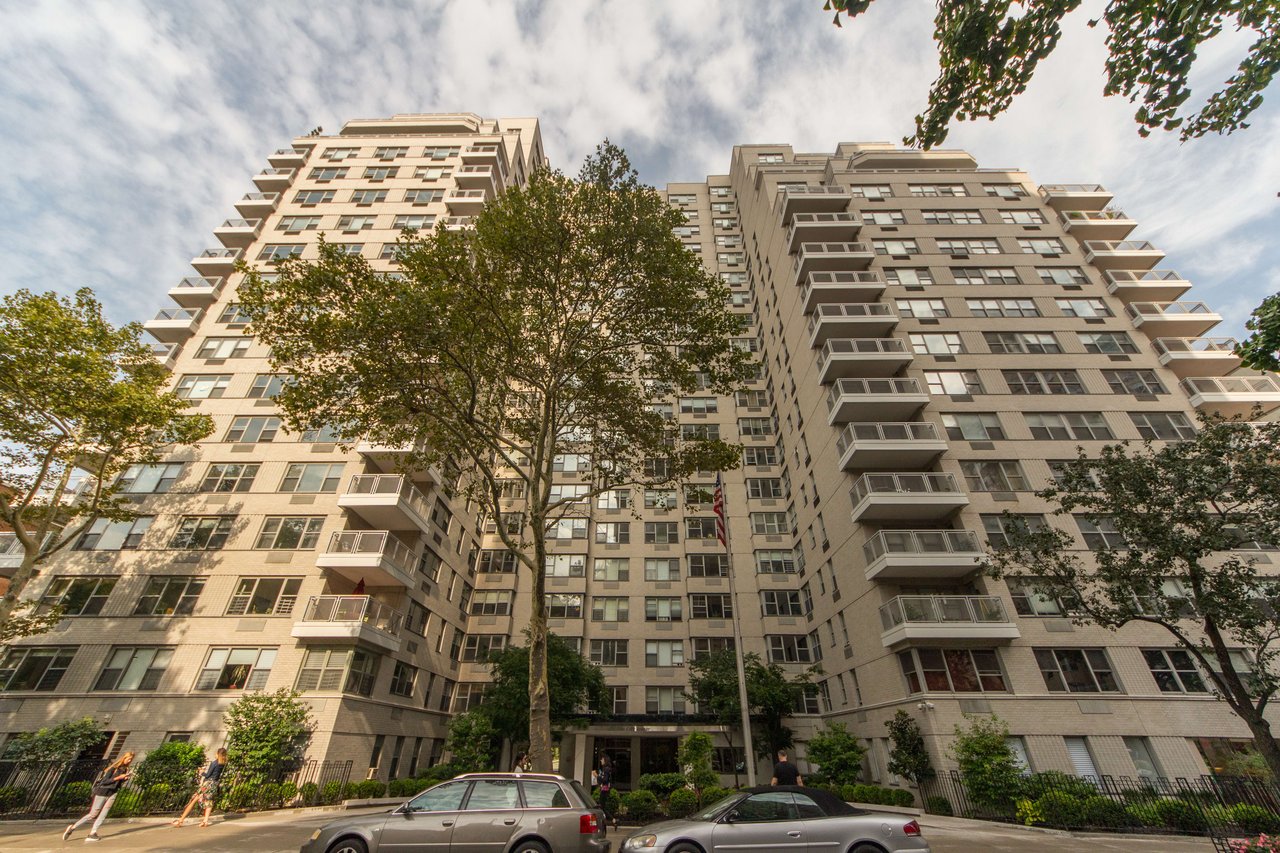
Seen a “condop” listing in Greenwich Village and not sure what you are actually buying? You are not alone. This hybrid structure shows up often in the Village, especially in mixed-use or converted buildings. In this guide, you will learn what a condop is, how it is governed, how financing and fees differ from condos and co-ops, and what to check before you make an offer. Let’s dive in.
Condop basics: what you are buying
A condop is not a third property type so much as a hybrid setup. The building is legally a condominium, but the residential portion is owned by a cooperative corporation. You buy shares in that cooperative and receive a proprietary lease for your apartment, which means your day-to-day experience mirrors a co-op.
In the condo declaration, the property is divided into separate condo units. Retail, parking, or mechanical spaces may be their own condo units. The residential space is typically a single condo unit that is owned by the co-op. This structure helps separate residential and commercial interests, which is common in Greenwich Village where mixed-use buildings and conversions are part of the fabric of the neighborhood.
Expect two sets of documents. At the condo level, you have the condominium declaration and bylaws. At the co-op level, you have bylaws, a proprietary lease, and share certificates. There may also be agreements that tie the two together, such as management contracts, licenses, or easements.
How a condop operates day to day
Two layers of governance
There are two boards. The condominium association governs building-wide matters at the condo level, such as common elements, master insurance, and any separate commercial condo units. The co-op board governs residential life, including house rules, sublets, and resident approvals.
Board approvals for purchases
Because your interest is shares plus a proprietary lease, purchases require co-op board approval. You will prepare a financial package, provide tax returns and references, and likely attend an interview. Standards and timelines mirror co-op practices, not condo practices.
The condominium association may also have separate approvals for any work that affects common elements or the exterior. Commercial owners may have rights that shape building operations as well.
Monthly charges and what they cover
You will pay monthly maintenance to the co-op. That payment typically includes the co-op’s share of the building’s operating expenses, real estate taxes allocated to the residential condo unit, insurance, staff, utilities, reserves, and any payments on an underlying co-op mortgage.
At the condo level, the association collects common charges. The co-op’s portion of those charges is usually passed through within your maintenance. Always compare what is covered and assess services and amenities, rather than assuming one structure is cheaper.
Rules on sublets, pets, and renovations
Co-op style rules usually apply. Sublet policies may include limits, approval requirements, or minimum owner-occupancy periods. The co-op also reviews apartment renovations. Make sure you understand the proprietary lease and bylaws before you commit to a plan or timeline.
Underlying mortgages and encumbrances
The co-op may carry an underlying loan on the residential condo unit. You should review the loan terms, maturity, and whether any provisions connect the residential and commercial units. The health of both the co-op and the condominium association matters in a condop.
Financing a condop in Greenwich Village
How lenders view condops
Most lenders treat the residential interest in a condop like a co-op share loan, not a standard condo mortgage. You are pledging shares and a proprietary lease, so underwriting follows co-op guidelines. Lenders that know NYC co-ops and condops are often your best bet.
Down payment and underwriting differences
Share loans often come with higher down payment requirements and stricter debt-to-income and post-closing liquidity standards compared to many condo mortgages. Some national loan programs have limited or no availability for co-op style financing. Board approval, reserve levels, and building financials are part of lender review.
Taxes and closing costs
In a condop, the taxes for the residential condo unit are typically paid by the co-op and passed through as part of maintenance. Closing costs and transfer taxes can differ between a share sale and a real property sale. Your attorney and tax advisor should confirm the specifics for your deal and your profile.
Resale and marketability
Condops can be less liquid than full condos because some buyers prefer standard condo mortgages and simpler approvals. Pricing often reflects co-op characteristics, which can create a discount versus comparable condos, although results vary by building and amenities. If you plan to lease the unit, stricter sublet rules can limit investor strategies.
A practical Greenwich Village buyer checklist
Use this checklist when you tour and evaluate a condop listing in the Village.
- Confirm the legal structure. Read the condo declaration, co-op bylaws, and proprietary lease. Clarify which entity owns what and how responsibilities are split.
- Review co-op financials. Ask for audited financials, current budget, and reserve studies. Identify any operating deficits, planned assessments, and details on an underlying co-op mortgage.
- Review condo association financials. Understand common charges, reserves, and any issues related to commercial unit owners or unpaid assessments.
- Understand board rules. Get the co-op application requirements, interview process, document checklist, and policies on co-purchasing, guarantors, and transfer restrictions.
- Check sublet and guest policies. If renting at some point is important, confirm minimum owner-occupancy periods, application steps, and renewal limits.
- Pre-qualify with the right lender. Choose lenders experienced with condops and co-ops in NYC. Confirm down payment guidelines, reserve requirements, and timing.
- Hire the right attorney. Select a real estate attorney who handles condop and co-op reviews in NYC. Ask them to review interrelated documents and the offering plan if available.
- Inspect building systems and shared spaces. Pay attention to elevators, boilers, roofs, and any commercial uses at grade that may affect noise, odors, or deliveries.
- Clarify management. Learn whether one manager oversees both the condo and co-op functions and how management fees are allocated.
- Consider neighborhood context. Parts of Greenwich Village sit within historic districts, which can affect exterior work. Local nightlife and ground-floor retail are part of the area’s energy, so evaluate window exposures and bedroom placement.
When a condop can be a smart fit
A condop can suit you if you value the community standards of a co-op but like the efficiency that can come from mixed-use structures. The buyer pool may be narrower than a typical condo, which can help you find value if you are comfortable with board approvals and share-loan financing.
If you are a long-term user focused on primary residence living, the rules and culture can be a positive. If you seek maximum flexibility for short-term rentals or quick investor exits, a condop may not match your goals. Align the building’s policies and financials with your plans, and compare options across both condops and traditional co-ops and condos.
What to expect from contract to closing
1) Offer and accepted terms
Once you negotiate price and terms, you will typically move into attorney review. In a condop, your attorney confirms whether you are buying shares with a proprietary lease assignment and reviews the web of condo and co-op documents.
2) Document review and diligence
Your attorney will examine the condo declaration, co-op bylaws and proprietary lease, house rules, financials, board minutes if available, and any management or inter-entity agreements. You will also confirm building insurance and any pending or recent assessments.
3) Financing and lender approvals
You will secure a share-loan pre-approval and work through any building-specific lender conditions. Lenders often request co-op financials, reserve balances, and owner-occupancy ratios. Staying ahead of these requests helps avoid delays.
4) Board package and interview
Your agent will help you complete the co-op board package, including income docs, assets, references, and any guarantor or co-purchaser information. Plan for an interview. Clear, organized packages and realistic timing expectations make the process smoother.
5) Closing mechanics
Your closing will follow co-op style procedures tied to a share transfer and proprietary lease assignment, rather than a deed transfer for a typical condo. Your team will coordinate with the managing agent, lender, attorneys, and transfer agents to finalize the transaction.
Greenwich Village nuances to keep in mind
- Mixed-use is common. Retail, restaurants, and cultural spaces are part of the Village’s identity. Check how deliveries, hours, and ventilation may affect your line.
- Historic oversight. If a building sits in a landmark district, exterior changes and some window work will need approvals. Plan your renovation timeline accordingly.
- Building age and character. Prewar buildings can offer charm and solid construction. Review recent capital projects and reserves to understand future improvement plans.
Your next step
If a condop in Greenwich Village fits your lifestyle and budget, focus on clarity and preparation. Confirm the structure, align your lender early, and get a clean view of financials and rules. With the right guidance, condops can deliver great homes in some of the Village’s most character-rich buildings.
Looking for a second opinion or a short list of strong condop options that match your goals? Let’s connect for a private consultation with Daniel Kramp.
FAQs
What is a condop in plain English?
- It is a condo building where a co-op owns the residential unit, so you buy co-op shares and live under a proprietary lease.
How does condop financing differ from condos?
- You usually get a co-op style share loan, which can require higher down payments and stricter underwriting than many condo mortgages.
Are condop monthly fees lower than condo fees?
- Not by default. Maintenance includes the co-op’s share of condo common charges, taxes, staff, insurance, and reserves, so always compare services and finances.
Will I need a board interview to buy in a condop?
- Yes, purchases typically require co-op board approval, a formal application package, and an interview.
Can I rent out a condop apartment in Greenwich Village?
- Possibly, but sublet rights are set by the co-op’s bylaws and proprietary lease and often include limits or minimum owner-occupancy periods.
Do condops change my closing taxes or costs?
- They can. A share sale can differ from a real property transfer, so your attorney and tax advisor should confirm deal-specific implications.