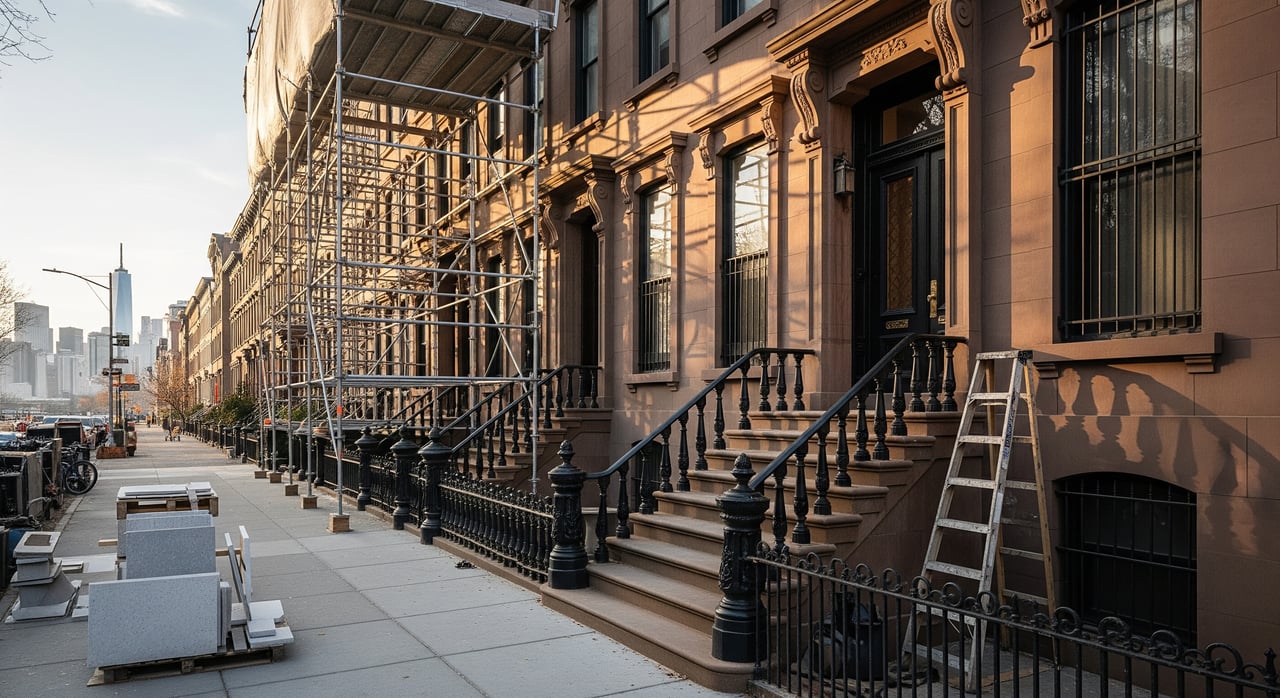
Thinking about new windows, a fresh façade, or a rooftop addition in Brooklyn Heights? If your home sits in the historic district, landmark rules shape what you can change and how you must do it. You want improvements that look great, protect value, and avoid costly delays. This guide walks you through what the Landmarks Preservation Commission (LPC) regulates, how approvals work, realistic timelines, and smart planning steps so you can move forward with confidence. Let’s dive in.
What landmark rules cover in Brooklyn Heights
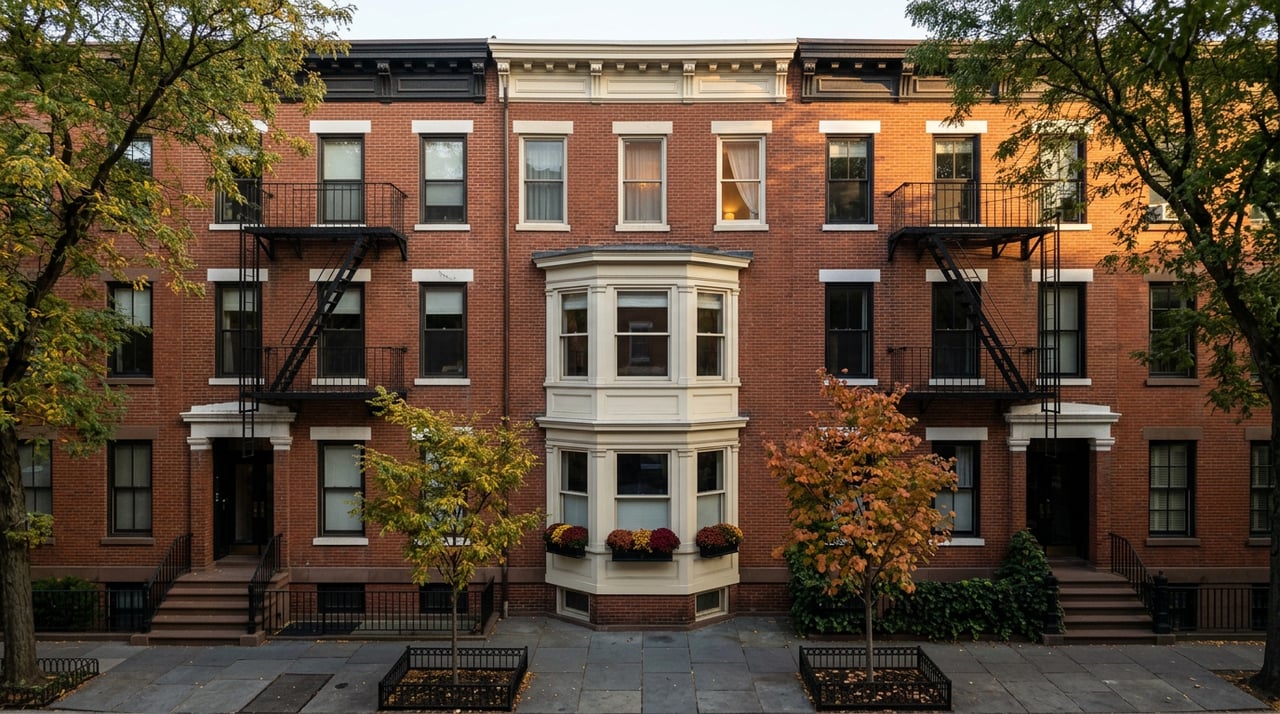
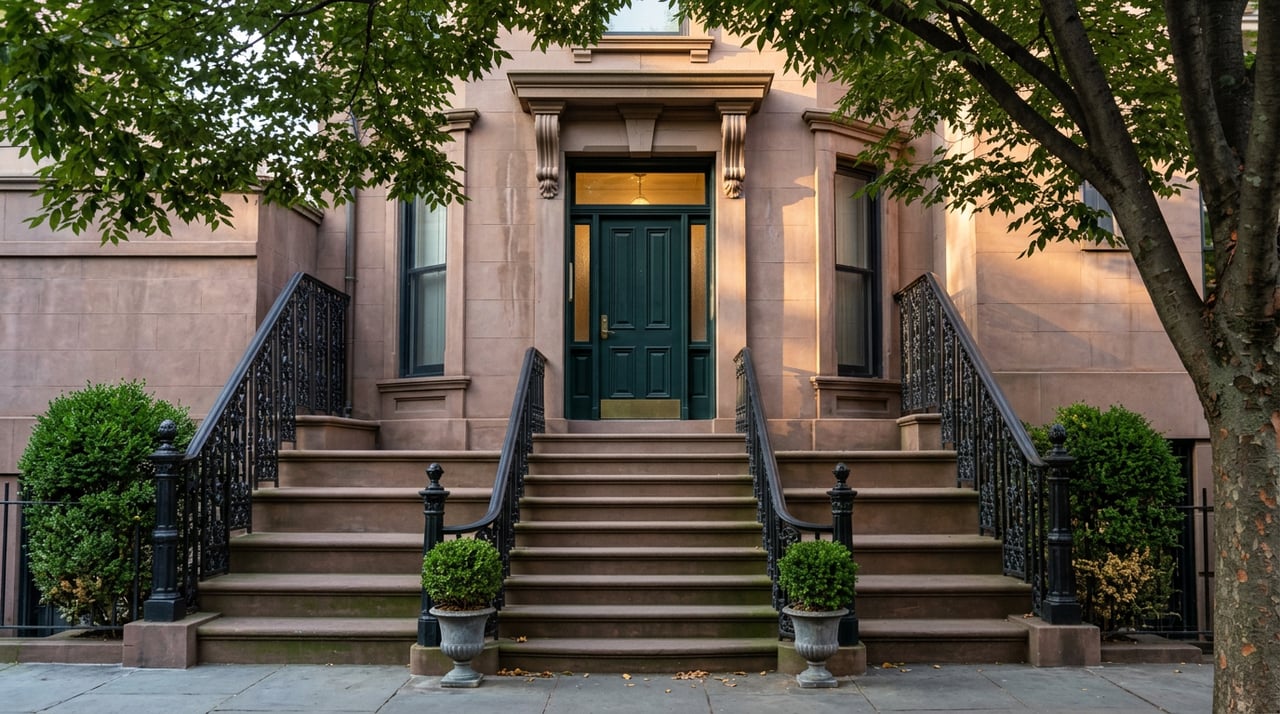
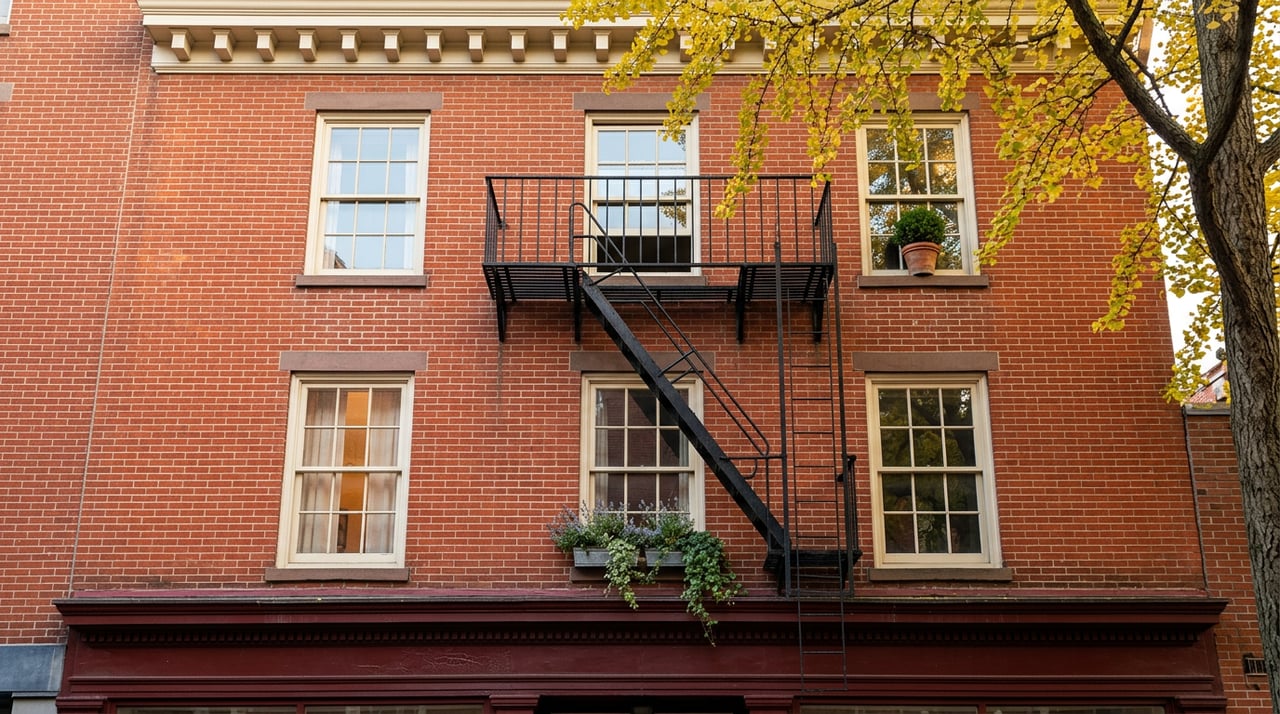
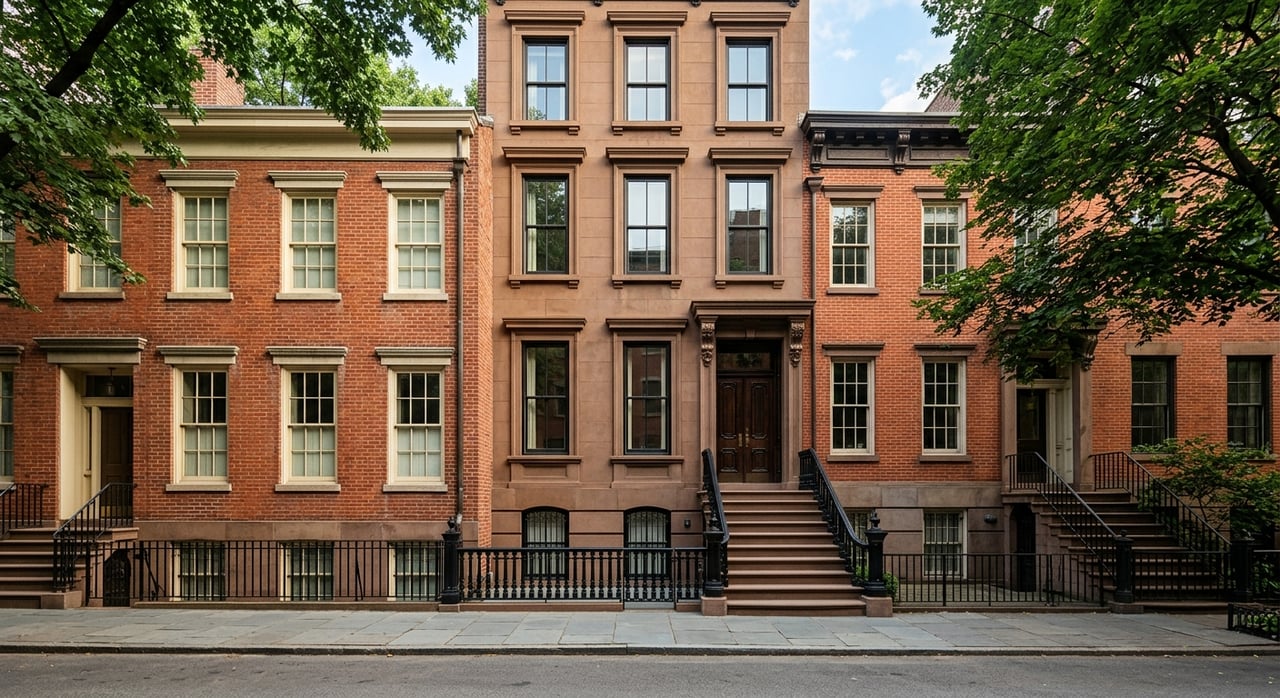
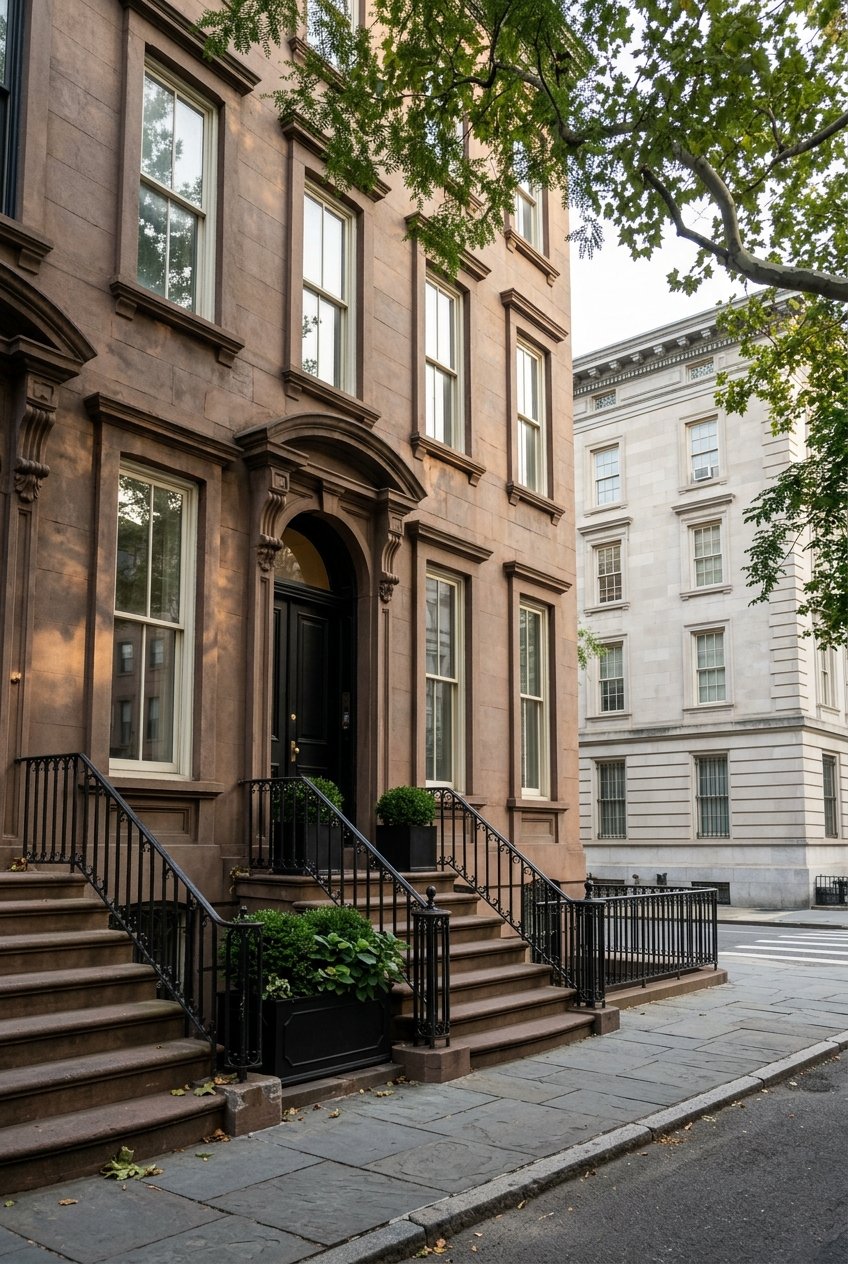
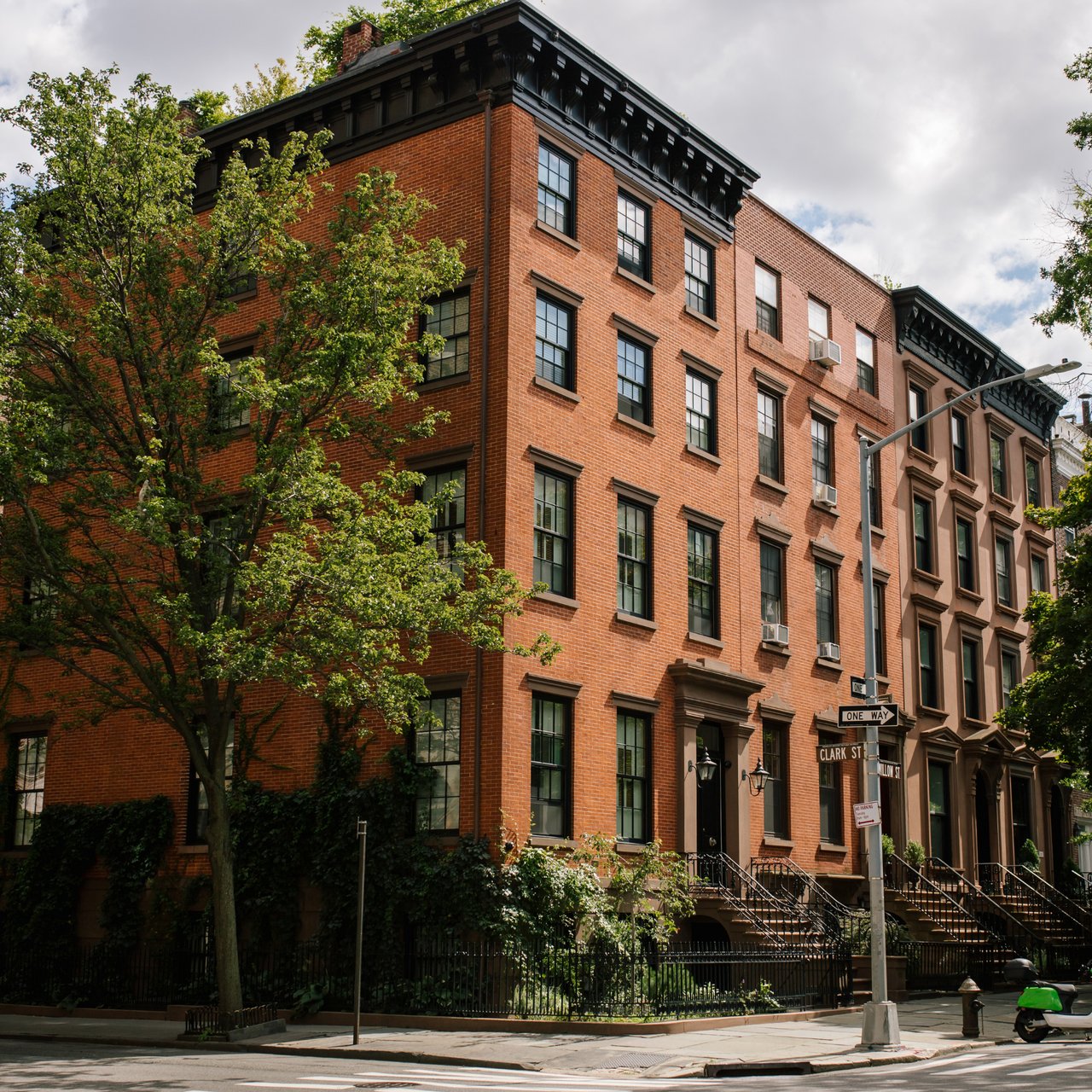
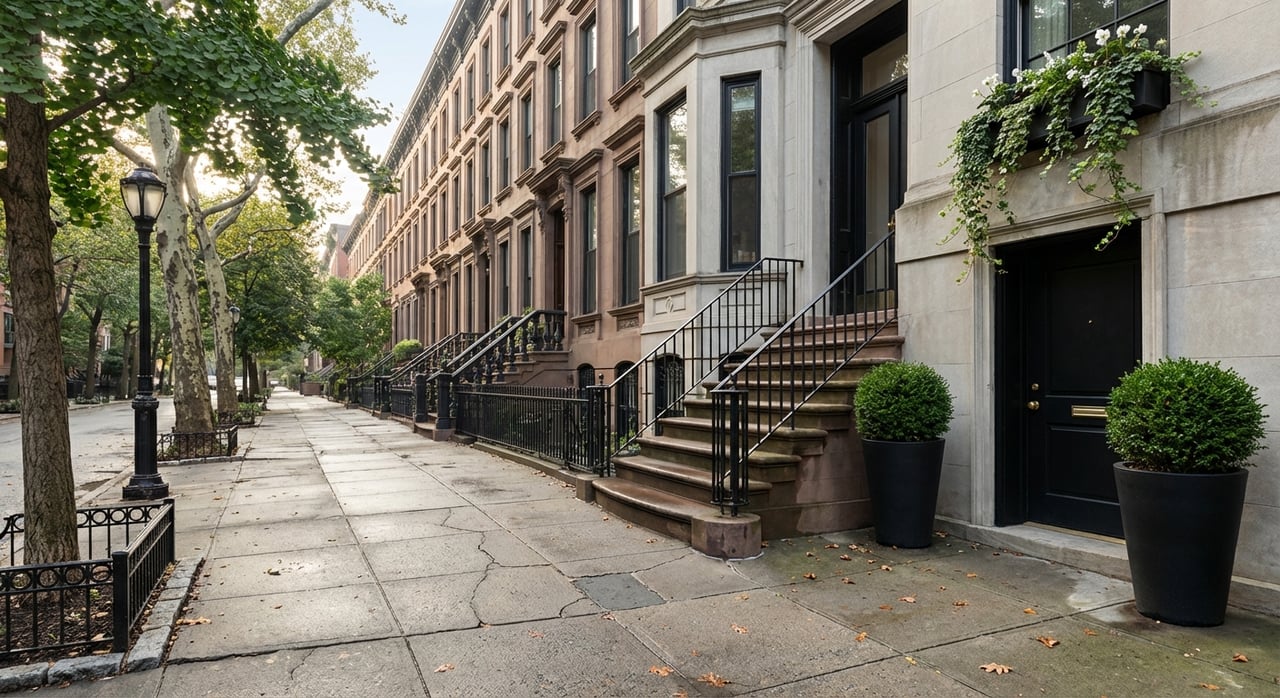
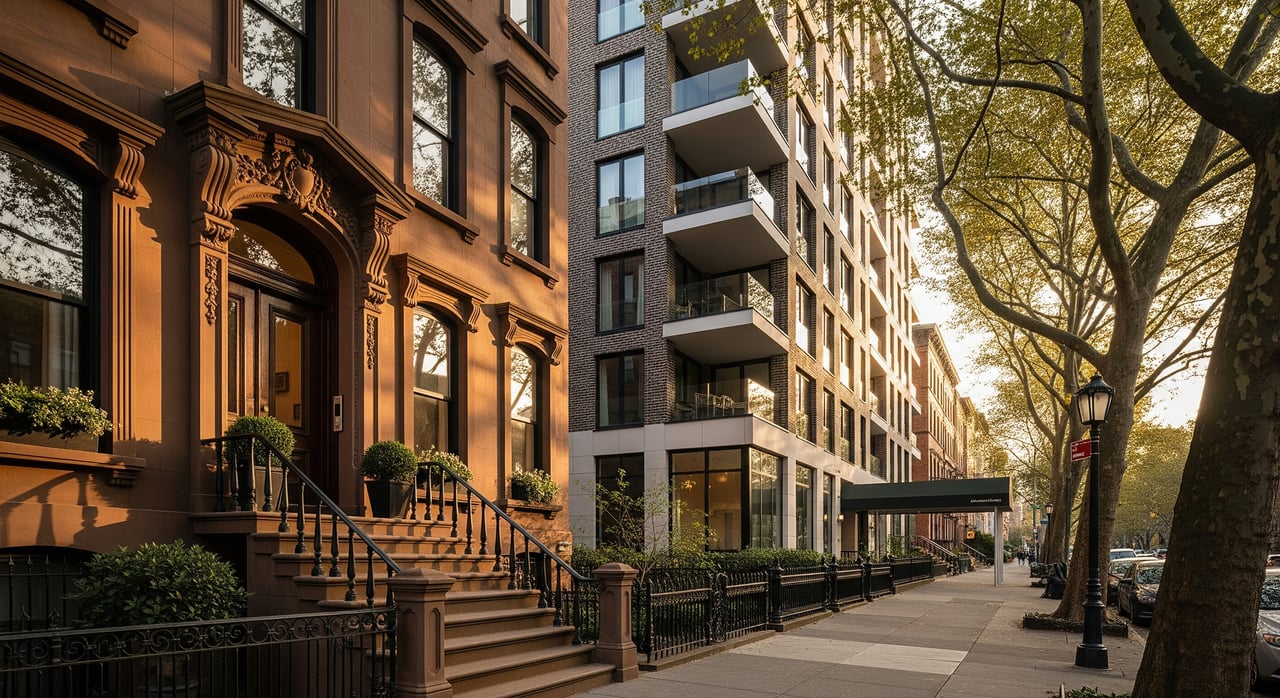
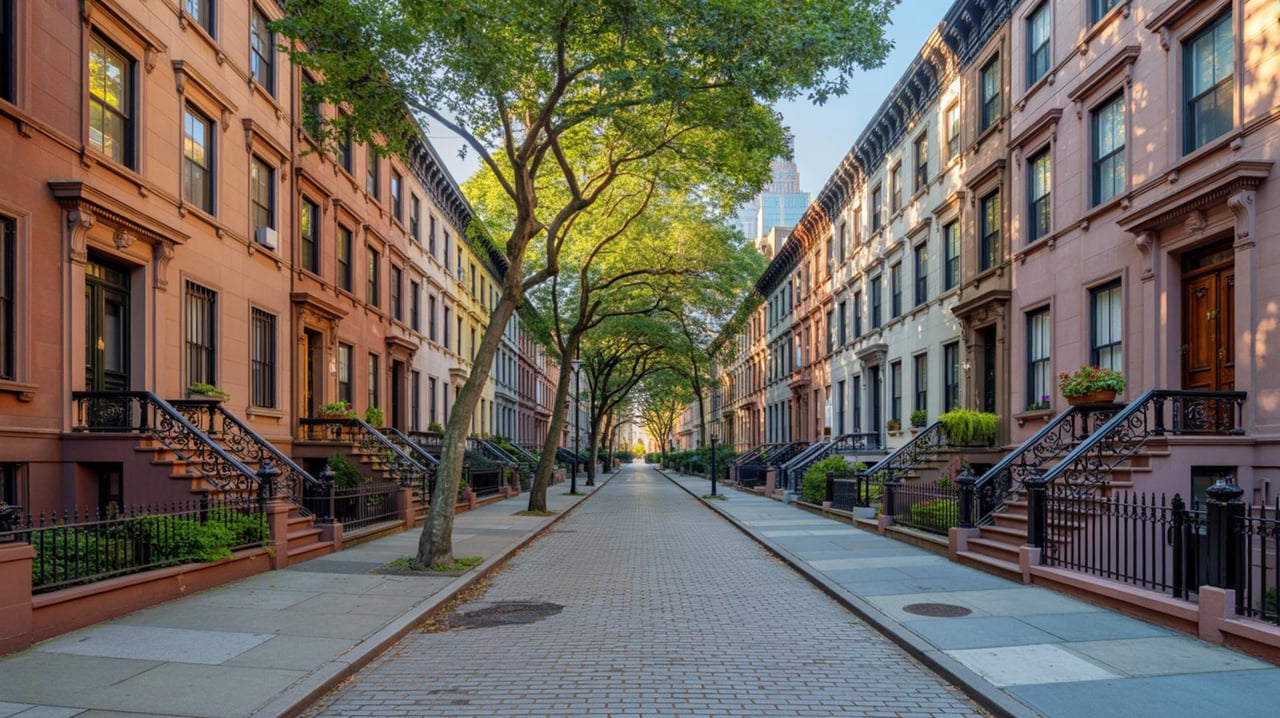
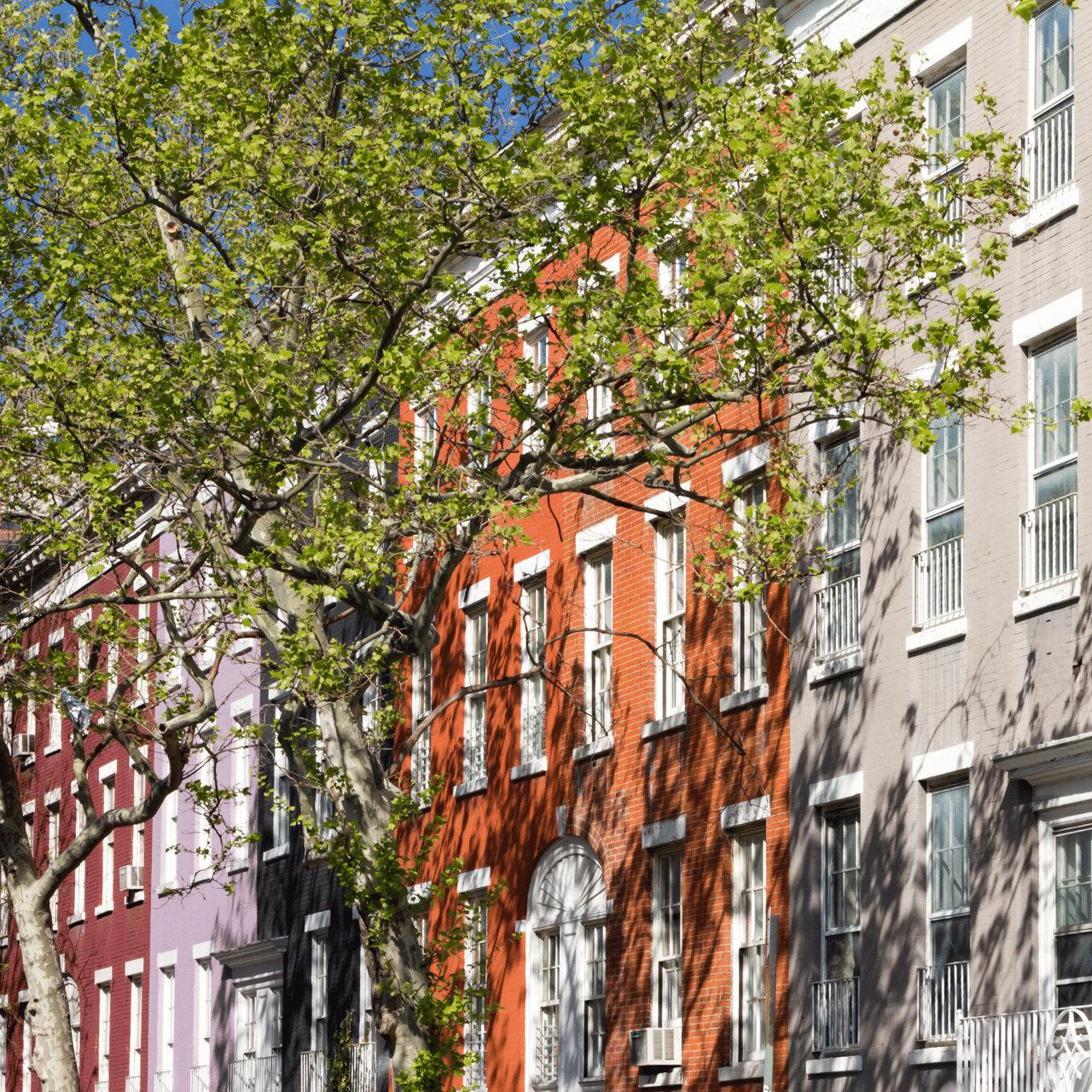
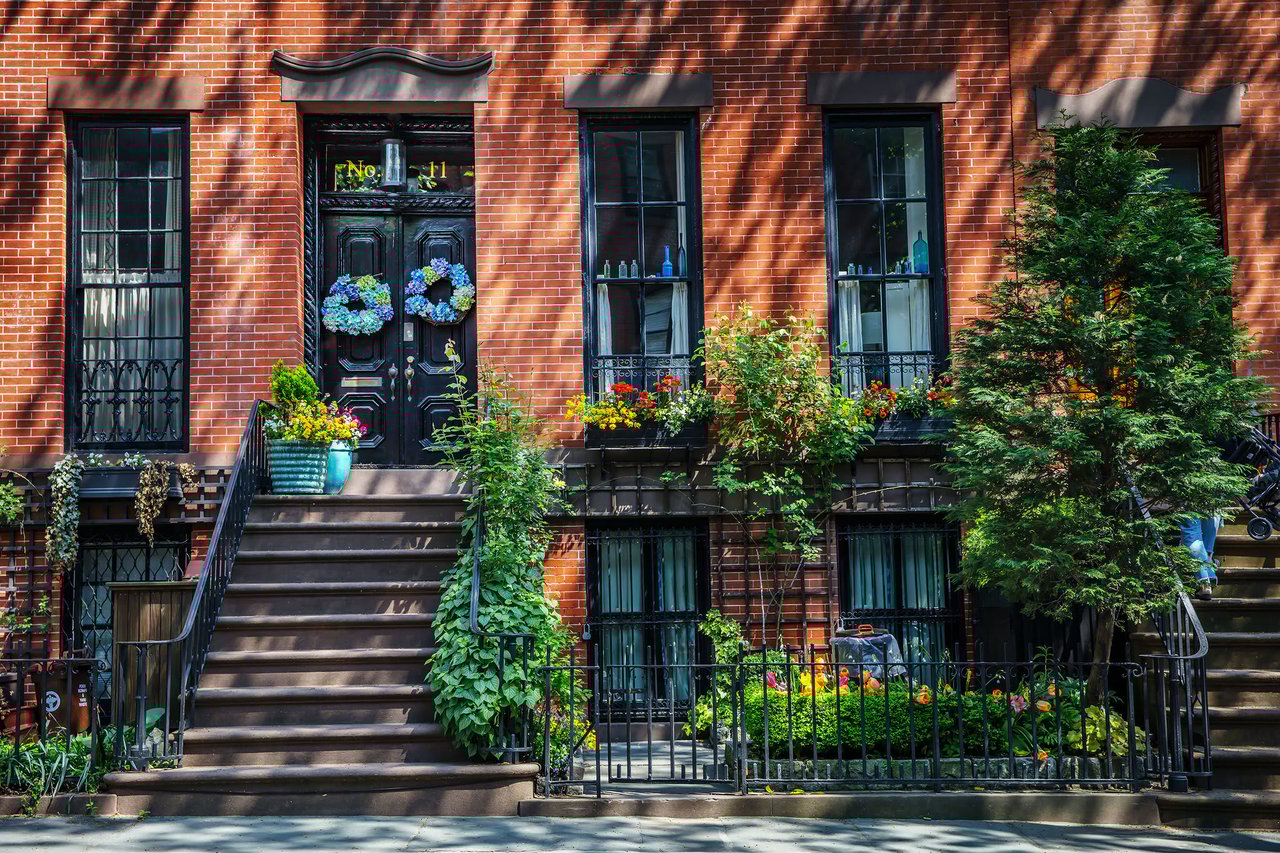
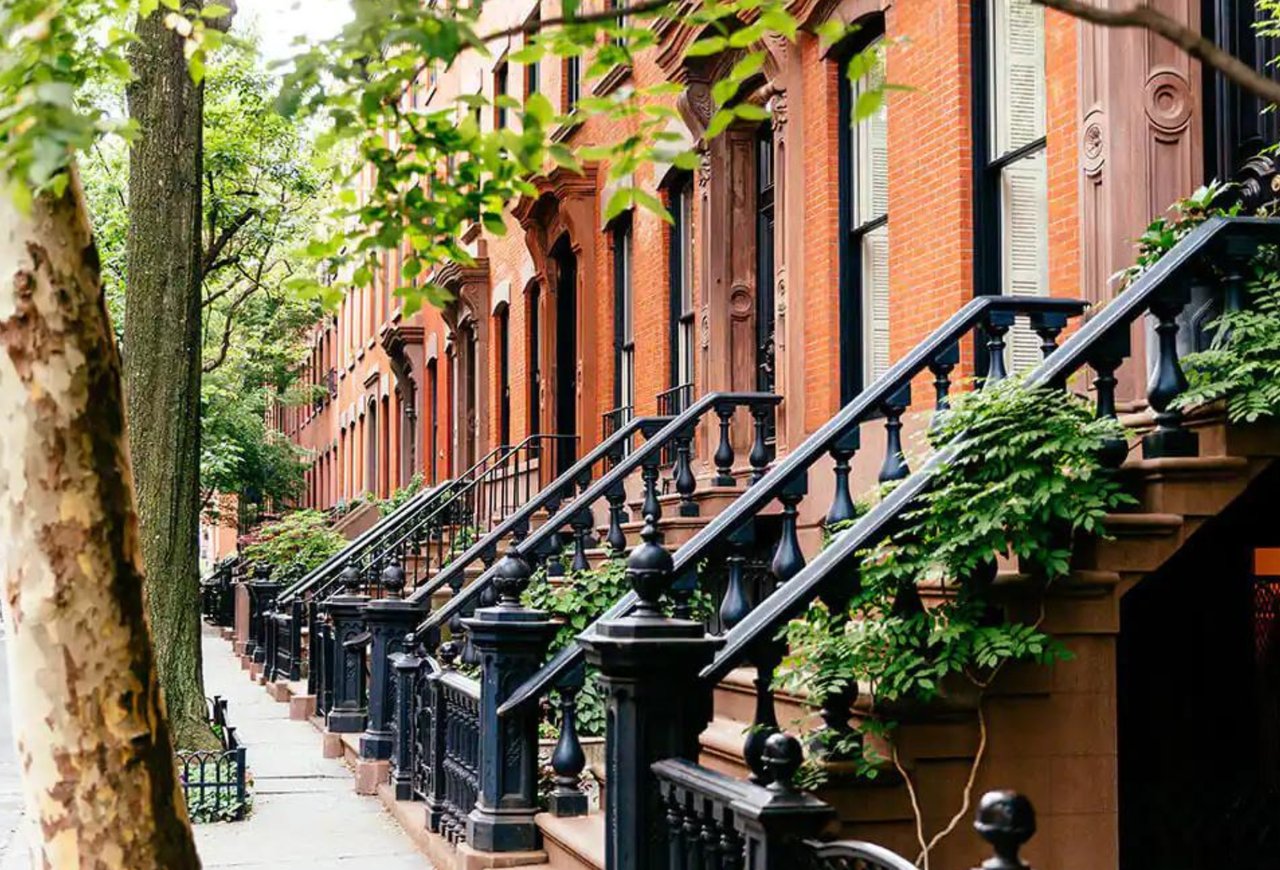
Brooklyn Heights became one of New York City’s earliest historic districts in 1965. In this district, the LPC regulates changes to exterior features that are visible from a public way. That includes items like windows and doors, brownstone and masonry, stoops and railings, cornices, front facades, and rooftop additions if they can be seen from the street.
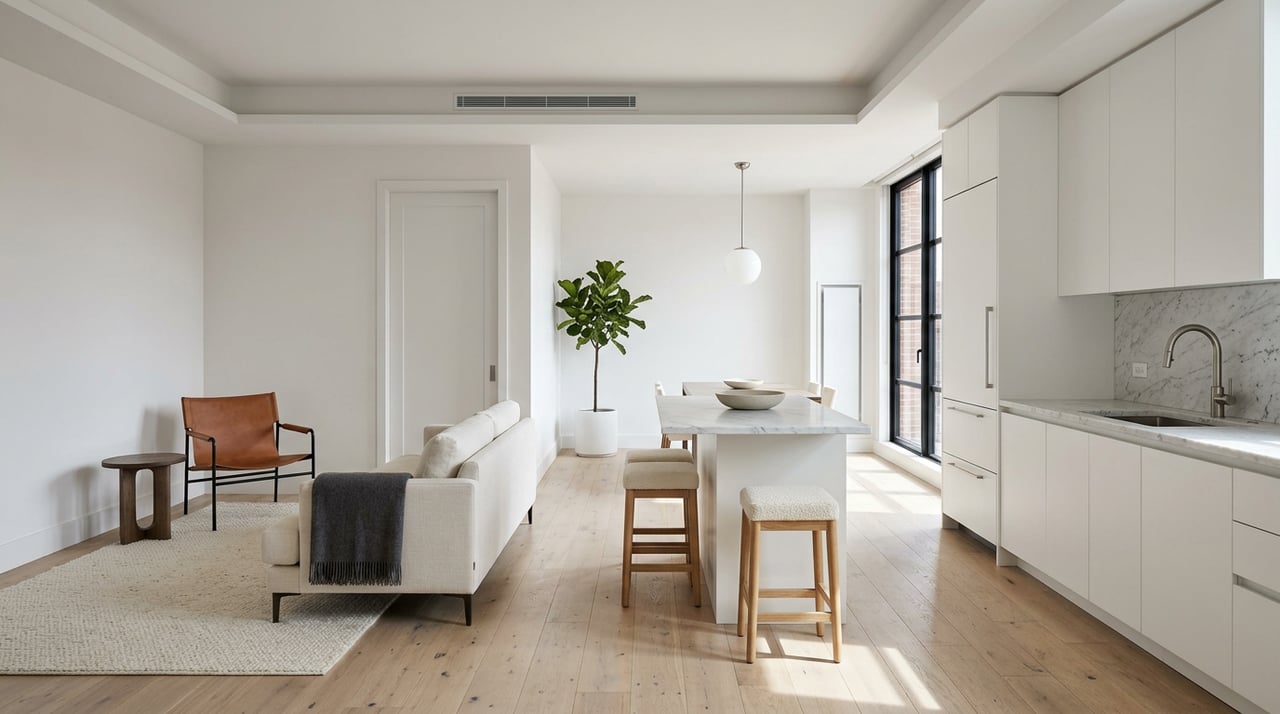
Interior work is typically not regulated unless the interior is individually designated as a landmark. Routine internal repairs that are not visible from a public way may not need LPC review, but it is wise to confirm before you begin. You can review official rules and contact information on the NYC Landmarks Preservation Commission website.
It is important to follow the process. If you perform regulated exterior work without LPC approval, you risk violations, stop-work orders from the Department of Buildings (DOB), fines, required restoration, and closing delays when you sell or refinance. The DOB coordinates its permits with LPC approvals, so check both the LPC’s guidance and the NYC Department of Buildings before you start.
Who reviews and in what order
The LPC is the decision-maker for changes to exteriors that are visible from a public way. The DOB enforces building codes and issues permits, usually after LPC approval for historic-district work. Community Boards, the Borough President’s office, and neighborhood groups can comment during public hearings, but the LPC makes the final call. For neighborhood context and potential community feedback, you can consult the Brooklyn Heights Association.
LPC review paths and timelines
LPC approvals generally follow one of two paths:
- Staff-level review for minor work that meets LPC guidelines. Staff can issue a determination, such as a staff-issued letter of no effect or similar staff approval, often on a faster timeline.
- Public hearing for larger changes, such as additions or visible alterations, where Commissioners vote in a public session.
Possible outcomes include approval, approval with conditions, approval subject to modifications, or denial. Timelines vary by complexity and completeness of your submission. As a planning baseline:
- Preliminary inquiry and consultation: 2 to 8 weeks.
- Staff-level approvals for minor, in-kind work: a few weeks to a couple of months.
- Projects requiring a public hearing and Commission vote: plan on 3 to 6 months for routine cases. More complex work, such as rooftop additions or major façade changes, can take 6 to 12 months or longer, especially if multiple revisions are needed.
- DOB permitting adds more time, often several weeks to months, depending on filings and code reviews.
Expect longer timelines if you need neighborhood outreach, request exceptions to typical materials, or submit incomplete documentation. For any exterior project visible from the street, it is smart to begin design and planning 6 to 12 months before your intended start date.
Common Brooklyn Heights projects and LPC expectations
Below are typical projects and what LPC generally reviews for in the Brooklyn Heights Historic District.
Windows
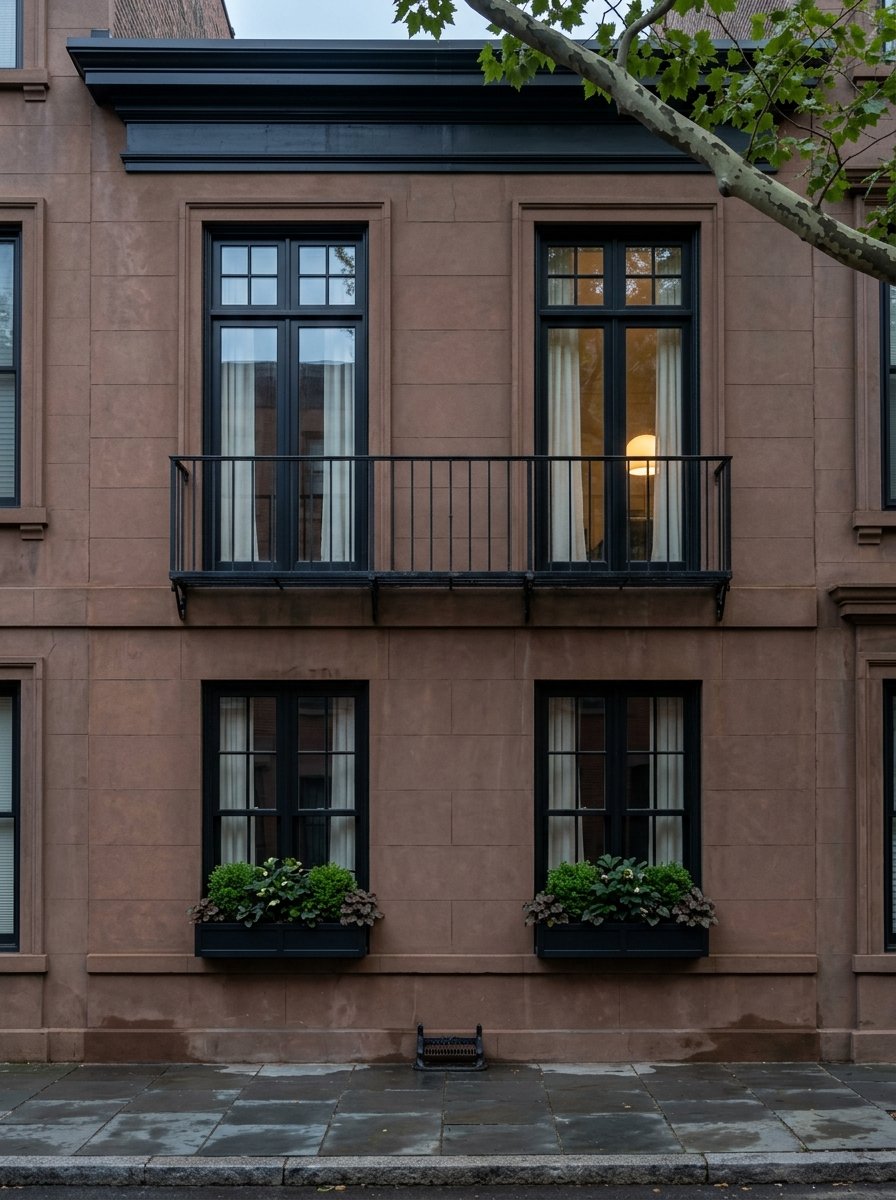
- What triggers review: Full replacements, changes to opening size or muntin patterns, material changes, and any visible trim or sill changes.
- What LPC looks for: Historic profiles, proportions, and sightlines. In-kind repair is favored when possible. When replacement is necessary, high-quality wood replicas are often preferred for primary facades. Vinyl on front elevations is often discouraged.
- Smart alternative: Storm windows can improve energy performance with minimal impact and are frequently permitted.
Facade repair and repointing
- What triggers review: Masonry work, repointing, reconstruction of cornices, and cleaning methods.
- What LPC looks for: Matching mortar composition, color, joint profile, and tooling; sensitive repair methods that protect brownstone and decorative details; avoidance of abrasive cleaning.
- What to prepare: Photos of deterioration, proposed methods and materials, and sometimes a mortar analysis.
Stoops, ironwork, fences, and areaways
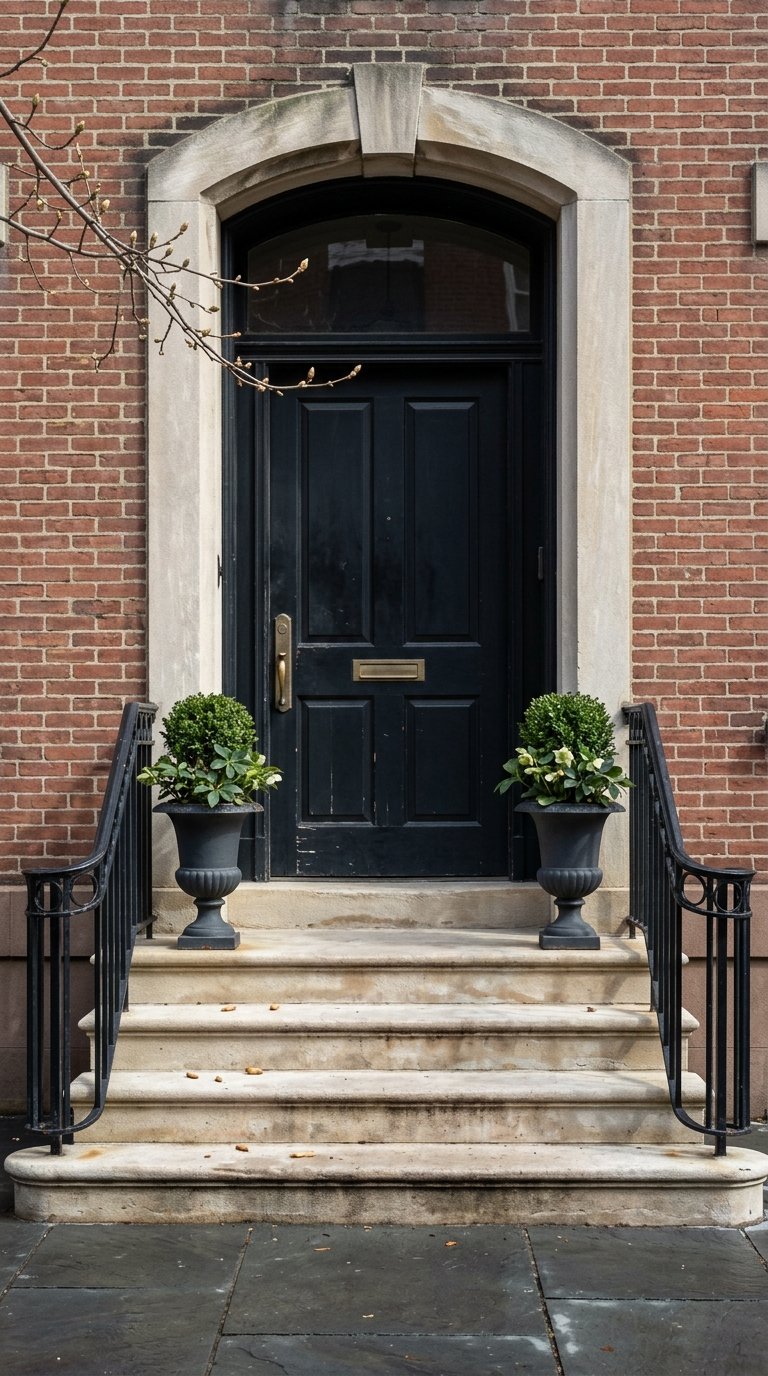
- What triggers review: Repair or replacement of railings, stoop reconstruction, or installation of fences.
- What LPC looks for: Profiles, patterns, finishes, and locations that match historic conditions or appropriate precedents. Scale and design should align with the building’s character.
- What to prepare: Elevations, photos, shop drawings, and finish samples.
Doors and entrances
- What triggers review: Replacement of primary doors, transoms, or sidelights visible from the street.
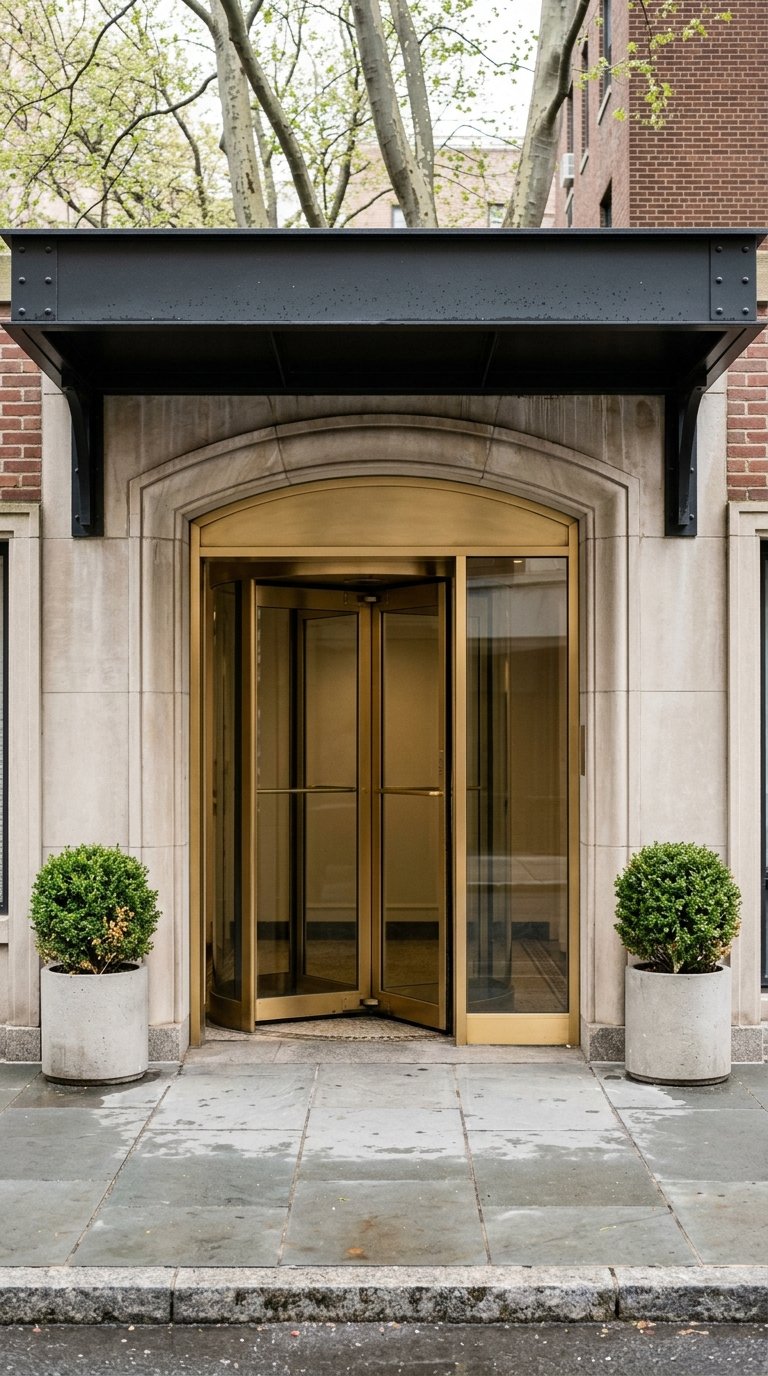
- What LPC looks for: Preservation of historic doors when feasible; if replacement is justified, materials, proportions, and paneling that mirror the original. Oversized glass storefront-style doors are typically not compatible on brownstone facades.
Roofs, cornices, and rooftop additions
- What triggers review: New rooftop additions, bulkheads, visible mechanicals, and cornice replacement.
- What LPC looks for: Additions that are minimally visible from public ways, set back, low in profile, and finished with subdued materials and colors. Screen or conceal mechanicals wherever possible.
- What to prepare: Section drawings, sightline studies, materials, and renderings to demonstrate visibility.
Rear additions and enlargements
- What triggers review: Rear expansions or changes that are visible from public ways.
- What LPC looks for: Subordinate additions that do not overwhelm the historic structure. Differentiated materials can help maintain the legibility of the original rear façade.
Paint and color
- What triggers review: Painting previously unpainted masonry or changing colors of prominent wood or metal features.
- What LPC looks for: Preservation of original materials and finishes, especially for stone. Always confirm before painting unpainted masonry or making a major color shift on a primary façade.
Mechanical, HVAC, and electrical
- What triggers review: Rooftop condensers, through-wall units, and exterior conduits visible from a public way.
- What LPC looks for: Minimal visibility, careful placement on secondary elevations or non-visible roof areas, and detailing that protects historic fabric.
- What to prepare: Location plans, penetrations and flashing details, and any proposed screening.
Sidewalks, vault covers, and vault work
- What triggers review: Work in sidewalk vaults, new sidewalk treatments, or replacement of vault covers.
- What LPC looks for: Historically compatible materials and patterns for features visible from the street. DOB and LPC coordination is common for structural issues.
- What to prepare: Structural reports, vault design, and materials.
Planning your renovation the right way
Good planning reduces risk, speeds approvals, and protects your budget. Use the steps below to set up your project for success.
Early steps checklist
- Verify your property’s status on LPC designation maps and review the Brooklyn Heights designation report to understand character-defining features. Start with the LPC’s official site.
- Conduct a condition survey with detailed photos, including street views and close-ups of deterioration.
- Request an early consult with LPC staff to identify potential issues and whether your project can be staff-approved or needs a hearing.
- Touch base with local groups for context, such as the Brooklyn Heights Association, since community input can influence schedules and design revisions.
Build the right team
- Hire an architect or preservation consultant experienced with LPC submissions and hearings.
- Add a structural engineer if you plan additions, vault work, or other load-bearing changes.
- Select contractors with a track record in landmark districts who can deliver appropriate methods, samples, and documentation.
What to include in LPC submissions
- Scaled elevations, sections, and details that clearly show existing and proposed conditions.
- Material specs and product sheets, plus physical samples where applicable.
- Existing-condition photos and historic images if available.
- Sightline studies for rooftop work to demonstrate visibility from public ways.
- Mortar analysis or patch samples for masonry work when requested.
Communication and public process
- For visible projects, expect a public hearing and possible neighborhood comments. Build in time for revisions.
- Consider a visual mockup or a trial installation. Seeing materials in place can help staff and Commissioners make decisions.
Timing and sequencing tips
- Submit to the LPC before filing with the DOB. Coordinated sequencing prevents rework and delays.
- Plan for long lead times on custom historic components like wood windows and cast-iron railings.
- For weather-sensitive work such as brownstone repairs, include seasonal contingencies in your schedule.
Cost and value considerations
- Historically appropriate work can cost more than standard replacements due to materials and craftsmanship. For example, custom wood windows or historically accurate replicas often cost significantly more than off-the-shelf vinyl units, and custom metalwork requires artisanal fabrication.
- To balance energy goals and preservation, consider weatherstripping, storm windows, interior storm panels, and improved insulation in non-visible areas. These strategies tend to be LPC-friendly and can deliver strong performance.
- High-quality exterior restoration typically preserves or enhances value in landmark neighborhoods. Clear documentation and reversible solutions are appealing to buyers and reduce friction at resale.
Trusted resources and next steps
Start with official guidelines from the NYC Landmarks Preservation Commission and coordinate permitting with the NYC Department of Buildings. For neighborhood context and advocacy, explore the Brooklyn Heights Association. For best practices and technical support, the Historic Districts Council and the New York Landmarks Conservancy offer helpful guidance.
Practical next steps:
- Confirm your property’s landmark status and review the Brooklyn Heights designation materials to understand defining features.
- Book an LPC pre-application consultation to test your concept and confirm the likely review path.
- Engage a preservation-aware architect to prepare drawings, materials, and sightline studies.
- Budget for multiple submission rounds and plan 6 to 12 months for major exterior work.
- Consider preservation-friendly alternatives, such as storm windows and screened mechanicals, that improve performance while protecting the façade.
Ready to align your renovation with your property goals in Brooklyn Heights? Whether you are buying, preparing to sell, or optimizing a long-term holding, a smart plan can save time and protect value. If you would like a discreet, local perspective on how approvals, timing, and scope may affect your next move, connect with Daniel Kramp. Let’s connect for a private consultation.
FAQs
Do you need LPC approval to replace windows on a Brooklyn Heights brownstone?
- Yes, if the windows are visible from a public way. The LPC typically favors in-kind repair and, when replacement is approved, historically accurate profiles and materials.
How long does LPC approval take for a visible rooftop addition in Brooklyn Heights?
- Plan on 3 to 6 months for a hearing and decision in routine cases, and 6 to 12 months or more for complex additions that require multiple revisions and visibility studies.
What happens if you start exterior work in Brooklyn Heights without LPC approval?
- You may face LPC violations, DOB stop-work orders, fines, and a requirement to restore unapproved changes, which can also delay future sales or refinancing.
Are interior renovations in the Brooklyn Heights historic district regulated by the LPC?
- Interior work is not usually regulated unless the interior is individually designated, but DOB permits may still be required for code compliance.
Can you install HVAC condensers on the roof in the Brooklyn Heights historic district?
- Often yes, if they are not visible from public ways or are sensitively screened. Placement, visibility, and detailing are key to LPC approval.
Do you need LPC approval to paint unpainted brownstone in Brooklyn Heights?
- Confirm with LPC before painting. The Commission generally discourages painting previously unpainted masonry and will review color changes to prominent features.