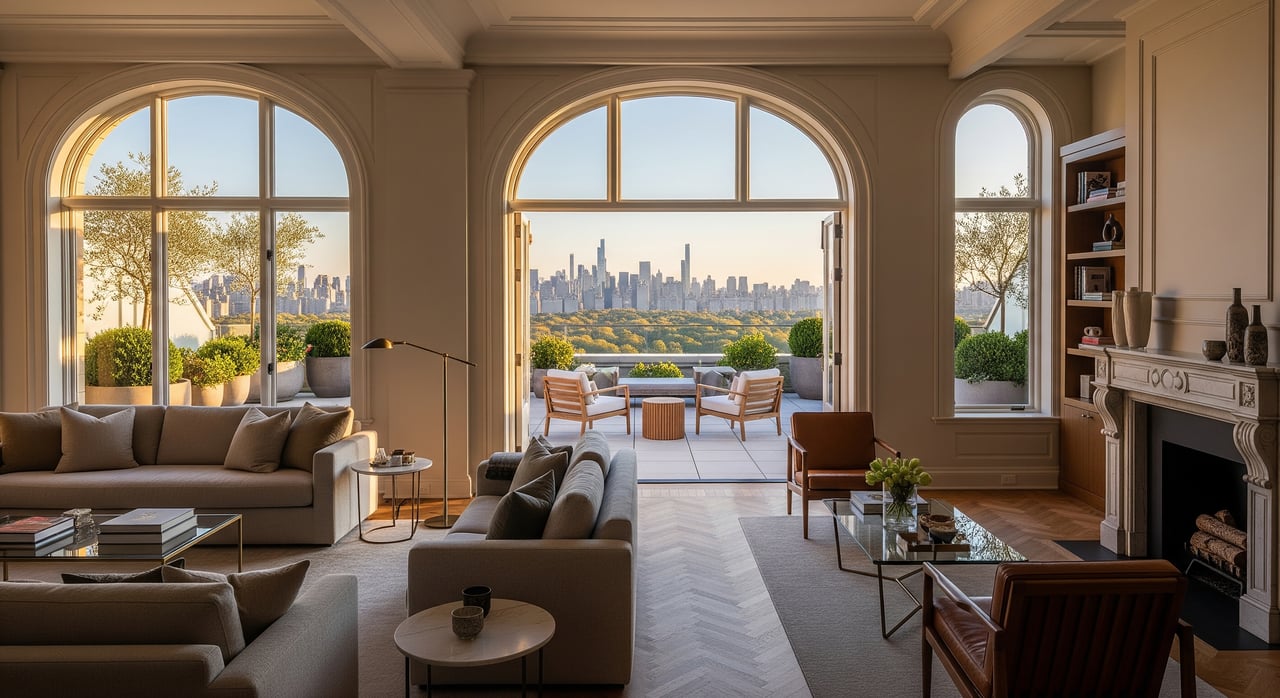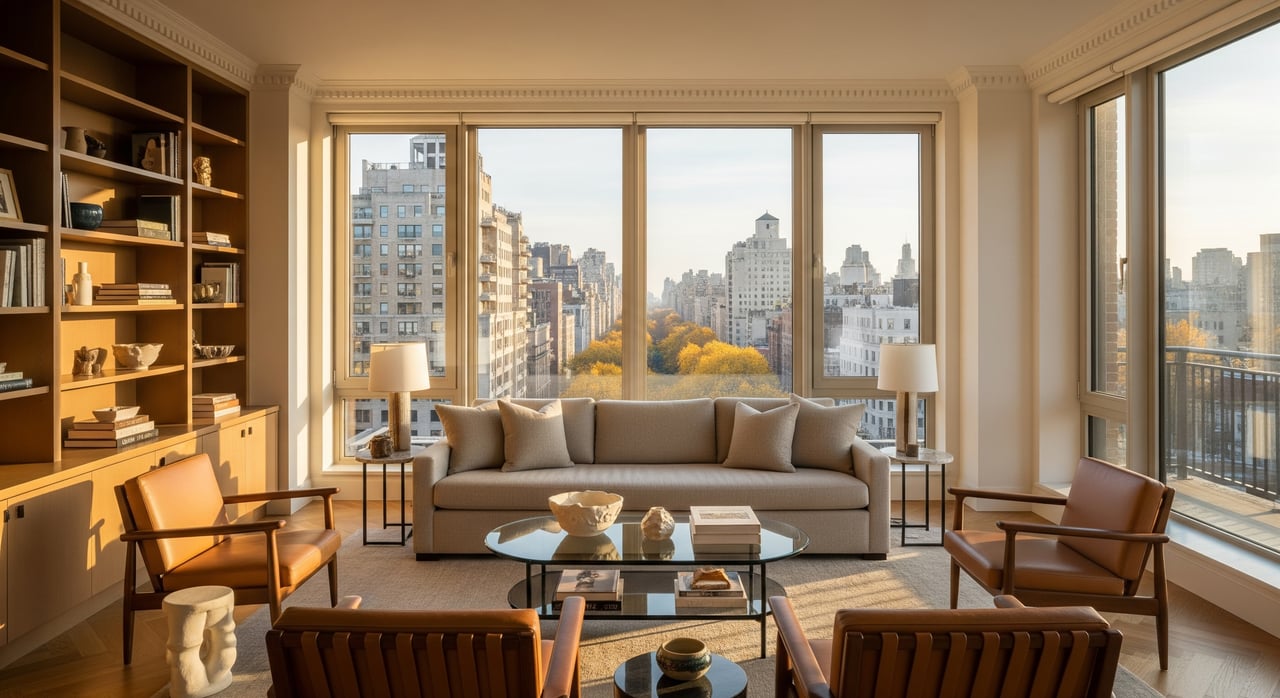
Trying to decide between a Brooklyn Heights brownstone, a co-op, or a condo? The right choice shapes your daily rhythm, maintenance load, and long-term flexibility just as much as it shapes your budget. If you love the neighborhood’s historic charm but want clarity on ownership types, financing, board approvals, and closing costs, you’re in the right place. This guide breaks down how each option lives, what it costs to maintain, and the practical steps to buy with confidence. Let’s dive in.
Brooklyn Heights at a glance
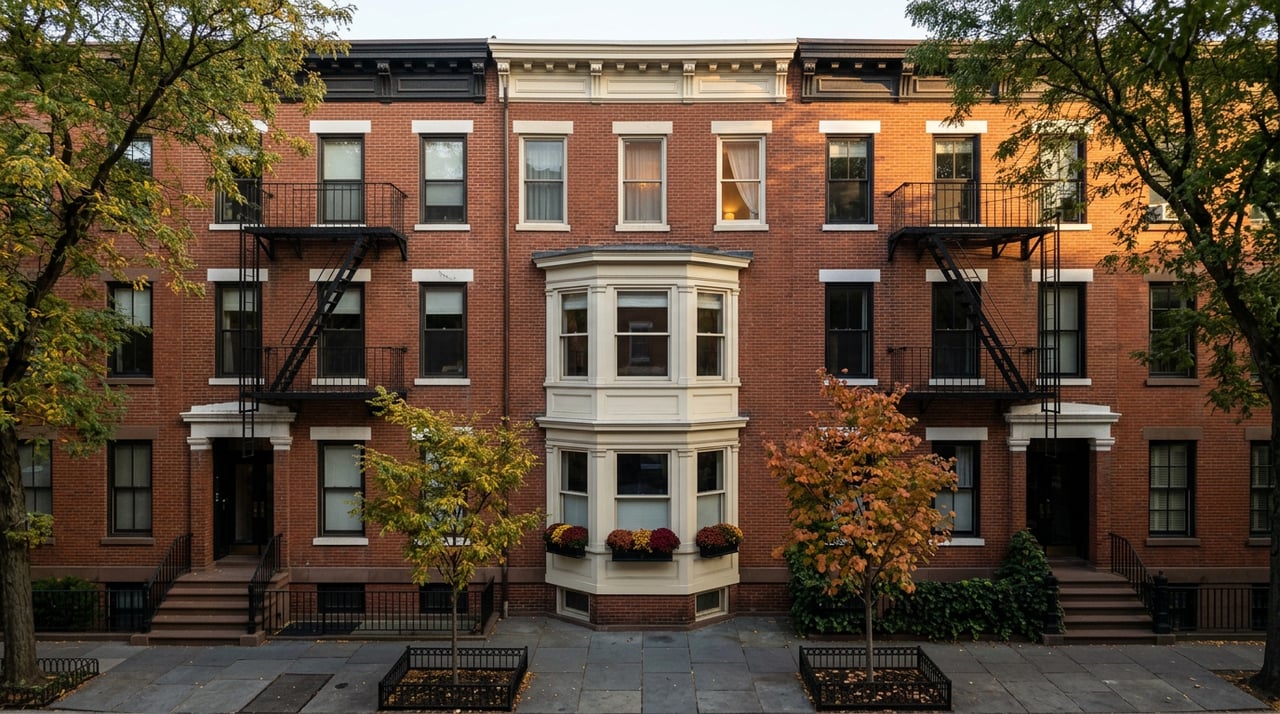
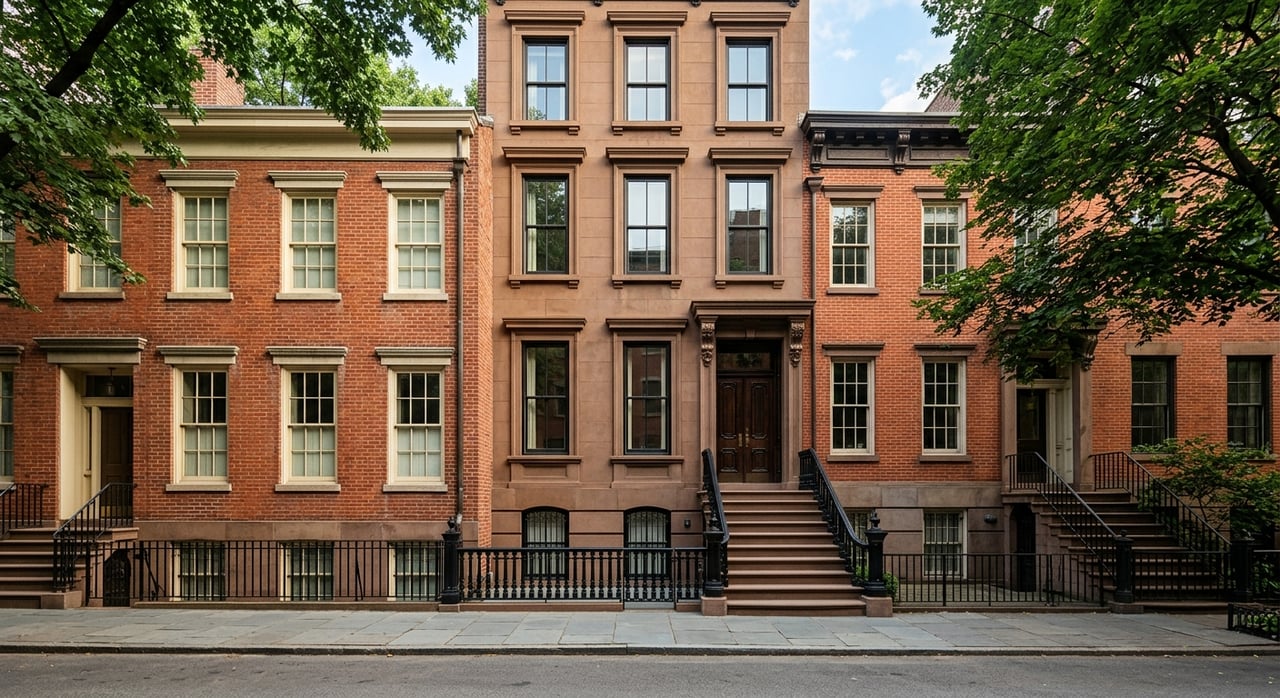
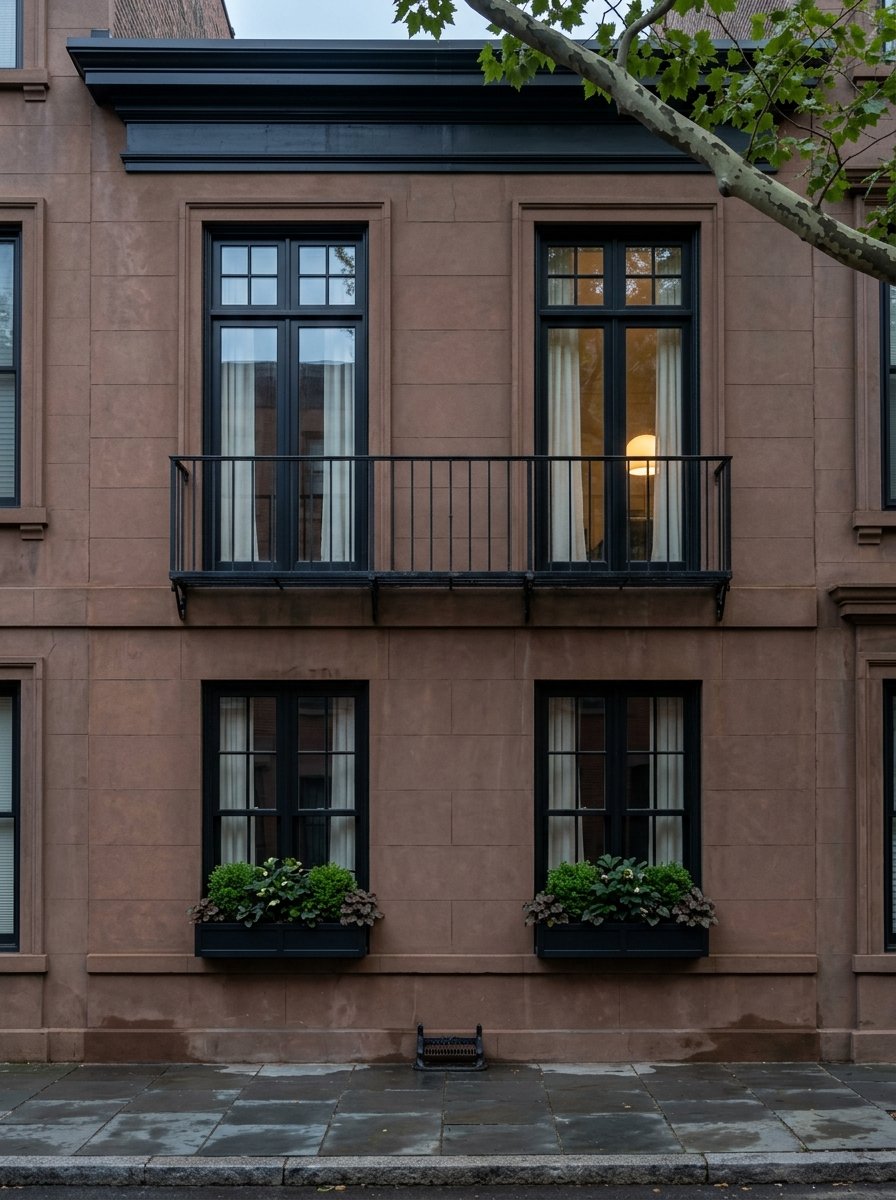
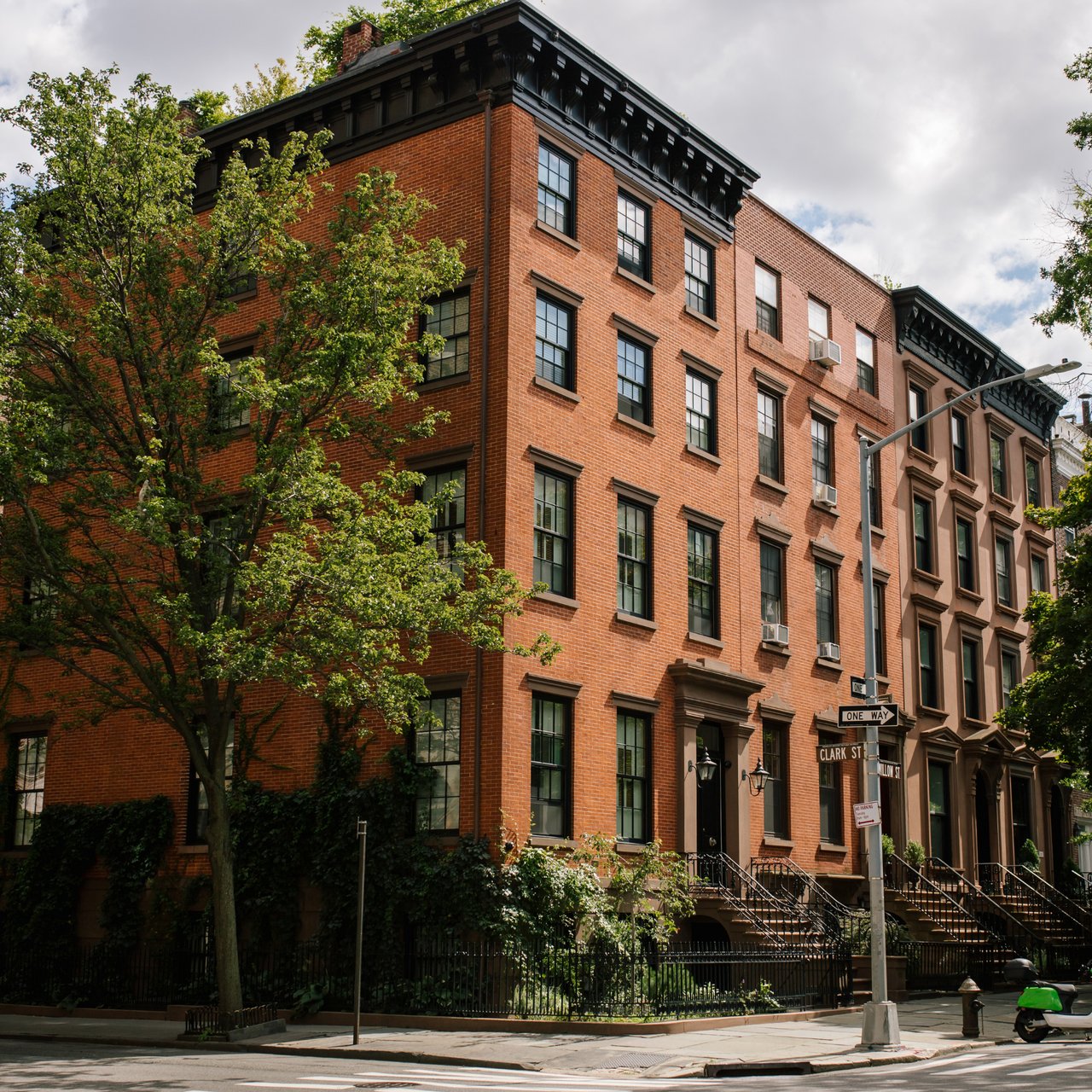
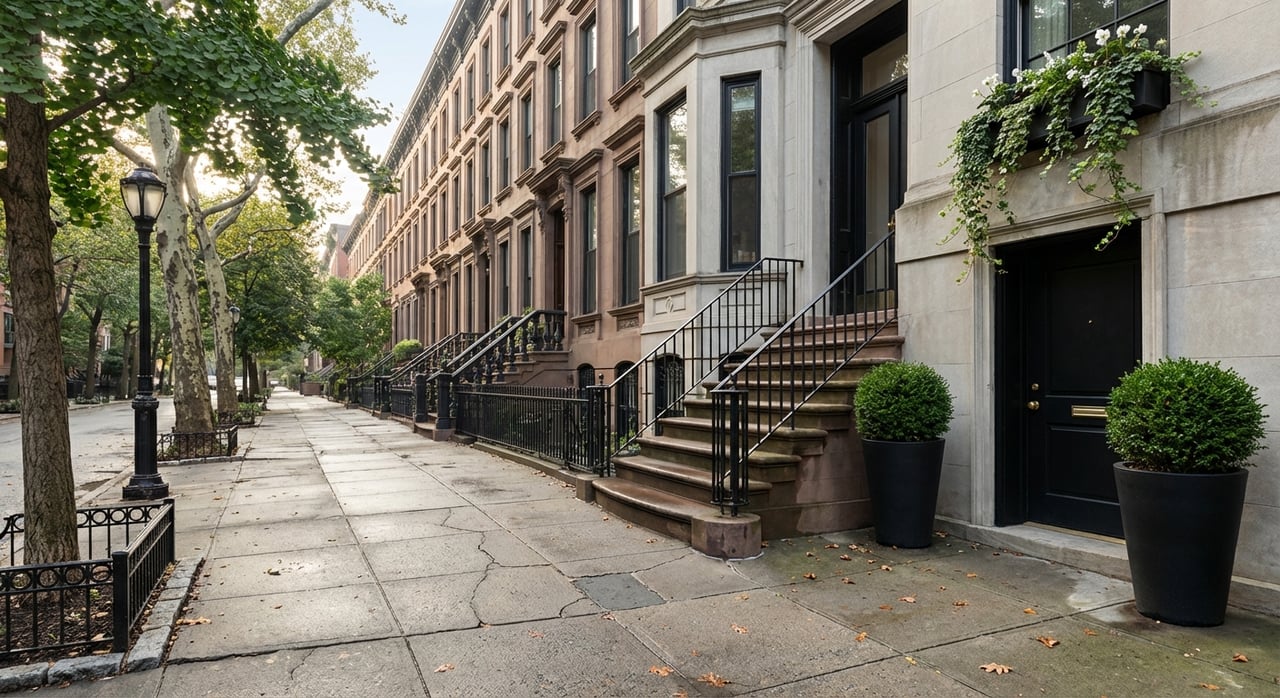
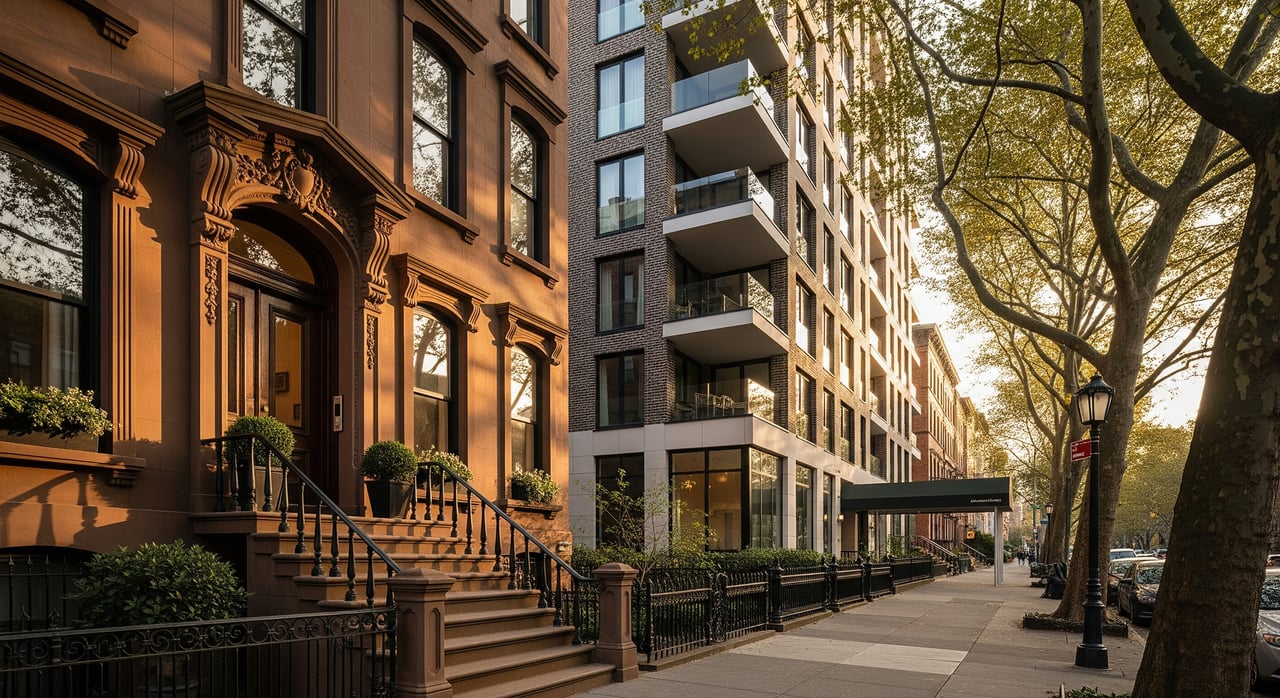
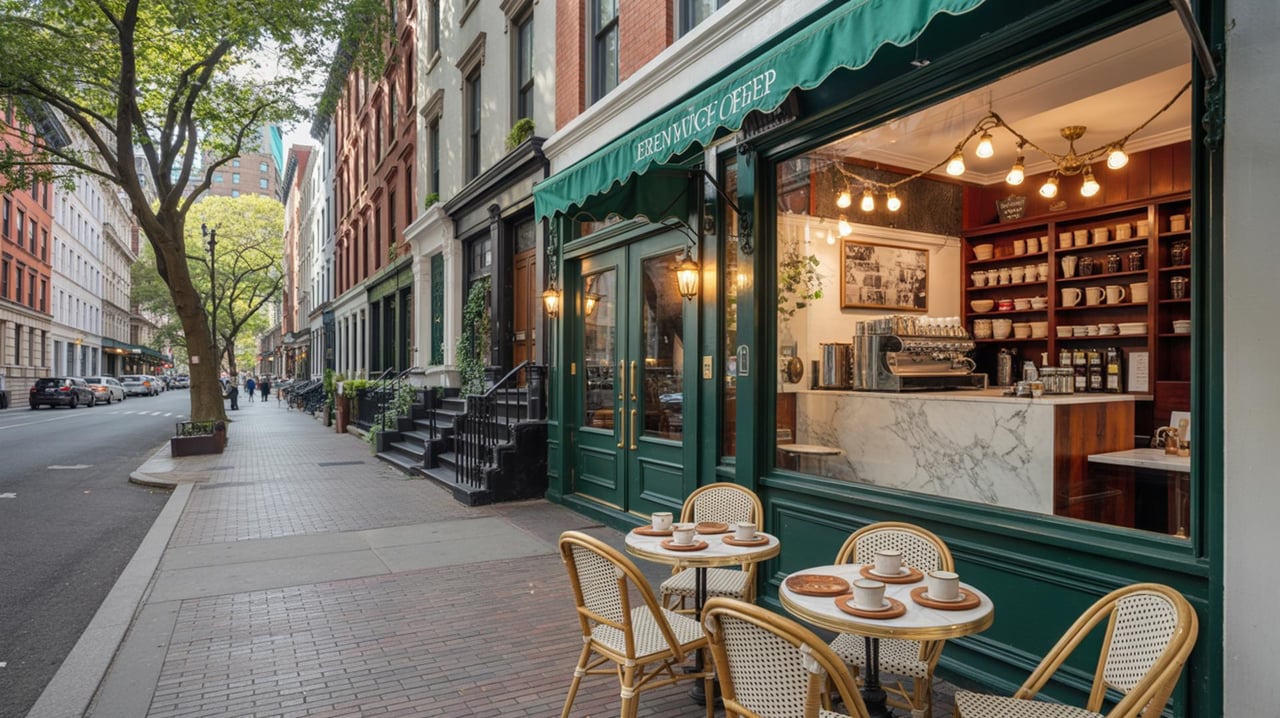
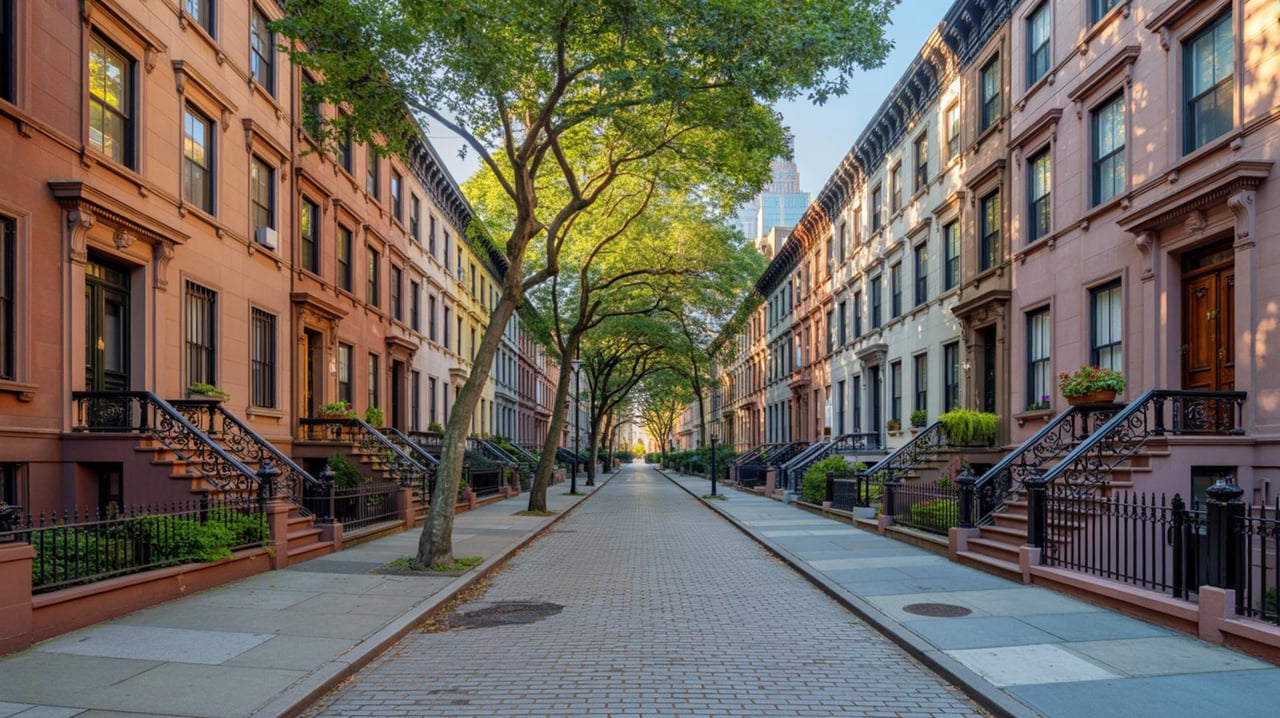
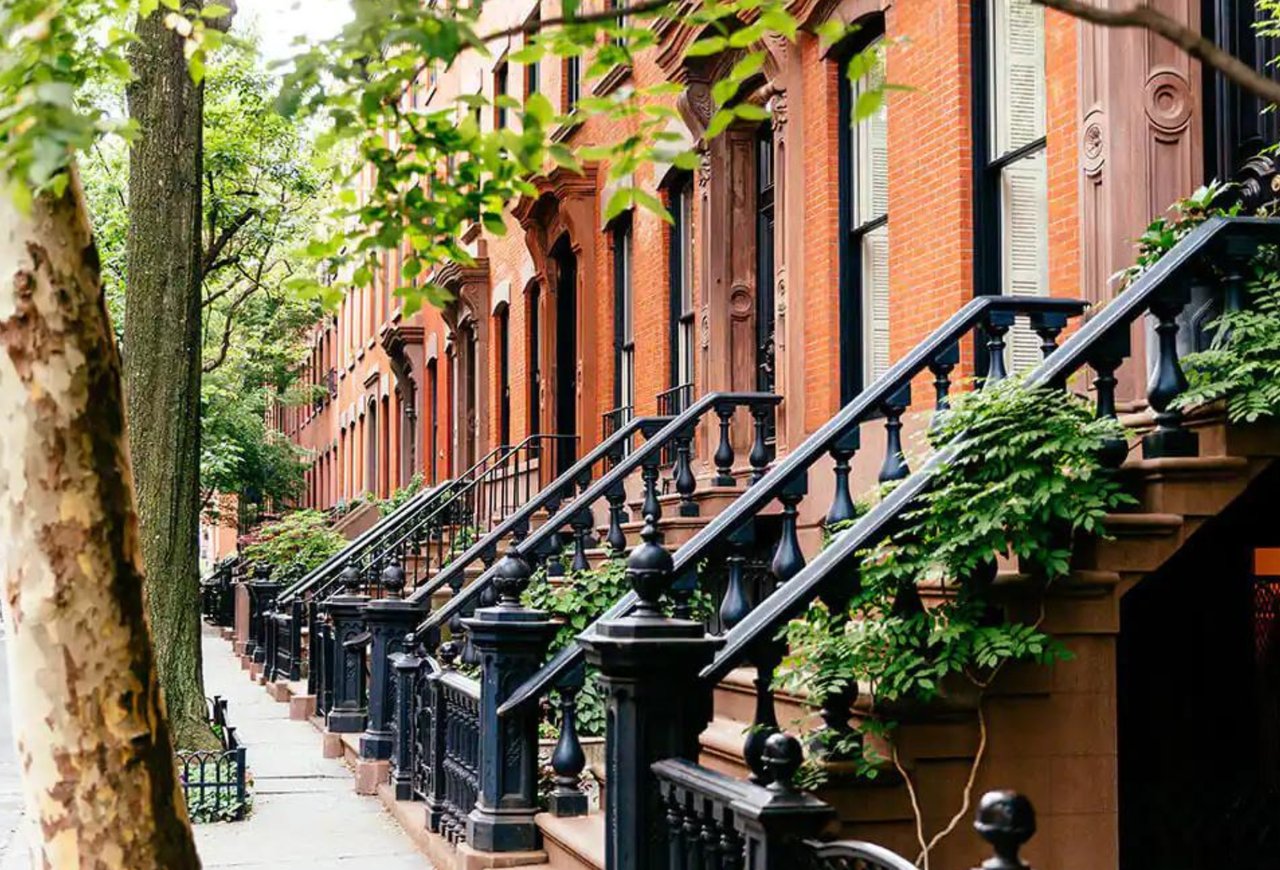
Brooklyn Heights is one of New York’s earliest planned residential districts and the city’s first municipal historic district, designated in 1965. Those protections explain the beautiful rows of 19th-century townhouses you see on nearly every block and the thoughtful approach to renovation throughout the neighborhood. You can learn more about the district’s preservation story from the New York Preservation Archive Project.
You sit along the East River, directly across from Lower Manhattan, with multiple subway stations that offer quick, reliable access. Notably, the Clark Street 2/3 and High Street A/C stations make commuting simple for many residents. For a concise overview of the neighborhood’s location and transit, see Brooklyn Heights on Wikipedia.
Prices reflect the prime location and housing stock. Recent summaries show a high-price market, with Rocket reporting a median sold price around $1.92 million for the 12 months ending June 2025. For exact, in-the-moment guidance, review current agent and MLS data and reference the Brooklyn Heights market snapshot.
Brownstones and townhouses
What they are and how they live
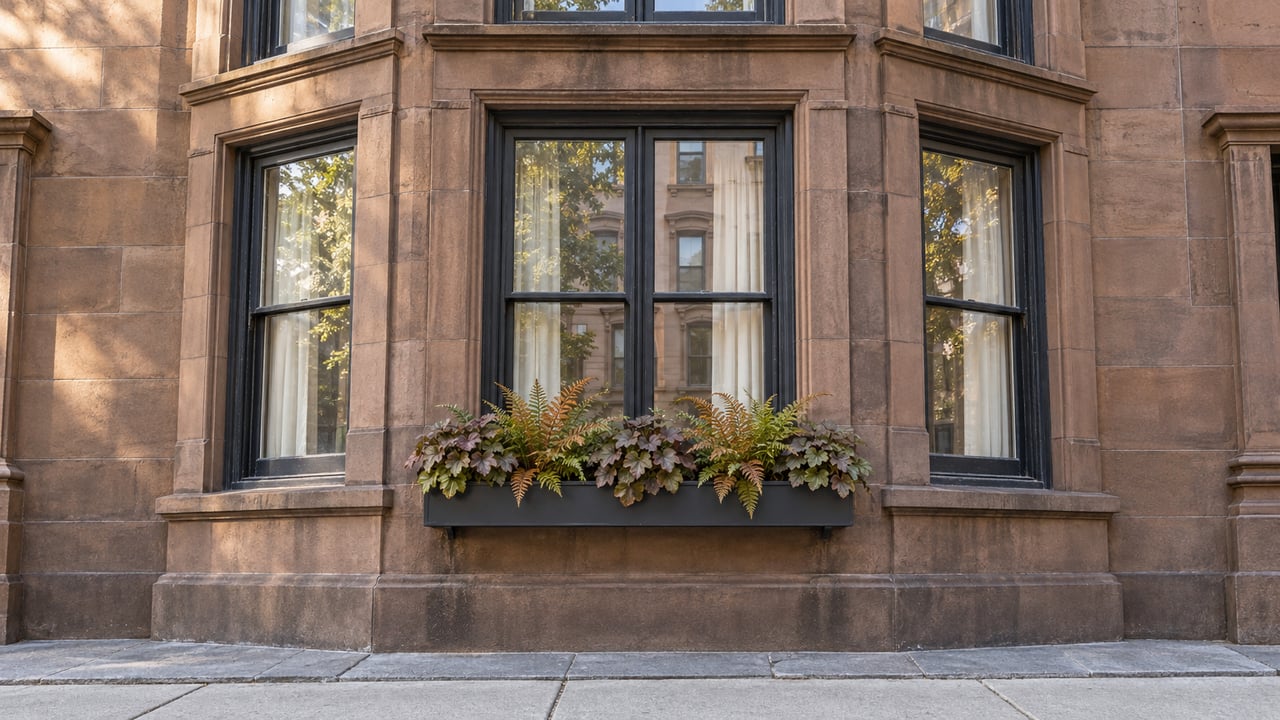
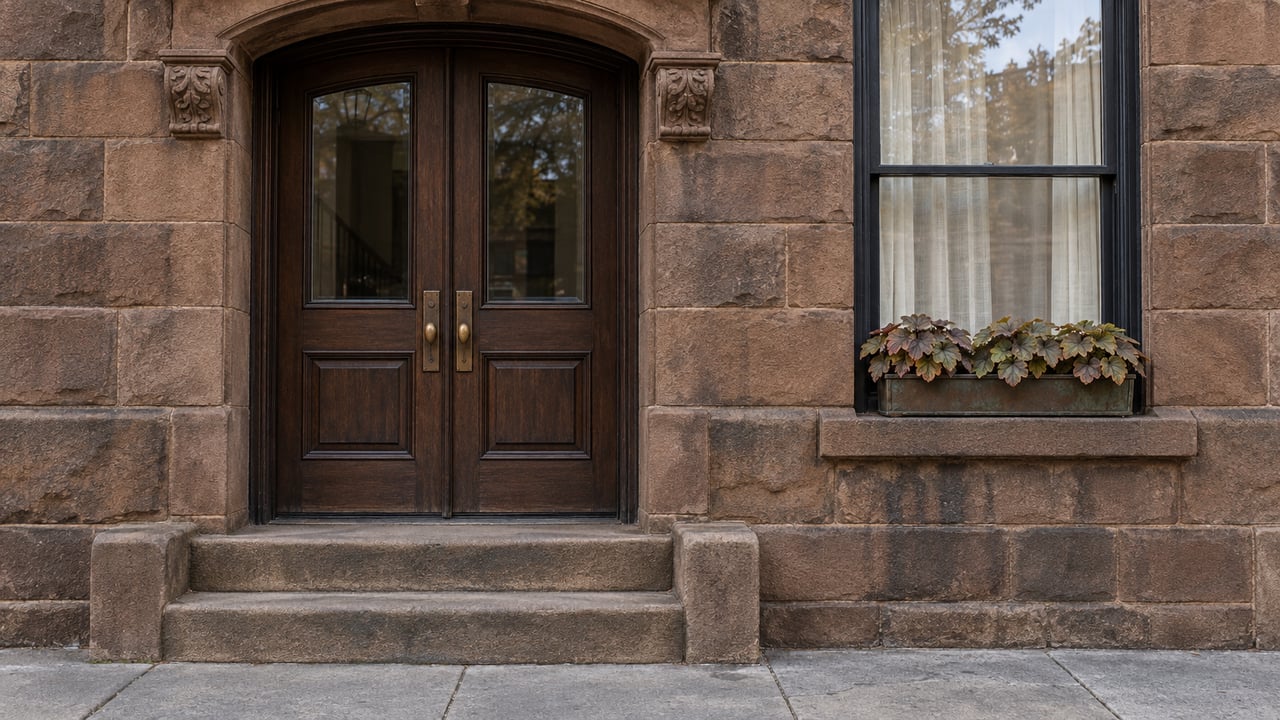
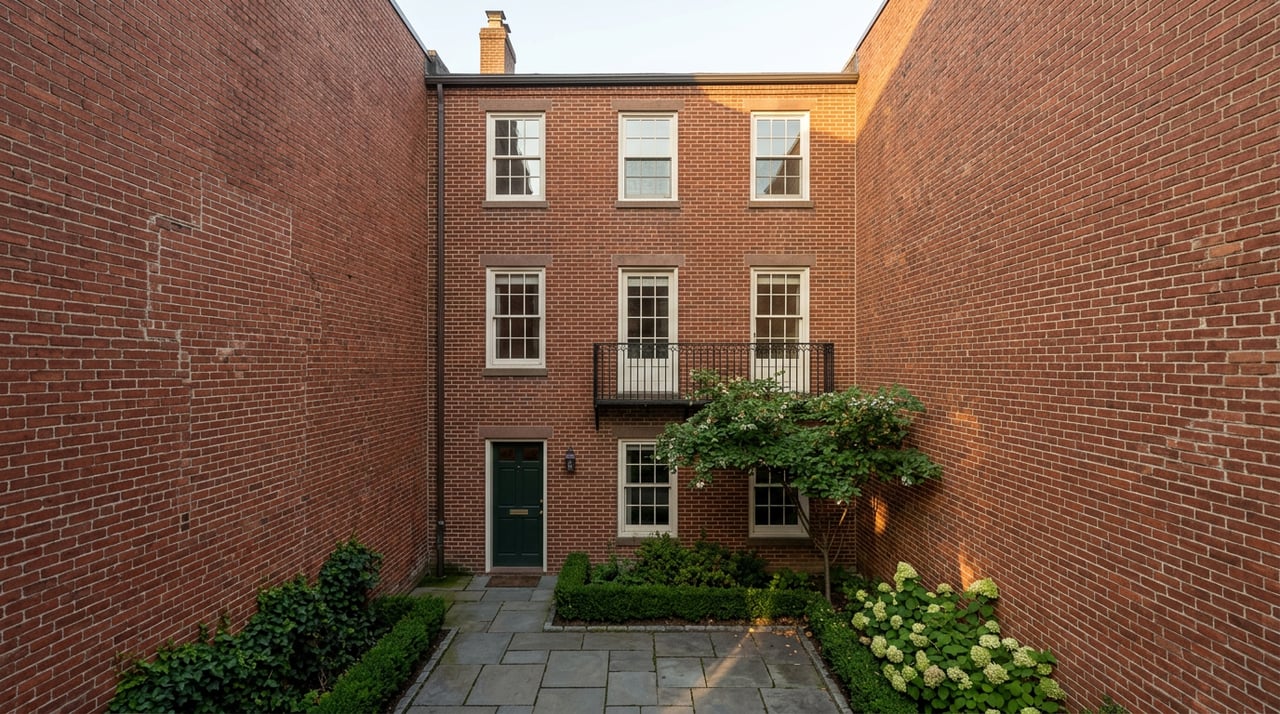
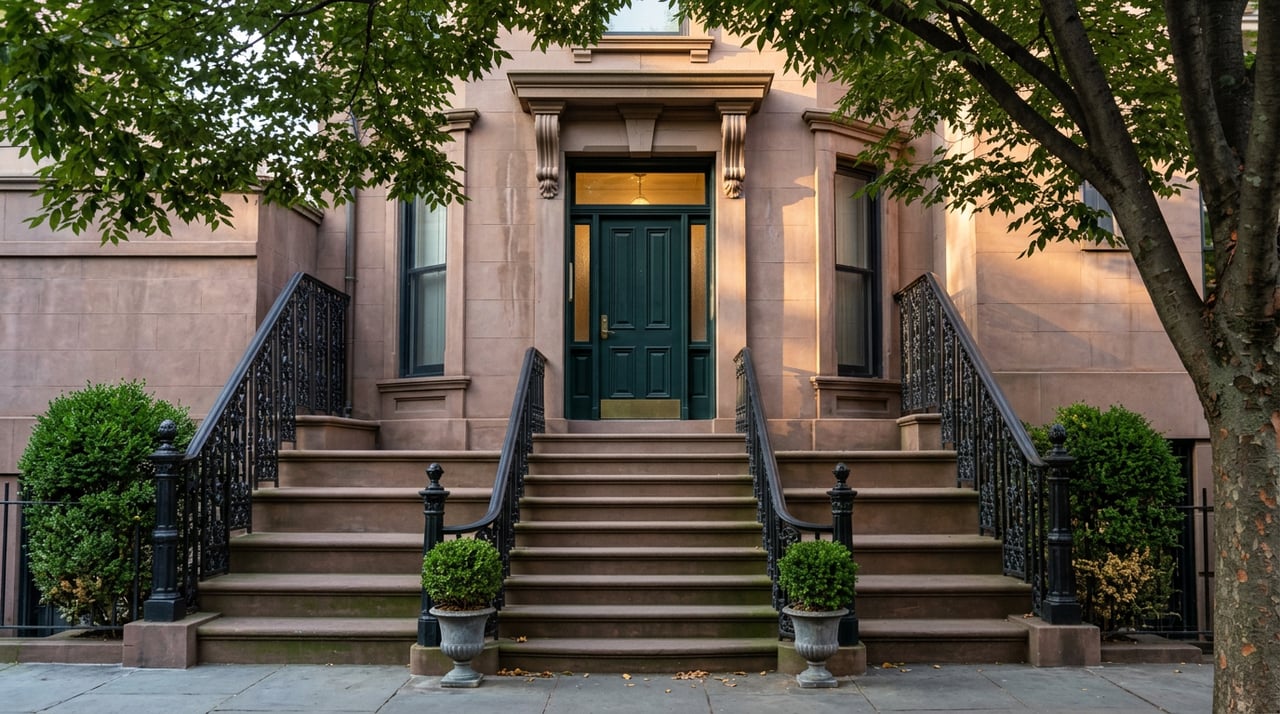
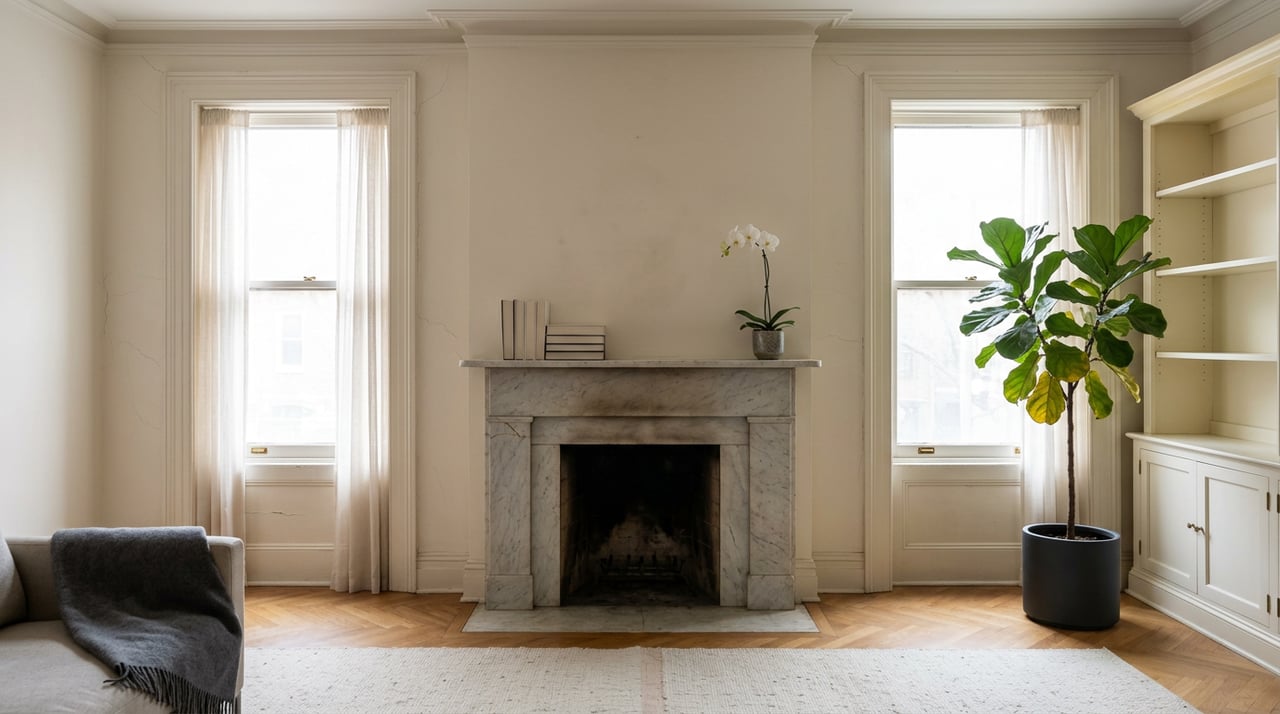
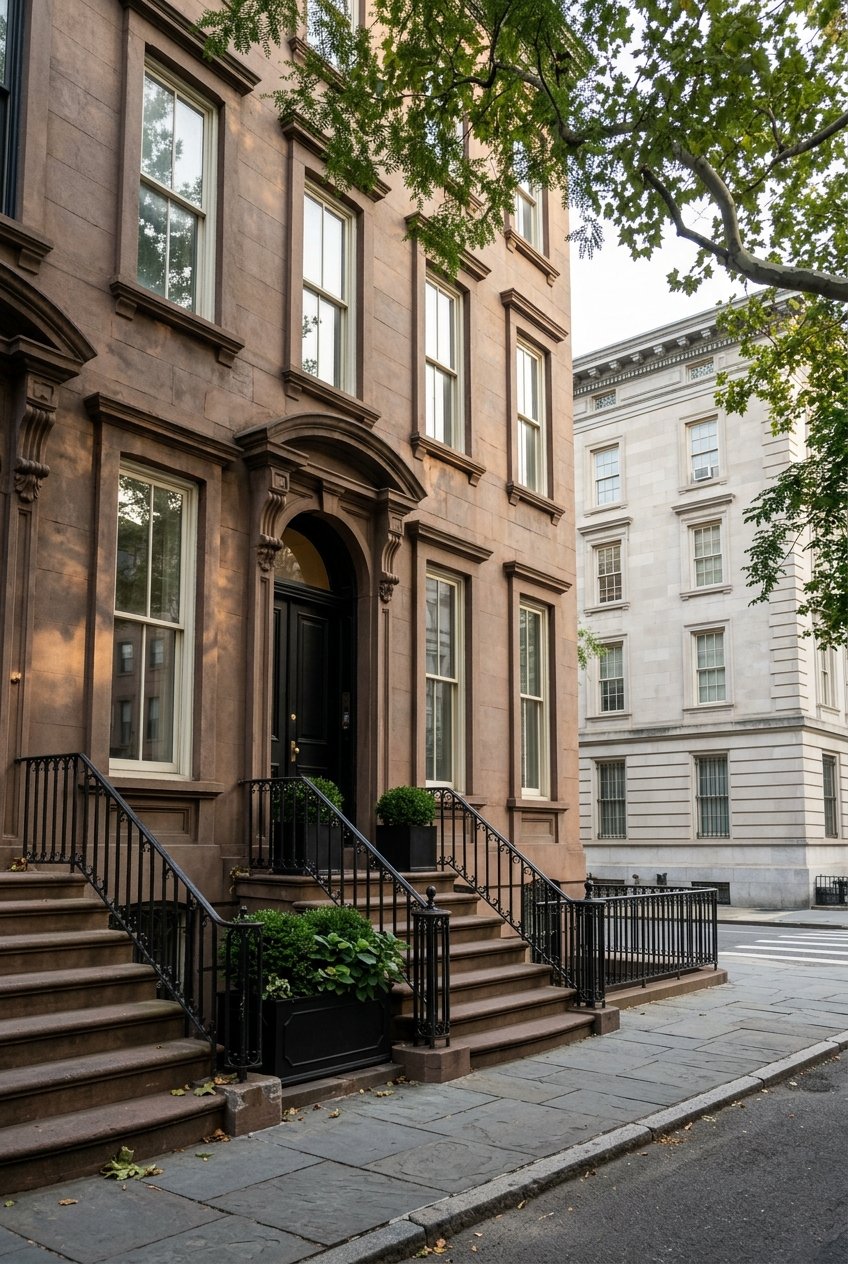
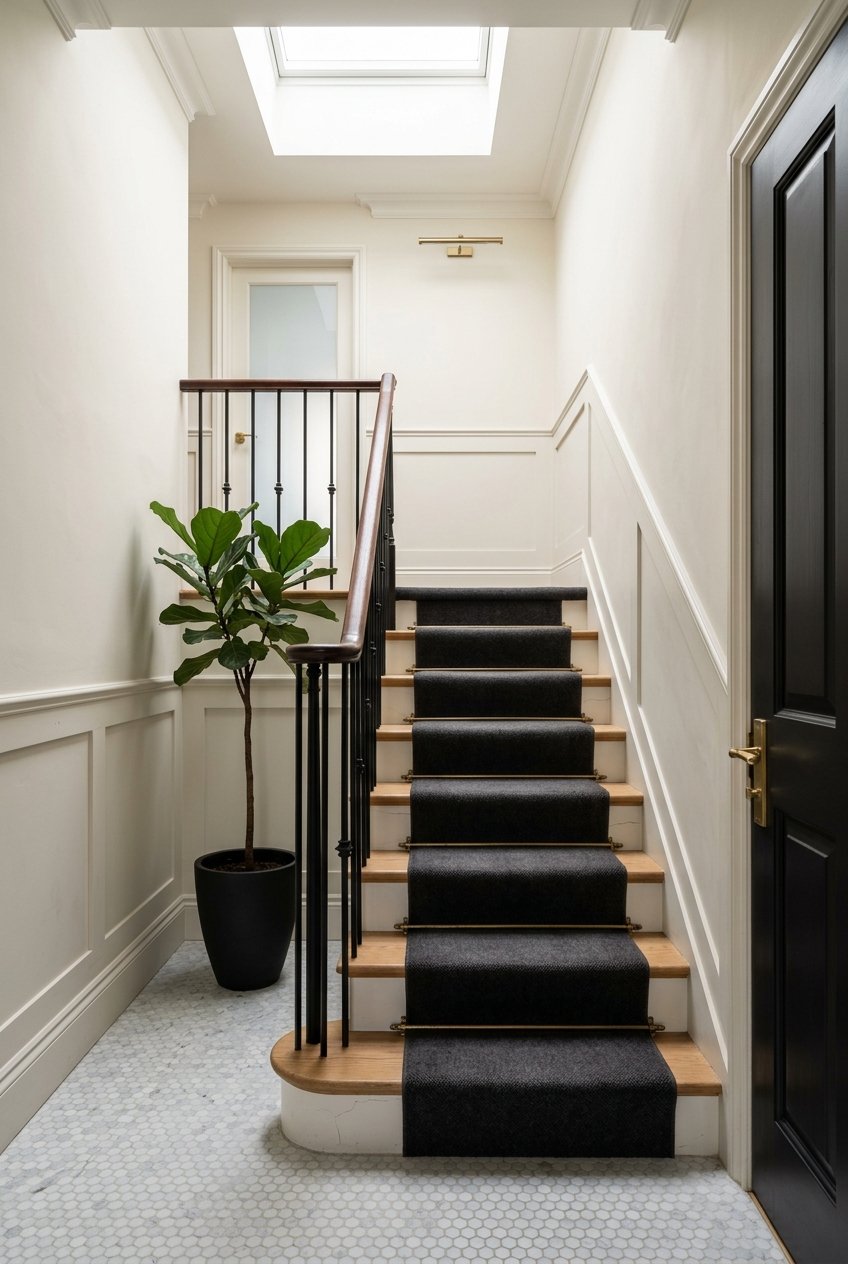
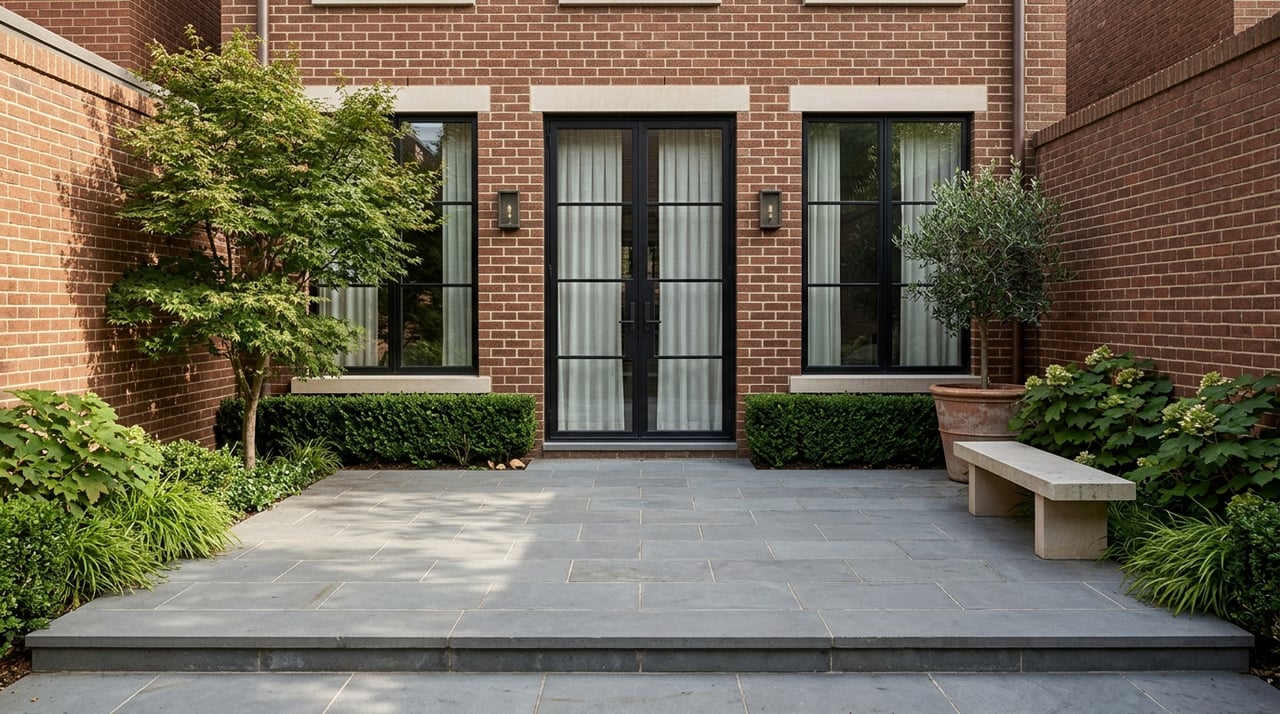
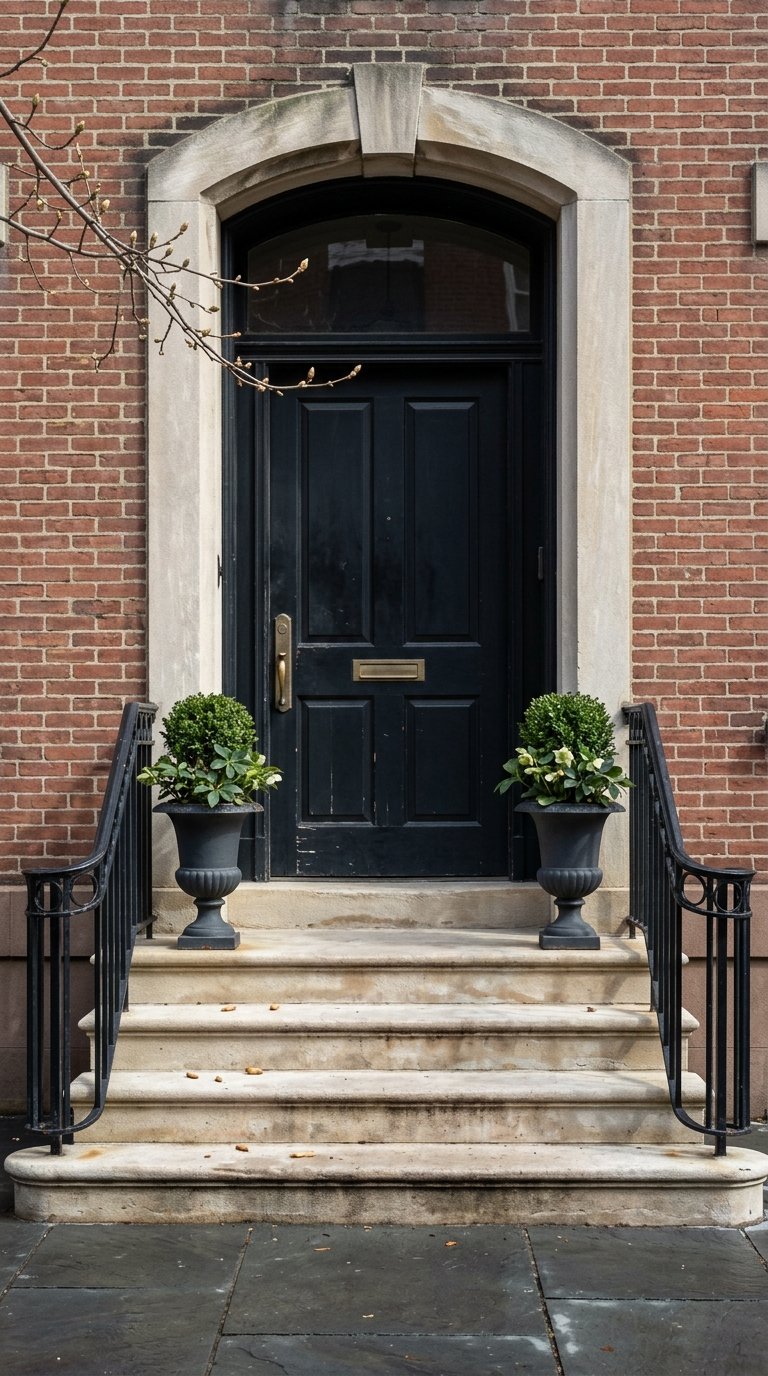
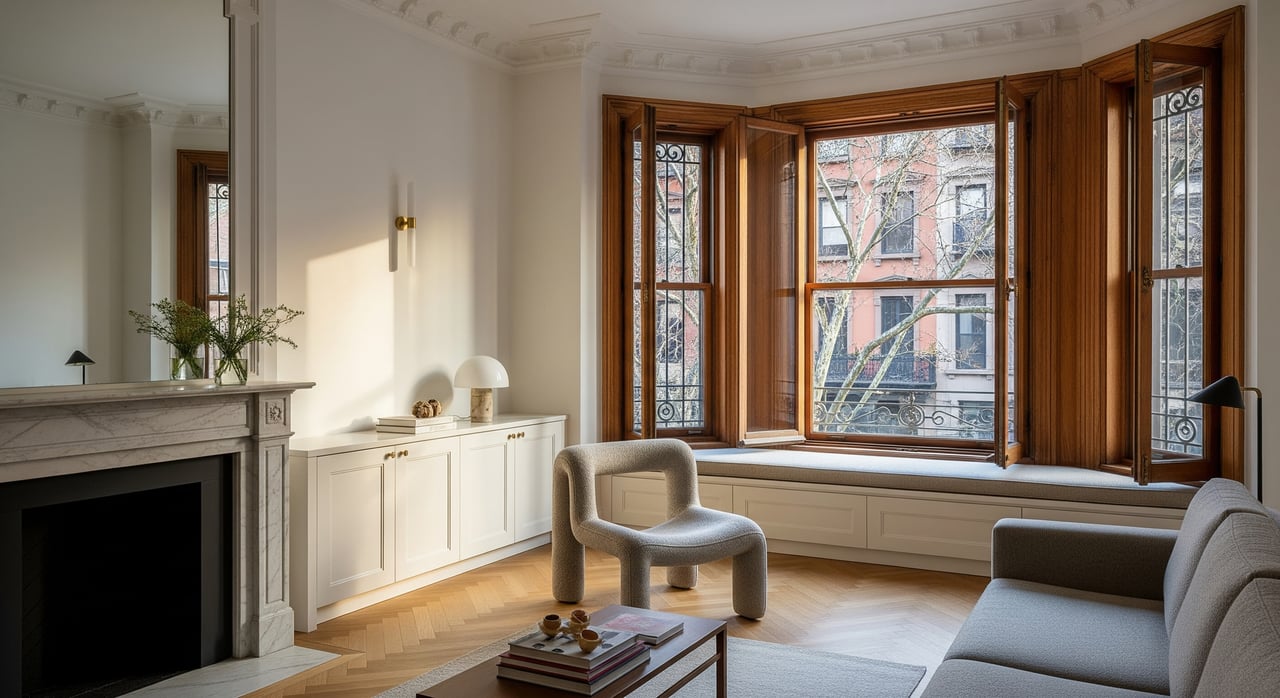
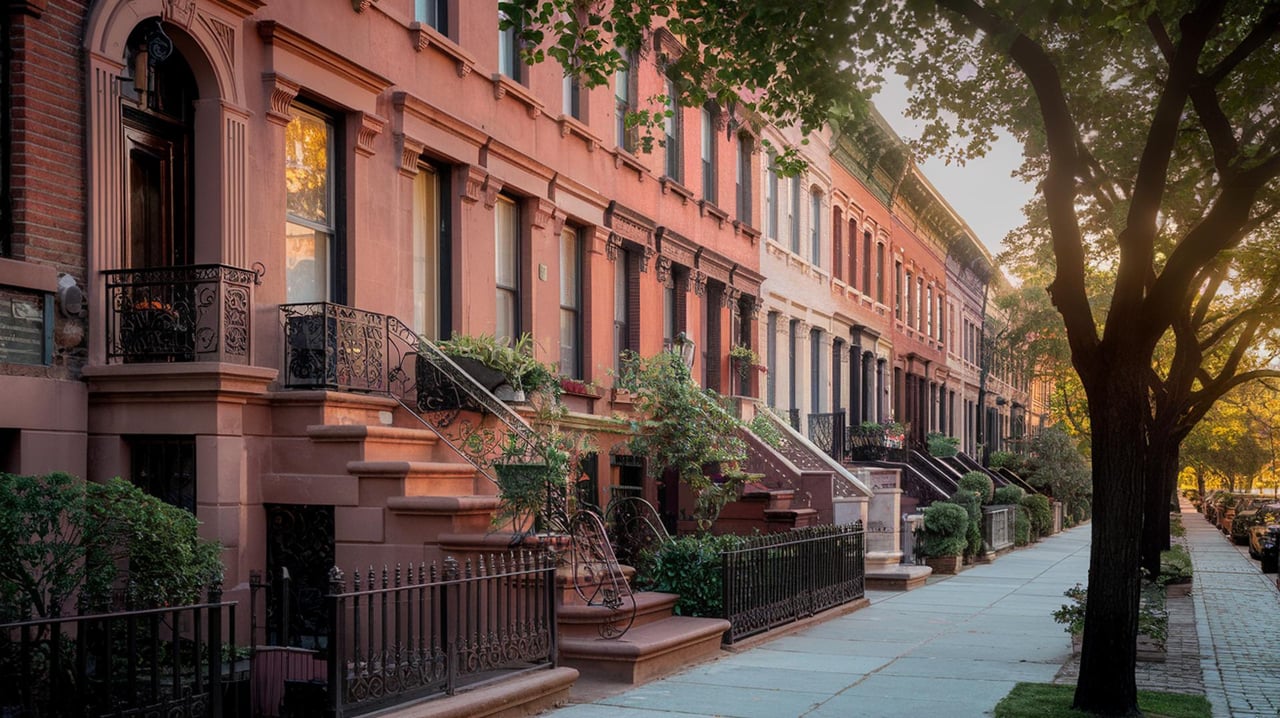
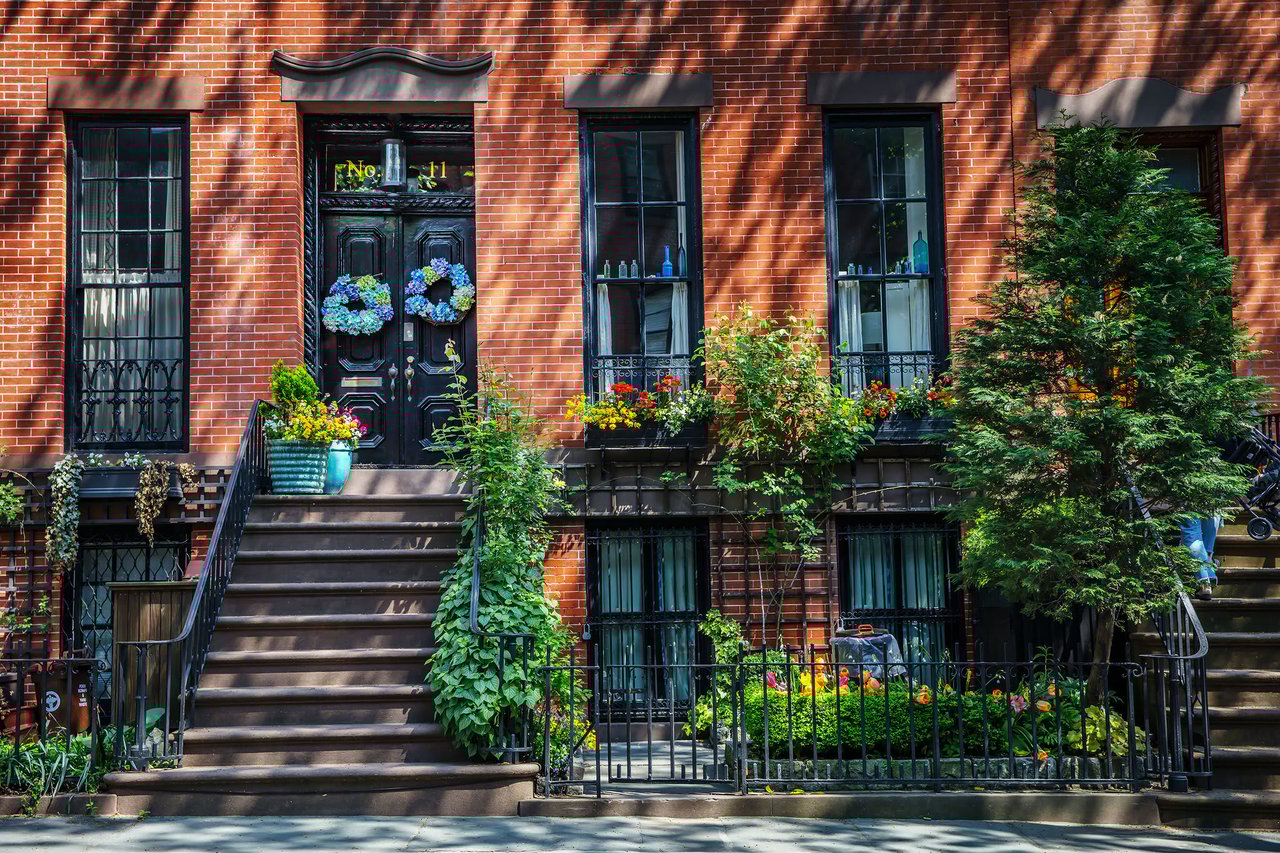
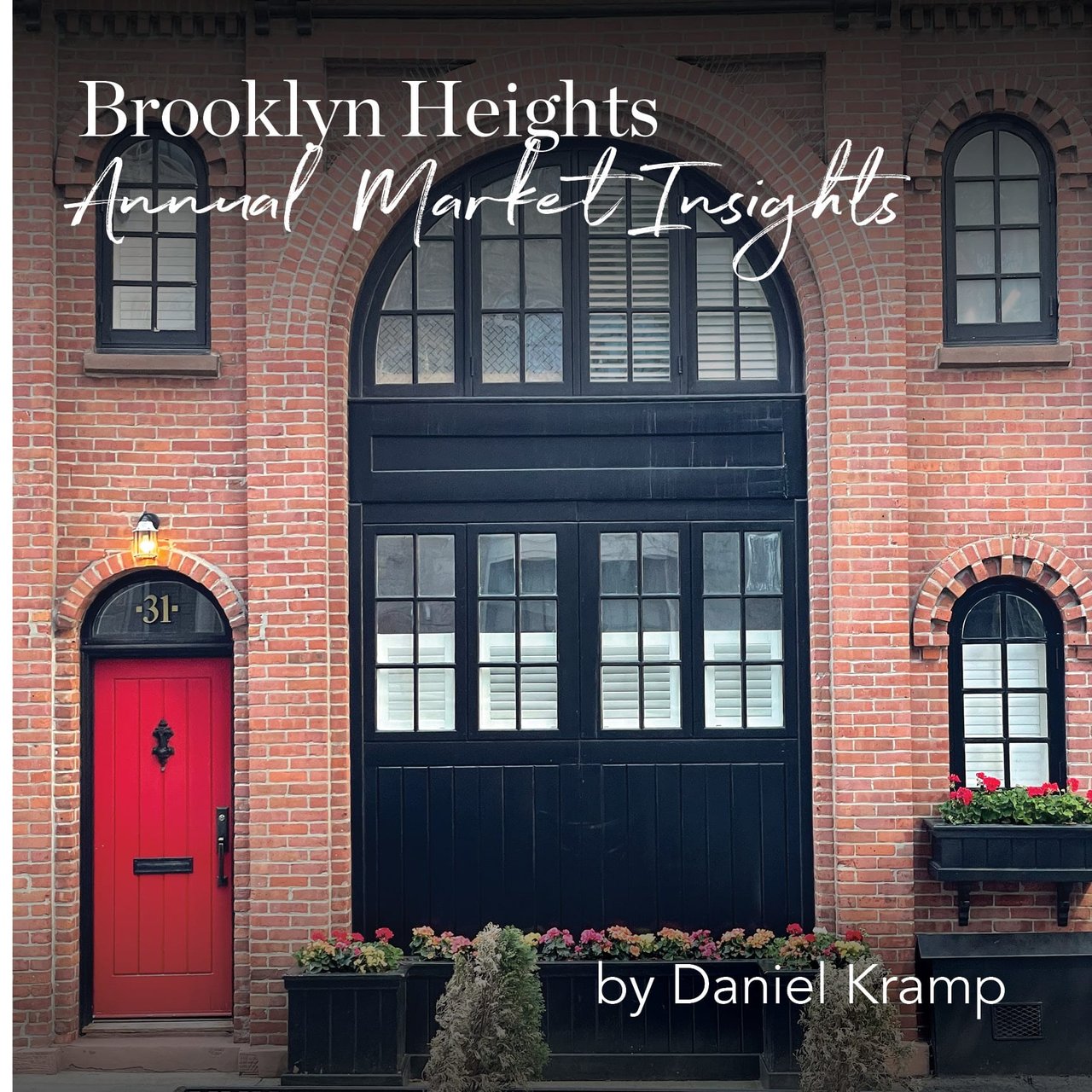
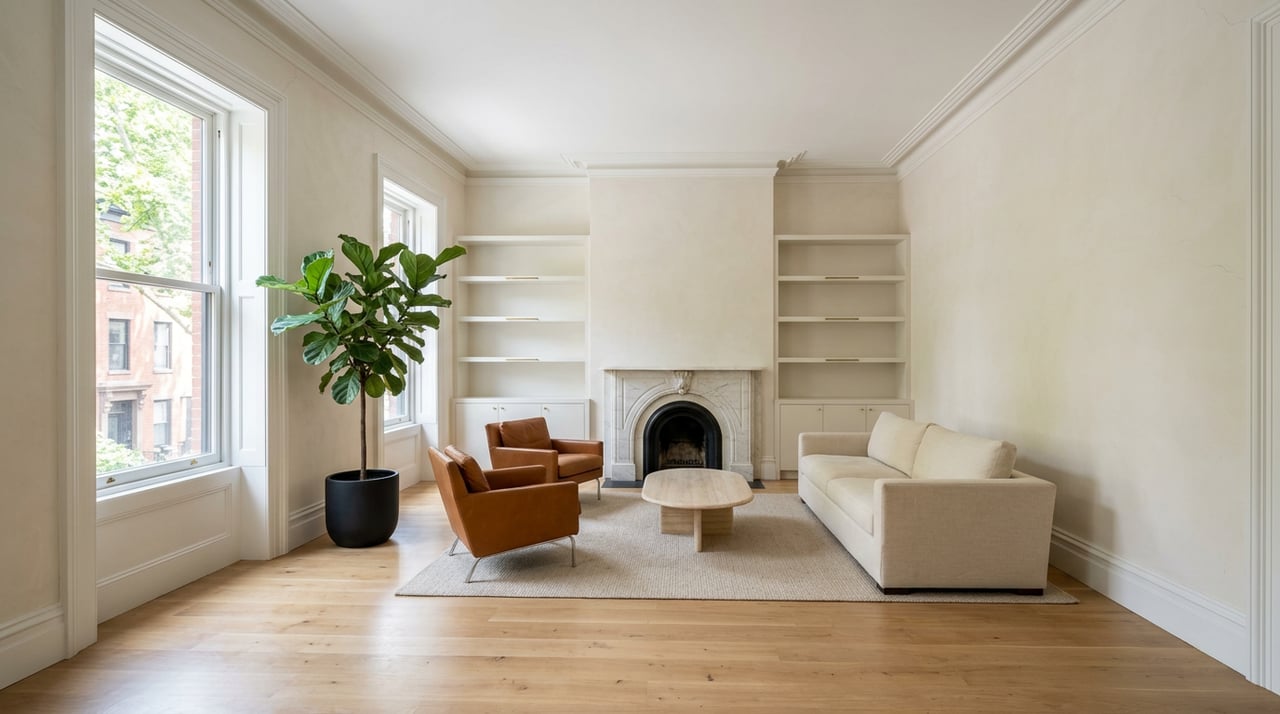
Classic brownstones are 3 to 4-story rowhouses, often with a raised parlor floor, a garden or English basement, upper bedroom levels, and a private rear garden. The vertical layout feels like a true house with separation between living and sleeping areas. Many buyers love the high ceilings, tall windows, and the possibility of roof or garden-level improvements.
Upkeep and permits to expect
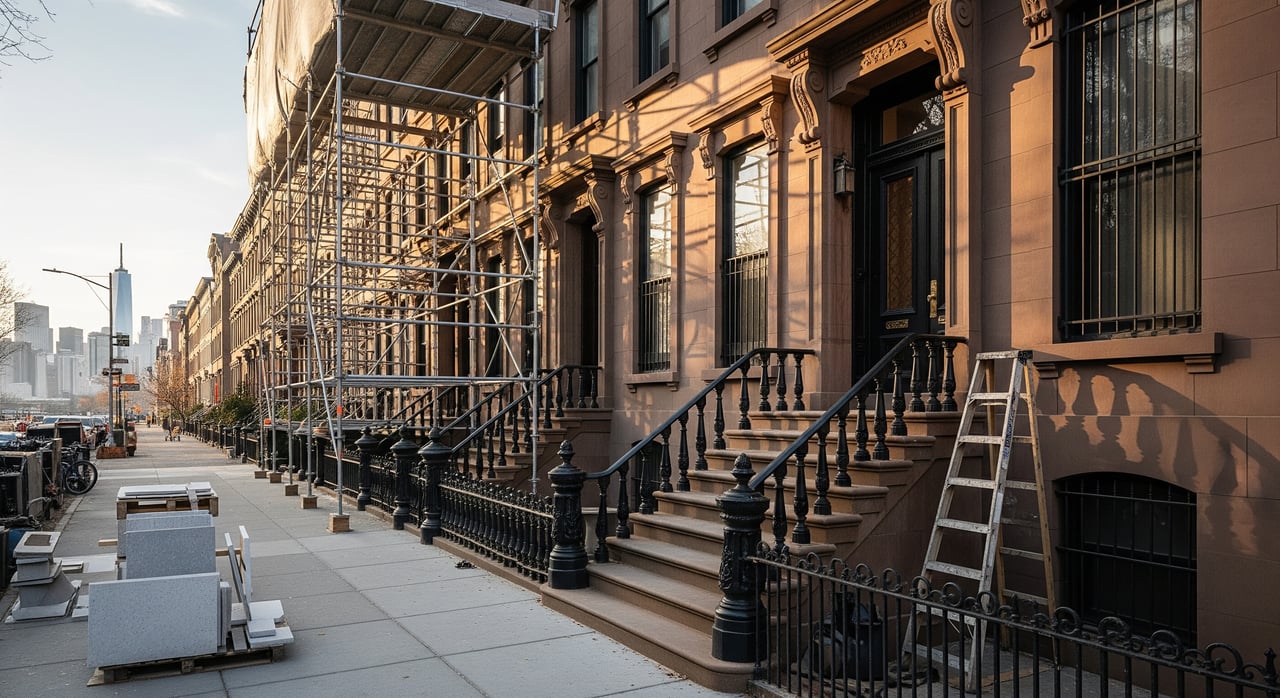
With a brownstone, you own and maintain the entire structure. That includes the roof, façade, stoop, foundation, and waterproofing. Because much of Brooklyn Heights is a protected historic district, exterior work often requires review by the Landmarks Preservation Commission. Knowing what needs approval is critical before you start any project. Read the city’s overview of landmark districts and designations to understand the review process and timing.
Exterior restoration costs vary with scope. Repointing, stoop and façade work can range from modest to substantial, and larger historic restorations can reach into six figures. A practical starting point is to consult a detailed cost primer, like this brownstone restoration cost guide, then validate quotes with your contractor and engineer.
What to check before you bid
- Confirm the Certificate of Occupancy or, for older buildings, the DOB record that supports the property’s current use. Improper conversions or cellar units can cause expensive delays. Review the city’s guidance on Certificates of Occupancy.
- Order a structural, roof, and foundation inspection. Ask your engineer to assess water infiltration at the garden level and the condition of lintels and the stoop.
- Budget for exterior capital work and plan for extra time if permits are required.
Co-ops in Brooklyn Heights
How ownership works
In a co-op, you buy shares in a corporation that owns the building and receive a proprietary lease for your apartment. Your monthly maintenance usually includes your portion of property taxes, building insurance, staff, and common-area upkeep. Many buyers value the stability that comes from co-op rules, but it means you will submit a board package and interview during the purchase process.
Building feel: prewar and postwar
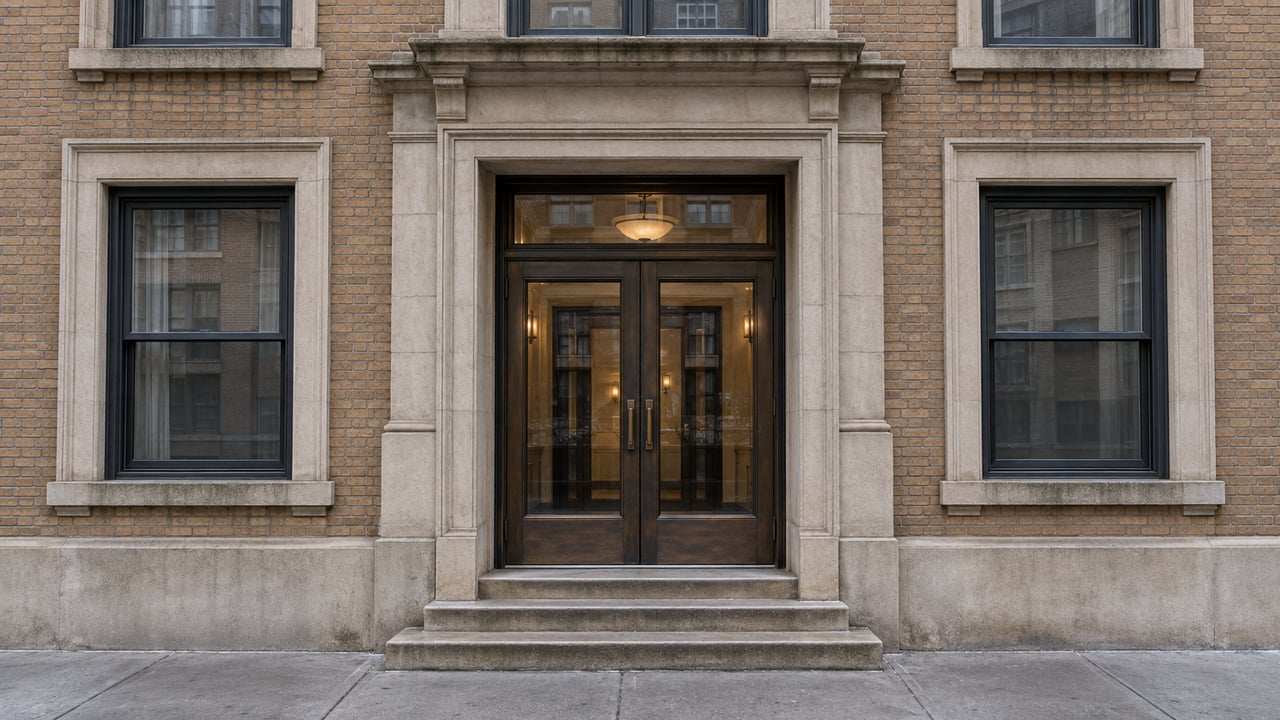
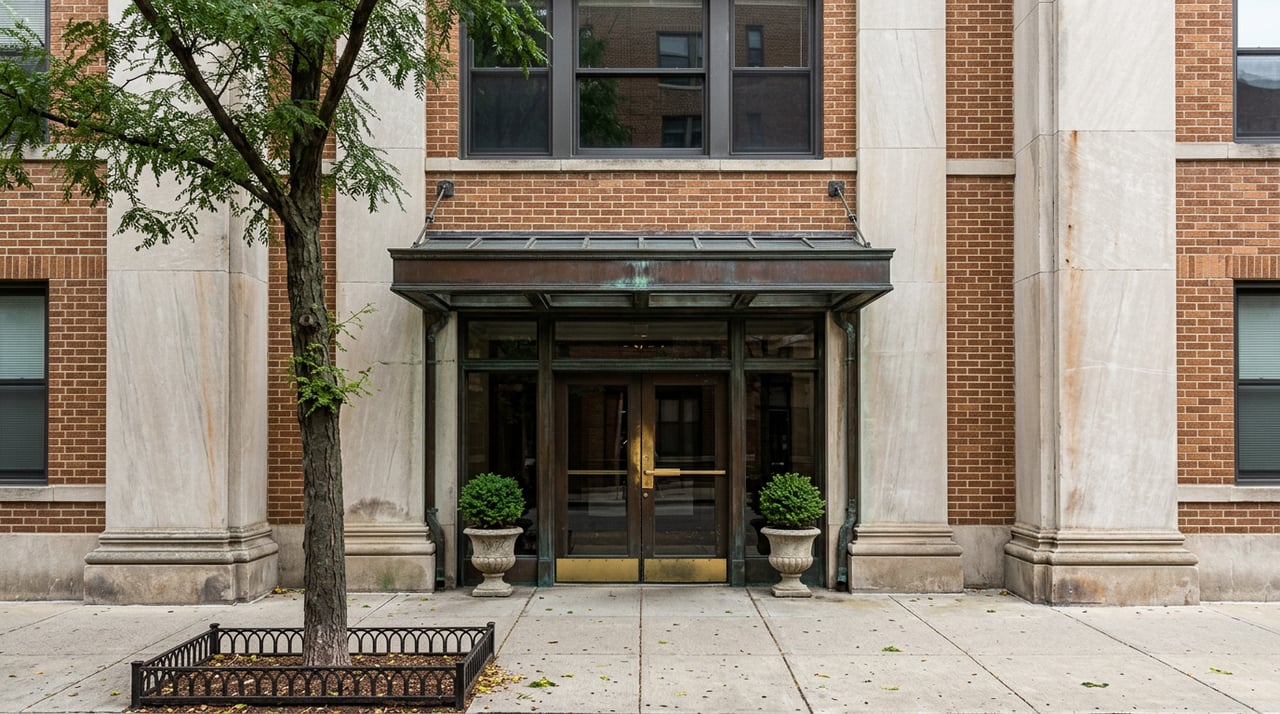
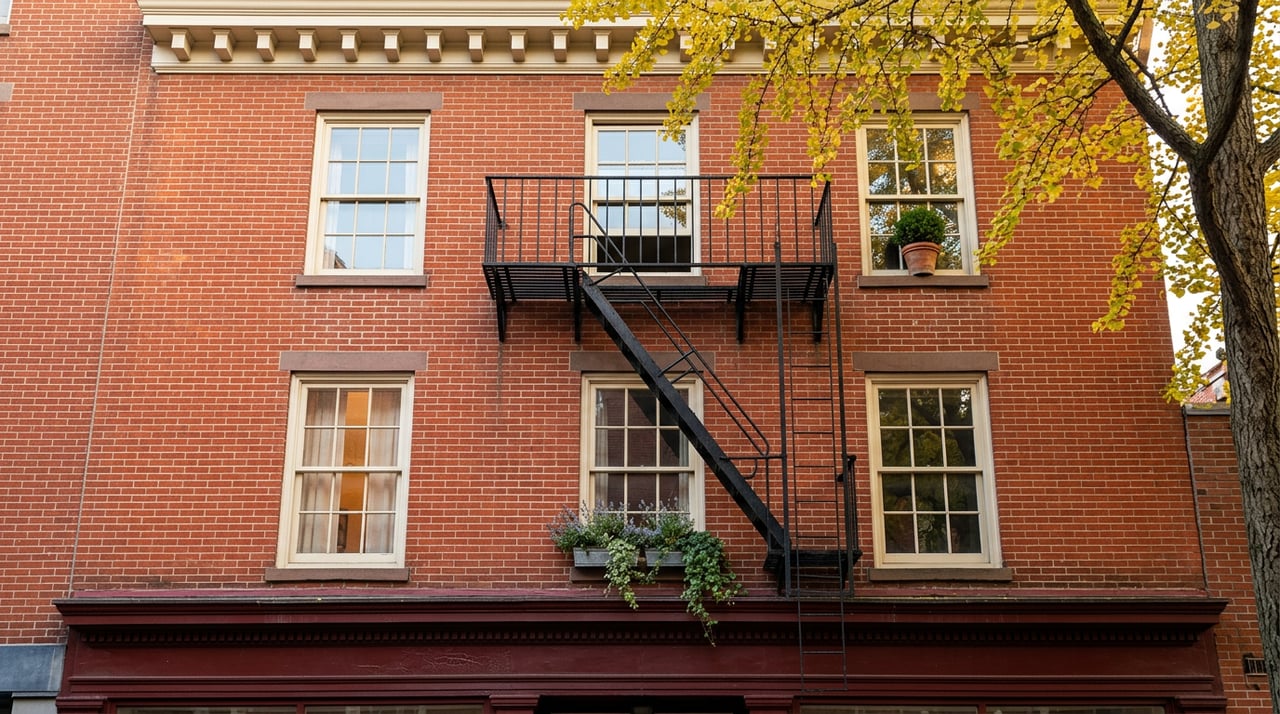
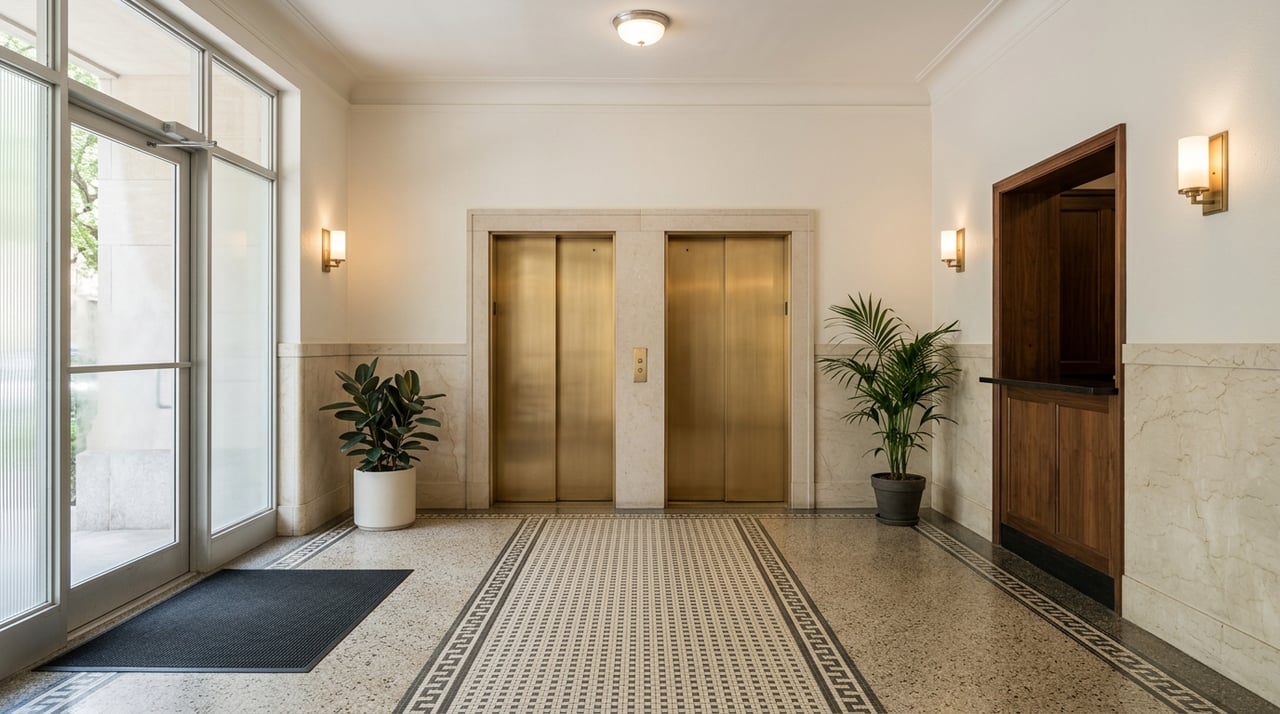
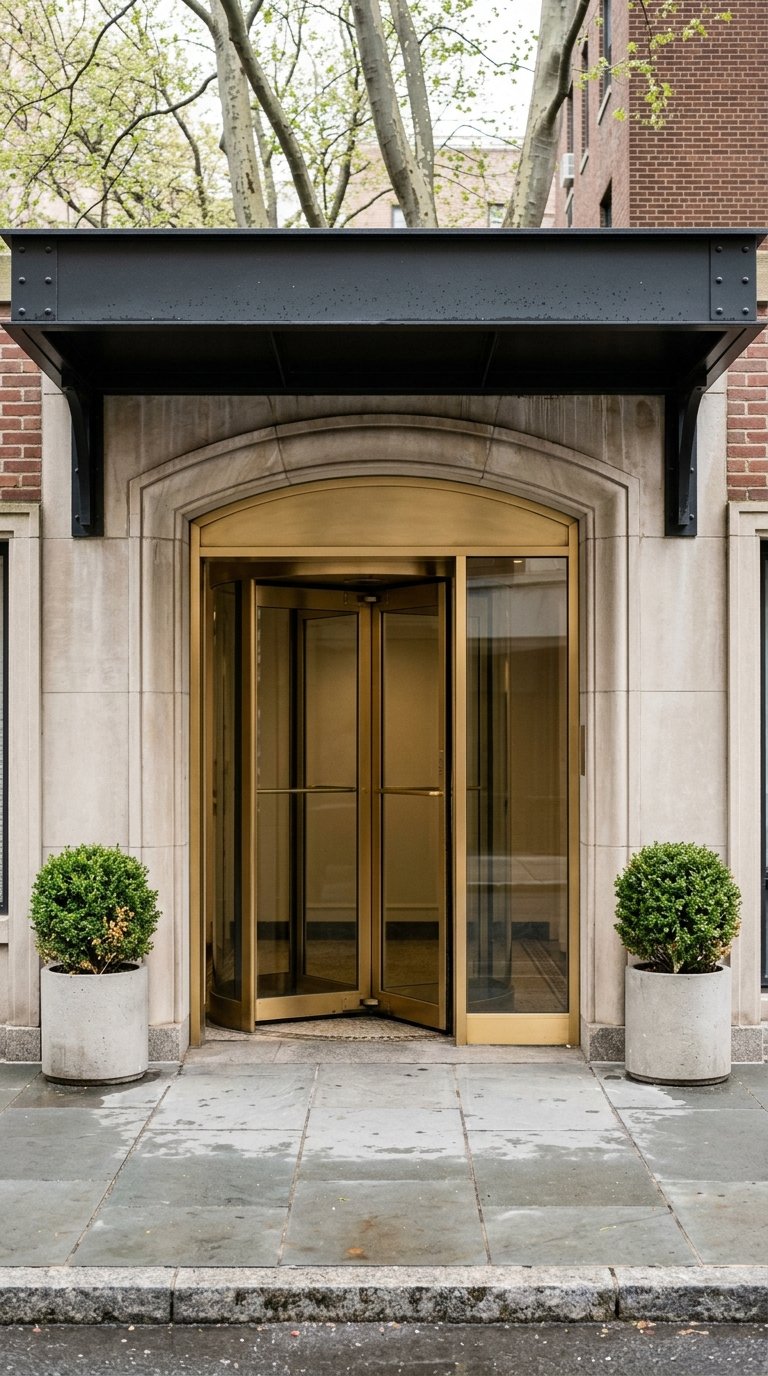
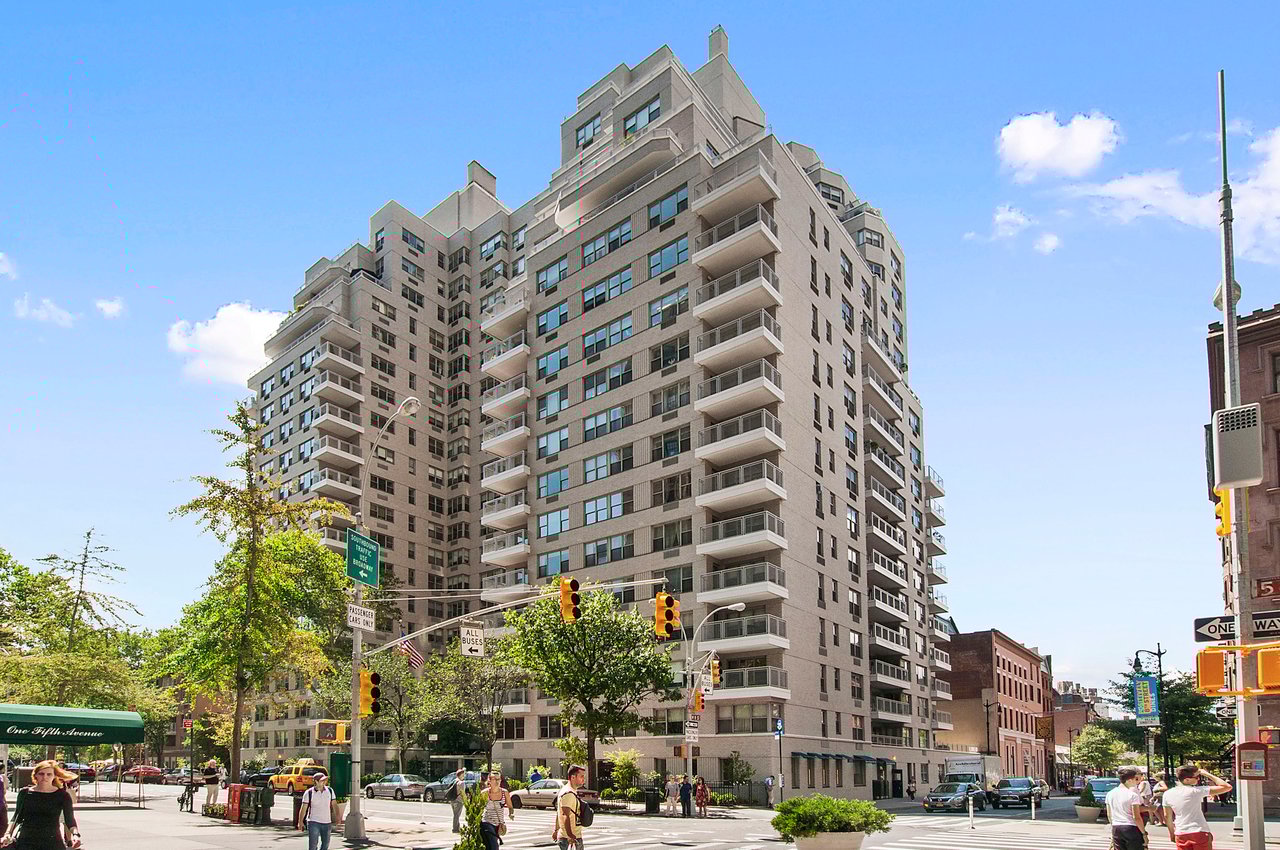
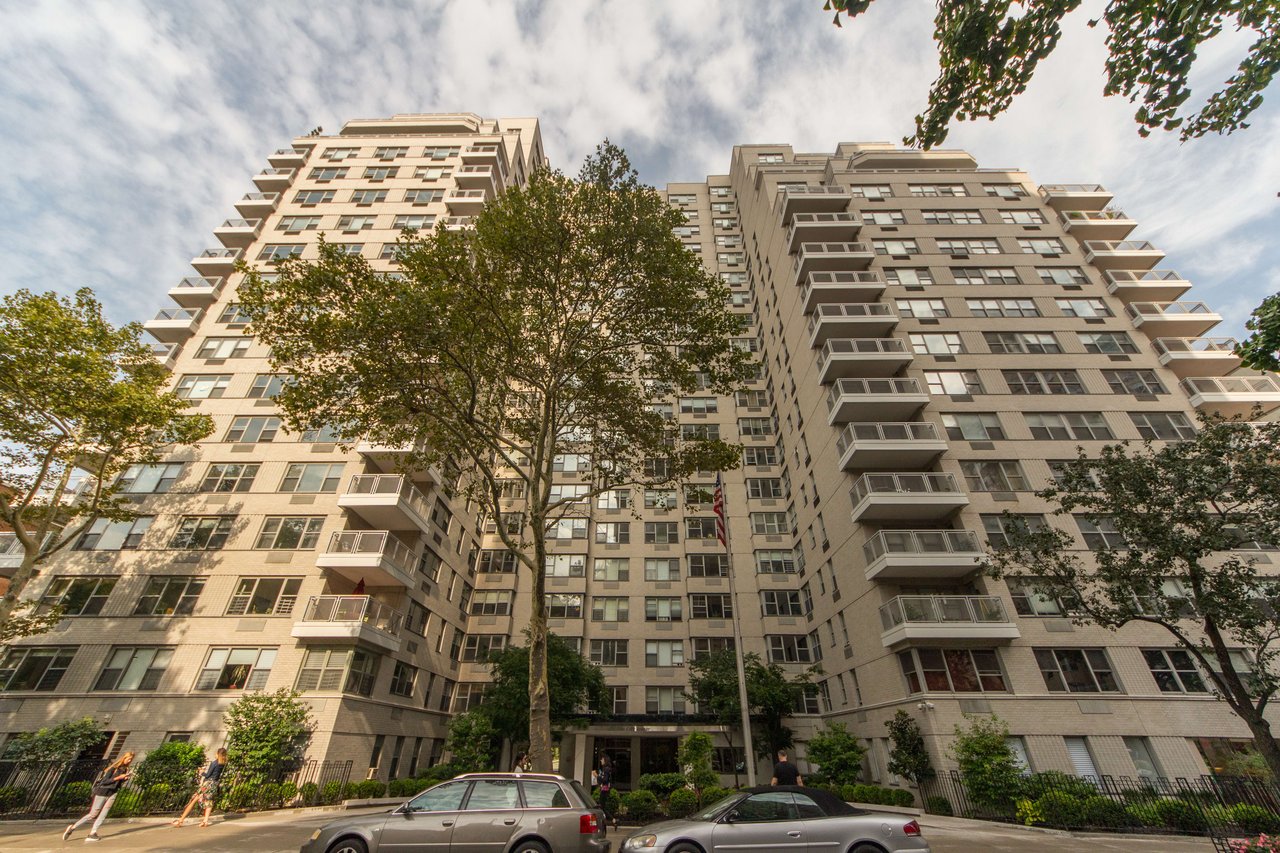
Prewar co-ops often deliver classic detail, higher ceilings on certain levels, and more compartmentalized floor plans. Smaller buildings may not offer doormen or large amenity suites. Postwar co-ops tend to have elevators, standardized layouts, and more modern mechanicals. Amenities vary by building, so it pays to review each house rule and offering plan closely.
Board expectations and buyer readiness
Co-op boards often expect higher down payments and clear post-closing liquidity. Many buildings require 20 to 30 percent down or more and may ask to see 12 to 24 months of housing expenses in liquid reserves. The board package is document heavy. You will compile tax returns, pay stubs, employment letters, bank and investment statements, and reference letters. A well-organized submission reduces delays. For a detailed checklist, review this NYC co-op board package guide.
Timeline to close
Expect added time for board review and scheduling an interview. Many co-op deals run 4 to 10 weeks from contract to closing, depending on the building calendar and your lender’s pace. For planning purposes, give yourself buffer time if the building is known for thorough reviews.
Condos in Brooklyn Heights
Where you find them
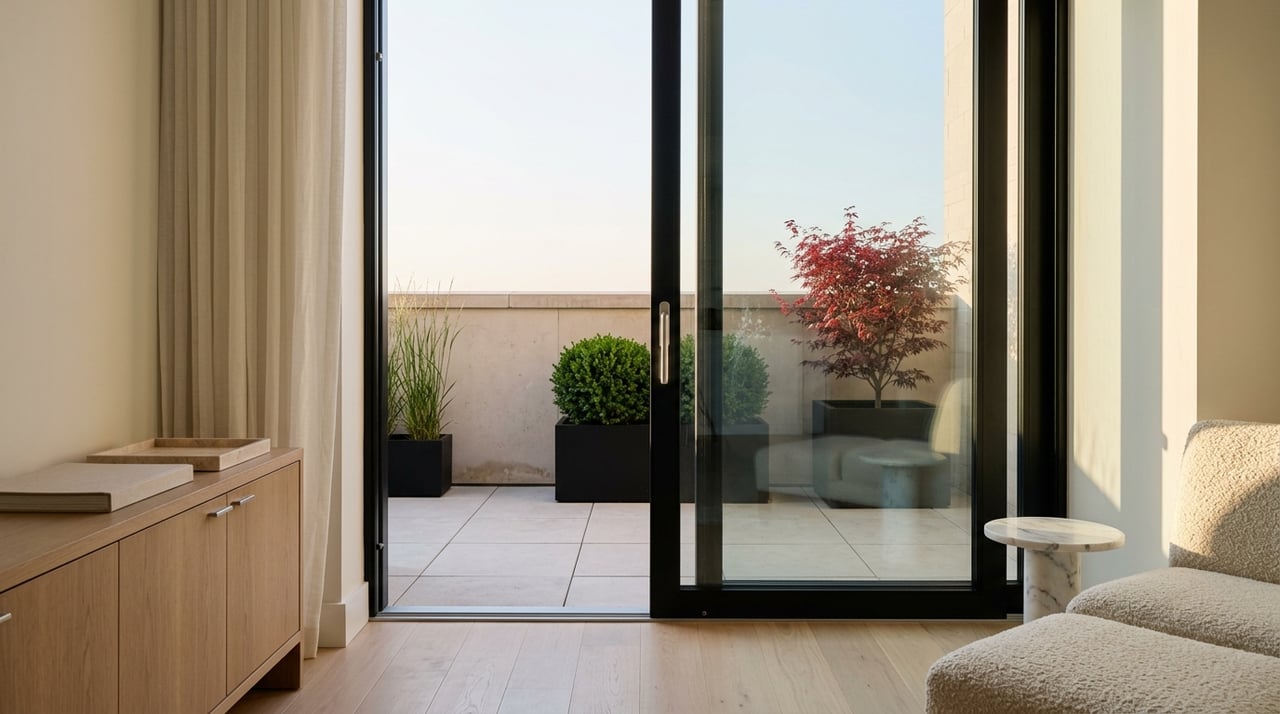
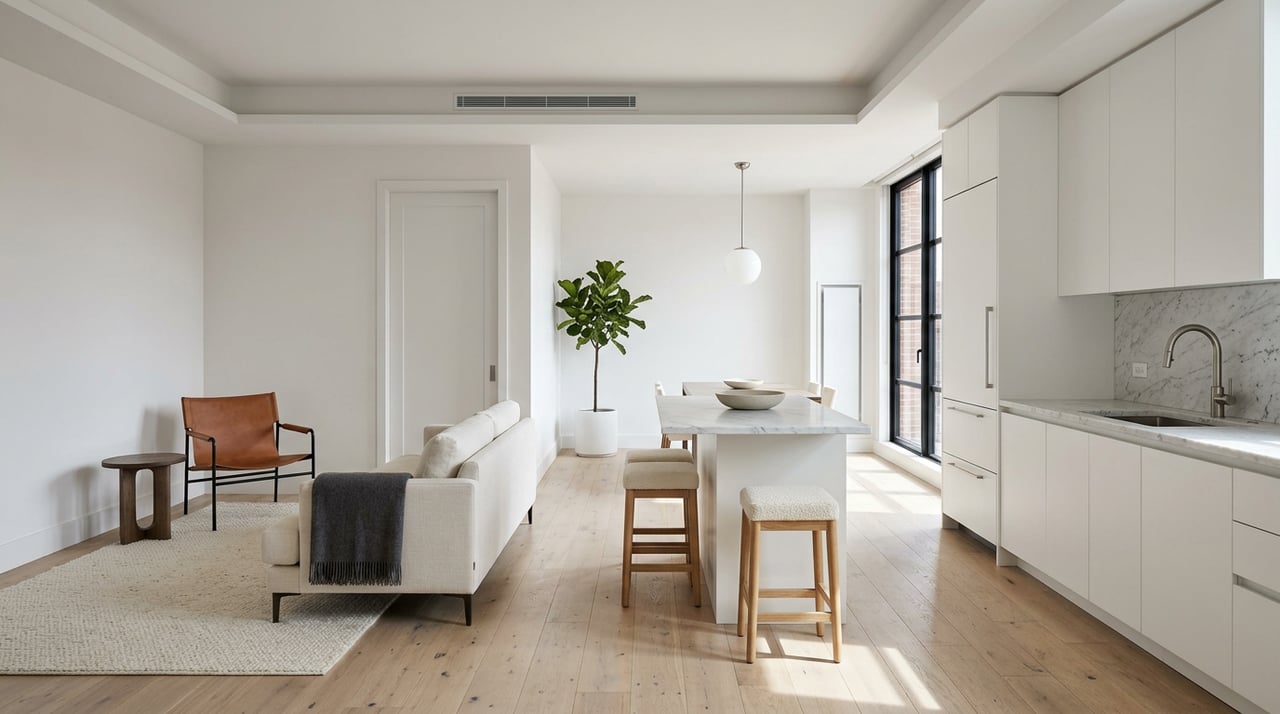
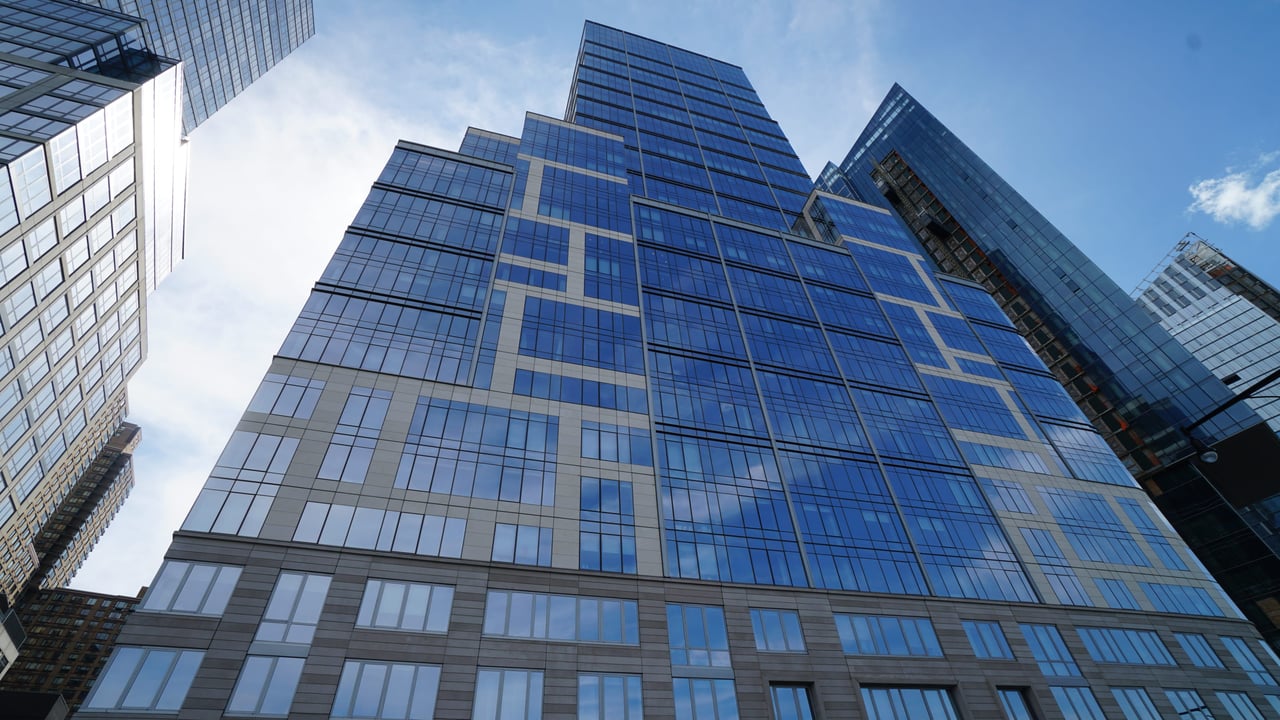
Condos are less common than co-ops in Brooklyn Heights. You will see a concentration in newer buildings along main corridors and near the waterfront, including projects around Brooklyn Bridge Park like Pierhouse and One Brooklyn Bridge Park. These homes tend to offer contemporary finishes and amenity packages.
Ownership, taxes, and amenities
Condo buyers receive a deed to the unit and pay separate property taxes plus monthly common charges. Rules are often more flexible than in co-ops, with friendlier policies for subletting and investor purchases. If you plan to use lower-down financing, some condos qualify for project or single-unit FHA approvals. Learn how that works in this explainer on FHA-approved condos.
Maintenance and resale
Condos often have smoother resale processes because there is no board interview and fewer approval points. Buyers typically pay a premium per square foot for that flexibility and for amenities like gyms, rooftops, and doormen. As with any building, review the budget, reserves, and any known capital projects before you commit.
Financing and closing costs: key differences
Down payments and lender expectations
Financing norms vary by property type. Many condos allow conventional financing in the 10 to 20 percent range, and certain FHA paths can go lower if the building qualifies. Co-ops often require 20 to 30 percent down or more, with strict liquidity standards. Townhouses are financed like houses and are underwritten on the entire property. Start the conversation with your lender early to match your approval to the building type. A helpful overview of co-op requirements appears in this NYC co-op buying guide.
Mortgage recording tax and title
There are meaningful closing-cost differences. Condo and townhouse buyers in New York typically pay mortgage recording tax and purchase title insurance because the lender records a mortgage on real property. Co-op buyers usually avoid the mortgage recording tax since they buy shares and sign a share loan. For current rates and computations, see New York’s page on the mortgage recording tax.
FHA and project approvals
If you plan to use FHA financing, confirm whether the condo building is already approved or eligible for single-unit approval. Co-ops are usually not FHA-insured and are financed through share loans with portfolio lenders. For a plain-English walkthrough, check this guide to FHA condo approvals.
Your showing and offer checklist
Use this quick list to stay organized and avoid surprises:
- Building financials and minutes. Ask for audited financials, the current budget, reserve studies, and board minutes from the last 12 to 24 months. Watch for low reserves or recurring assessments. A concise overview of red flags appears in this co-op purchase guide.
- Co-op buyers: board package early. Get the application and checklist on day one so you can assemble documents while you negotiate. See the NYC co-op board package checklist to plan your timeline.
- Brownstones: engineer and landmarks. Order a structural survey and ask for estimates on façade, roof, and waterproofing. Read the city’s page on landmark designations so you know what approvals you may need.
- Condos: financing fit. If you want a lower-down option, confirm whether the building is FHA or otherwise warrantable with your lender. Review this overview of FHA approvals.
- Cash to close. Ask your lender to model total cash needs, including down payment, mortgage recording tax if applicable, title and closing fees, and prepaids. For the tax piece, see New York’s official mortgage recording tax page.
Which option fits you best
- If you want maximum privacy, multi-level living, and a private garden, a brownstone or townhouse is the most house-like path. Accept higher hands-on upkeep and the potential for landmark reviews.
- If you want classic prewar character and a lower price per square foot than many condos, a co-op can be a strong fit. Be ready for a board package, interview, and stricter liquidity standards.
- If you value modern amenities, friendlier sublet rules, and smoother resale, a condo usually offers the most flexibility. Expect higher prices per square foot and monthly common charges.
When you are ready to tailor a search around your priorities, timelines, and financing plan, reach out. Brooklyn Heights offers all three paths to prime city living. The key is matching the lifestyle and ownership structure to how you actually live.
Looking for a private, strategy-first conversation about your next move in Brooklyn Heights or downtown Manhattan? Connect with Daniel Kramp to map a clear plan from first tour to confident closing.
FAQs
What makes Brooklyn Heights unique for buyers?
- It is New York City’s first municipal historic district, known for preserved 19th-century rowhouses and quick transit to Lower Manhattan. See the preservation history and neighborhood overview for context.
How do co-op down payments and liquidity rules work?
- Many buildings expect 20 to 30 percent down and 12 to 24 months of post-closing liquidity, verified in a board package and interview. Review this NYC co-op buying guide.
What closing-cost differences should I expect between condos and co-ops?
- Condo and townhouse buyers usually pay mortgage recording tax and title insurance, while co-op buyers typically do not. Check New York’s mortgage recording tax page for rates.
Are Brooklyn Heights brownstone renovations subject to Landmarks rules?
- Often yes. Exterior changes like façades, stoops, windows, or rear expansions commonly require Landmarks Preservation Commission review. Start with the city’s landmark designation guidelines.
Where are most condos in Brooklyn Heights located?
- Condos are less common than co-ops and are often found in newer buildings near the waterfront and along main corridors, including projects by Brooklyn Bridge Park such as Pierhouse and One Brooklyn Bridge Park.
How long does a co-op purchase usually take in Brooklyn Heights?
- Plan on 4 to 10 weeks from contract to closing, allowing time for board review and interview. Your lender’s pace and the board’s calendar can extend that timeline. See this co-op process overview.