Buying a pied-à-terre in Greenwich Village should feel exciting, not overwhelming. You want a place that is easy to enjoy on short stays, simple to manage from afar, and positioned to hold long-term value. With the right strategy, you can focus on great weekends and worry less about board rules, carrying costs, and surprise assessments. This guide gives you a clear plan tailored to the Village: the best building types for part-time use, how to model real costs, what rules to know, and the due diligence steps that protect your time and money. Let’s dive in.
Why Greenwich Village works for a pied-à-terre
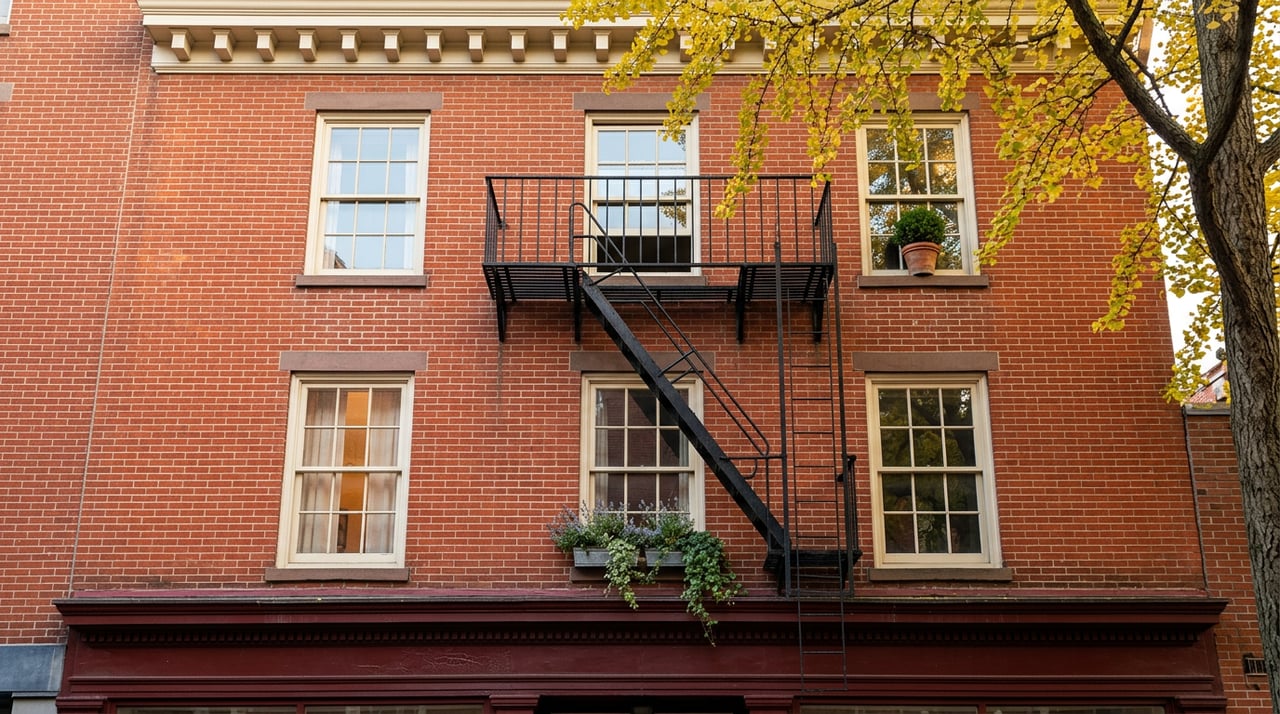
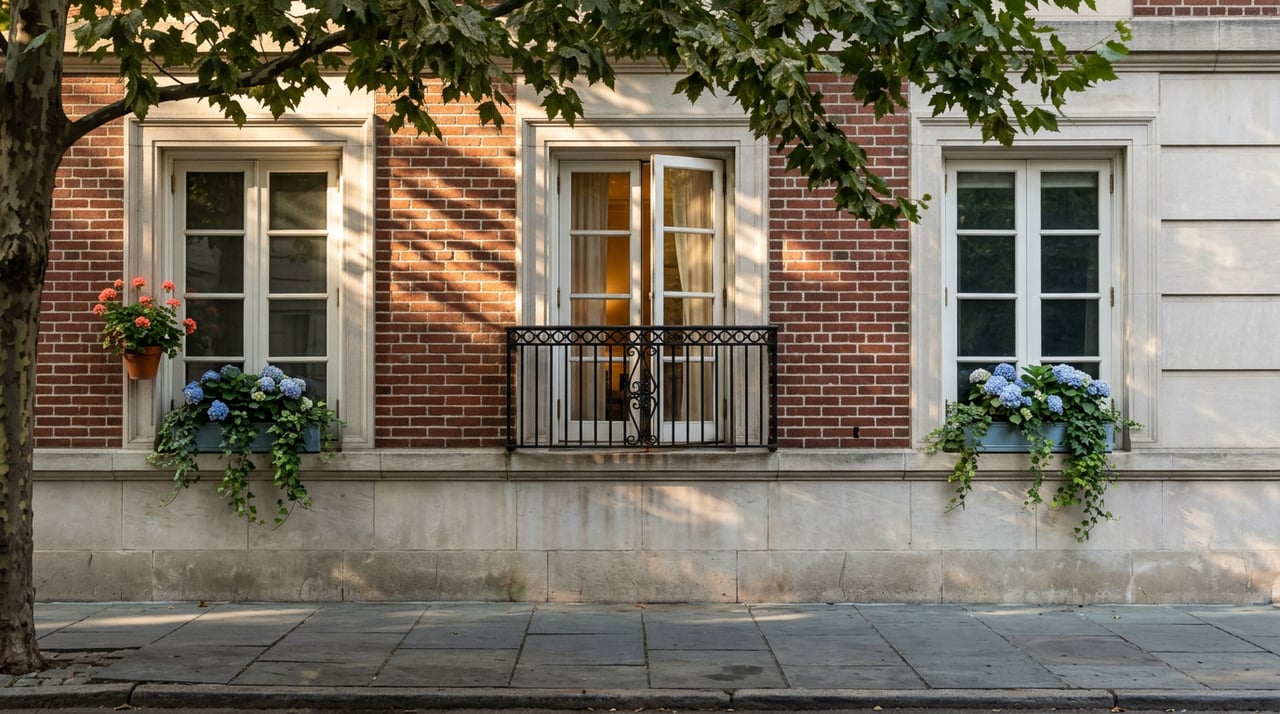
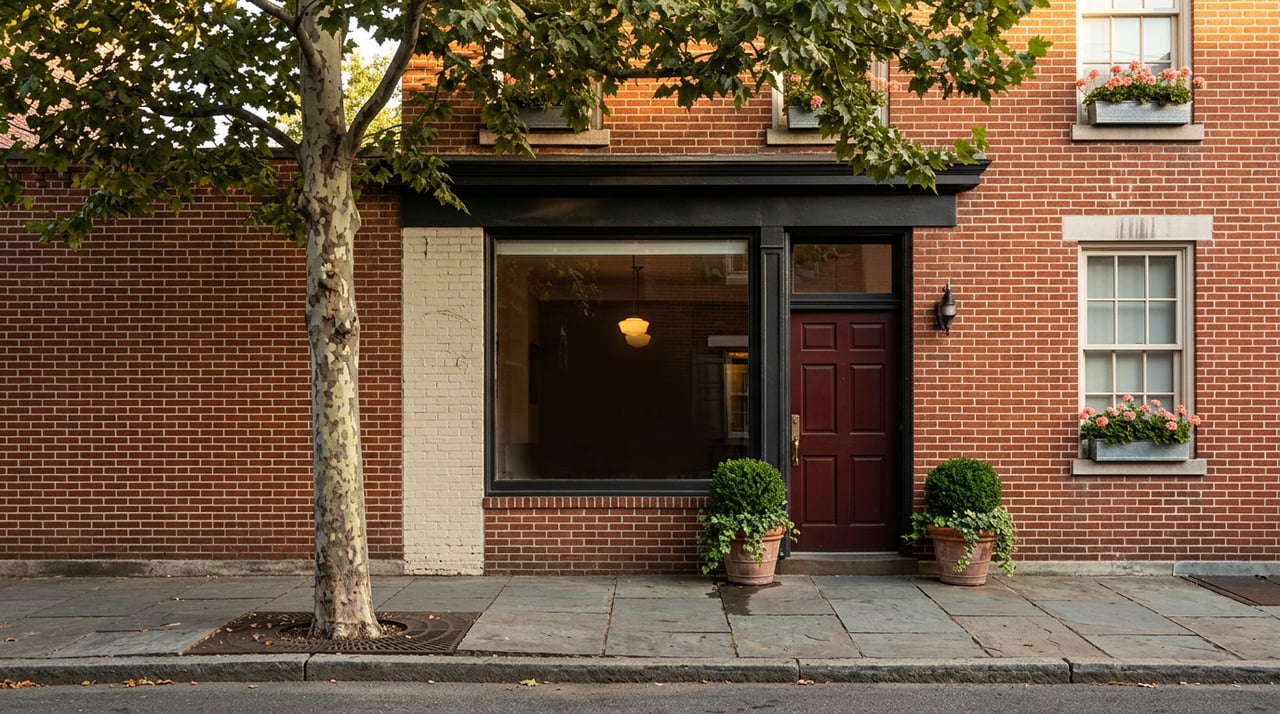
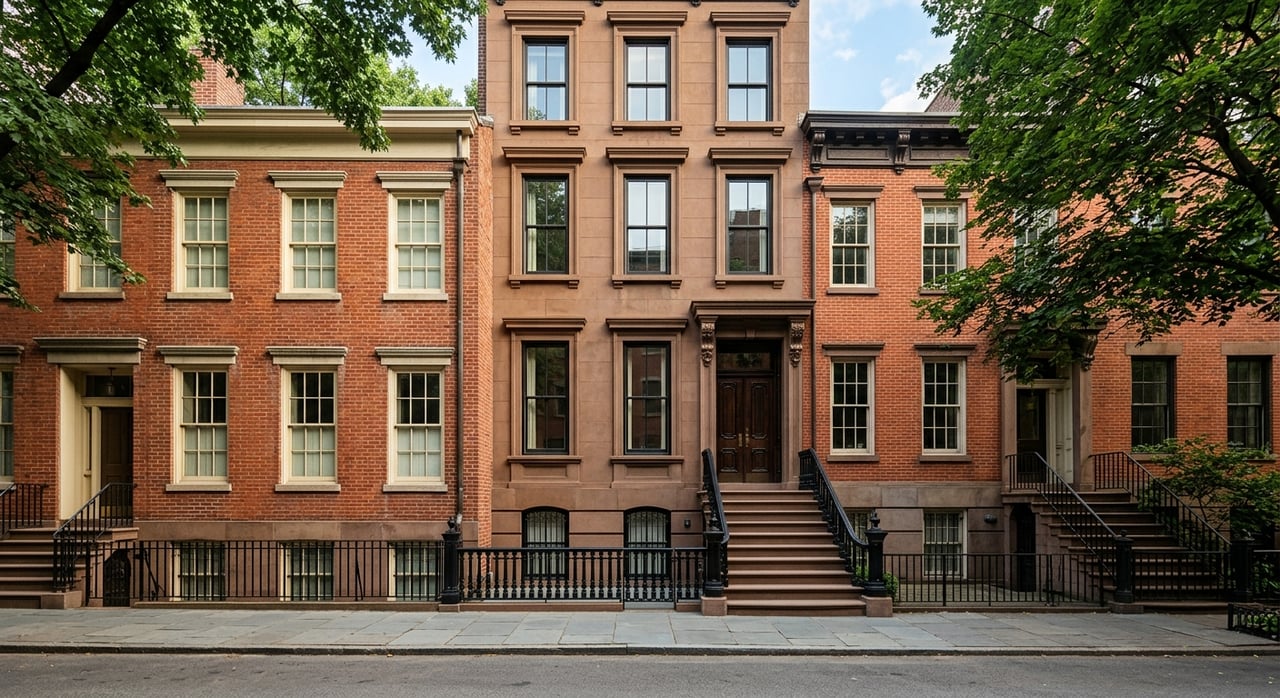
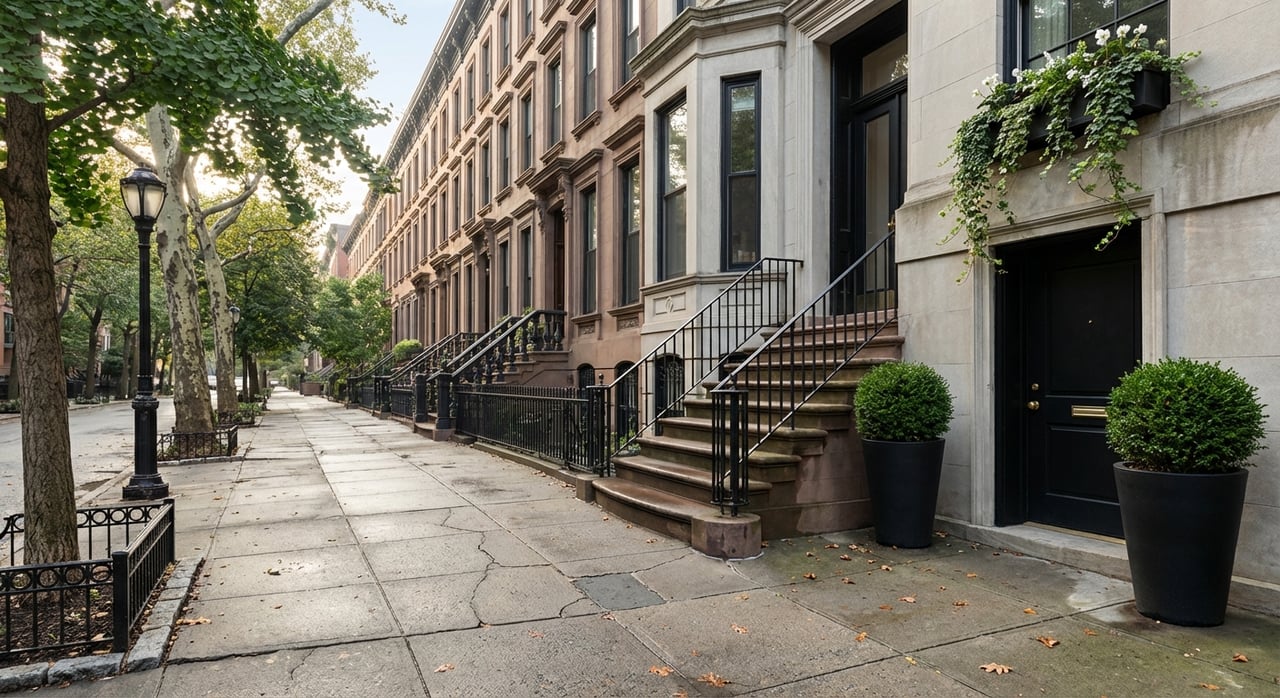
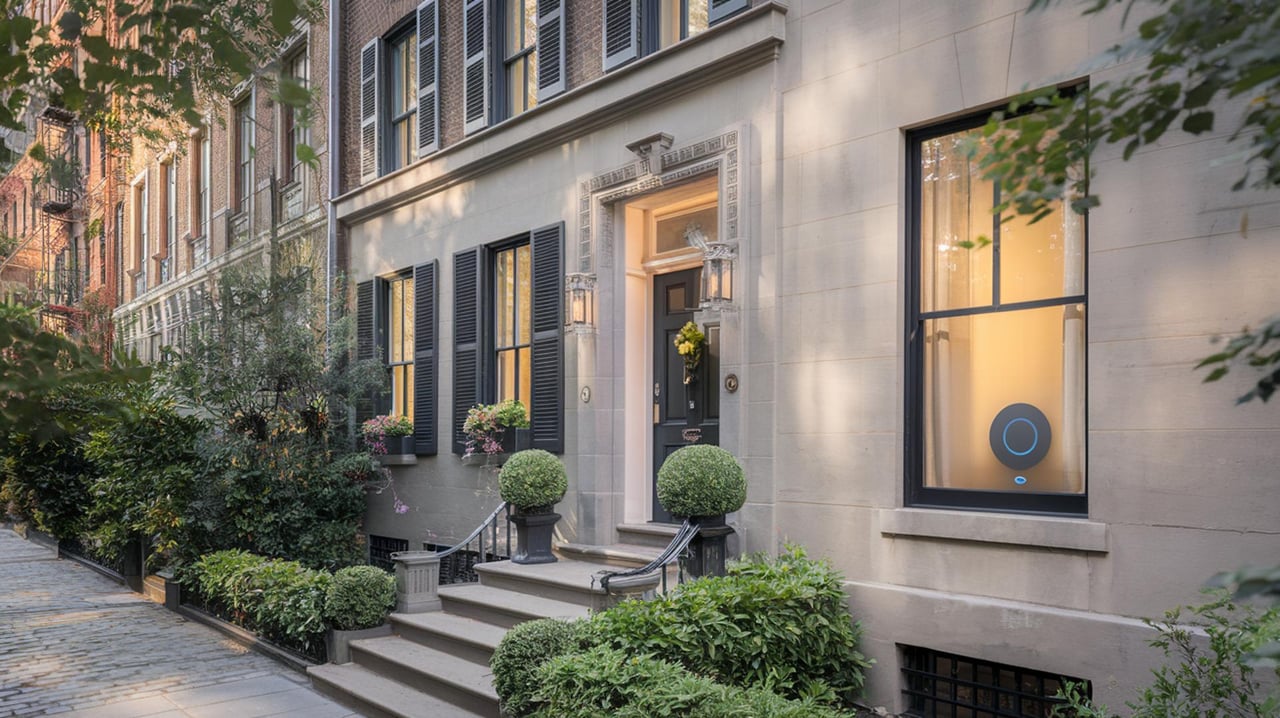
Greenwich Village offers what most second-home buyers want in New York: walkability, character, and culture packed into a compact footprint. The area commonly stretches from Houston Street to 14th Street and includes the West Village’s low-rise blocks as well as denser streets near Washington Square Park. The historic district footprint and preservation overlay shape the architecture and keep supply tight over time, which helps support long-term desirability for well-located units. You can see how the community board frames the district in the city’s CB2 district profile.
On a short stay, you can step into Washington Square Park, grab a coffee, catch live music, or book a small theatre show without planning far ahead. Local lifestyle guides consistently highlight this mix of amenities and culture as the core appeal of the Village for visitors and part-time residents. For a quick snapshot, browse Time Out’s Greenwich Village neighborhood guide.
Transit is another big win. The West 4th St–Washington Square hub connects multiple lines, and you are within a short walk of many more. That means you can arrive from airports or regional rail and get around the city without a car. Read more about the station’s connections on the West Fourth Street–Washington Square page.
Choose the right building type
Picking the right structure matters as much as choosing the right block. The goal is simple: reduce friction when you want to use, rent, or eventually resell the apartment.
Condos: the most flexible
- Pros: You have deeded ownership, and there is typically less board discretion over sales and leases than in co-ops. Renting is often more straightforward, subject to building bylaws. This is why condos tend to be the easiest choice for part-time owners and investors. See a basic comparison in PropertyShark’s overview of co-op and condo mechanics.
- Cons: You may pay higher prices per square foot, and you pay property tax directly to the city rather than through a maintenance bill. You can verify how taxes are calculated in the NYC Department of Finance’s tax guide.
Co-ops: price-efficient, rules-driven
- Pros: Headline prices are often lower than condos, and buildings can have a stable owner base.
- Cons: Boards have wide discretion. Some limit pieds-à-terre, restrict subletting, or bar corporate/LLC ownership. Maintenance often includes your share of building property taxes and any underlying mortgage, which makes monthly comparisons different from condos. Review the proprietary lease, sublet policy, flip tax, and board minutes before you commit. PropertyShark’s co-op guide explains these mechanics clearly.
Condops, hotel-condos, townhouse conversions
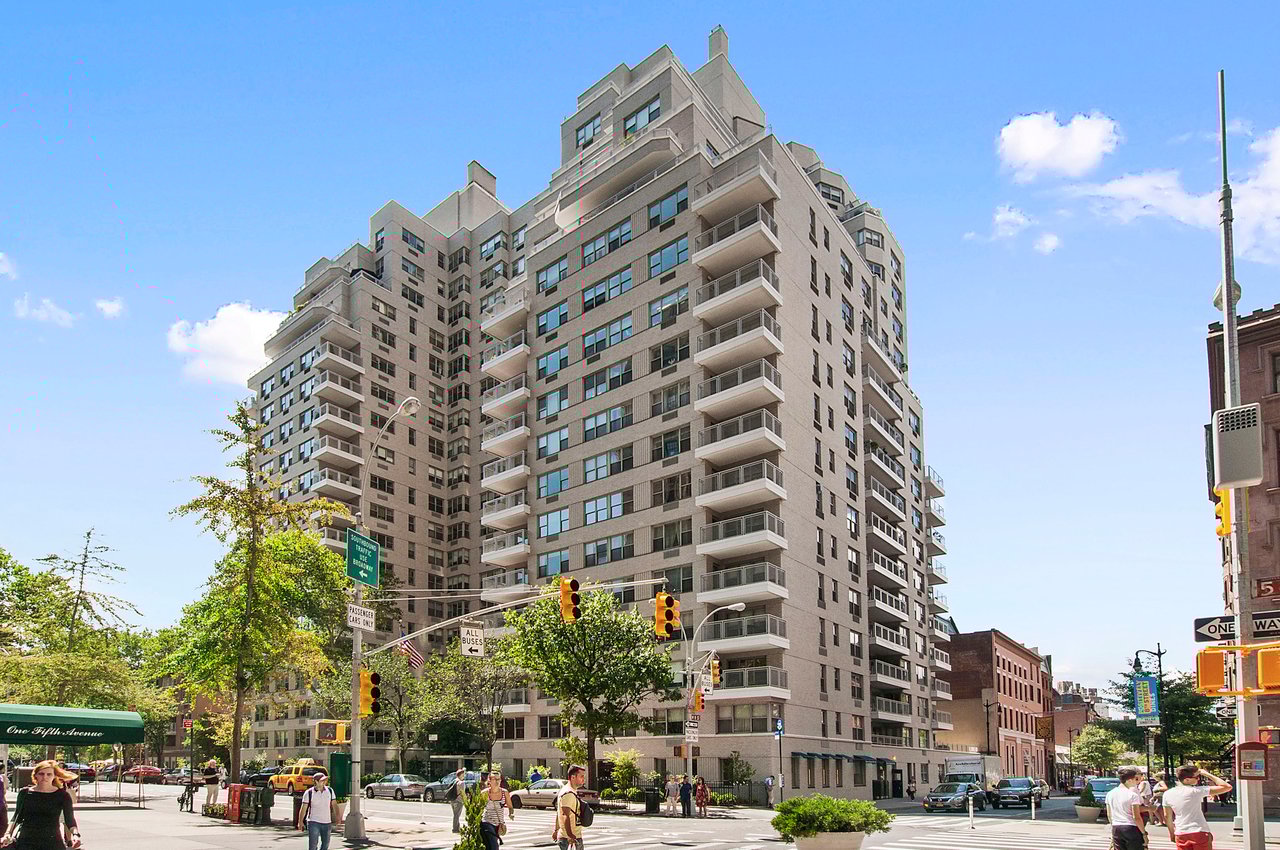
Condops can blend condo-like flexibility with prewar charm. Hotel-condos offer concierge and housekeeping that suit part-time use, though common charges are usually higher. Townhouse conversions trade big amenities for privacy and quiet. CityRealty’s overview of pied-à-terre building types highlights why these structures attract second-home buyers.
Practical features to prioritize
- Doorman or concierge and reliable package handling
- Secure, app-based access and on-site management
- In-unit washer/dryer or consistent building laundry
- Central location near subways and dining
- Strong reserves, audited financials, and clear, permissive pied-à-terre and sublet policies
Model your carrying costs
Price is only the starting point. Your monthly and annual costs determine how enjoyable and sustainable your pied-à-terre will be.
Property tax basics for NYC condos and co-ops
Most Manhattan apartments fall under NYC’s Tax Class 2. The Department of Finance applies a 45 percent assessment ratio to an estimated market value to get a taxable value, then applies the class tax rate that the city sets each fiscal year. For context on current rates, review DOF’s property tax rates page and the calculation overview.
Simple examples to show the math (actual bills can vary due to caps or abatements):
- $1,000,000 market-value condo → assessed value ≈ $450,000 (45 percent) → tax ≈ $450,000 × 12.439 percent ≈ $55,976 per year (about $4,665 per month).
- $2,000,000 market-value condo → assessed value ≈ $900,000 → tax ≈ $900,000 × 12.439 percent ≈ $111,951 per year (about $9,330 per month).
Co-op shareholders usually do not receive individual tax bills. Maintenance includes your share of the building’s property tax and any underlying mortgage, which is why you should compare “condo common charges + condo tax” to “co-op maintenance” for a fair monthly view. Ask for line-item breakouts in the building budget. A practical primer on these differences appears in this co-op buying guide from Skybriz: how to buy a co-op in NYC.
Other monthly costs to plan for
- Condo common charges or co-op maintenance, plus any amenities you actually value
- Insurance, utilities while occupied, cleaning or concierge services, move-in/out or admin fees
- Contingency for capital assessments, including façade work, elevators, roofs, or Local Law 97 compliance for larger buildings
Local Law 97 affects covered buildings over roughly 25,000 square feet and sets emissions limits with annual reporting. Noncompliance can lead to penalties and can drive retrofit projects that show up as assessments or higher monthly charges. Read the city’s guidance on LL97 reporting and compliance and ask buildings about their plans and reserves.
Financing for a second home
Lenders often treat pieds-à-terre as higher risk than primary homes. You may see stricter underwriting, larger down payments, lower maximum LTVs, or higher rates. Confirm a bank’s specific second-home policies and any occupancy or distance rules early in your process. CityRealty’s buyer guidance on pied-à-terre financing considerations explains why this step matters.
Know the rules before you bid
Short-term rental limits
New York City has a strict framework for short-term rentals under 30 days, especially for whole apartments. Registration requirements, primary-residence limits, and enforcement make typical short-stay platform income unrealistic in many Village buildings. If income is part of your plan, confirm legality first. This legal overview on NYC short-term rental laws outlines the current environment.
Pied-à-terre tax proposals
Over the years, lawmakers have proposed surtaxes on non-primary residences in higher price bands. Notably, Senate Bill S44 and similar measures have seen debate and amendments but have not been broadly enacted as a universal annual surcharge. If you are targeting $5 million and above, track the legislative status so you can plan for potential changes. You can review the text and history of S44 for background.
Local Law 97 exposure
If your target building is large enough to be covered, ask for its LL97 pathway, any consultant reports, and planned capital projects. Compliance work can become a special assessment or increase to monthly charges. Start that conversation with the managing agent early and confirm reserve levels and timelines. The city’s page on LL97 compliance is a good reference point.
Due-diligence checklist for Village buyers
Use this list to streamline your process and avoid surprises:
- Confirm the ownership structure and building rules for pieds-à-terre, subletting, and corporate or LLC title. Review bylaws, the proprietary lease, house rules, and the offering plan. See a primer in PropertyShark’s co-op and condo mechanics.
- Ask the managing agent for the detailed budget and reserves, recent board minutes, flip-tax policy, and any pending litigation or large capital projects, including LL97-related items. The Skybriz co-op buying guide highlights why these items matter.
- Build a simple two-line monthly comparison: “condo common charges + latest DOF tax estimate” vs. “co-op maintenance.” Use the DOF’s calculation overview to model scenarios.
- Confirm the building’s policy on absentee ownership, any owner-occupancy period, interview expectations, and historical stance on nonresident buyers. CityRealty’s pied-à-terre overview is a useful gut check.
- Verify short-term rental legality. NYC registration requirements and most building rules restrict whole-apartment rentals under 30 days in Class A dwellings. Do not underwrite platform revenue unless it is expressly allowed. For context, see this outline of NYC’s short-term rental laws.
- If you are investing, evaluate liquidity. Ask for very recent comps and time-on-market data for your micro-market. Recent Manhattan reporting by Miller Samuel shows performance varies by product type and price tier, and cash share can be high in luxury segments. Read the latest Elliman/Miller Samuel reports.
Two quick buying vignettes
Vignette A: Turnkey condo near Washington Square
You want easy access and low friction. A well-managed condo with a doorman, clear sublet rules, and strong reserves lets you enjoy short visits without board hurdles. You will likely pay more up front and handle property tax as a separate bill, but the tradeoff is flexibility if you decide to rent long-term or resell later. This path fits owners who value convenience and optionality.
Vignette B: Prewar co-op on a quiet block
You prefer historic charm and a lower entry price. A co-op that openly permits pieds-à-terre can be a great fit if you are comfortable with the interview, owner-occupancy expectations, and potential sublet limits. Maintenance will include your share of building taxes and any underlying mortgage, which can be cost-efficient in some cases. This path fits owners who plan to use the apartment regularly and do not need frequent rentals.
Market context and long-term value
Manhattan market performance varies by submarket and property type, and the Village is no exception. Reports from Douglas Elliman and Miller Samuel show that condos and co-ops can move differently, luxury inventory can be tight, and closing activity in new developments can shift median numbers. In Greenwich Village, historic character and limited new supply support long-term demand for smaller, well-located units. Before you make an offer, refresh comps and absorption in your exact micro-market using the latest reporting.
Ready to map your options with a clear carry-cost model and targeted building list? If you want a private, high-touch advisory process backed by Christie’s global reach, connect with Daniel Kramp. Let’s build a short list that matches how you actually plan to use your pied-à-terre.
FAQs
What makes Greenwich Village ideal for a pied-à-terre?
- Walkability, a deep mix of culture and dining, and strong subway access create high-value short stays, and the historic district footprint helps support long-term desirability, as seen in neighborhood guides and local planning profiles.
Are co-ops in Greenwich Village okay for pied-à-terre use?
- Some are, but many have restrictions; review the proprietary lease, bylaws, and board minutes to confirm policies on pieds-à-terre, subletting, and corporate ownership before you bid.
How do NYC condo property taxes work for second homes?
- Most apartments are in Tax Class 2; the city applies a 45 percent assessment ratio to market value, then the class rate, so you should model taxes alongside common charges using DOF’s published formulas and rates.
Can I use Airbnb for my Village pied-à-terre?
- In most multi-family buildings, short-term whole-apartment rentals under 30 days are not allowed due to NYC registration rules and building policies, so do not assume short-stay platform income is available.
Why does Local Law 97 matter for my purchase?
- Covered buildings face emissions limits and may need capital projects to comply, which can show up as assessments or higher charges, so review a building’s LL97 plan and reserves during diligence.
What financing should I expect for a second home in NYC?
- Lenders often view pieds-à-terre as higher risk, so expect stricter underwriting, larger down payments, or higher rates compared to primary residences, and confirm second-home guidelines early.