Wondering when to list your Upper West Side home for the best chance at a strong outcome? Timing can shape how much attention your property gets, how quickly it moves, and how much negotiating power you may have. The good news is that local data points to a clear pattern: for many Upper West Side sellers, early spring offers the best odds. Here’s how to think about timing, pricing, and preparation so you can enter the market with confidence. Let’s dive in.
Why early spring stands out
For Upper West Side sellers, March and April are usually the strongest listing window. According to StreetEasy’s NYC listing-timing analysis, spring brings meaningfully more buyer activity than the quieter late-fall and winter months.
That matters because more active buyers often means more showings, more urgency, and a better chance of attracting serious offers. StreetEasy found that buyer inquiries from March through May are 36.5% higher than in October through December, and inquiries in March are typically 81.2% higher than in December.
The same research also shows that spring listings tend to sell faster. Homes listed in spring sell about 27 days faster than homes listed in autumn and early winter, which can make a real difference if you want momentum from the start.
March is the key month
If you want the simplest answer, it is this: March is the most data-supported month to list on the Upper West Side. StreetEasy highlights the first week of March as especially strong for NYC sellers.
There is also an advantage when it comes to sale outcomes, not just traffic. StreetEasy found that homes listed in March have a 4.1% higher probability of selling above ask, while the last week of April carries a 4.9% higher probability of selling above ask.
That does not mean every March listing will sell quickly or above asking. It does mean that, based on NYC-specific data, early spring improves your odds when compared with weaker periods later in the year.
Why NYC data matters more here
You may also see national headlines saying late May is the best time to sell. Zillow’s 2026 national analysis does point to late May as a national sweet spot, with strong returns generally from March through July.
For an Upper West Side seller, though, NYC-specific data is more useful than national averages. The Upper West Side is a very local, very specific market within Manhattan, and buyer behavior here does not always follow the same calendar as the broader U.S. market.
That is why StreetEasy’s New York analysis should carry more weight when you are planning your launch. In this case, the local pattern is clear: early spring tends to be the stronger play.
What the Upper West Side market looks like now
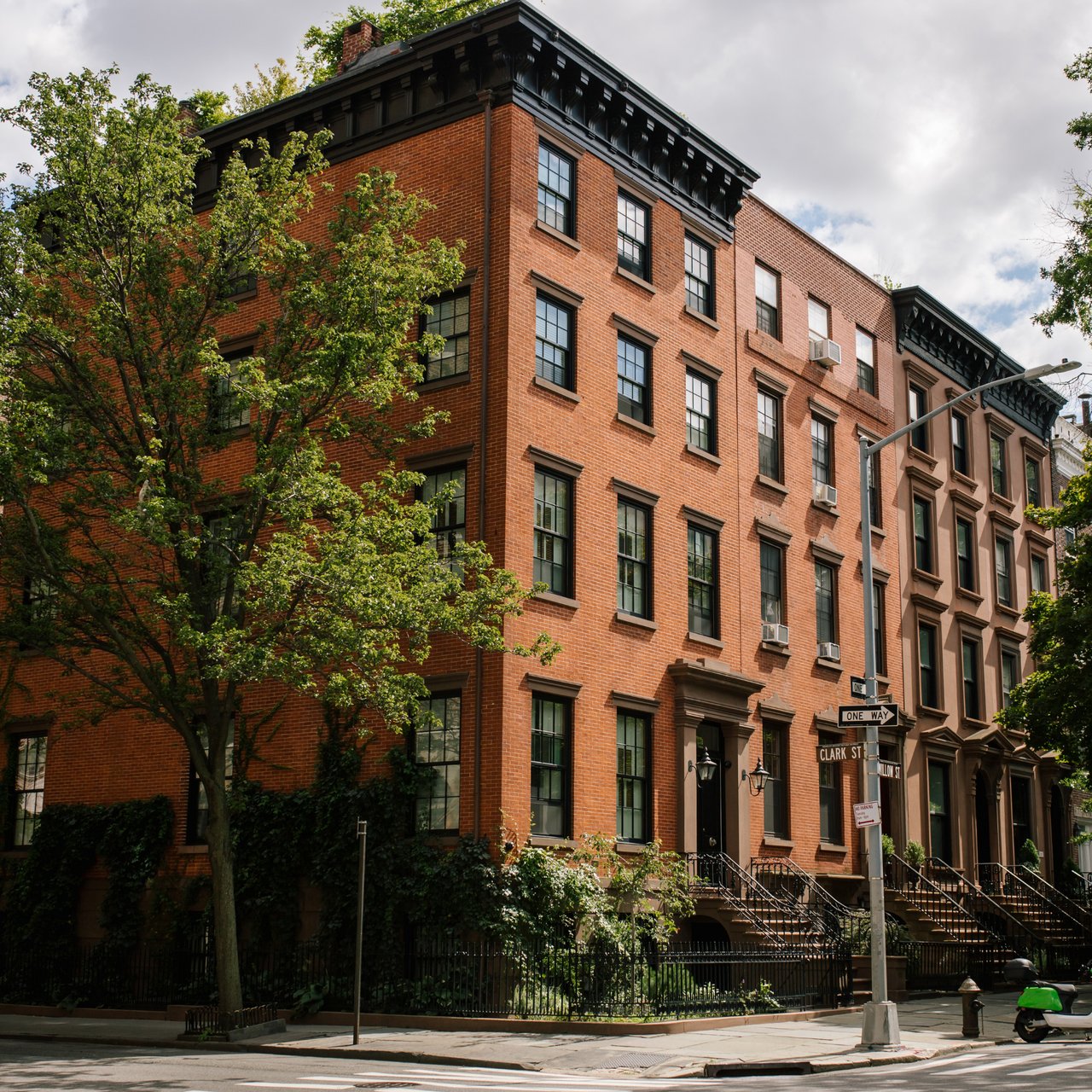
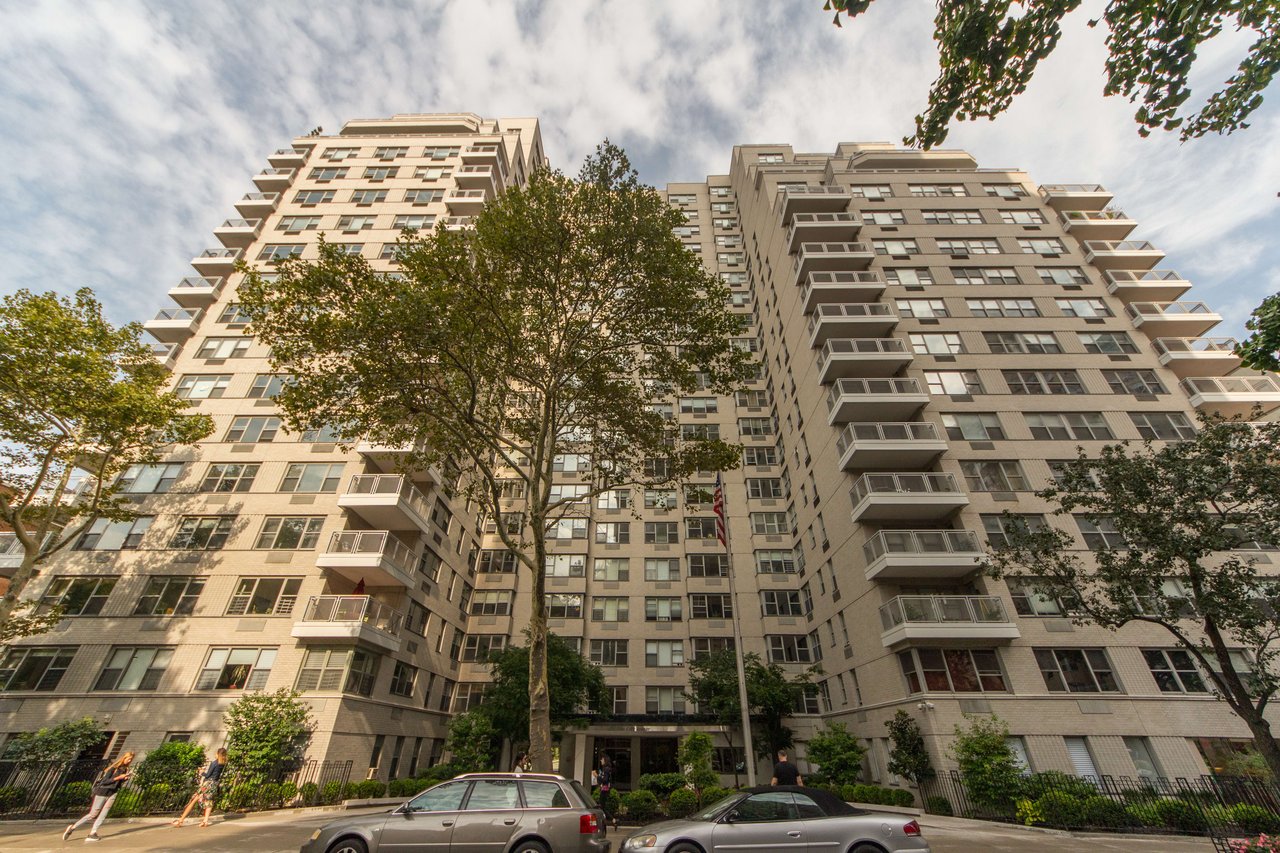
Timing works best when it is viewed in the context of current market conditions. The Upper West Side neighborhood snapshot on StreetEasy describes the area as one of Manhattan’s greenest neighborhoods, with much of the housing stock made up of large prewar apartment buildings. It also shows a median sale price of $1.2 million and 62 days on market.
Across Manhattan, supply has also been running higher than a year earlier. In February 2026, StreetEasy reported 7,072 homes for sale, 835 homes entering contract, and a median of 105 days on market for homes entering contract.
Broader Manhattan data from Douglas Elliman’s Q4 2025 report adds useful context. The report shows a median apartment sale price of $1,125,000, 6.5 months of supply, 71 days on market, and a 64.7% cash share, which is well above the decade average.
Taken together, these numbers suggest a market with active demand, but also meaningful competition. If you list on the Upper West Side, timing alone is not enough. Your pricing and presentation still need to be right.
Why pricing discipline matters
Even in a favorable season, buyers respond quickly to homes that feel well-positioned and often hesitate on listings that seem overpriced. On the Upper West Side, StreetEasy reported that homes sold for a median of 97.7% of their last asking price, which implies a median discount of 2.3%.
That same report found a striking visibility gap. The most-viewed 20% of NYC listings sold for a median of 100% of last ask, while the least-viewed 20% sold for 96.7%.
The takeaway is practical: strong timing helps, but strong positioning matters just as much. If your home launches in March with sharp pricing, polished presentation, and compelling marketing, you are more likely to capture the attention that leads to better leverage.
The Upper West Side is not one market
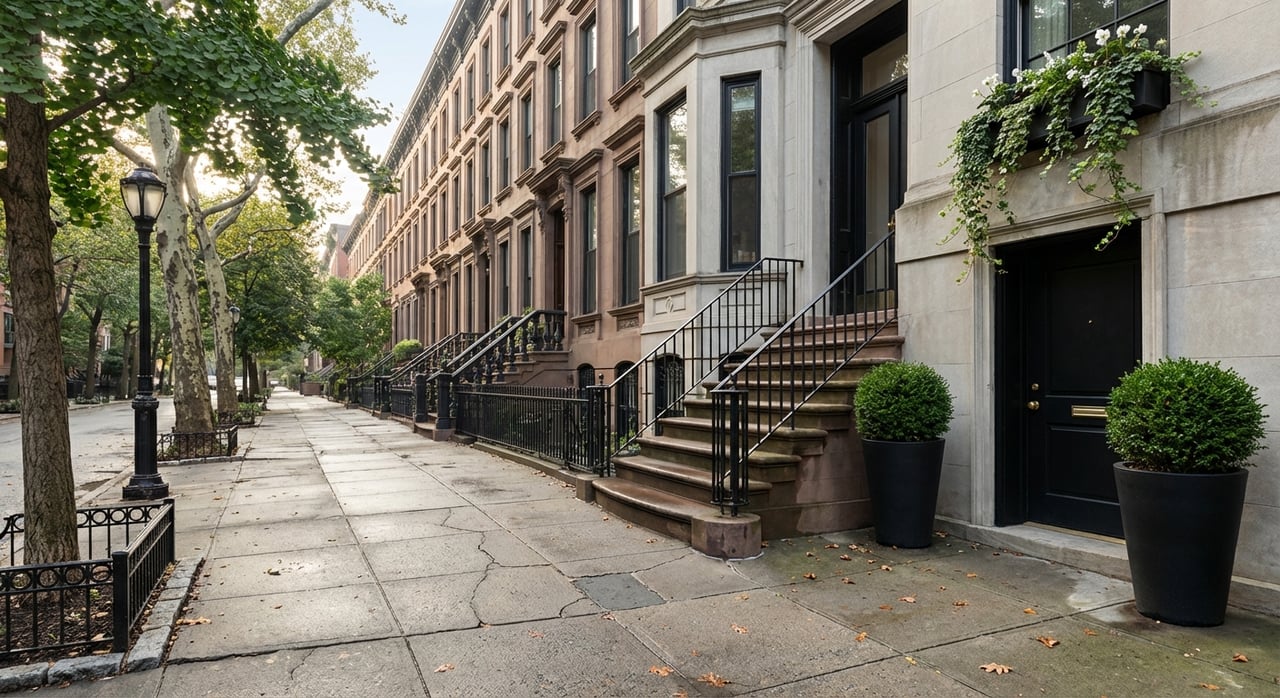
One reason broad neighborhood averages can be misleading is that the Upper West Side is not uniform. According to StreetEasy’s neighborhood profile, higher-priced homes are concentrated closer to Central Park and Riverside Drive, while townhouses and larger prewar apartments often command premium pricing. Smaller or older co-ops can follow a different pricing rhythm.
That means your ideal listing window should be matched with your property type, price point, and micro-location. A classic prewar co-op, a larger family-sized apartment, and a more design-forward condo may all compete differently, even within the same neighborhood.
In other words, the best plan is rarely just “list in spring.” It is usually “list in spring with a pricing strategy that reflects your exact pocket of the market.”
Is fall a reasonable backup plan?
Yes, but it is usually a secondary option. If you cannot make an early-spring launch work, early fall can still be viable, especially if your home is well prepared and well priced.
That said, StreetEasy notes that September is less favorable than spring. New listings tend to jump after summer, while buyer counts are lower as routines reset and the school year begins.
For the Upper West Side, that shift matters. The neighborhood attracts a steady mix of long-term owner-occupants and move-up buyers, so timing around lifestyle rhythms can affect how much attention your listing gets.
When to avoid listing if you can
Some parts of the calendar are simply less helpful for sellers. StreetEasy’s research says that homes listed after Memorial Day or after Labor Day tend to perform less well than homes launched in prime spring weeks.
The weakest periods are even more specific. The week of Thanksgiving and the second-to-last week of the year rank among the least favorable windows in StreetEasy’s analysis.
That does not mean a sale cannot happen during those periods. It means you are generally working against seasonal headwinds, with fewer active buyers and less market energy.
How far ahead should you prepare?
If you are aiming for an early-spring launch, the work should begin sooner than many sellers expect. Zillow reports that most sellers start thinking about a move three to four months before listing.
That timeline makes sense in Manhattan, where preparation often includes repairs, paint, decluttering, board package considerations if applicable, photography, floor plans, and marketing materials. If you wait until February to begin planning for a March listing, you may feel rushed.
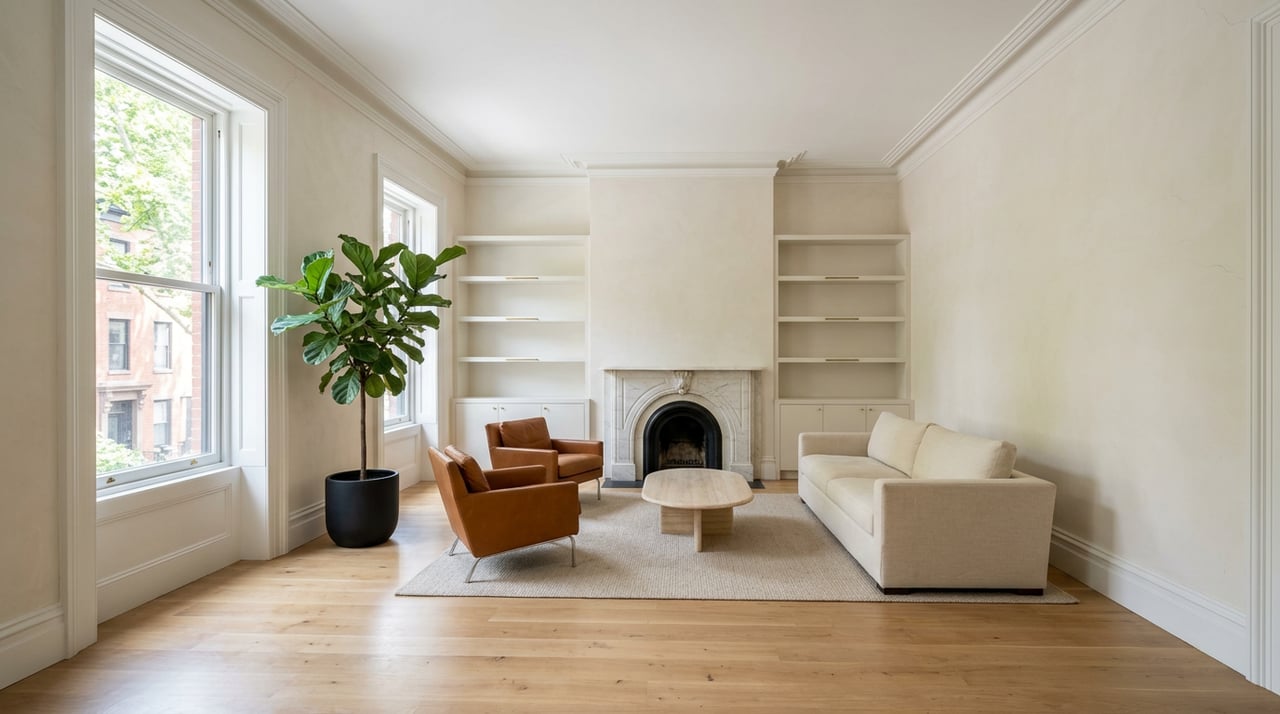
A better approach is to use the winter to get every detail market-ready. That way, when the spring window opens, your home is ready to meet it.
Does the day of the week matter?
It does, but much less than season, pricing, and presentation. StreetEasy found that Wednesday listings tend to go into contract faster, while Thursday listings are more likely to sell above ask.
Zillow’s national analysis also points to Thursday as a strong day to launch. Still, this is best treated as a fine-tuning decision, not the main strategy.
If you have to choose, focus first on the right month, the right price, and the right marketing rollout. Once those pieces are in place, weekday timing can help at the margins.
A practical Upper West Side listing plan
If your goal is strong results, this is the clearest data-backed framework:
- Target March or April if your timing is flexible
- Begin preparation 3 to 4 months early
- Price to your specific property type and location, not just the neighborhood average
- Invest in presentation and visibility so your listing stands out
- Use early fall as a backup window if spring is not realistic
- Avoid holiday-adjacent periods when possible
For many sellers, the best outcome comes from combining early-spring timing with disciplined pricing and polished marketing. That is especially true on the Upper West Side, where buyers can be discerning and inventory levels can give them options.
The bottom line
For Upper West Side homeowners, the best answer is usually not complicated: list in early spring if you can. Based on NYC-specific data, March and April offer the strongest odds for buyer attention, faster movement, and a better chance of a strong sale outcome.
Still, timing is only one piece of the puzzle. The sellers who tend to stand out are the ones who pair the right launch window with thoughtful pricing, strong presentation, and a clear strategy tailored to their exact property.
If you are weighing when to sell and want a measured, property-specific plan, Daniel Kramp offers private, high-touch guidance shaped by local market data and a polished, client-first approach. Let’s connect for a private consultation.
FAQs
When is the best month to list an Upper West Side apartment?
- For many sellers, March is the strongest month based on StreetEasy’s NYC-specific research, with April also performing well.
Is spring better than fall for selling on the Upper West Side?
- Yes. Spring generally brings more buyer inquiries and faster sales activity than fall, while early fall is usually better viewed as a secondary window.
Does listing in March guarantee a higher sale price on the Upper West Side?
- No. March can improve your odds, but pricing, presentation, and property-specific demand still play major roles in the final outcome.
How early should Upper West Side sellers prepare before listing?
- A good rule of thumb is to start preparing three to four months before your target listing date so repairs, marketing, and logistics are completed in time.
Does the best listing time depend on the type of Upper West Side property?
- Yes. Co-ops, condos, townhouses, and larger prewar apartments can attract different buyer pools, so timing should be paired with property-specific pricing and positioning.