Trying to choose between the Upper West Side and Brooklyn Heights for classic city living? You are not picking between right and wrong here. You are choosing between two very different versions of timeless New York. This guide will help you compare the feel, housing, parks, views, transit, and pricing patterns so you can decide which neighborhood fits your daily life best. Let’s dive in.
What classic city living means here
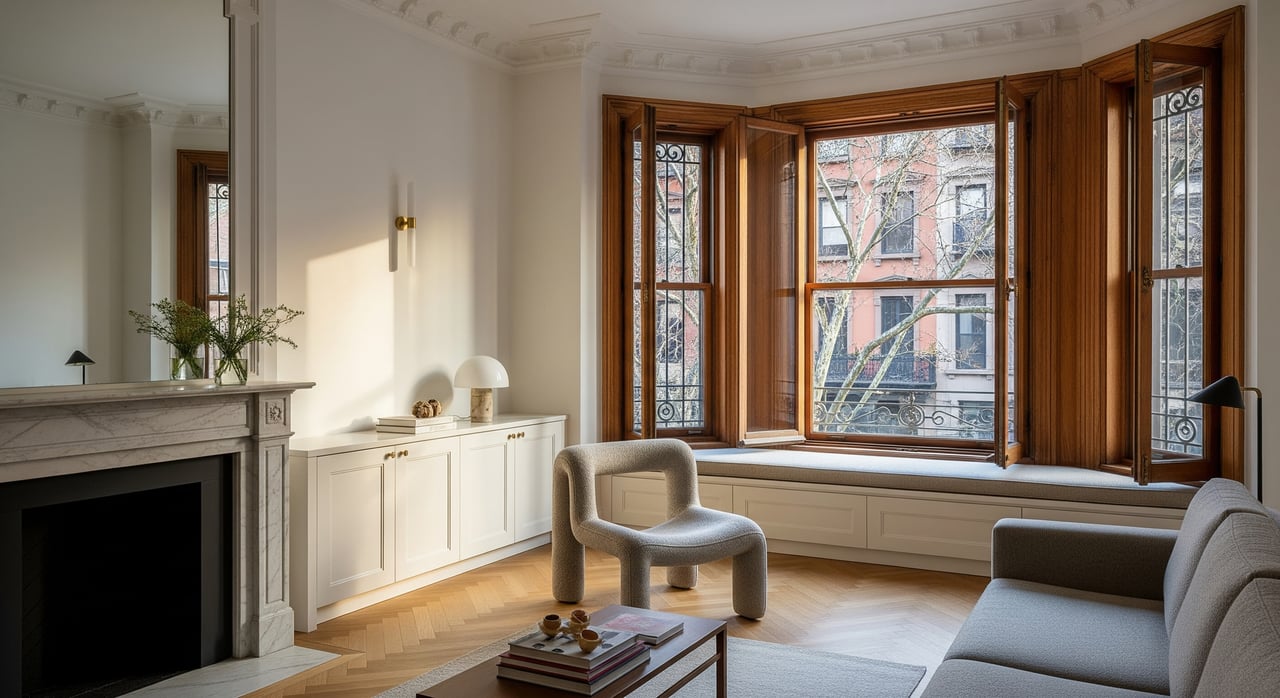
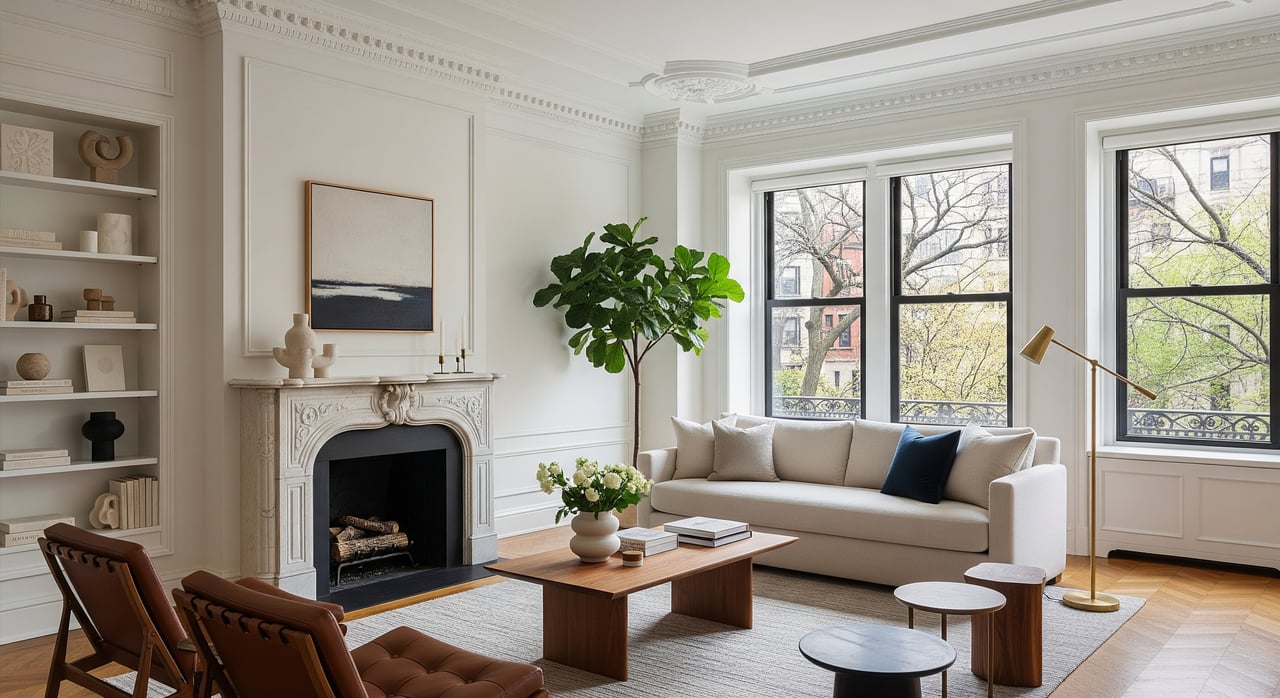
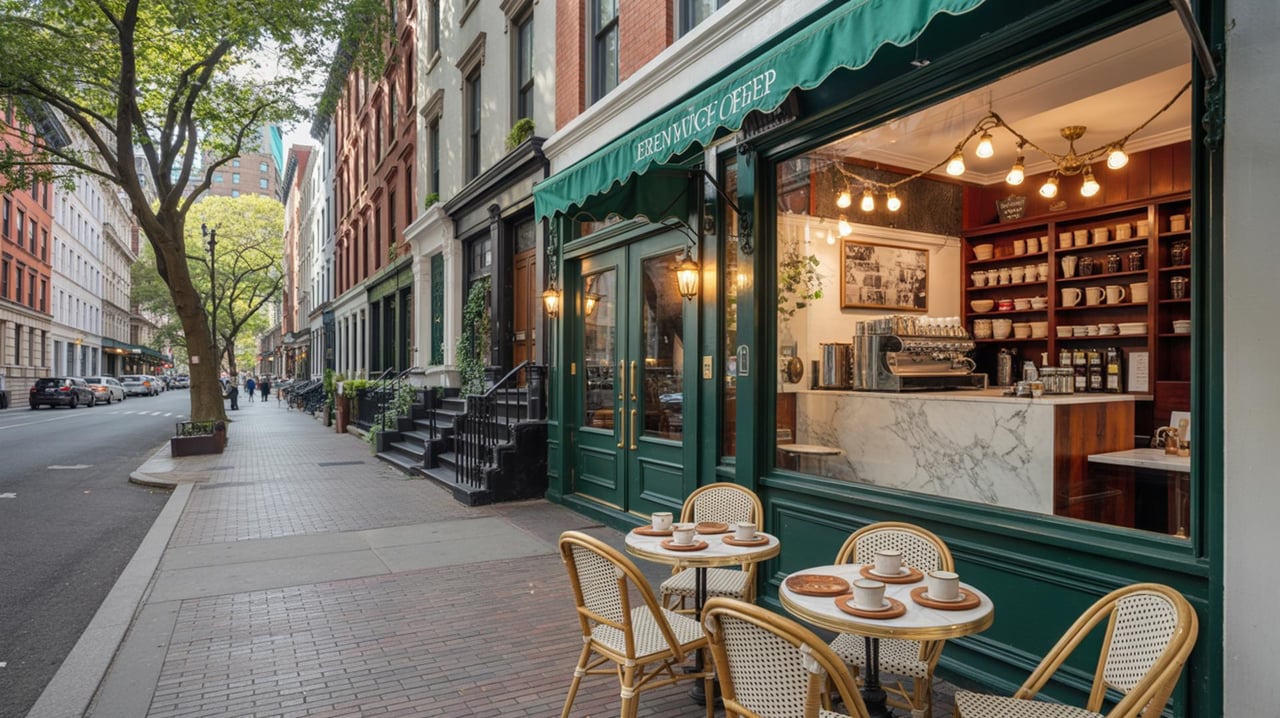
If you picture classic New York, both neighborhoods qualify. The difference is the type of classic experience you want. The Upper West Side feels broader, greener, and more mixed in its day-to-day rhythm, while Brooklyn Heights feels more intimate, polished, and townhouse-oriented.
That distinction matters because your home is not just about architecture. It shapes how you move through the day, where you walk, what you see outside your window, and how your routine feels week after week.
Upper West Side feel
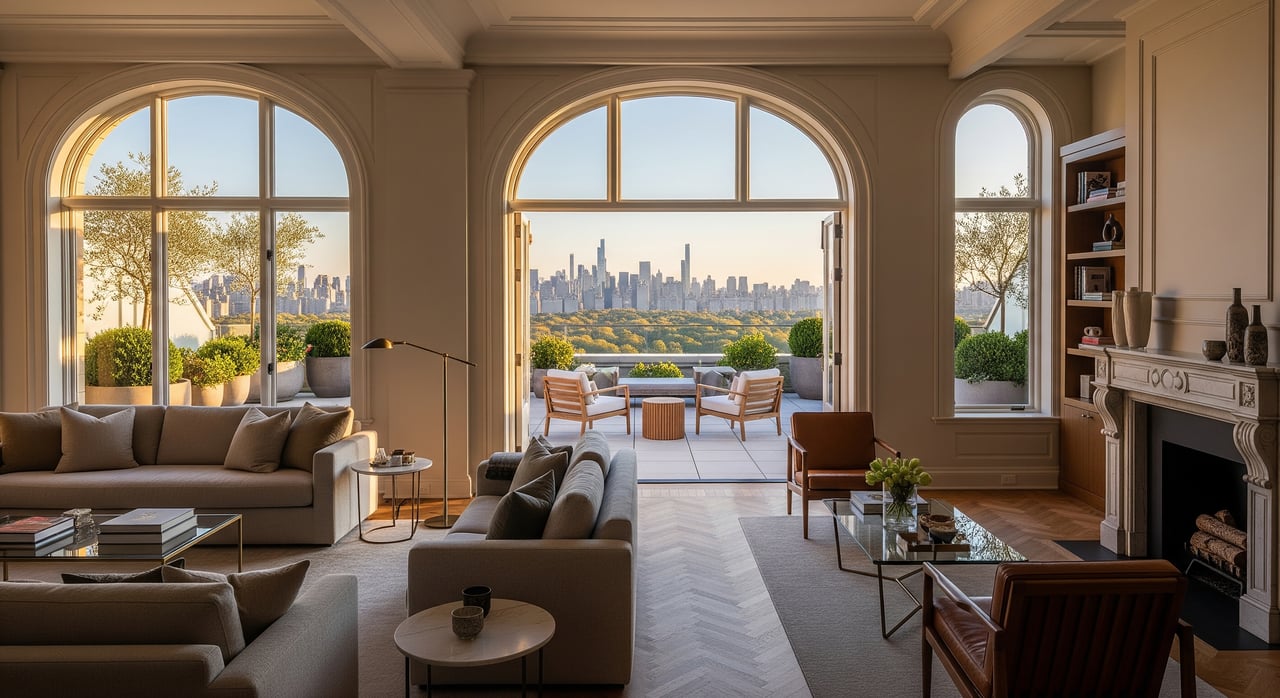
The Upper West Side is often read as an expansive version of classic New York. StreetEasy describes it as one of Manhattan’s greenest areas, with quiet side streets, a busy commercial spine on Broadway, and a mix of residents that gives the neighborhood an easygoing, lived-in energy.
If you want a neighborhood that feels active without being frantic, this can be a strong fit. The scale is larger, the avenues are busier, and the housing mix gives you more variety in how classic New York shows up on the block.
Architecture on the Upper West Side
The Upper West Side grew quickly after late 19th-century transit expansion opened the area to residential development. A Landmarks Preservation Commission report ties that growth to the opening of the Ninth Avenue elevated in 1879, after which the neighborhood developed into a prosperous upper-middle-class district.
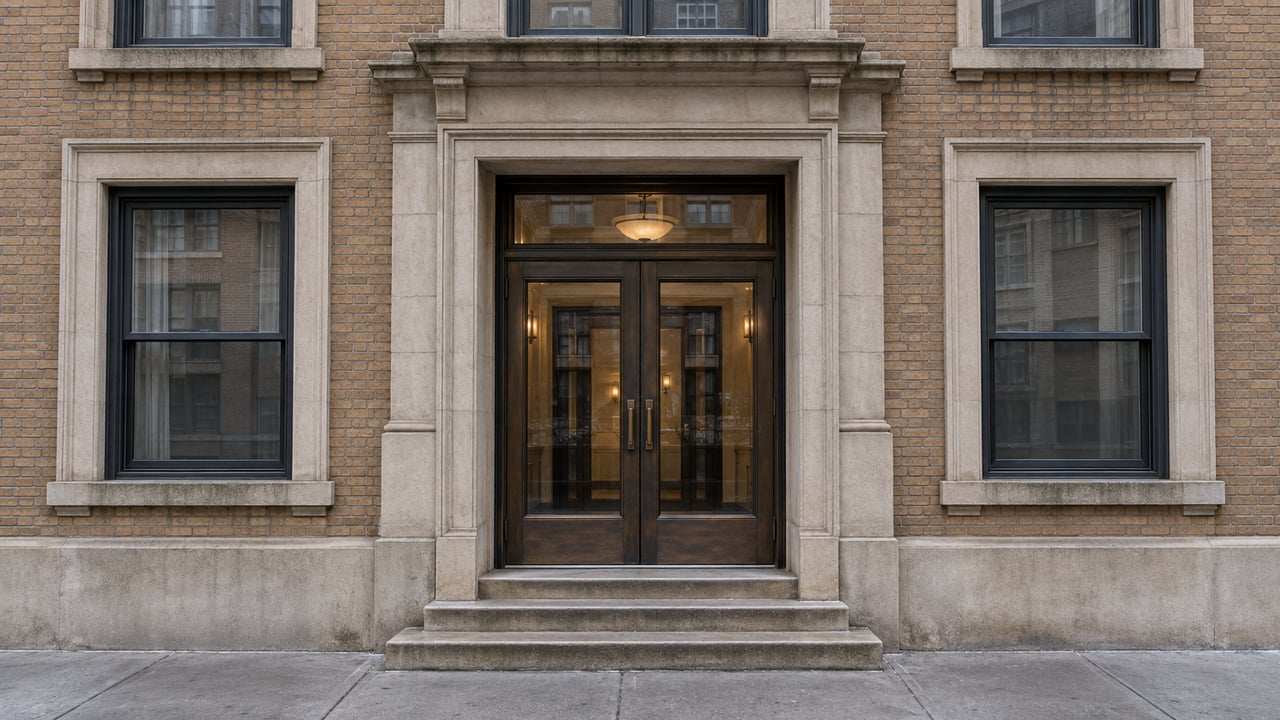
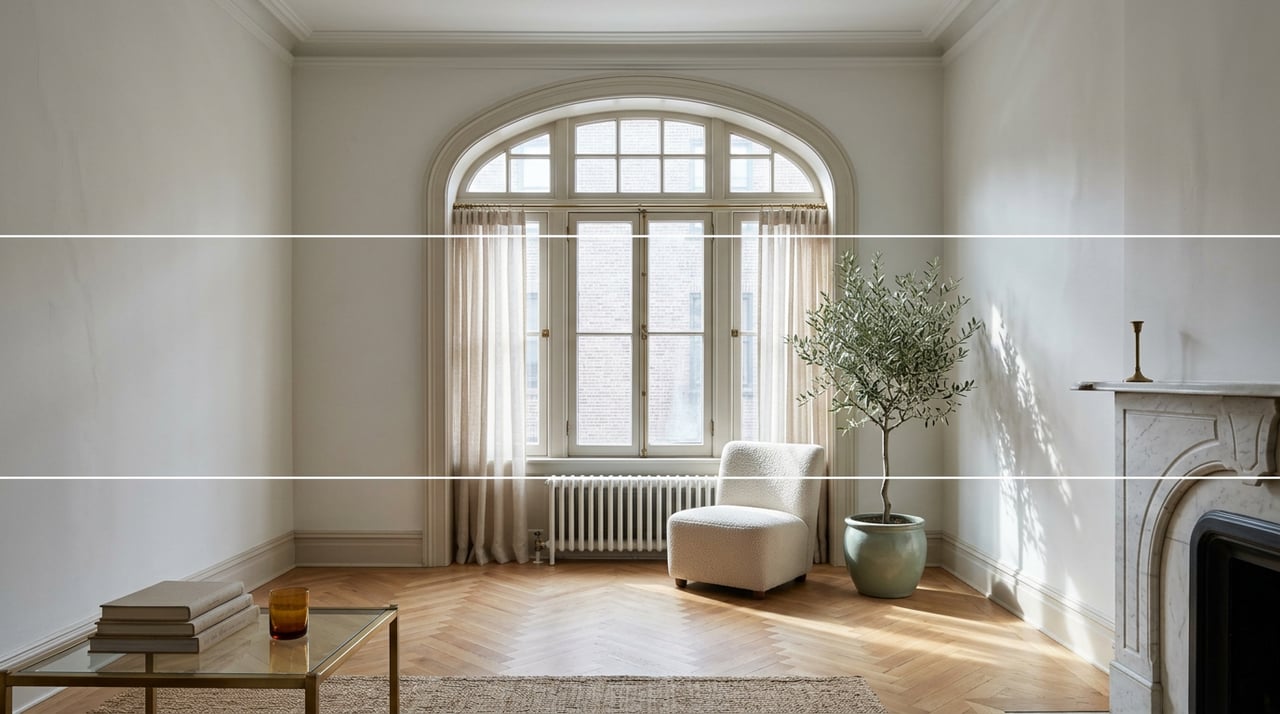
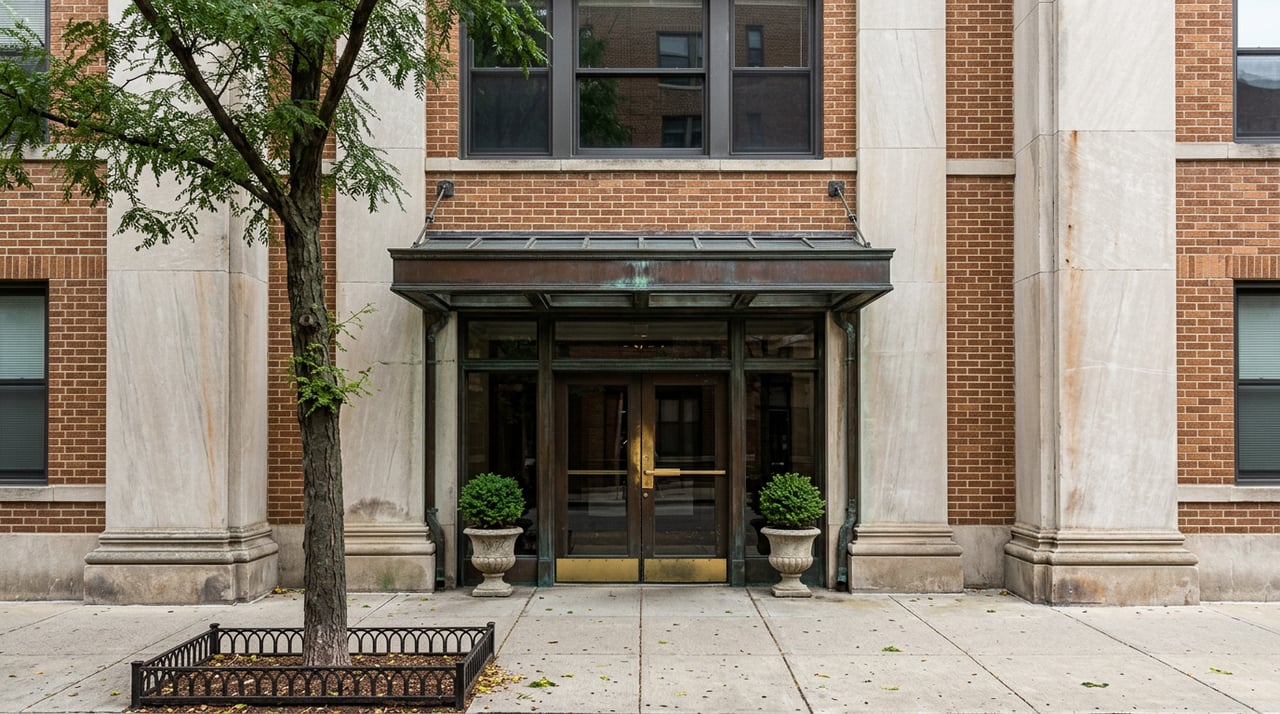
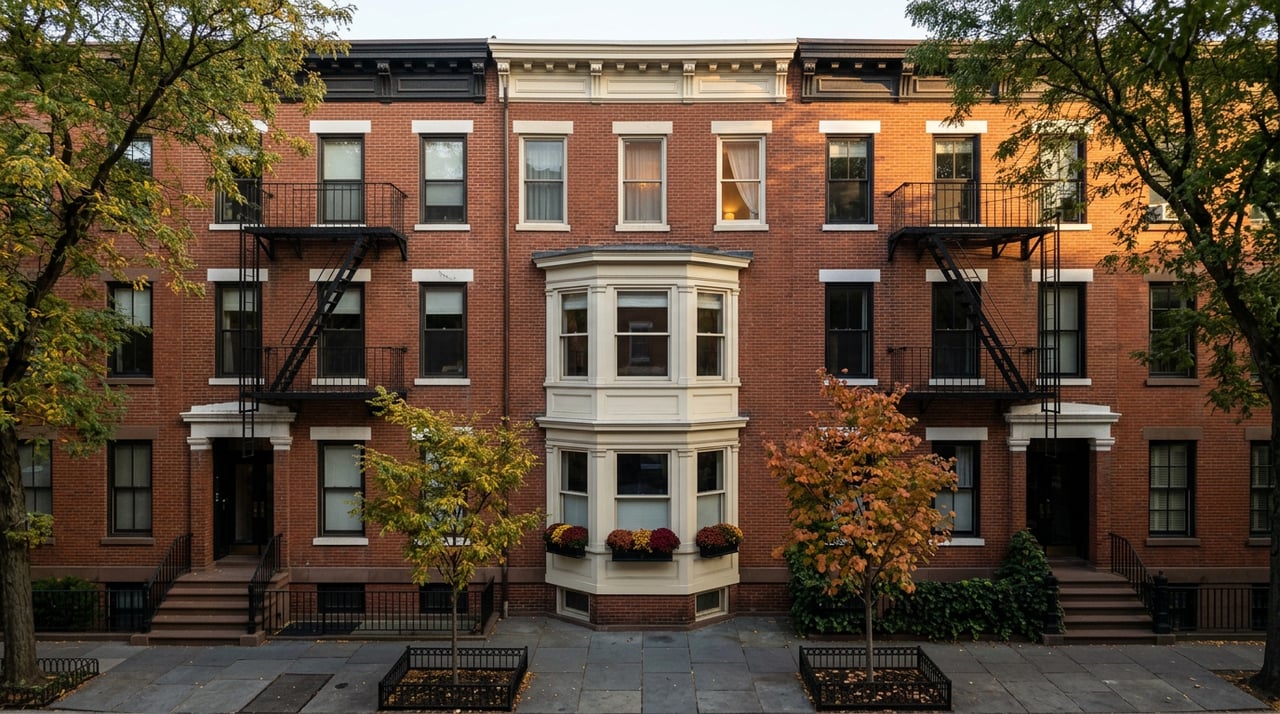
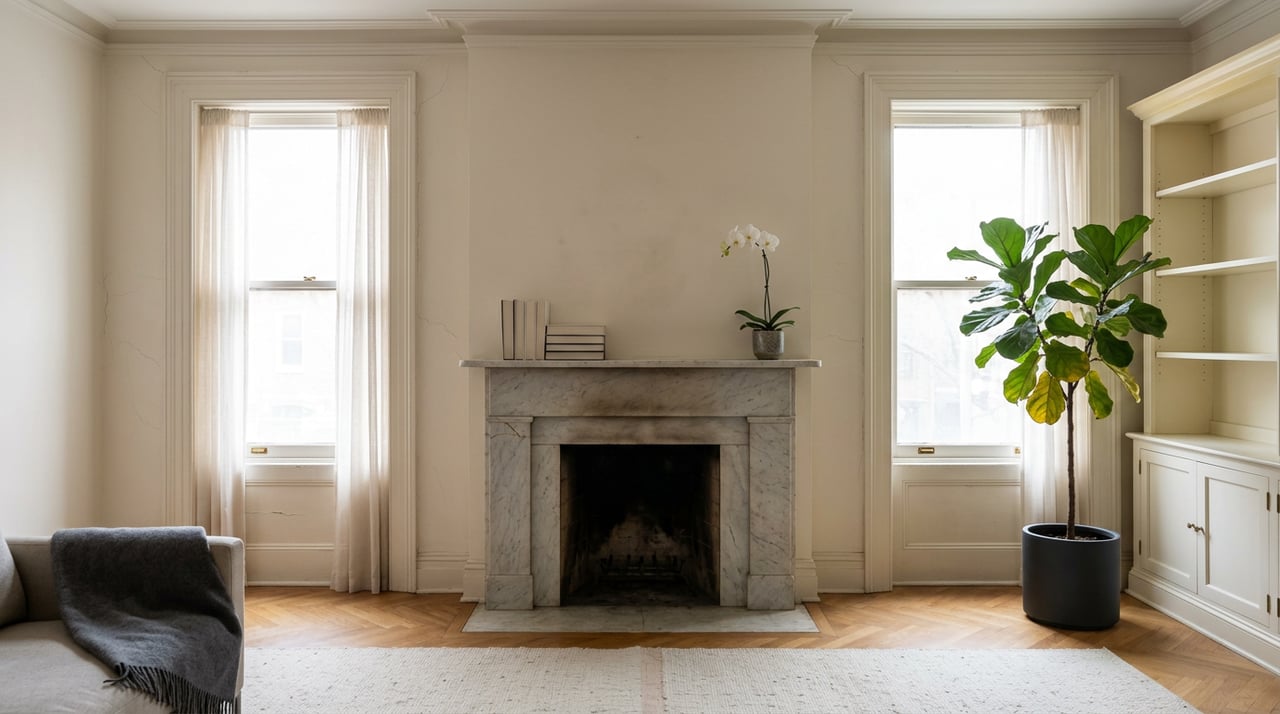
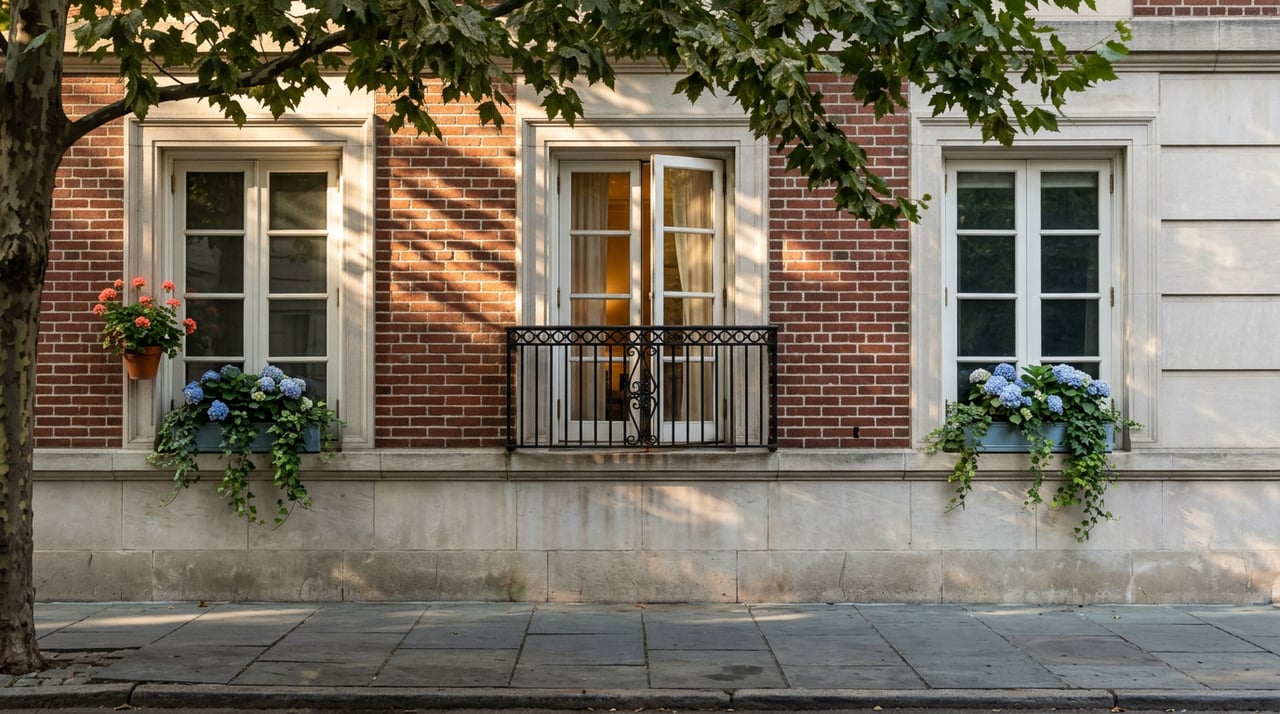
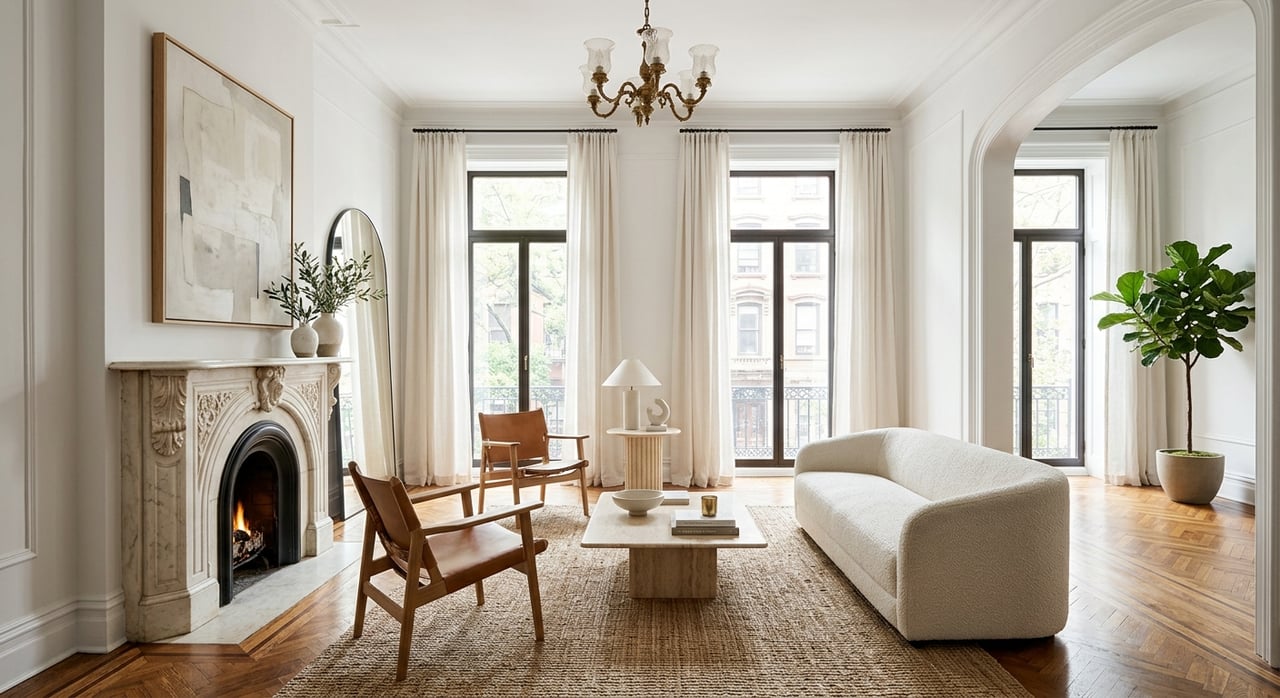
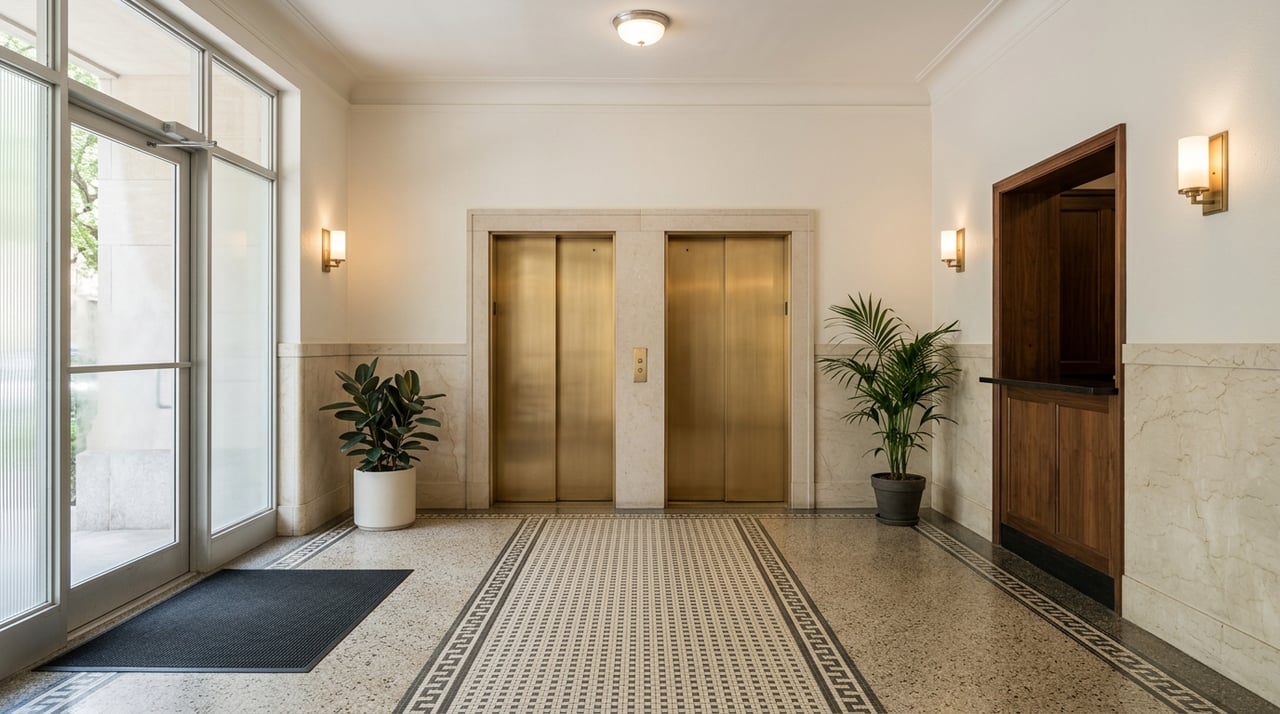
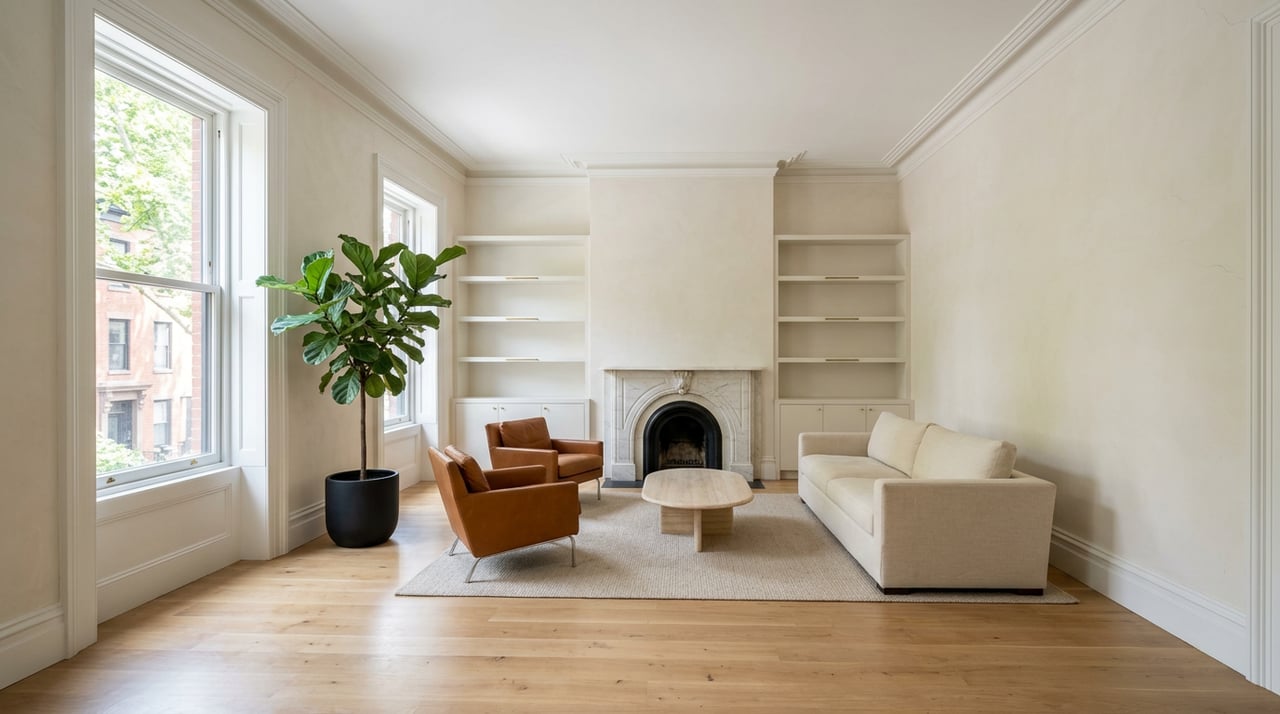
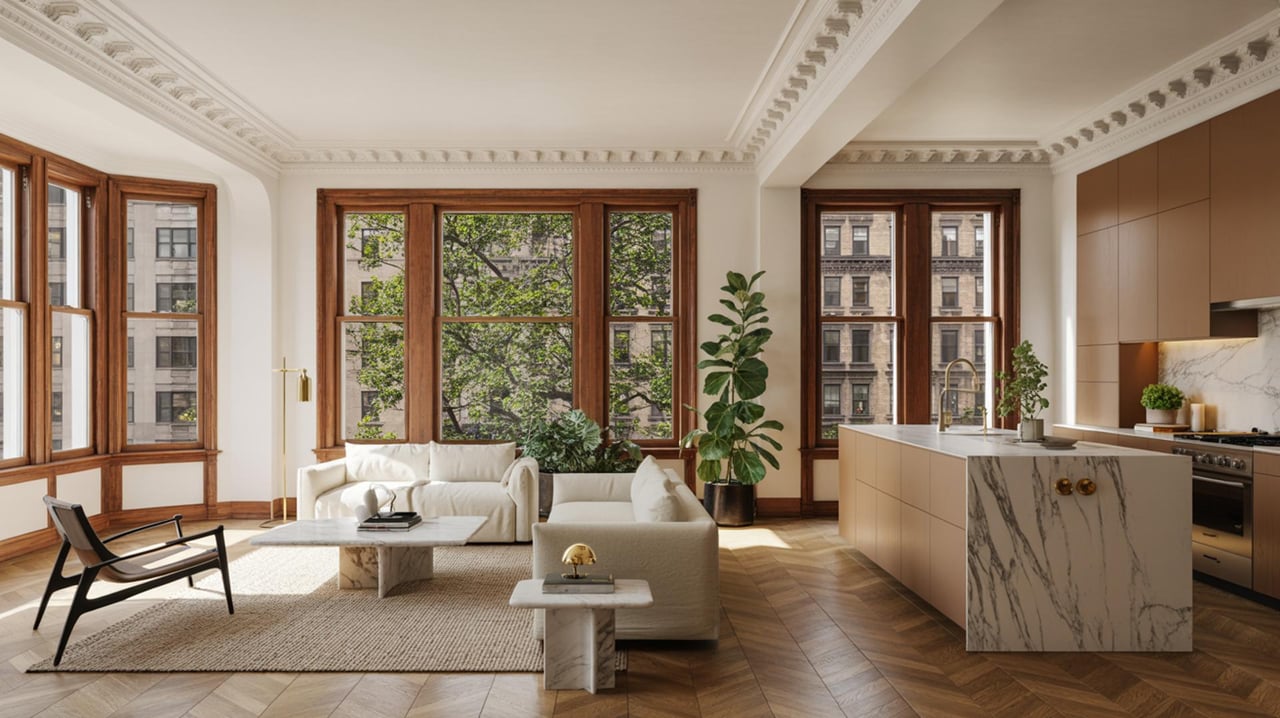
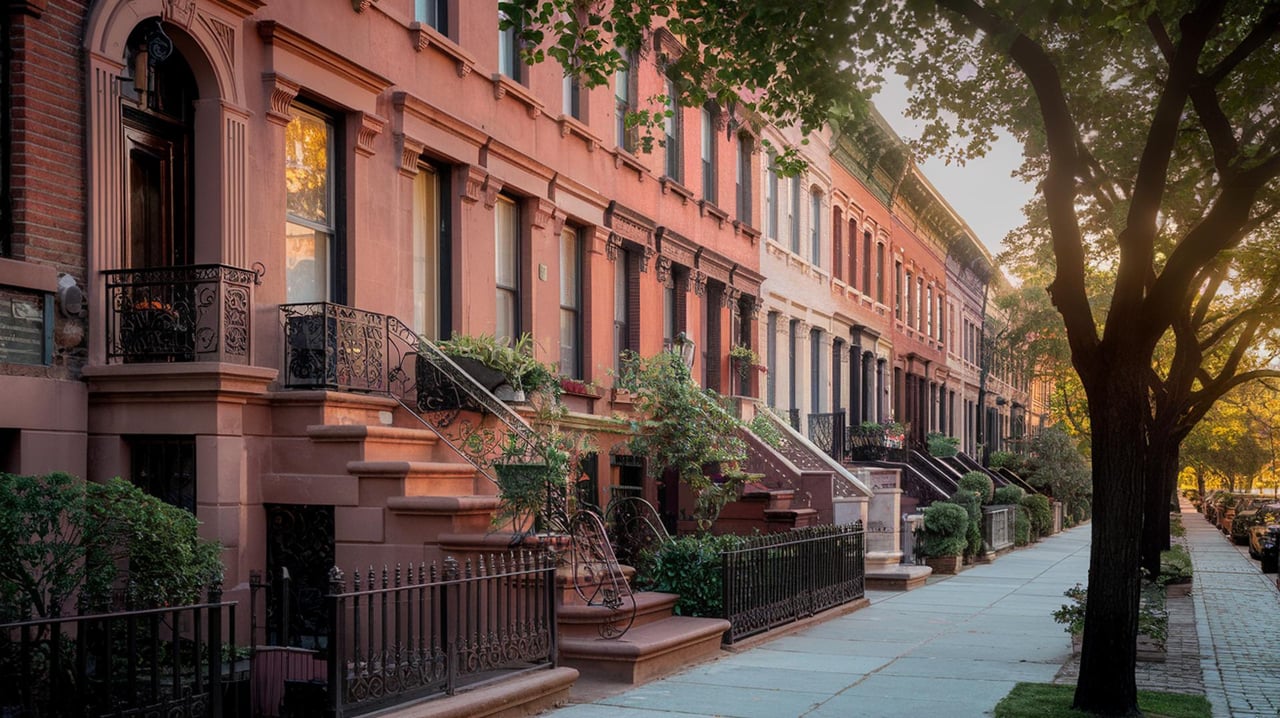
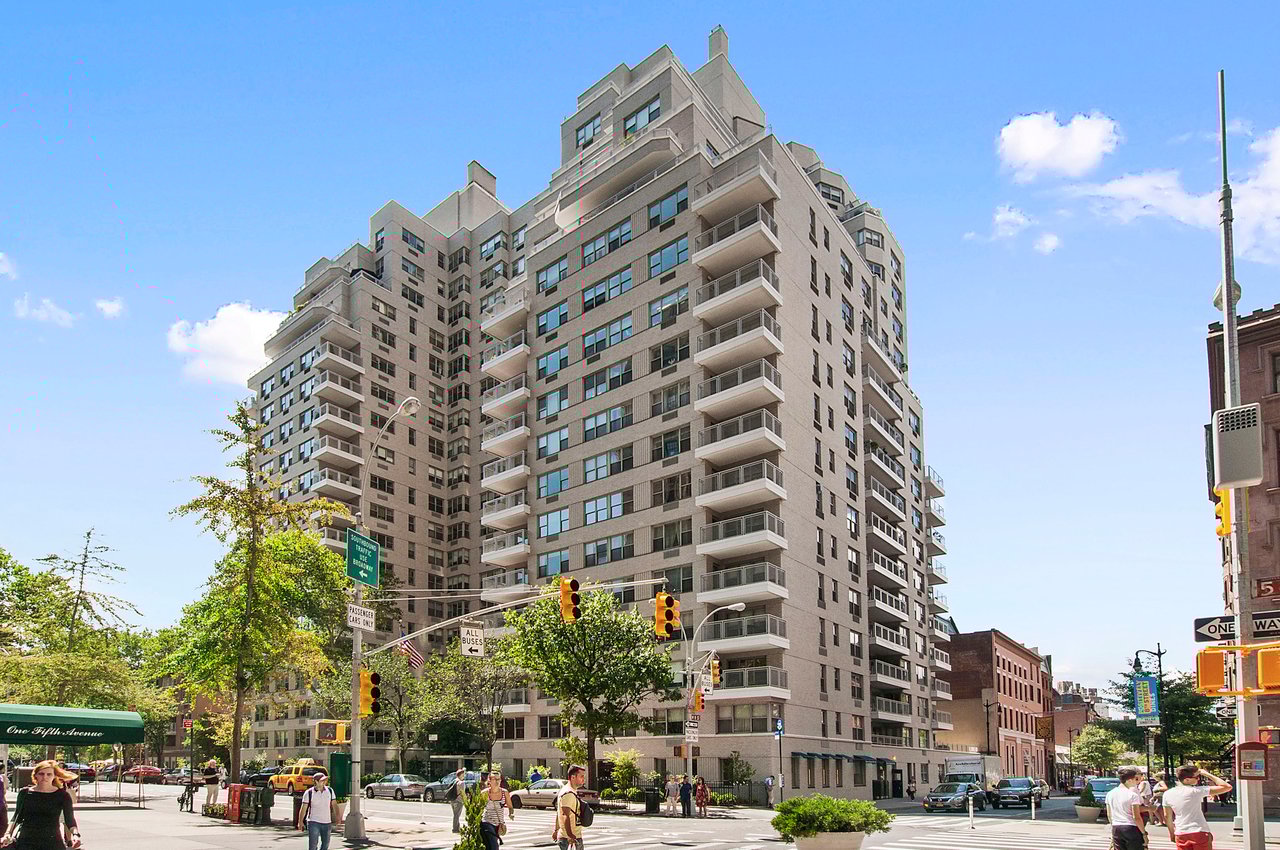
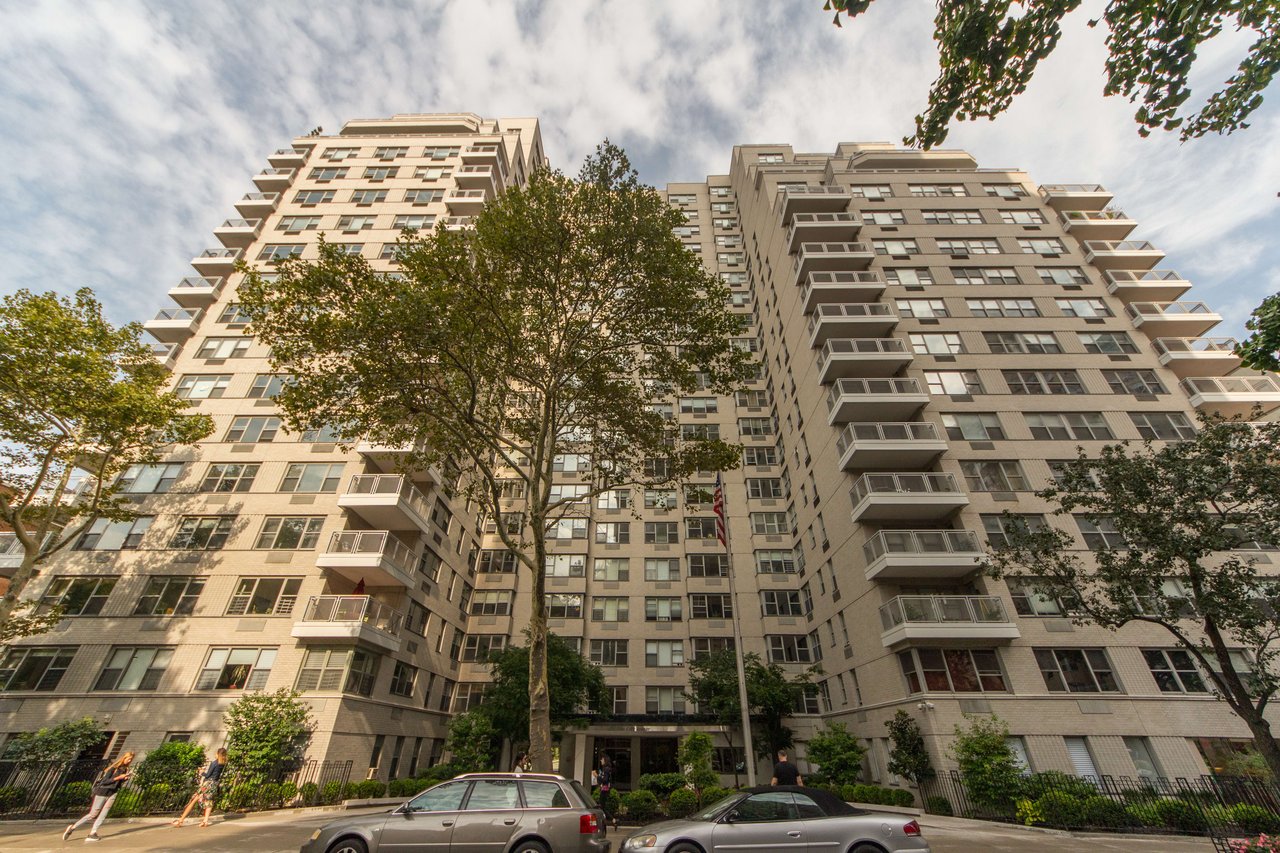
Today, that history shows up in a layered streetscape. Most homes are in large prewar apartment buildings, though there are also townhouses and older co-ops. That gives the neighborhood a more architecturally dense feel, with multiple building types rather than one dominant form.
Parks and daily rhythm on the Upper West Side
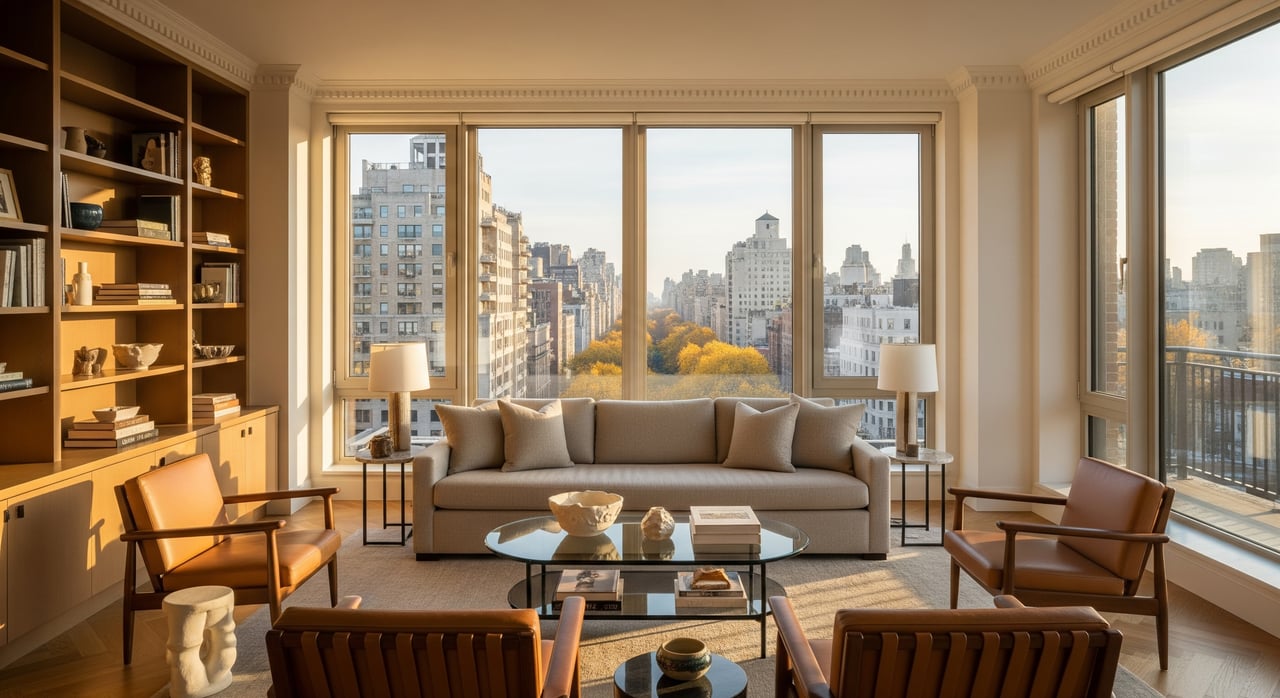
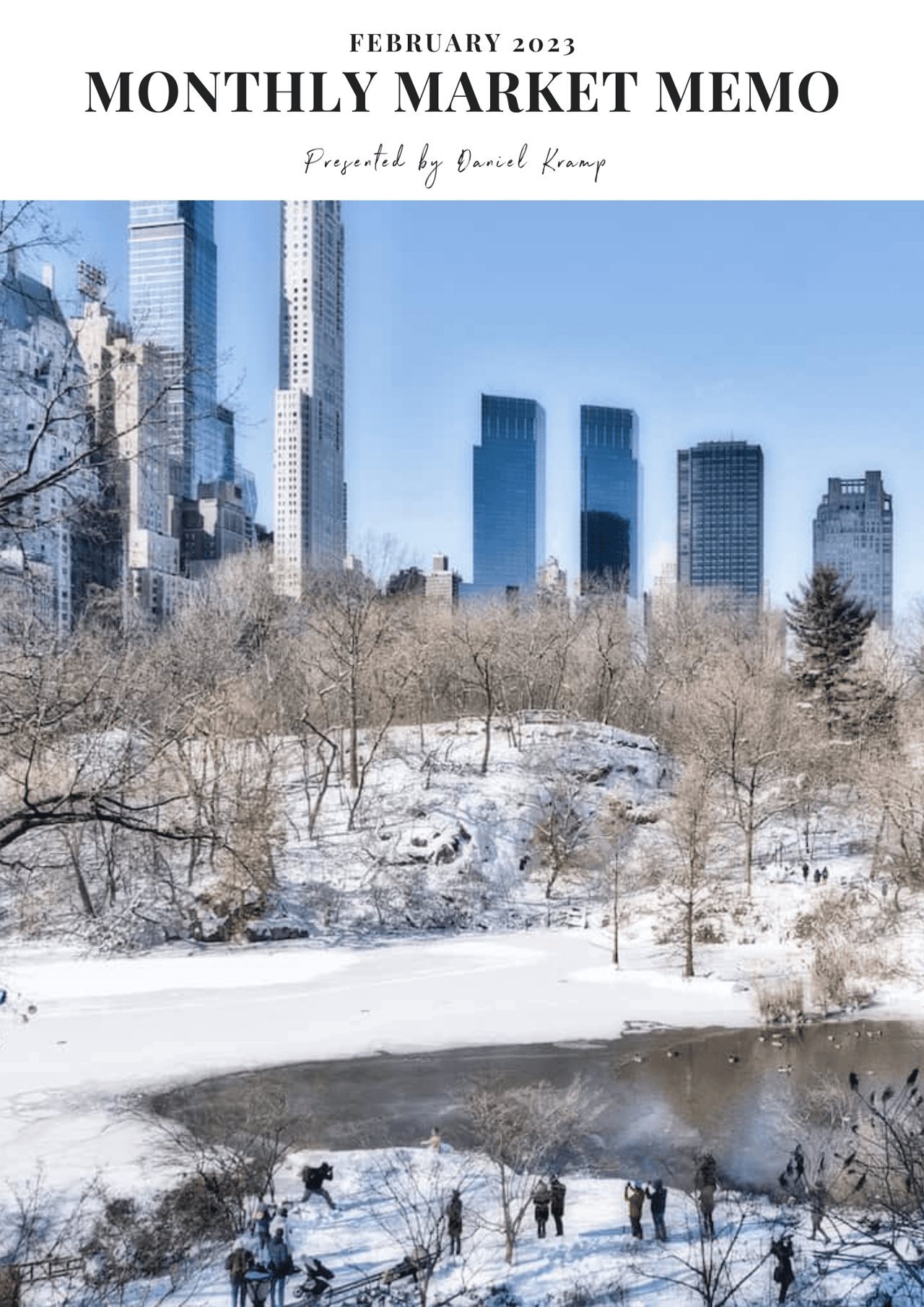
One of the Upper West Side’s biggest strengths is its park setting. Central Park runs from 59th Street to 110th Street, and Riverside Park stretches from 72nd Street to 158th Street along the Hudson. Riverside Park is also a designated scenic landmark.
In practical terms, that means you have strong access to major green space on both sides of the neighborhood. For buyers who want park frontage, long walks, running routes, or a greener Manhattan setting, the Upper West Side stands out.
Transit on the Upper West Side
Transit is a major plus here, especially if your routine centers on the West Side or Midtown. The 1 line serves 72nd, 79th, 86th, and 96th Streets. The 72nd Street station on Central Park West connects to the B and C, while Columbus Circle adds A, B, C, D, and 1 service.
That network makes the neighborhood especially practical if you want easy north-south access in Manhattan and frequent options for Midtown trips.
Brooklyn Heights feel
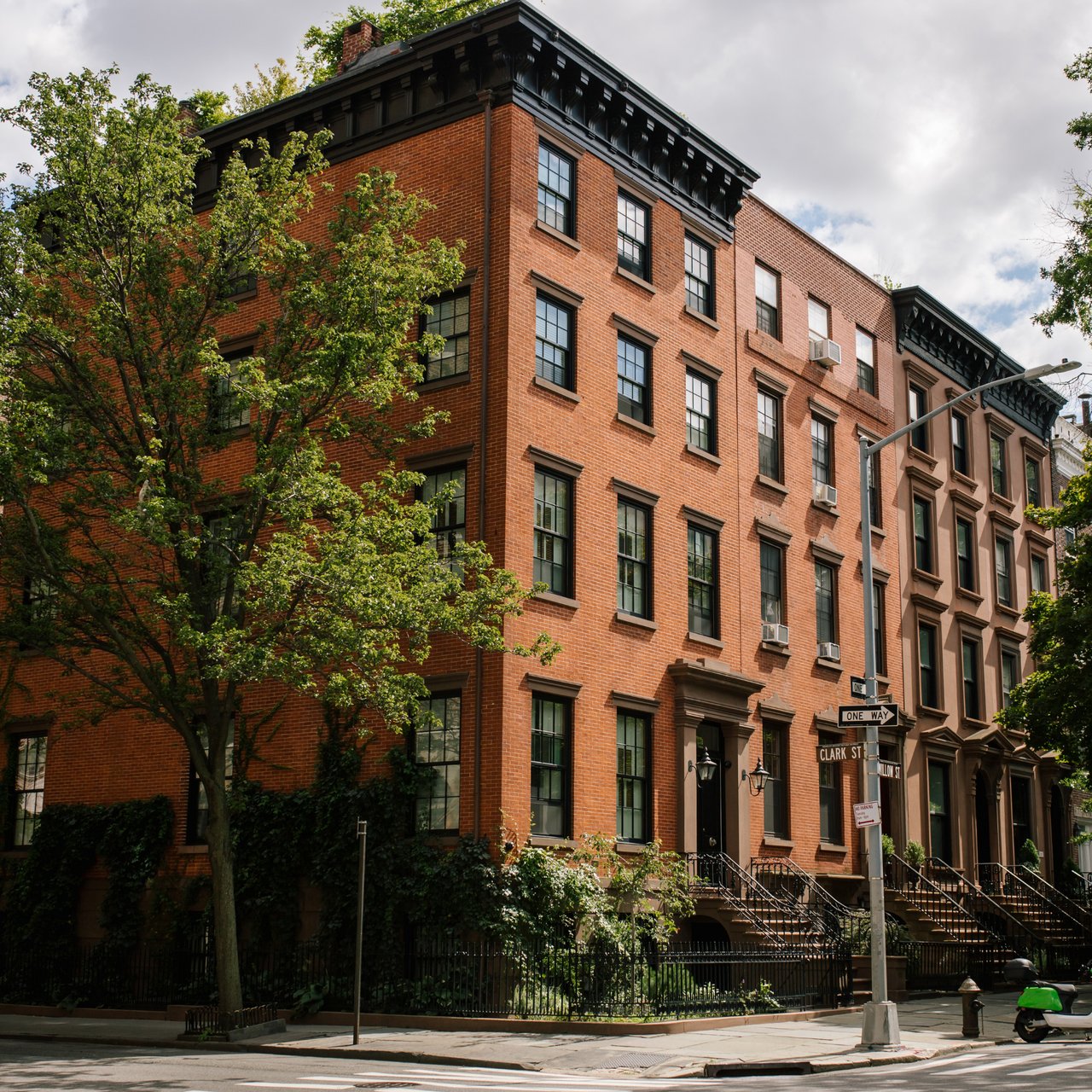
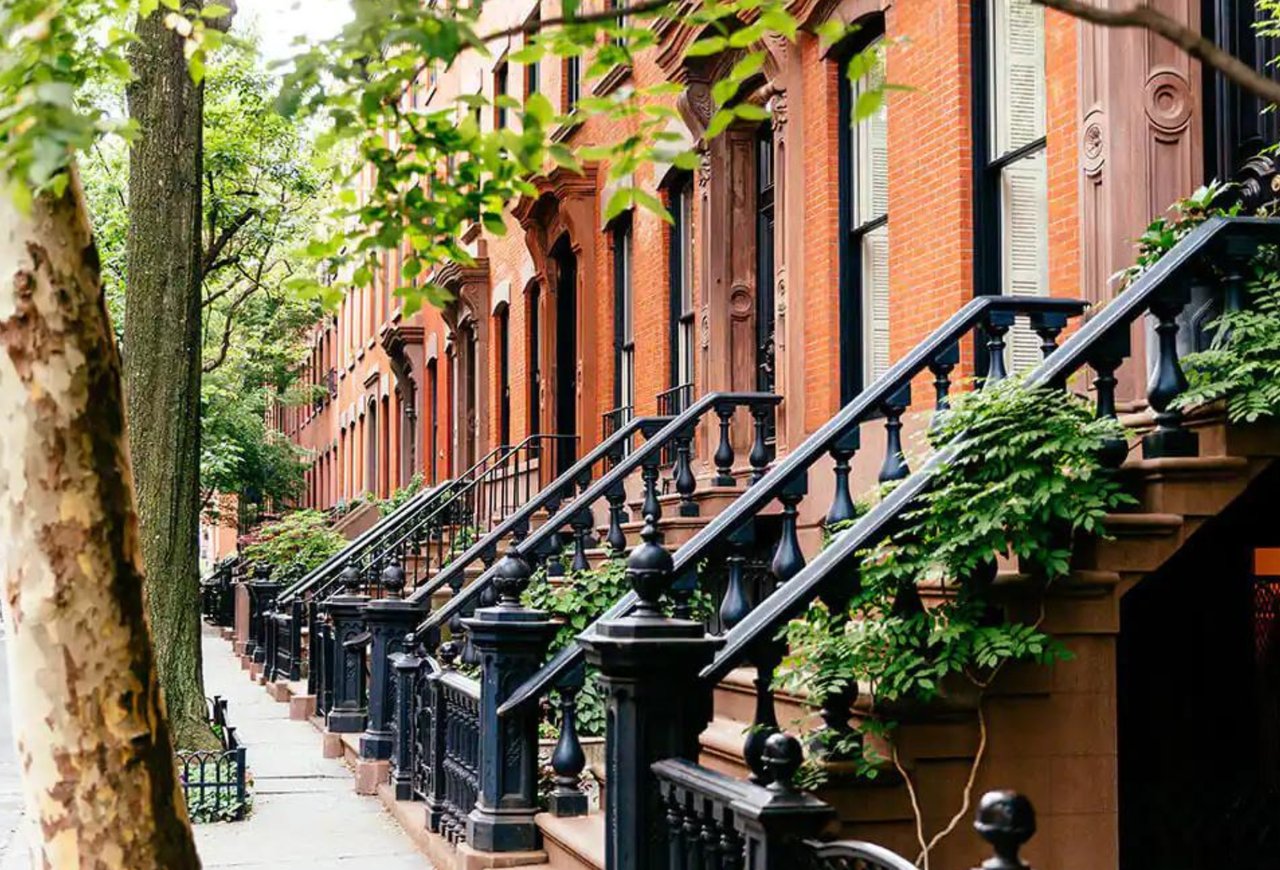
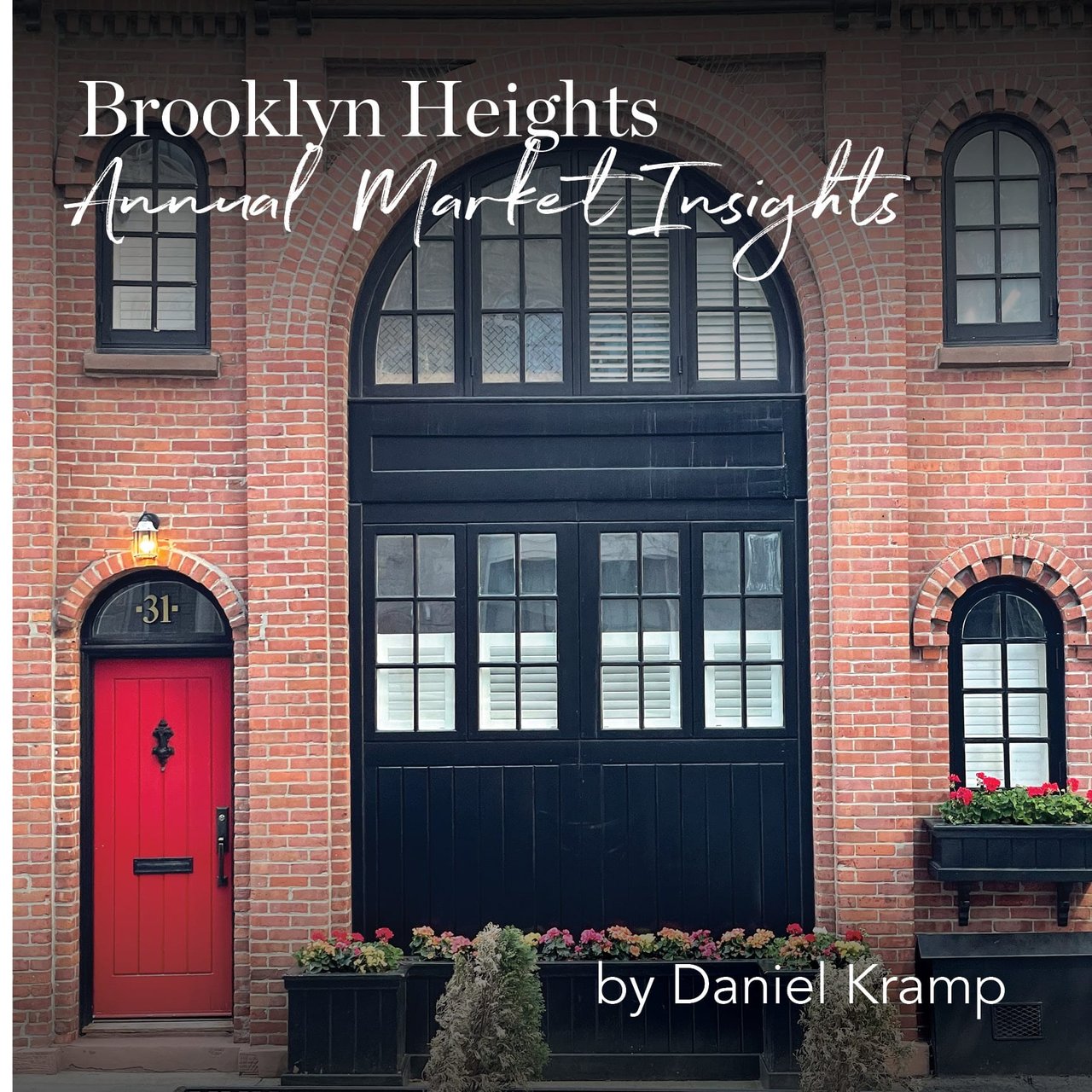
Brooklyn Heights offers a different kind of classic city living. StreetEasy describes it as polished and staid, with intimate residential charm, a well-known promenade, and an upscale but still residential feel.
If you prefer a neighborhood that feels quieter and more contained, Brooklyn Heights may be the better match. It has a stronger sense of enclosure, and its historic blocks often feel more unified from one end of the street to the other.
Architecture in Brooklyn Heights
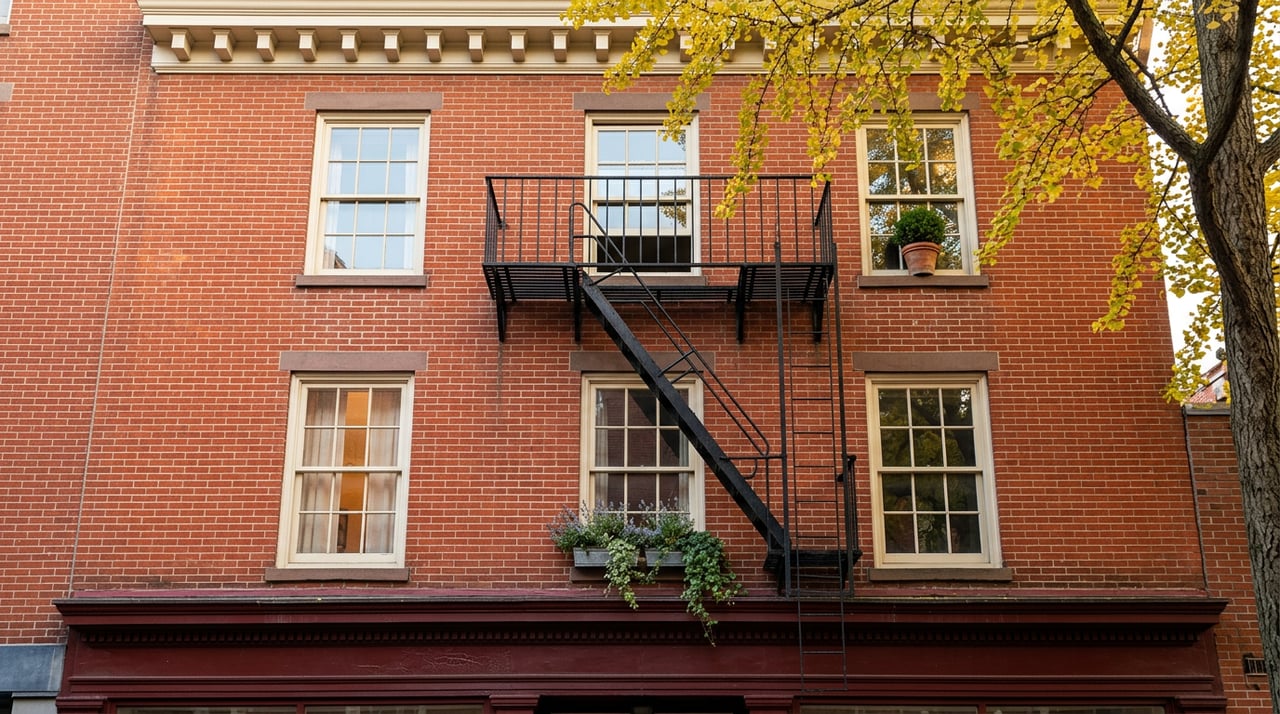
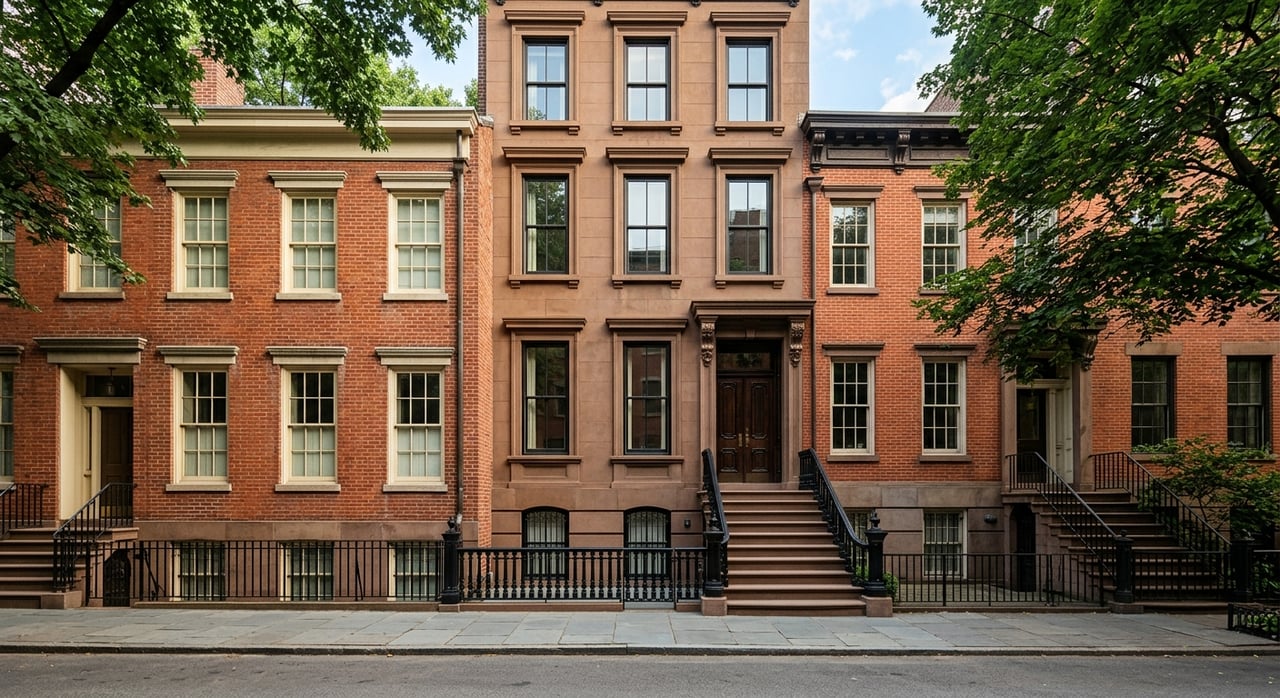
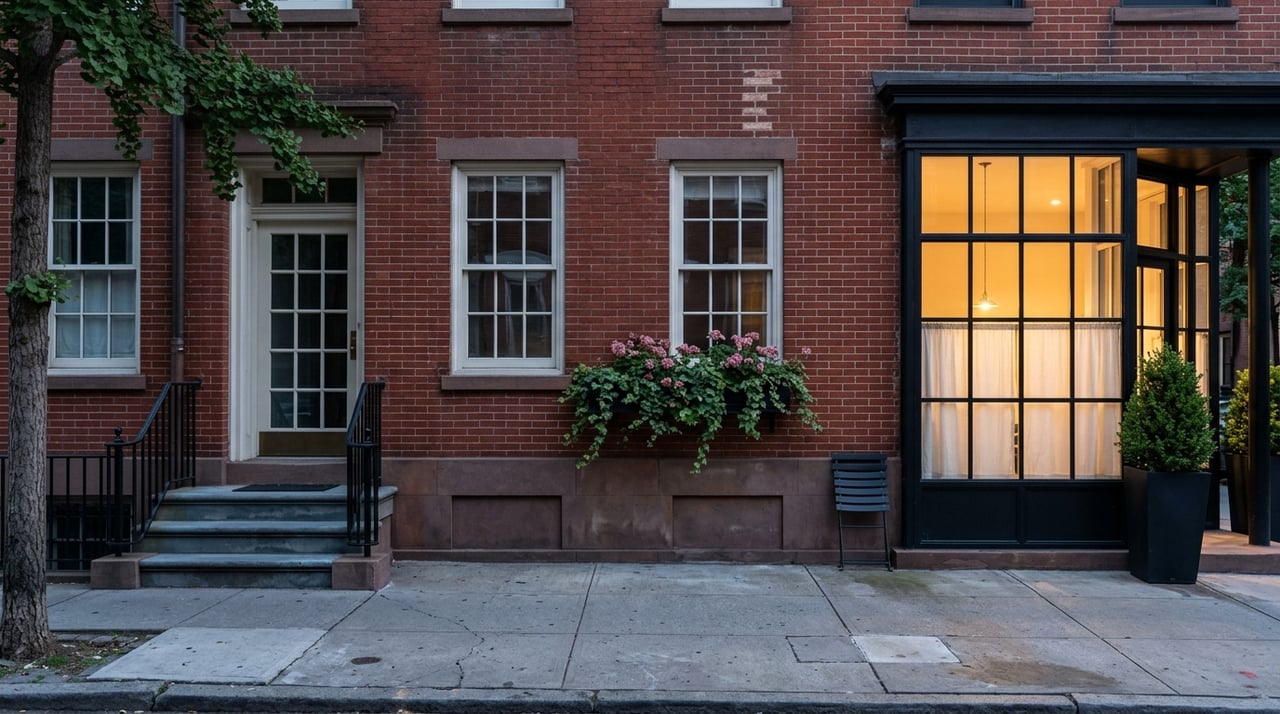
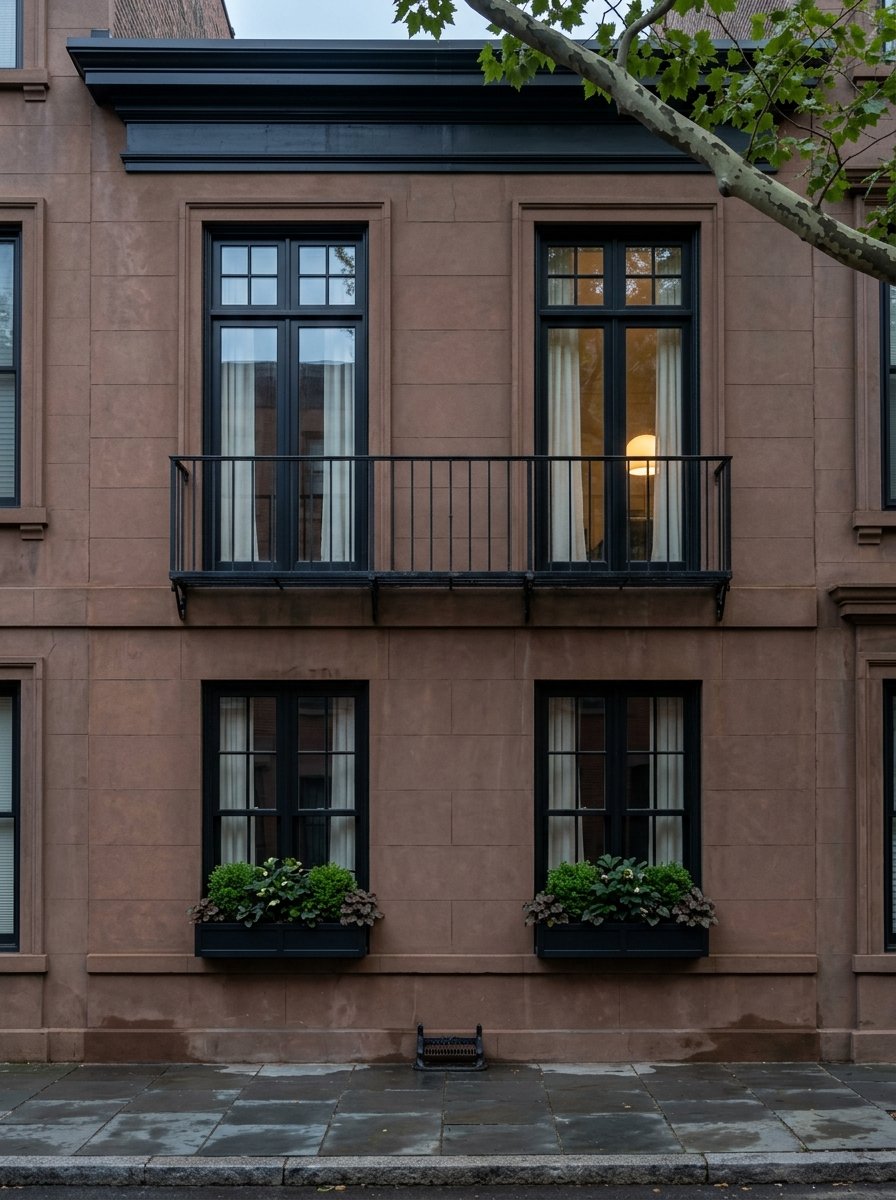
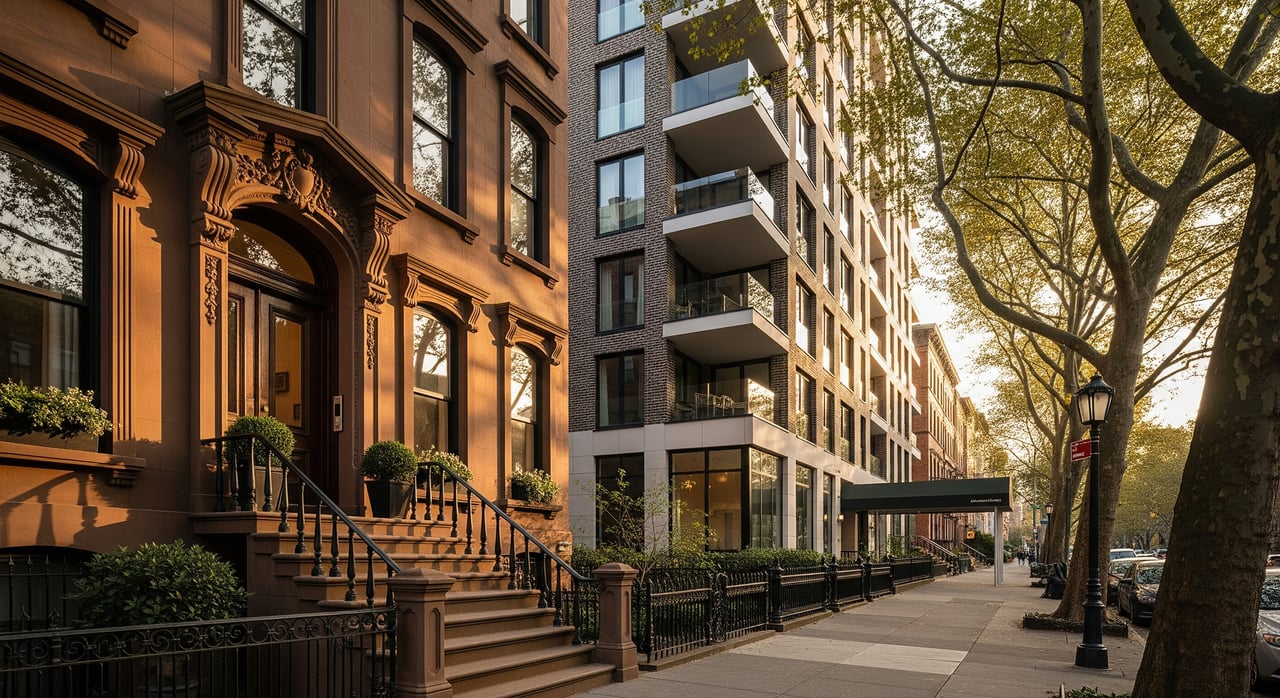
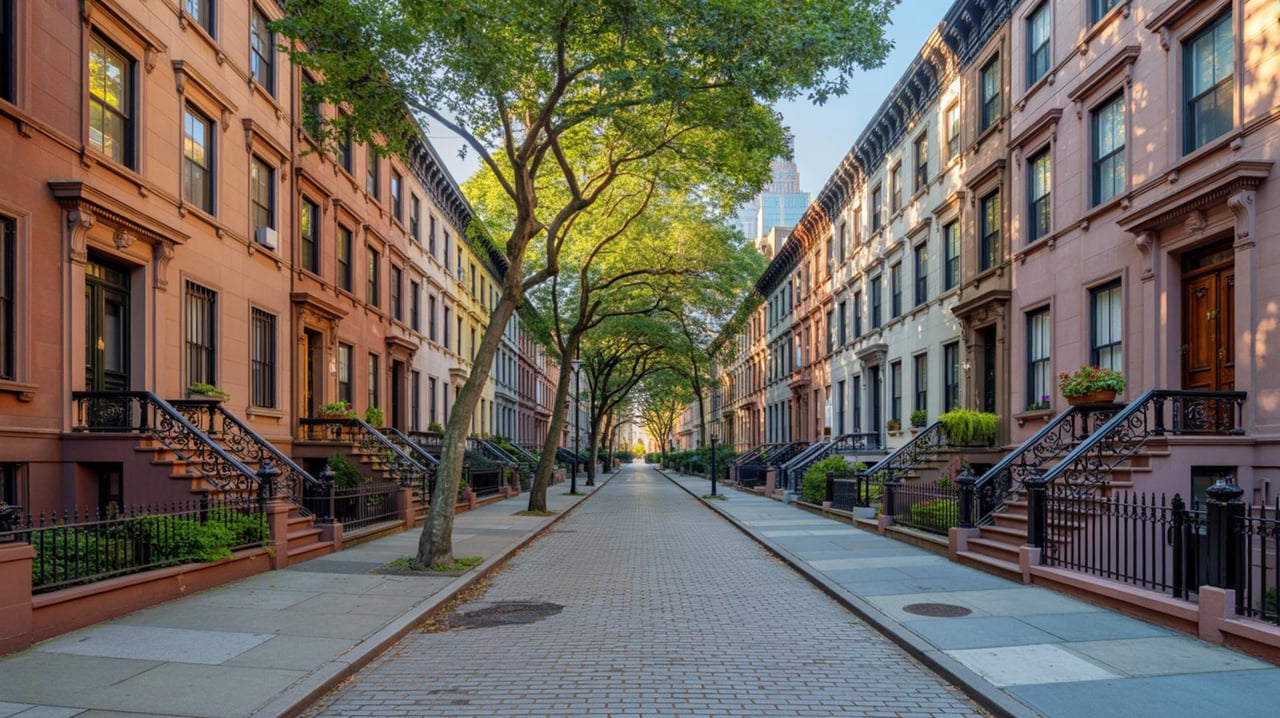
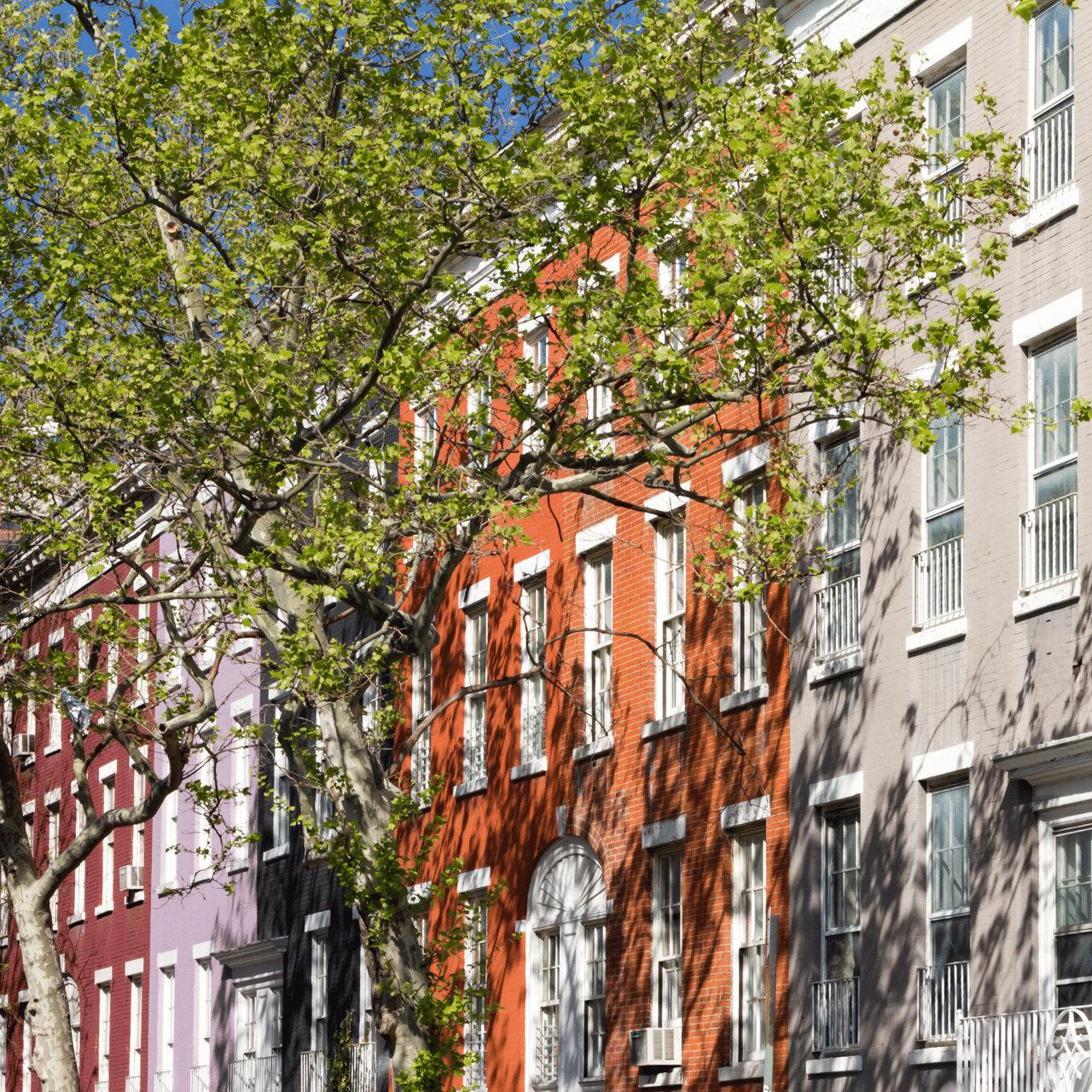
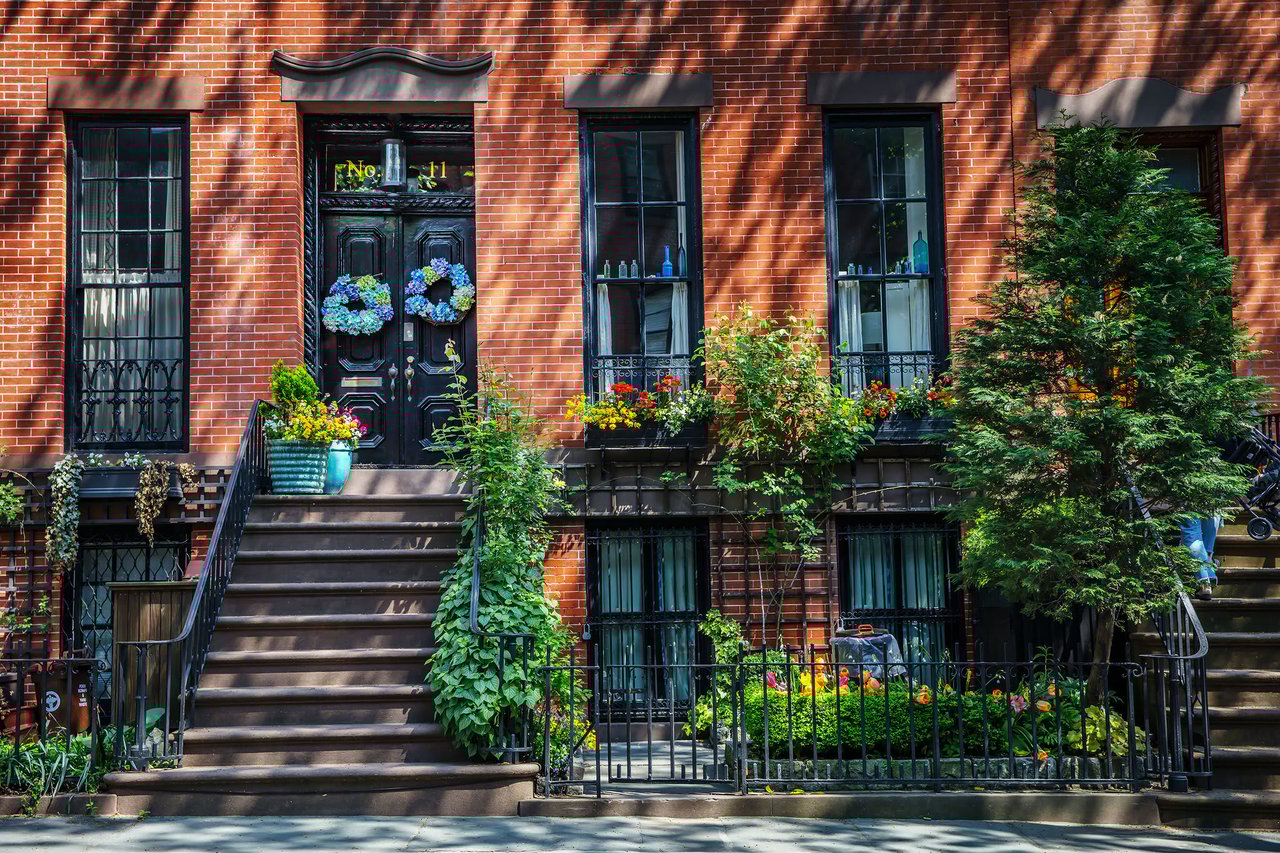
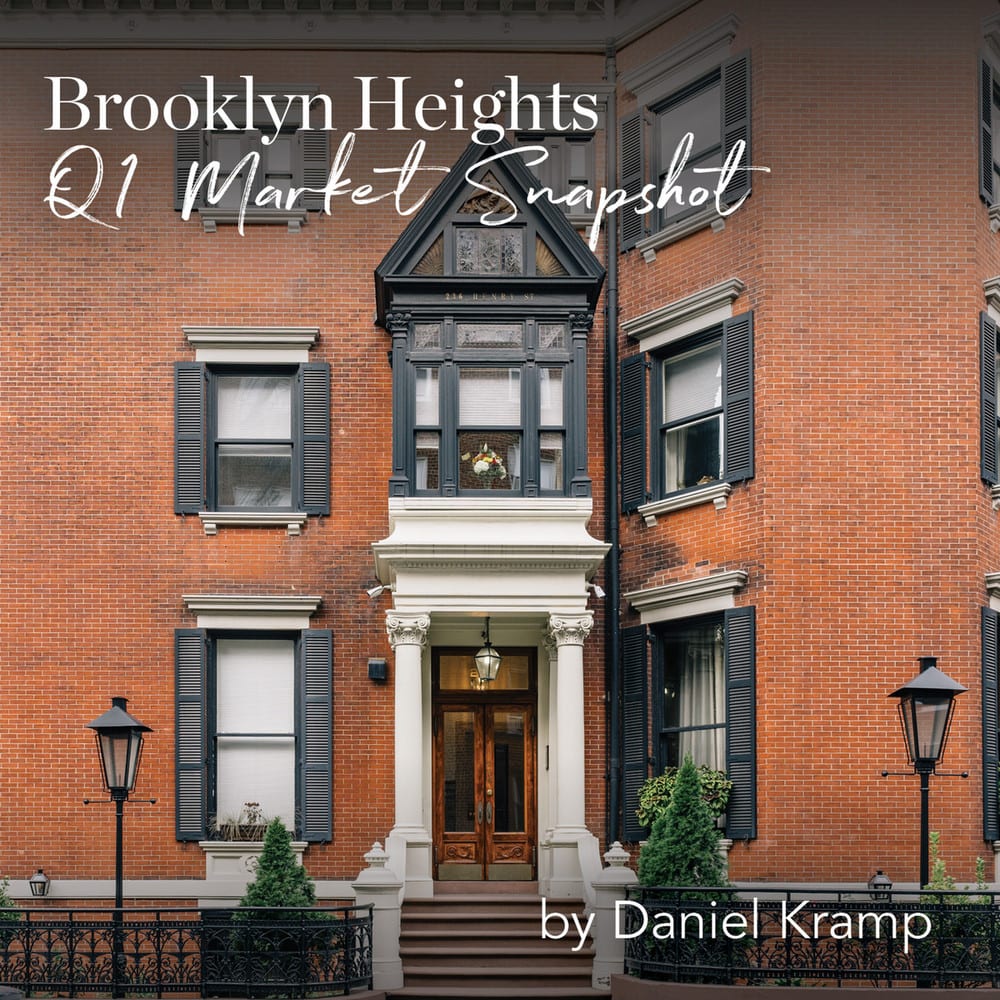
Brooklyn Heights has one of the city’s most cohesive historic identities. The Brooklyn Heights Historic District was designated in 1965, and Landmarks Preservation Commission materials describe it as a highly unified residential neighborhood with a 19th-century atmosphere, stylistic variety, and generally uniform height.
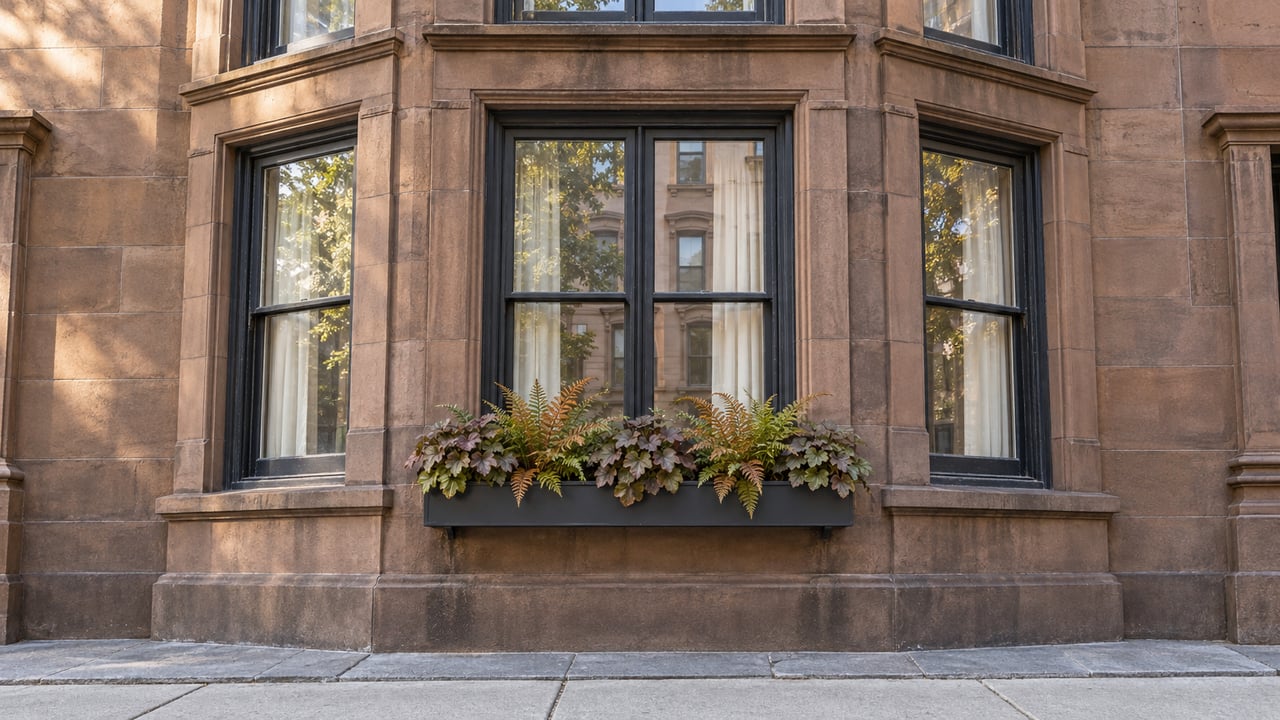
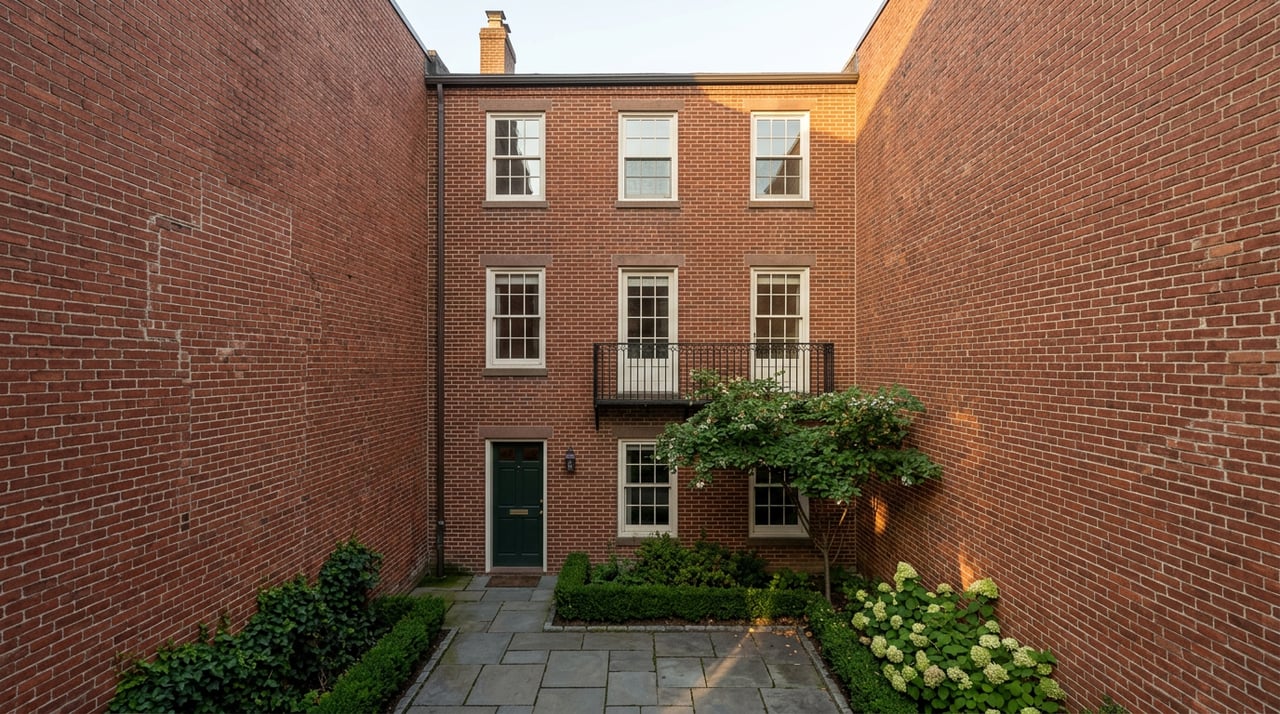
That combination gives Brooklyn Heights a distinct visual consistency. It is the kind of place where townhouse-lined blocks and lower-scale buildings shape a strong sense of neighborhood character.
Waterfront views and open space
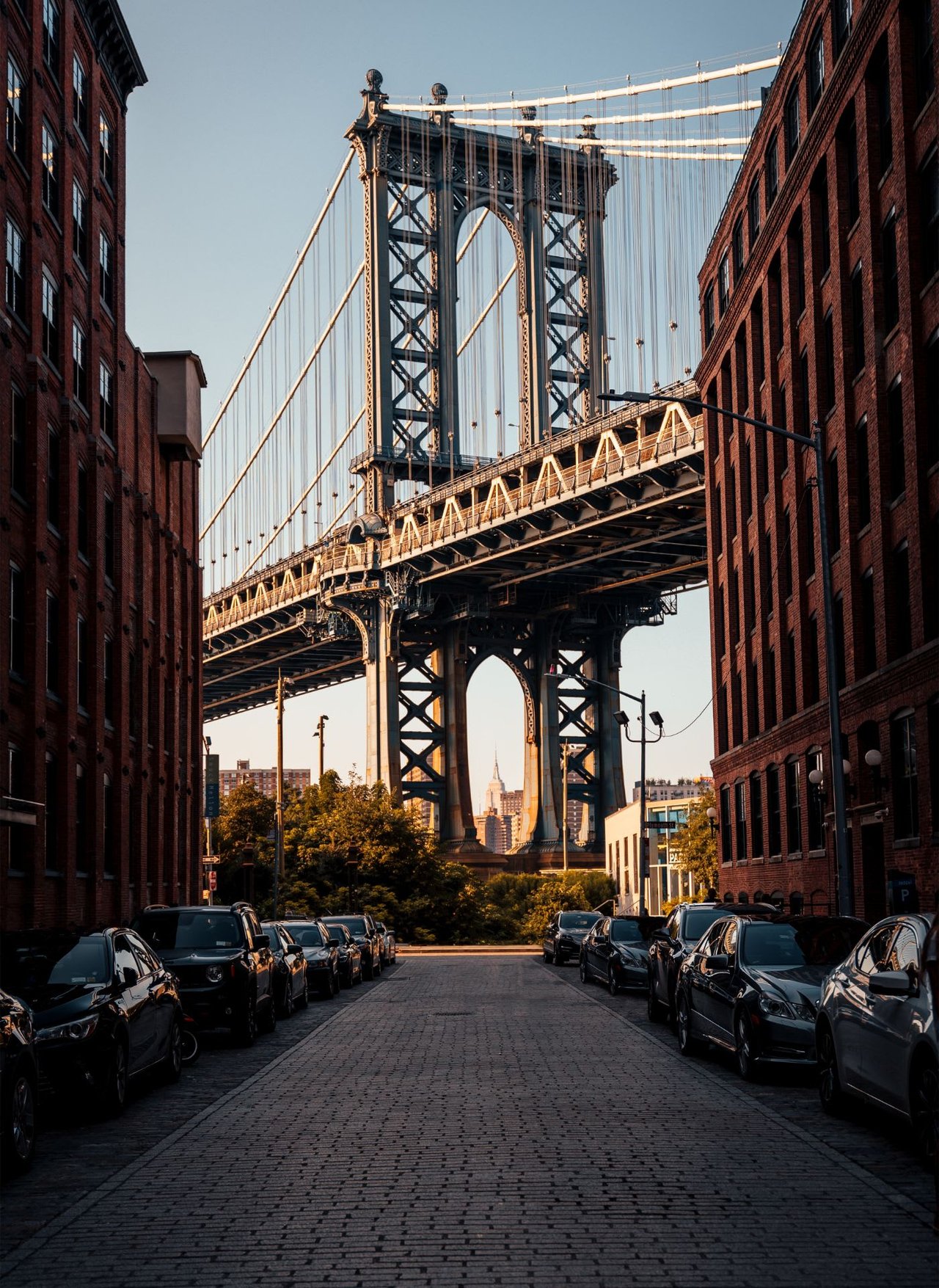
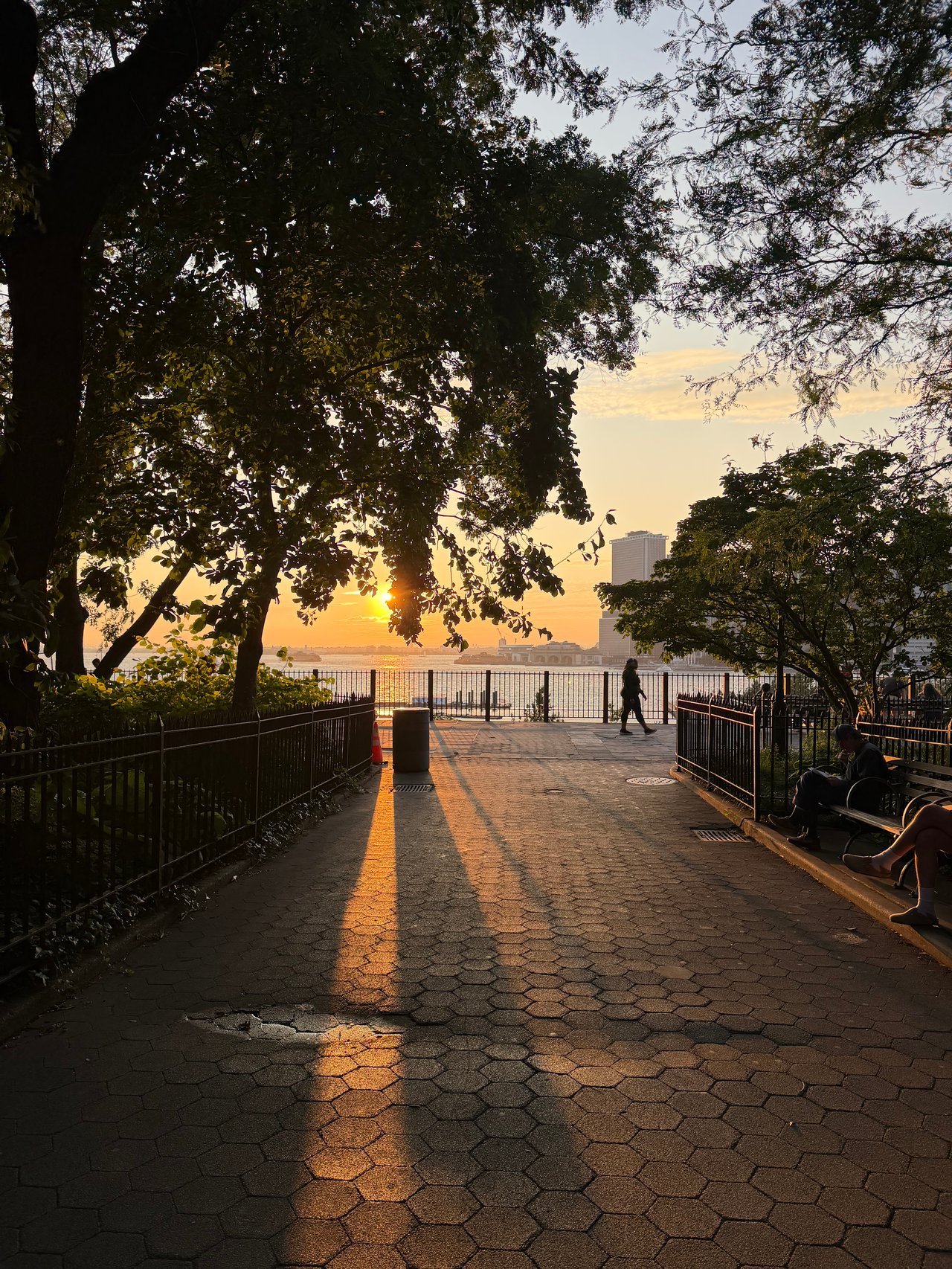
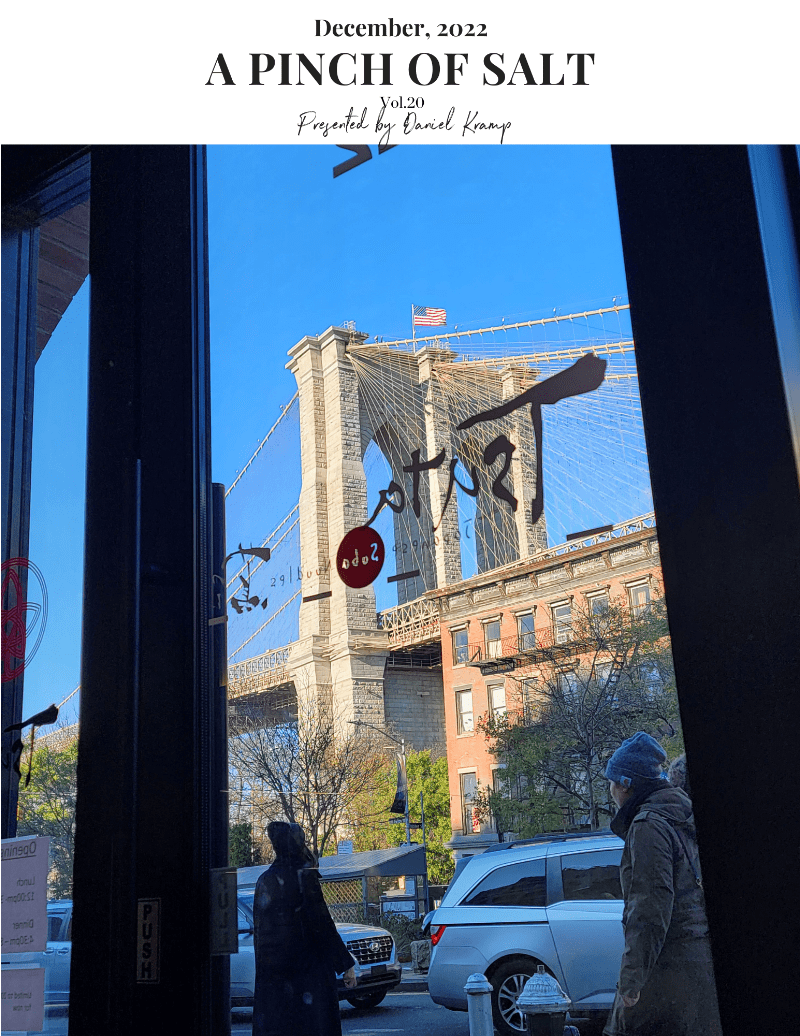
Open space in Brooklyn Heights feels very different from the Upper West Side. The Promenade is the neighborhood’s signature public space and one of its defining assets, with protected view corridors toward the Brooklyn Bridge and Lower Manhattan.
Brooklyn Bridge Park expands that waterfront advantage. The park spans 85 acres along 1.3 miles of the East River shoreline, adding recreation, public space, and direct access to the water that feels unique even by New York standards.
Transit in Brooklyn Heights
Brooklyn Heights has excellent transit, especially for Lower Manhattan and Downtown Brooklyn routines. Nearby service includes Clark Street on the 2 and 3, Borough Hall on the 2 and 3 and weekday 4 and 5, Court Street on the R with nearby transfers, and Jay Street-MetroTech on the A, C, F, and R.
If your work or lifestyle pulls you downtown, this network is hard to ignore. You get a dense web of train options in a neighborhood that still feels notably residential.
Price and housing mix
Current StreetEasy neighborhood pages show a median sale price of $1.2 million on the Upper West Side and $1.3 million in Brooklyn Heights. Median base rent is listed at $4,500 in both neighborhoods. Both also show 55 median days on market.
Those numbers suggest the two areas are similarly expensive at a high level. In many cases, the bigger difference is not the headline median but the kind of home your budget buys.
Upper West Side housing options
The Upper West Side tends to offer a wider range of housing types and price points. Premium homes cluster near Central Park and Riverside Drive, while smaller older co-ops can offer lower-entry opportunities.
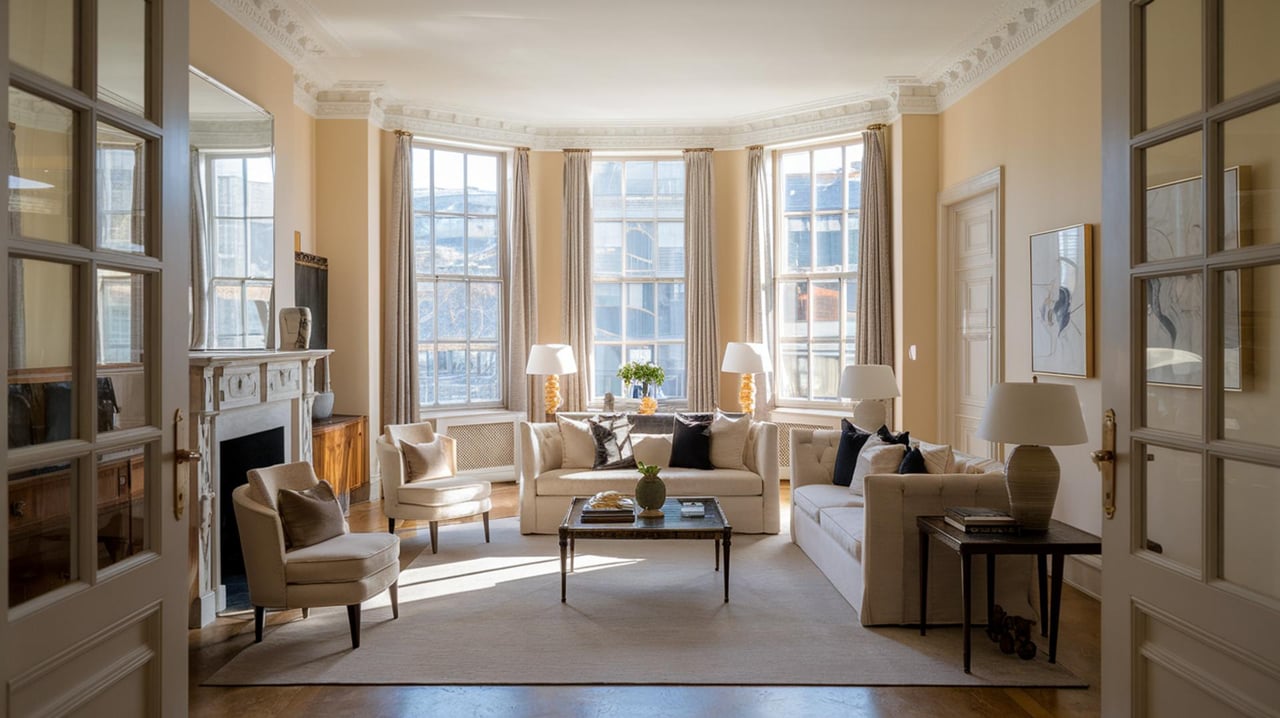
That broader product mix can be appealing if you want flexibility. You may find everything from grand prewar apartments to more modest co-ops within the same general neighborhood.
Brooklyn Heights housing options
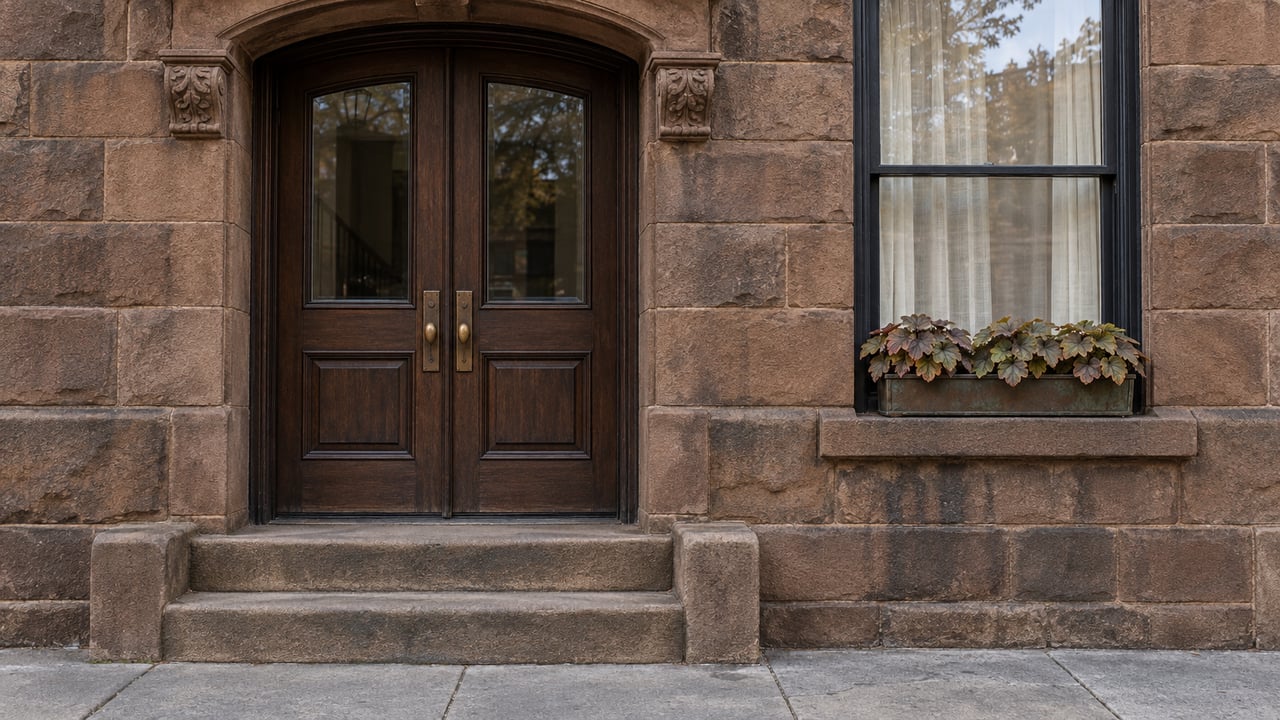
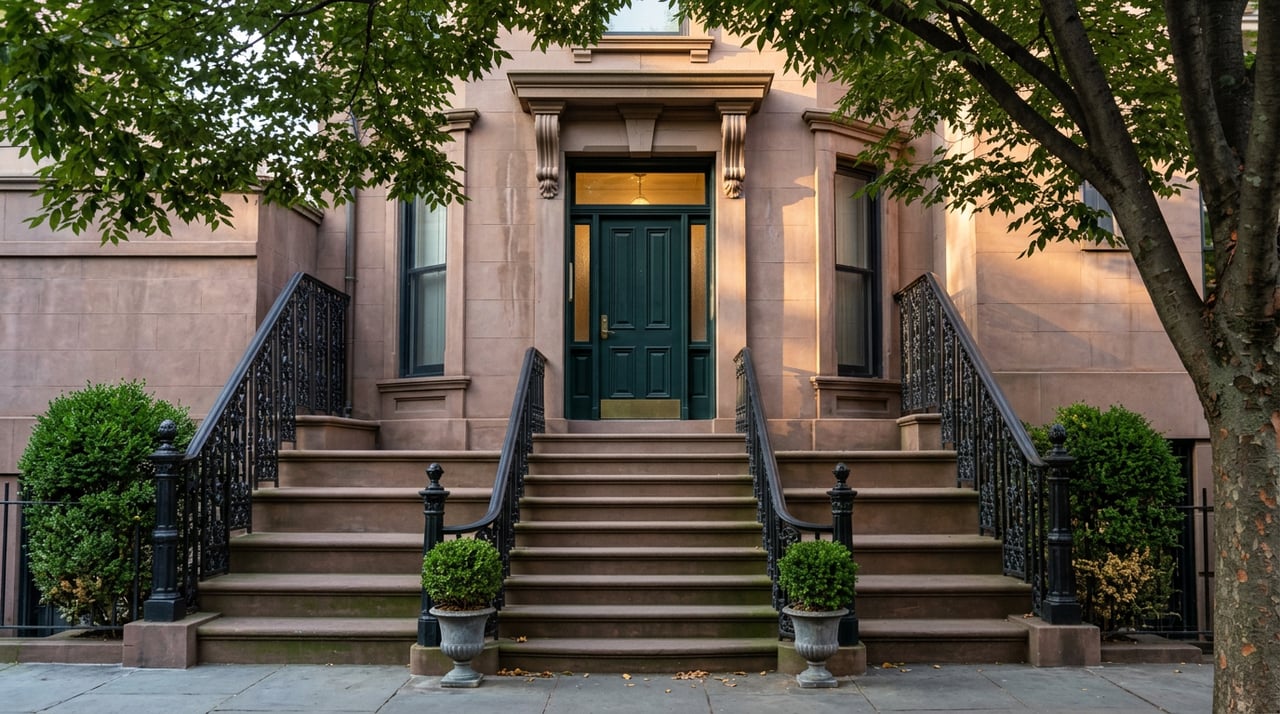
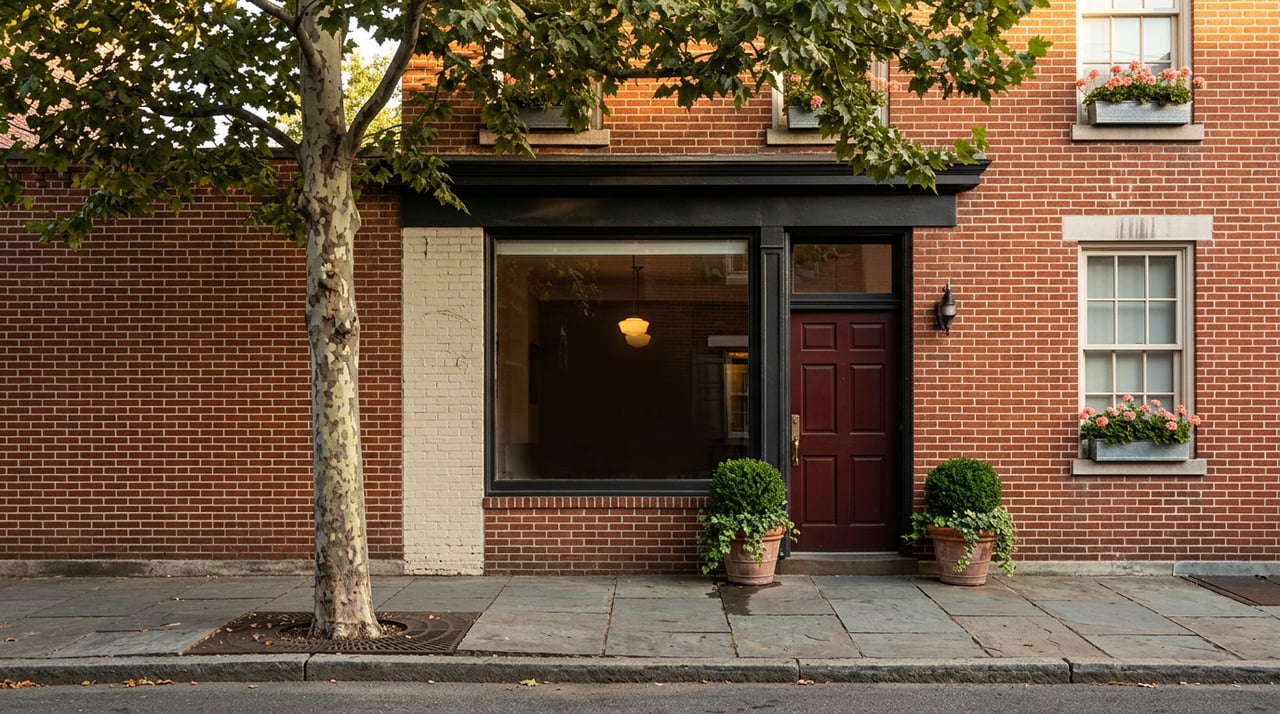
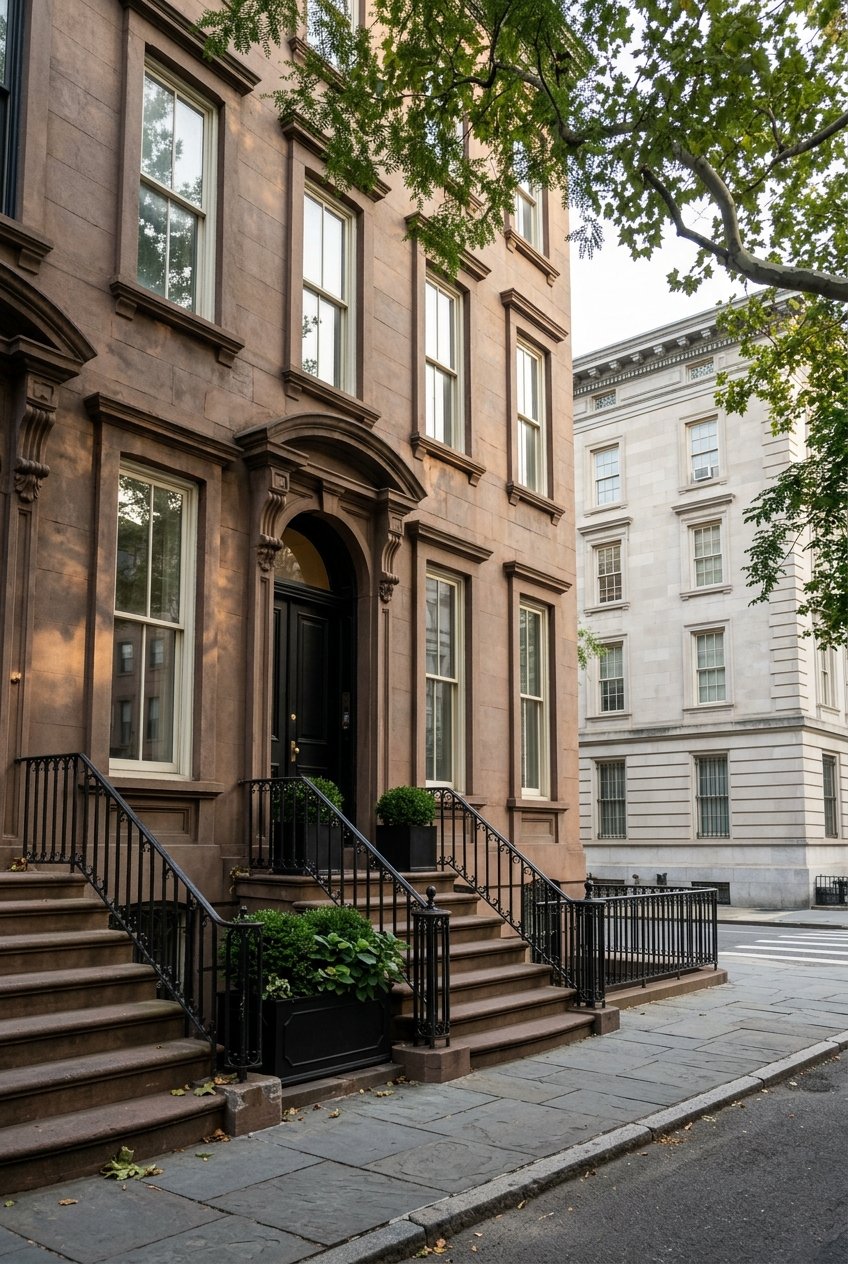
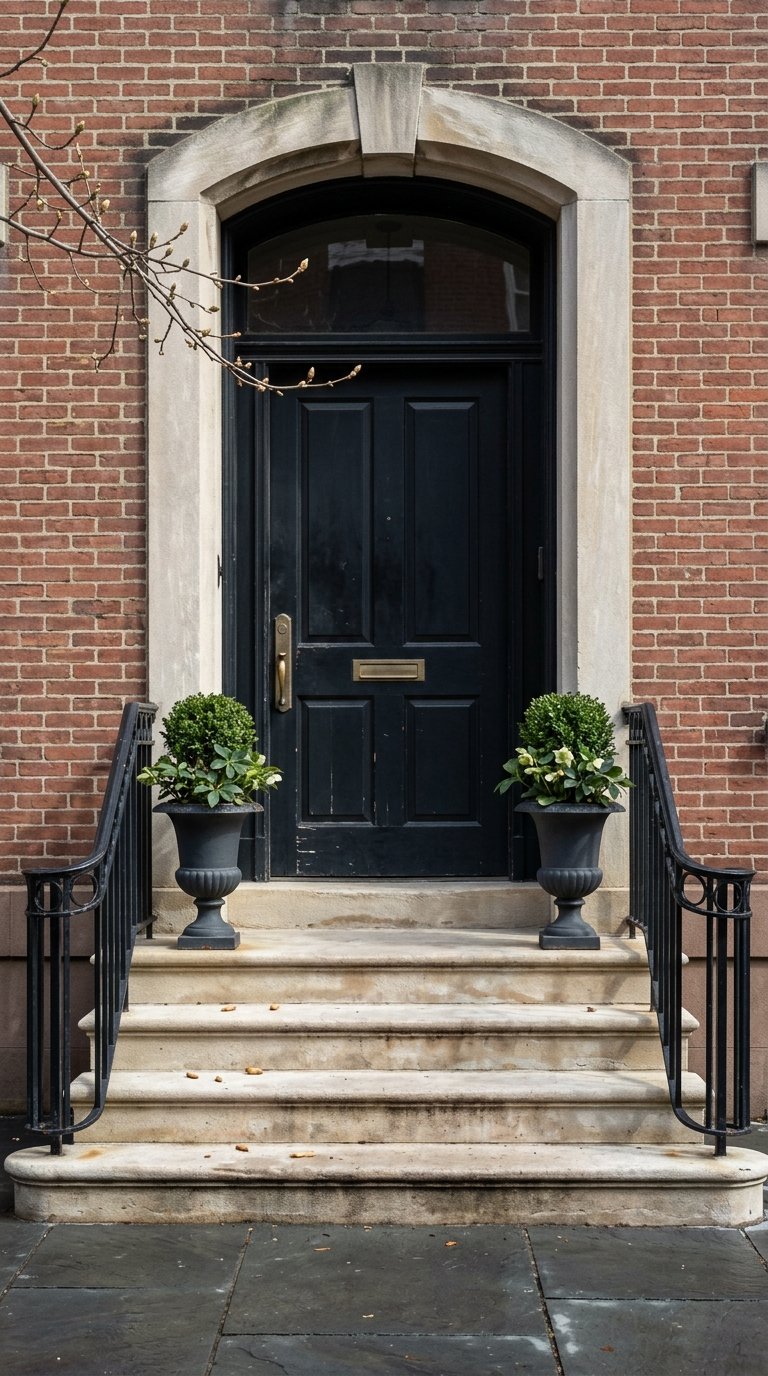
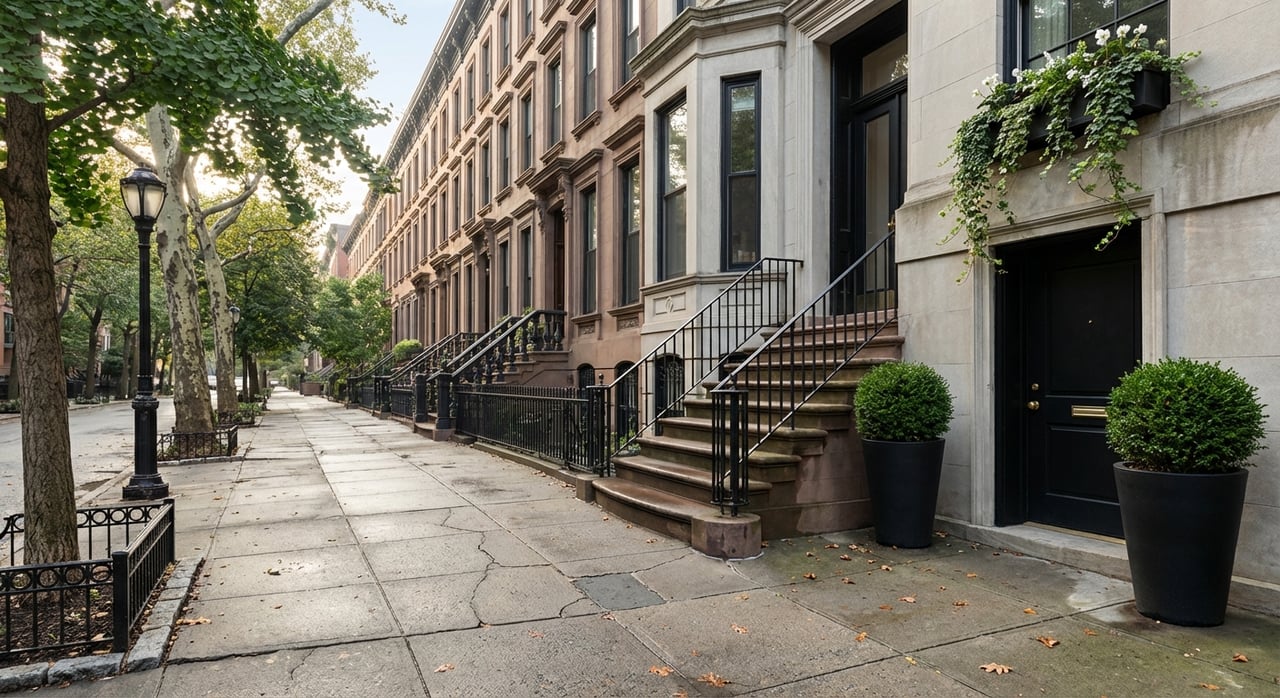
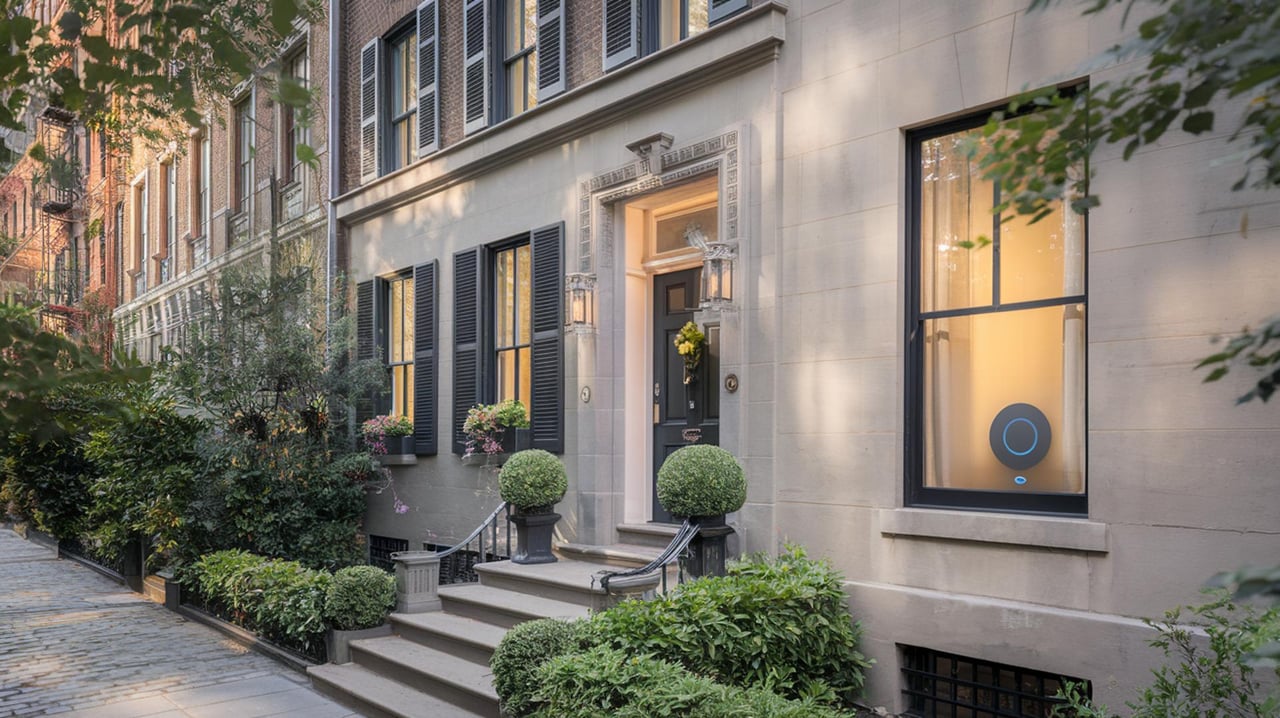
Brooklyn Heights is especially known for its multi-million-dollar townhouses. There are also smaller co-ops at lower price points, but the neighborhood’s identity is more closely tied to its historic residential fabric and premium townhouse stock.
If your version of classic city living includes a stoop, townhouse proportions, and a more intimate streetscape, Brooklyn Heights often delivers that more directly.
Landmark status and renovation planning
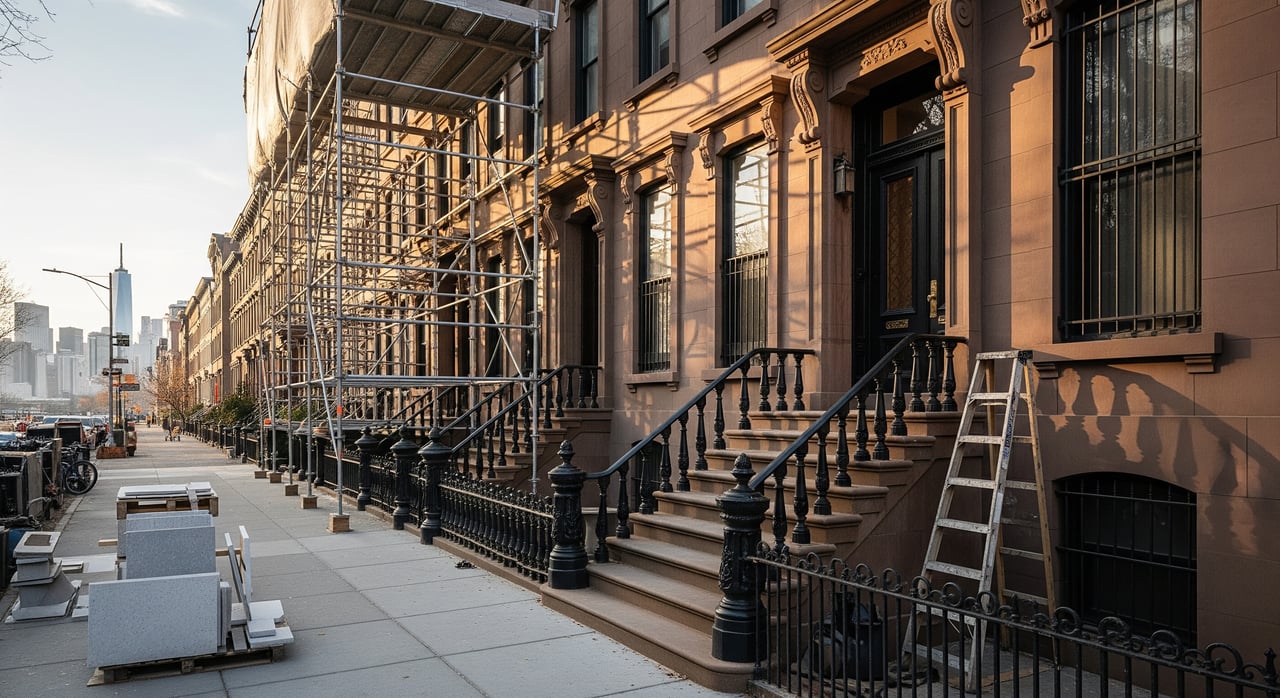
Both neighborhoods include landmarked buildings and historic districts, which can affect your plans if you want to renovate. In these areas, the Landmarks Preservation Commission must approve alterations, reconstruction, demolition, or new construction that affects protected features.
That does not mean you should avoid landmark properties. It does mean you should go in with a clear understanding of what approvals may be required, especially if exterior work is part of your vision.
Which neighborhood fits your lifestyle?
The easiest way to choose is to think less about labels and more about your daily routine. Ask yourself where you spend most of your time, what kind of streetscape feels most natural to you, and whether you want your neighborhood to feel broad and energetic or calm and contained.
Here is a simple way to frame it:
| If you want... | Consider... |
|---|---|
| More park access and a greener Manhattan setting | Upper West Side |
| A quieter, more uniform historic streetscape | Brooklyn Heights |
| Better orientation to West Side and Midtown travel | Upper West Side |
| Better orientation to Lower Manhattan and Downtown Brooklyn | Brooklyn Heights |
| Broader housing variety | Upper West Side |
| Iconic waterfront views and townhouse character | Brooklyn Heights |
Final take
For many buyers, the Upper West Side is the better fit if you want classic New York with more park frontage, broader housing variety, and a routine centered on the West Side or Midtown. Brooklyn Heights is often the stronger match if you want a quieter historic setting, protected waterfront views, and easier access to Lower Manhattan and Downtown Brooklyn.
Neither choice is more authentic than the other. They simply express classic city living in different ways. The right answer comes down to which version of New York feels most like home to you.
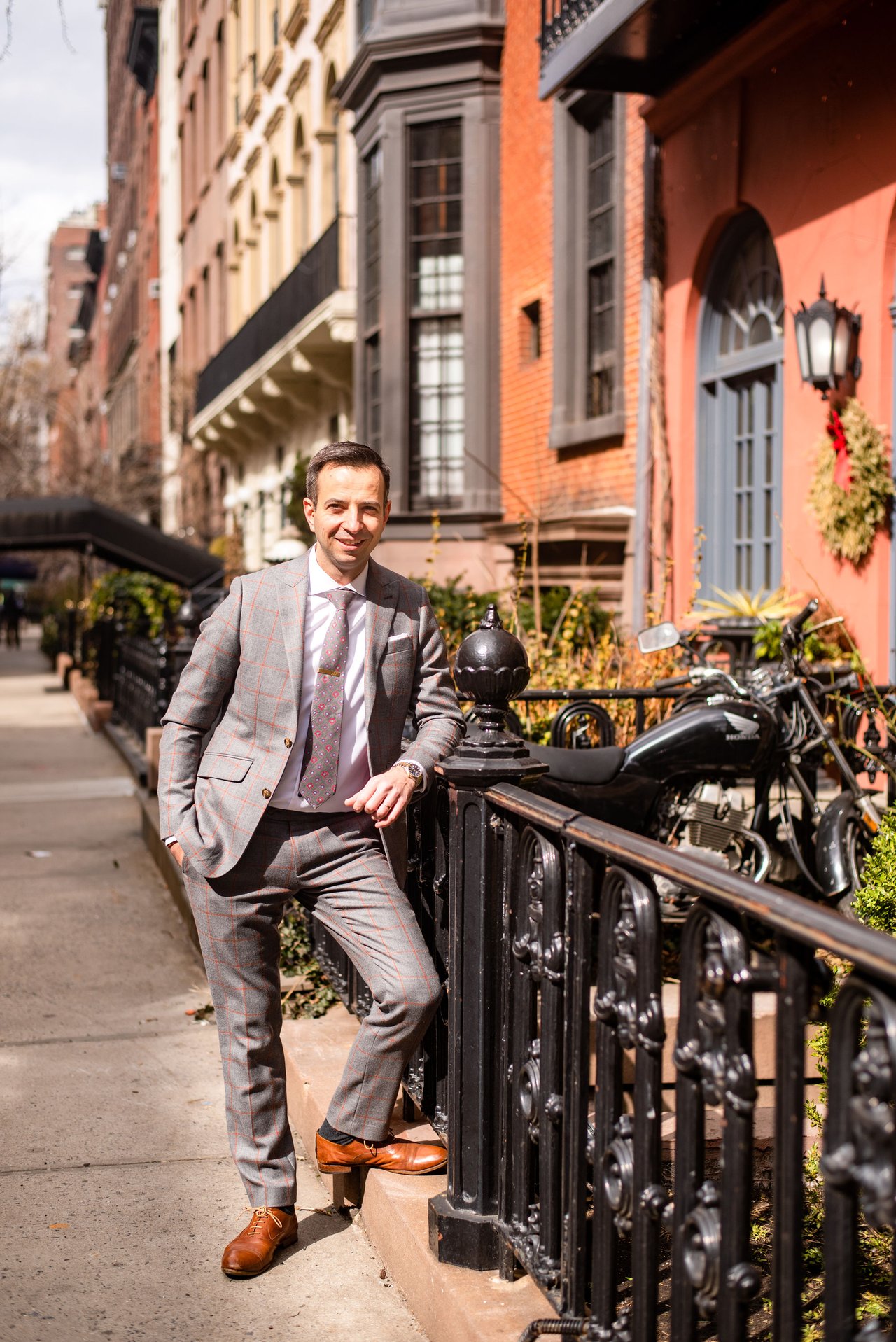
If you are weighing Brooklyn Heights against other classic New York neighborhoods, Daniel Kramp offers private, high-touch buyer and seller guidance shaped by local market knowledge, discretion, and a clear understanding of how lifestyle and property fit together.
FAQs
What is the main difference between the Upper West Side and Brooklyn Heights?
- The Upper West Side generally feels broader, greener, and more varied in housing type, while Brooklyn Heights feels more intimate, more uniformly historic, and more centered on townhouse and waterfront character.
Which neighborhood has better parks, the Upper West Side or Brooklyn Heights?
- The Upper West Side has stronger access to major large-scale parks through Central Park and Riverside Park, while Brooklyn Heights stands out for the Promenade and nearby Brooklyn Bridge Park.
Which neighborhood is better for commuting, the Upper West Side or Brooklyn Heights?
- It depends on your routine. The Upper West Side is especially convenient for West Side and Midtown travel, while Brooklyn Heights has an advantage for Lower Manhattan and Downtown Brooklyn commutes.
Is Brooklyn Heights more expensive than the Upper West Side?
- Current StreetEasy neighborhood pages show similar overall pricing, with a median sale price of $1.3 million in Brooklyn Heights and $1.2 million on the Upper West Side, but the housing mix can make the experience of shopping in each market feel quite different.
Are landmark rules important in the Upper West Side and Brooklyn Heights?
- Yes. In landmarked buildings and historic districts, the Landmarks Preservation Commission must approve certain work affecting protected features, which is important to know if you are planning renovations or exterior changes.
Which neighborhood feels more like classic New York, the Upper West Side or Brooklyn Heights?
- Both do, but in different ways. The Upper West Side offers a bigger, park-rich, prewar Manhattan version of classic New York, while Brooklyn Heights offers a quieter, townhouse-lined, waterfront-oriented historic version.