If you are shopping on the Upper West Side, one question tends to shape the entire search: do you want prewar character or new-development ease? It is a real tradeoff, especially in a neighborhood where historic apartment houses define the streetscape and new inventory is relatively limited. If you are weighing charm, layout, ownership structure, monthly costs, and renovation flexibility, this guide will help you compare the options with more confidence. Let’s dive in.
Why this choice matters on the Upper West Side
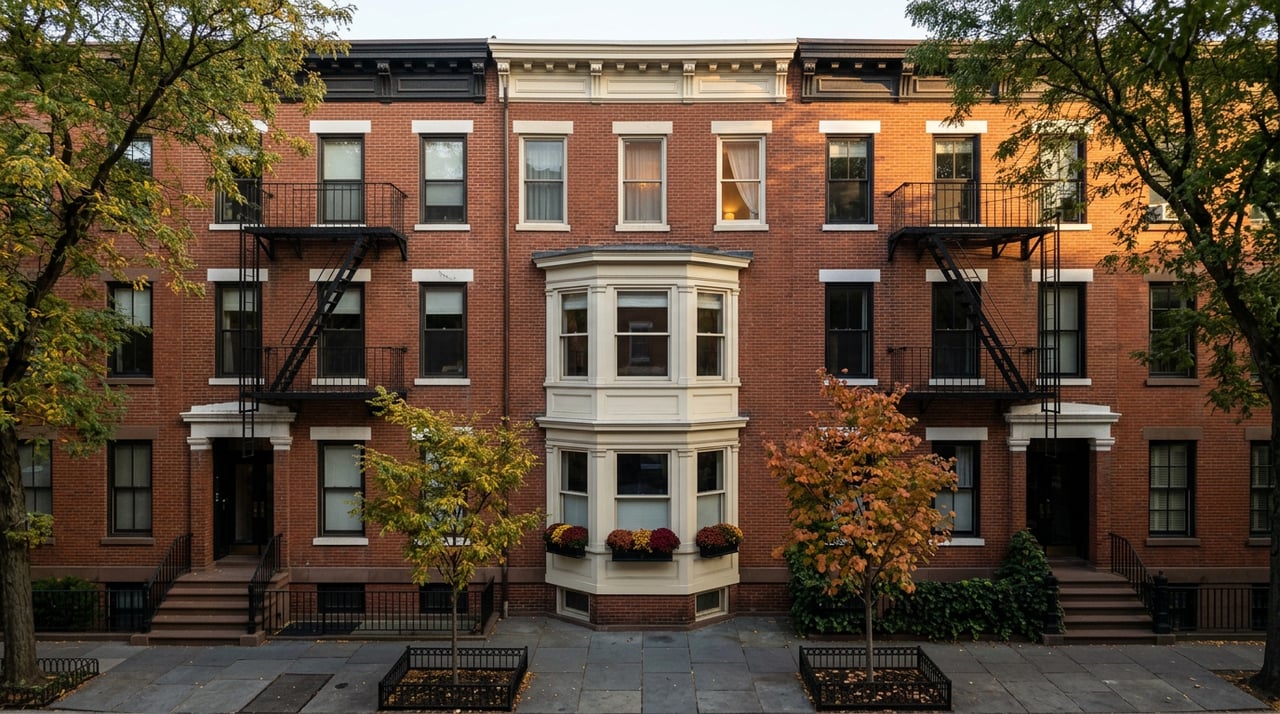
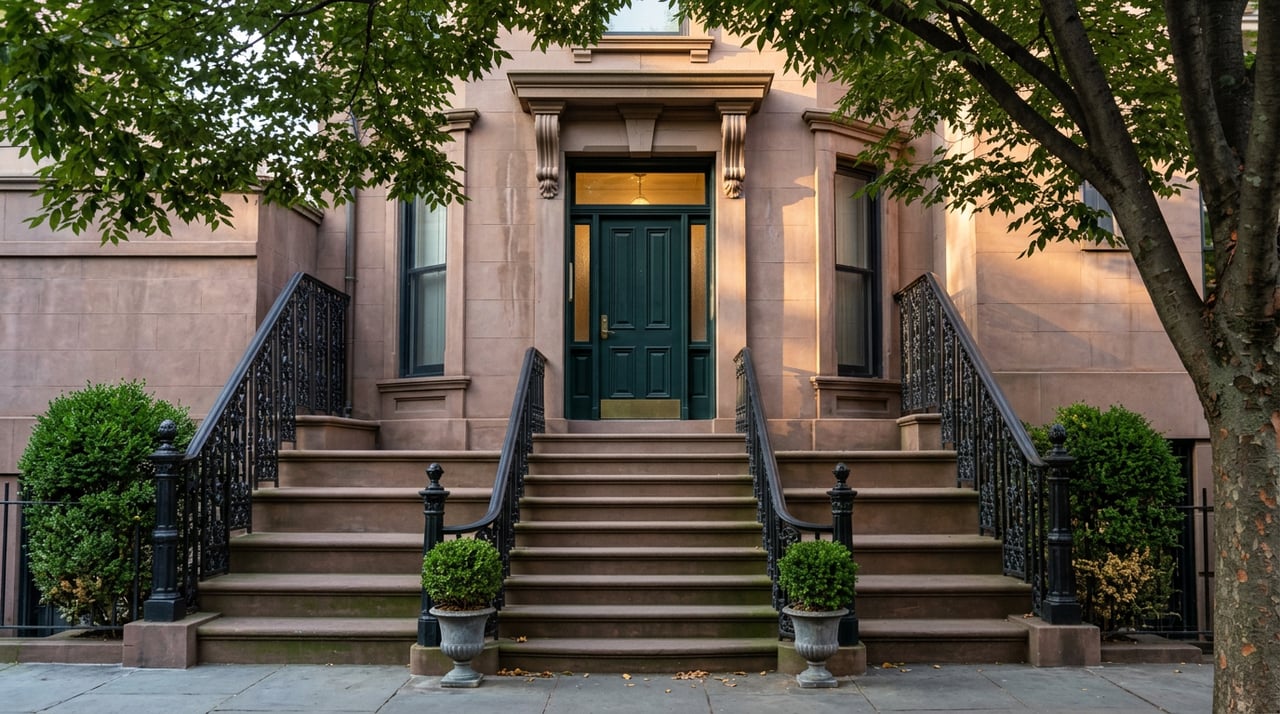
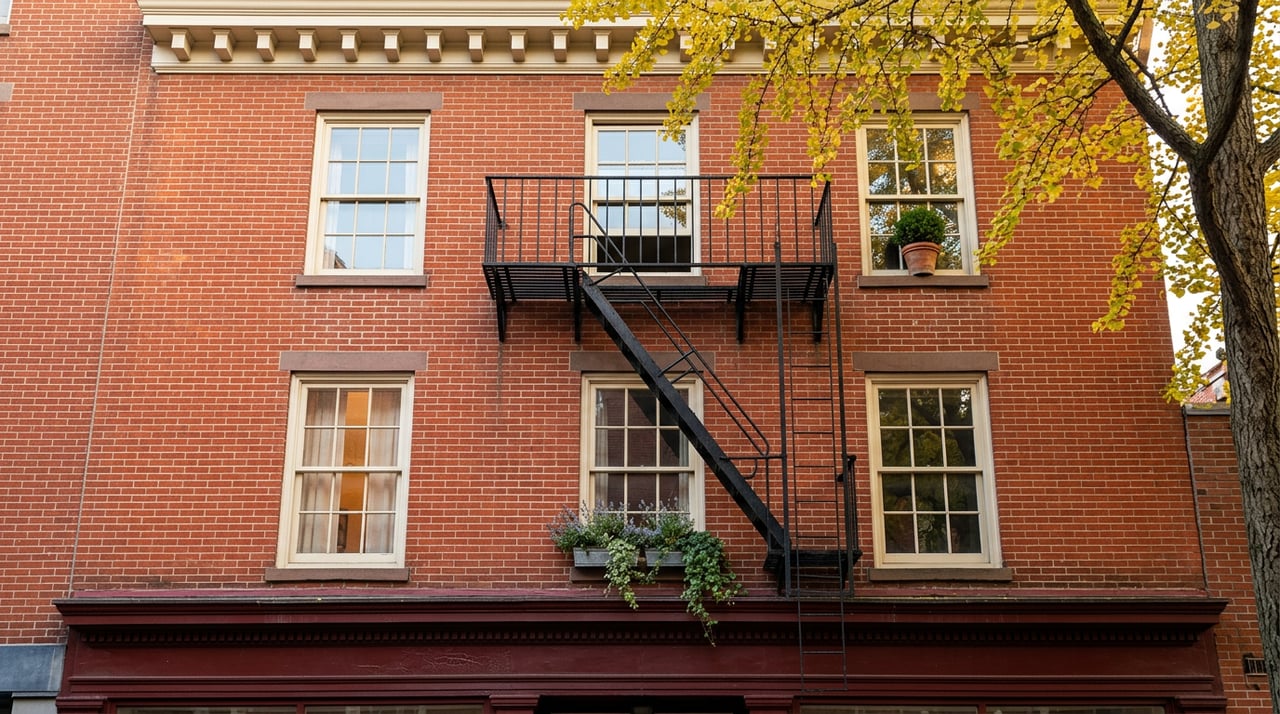
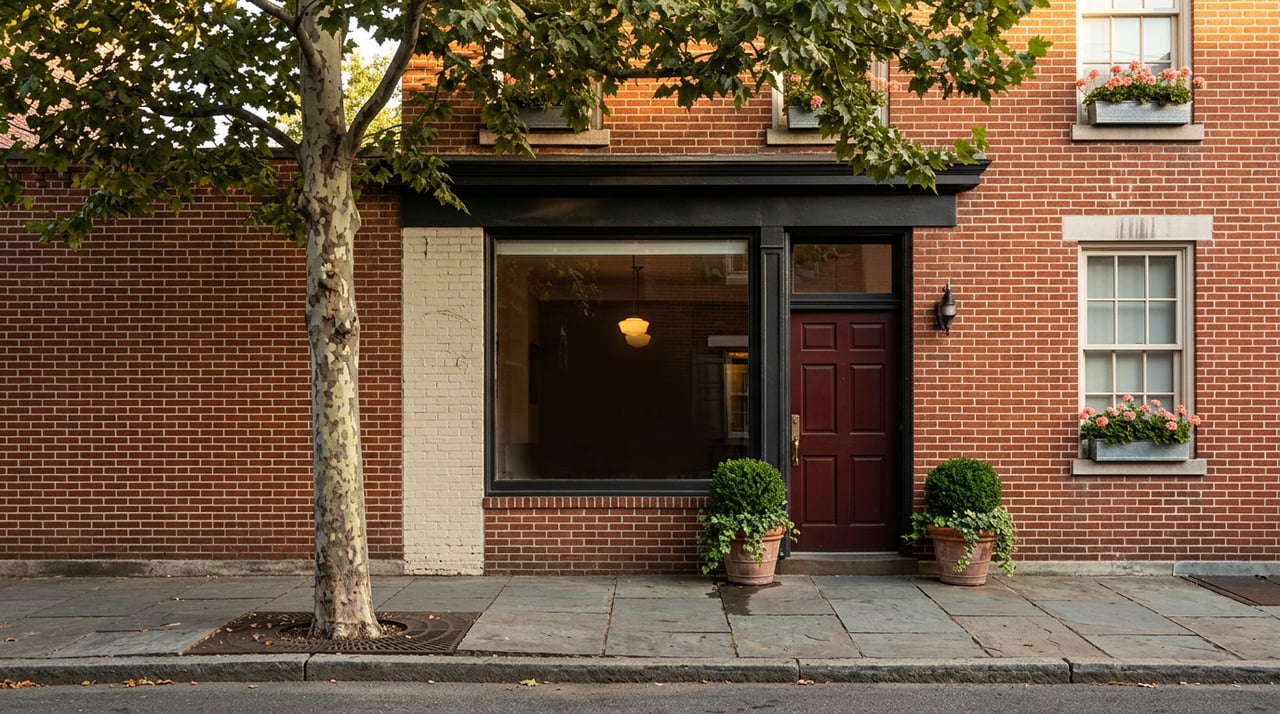
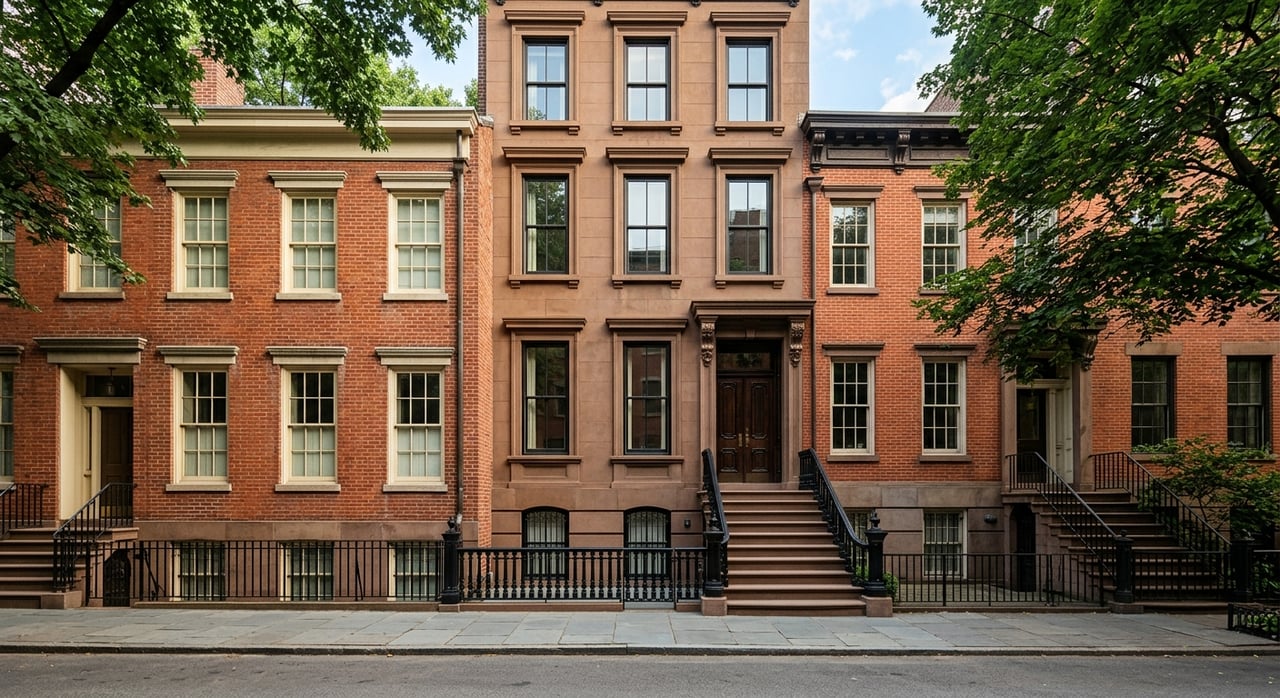
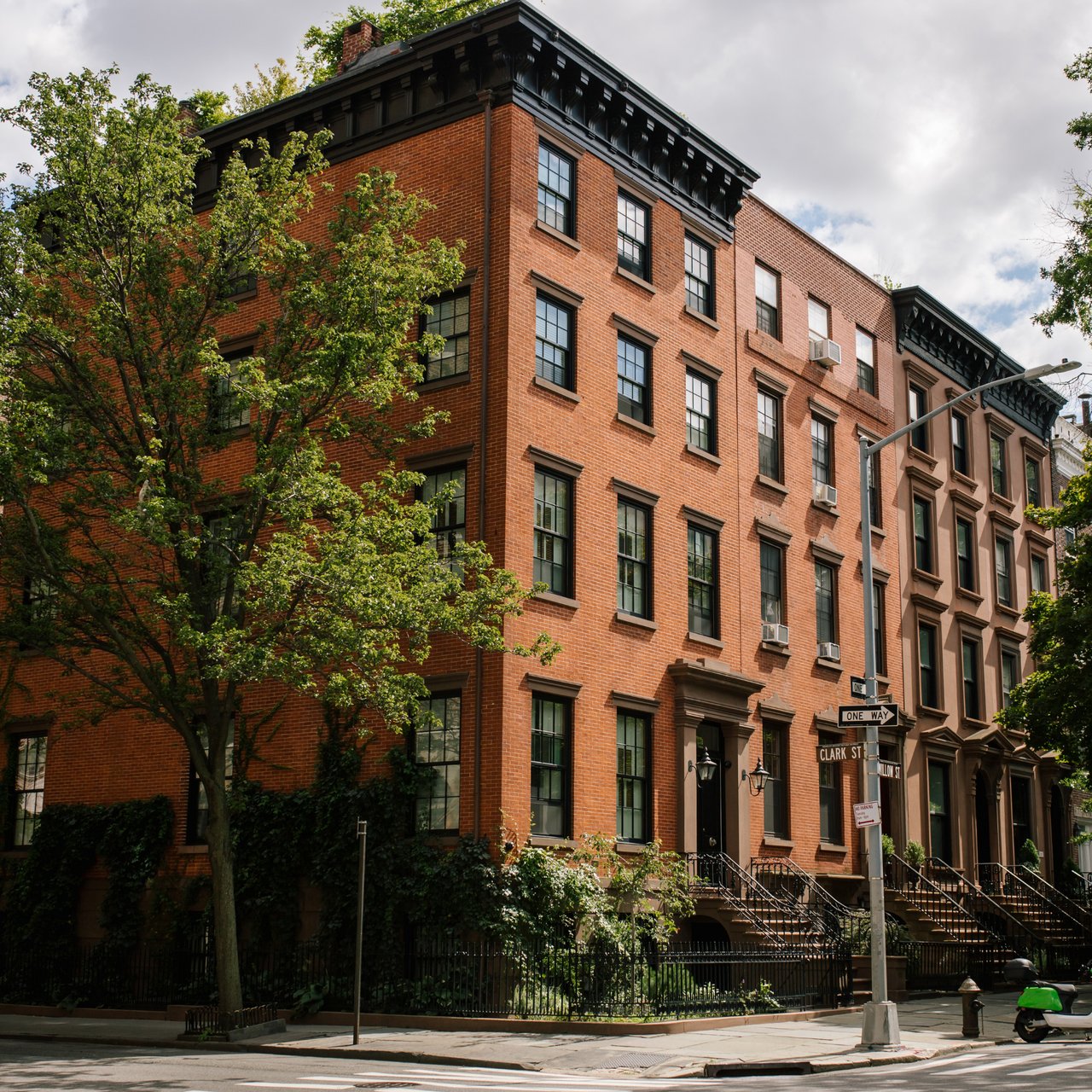
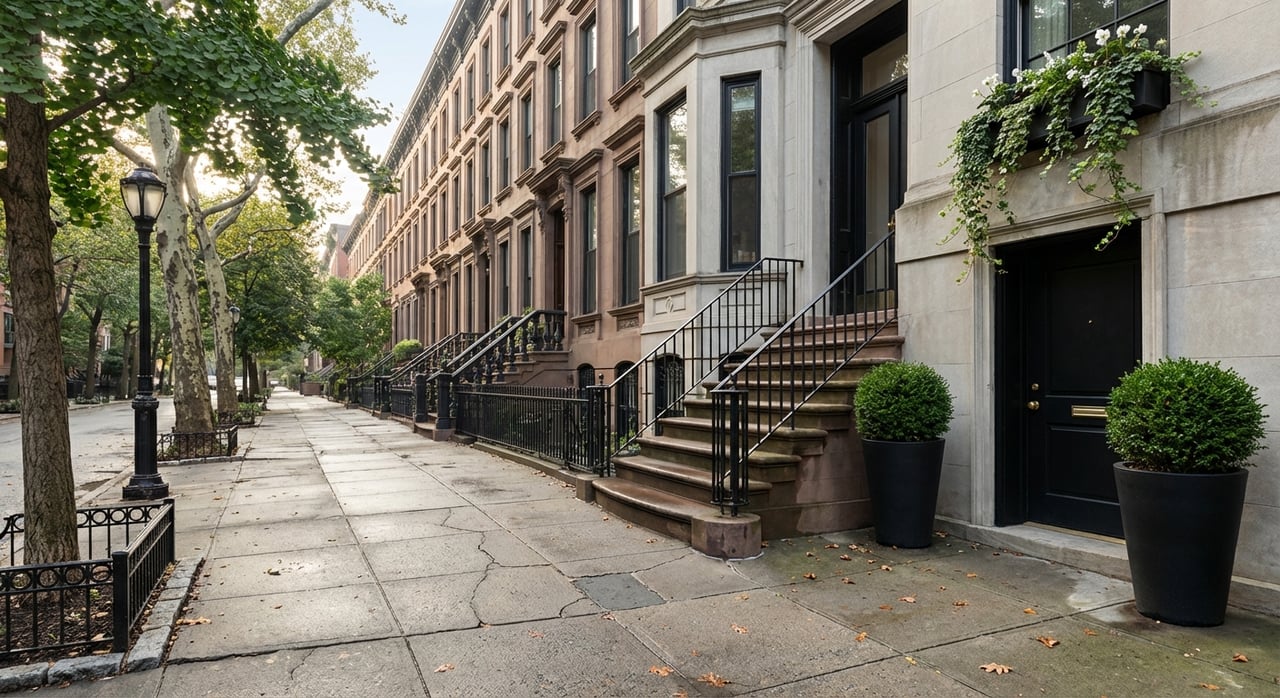
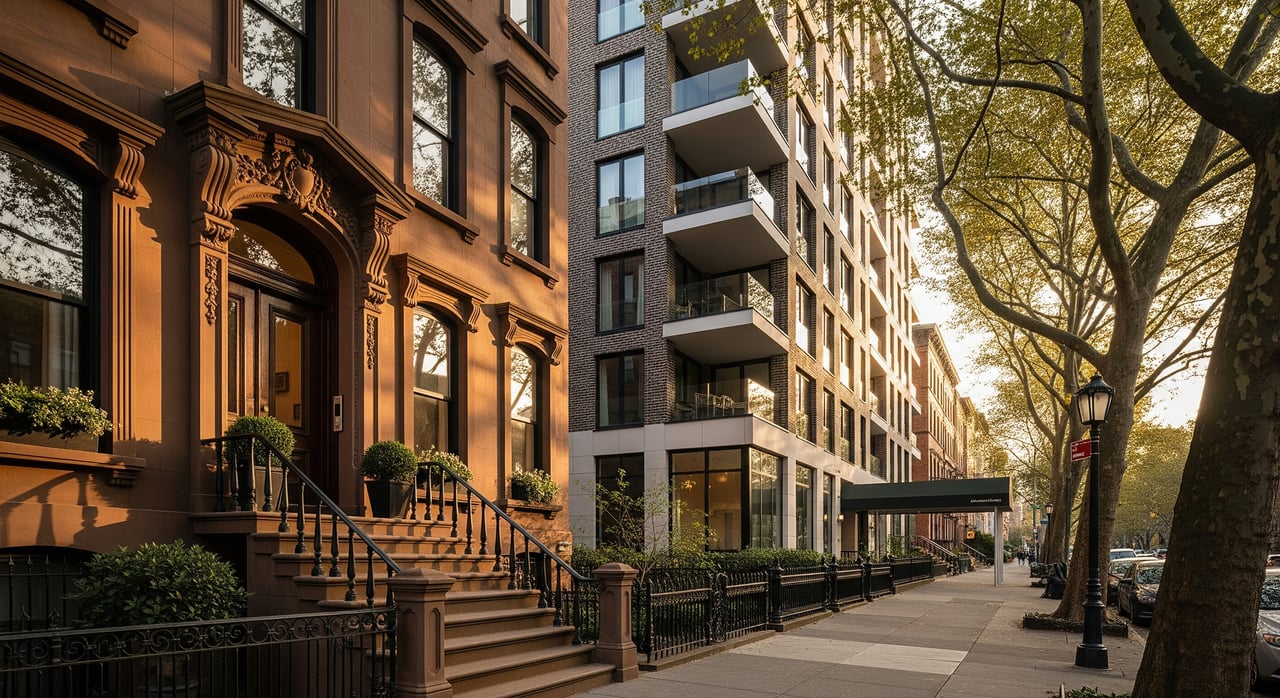
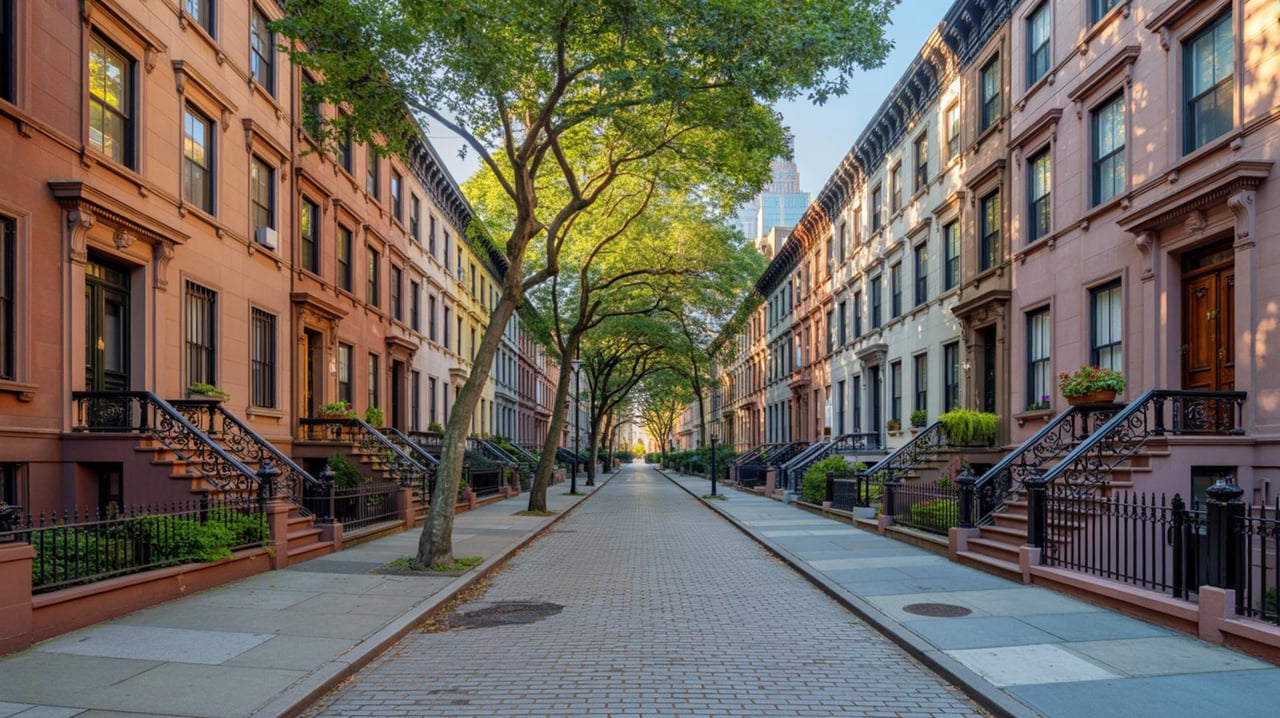
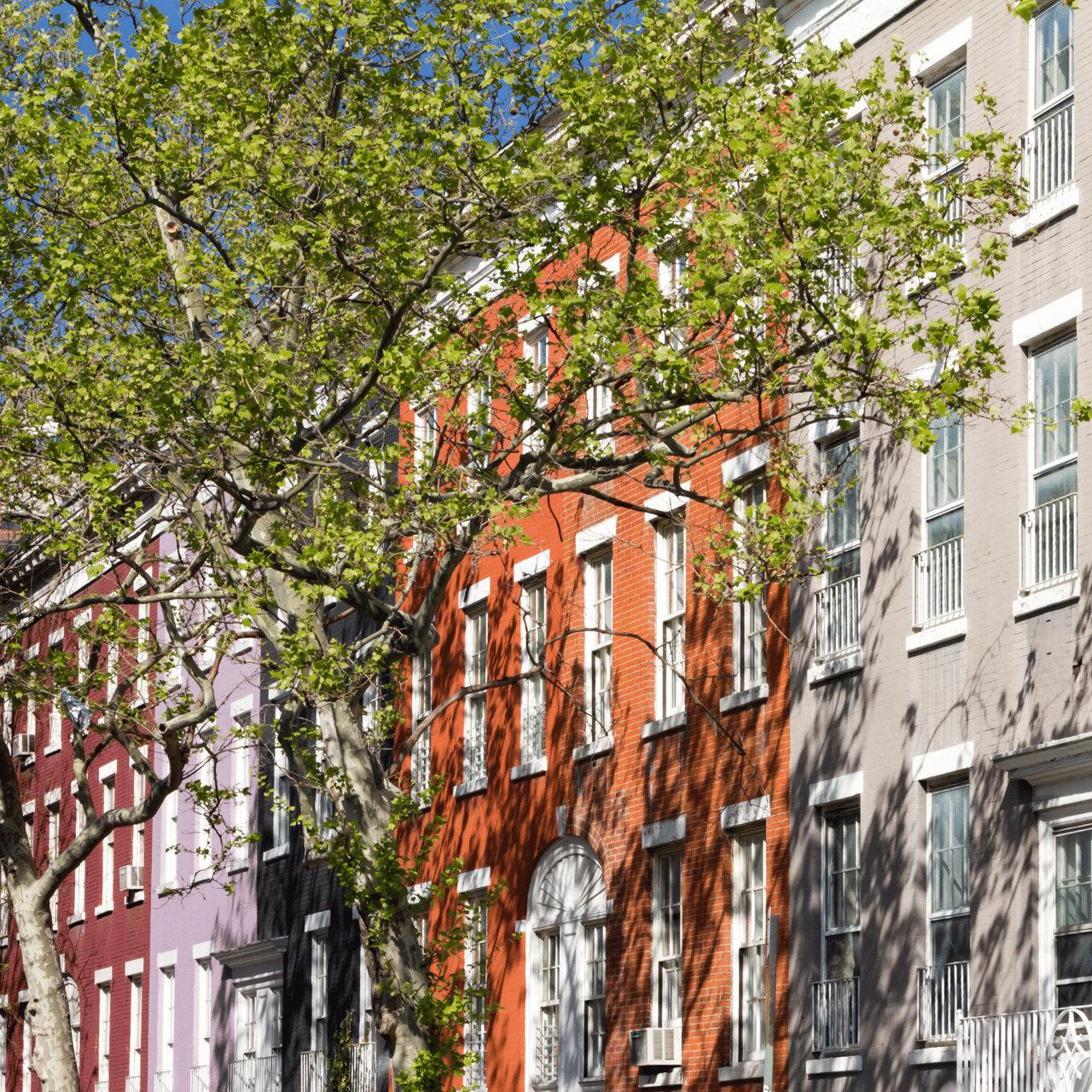
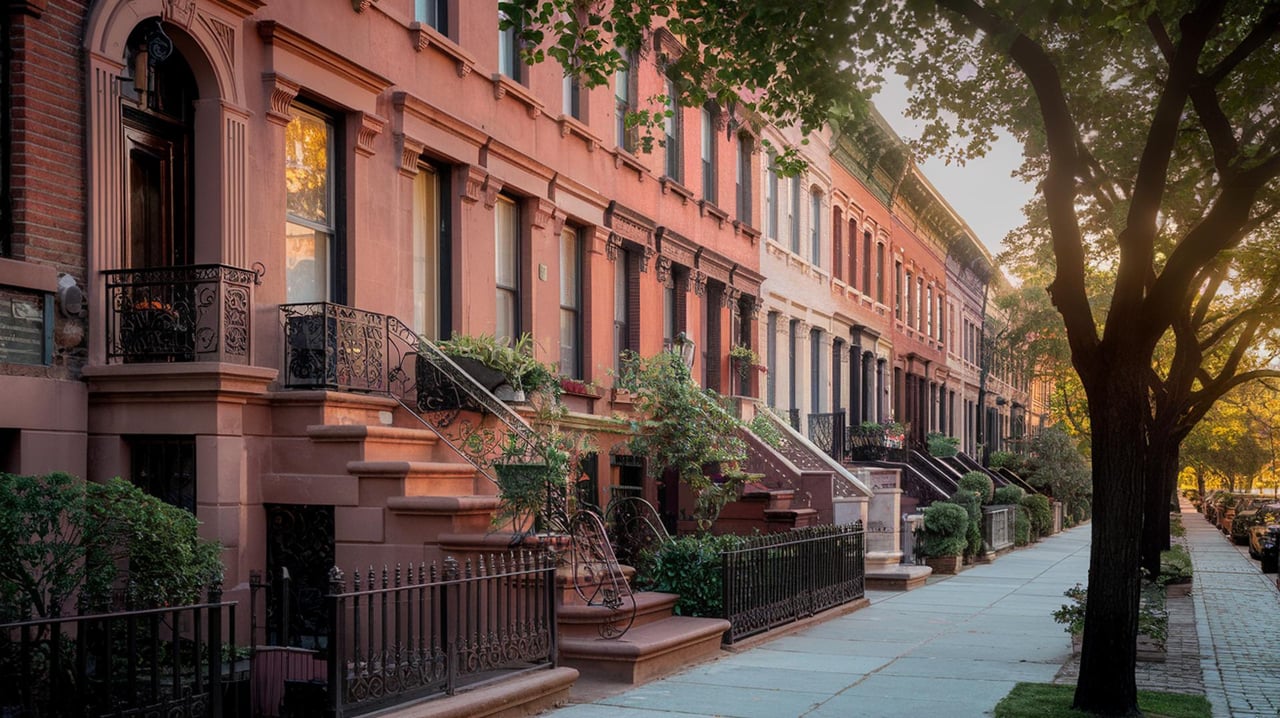
The Upper West Side developed as one of Manhattan’s major apartment-house districts in the late 19th and early 20th centuries. That legacy still shapes what you can buy today, from formal prewar layouts to a smaller pipeline of newer condo buildings.
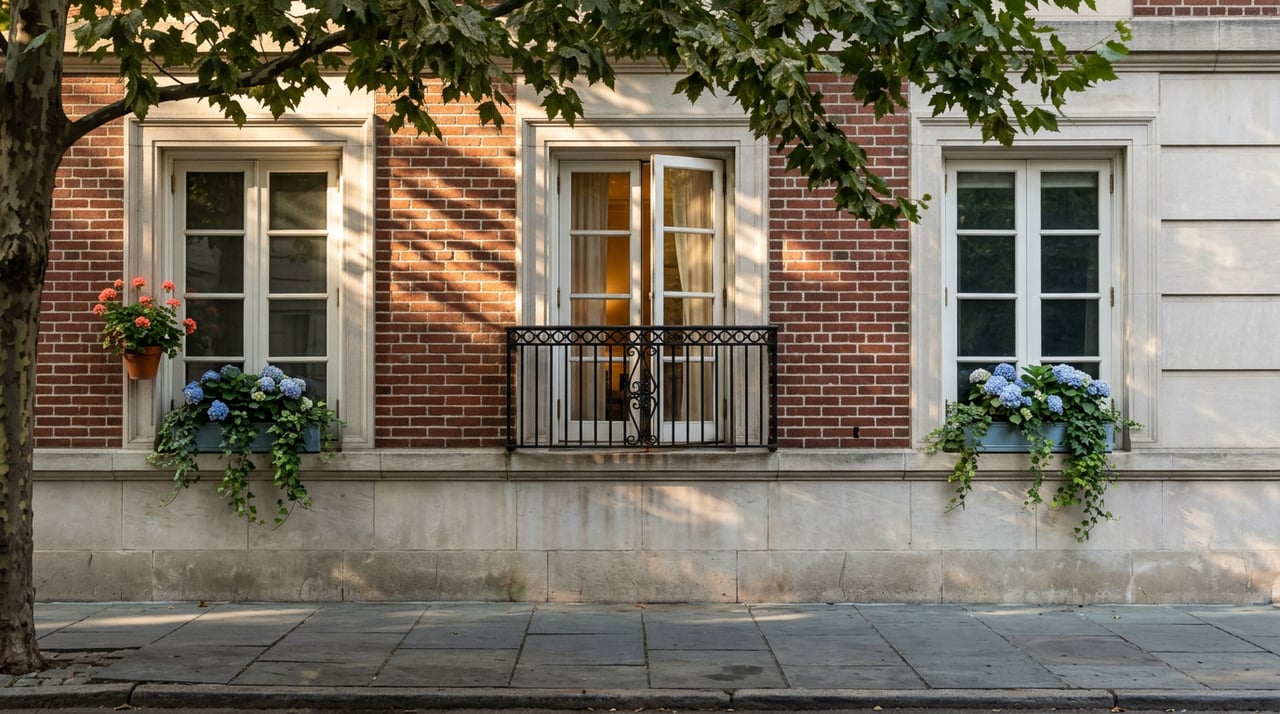
A big reason is regulation and supply. Much of the neighborhood sits within the Upper West Side/Central Park West Historic District, and landmark rules mean the Landmarks Preservation Commission must approve many exterior changes, reconstruction, demolition, or new construction affecting designated buildings. As a result, new development on the Upper West Side is more limited than in many other parts of New York City.
That scarcity matters when you compare options. In practical terms, you are often choosing between a well-established prewar co-op and a newer condo product that may be boutique, highly amenitized, or both.
What prewar usually means
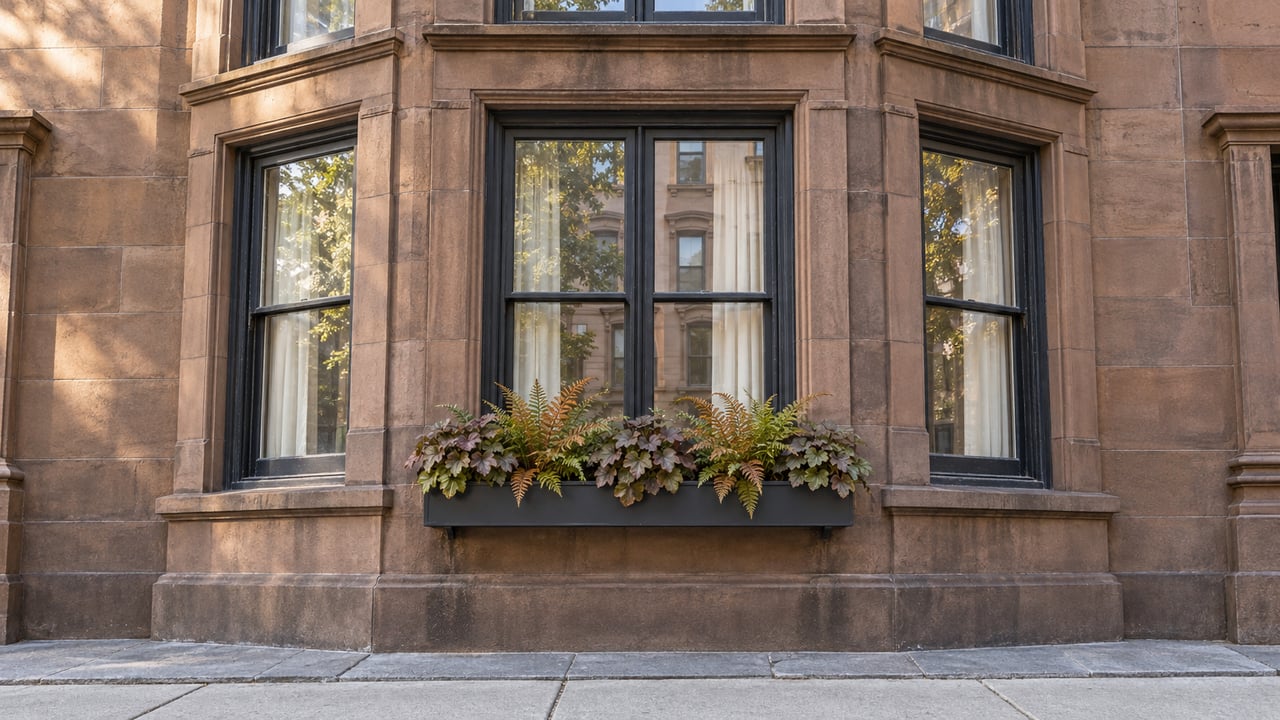
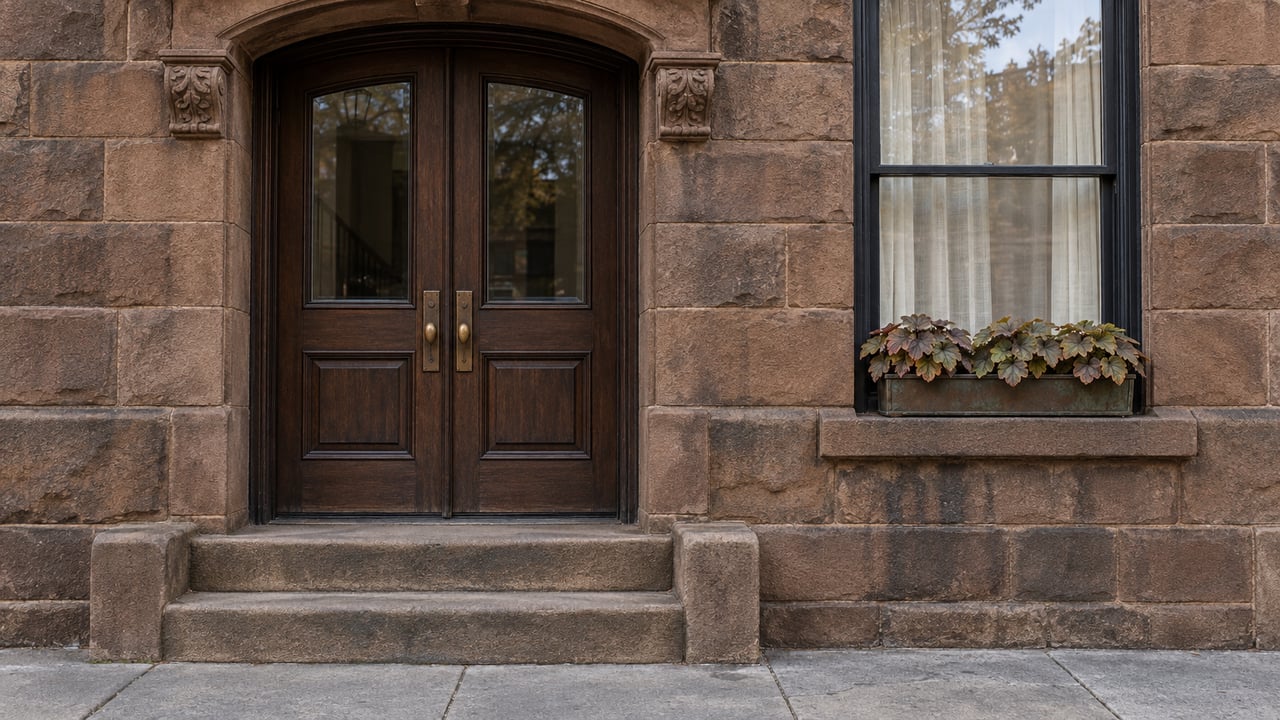
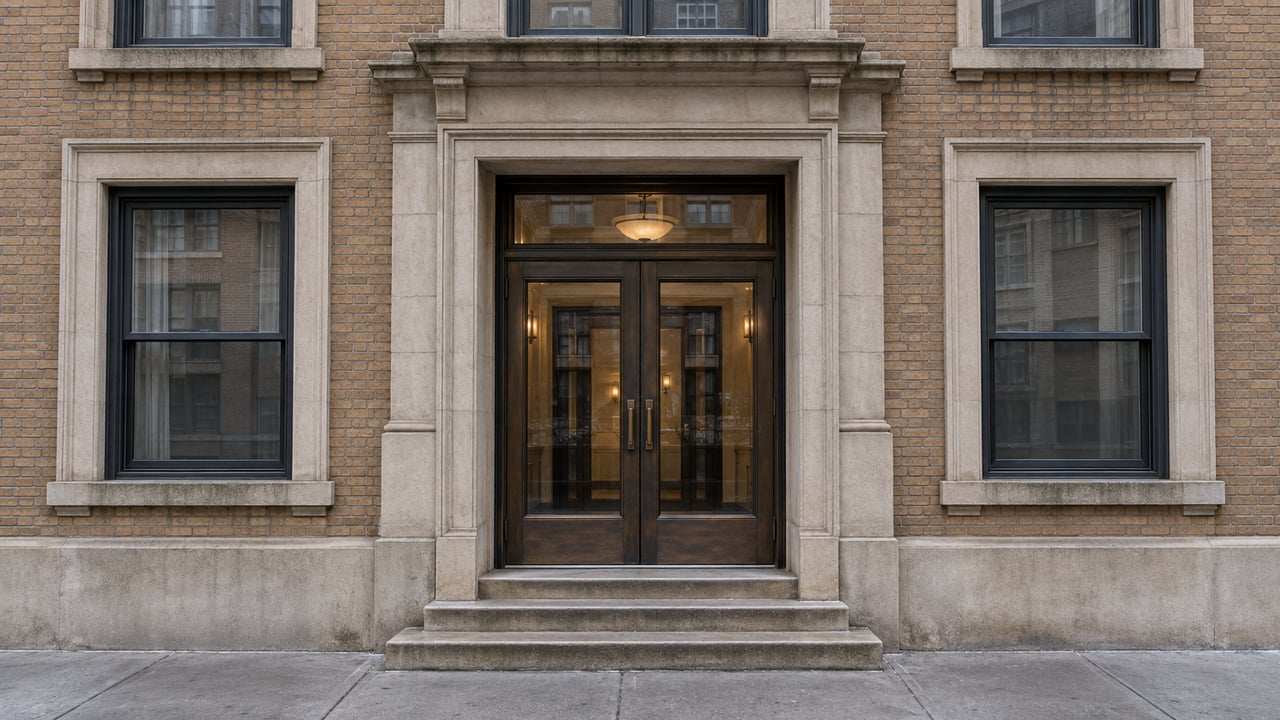
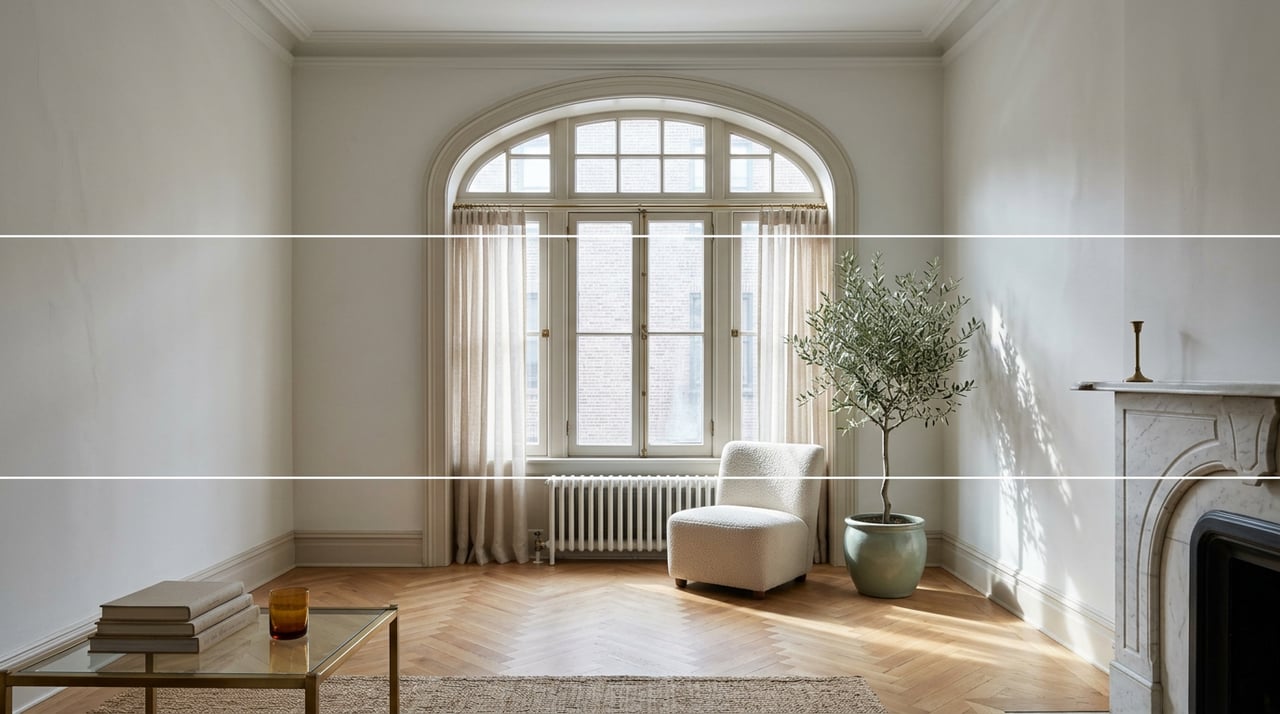
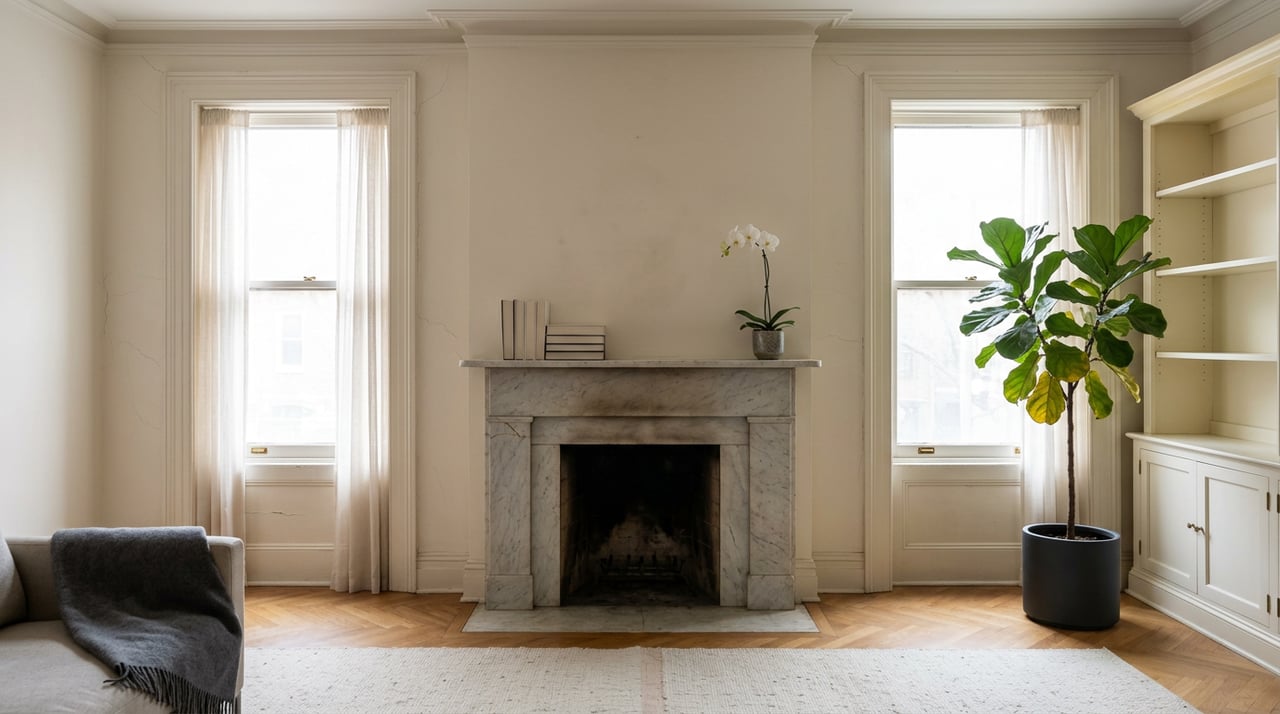
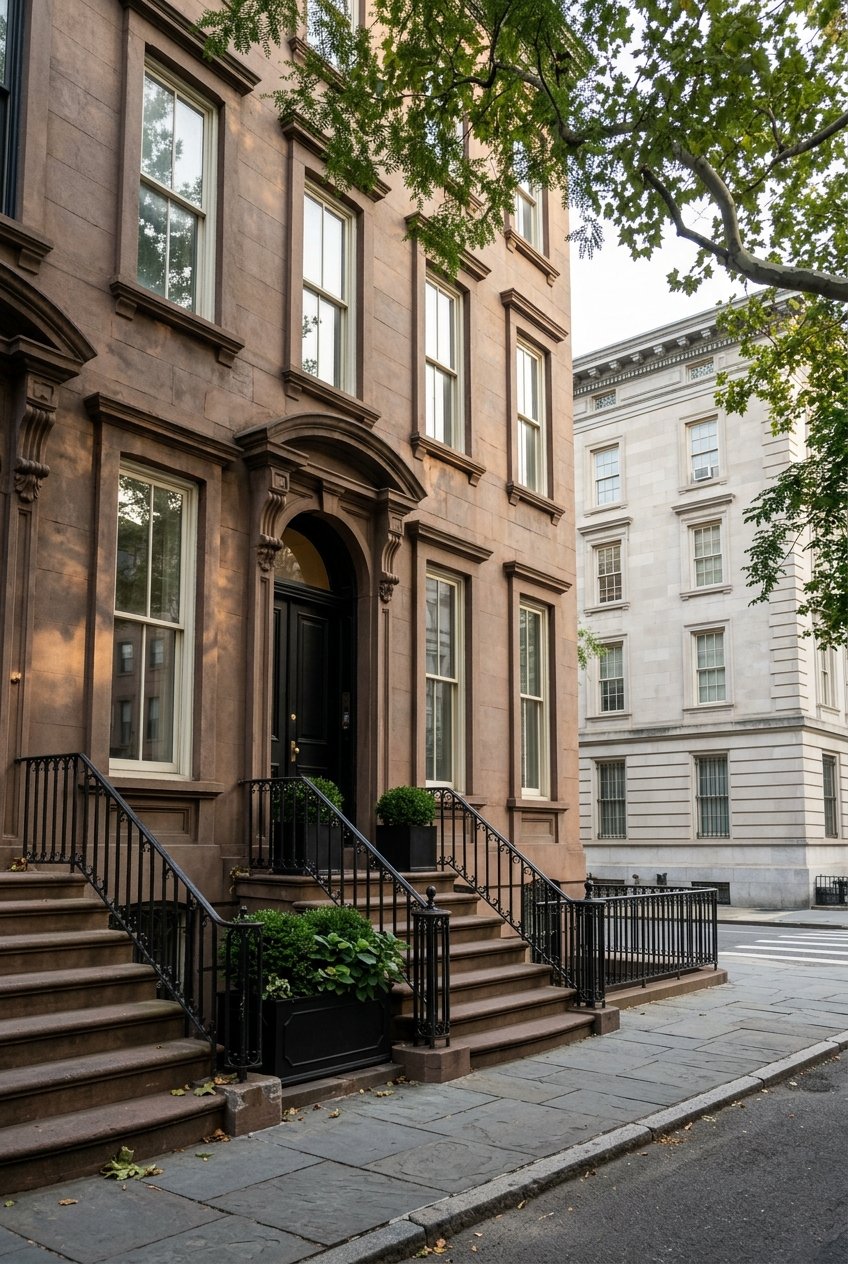
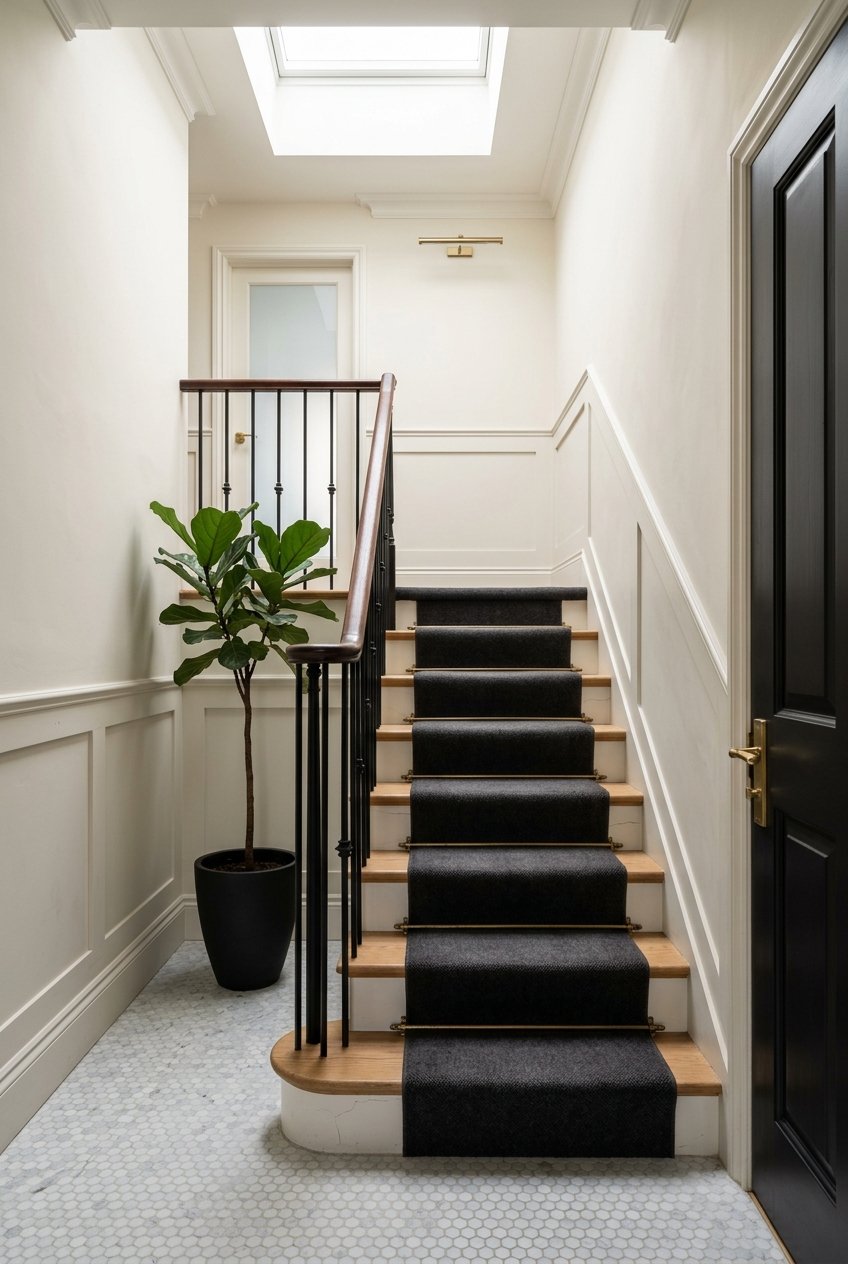
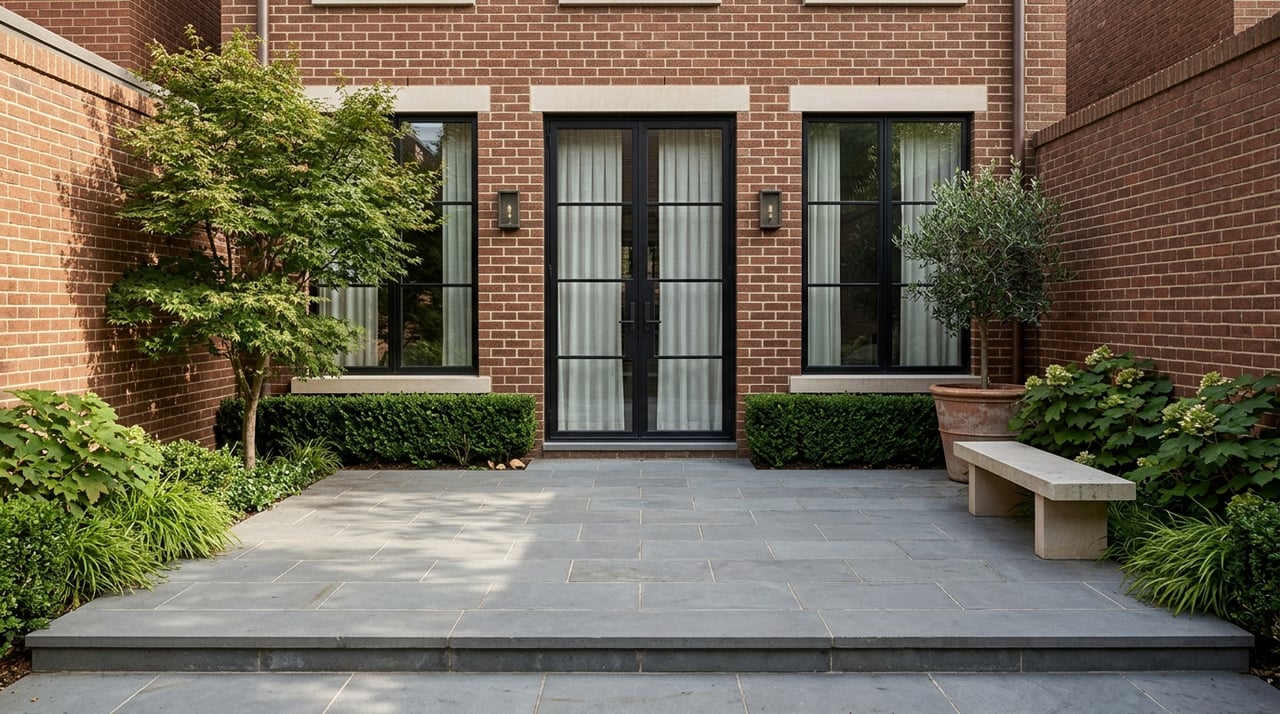
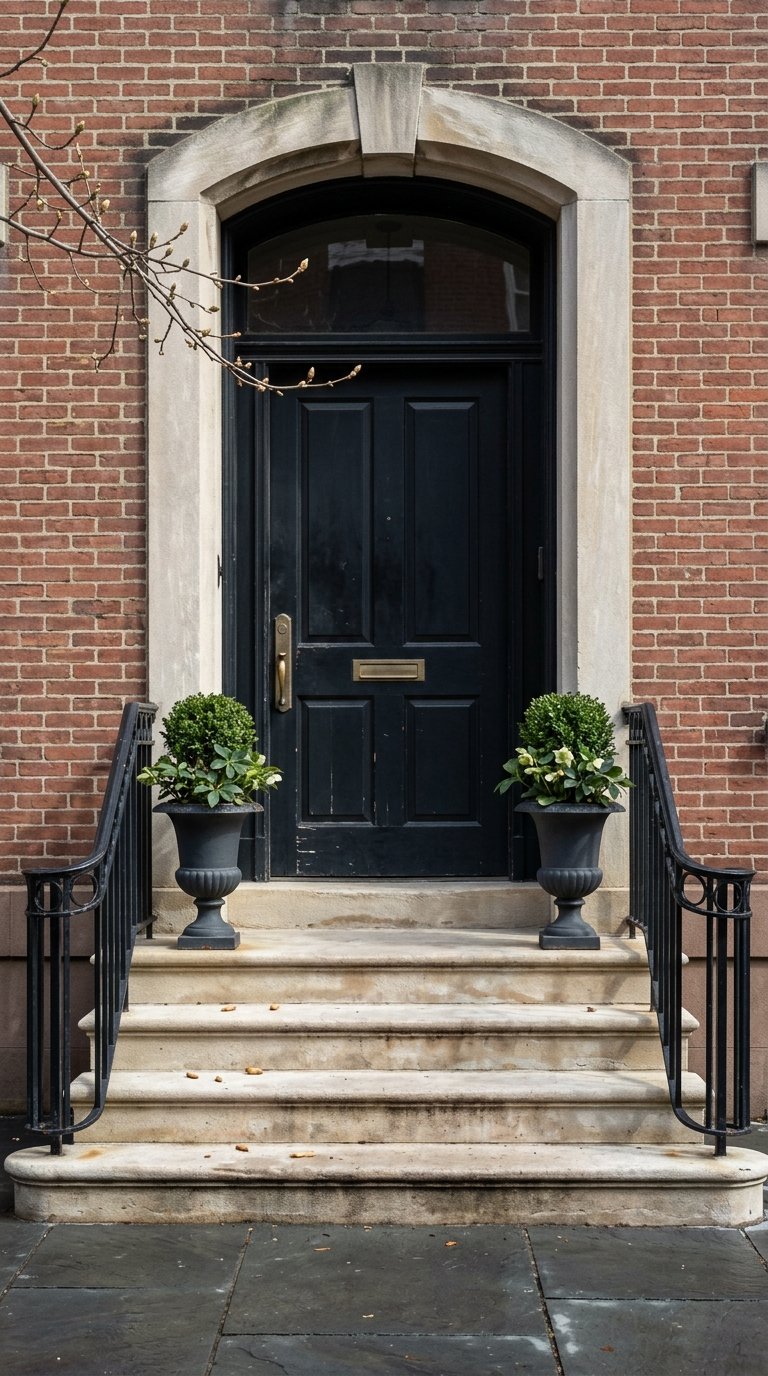
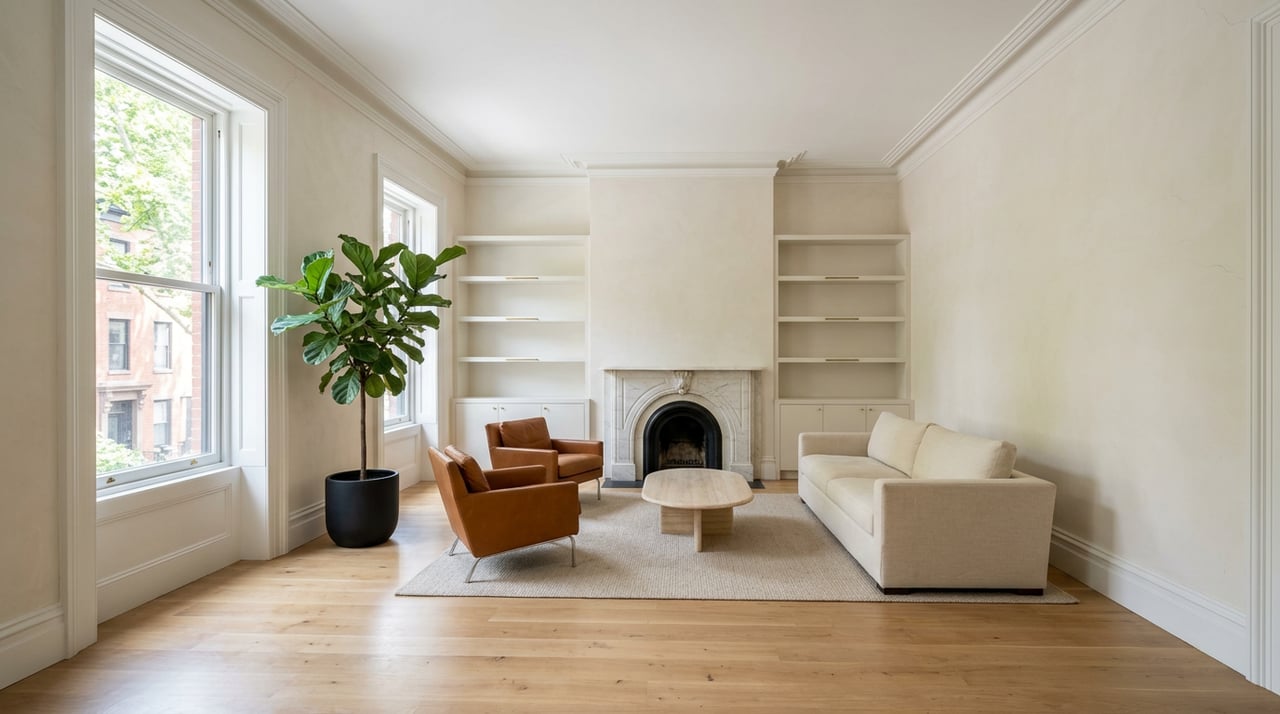
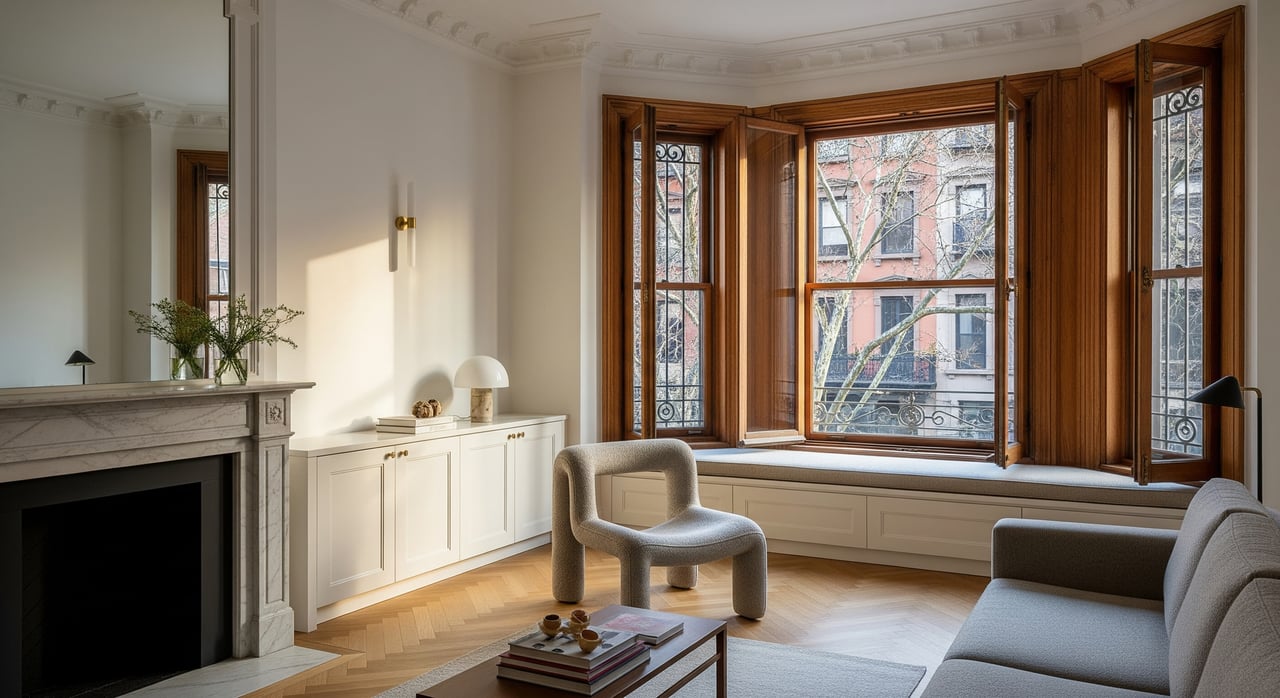
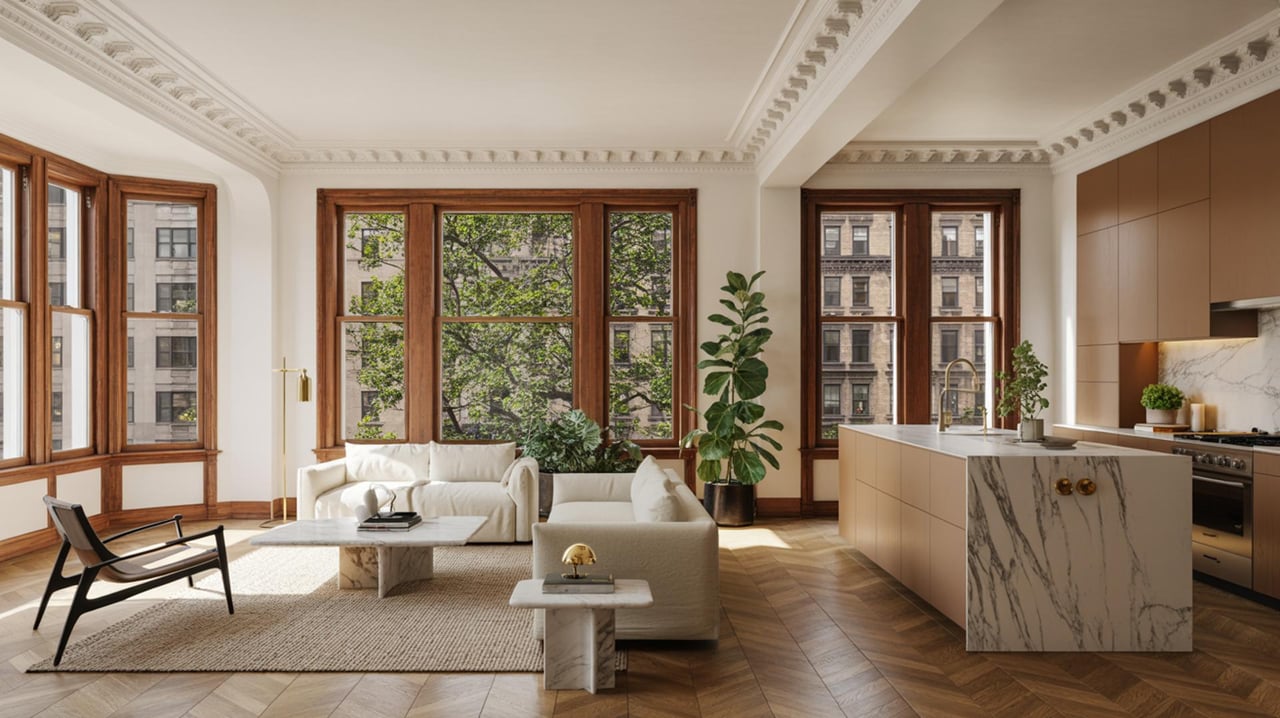
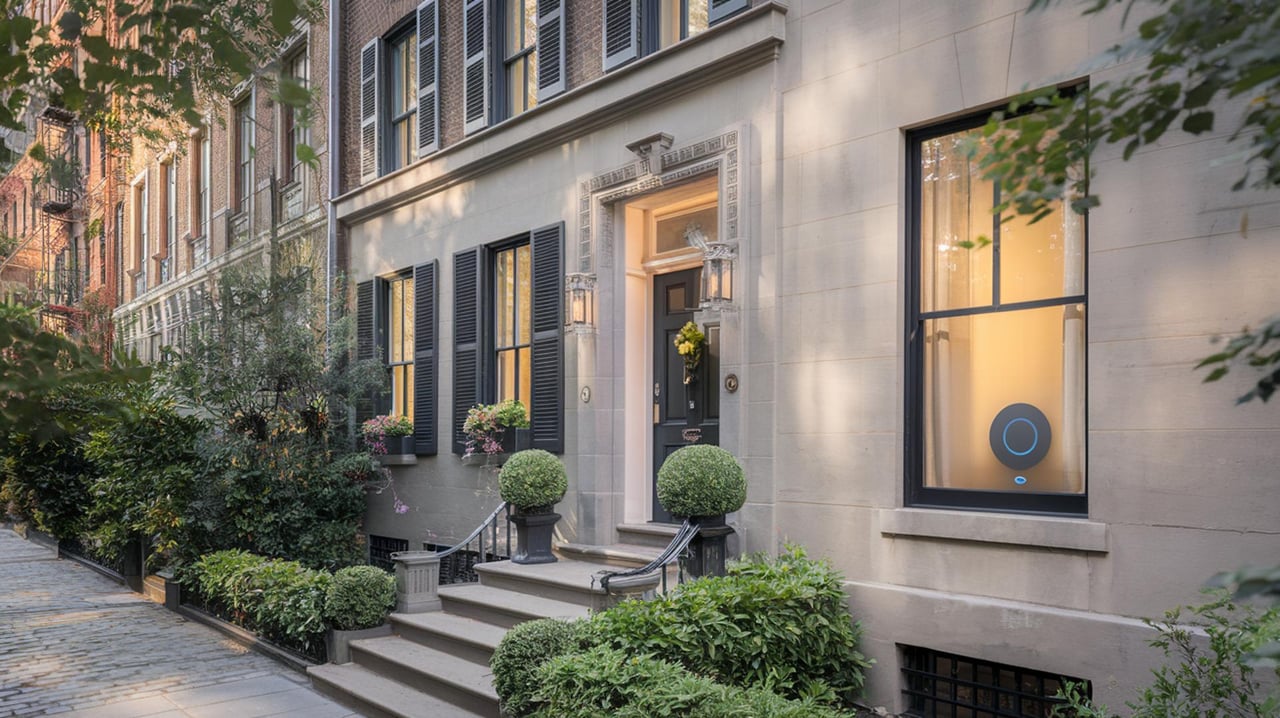
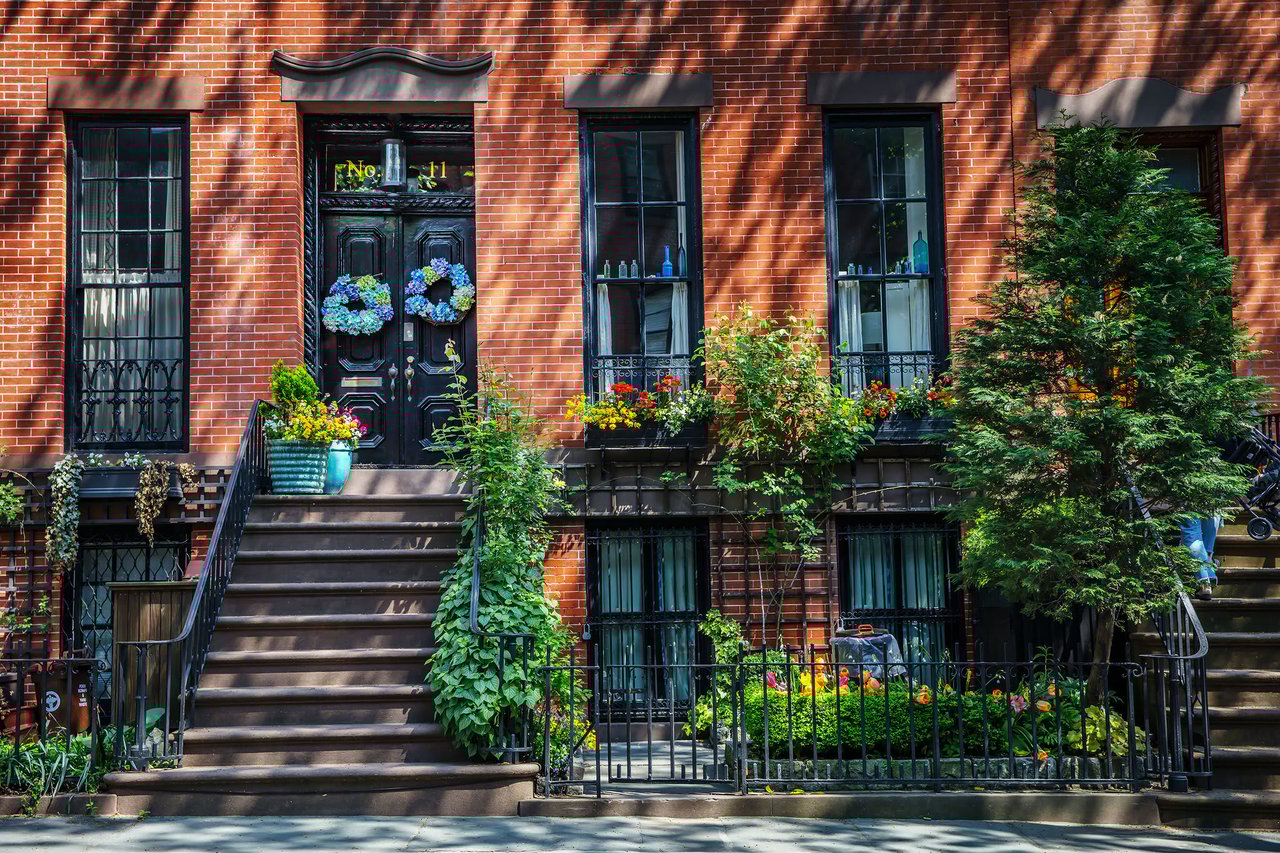
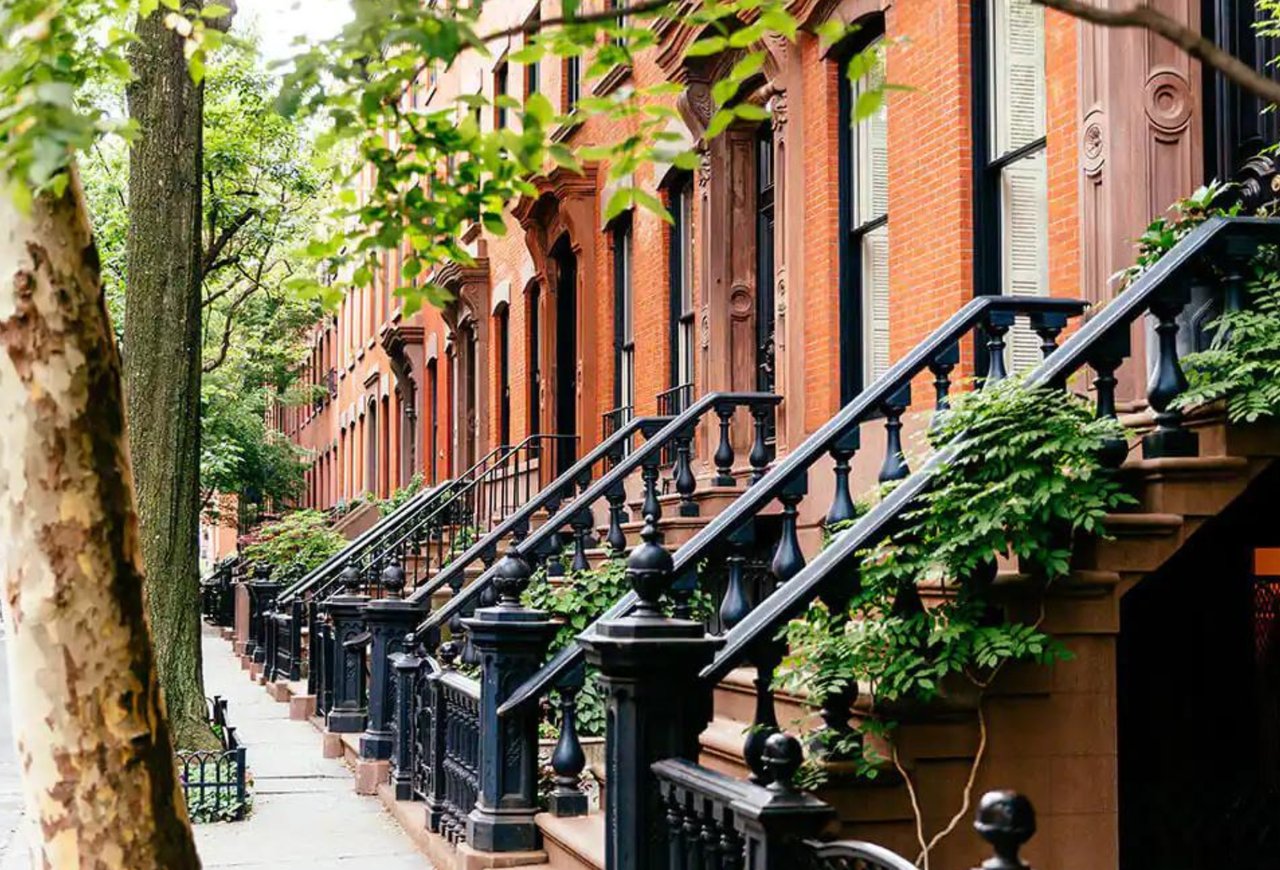
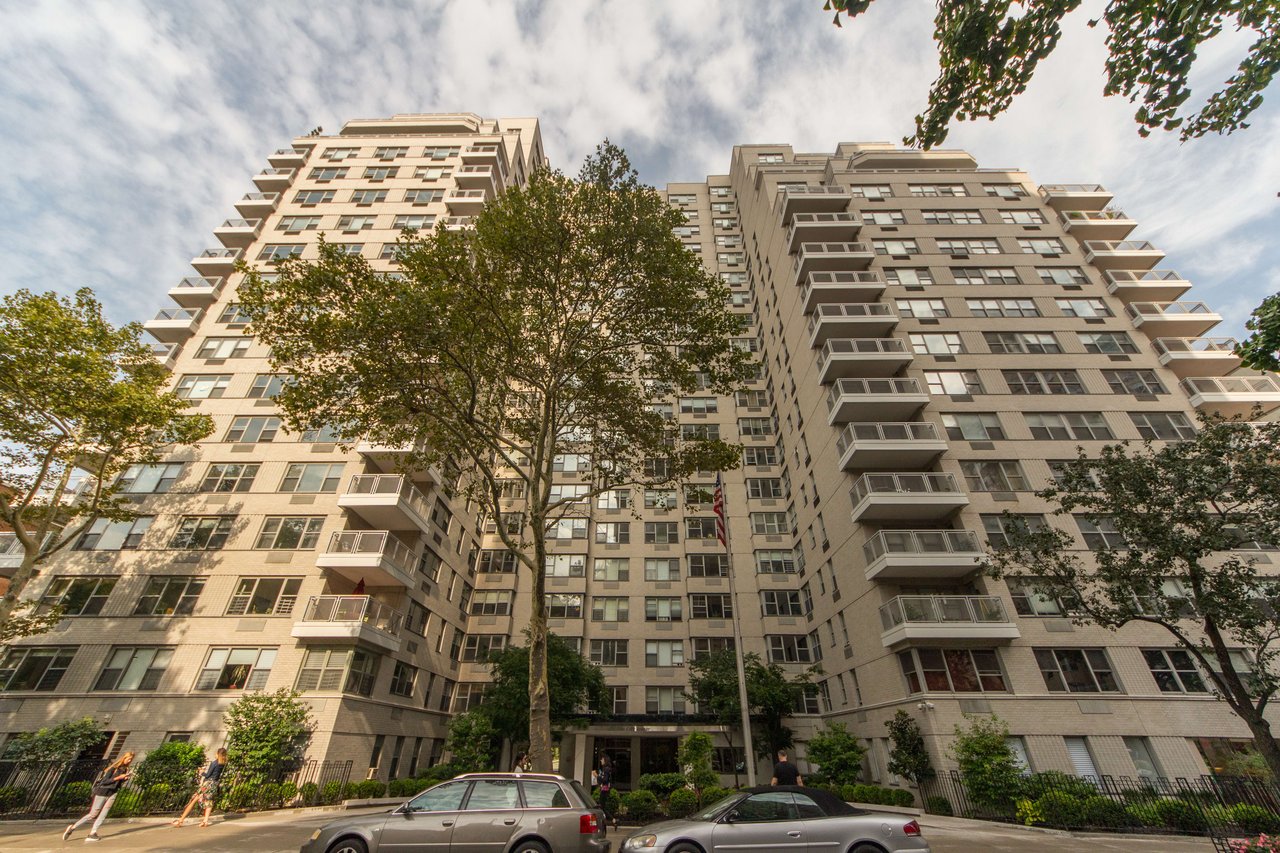
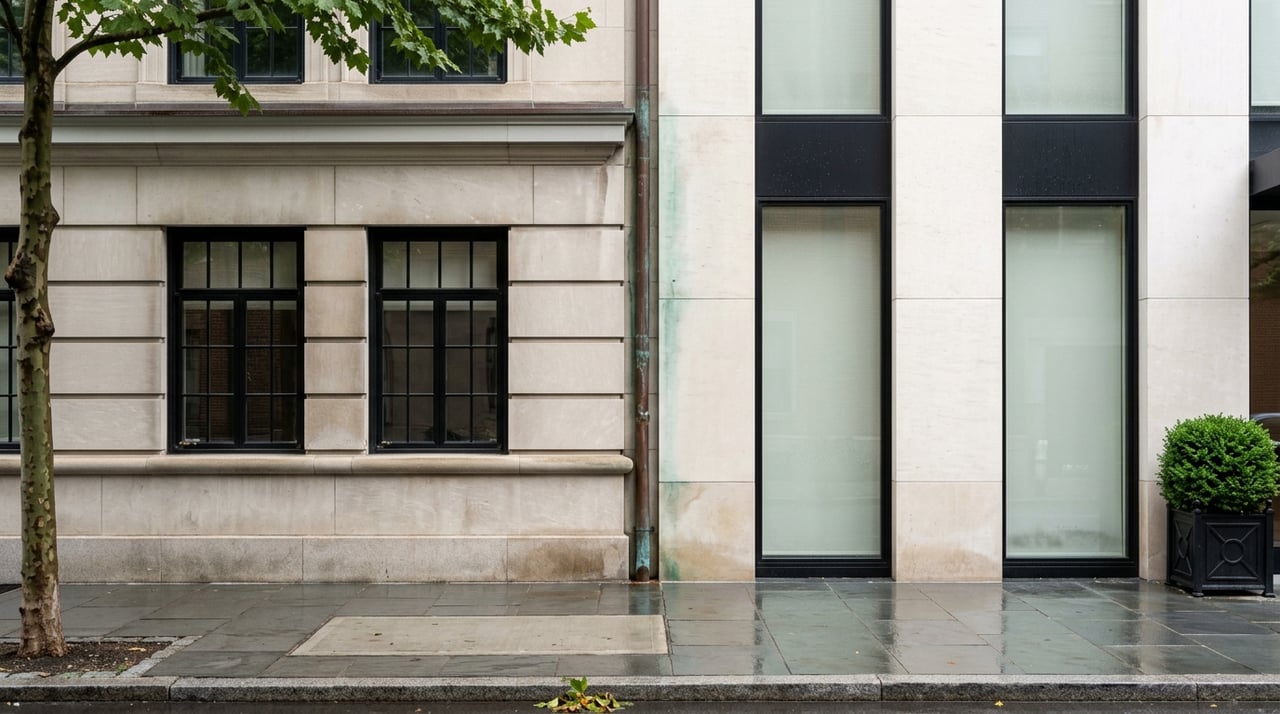
On the Upper West Side, prewar generally means a building constructed before World War II. These homes are often associated with higher ceilings, hardwood floors, crown molding, and architectural details that are hard to recreate convincingly today.
The neighborhood’s early apartment houses were also designed with larger windows, wood paneling, ornate plasterwork, and more separation between entertaining rooms and private rooms. That is why many prewar apartments feel more formal and compartmentalized than newer homes.
For many buyers, that character is the draw. If you love distinct rooms, classic proportions, and a sense of history, a prewar apartment can feel more personal and grounded than a newer white-box layout.
Common prewar tradeoffs
Prewar appeal usually comes with practical compromises. Kitchens and bathrooms may be smaller, radiators may still handle heat, and central air or in-unit washer/dryers may be missing.
Some of those features can be added during a renovation, but not always easily. On the Upper West Side, building rules and landmark considerations can affect what is realistic, especially when exterior elements such as windows are involved.
What a prewar co-op purchase involves
Many Upper West Side prewar homes are co-ops. In a co-op, you are buying shares in the corporation that owns the building, along with a proprietary lease for your apartment.
That structure affects both your monthly costs and your purchase process. Monthly maintenance can include building operating expenses, property taxes, and sometimes the building’s underlying mortgage, which means the number may look high at first glance but cover more than a condo’s common charges would.
The application process is also different. Because co-ops are board-governed, buyers should expect a detailed board package and a formal approval process before closing.
Why co-op culture matters
An established co-op often comes with an established building culture. Some buyers see that as a benefit because it can create consistency around operations, renovations, and house rules.
Others may prefer a more direct ownership structure and a less board-driven experience. If purchase flexibility matters to you, this is one of the first differences to evaluate.
What new development usually means
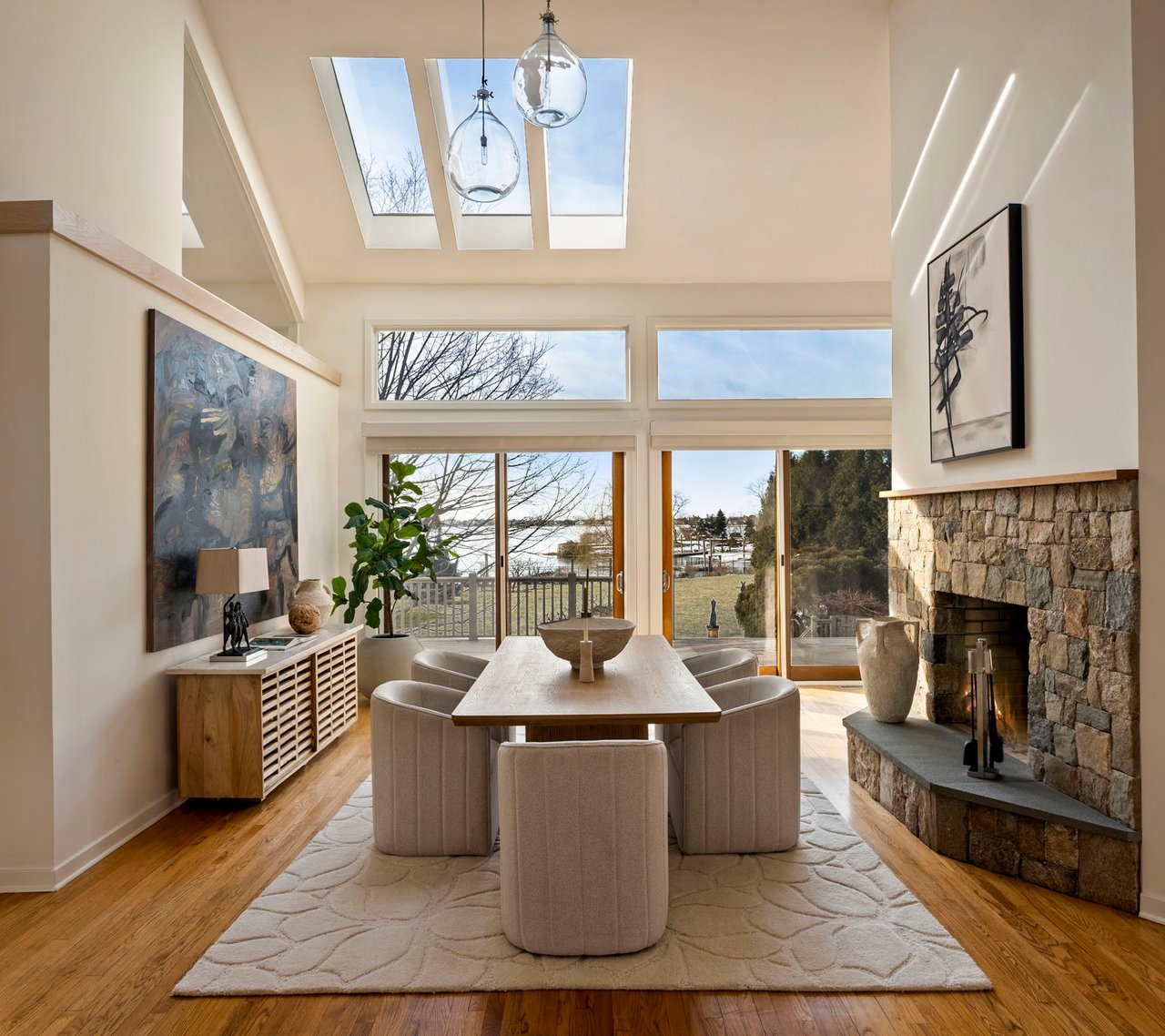
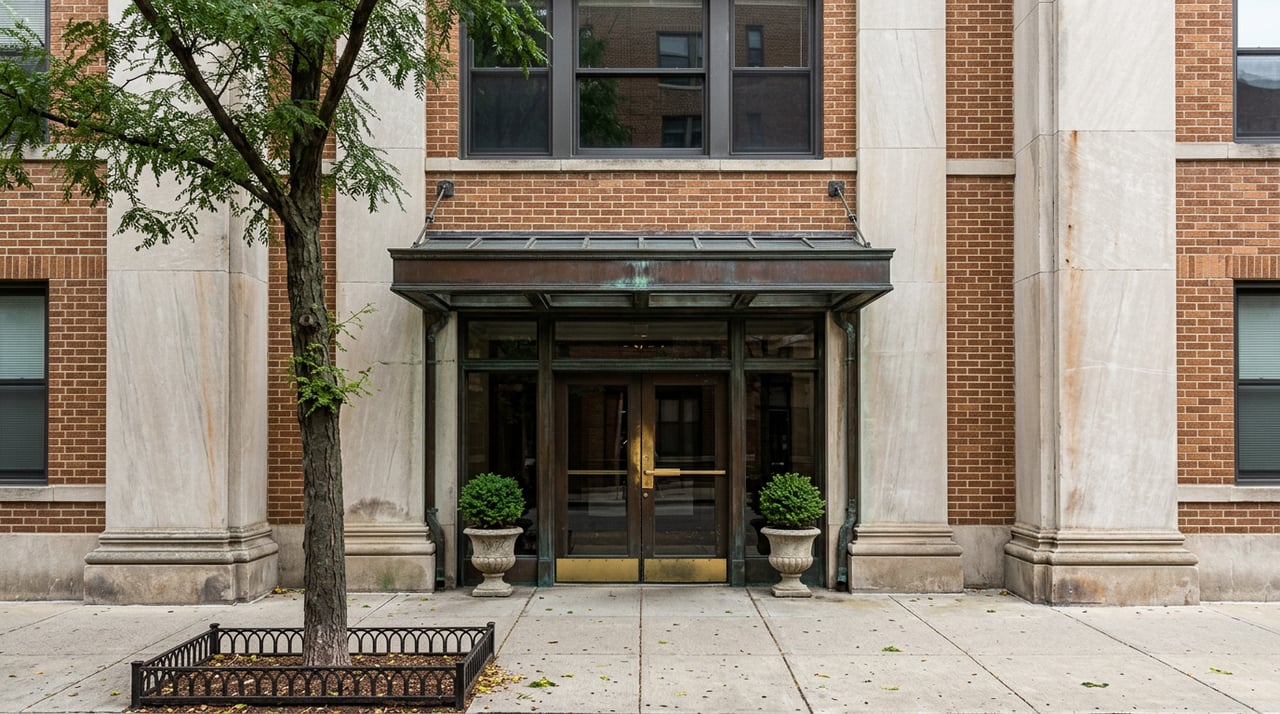
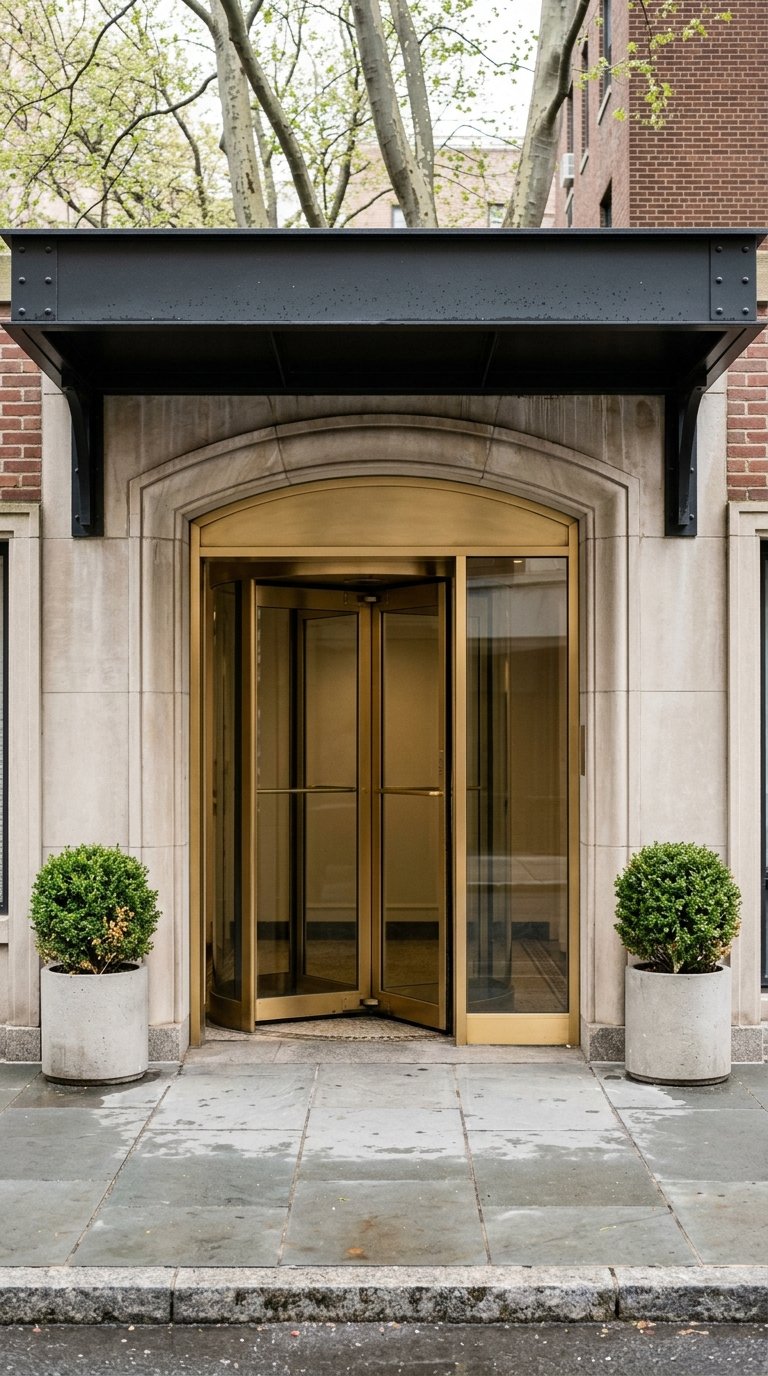
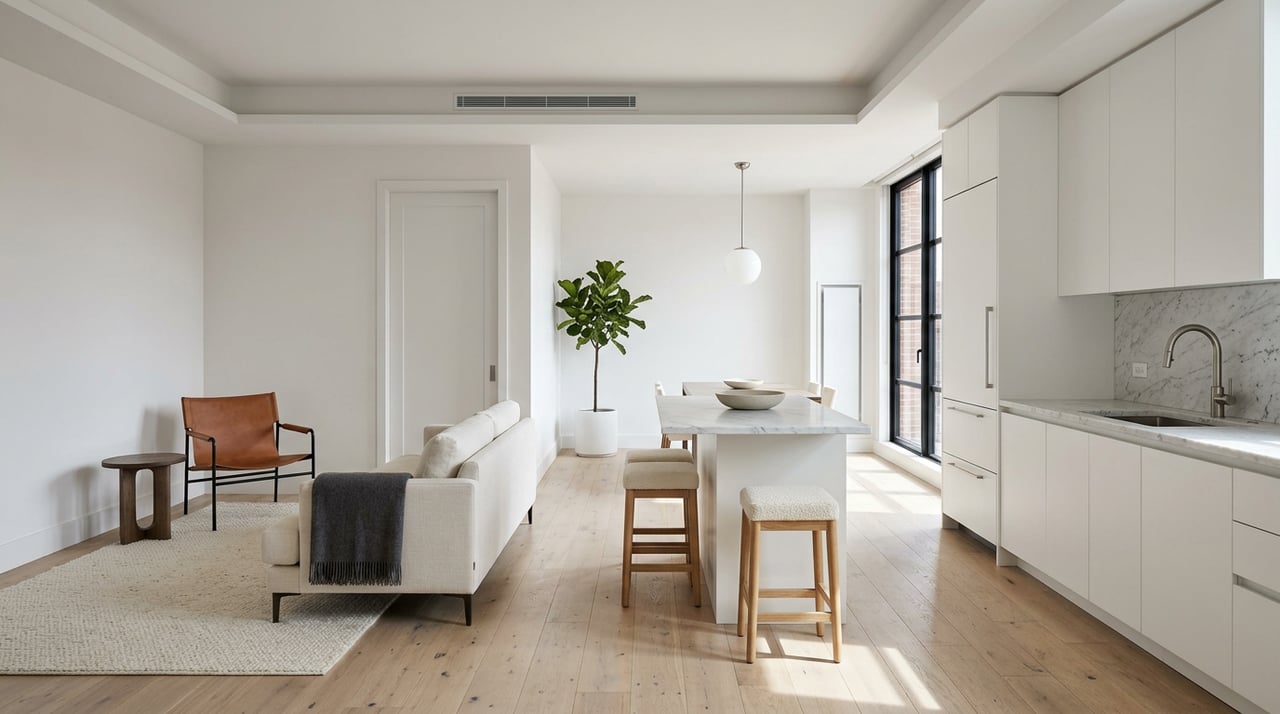
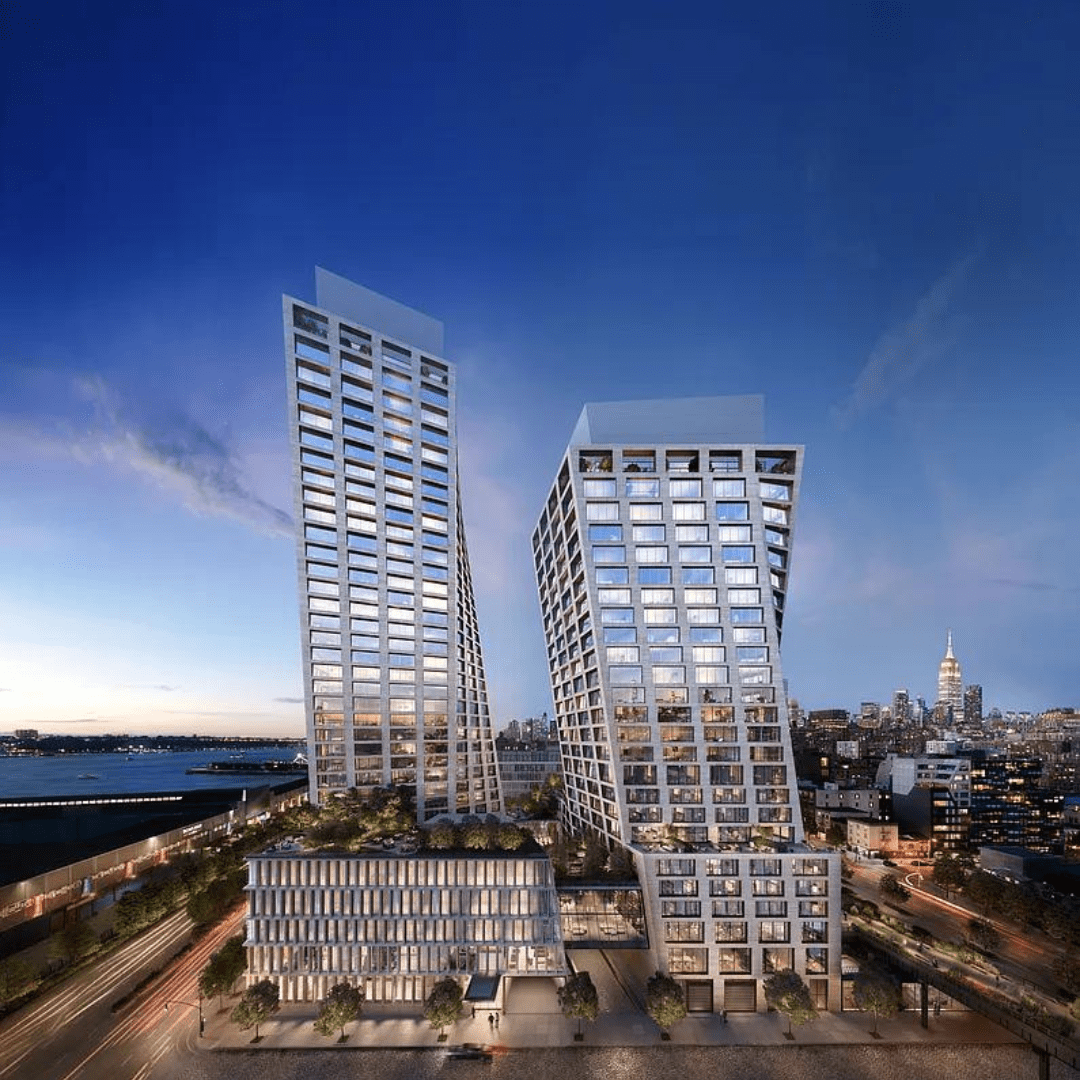
On the Upper West Side, new development often means condo ownership paired with modern systems and finishes. Instead of historic detailing, the focus is usually on convenience, efficiency, and a more current living experience.
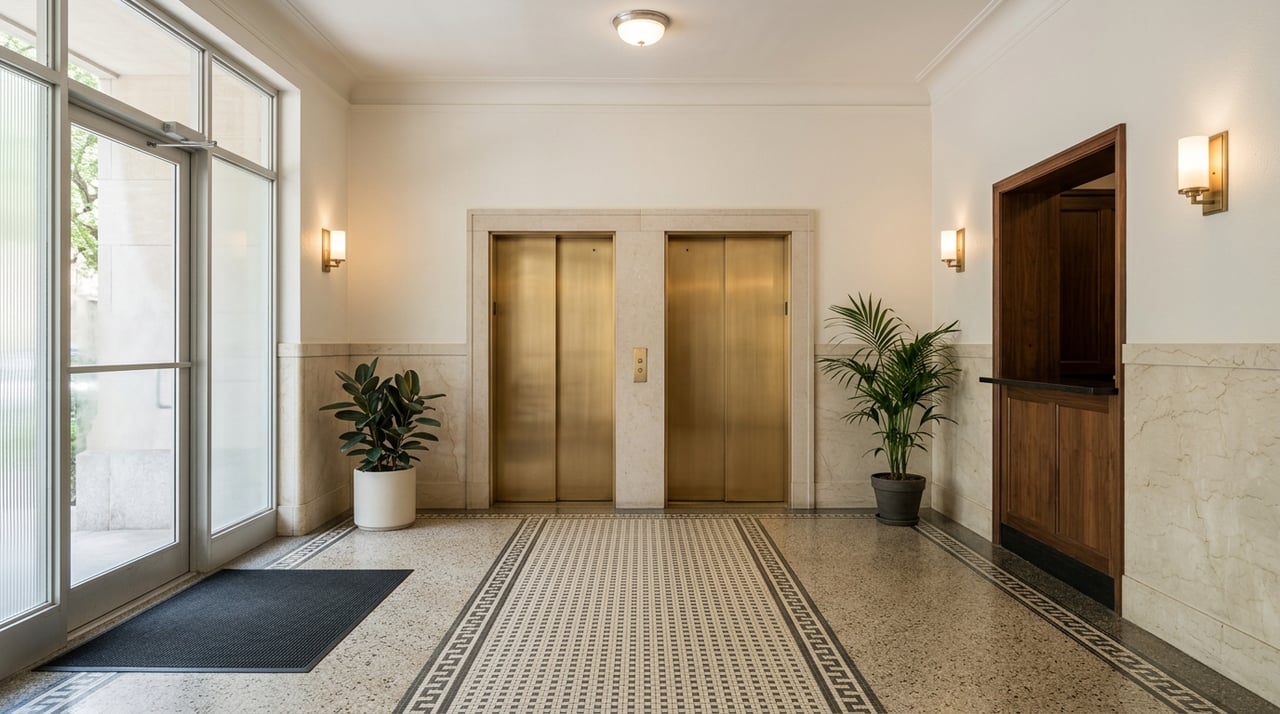
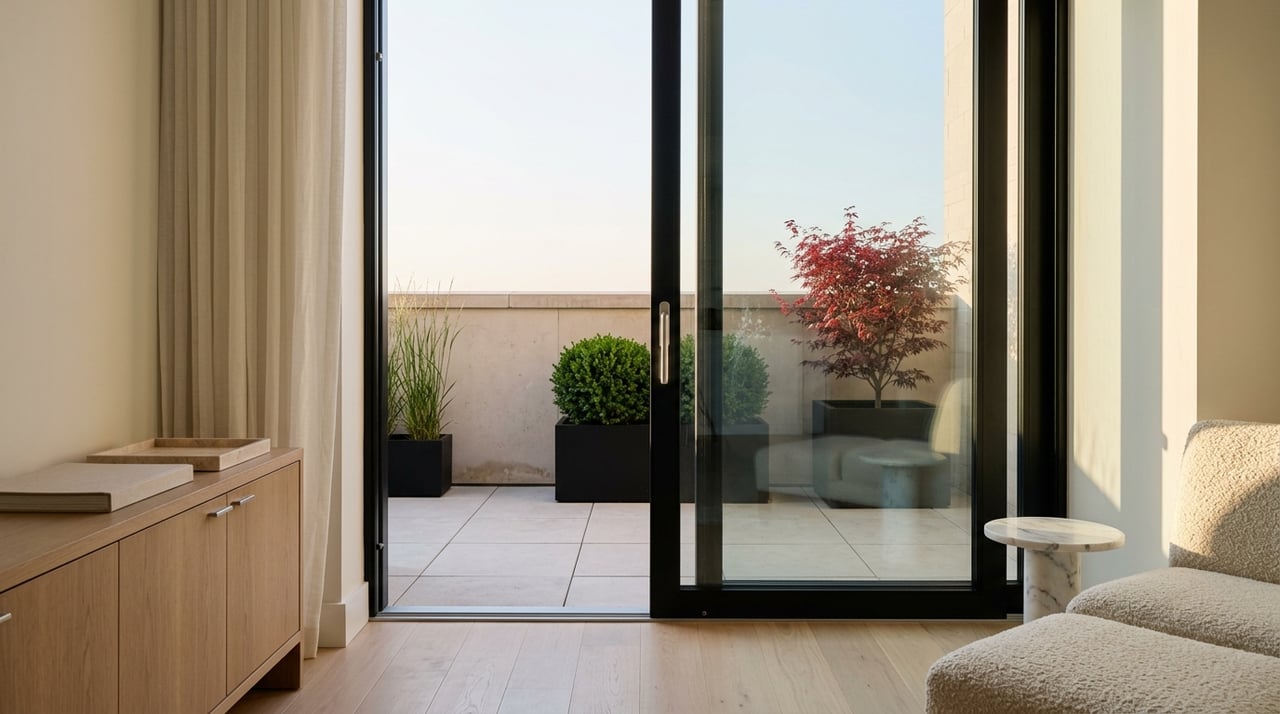
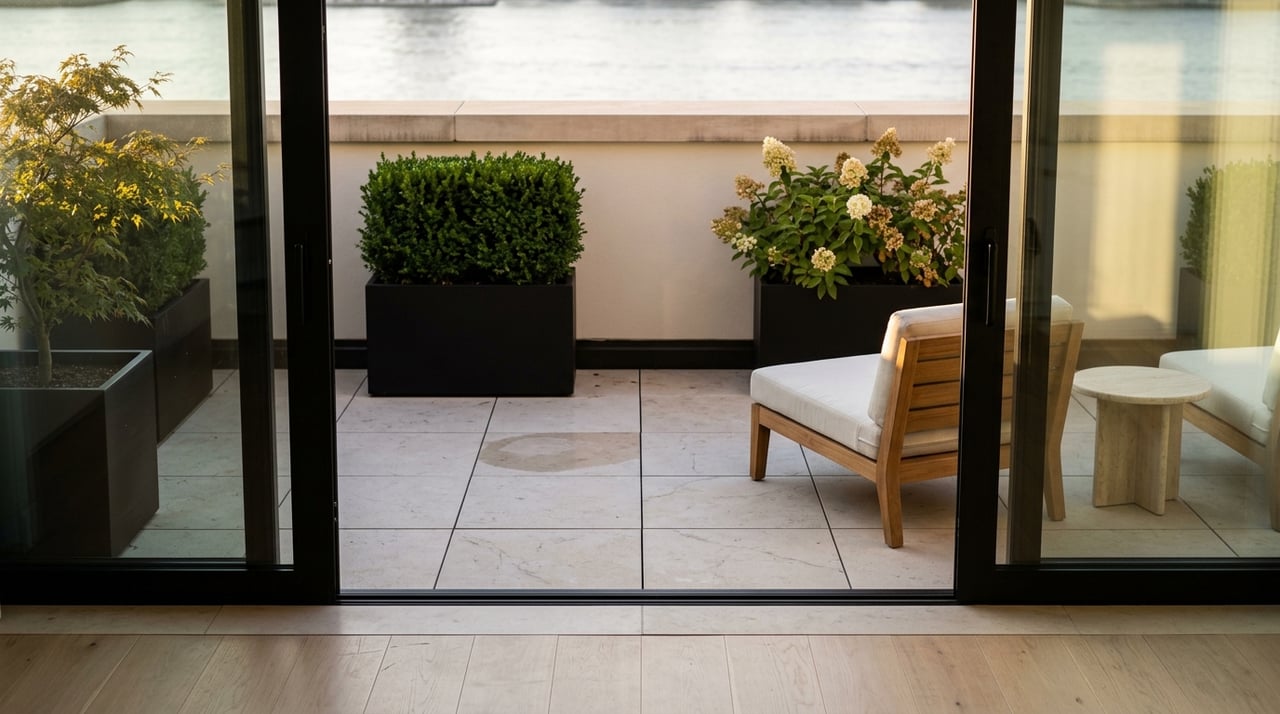
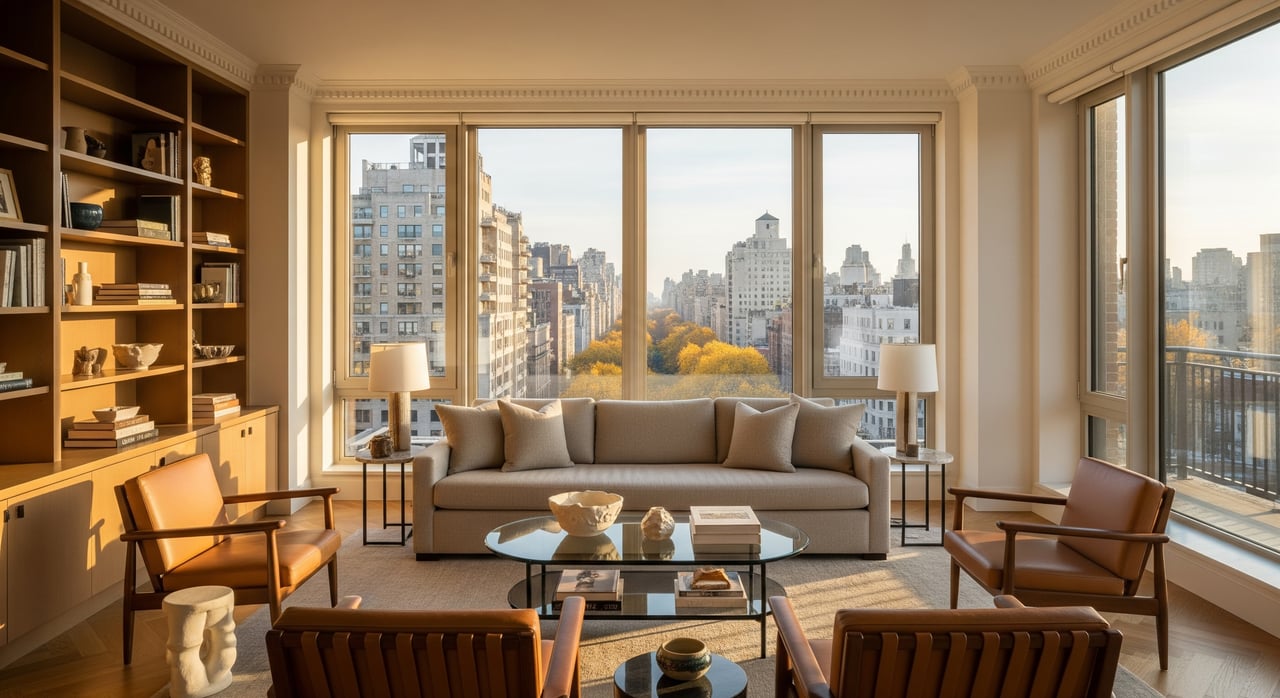
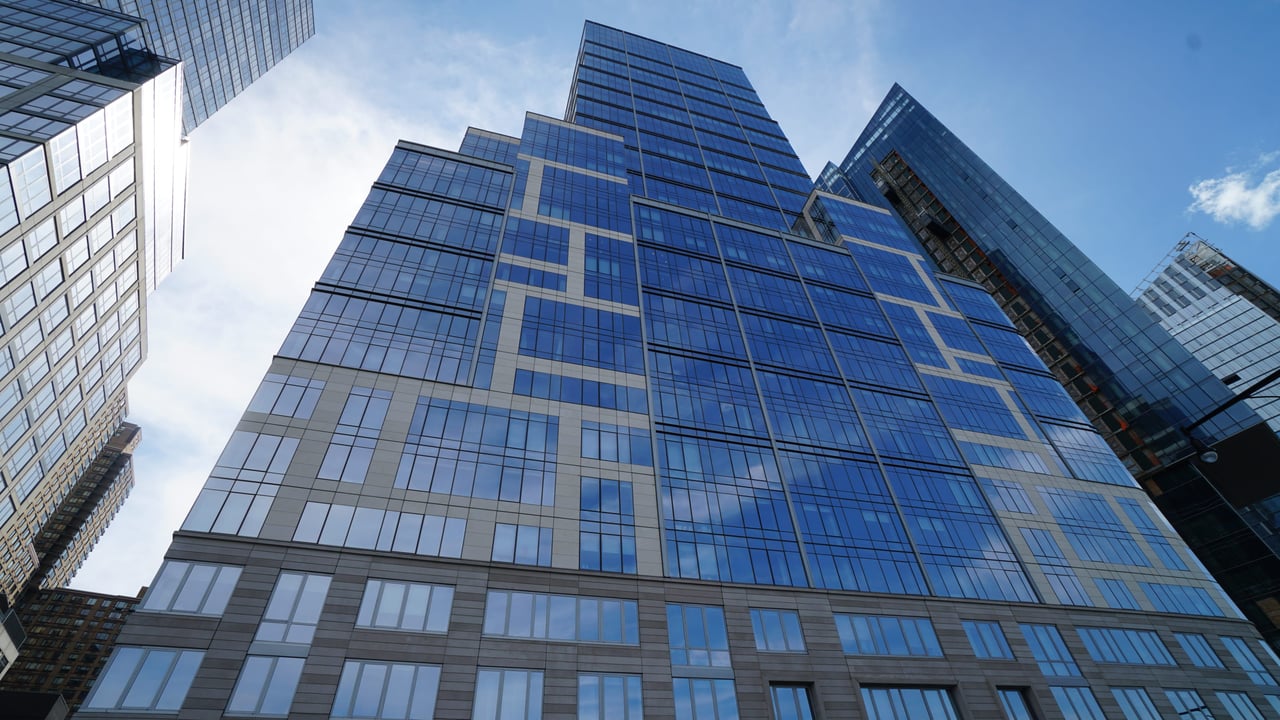
Current neighborhood examples show what buyers are often seeking in newer buildings: 10-foot ceilings, oversized windows, in-unit washer/dryers, smart-home prewiring, private storage, and modern air-conditioning systems. Depending on the building, you may also find doorman service, fitness rooms, resident lounges, children’s playrooms, and private outdoor space.
That package can be especially appealing if you want a home that feels turnkey from day one. If your priority is low-friction daily living, new development often wins on systems and amenities.
Upper West Side new development is often boutique
One Upper West Side nuance is that new construction here is not always a large tower product. Current examples include smaller boutique buildings with a limited number of residences, as well as larger full-service options with broader amenity packages.
That means your decision is not simply old versus new. It may also be private and low-density versus full-service and amenity-rich.
What a new-development condo purchase involves
A condo gives you direct ownership of the apartment plus an undivided interest in the common areas. That is different from a co-op share structure and often feels more straightforward to buyers who want direct title ownership.
Your monthly charges are also broken out differently. Condo owners generally pay their own real estate taxes and also pay common charges for the building’s shared systems and spaces.
This is why monthly comparisons can get confusing. A condo’s common charges may look lower than a co-op’s maintenance, but they do not include the same things.
Compare monthly and closing costs carefully
If you are choosing between prewar and new development, do not rely on one monthly number alone. On the Upper West Side, that shortcut can lead to bad comparisons.
In a co-op, maintenance may include operating expenses, property taxes, and sometimes the building’s underlying mortgage. In a condo, you will typically look at common charges and your own separate property tax bill.
Closing costs matter too. New York City’s real property transfer tax applies to both condo sales and co-op stock transfers and is usually part of closing costs.
A simple cost checklist
Before you make an offer, ask for a clear breakdown of:
- Monthly maintenance or common charges
- Whether property taxes are included or billed separately
- Whether heat or hot water is bundled
- Any underlying mortgage in the co-op maintenance
- Amenity-related carrying costs
- Expected closing costs, including transfer tax
If the unit may qualify as your primary residence, also ask whether the building participates in the city’s co-op and condo property tax abatement process. That filing is handled by the managing agent or board, not by the individual owner.
Renovation and alteration rules can differ
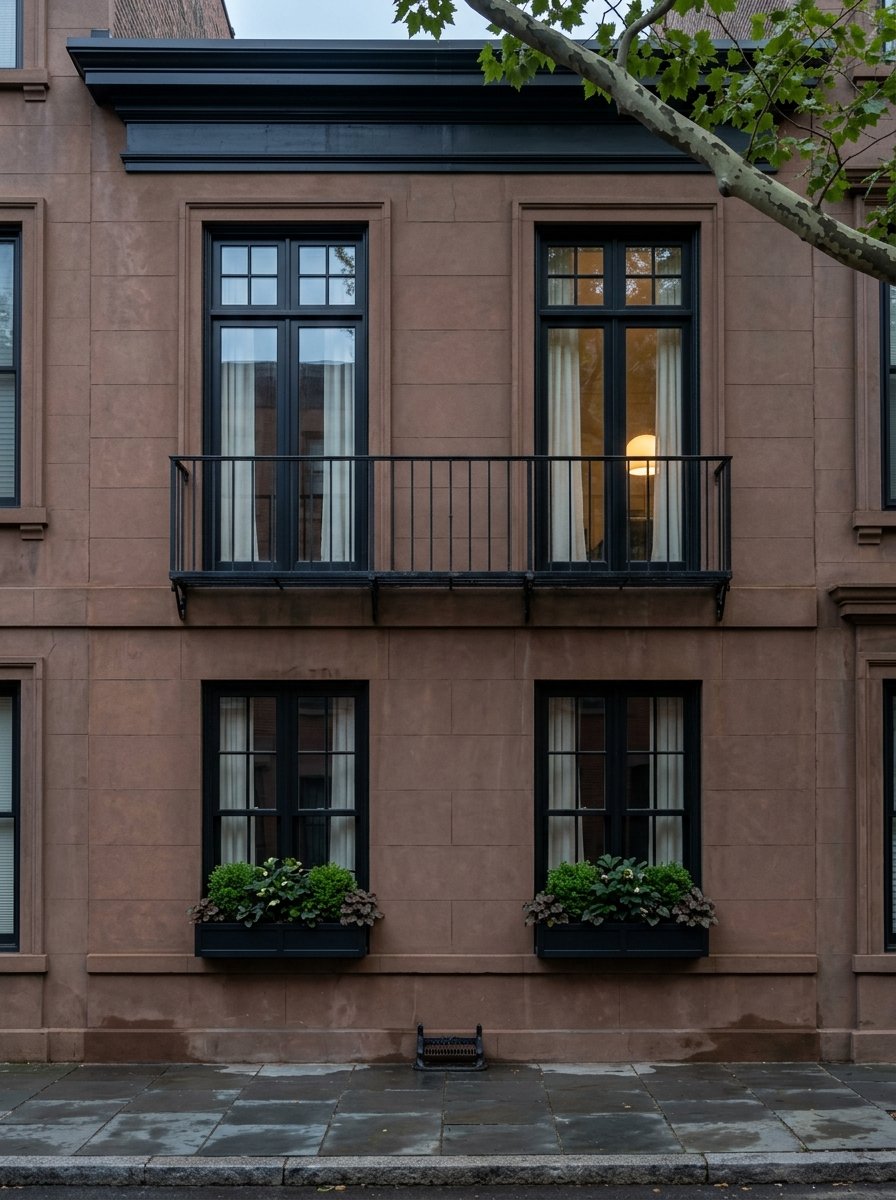
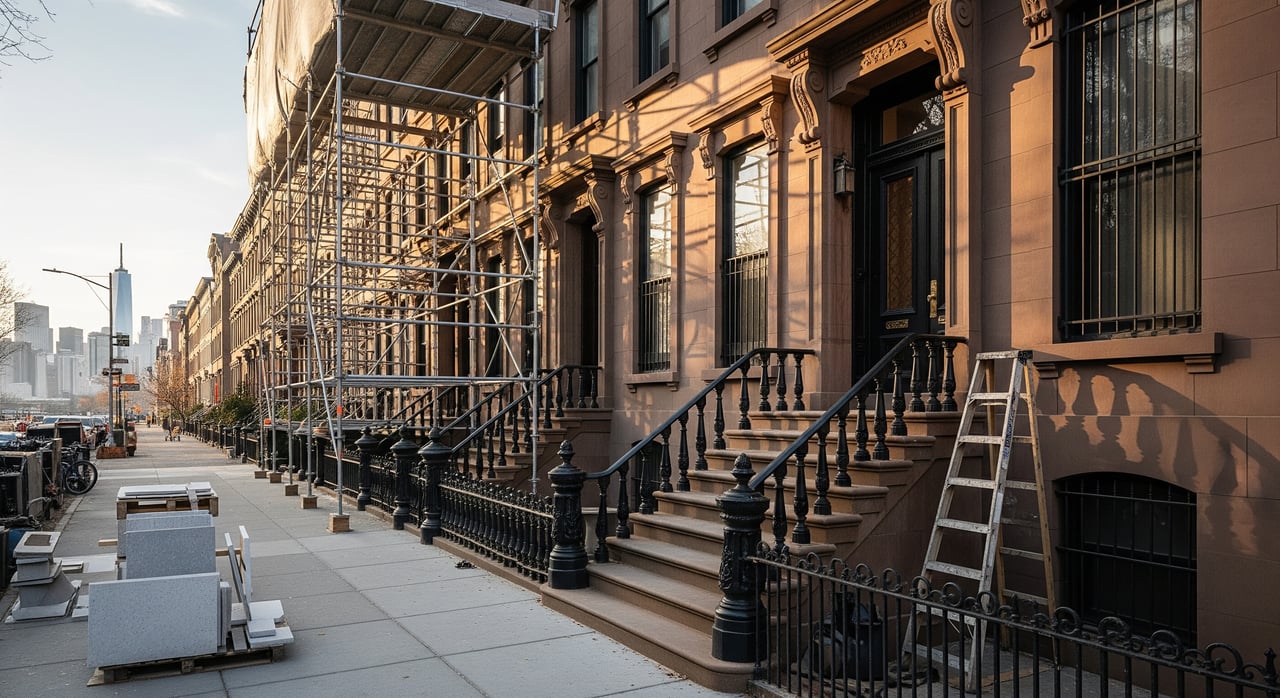
On the Upper West Side, building location matters almost as much as building type. If a building is landmarked or located within a historic district, the Landmarks Preservation Commission must approve most exterior alterations and certain other changes.
For many buyers, ordinary interior work may still be exempt, which is helpful. But if your wish list includes replacing windows, changing exterior features, or pursuing more ambitious work, you need to understand where LPC review may come into play.
This matters more often in prewar buildings because so much of the neighborhood’s historic housing stock falls within protected areas. It can matter in newer buildings too, but the issue tends to be more central to the prewar decision.
How to choose the right fit
The best choice usually comes down to what matters most in your day-to-day life. Neither option is universally better. The right answer depends on how you want to live, what kind of process you are comfortable with, and which features would be hardest to change later.
A useful rule of thumb is simple. Prewar may be the better fit if historic character, distinct rooms, and an established building culture matter more to you than modern systems and a looser purchase process.
New-development condo may be the better fit if modern finishes, direct ownership, private outdoor space, in-unit laundry, air-conditioning, and on-site amenities matter more to you than scarcity and the fee structure that can come with newer product.
Focus on what is hardest to add later
When you tour, pay close attention to the features you cannot easily fix after closing. Those often have more long-term impact than staging or cosmetic updates.
Look closely at:
- Natural light n- Storage
- Ceiling height
- In-unit laundry
- Air-conditioning setup
- Layout flexibility
- Outdoor space
- Building service level
If a home gets those fundamentals right, you can usually solve many smaller design issues over time.
A practical Upper West Side mindset
On the Upper West Side, this decision is rarely abstract. It is tied to real neighborhood conditions, including historic-district constraints, limited new supply, and a housing stock that still reflects the area’s apartment-house heritage.
That is why it helps to compare homes through both a lifestyle lens and an ownership lens. You are not just choosing a look. You are choosing a monthly cost structure, a purchase process, a renovation framework, and a day-to-day living experience.
If you want help weighing a prewar co-op against a new-development condo on the Upper West Side, Daniel Kramp offers discreet, high-touch buyer representation and clear guidance through complex New York City purchases.
FAQs
What does prewar mean for an Upper West Side apartment?
- Prewar usually means the building was constructed before World War II, often with features like higher ceilings, hardwood floors, crown molding, and more separated room layouts.
What is the ownership difference between an Upper West Side co-op and condo?
- In a co-op, you buy shares in the corporation that owns the building and receive a proprietary lease. In a condo, you directly own the apartment unit plus an interest in the common areas.
What do Upper West Side co-op monthly charges usually include?
- Co-op maintenance can include operating expenses, property taxes, and sometimes the building’s underlying mortgage, so it may bundle more costs than a condo’s common charges.
What do Upper West Side condo monthly charges usually include?
- Condo owners generally pay common charges for shared systems and spaces, while their real estate taxes are paid separately.
Do Upper West Side co-ops require board approval?
- Yes, many co-op purchases involve a board-governed application process with a detailed package and formal approval before closing.
Do landmark rules affect Upper West Side apartments?
- Yes, if a building is landmarked or in a historic district, the Landmarks Preservation Commission generally must approve most exterior alterations and some other changes, though ordinary repairs and most interior work are typically exempt.
Is new development common on the Upper West Side?
- New development exists on the Upper West Side, but it is more limited than in many other parts of the city because historic districts and landmark rules constrain where and how new construction can happen.
How should you compare a prewar co-op with a new-development condo on the Upper West Side?
- Start with your priorities: character and established building culture versus modern systems and amenities. Then compare ownership structure, board approval, monthly costs, tax treatment, and the features that would be hardest to add later.