Buying on the Upper West Side can feel straightforward until you realize you are not just buying an apartment. In a co-op, you are also stepping into a building’s finances, rules, and long-term maintenance decisions. If you want to make a confident purchase, it helps to know what to review before emotions take over. Let’s dive in.
Why co-op evaluation is different
In New York, buying a co-op means purchasing shares in a corporation and receiving a proprietary lease for the apartment. Your monthly maintenance is tied to the shares allocated to your unit, so the apartment and the building are financially connected.
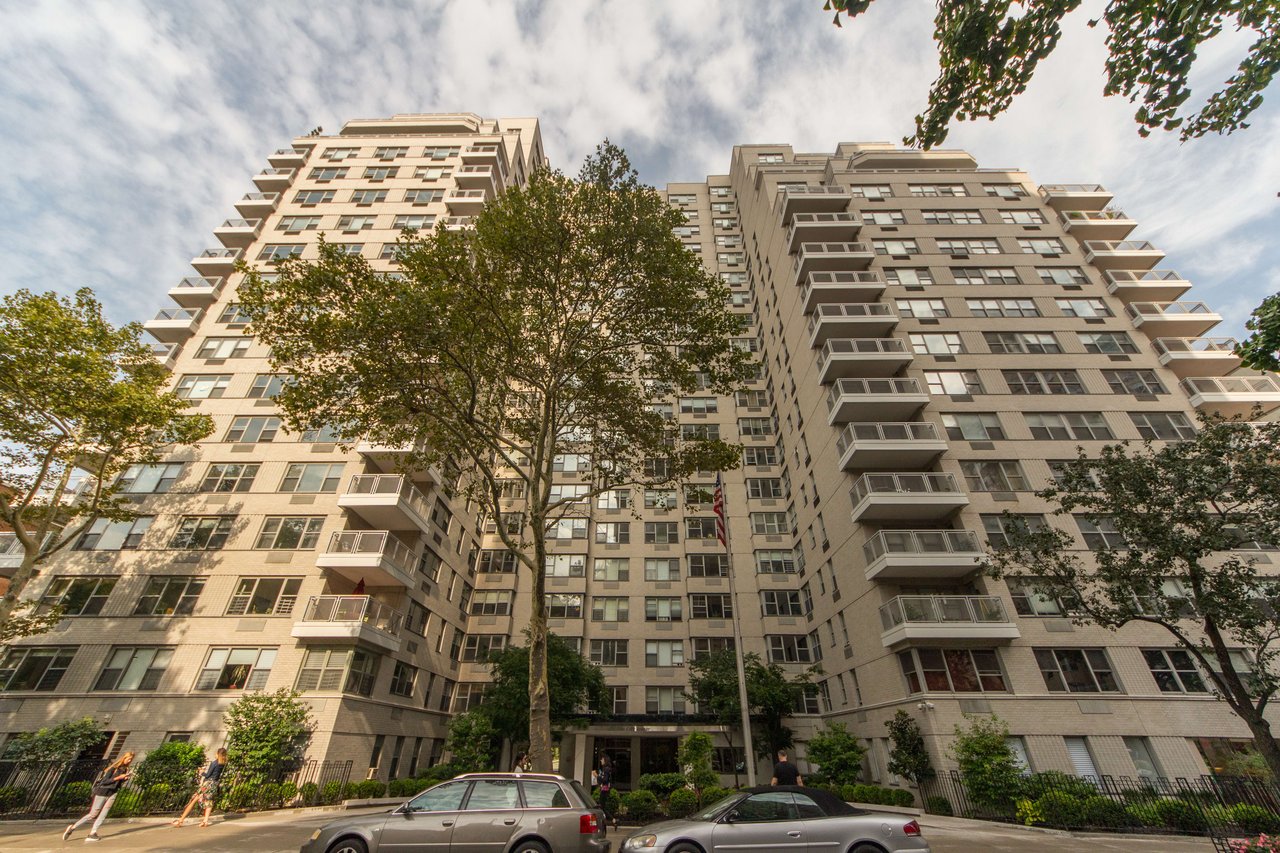
That matters on the Upper West Side, where many homes are in large prewar buildings. StreetEasy’s neighborhood data shows a 2025 median asking price of $1.545 million, and the area’s older housing stock often brings more building-level questions than newer condo product.
Start with the building’s financial health
A beautiful apartment can still be a poor buy if the building’s numbers are weak. Before you focus on finishes or views, make sure the co-op itself looks stable and well run.
The New York Attorney General recommends reviewing the offering plan, the most recent financial report, board minutes from the prior year, and the current governing documents. It also advises buyers to check the annual report that discloses interested-party transactions before signing a contract.
Review maintenance, debt, and reserves
Your first goal is to understand whether monthly maintenance is covering the building’s operating costs. You also want to know how much debt service the building is carrying and whether recent special assessments were needed to fill a gap.
Reserve funds matter because they act as a cushion for future capital work. If reserves look thin, you may face higher maintenance or surprise assessments when major work comes due.
Pay close attention to the underlying mortgage
A co-op’s underlying mortgage can affect both building stability and your future costs. The Attorney General flags a bank threatening foreclosure on an underlying mortgage as a serious issue.
You should ask whether the building faces refinancing risk, a near-term mortgage maturity, or sponsor-related arrears. In a recently converted or sponsor-influenced building, it is also worth confirming whether the sponsor still controls the board and whether offering plan commitments have been fulfilled.
Use board minutes as an early warning system
Board minutes often reveal problems before they show up elsewhere. Ongoing leaks, facade work, elevator issues, disputes over capital projects, or repeated cost concerns can all surface there.
When you read the last year of minutes, look for patterns rather than one-off complaints. Repeated discussion of the same issue may point to deferred maintenance, funding pressure, or operational friction.
Evaluate the building’s physical condition
On the Upper West Side, physical due diligence is especially important because so many buildings are prewar. Charm is real, but so are older systems and expensive repairs.
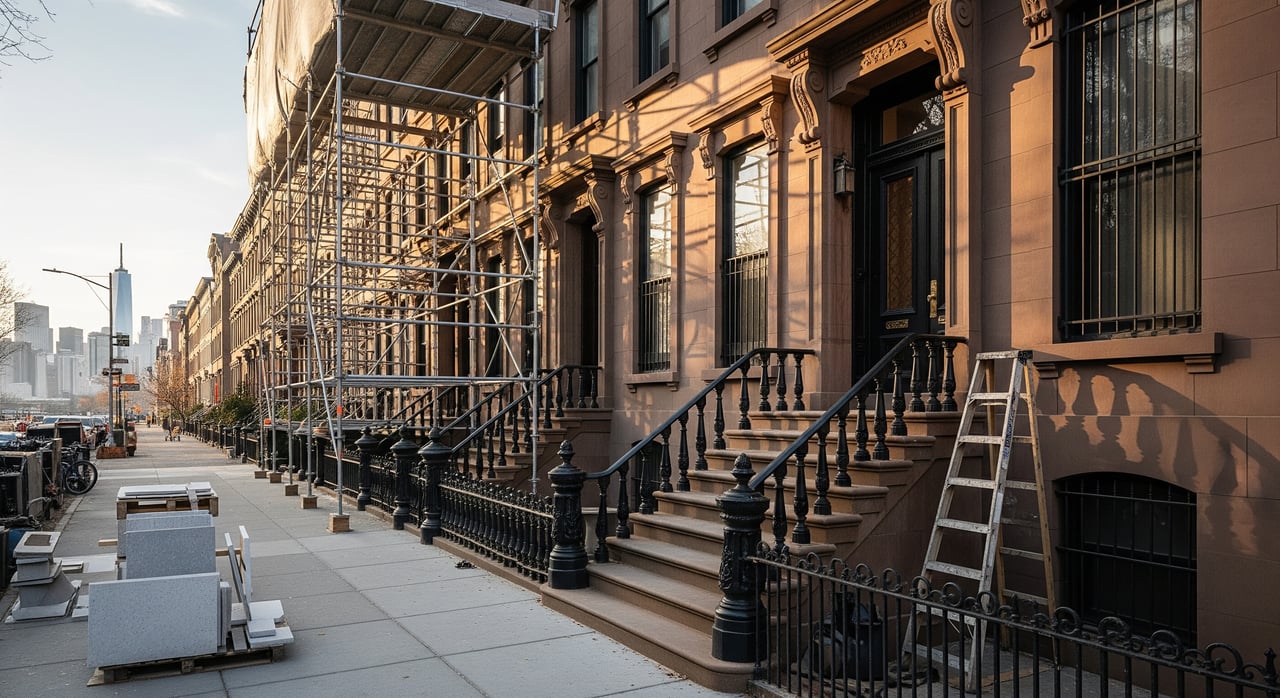
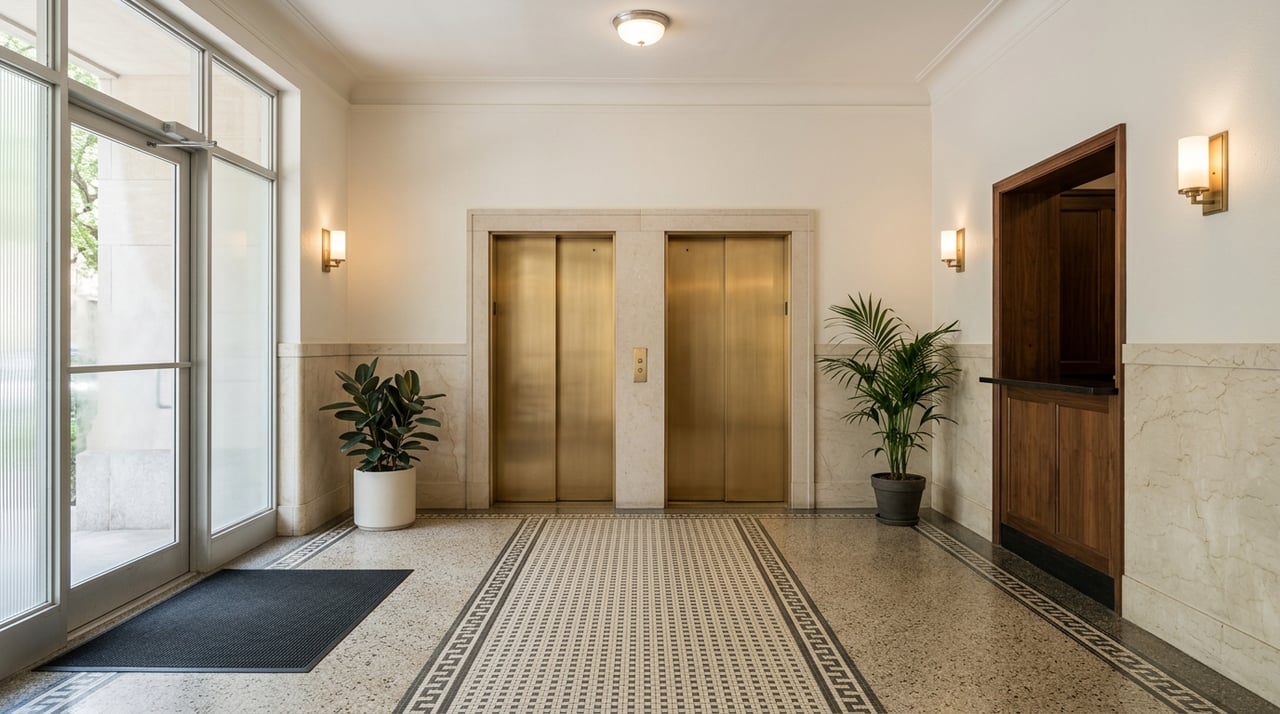
The Attorney General specifically tells buyers to focus on the facade, roof, elevators, plumbing, electrical wiring, heating and boiler systems, and other building-wide components. It notes that facade work, roof repairs, elevator repairs, plumbing upgrades, electrical upgrades, and boiler replacements are among the most expensive issues in existing buildings.
Focus on big-ticket building systems
If a building has recently completed major work, that can be a positive sign, depending on how it was funded. If it has not, ask what projects are coming next and whether the reserve fund is ready.
A simple way to think about this is to ask two questions: what has been done, and what is still coming? A co-op with a realistic maintenance plan is often easier to live with than one that keeps postponing necessary work.
Balance charm with future costs
Prewar apartments often offer scale, detail, and layouts that buyers love. But those benefits should be weighed against the likely cost of maintaining older building infrastructure.
That does not mean older buildings are riskier by default. It means you should evaluate them with clear eyes and a practical timeline for future capital needs.
Understand the rules before you fall in love
Every co-op has its own culture on paper, and the paperwork matters. House rules and the proprietary lease shape what you can do in the apartment and how the building operates day to day.
According to the Attorney General, the bylaws, proprietary lease, certificate of incorporation, and house rules set important terms such as meetings, board elections, sponsor control, amendments, quorum, and sublet provisions. For a buyer, that translates into a simple question: will this building work for the way you live?
Check sublet and occupancy rules
If you may relocate, keep the apartment as a second home, or hold it for flexibility, sublet rules deserve close review. Some buildings are more restrictive than others, and those restrictions can affect both your future options and resale appeal.
You should also confirm intended occupancy rules and any limits that may affect how the apartment can be used. It is better to know that upfront than after contract.
Ask about renovation policy
Older Manhattan apartments often invite renovation plans, even if the work is modest. But building flexibility varies, and co-op renovation rules can shape both cost and timeline.
HPD states that structural changes such as rerouting pipes or adding a wall require board approval as explained in the proprietary lease. Ask whether the building uses a separate alteration agreement, how strict the process is, and whether your likely scope of work is realistic within that framework.
Judge amenities with a financial lens
Amenities are easy to treat as a bonus, but they are also part of a building’s operating picture. A gym, storage, roof garden, meeting room, or play room may improve daily life and support apartment value, yet someone still pays to maintain them.
CNYC notes that these features can improve resident quality of life and apartment value. As a buyer, the smart question is not just what exists, but how it is funded, how well it is used, and whether it adds meaningful value for your needs.
Look at resale history and marketability
A co-op is not only a home purchase. It is also an asset you may eventually need to sell, refinance, or value accurately.
Fannie Mae’s cooperative appraisal guidance says that for established co-op projects with resale activity, appraisers should use comparable sales from within the subject building when available, along with outside sales. That makes a building’s own recent sales history especially useful.
Ask for recent in-building sales
Recent closed sales in the building can help you judge pricing, marketability, and buyer demand. They may also show whether certain lines or layouts trade more predictably than others.
If there have been very few recent resales, the building may be harder to benchmark. In that case, ask about days on market, repeated price cuts, and any unusual pricing patterns that could affect valuation.
Watch for signs of friction at resale
A long sales timeline does not always signal a problem, but a pattern can matter. If apartments repeatedly linger or trade only after meaningful cuts, it may point to building-specific hurdles.
Those hurdles could include stricter rules, weaker financials, or limited comparable sales. The point is not to reject a building automatically, but to understand how the market tends to respond to it.
Prepare for the board package and interview
For many buyers, the board process is the most intimidating part of a co-op purchase. In reality, it is best viewed as a consistency check on the story your application tells.
CNYC’s admissions guide says most co-op boards require a standard application package and often follow it with one or more interviews. The board should review the package fully, verify information, contact references, keep the process confidential, and make a prompt decision if no further information is needed.
Think of the interview as a final review
The interview usually is not the place for surprises. Boards are generally looking to confirm that your financial qualifications, references, intended occupancy, and understanding of building rules all line up.
That means your package should be accurate, complete, and internally consistent. If the paperwork tells a clear story, the interview often becomes much more manageable.
Know the timing rules changing in NYC
A new NYC co-op admissions law was enacted on January 29, 2026 and takes effect 180 days later. Once effective, co-ops with 10 or more units must maintain written application and transfer requirements, acknowledge receipt of an application within 15 days, and issue a decision within 45 days of a complete application, subject to limited extensions and summer-recess tolling.
For buyers, that should create more structure around the process. It also makes it even more important to submit a complete application from the start.
Build the right due diligence team
Co-op review can go well beyond the apartment itself. The Attorney General notes that technical analysis of a building’s physical condition can be difficult and may warrant help from an attorney and an engineer.
That advice is especially useful on the Upper West Side, where older buildings may have more layered operational and physical questions. The right guidance can help you separate normal prewar complexity from avoidable risk.
A practical Upper West Side co-op checklist
If you want a simple framework, focus on these areas before moving forward:
- Recent financial statements
- Prior year board minutes
- Offering plan and governing documents
- Underlying mortgage status and refinancing risk
- Reserve fund strength
- History of special assessments
- Condition of facade, roof, elevators, plumbing, wiring, and boiler systems
- Sublet, occupancy, and alteration rules
- Amenities and how they are funded
- Recent in-building sales and resale patterns
- Board package expectations and interview readiness
A good co-op is rarely defined by one perfect metric. More often, it is a building where the numbers, the rules, the physical condition, and the resale story all make sense together.
If you are evaluating an Upper West Side co-op and want a measured, discreet second opinion, Daniel Kramp offers buyer guidance built around clarity, diligence, and a high-touch process.
FAQs
What does buying a co-op on the Upper West Side mean?
- In New York, buying a co-op means purchasing shares in a corporation and receiving a proprietary lease for the apartment, rather than owning the unit directly as real property.
What financial documents should you review for an Upper West Side co-op?
- You should review the offering plan, the most recent financial statements, board minutes from the prior year, current governing documents, and the annual report that discloses interested-party transactions.
Why are board minutes important when evaluating a Manhattan co-op?
- Board minutes can reveal recurring repairs, building disputes, capital project discussions, violations, and other issues that may not be obvious from the listing or apartment tour.
What building systems matter most in an older Upper West Side co-op?
- Key systems include the facade, roof, elevators, plumbing, electrical wiring, heating equipment, and boiler systems because these are often among the most expensive items to repair or replace.
How do renovation rules affect an Upper West Side co-op purchase?
- Renovation rules can affect your budget, timeline, and design options because structural changes such as rerouting pipes or adding walls may require board approval under the proprietary lease.
What should you expect from a New York City co-op board application?
- Most boards require a standard application package and may follow it with an interview that focuses on financial qualifications, references, intended occupancy, and your understanding of building rules.