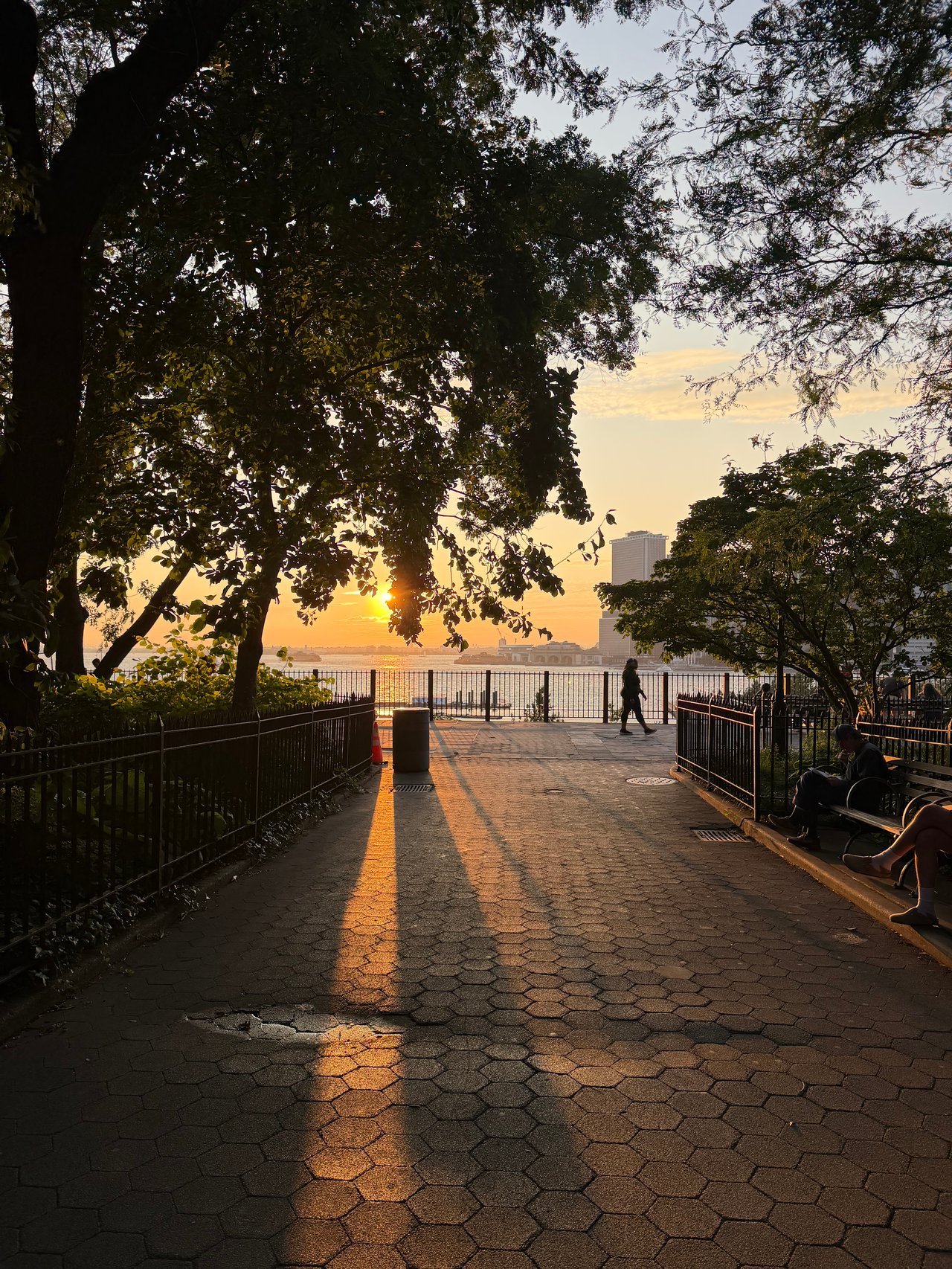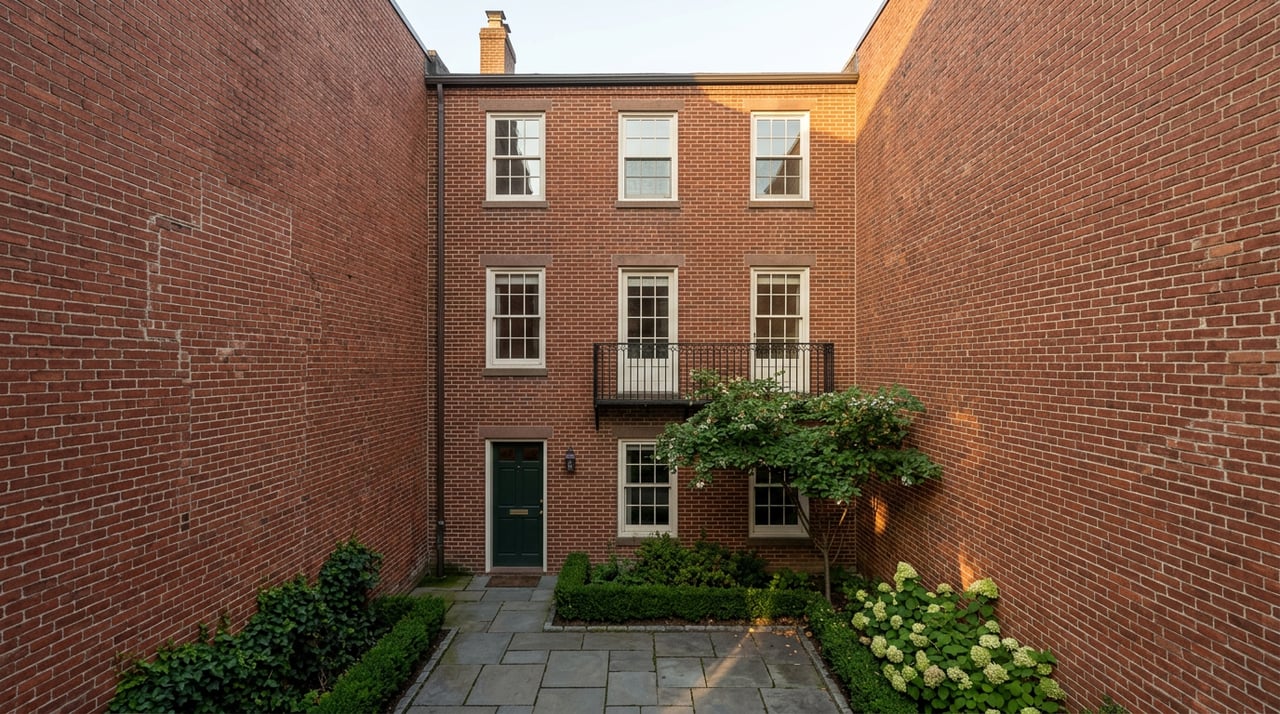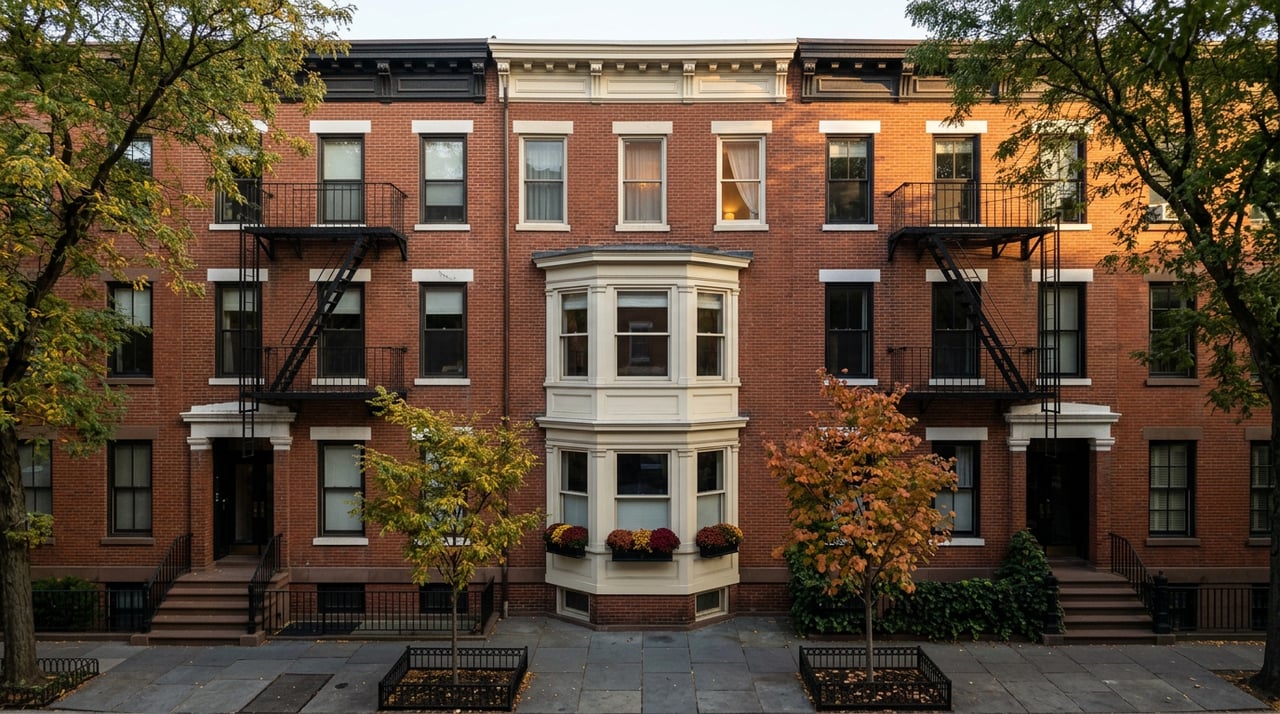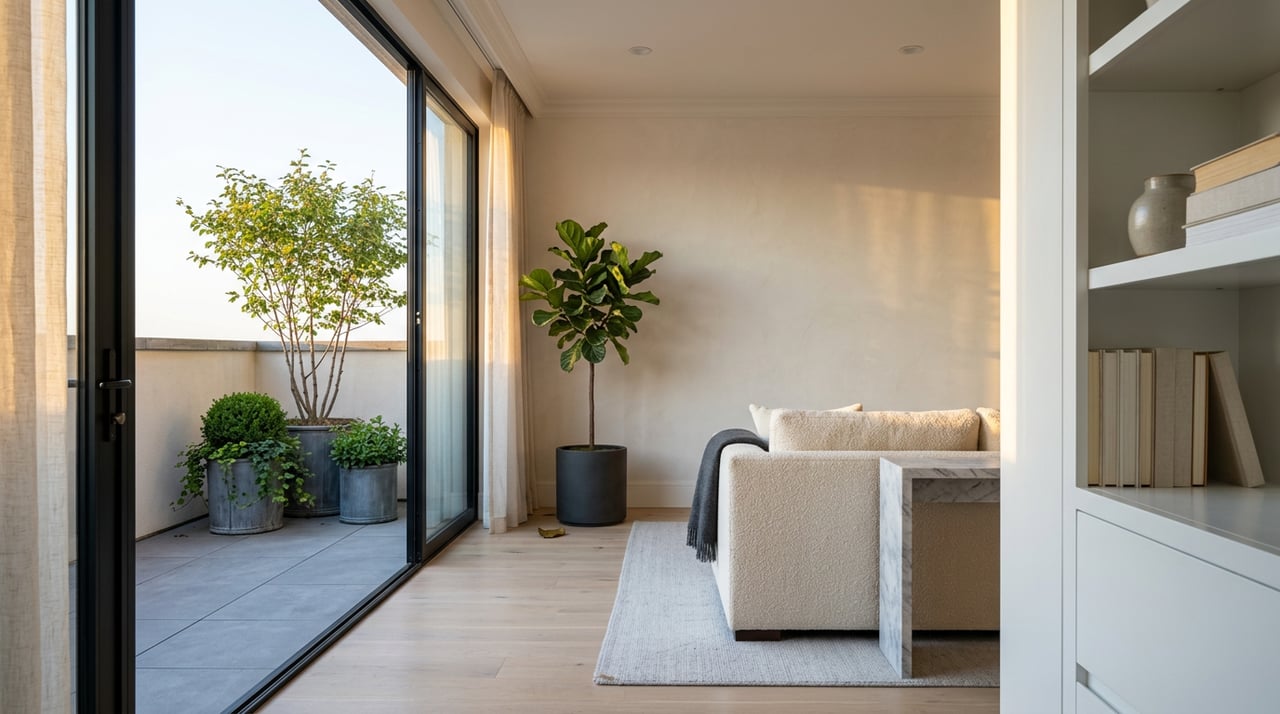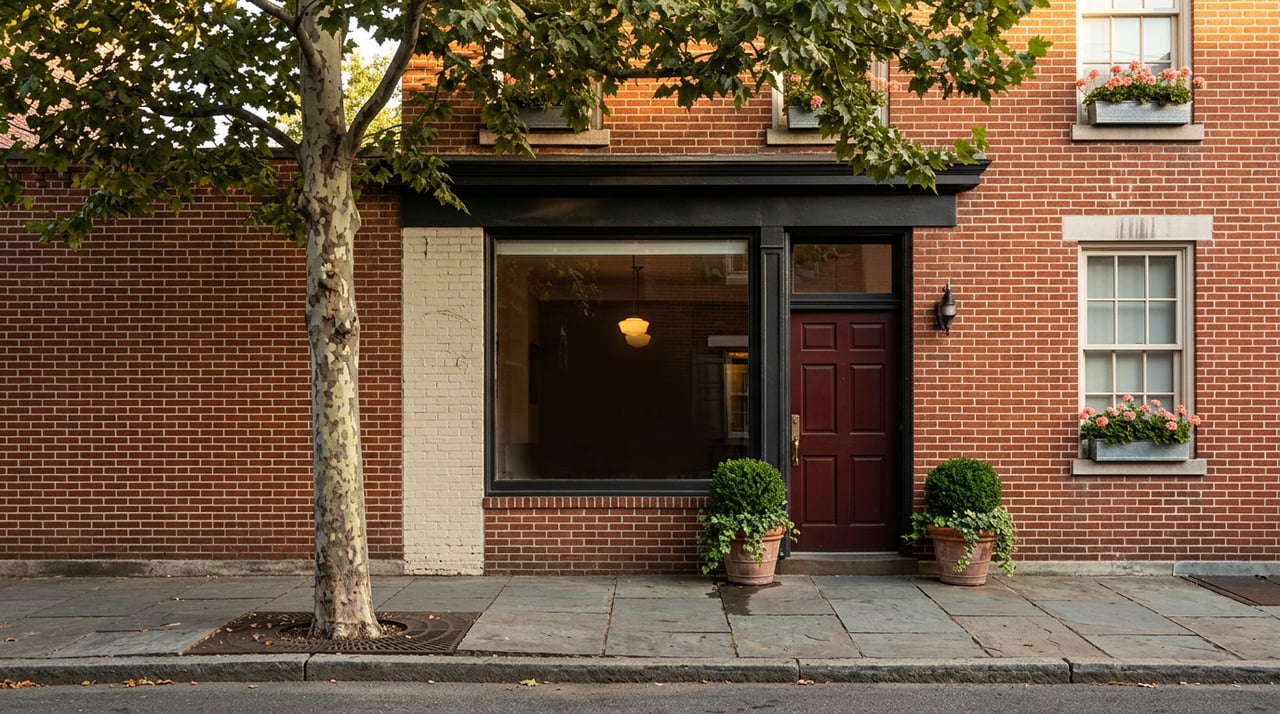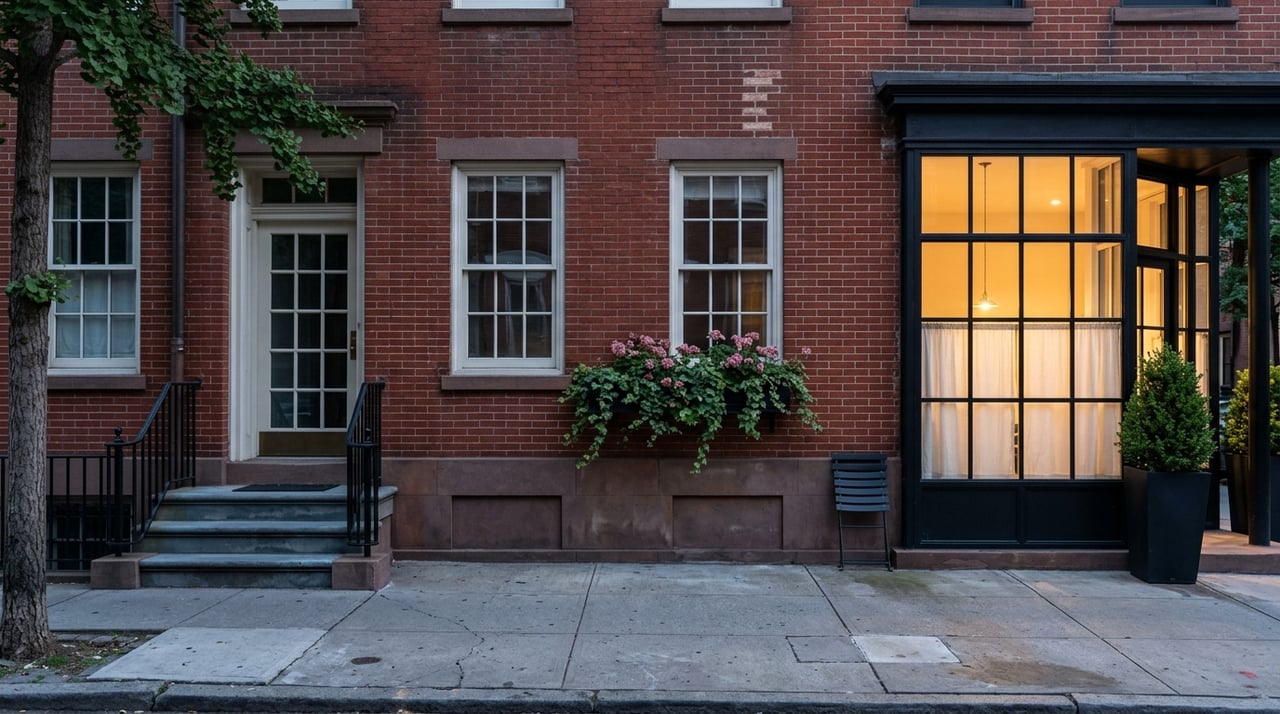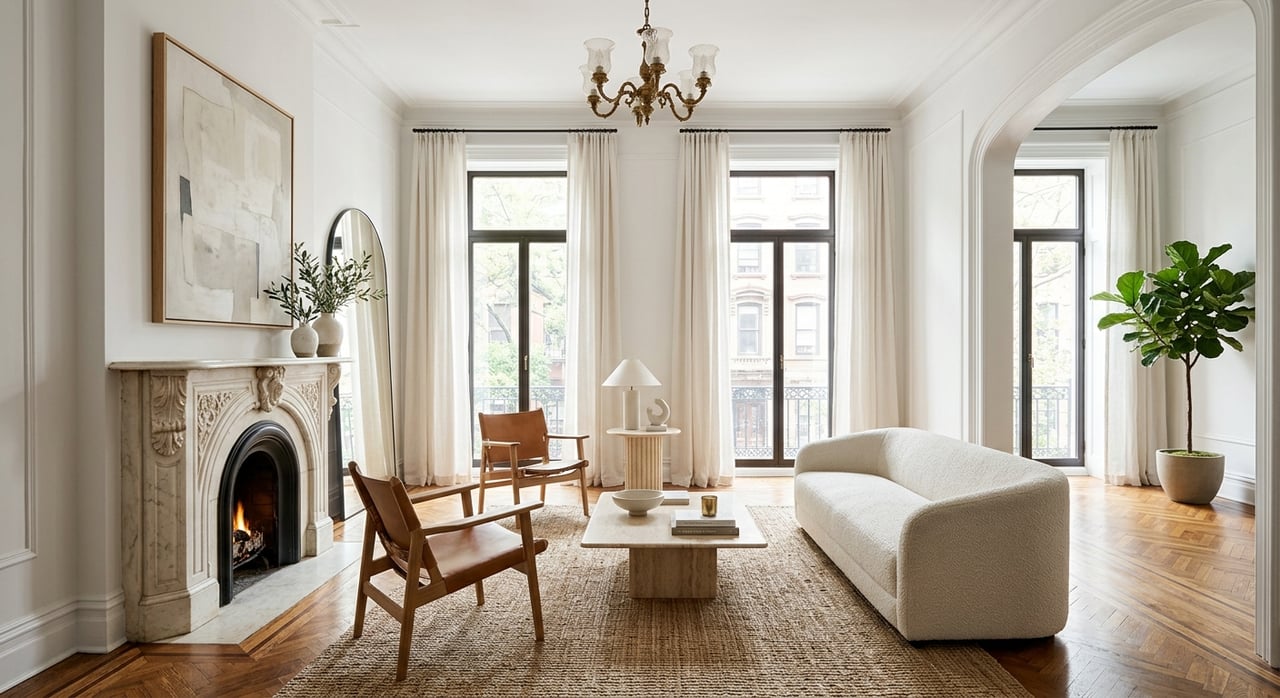
If you picture Greenwich Village as one seamless neighborhood, you may miss what actually matters most when you buy here: the street. In the Village, the feel of your daily life can shift dramatically from one block to the next, from formal park-facing rows to tucked-away mews and busier mixed-use corridors. If you are trying to choose the right street, this guide will help you compare the block types, open-space access, and architectural character that shape the experience. Let’s dive in.
Why street choice matters here
Greenwich Village is unusually block-by-block in its character. The Landmarks Preservation Commission describes an east side shaped by Washington Square and the vista of Fifth Avenue, while the west side is known for smaller streets and unexpected changes in direction.
That distinction matters because you are not just choosing a neighborhood label. You are choosing a specific rhythm, scale, and setting that may feel very different a few blocks away.
The neighborhood also carries significant historic protection. The Greenwich Village Historic District was designated on April 29, 1969, and it included more than 2,000 buildings across 65 blocks, making it the largest district designated at the time and still the largest historic district in New York City.
Start with your ideal street feel
A smart way to narrow your search is to begin with the kind of street experience you want every day. In Greenwich Village, that usually means deciding between a more formal edge, a classic residential side street, a tucked-away small lane, or a busier corridor with more activity.
Choose Fifth Avenue for formality
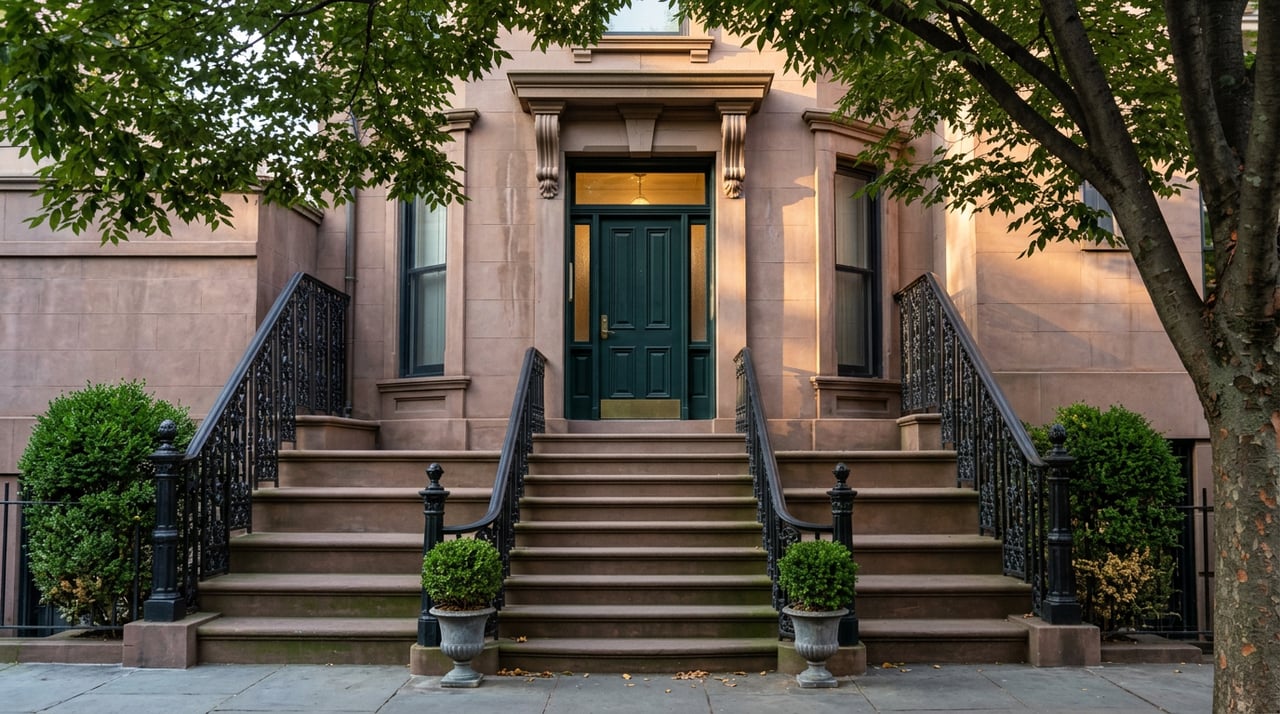
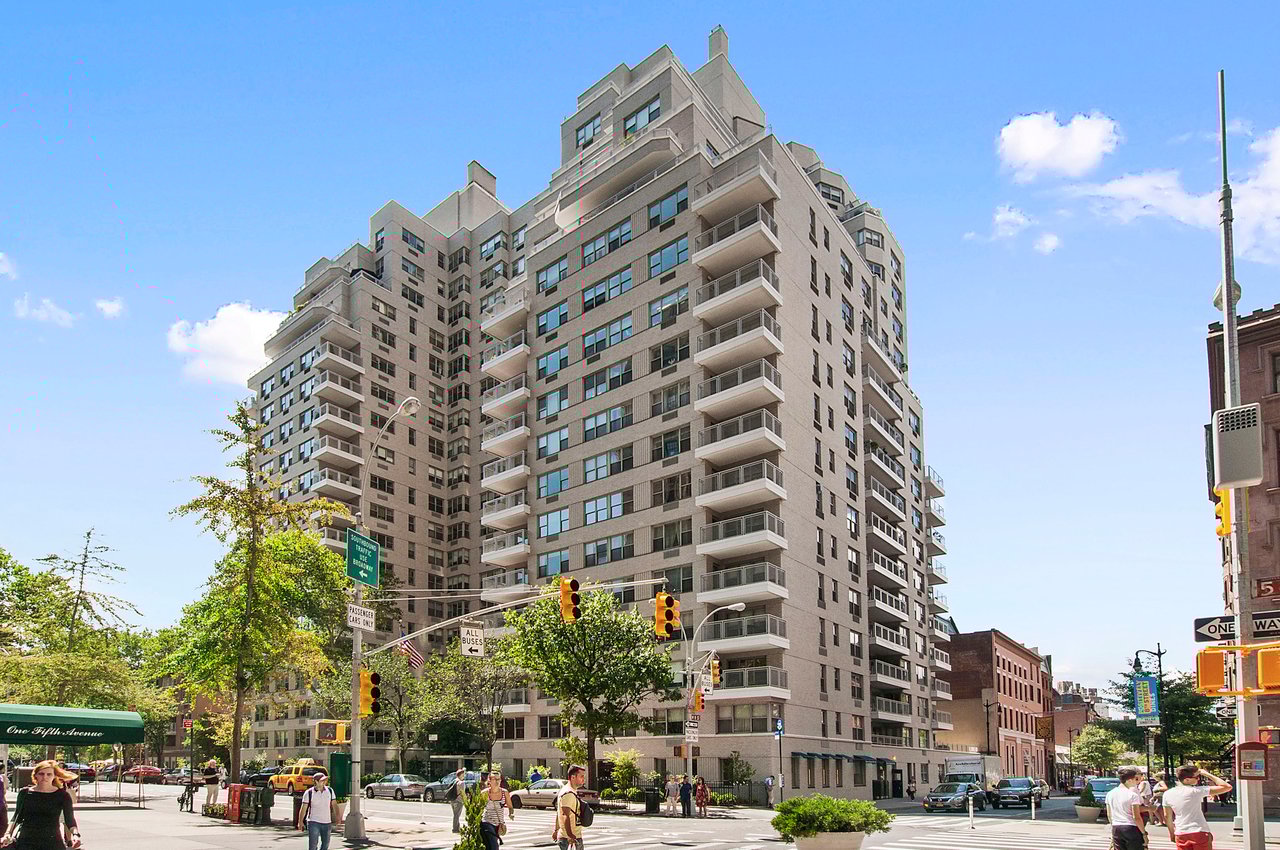
Lower Fifth Avenue and Washington Square North tend to offer the most formal setting in the neighborhood. The preservation record describes Washington Square North for its long row of Greek Revival houses, while the avenue edge includes later apartment houses and former grand townhouses, including taller luxury buildings added in the early 20th century.
If you want a more prominent address and a broader street presence, this part of the Village often aligns best. It also offers one of the strongest connections to Washington Square as a visual and civic anchor.
Choose side streets for classic Village character
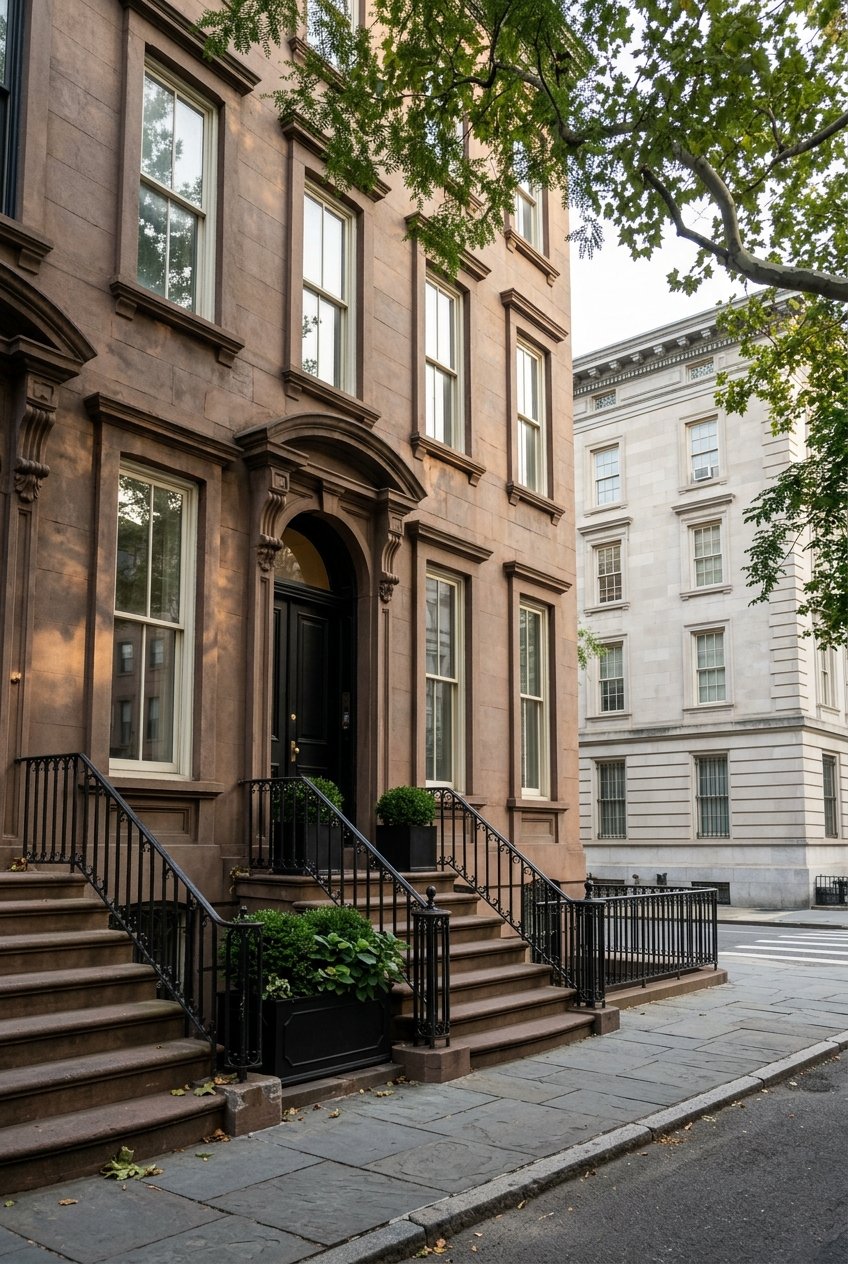
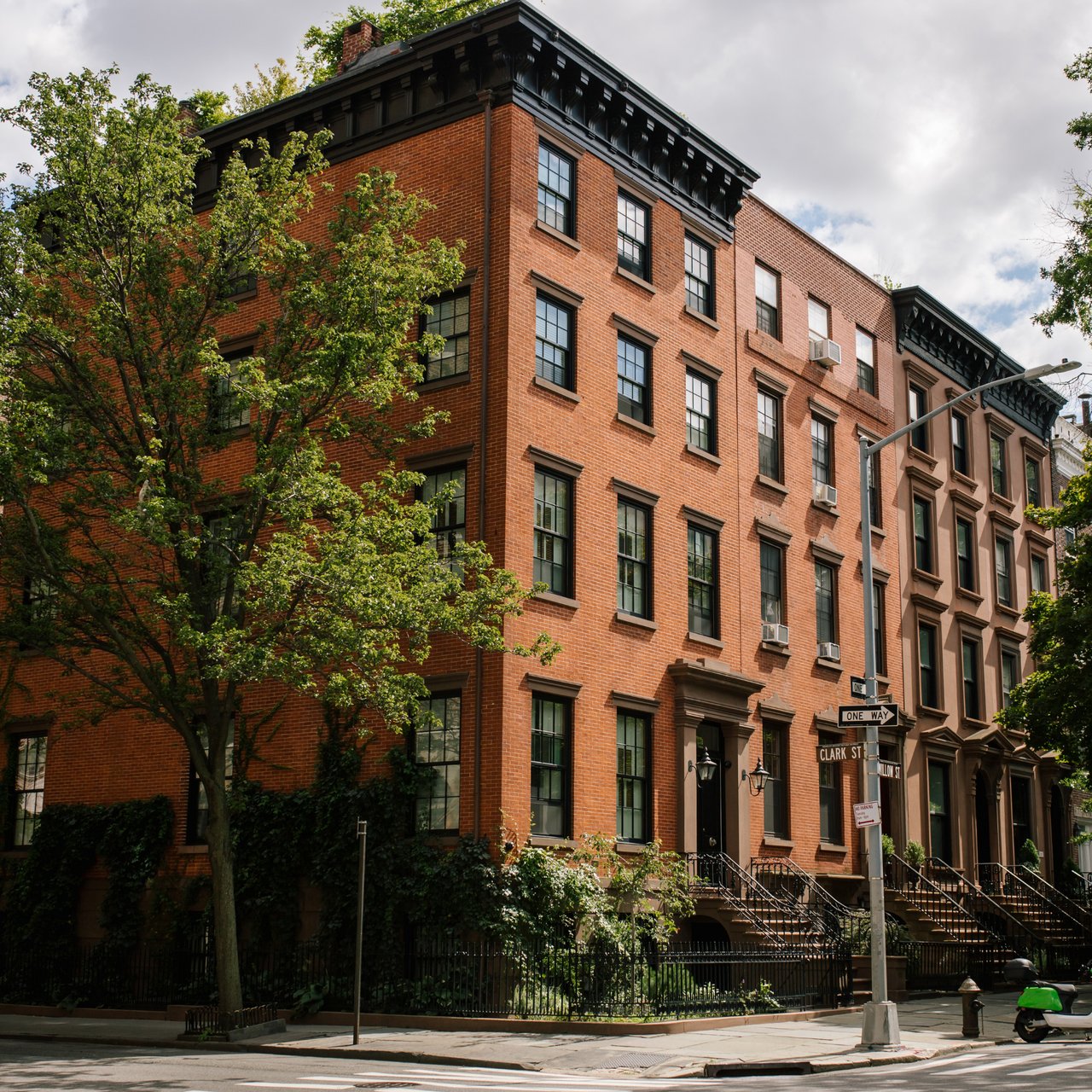
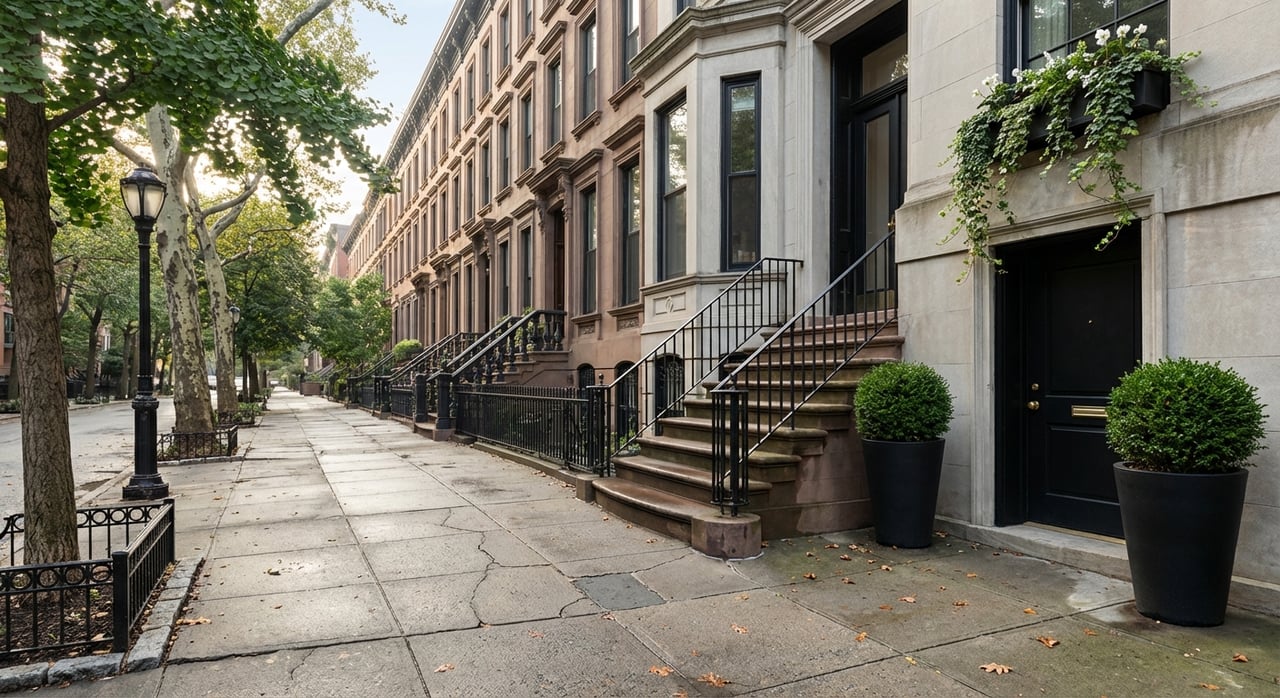
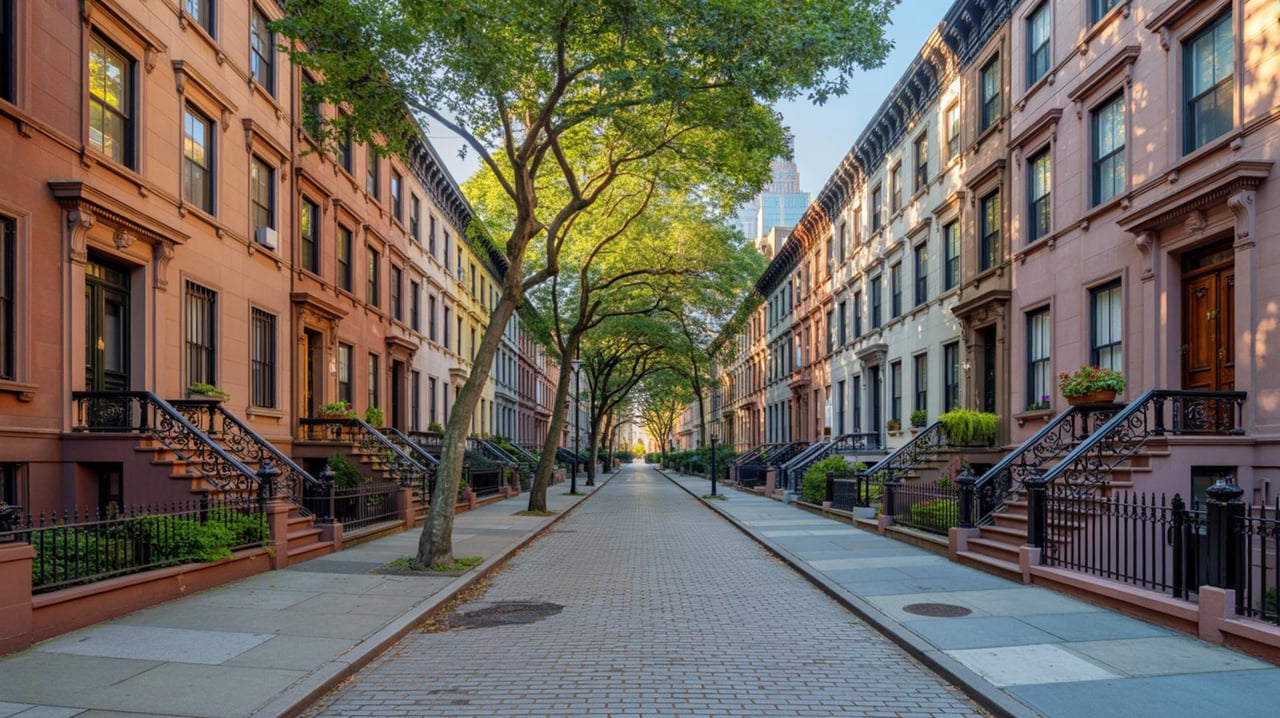
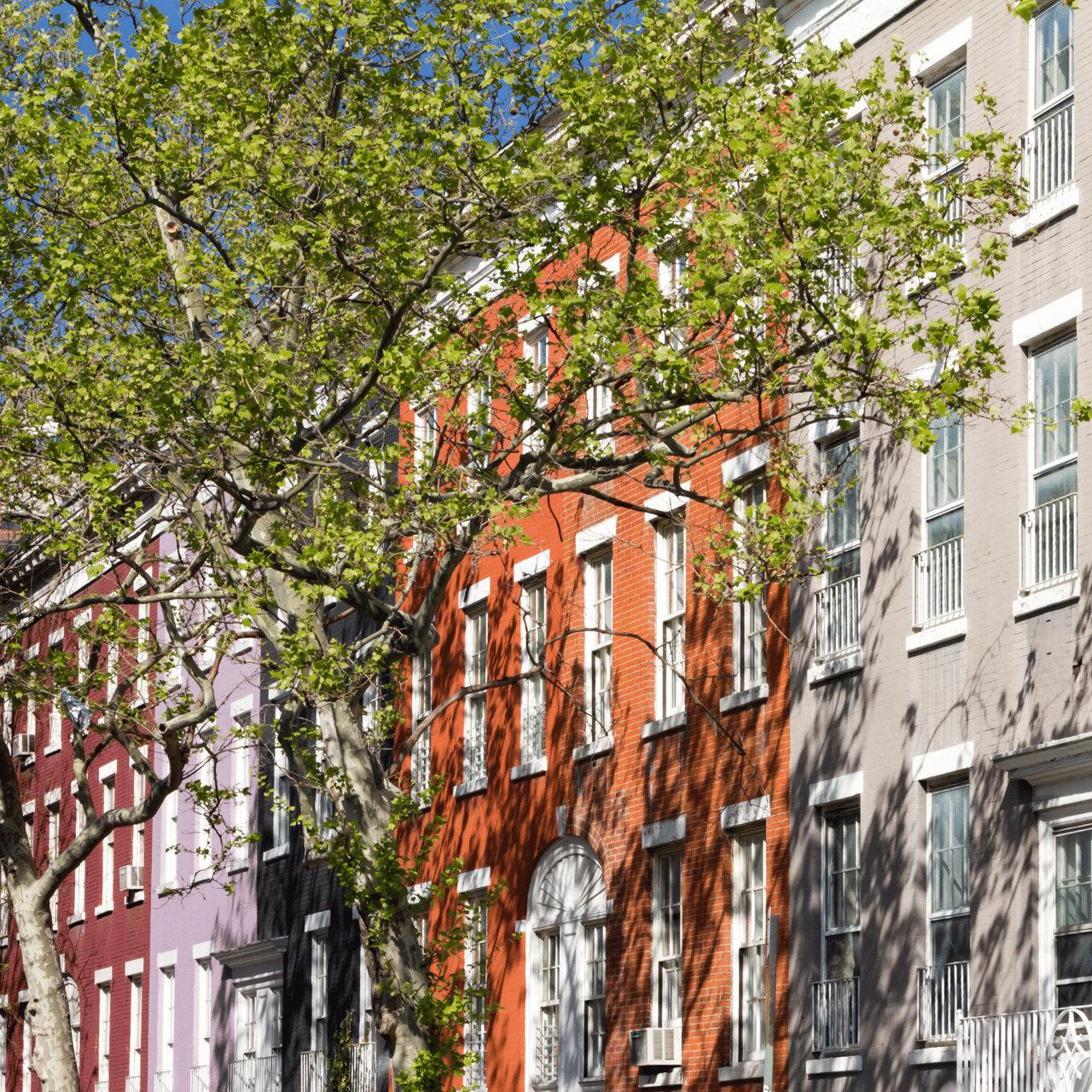
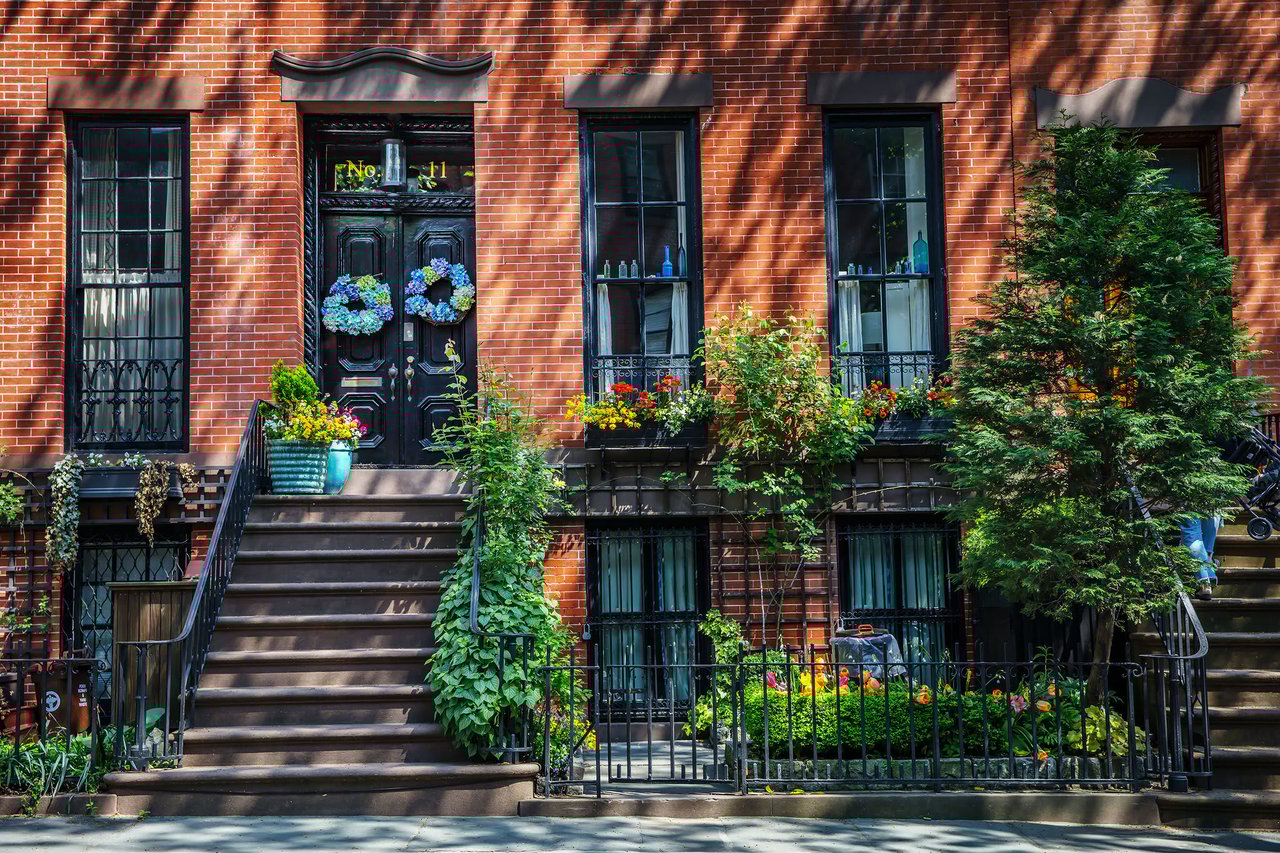
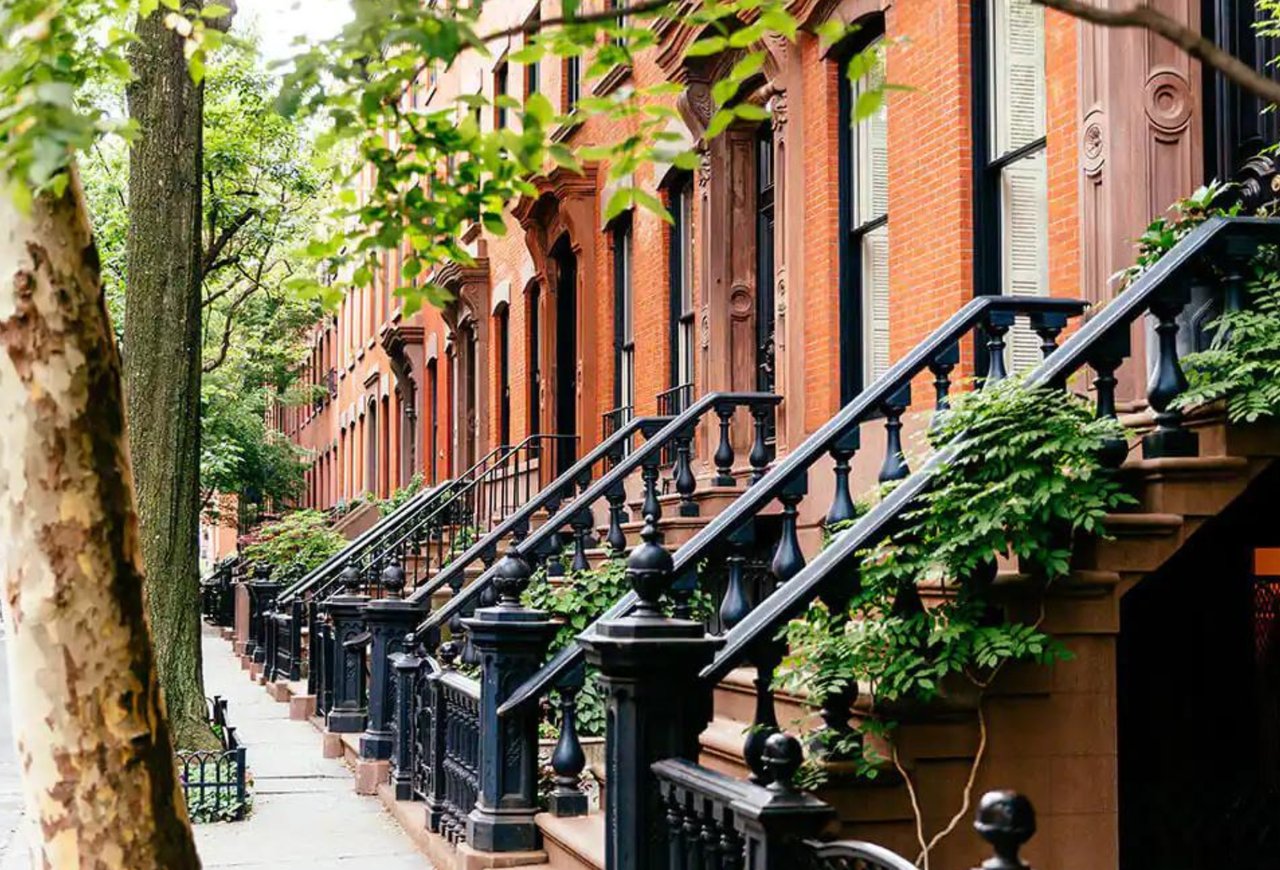
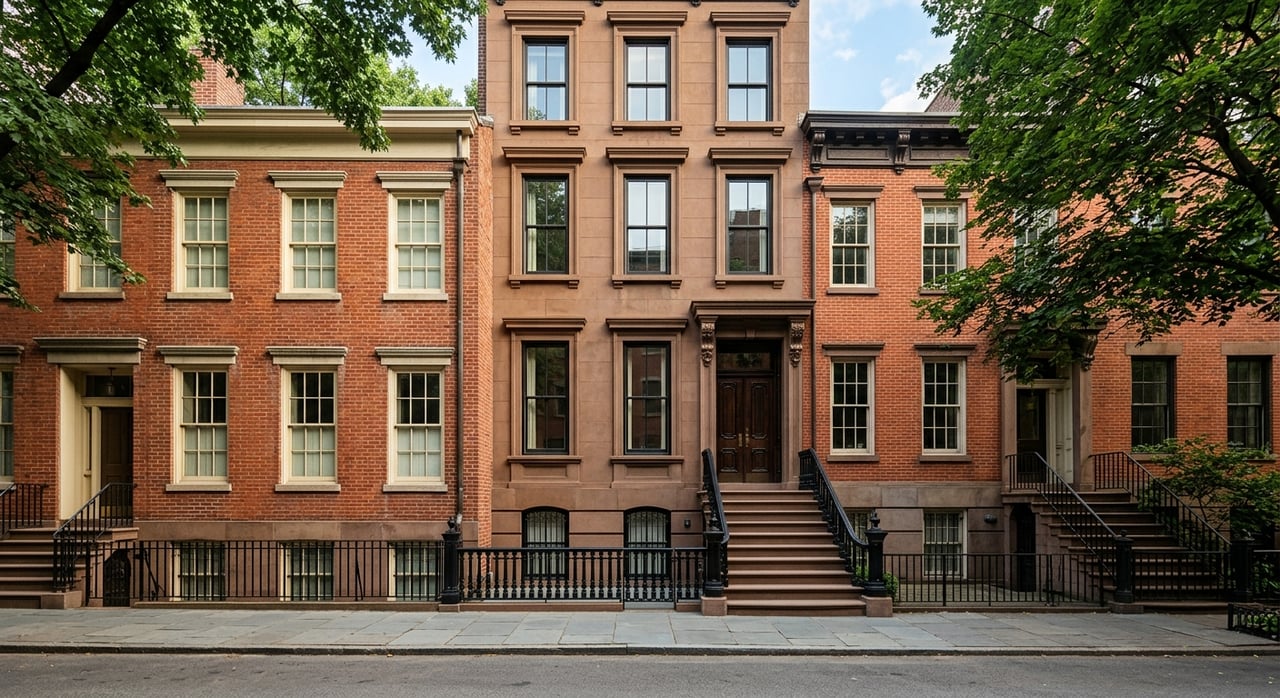
Interior streets west and south of Washington Square often feel more enclosed and residential. Streets such as West 10th, West 11th, West 12th, Bank, Grove, Perry, Charles, and Jane are closely tied to the tree-lined, human-scaled character the Landmarks Preservation Commission highlights throughout the district.
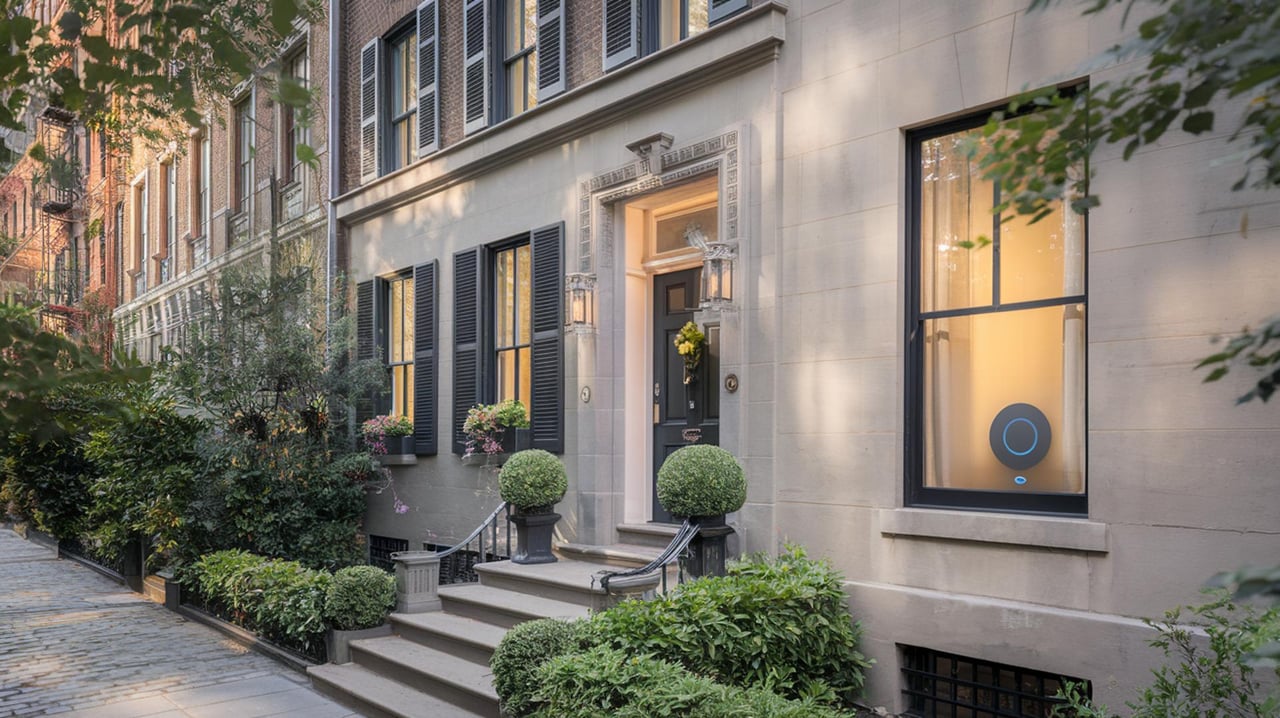
If you are drawn to classic rows, more shade, and a quieter block experience, these streets often deliver the most recognizable Village feel. They also tend to showcase the neighborhood’s architectural texture in a more intimate way.
Choose mews and alleys for intimacy
Some of the most memorable blocks in Greenwich Village are also the smallest. Washington Mews, MacDougal Alley, and Gay Street stand out for their tucked-away scale and preserved historic charm.
The designation report describes these areas as containing diminutive houses, including former stables converted for residential use, while Gay Street includes Federal row houses on one side and Greek Revival houses on the other. Washington Mews is also described as a private street.
If your priority is intimacy and a hidden-away atmosphere, these streets may be the best match. The tradeoff is that this kind of charm often comes with less of the broad, open presence some buyers want.
Choose busier corridors for energy
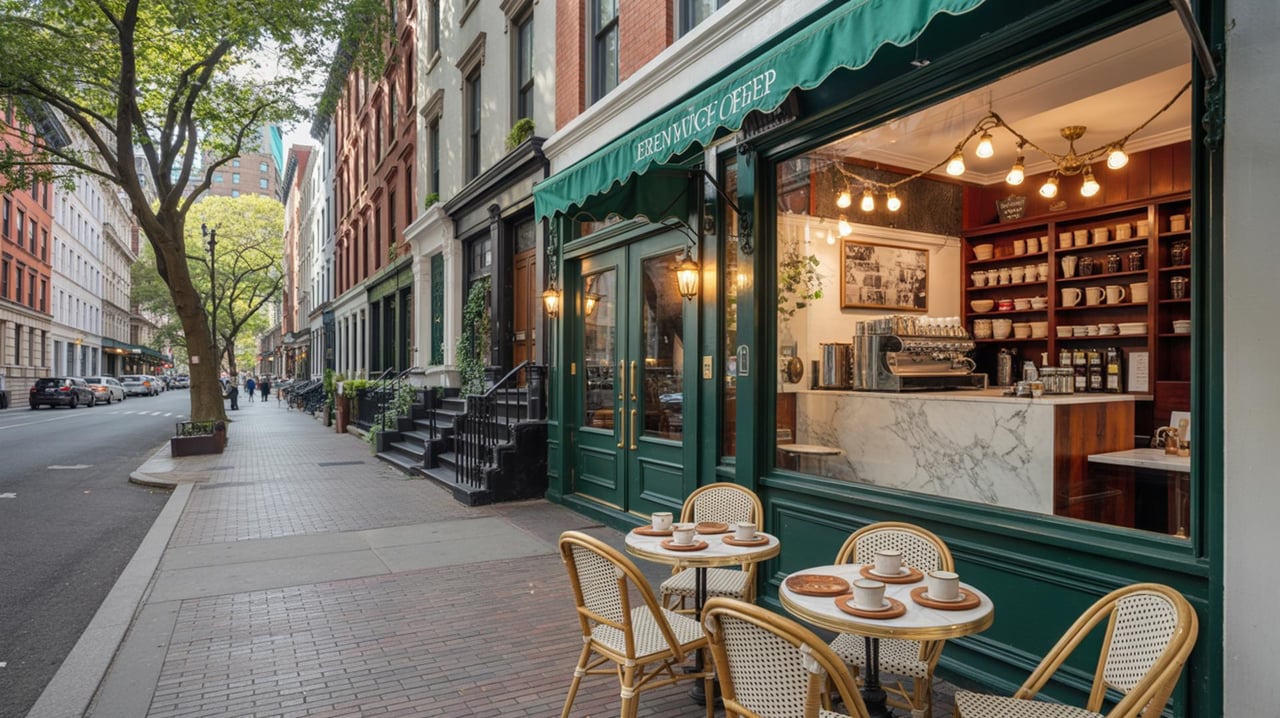
Not every buyer wants a quiet side street. MacDougal Street, West 8th Street, Astor Place, and nearby blocks tend to feel busier and more mixed-use.
The preservation record notes that MacDougal Street transitions toward stores, varied building heights, and a stronger commercial character near West 8th Street. City documentation also describes Astor Place as a nexus of a vibrant artistic community and a tech office corridor.
If you want quicker access to restaurants, transit, and street activity, these corridors may suit you better than the quieter interior blocks. The daily pace is simply different.
Parks shape the block experience
In Greenwich Village, open space is not just a nice extra. It changes how a street feels, how much activity it sees, and what kind of rhythm you can expect throughout the day.
Washington Square brings a civic core
Washington Square Park is the neighborhood’s main open-space anchor. City documentation describes it as a 9.75-acre public park, and restoration work has included an accessible plaza, restored fountain, expanded lawns, planting beds, an enhanced playground, a stage, pétanque courts, a dog run, and a chess plaza.
For nearby streets, that often means more foot traffic and a stronger sense of being near the neighborhood’s civic center. If you like being close to a major public space, that can be a real advantage.
Small squares create breathing room
The Village also includes smaller open spaces that influence nearby blocks in quieter ways. The Landmarks Preservation Commission notes triangular and small squares such as Abingdon, Jackson, and Sheridan Squares.
These pockets can make a street feel more open without placing you directly on a major park frontage. That can be helpful if you want a little visual relief while still keeping a more residential setting.
Hudson River Park changes the west side
On the west side of the neighborhood, Hudson River Park can shift your priorities. The park highlights an uninterrupted esplanade, views of Lower Manhattan and New York Harbor, Pier 45 at the foot of Christopher Street, Pier 46 as a tree-lined retreat, the Greenwich Village Upland with public art, dining, and a dog run, and Pier 51 with a playground.
If long walks, river access, and waterfront recreation matter to you, west-side blocks may rise to the top of your list. If your priority is Washington Square proximity, central and eastern blocks may be a stronger fit.
Architecture changes from block to block
One reason buyers care so much about street selection here is that the architecture is not uniform. The Village contains a wide range of building types, and that mix directly affects both the look of the block and the type of home you may find.
Historic house styles create variety
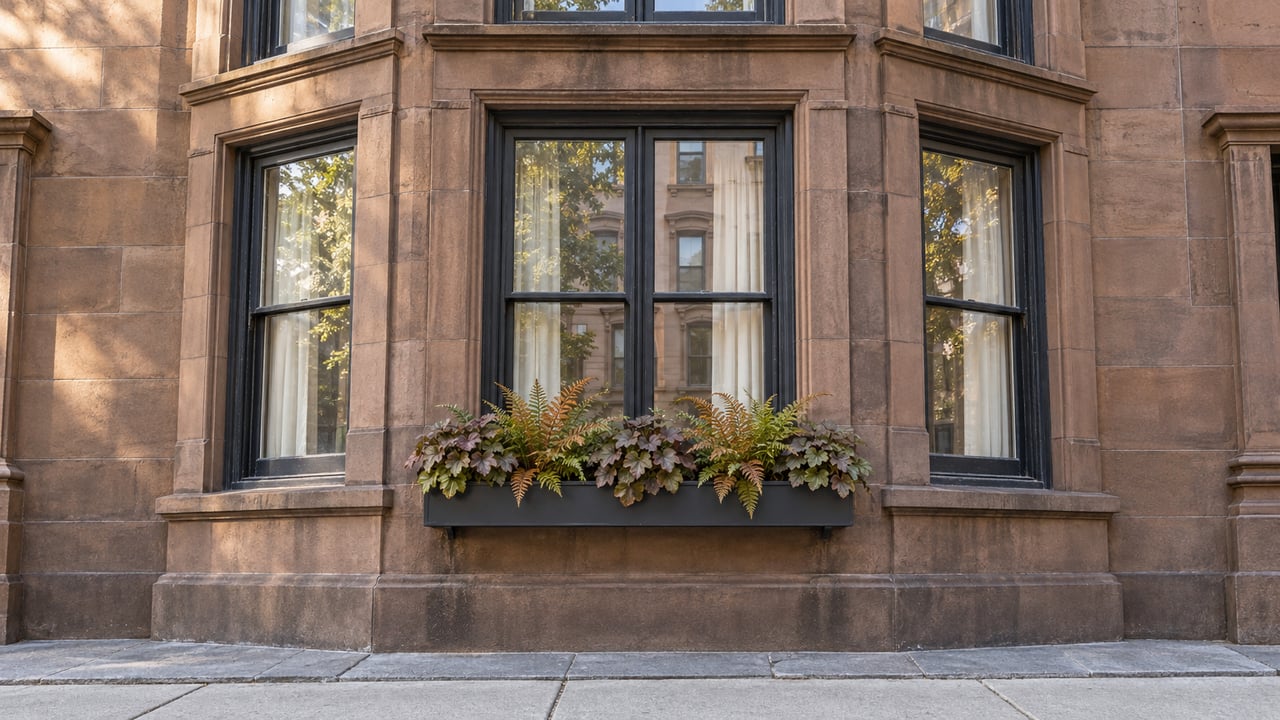
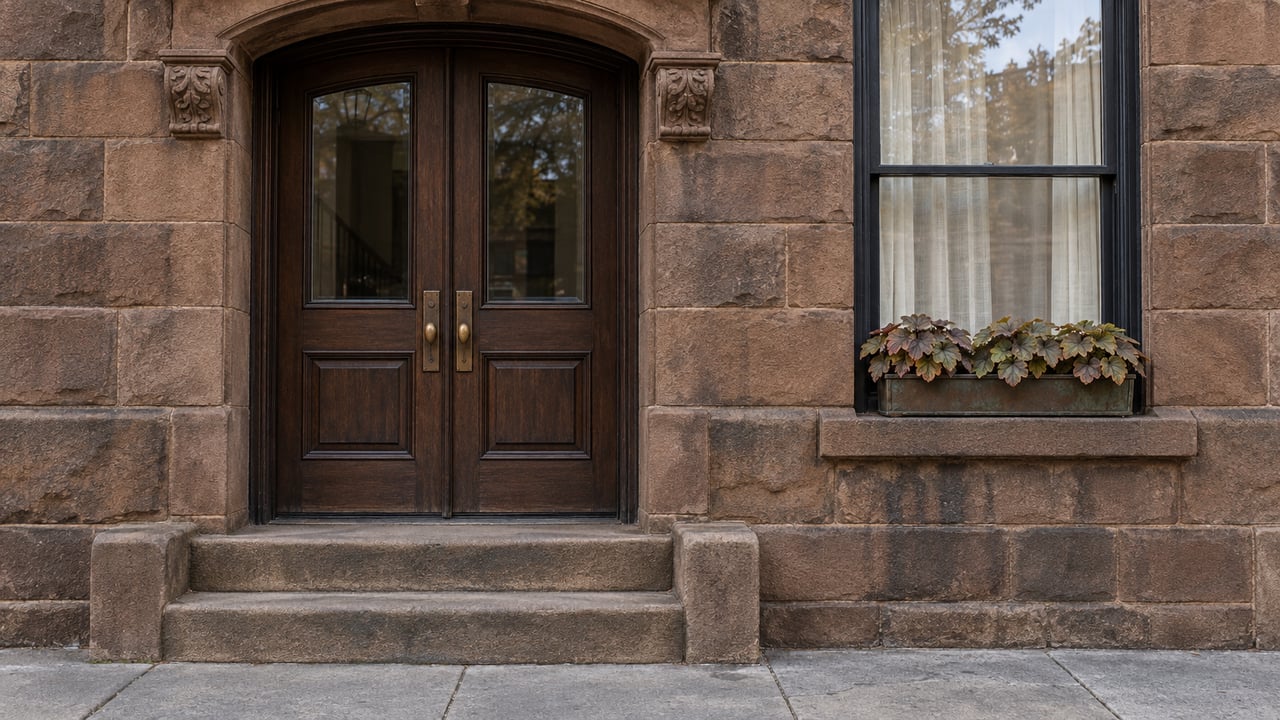
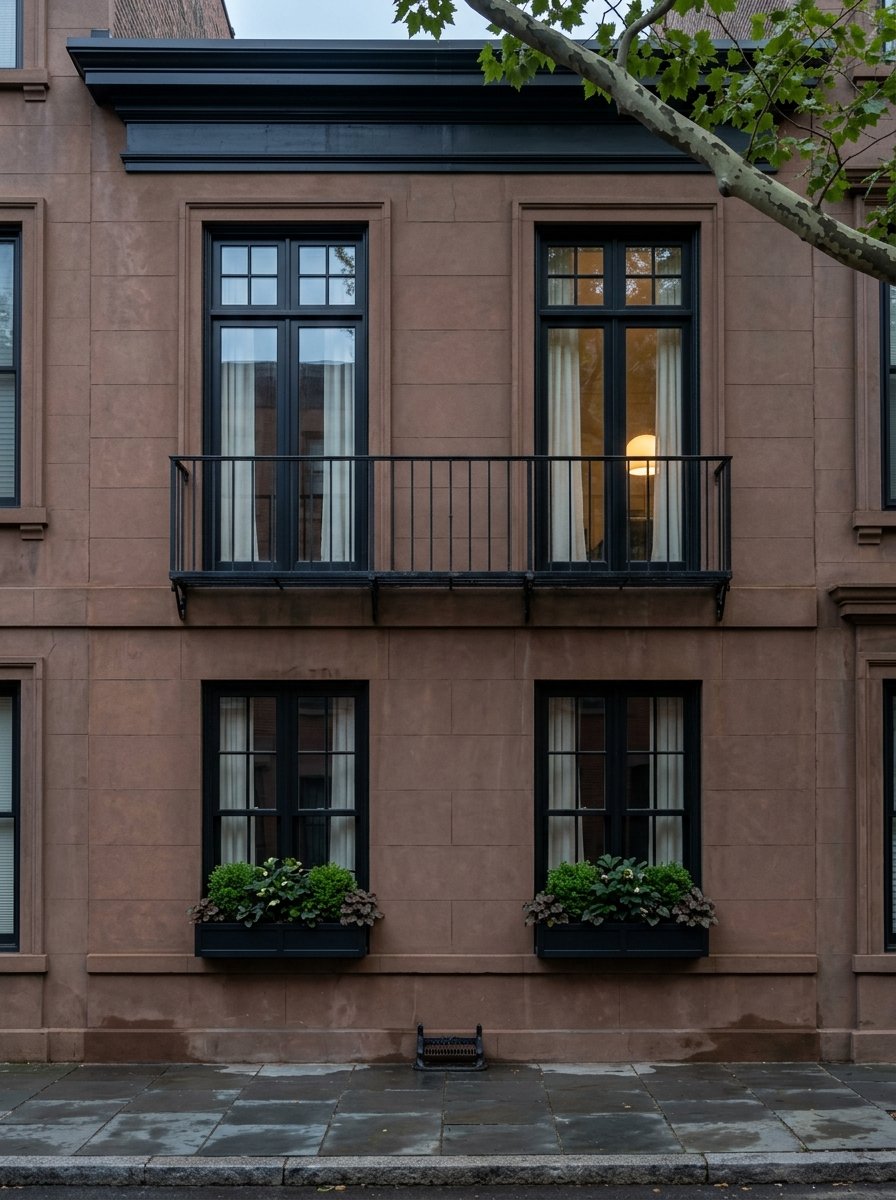
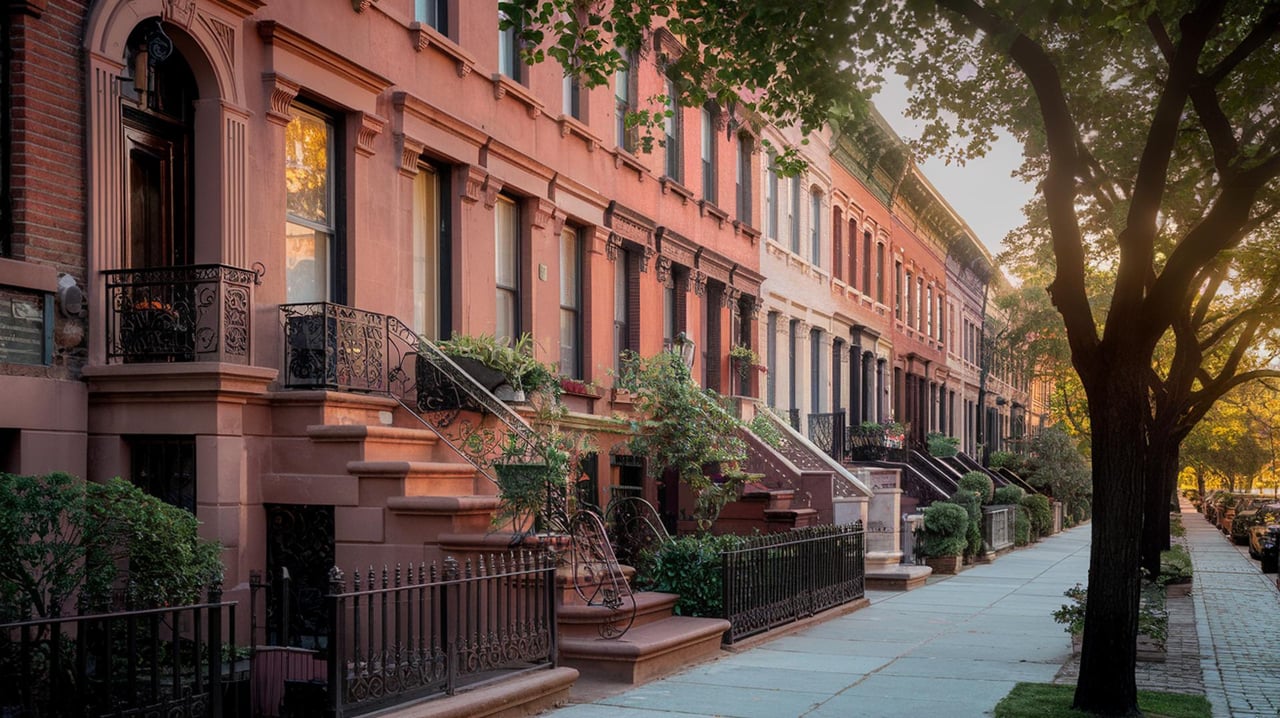
The designation report describes Federal houses with gabled roofs and dormers, Greek Revival houses with taller proportions and rusticated stone basements, and Italianate brownstones with a more romantic 19th-century feel.
That layered architectural mix is a core part of Greenwich Village’s appeal. It also means one street may feel visually restrained while the next feels more ornate or more townhouse-driven.
Building scale affects daily living
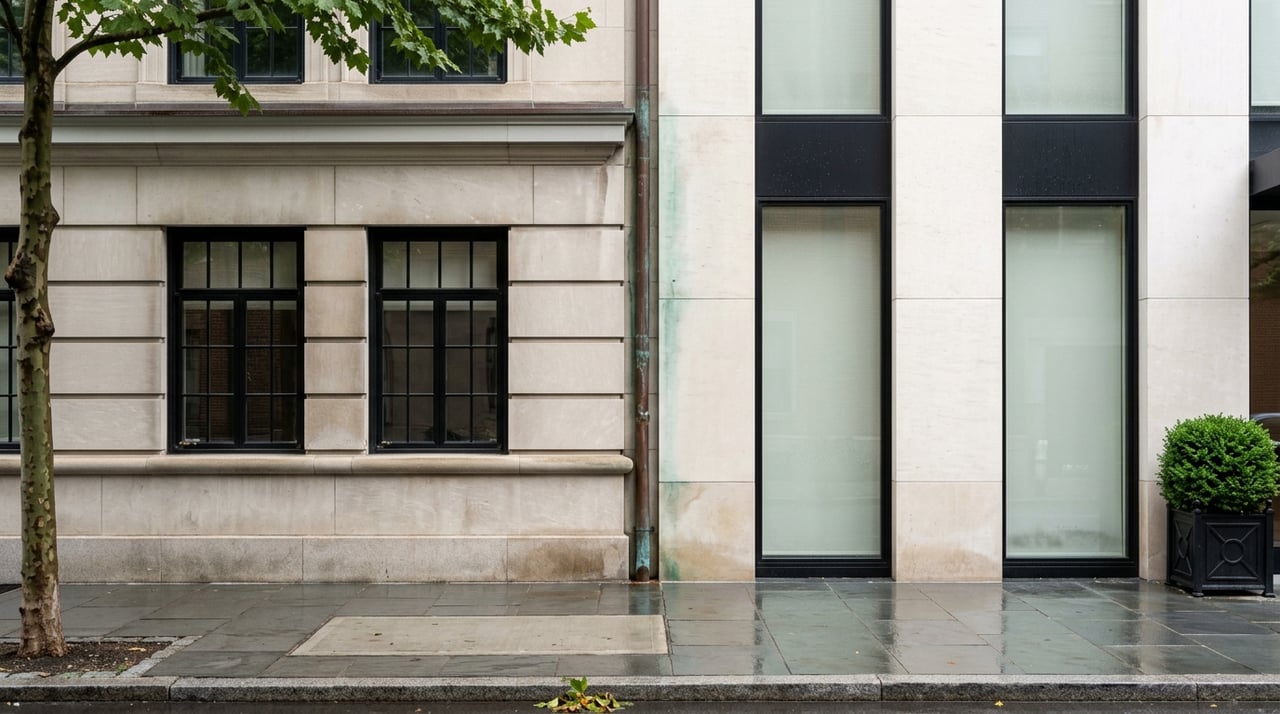
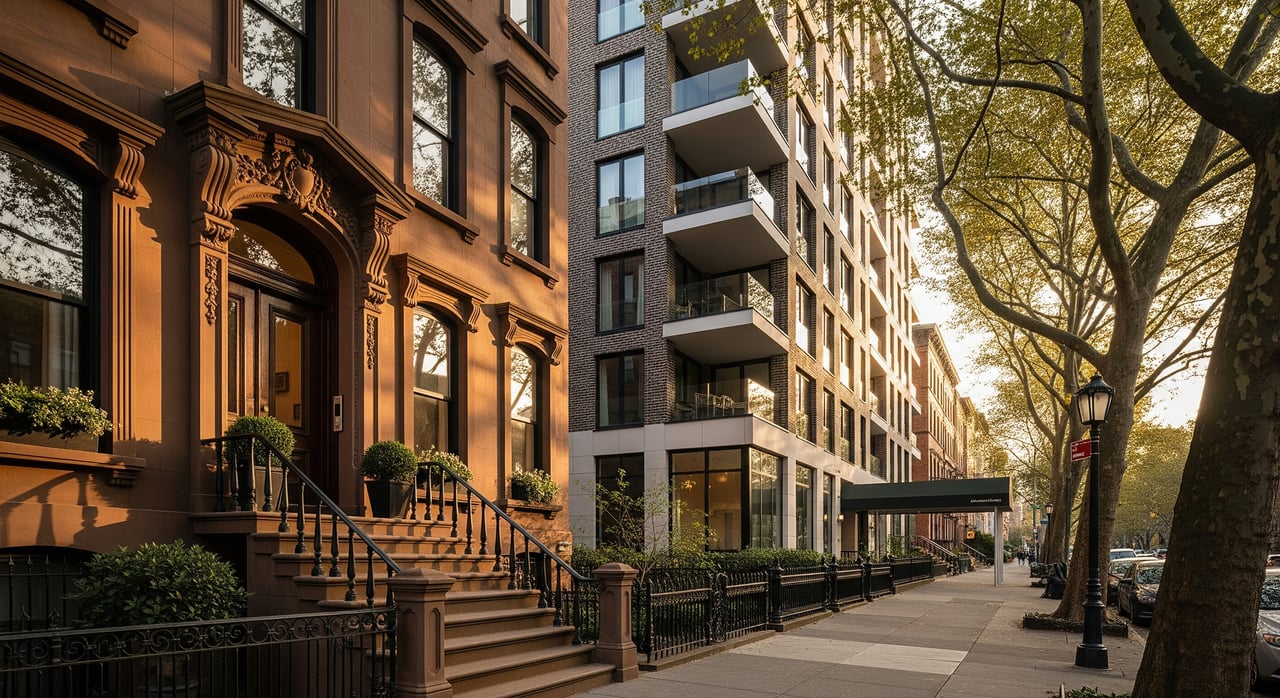
Scale is just as important as style. The historic record notes that Fifth Avenue and certain intersections saw taller apartment houses and luxury buildings added in the early 20th century, while mews, alleys, and narrow side streets preserved much smaller structures.
So when you choose a street, you are often choosing among very different built environments:
- Townhouse-dominant blocks
- Prewar apartment-house corridors
- Very small-scale mews or alley settings
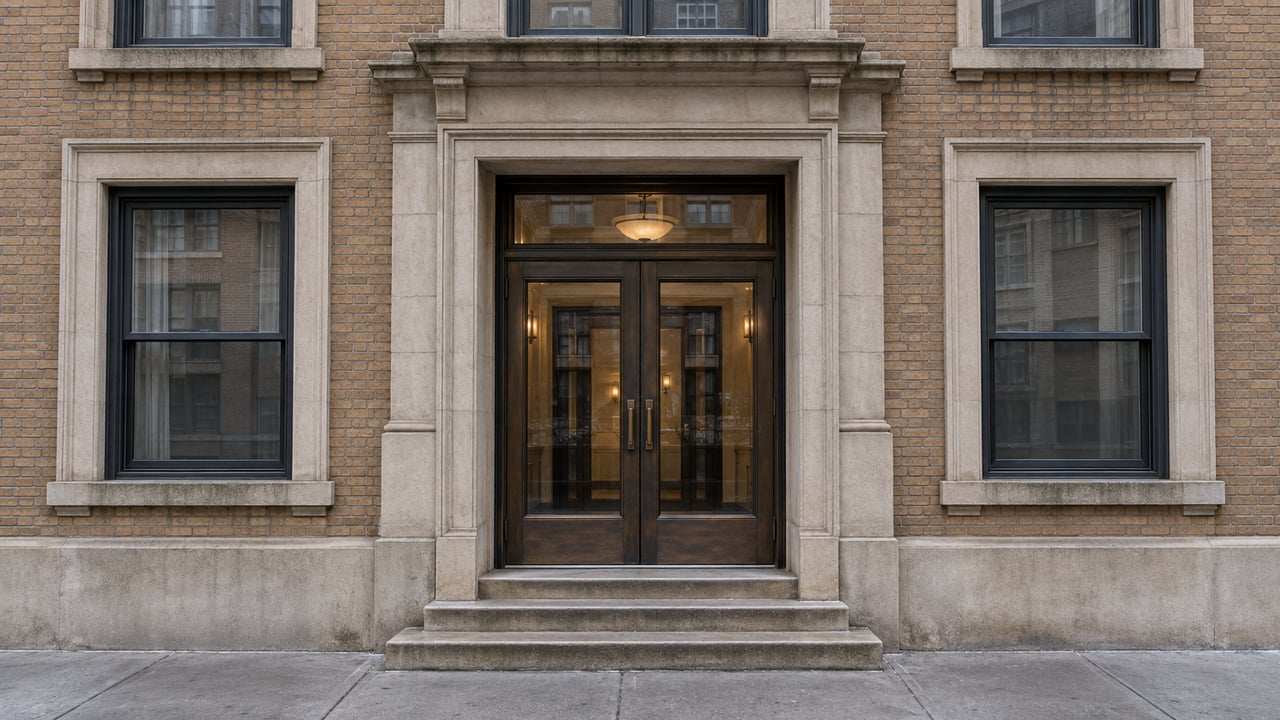
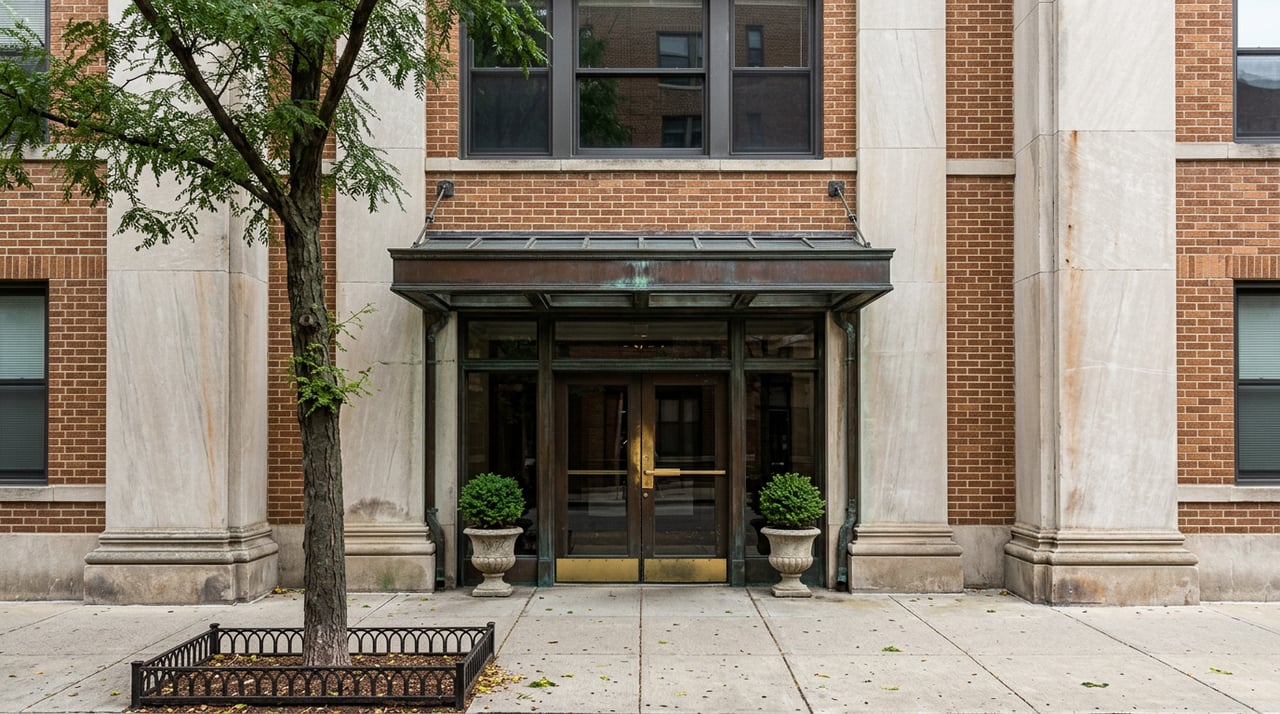
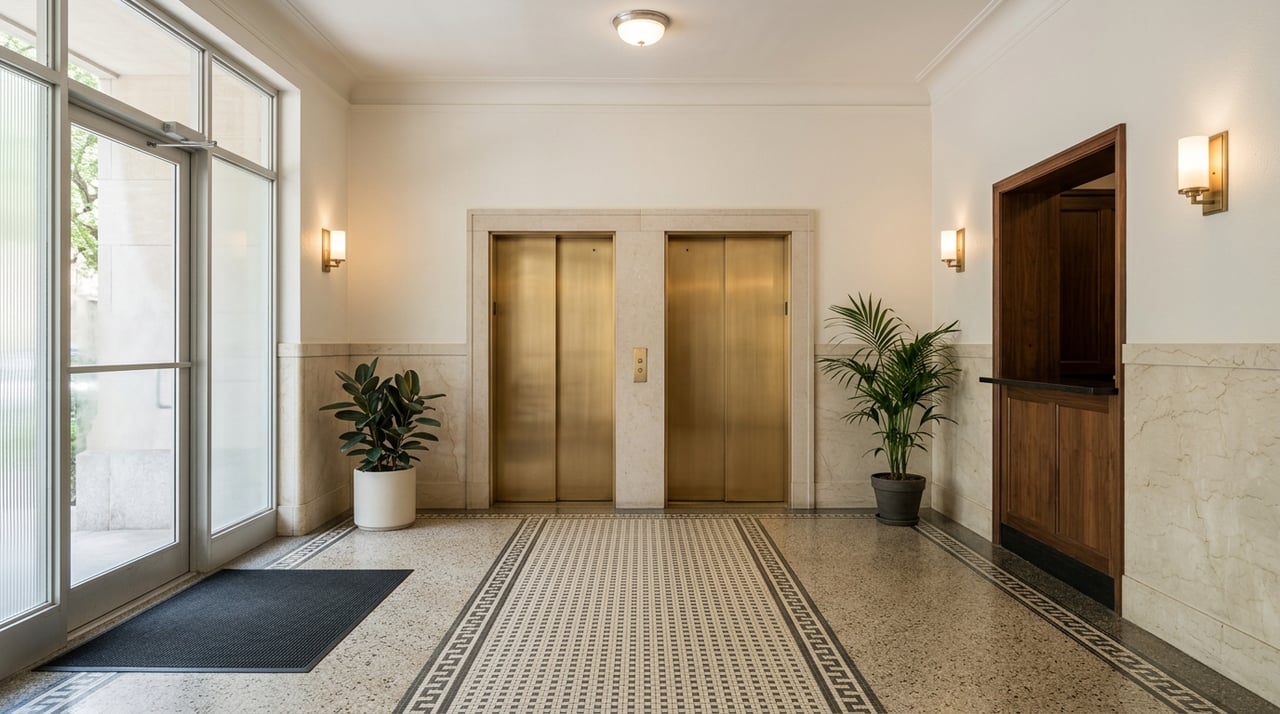
That distinction can shape everything from light and street presence to the kind of entry experience you prefer.
Do not overlook landmark status
In Greenwich Village, historic designation is not a minor detail. If a property is designated as a landmark or sits within a historic district, exterior changes generally require approval from the Landmarks Preservation Commission before work begins.
That does not mean a property is less desirable. It simply means you should understand the review framework before you make plans for exterior work.
Before you make an offer, confirm the exact landmark status of the building. In a neighborhood this historic, that step is part of smart due diligence.
A practical framework for choosing the right street
If you want to simplify your search, use this quick framework:
- Choose lower Fifth Avenue or Washington Square North if you want a formal, address-forward setting and the strongest Washington Square connection.
- Choose West 10th, West 11th, West 12th, or similar side streets if you want tree canopy, classic Village rows, and a quieter residential feel.
- Choose Washington Mews, MacDougal Alley, or Gay Street if you want tucked-away scale and historic charm.
- Choose MacDougal Street, West 8th Street, or Astor Place if you want easier access to dining, transit, and street energy.
- Choose west-side blocks if Hudson River Park access is high on your list.
Walk the block more than once
A listing can tell you the address, but it cannot fully tell you how a street lives. In Greenwich Village especially, the same block can feel different depending on the time of day, sidewalk activity, restaurant spillover, traffic, and park use.
That is why a real block walk matters. If possible, visit more than once so you can compare the pace and atmosphere for yourself.
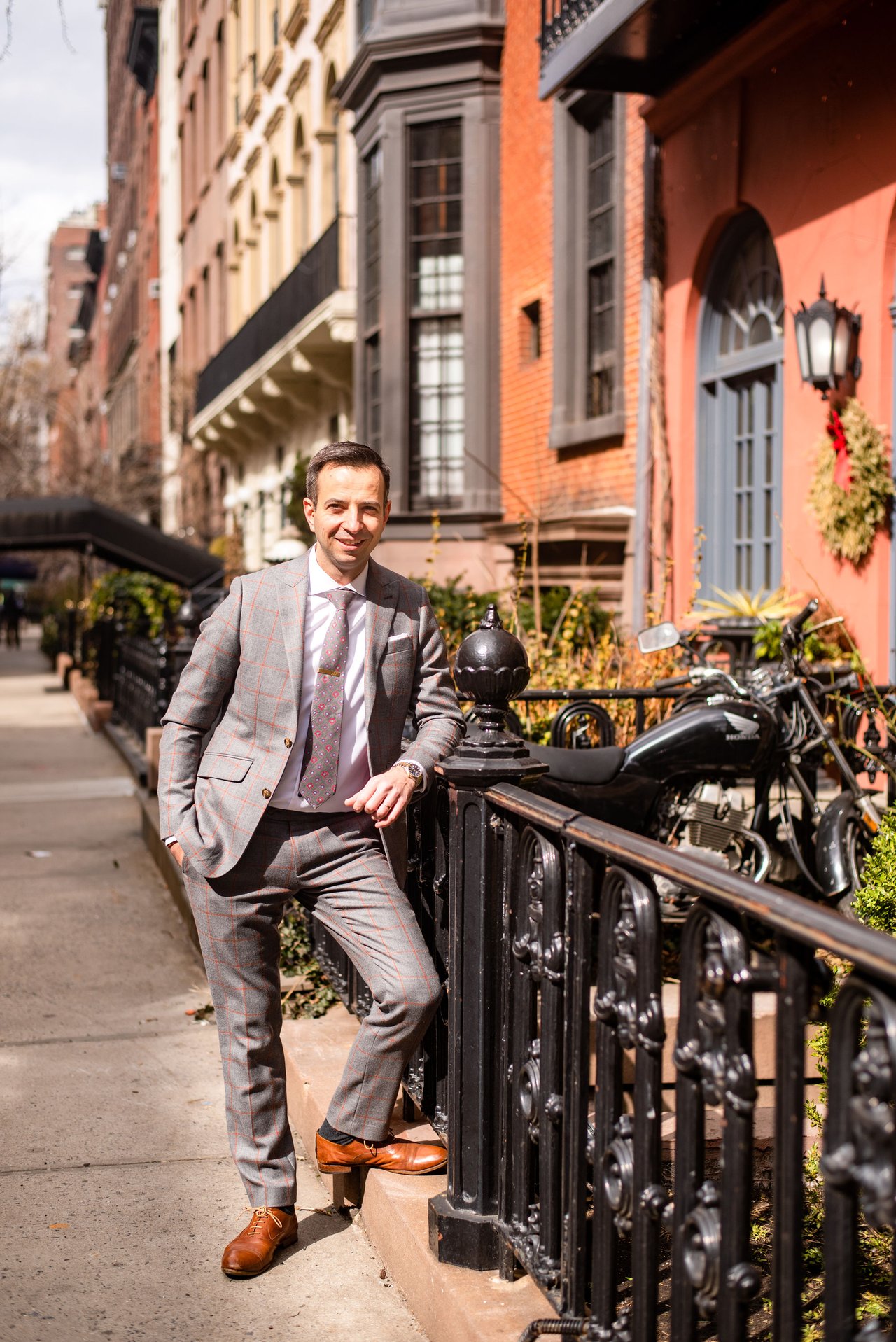
The best Greenwich Village purchase is rarely about picking the most famous street. It is about matching the right block to the way you want to live. If you want a thoughtful, discreet sounding board as you compare streets, building types, and property options in downtown Manhattan, Daniel Kramp can help you approach the search with clarity.
FAQs
How do Greenwich Village streets differ from block to block?
- Greenwich Village varies significantly by block, with formal park-facing stretches, quieter tree-lined side streets, small mews and alleys, and busier mixed-use corridors all within the same neighborhood.
Which Greenwich Village streets feel the most residential?
- Interior side streets such as West 10th, West 11th, West 12th, Bank, Grove, Perry, Charles, and Jane generally offer a more enclosed, tree-lined, human-scaled residential feel.
Which Greenwich Village streets feel busiest?
- MacDougal Street, West 8th Street, Astor Place, and nearby blocks tend to feel busier due to stores, mixed-use buildings, and stronger restaurant, transit, and street-activity access.
What is special about Greenwich Village mews and alleys?
- Streets like Washington Mews, MacDougal Alley, and Gay Street stand out for their small scale, preserved historic character, and tucked-away atmosphere.
Why does landmark status matter in Greenwich Village?
- If a property is individually landmarked or located within a historic district, exterior changes generally require Landmarks Preservation Commission approval before work begins.
How should you tour a Greenwich Village street before buying?
- Visit the same block at more than one time of day so you can compare traffic, sidewalk activity, restaurant spillover, park use, and the overall pace of the street.