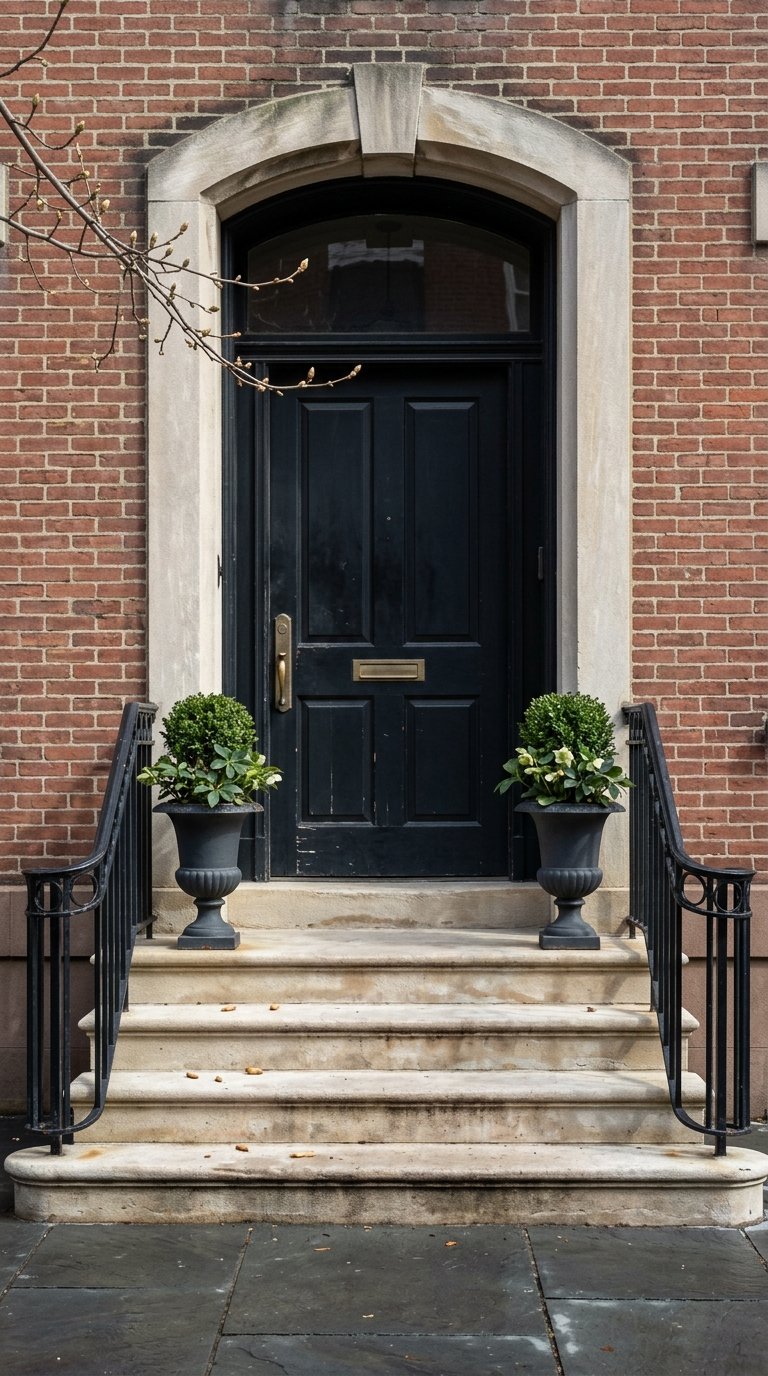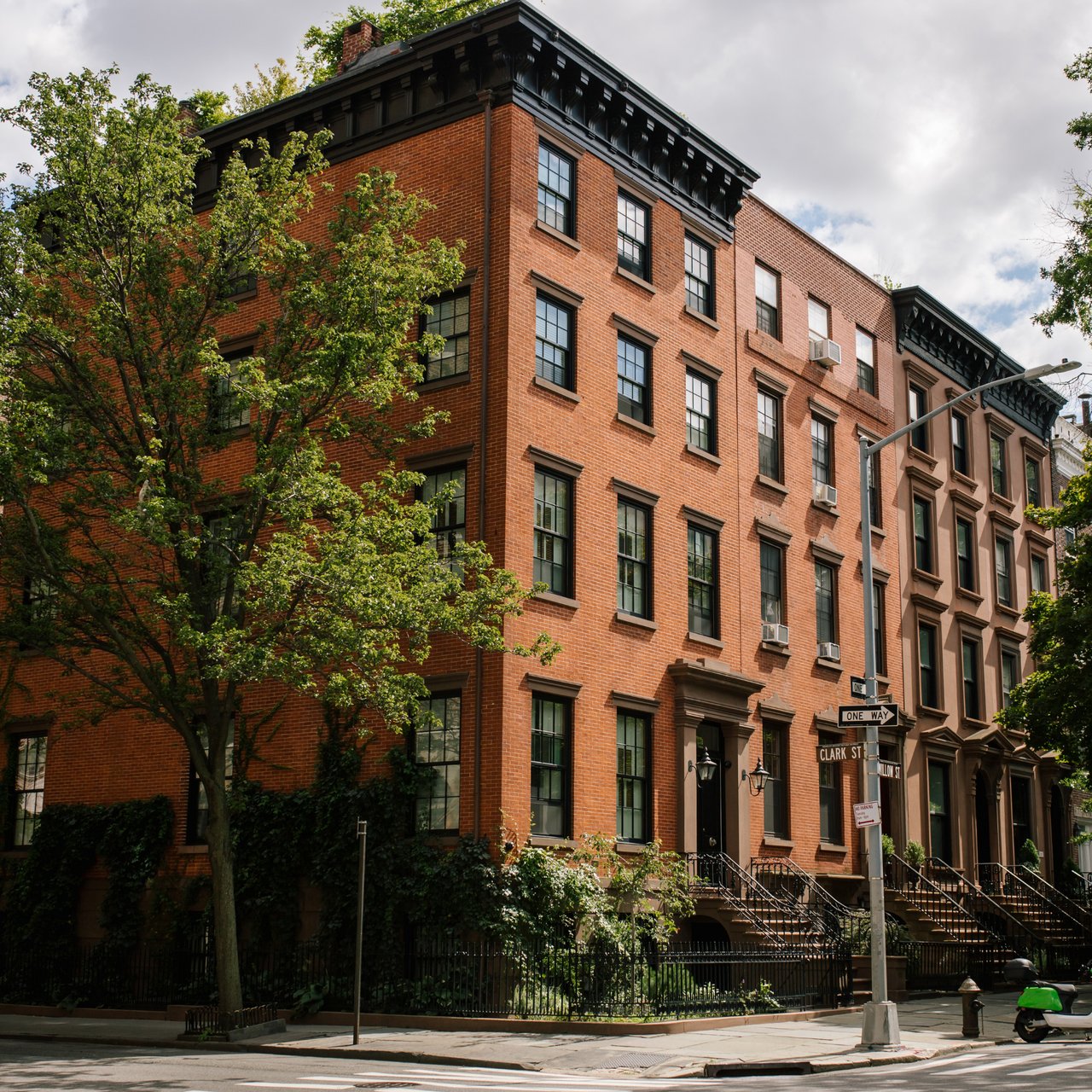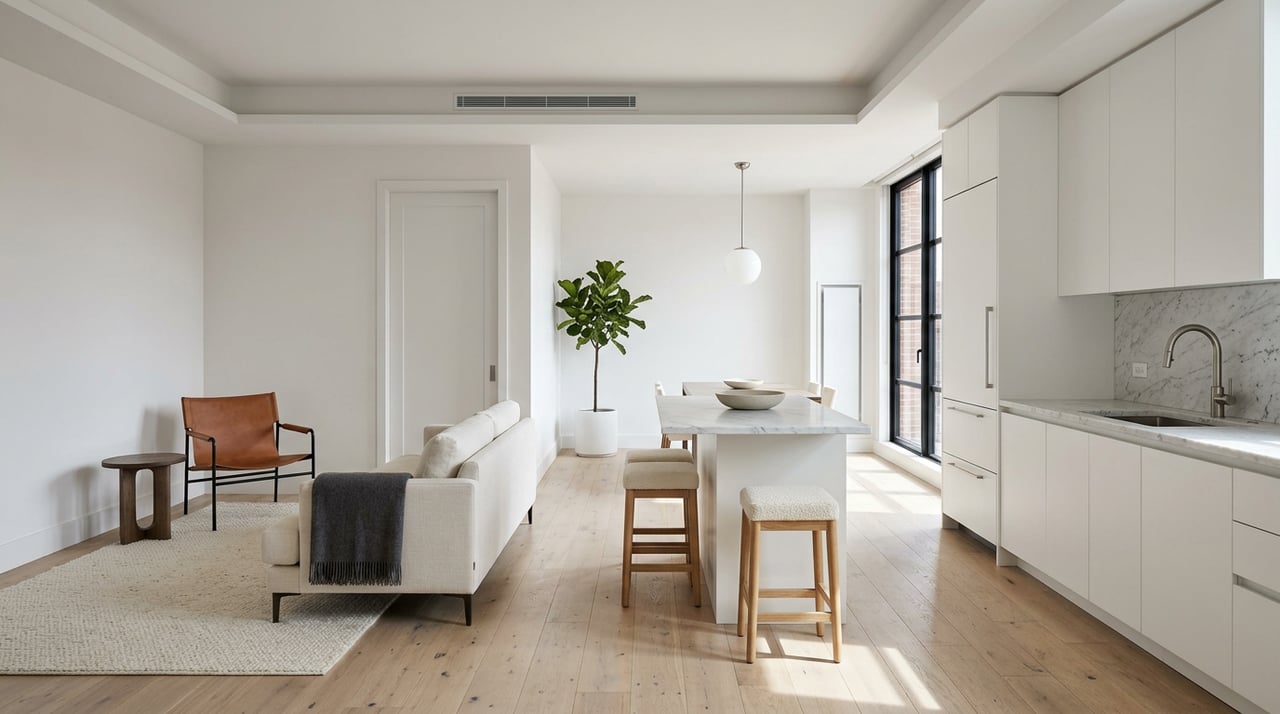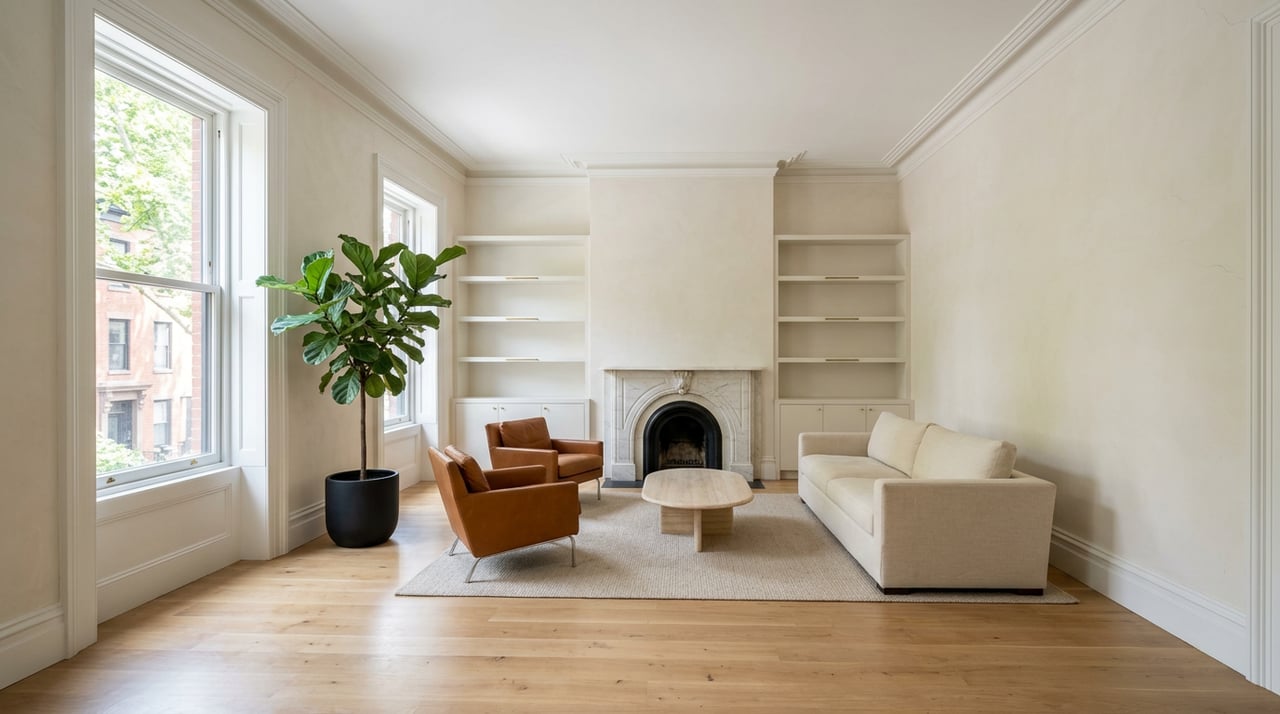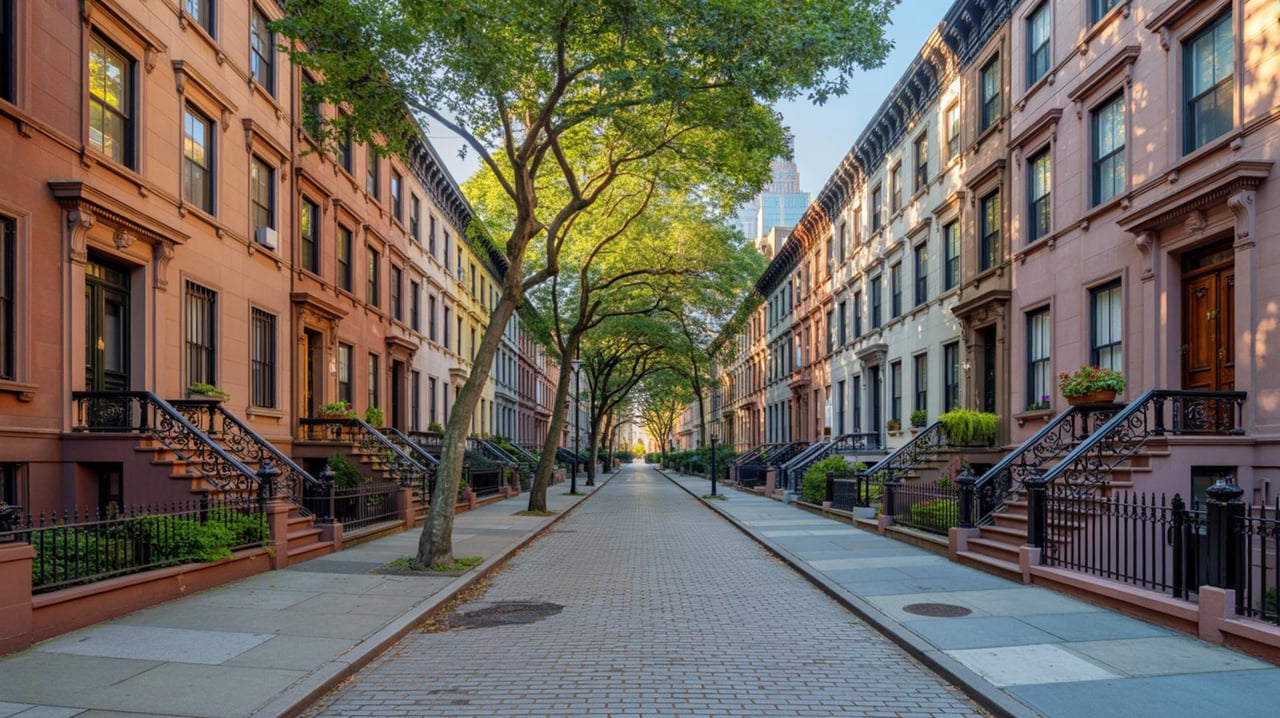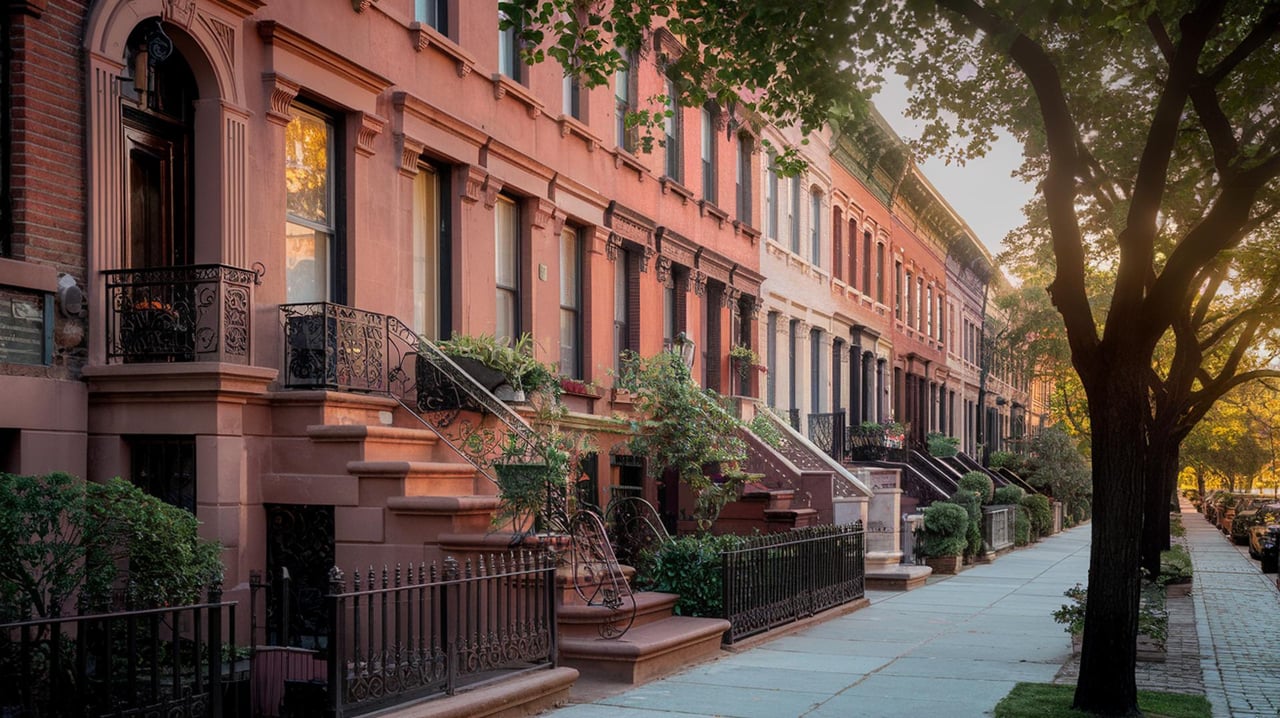
If you have ever wondered why two Upper West Side condos with similar square footage can trade at very different prices, you are asking the right question. In this market, price is not just about size or even the address. It is shaped by a layered mix of building type, line, exposure, outdoor space, amenities, and the most relevant recent sales. Let’s break down what really drives Upper West Side condo pricing so you can read the market more clearly.
Upper West Side condo pricing starts with a premium baseline
The Upper West Side sits in a premium segment of the Manhattan market, but it is far from uniform. PropertyShark’s April 2026 snapshot shows a neighborhood median sale price of $1.9 million, compared with $1.3 million for Manhattan overall. For condos alone, the Upper West Side posted a median sale price of $2.4 million across 54 transactions, with pricing flat year over year.
That gives you a useful starting point, but not a final answer. Neighborhood-wide medians can tell you where the market roughly sits, yet they cannot explain why one condo commands a stronger number than another. In a place as varied as the Upper West Side, broad averages are only the first layer.
StreetEasy also reports a 54-day median sales timeline for the neighborhood. That suggests buyers are active, but still selective. Well-positioned condos can attract attention quickly, while units that miss the market on pricing or presentation may lose momentum.
Building type shapes value
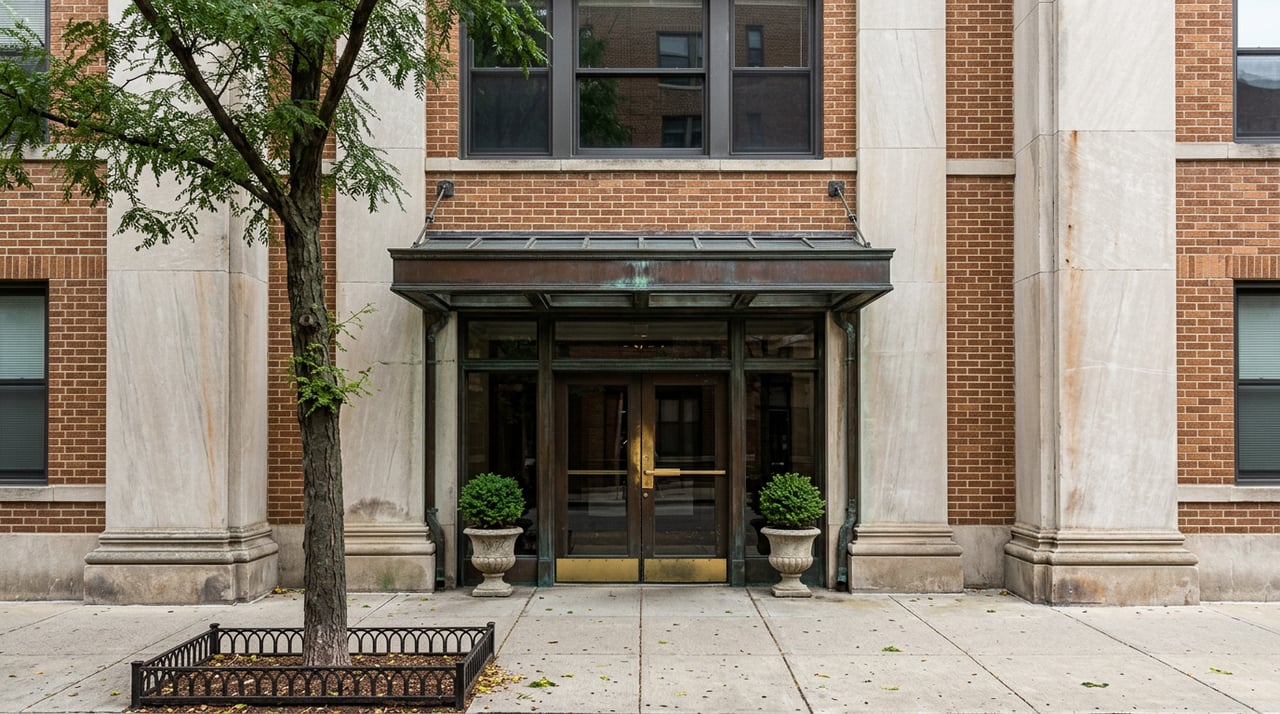
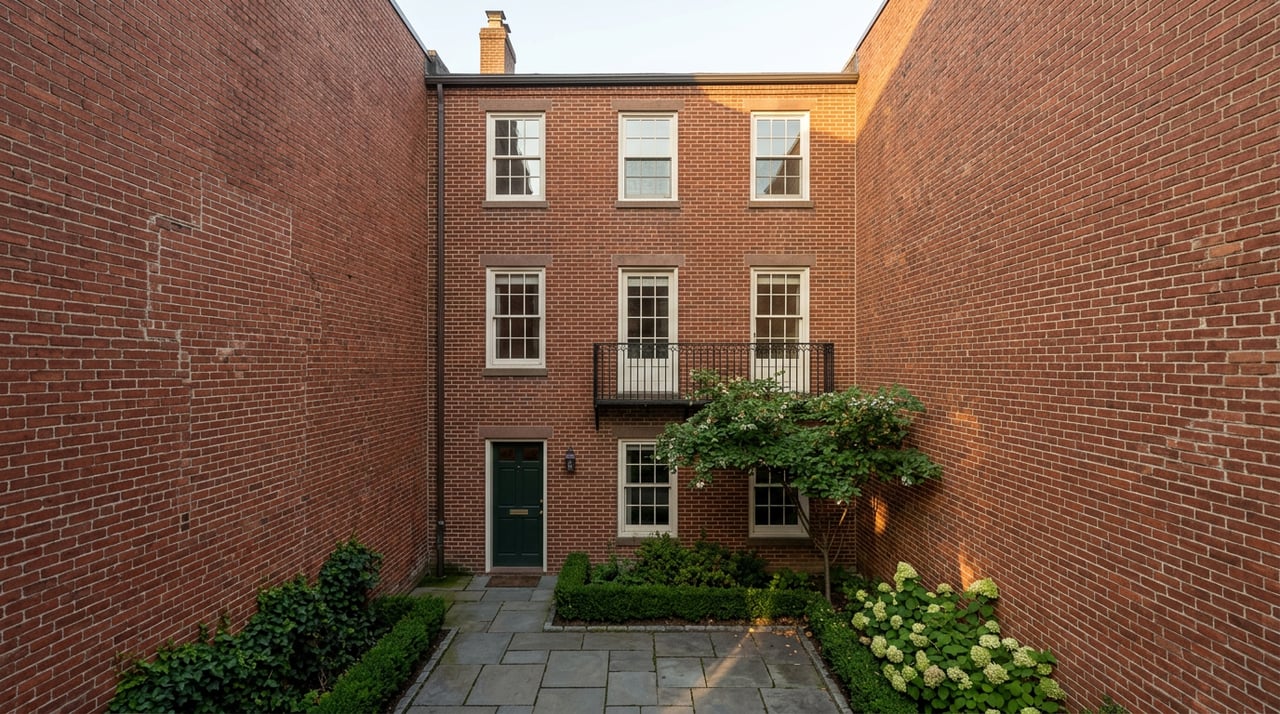
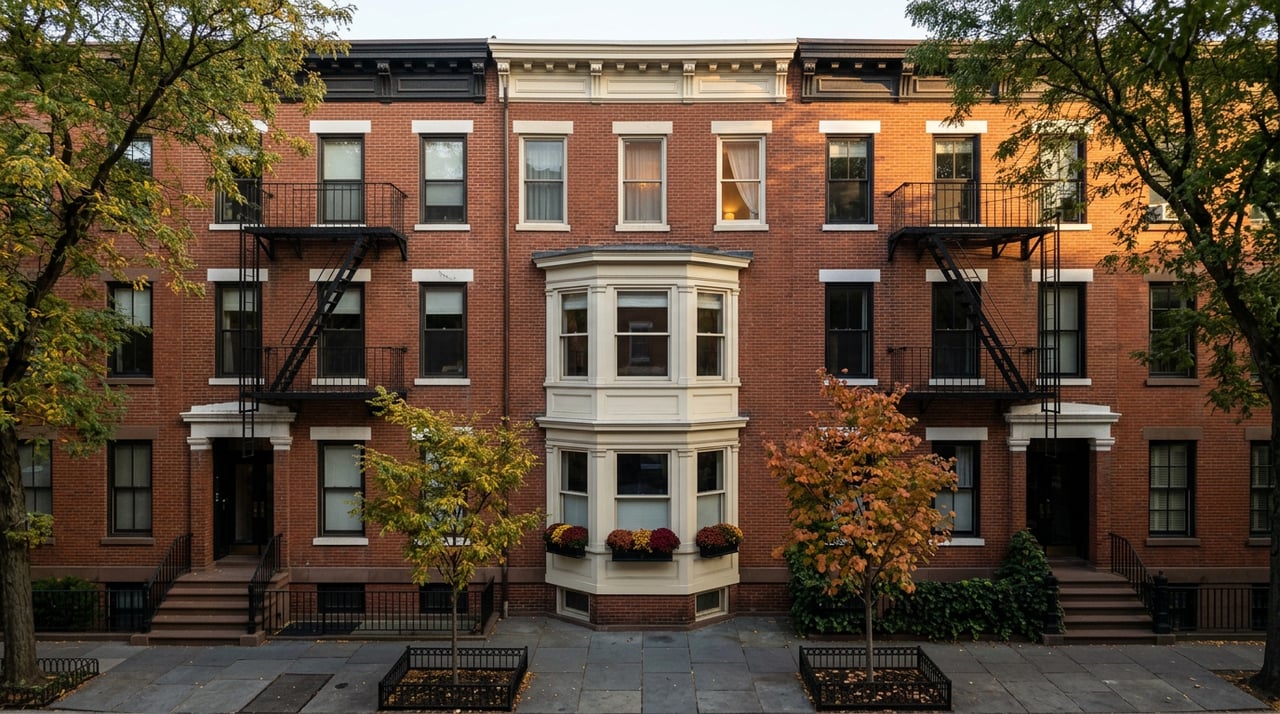
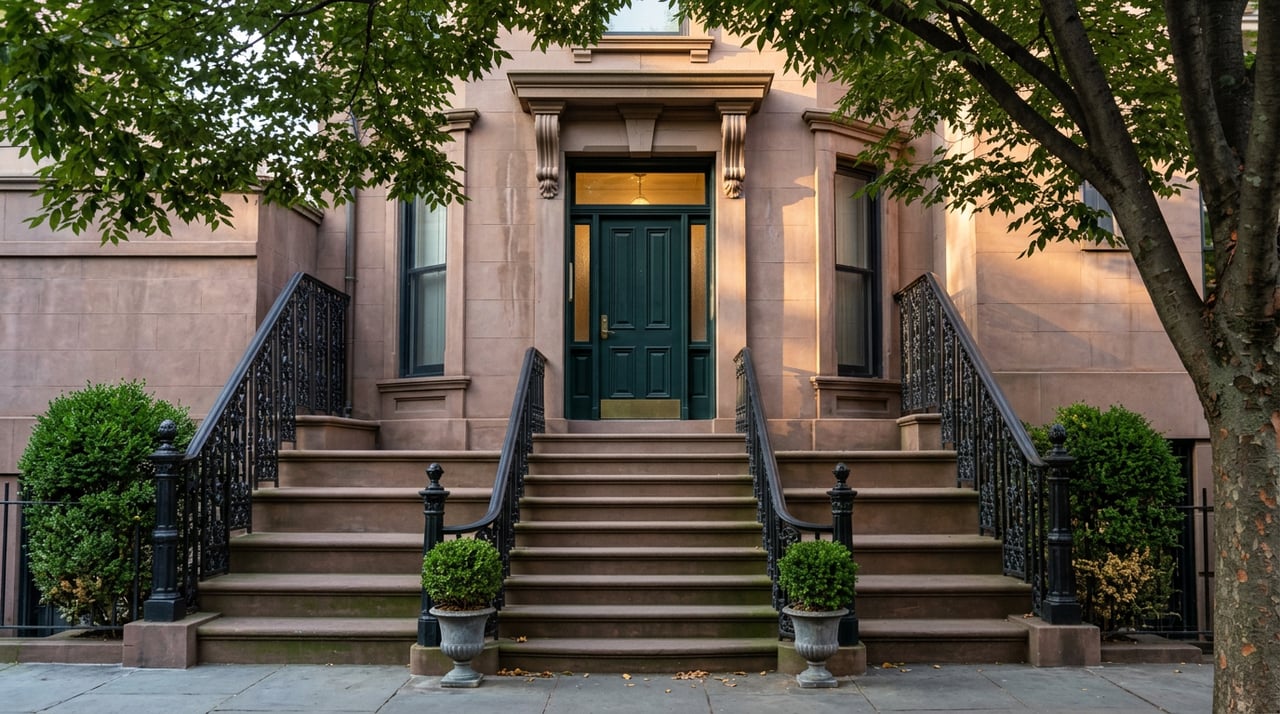
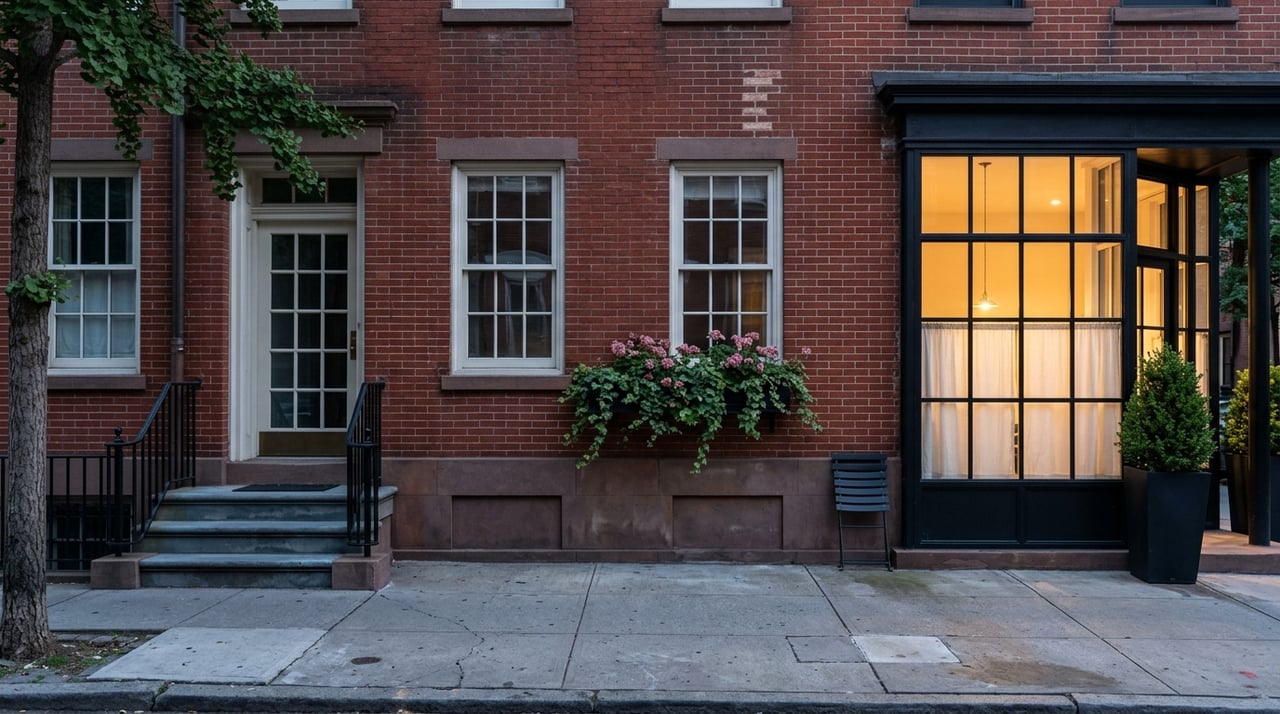
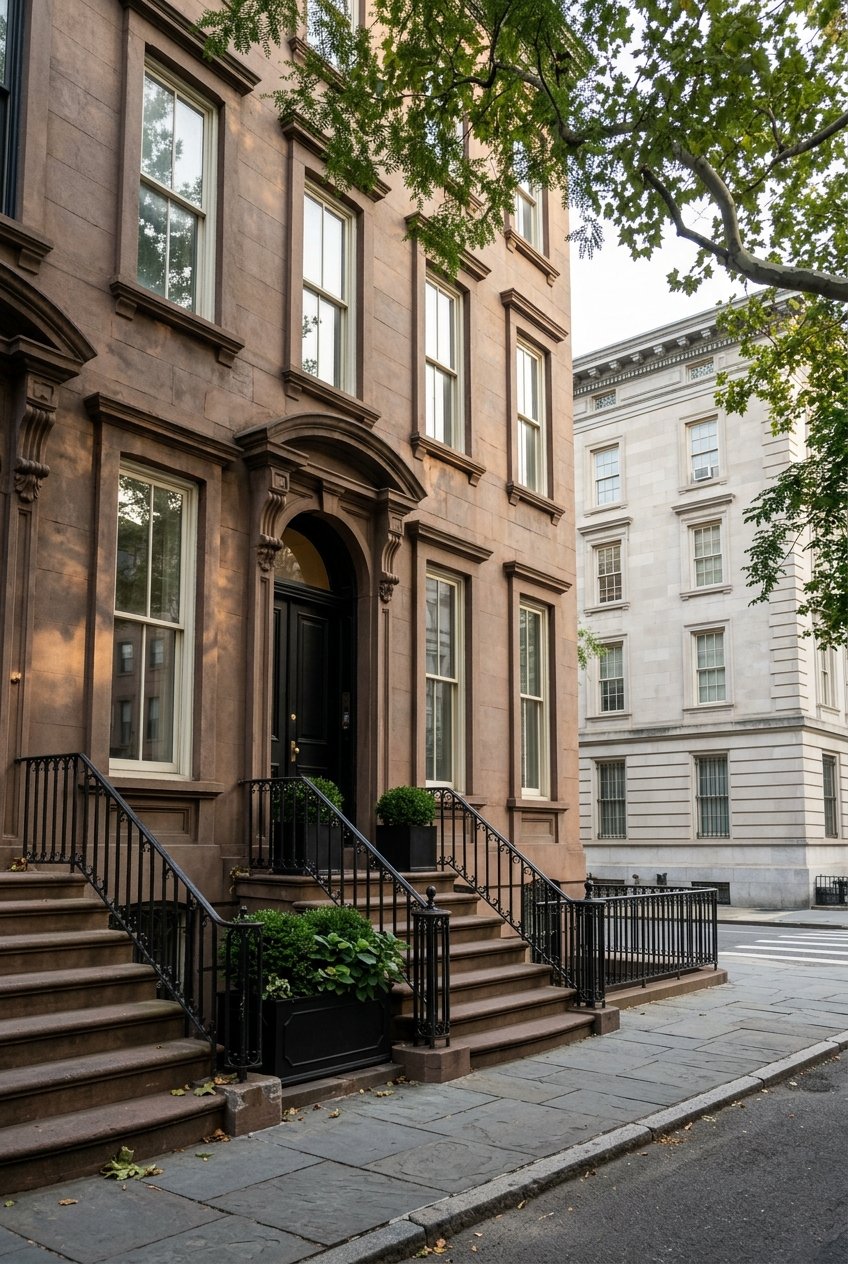
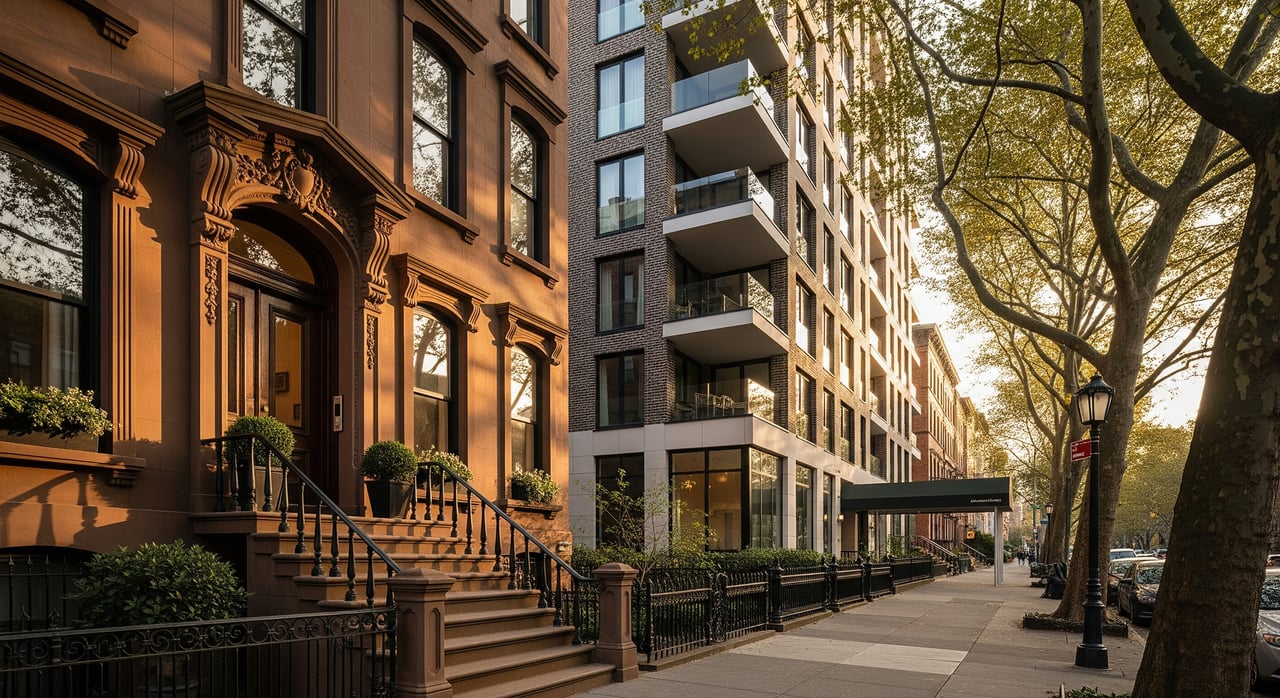
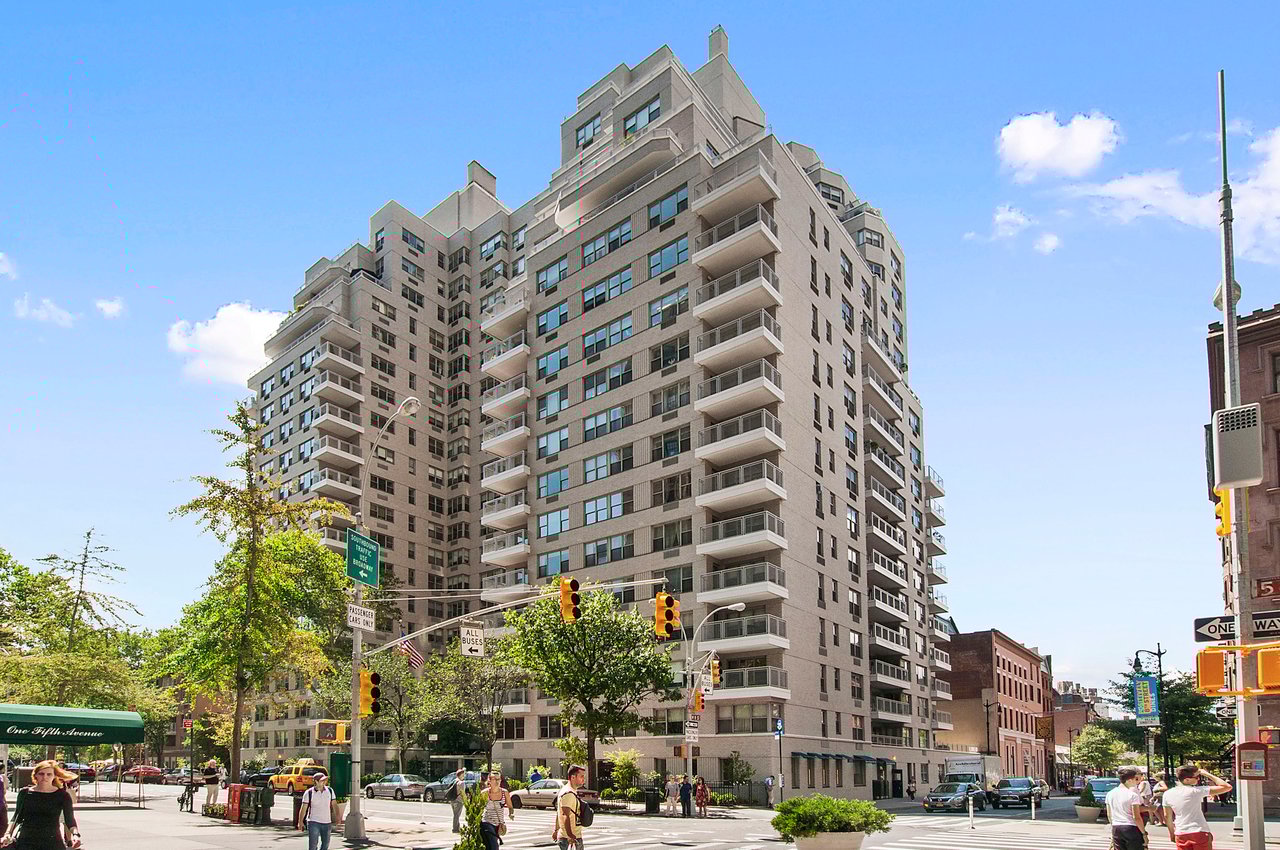
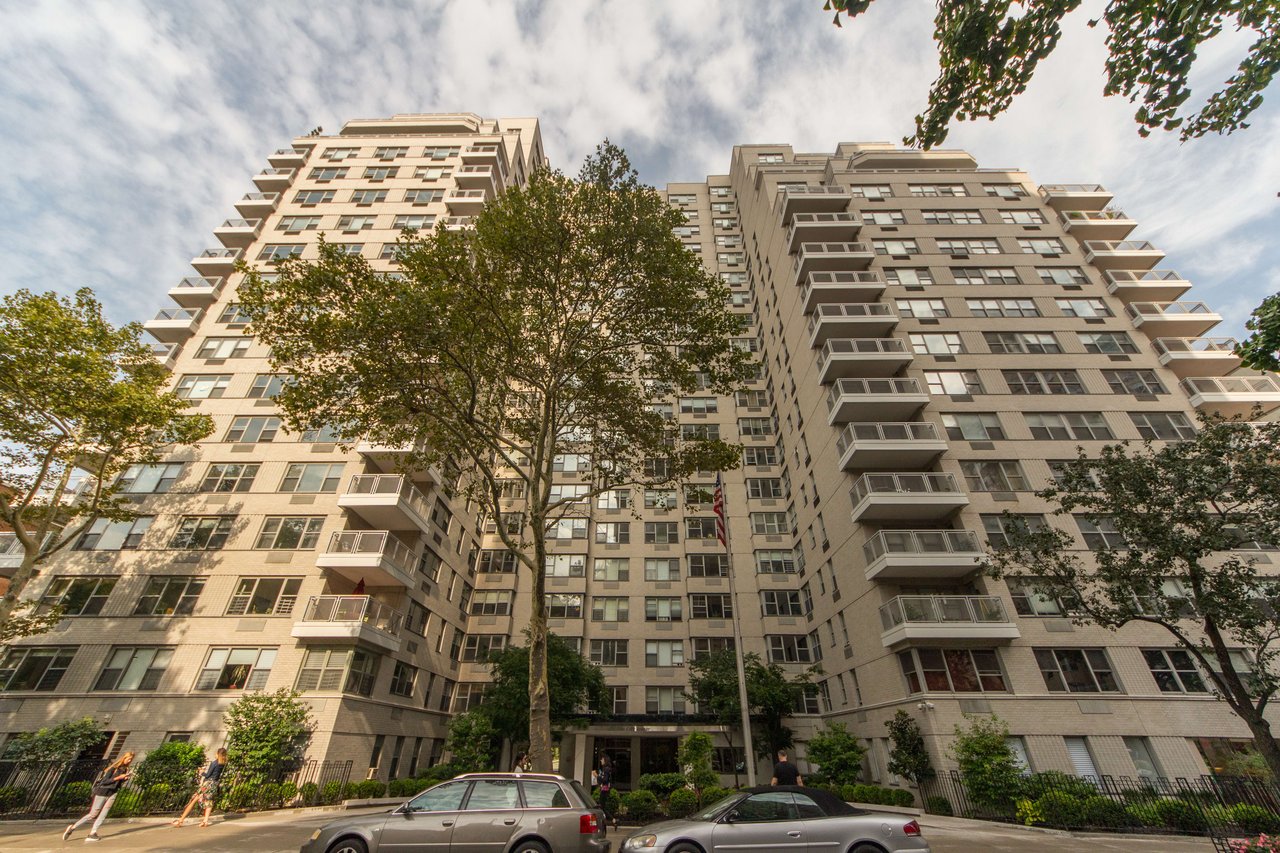
One of the biggest pricing drivers is the building itself. The Upper West Side is known for large prewar apartment buildings, but its condo inventory spans newer full-service buildings, boutique conversions, and older resale product. Even within the same neighborhood, those categories can live in very different price bands.
Scarcity plays a major role here. NYU Furman reports that just 37 residential units were authorized by new building permits in 2025, while 166 certificates of occupancy were issued. At the Manhattan level, Corcoran reported only 81 new development units launched in the first quarter of 2026, about 75% below the 10-year average, with active inventory at a five-year first-quarter low.
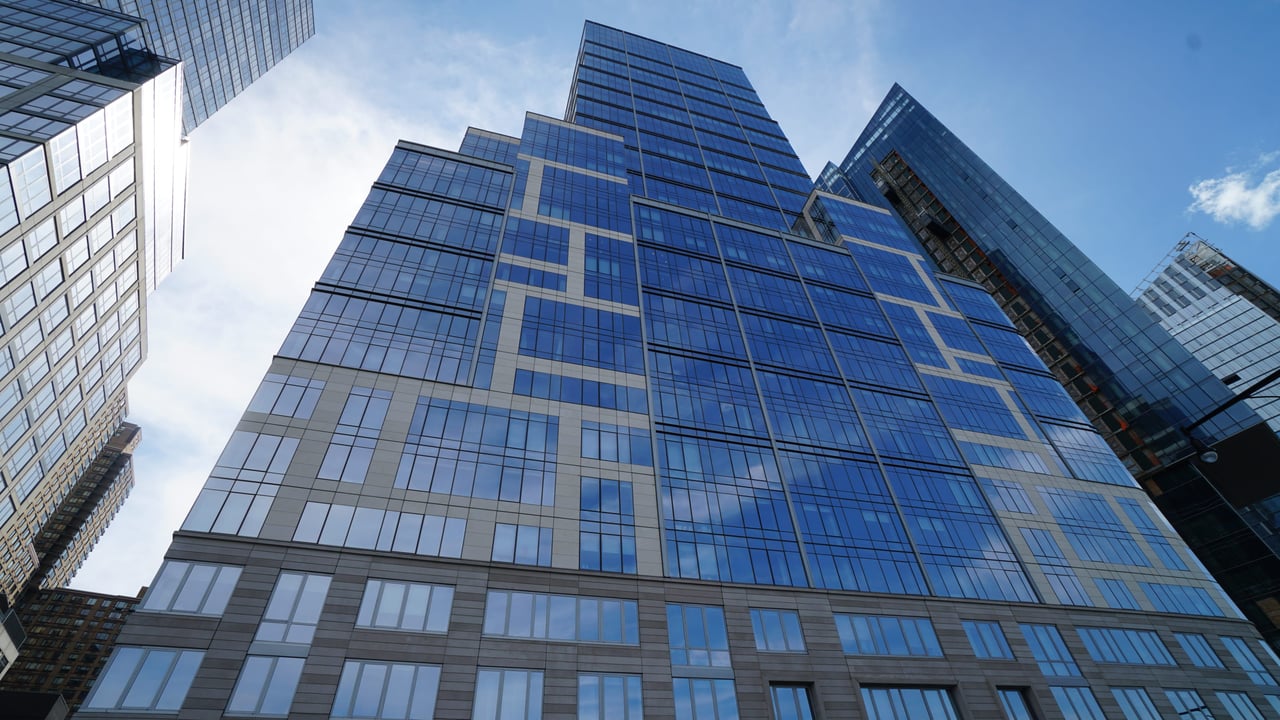
For you as a buyer or seller, that means newer condo product can carry a scarcity premium. It also means you cannot cleanly price a boutique conversion against a large-scale full-service condo without making real adjustments for building age, services, and buyer expectations.
Carrying costs matter more than many expect
Headline price is only part of the value equation. Monthly common charges, maintenance, and property taxes can materially affect what buyers are willing to pay. StreetEasy specifically notes that these costs should be considered when choosing comps.
Elliman’s fourth quarter 2025 Manhattan report found that condo common charges plus real estate taxes averaged $5,013 per month. In practice, a condo with higher monthlies may still justify a strong price if the building’s services and amenity package match the local comp set. If the fees feel high relative to what the building offers, that can cap buyer enthusiasm and final pricing.
Line and floor often drive the real premium
In the Upper West Side, two units in the same building can have very different values. That is why same-building and, ideally, same-line comps are so important. StreetEasy identifies those as the cleanest pricing anchors because they offer the closest match in layout, orientation, and overall feel.
Line matters because layout and exposure matter. A unit with open sky, better natural light, and a more durable view corridor should not be valued the same way as an interior-facing apartment with similar square footage. NYC Data-Smart also notes that views and line-of-sight variables can affect property value.
Floor level can amplify those differences. A higher-floor residence may clear nearby rooftops, reduce street noise, and feel brighter throughout the day. In a line-sensitive market like the Upper West Side, those details can create a meaningful premium over lower-floor or obstructed units.
Why neighborhood averages can mislead you
It is easy to look at a neighborhood median price per square foot and assume it applies broadly. PropertyShark reported a median of $1,677 per square foot for the Upper West Side in April 2026, but that figure can be too blunt for real pricing decisions.
A condo with protected exposures, strong light, and a superior line may deserve a higher figure. A similar-sized unit with compromised views or less favorable orientation may not. That is why serious pricing work depends on the right comps, not just a neighborhood average.
Outdoor space can add value, but not equally
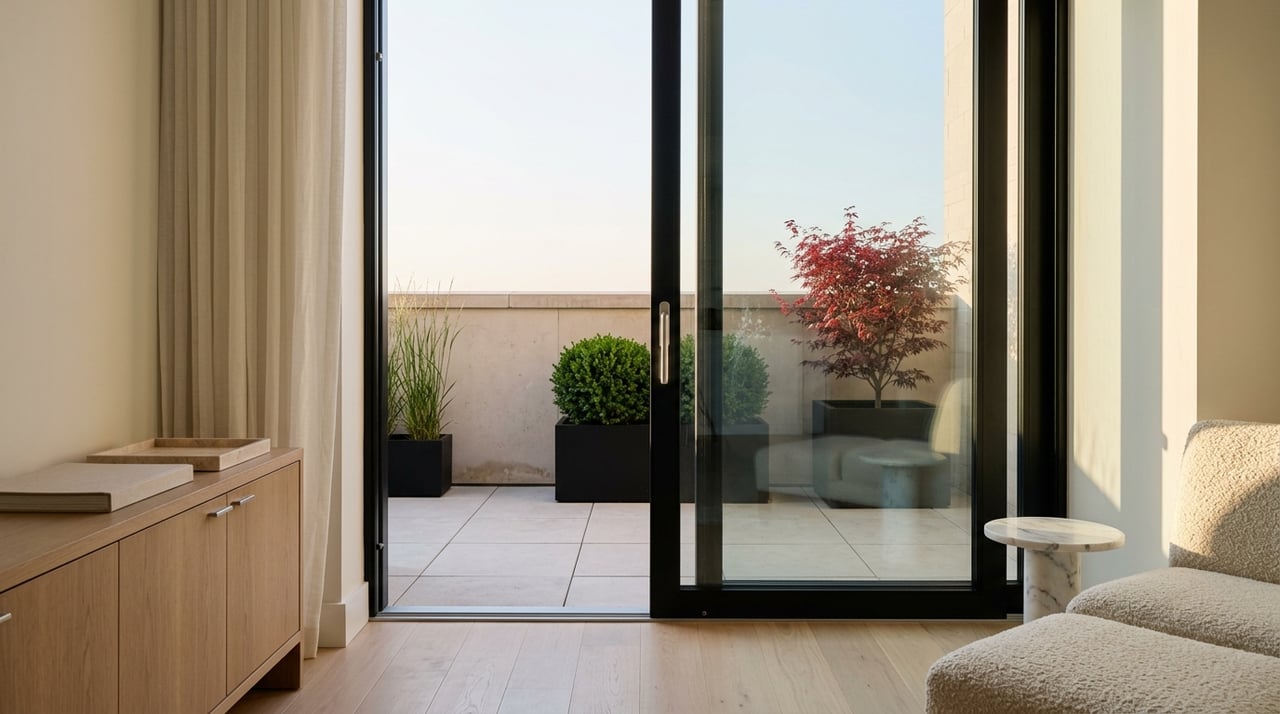
Outdoor space has become one of the clearest pricing variables in the market. StreetEasy’s 2024 year-in-review found that private outdoor space was among the most-searched sales amenities, and searches for outdoor space rose 97% year over year. That tells you demand is real.
The premium depends on what kind of outdoor space you are actually getting. StreetEasy’s feature analysis found that a shared patio or terrace was associated with a 7.5% premium, while a shared roof deck was linked to a 6.2% premium. For sales above $2.5 million, a private patio or terrace was associated with a 10.7% premium.
Still, not every terrace is equal. Miller Samuel notes that terrace value is often modeled as a fraction of the interior price per square foot, commonly around 25% to 50%, depending on usability, privacy, and views. A truly functional terrace that feels like an extension of the home is very different from a narrow balcony that reads better in photos than in daily life.
Usability is what buyers pay for
When buyers evaluate outdoor space, they are usually asking a practical question: can I really use it? A private terrace with room for seating, dining, or gardening tends to carry more value than a small ledge with limited privacy. Views also matter, especially when they feel open and lasting.
That is why outdoor space should be priced with nuance. It can absolutely lift a condo’s value, but only when the space adds genuine lifestyle utility relative to the local comp set.
Amenities matter when they are scarce
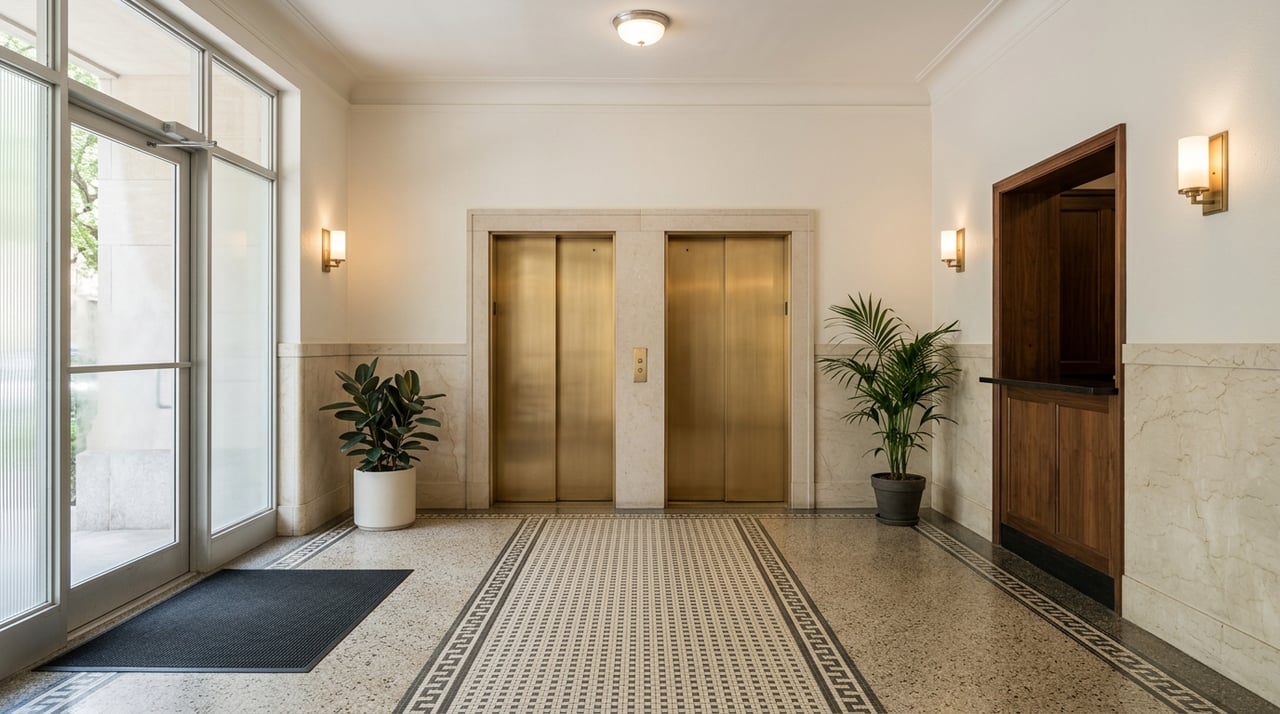
Amenities can move pricing, but context matters. StreetEasy’s 2024 search data showed strong demand for in-unit laundry, elevator access, doorman service, pet-friendly buildings, and private outdoor space. Those features can support both buyer interest and pricing power.
StreetEasy’s feature analysis found measurable premiums tied to several amenities. For lower-priced sales, in-unit washer and dryer carried a 14.1% premium, doorman service 10.9%, and dishwasher 9%. But those numbers do not mean every condo with those features will automatically command the same premium.
The real question is whether the amenity is rare for that building class or submarket. In a product type where buyers already expect a doorman or roof deck, the pricing lift may be smaller. In a building where those features are less common, they can meaningfully increase both demand and final sale price.
Recent comps are the final pricing test
No matter how attractive a condo is, recent closed sales remain the anchor. StreetEasy advises using nearby closed sales from the last six to 12 months, with same-building and same-line trades preferred whenever possible. The New York City Department of Finance also notes that condo and co-op comparables are selected by unit type, size, age, distance, and number of stories, with adjustments made because no two homes are exactly alike.
That matters in a market where product differences are so specific. NYU Furman reports 974 condo sales in the neighborhood in 2025, which means there is enough activity to build a credible comp set. At the same time, there is not so much sameness that you can ignore building-specific details.
Corcoran described the Manhattan market in early 2026 as active but disciplined, with closings up 1% year over year, days on market down to 110, and inventory still constrained. Buyers are participating, but they are timing-sensitive and value-conscious. In that environment, the right pricing strategy is usually the one that reflects both current comps and the condo’s exact position within its building.
The Upper West Side pricing stack
If you want a simple framework, think of Upper West Side condo pricing as a stack of premiums and discounts. The neighborhood sets the baseline, but the building type, line, floor, exposure, outdoor space, amenities, fee structure, and latest closed sales shape the final number.
For sellers, that means strong pricing starts with precision, not optimism. For buyers, it means value often hides in the details that broad market headlines miss. The most successful decisions usually come from reading the condo in context, not in isolation.
If you are weighing a purchase, preparing to sell, or trying to understand how a specific unit fits into the market, a tailored comp review can make the picture much clearer. For a private consultation and thoughtful, data-driven guidance, connect with Daniel Kramp.
FAQs
What matters most when pricing an Upper West Side condo?
- The strongest pricing anchors are recent closed sales in the same building and, ideally, the same line, adjusted for floor, exposure, condition, outdoor space, amenities, and monthly carrying costs.
Do terraces always increase Upper West Side condo value?
- No. Outdoor space tends to add the most value when it is private, usable, and paired with good light or views. Small or less functional outdoor areas may add less.
How do building fees affect Upper West Side condo pricing?
- Common charges and real estate taxes can influence what buyers are willing to pay. Higher monthly costs may work if the building’s services and amenities support them, but they can also limit pricing if they feel out of step with the market.
Are Upper West Side condo amenities always worth more?
- Not always. Amenities tend to create the strongest premium when they are relatively rare in the local comp set. If buyers already expect them in a building category, the added value may be smaller.
Is price per square foot enough to value an Upper West Side condo?
- No. Price per square foot is a useful reference point, but it can miss key differences such as line, light, view, floor level, outdoor space, and the building’s fee structure.