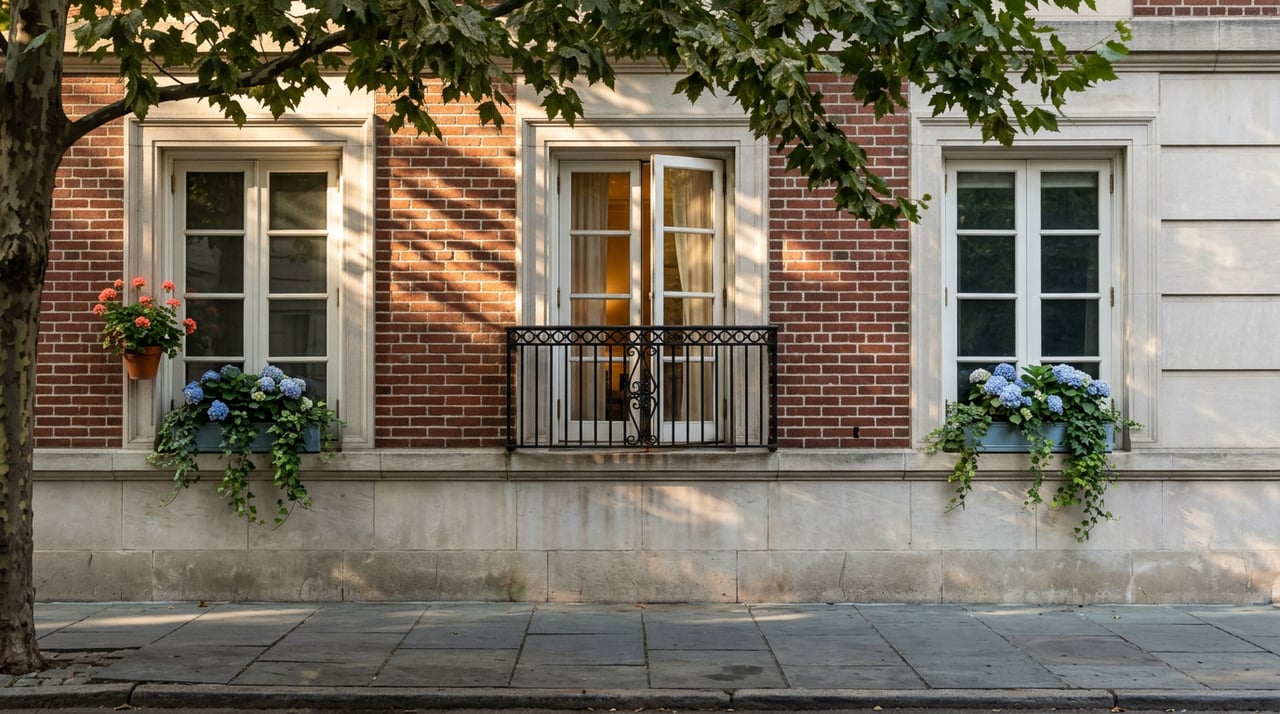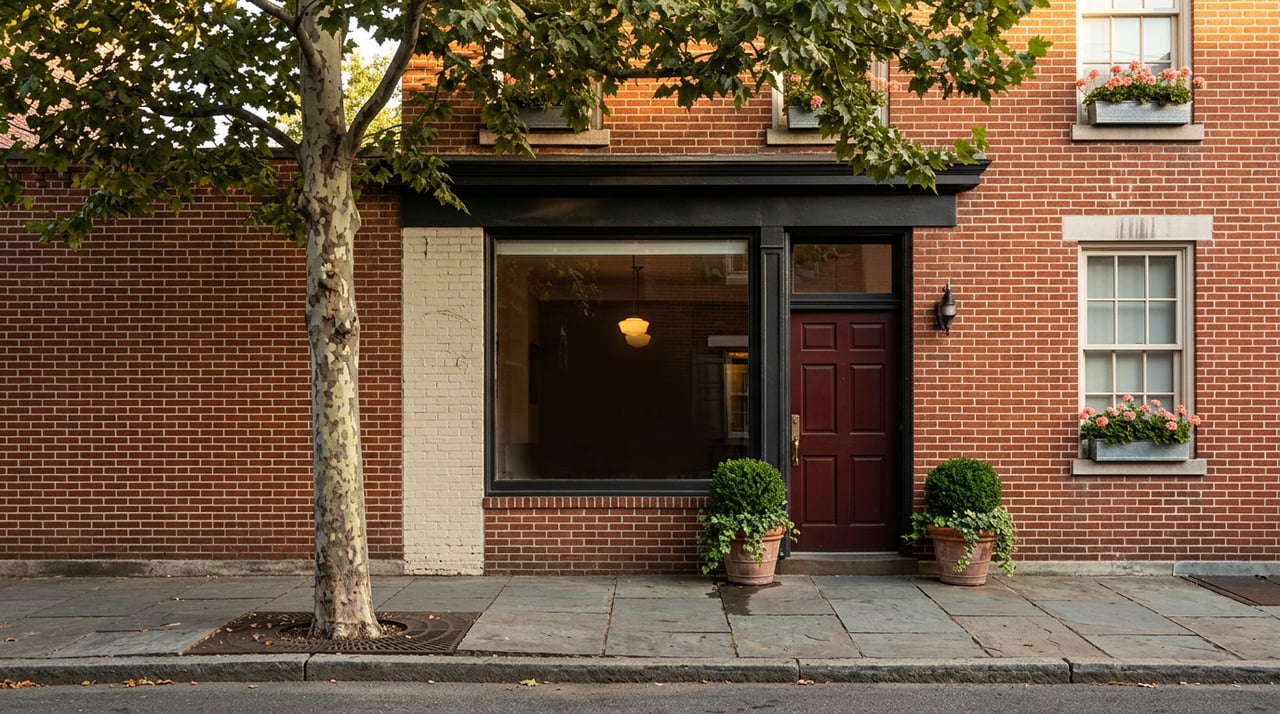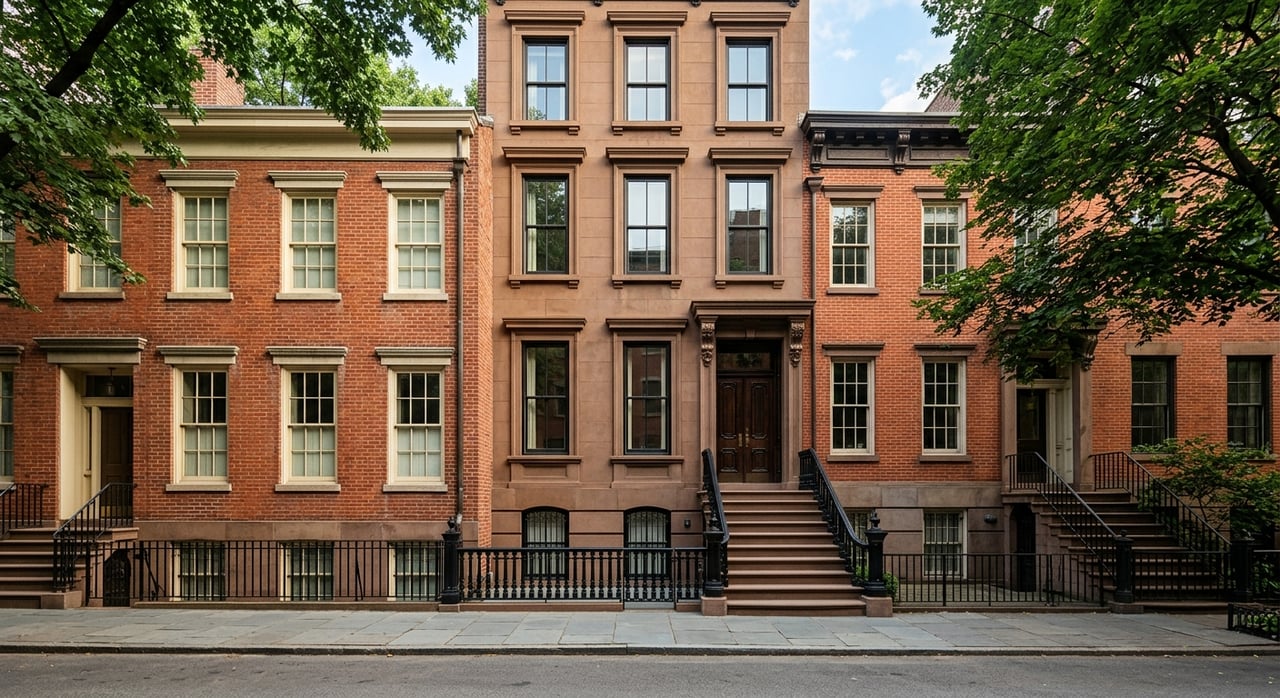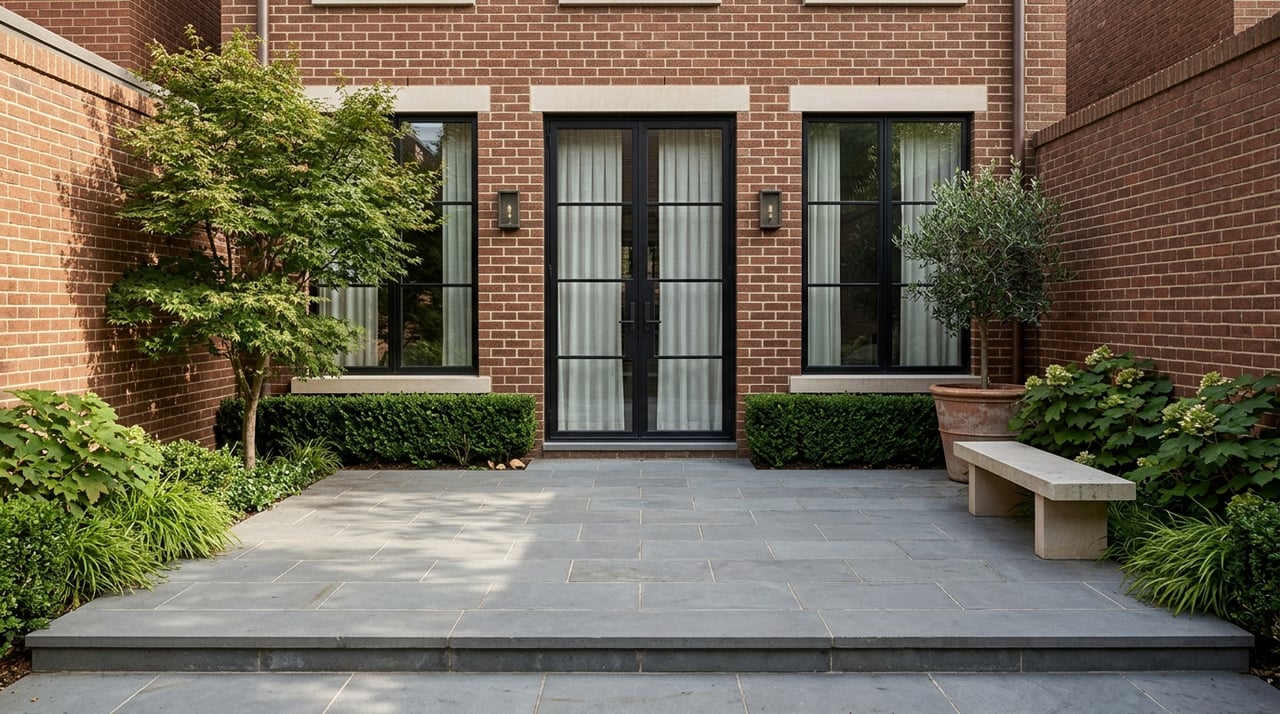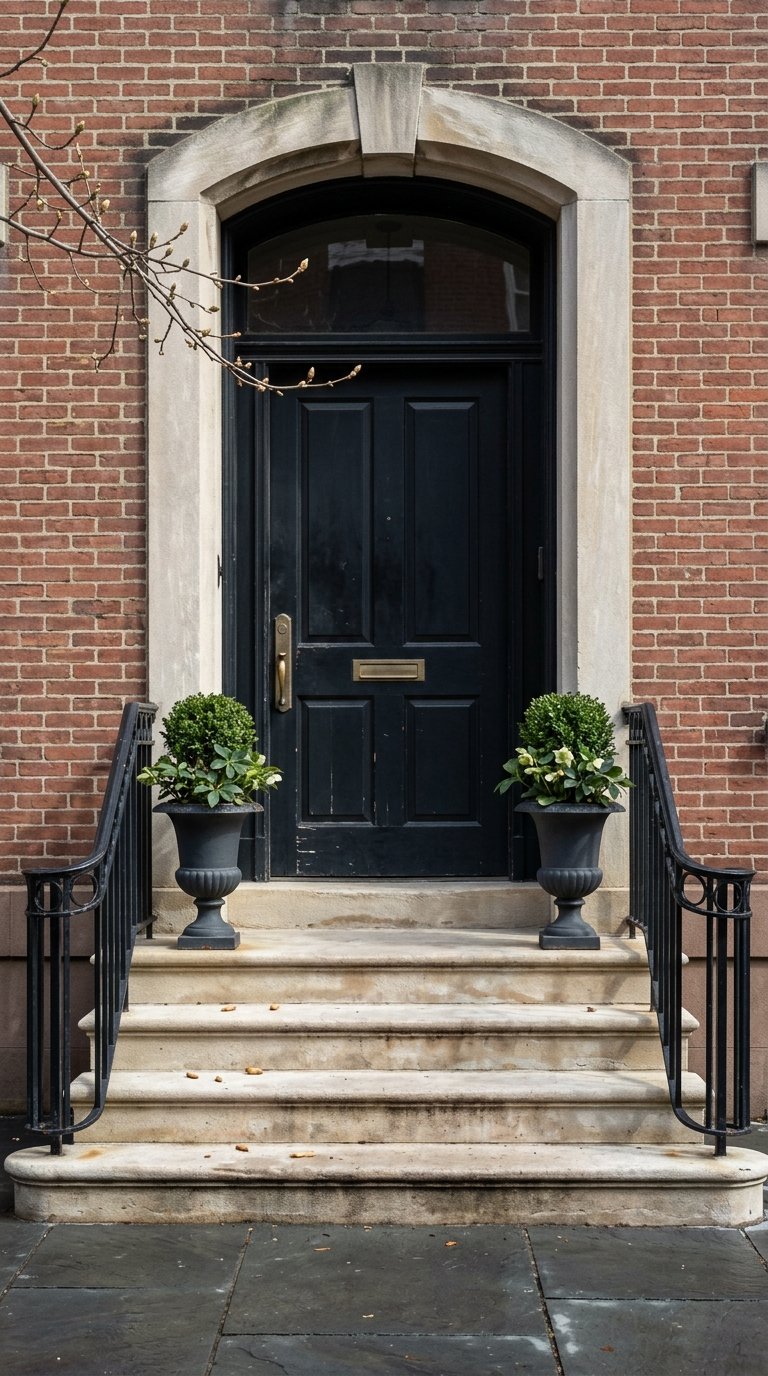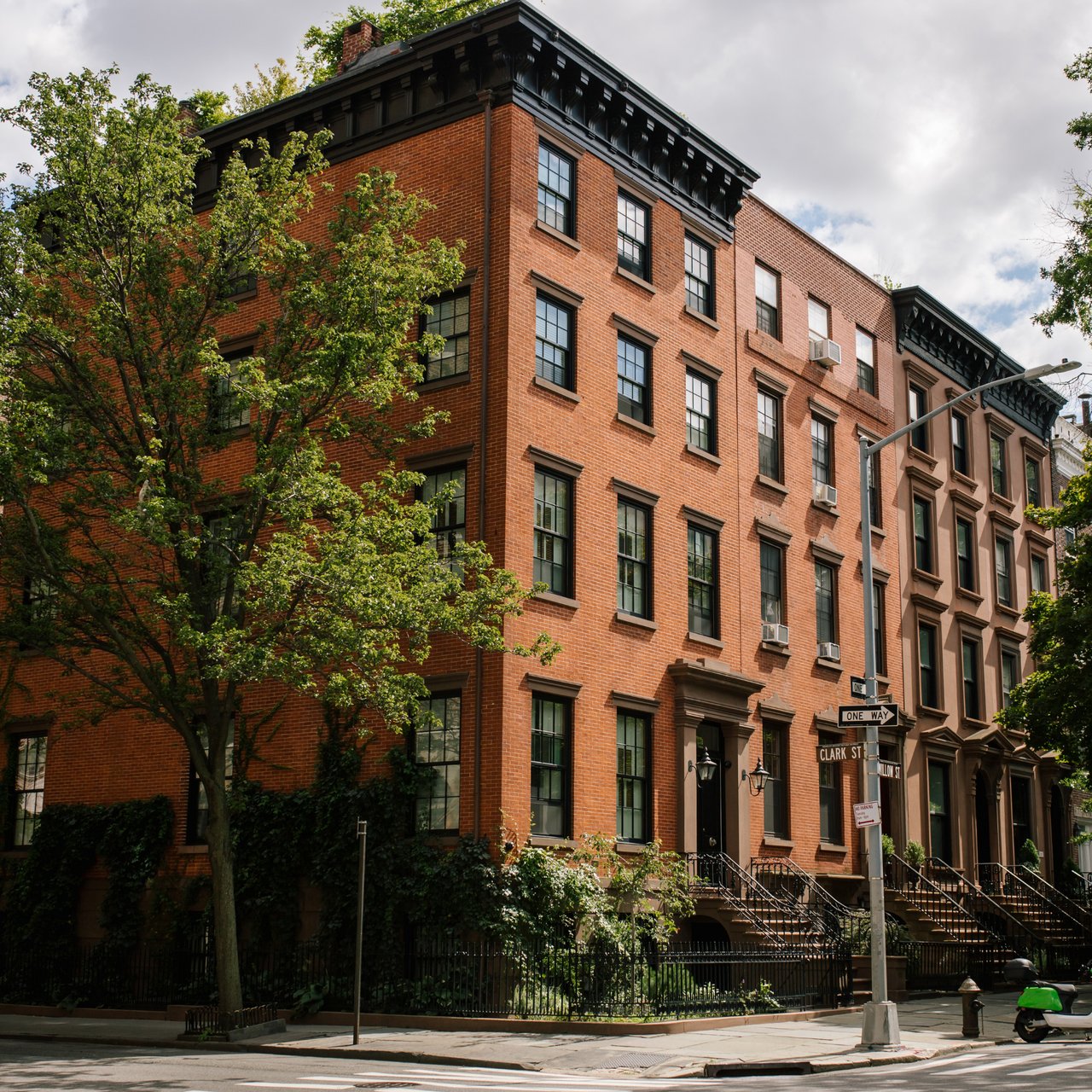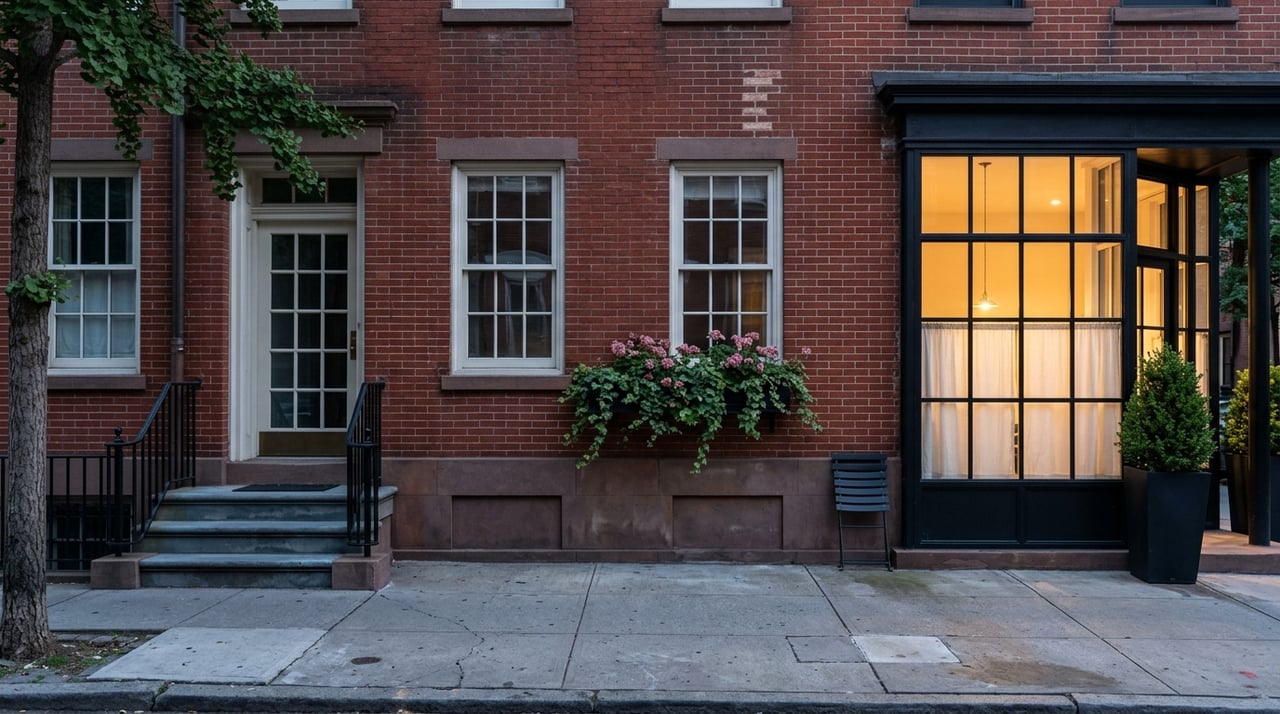
Wondering why one Greenwich Village block feels tucked away while the next feels full of motion? That contrast is part of what makes the neighborhood so compelling, especially if you are trying to decide not just whether to live here, but where within the Village you will feel most at home. If you are weighing lifestyle, street character, and day-to-day rhythm, this guide will help you understand how Greenwich Village shifts from quiet corners to lively blocks in just a few minutes on foot. Let’s dive in.
Why Greenwich Village Changes So Fast
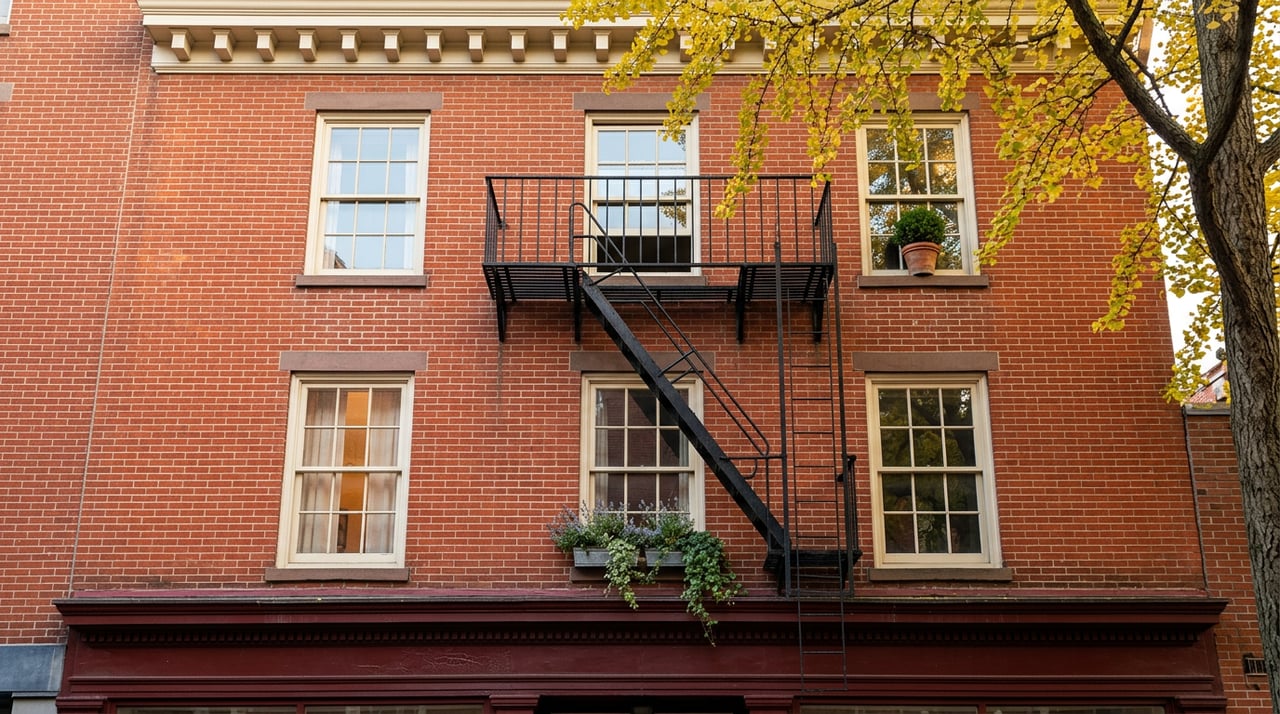
Greenwich Village does not follow Manhattan’s usual rigid grid in many areas. Official and historical sources describe an older Dutch-settler street pattern, with streets meeting at unusual angles rather than in straight, predictable lines. That irregular layout helps create distinct micro-areas that can feel very different from one another.
In practical terms, you can step off a more active corridor and reach a calmer residential street almost immediately. That is one reason the neighborhood appeals to so many buyers: you are not choosing between energy and privacy in a broad sense. You are often choosing the right block.
Quiet Streets in Greenwich Village
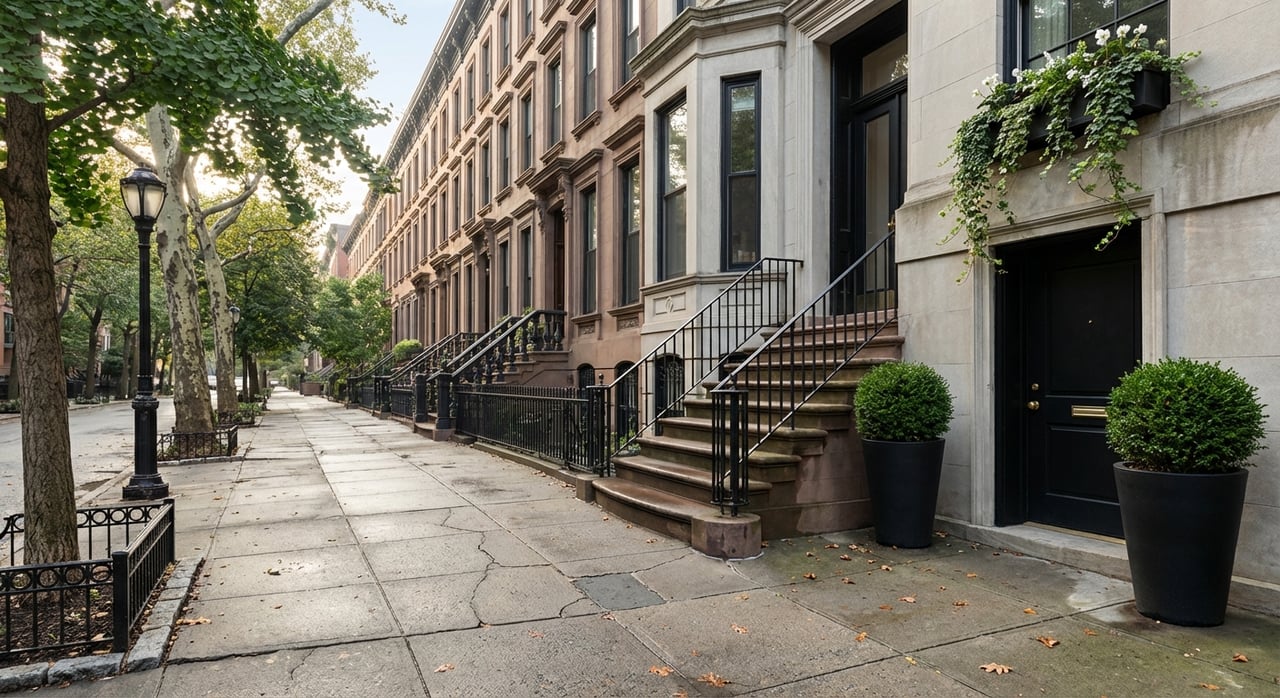
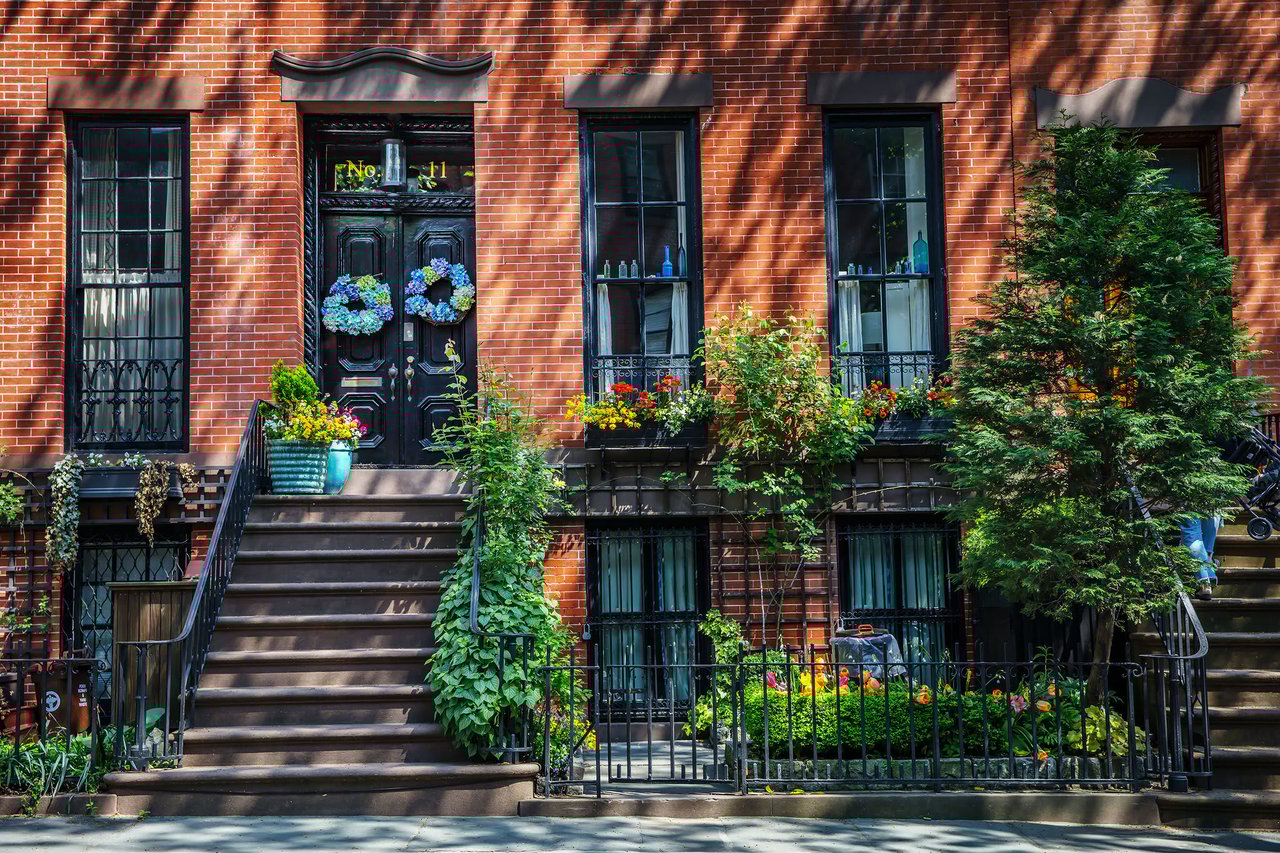
Western side streets feel more residential
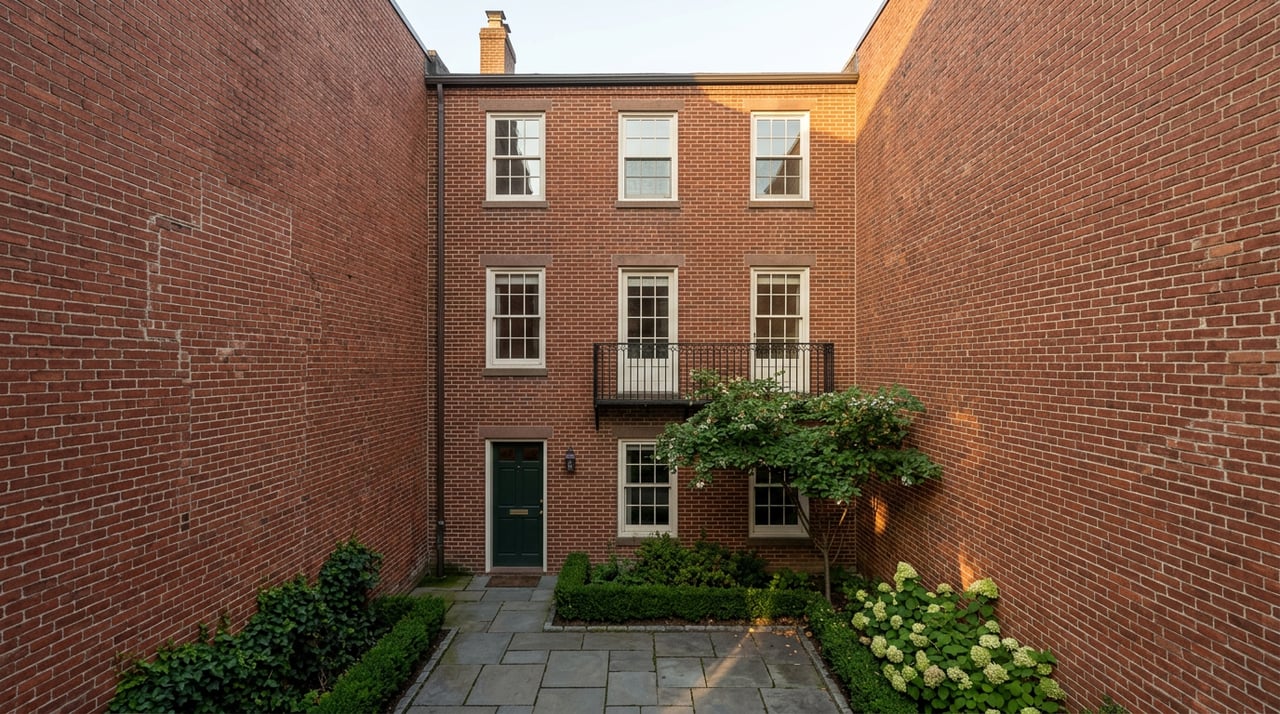
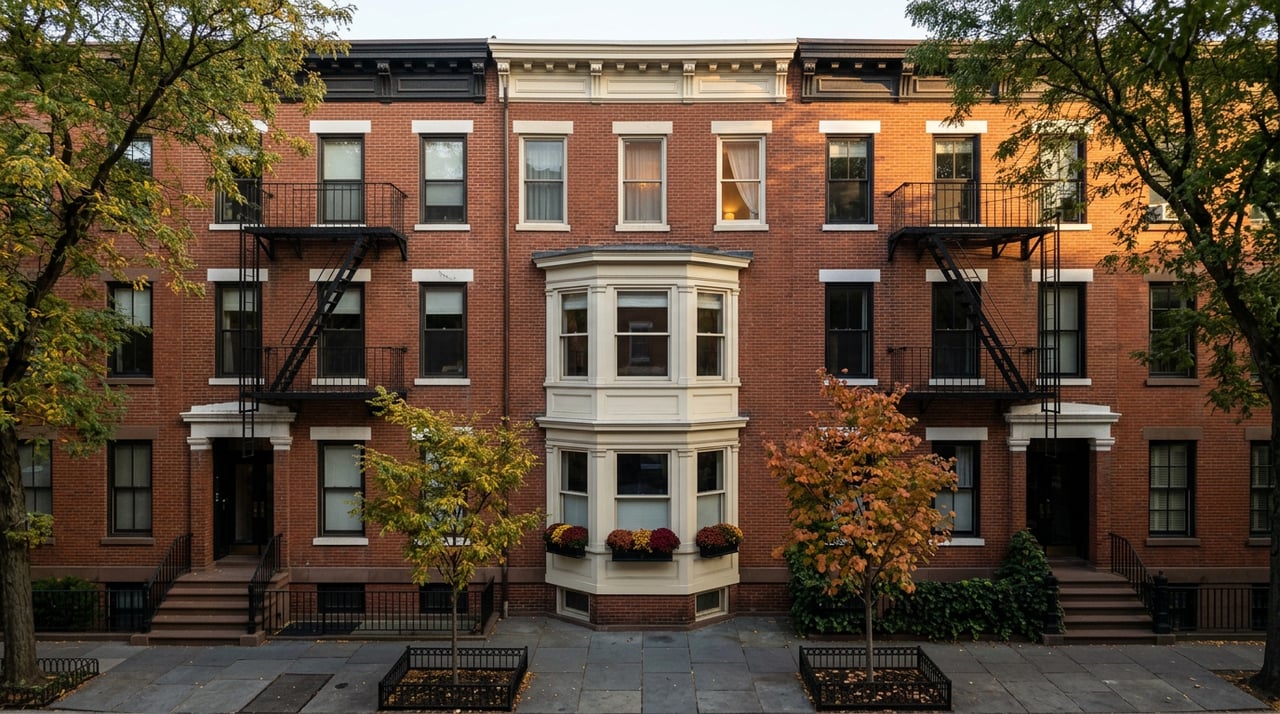
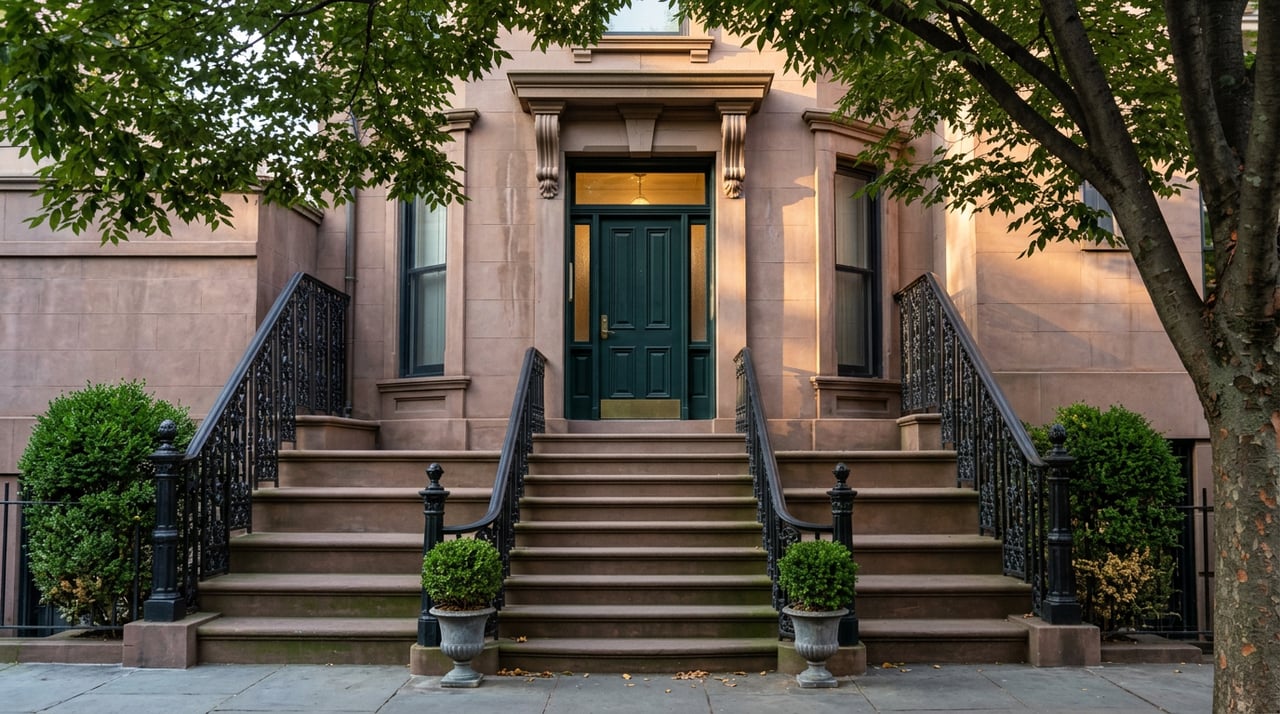
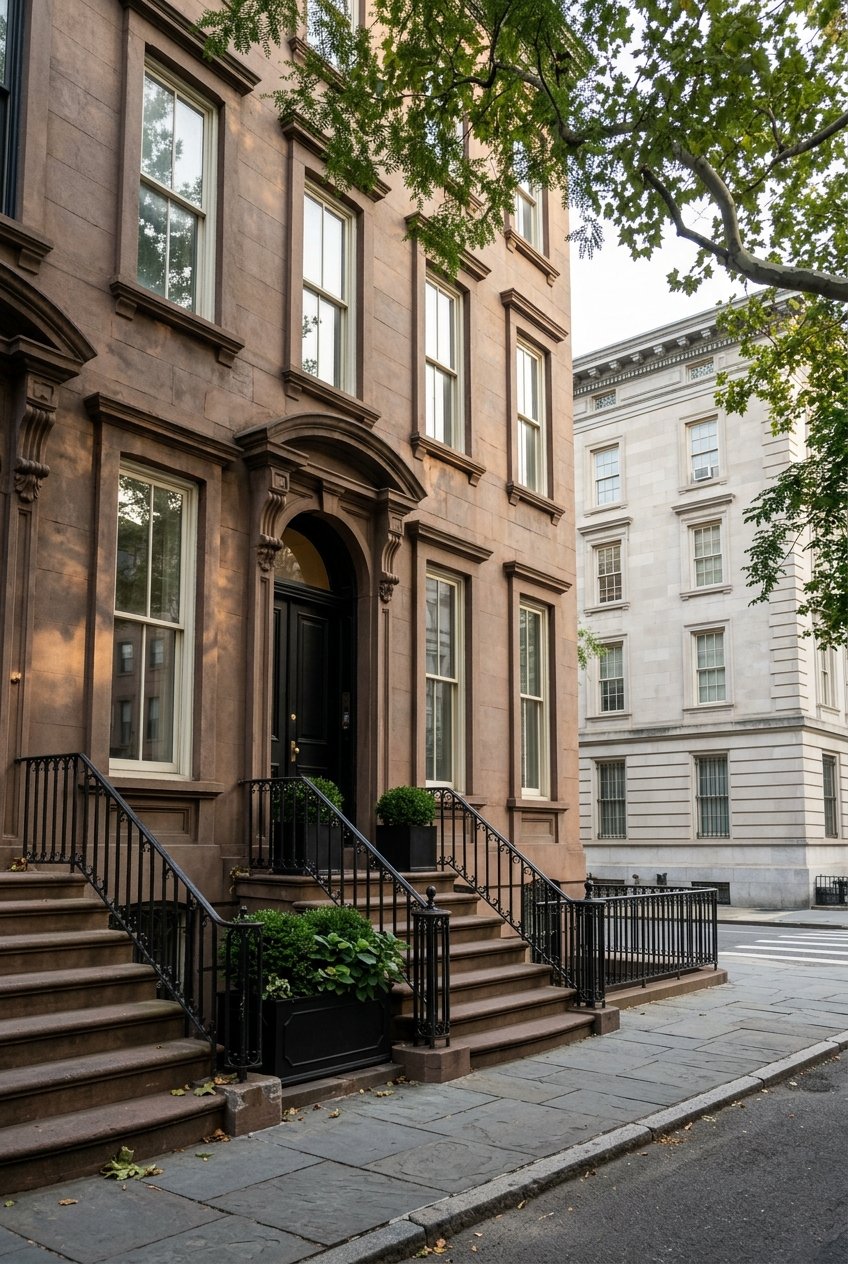
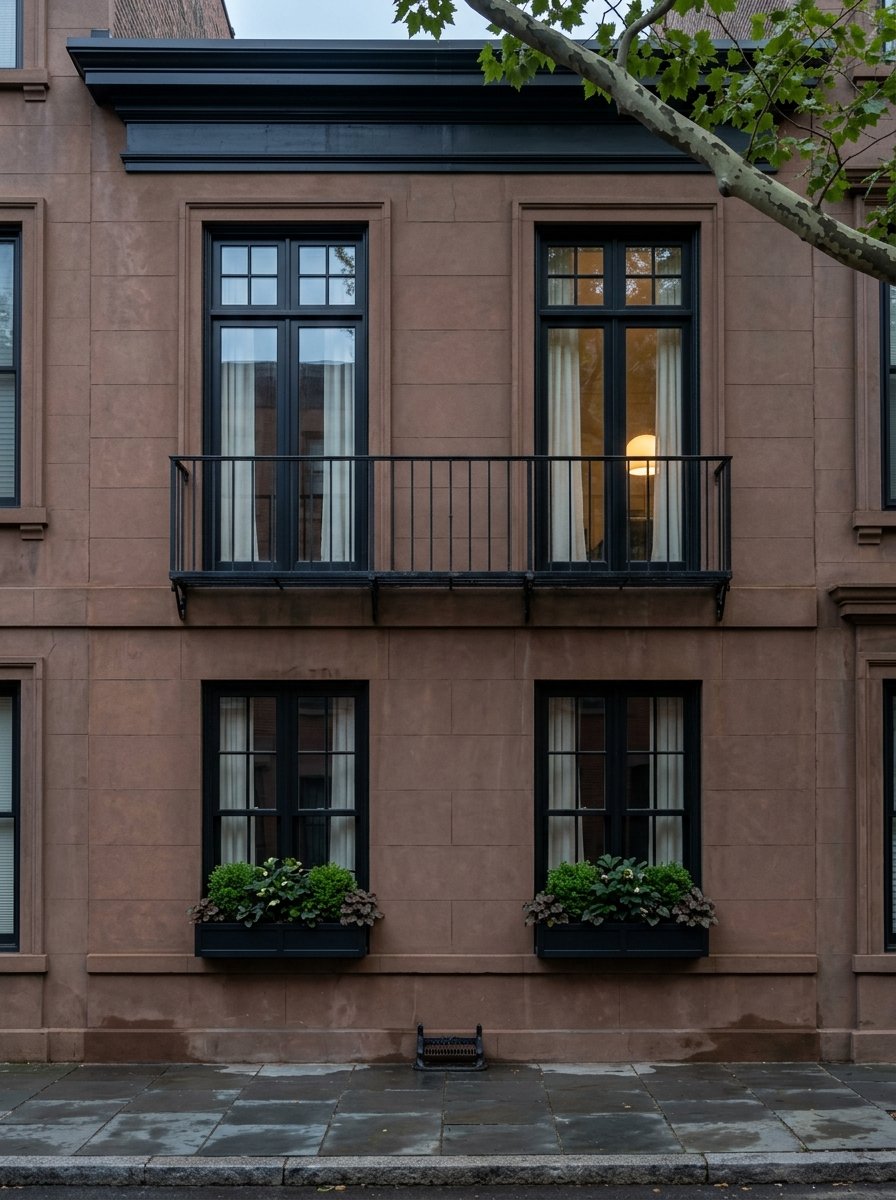
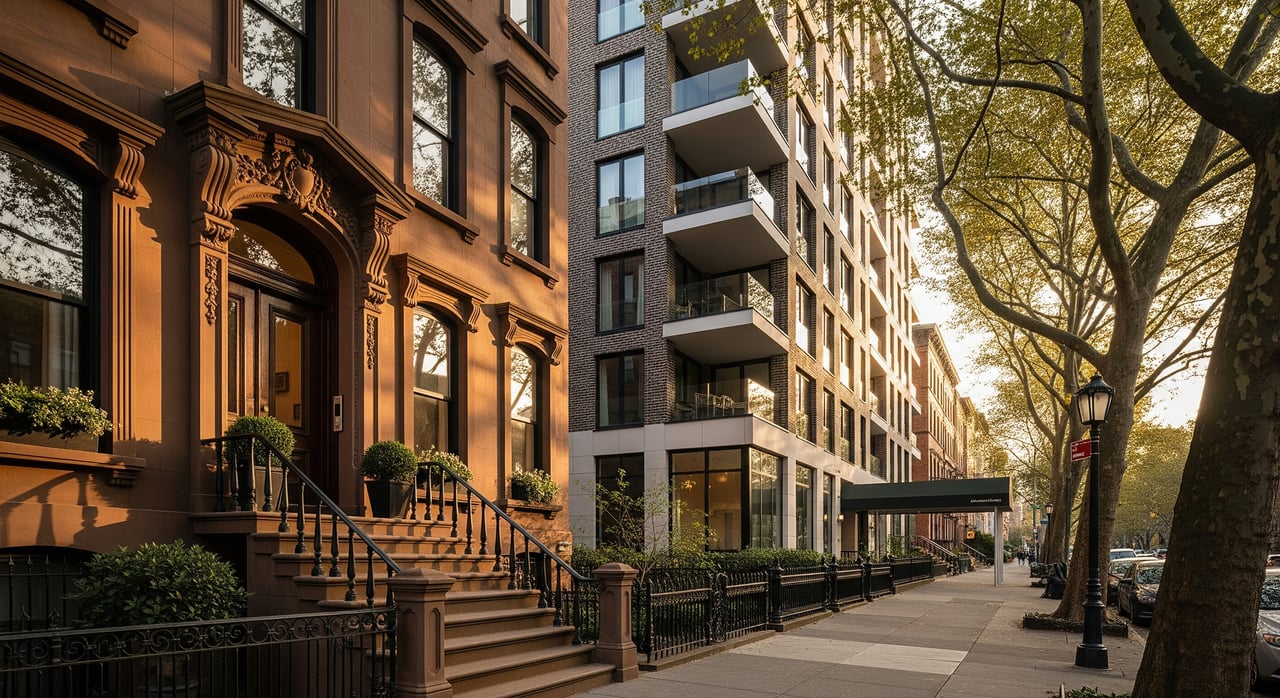
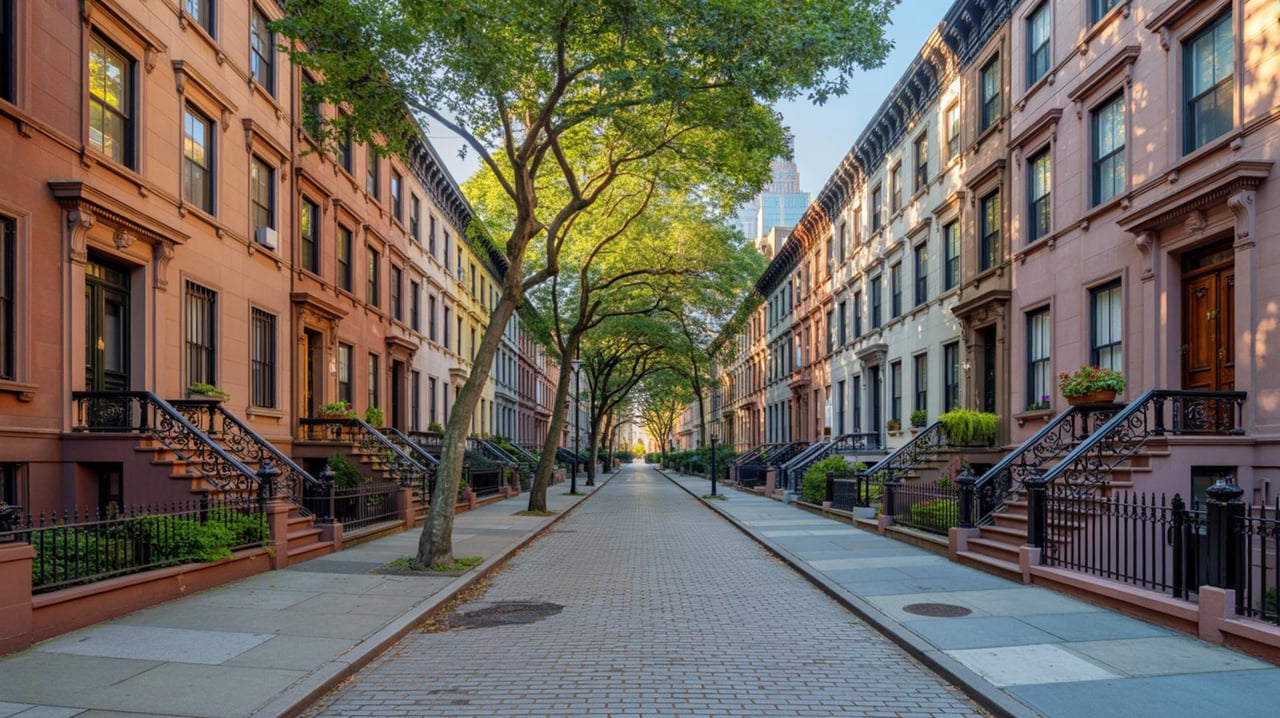
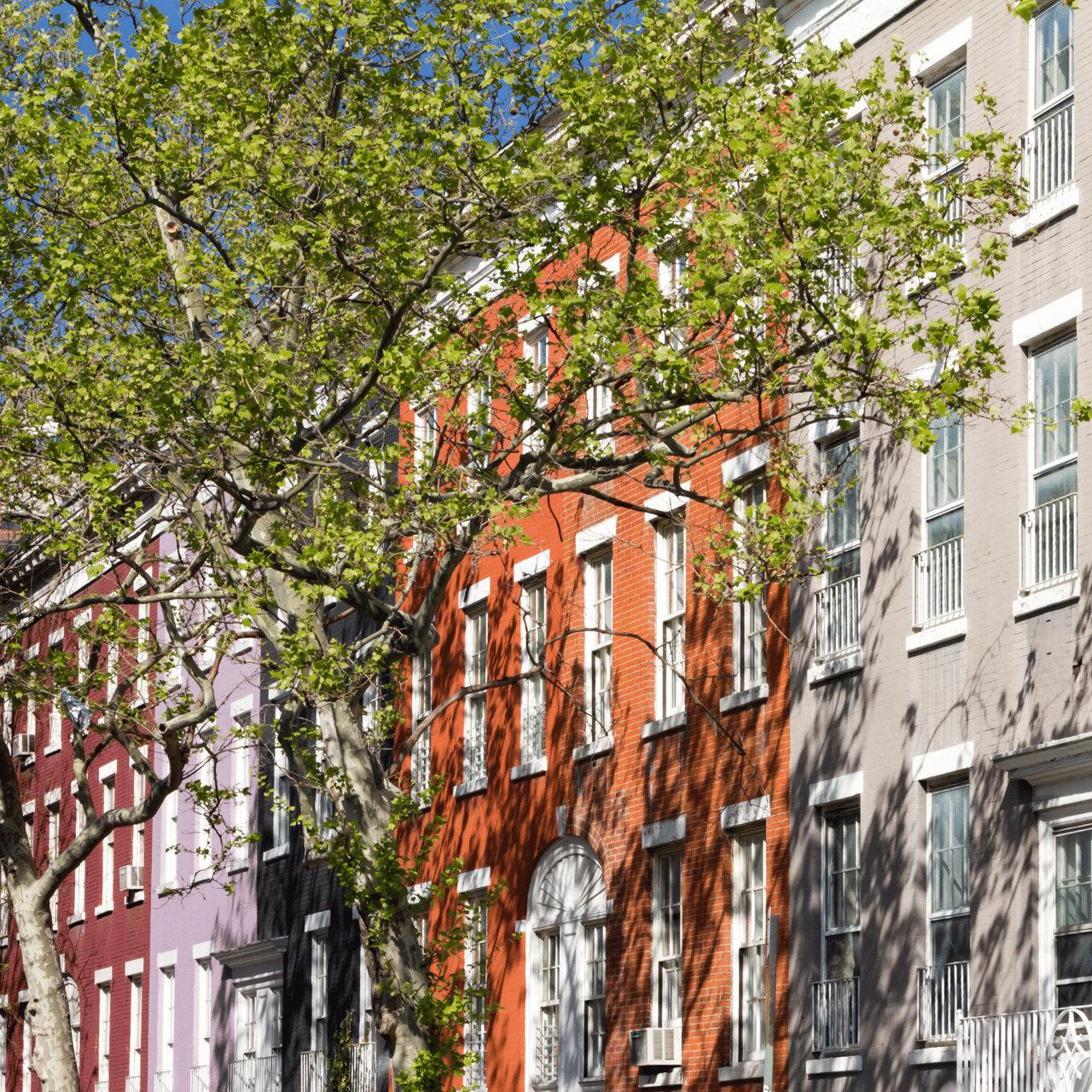
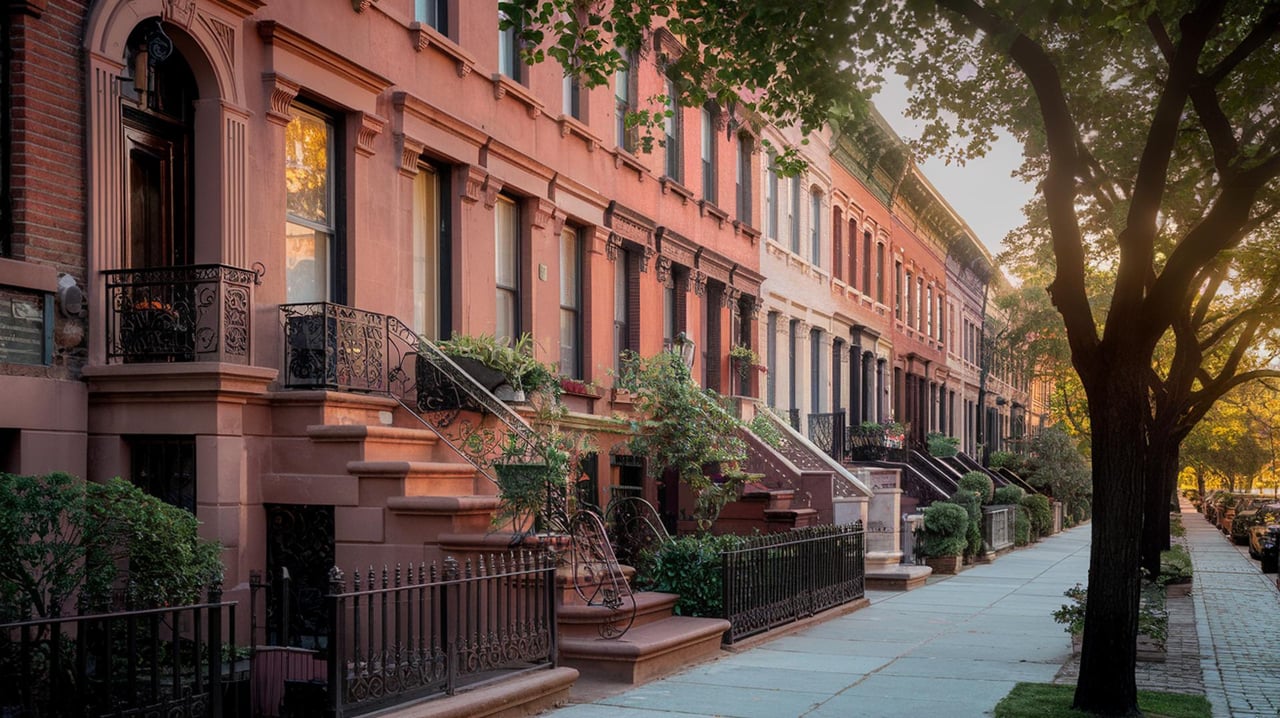
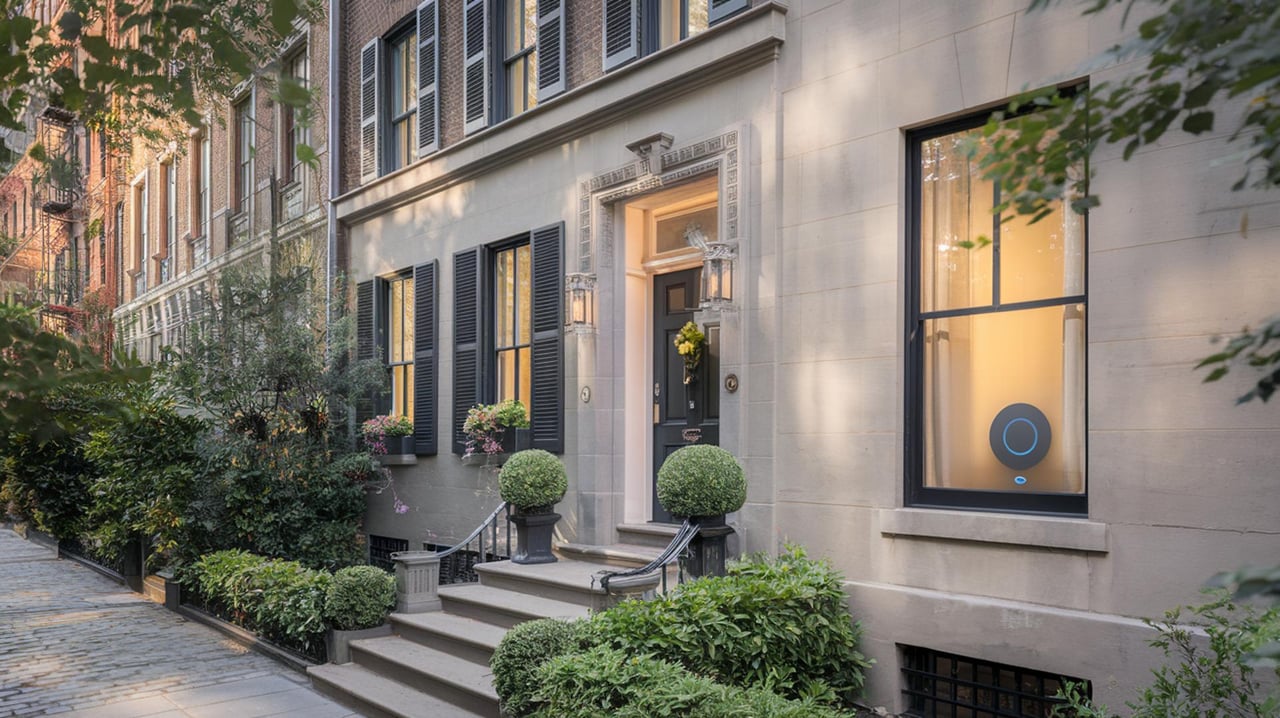
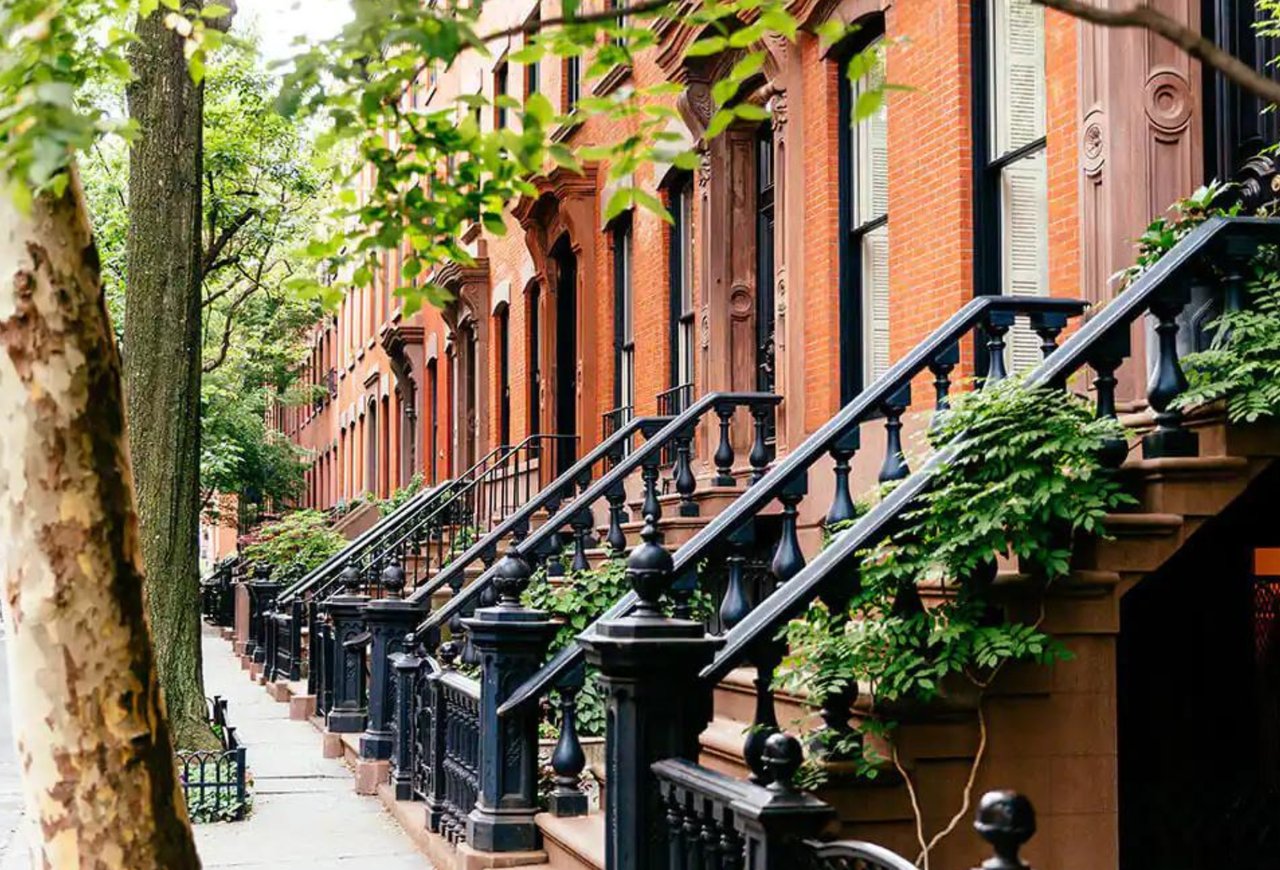
If you are looking for blocks that tend to feel calmer, the side streets west and south of Washington Square often stand out. Streets such as Perry Street, Charles Street, West 10th Street, and West 11th Street are commonly associated with a more residential rhythm. That impression aligns with the neighborhood’s long history.
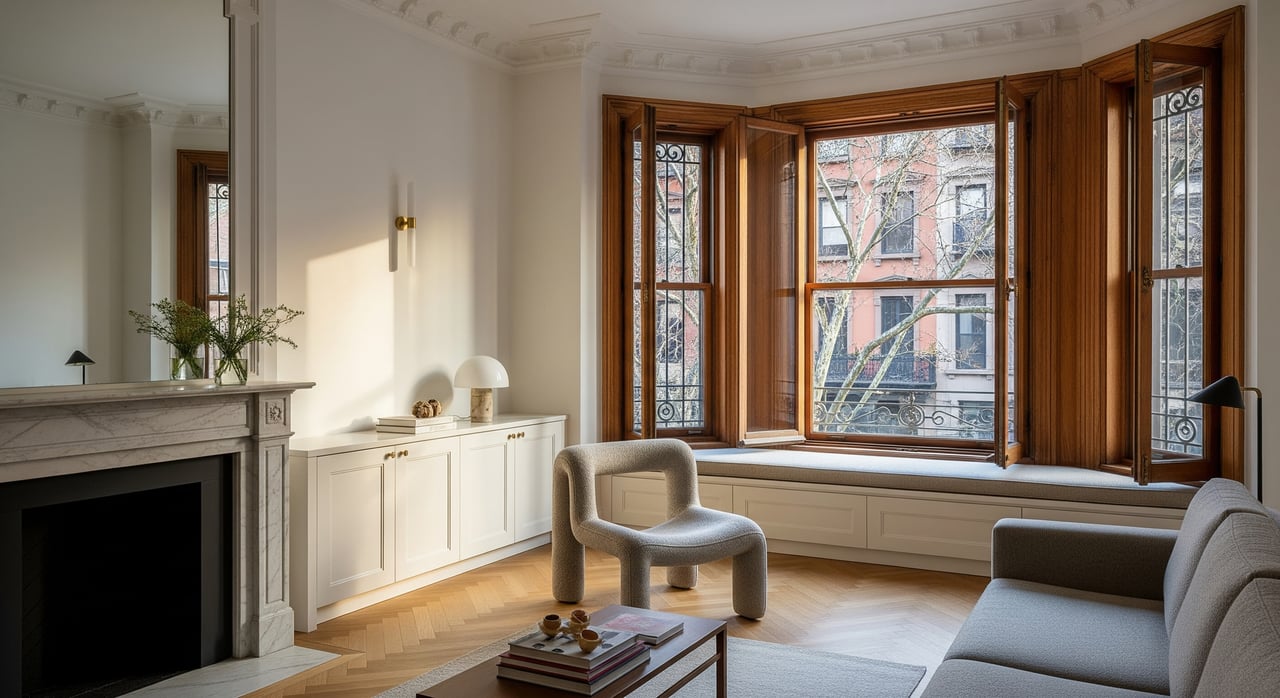
The Landmarks Preservation Commission notes that by the late 1920s, the far western section of Greenwich Village had become a desirable residential community. Former tenements were converted into middle-class apartments, and some older buildings returned to single-family use. That history helps explain why these blocks can feel settled and residential rather than purely commercial.
Lower Fifth Avenue has a daytime rhythm
The lower Fifth Avenue edge near Washington Square East often feels more connected to daytime activity than late-night nightlife. Washington Square Park serves as a major civic anchor, with a long history tied to public gathering, performance, protest, and everyday neighborhood life. The area is active, but its rhythm is not identical to the busier nightlife corridors deeper into the Village.
For many buyers, that can be an appealing middle ground. You may still be close to one of Manhattan’s most recognized public spaces while feeling more connected to daytime movement than to a late-night bar scene.
Lively Blocks in Greenwich Village
West 4th, Bleecker, and Christopher Street
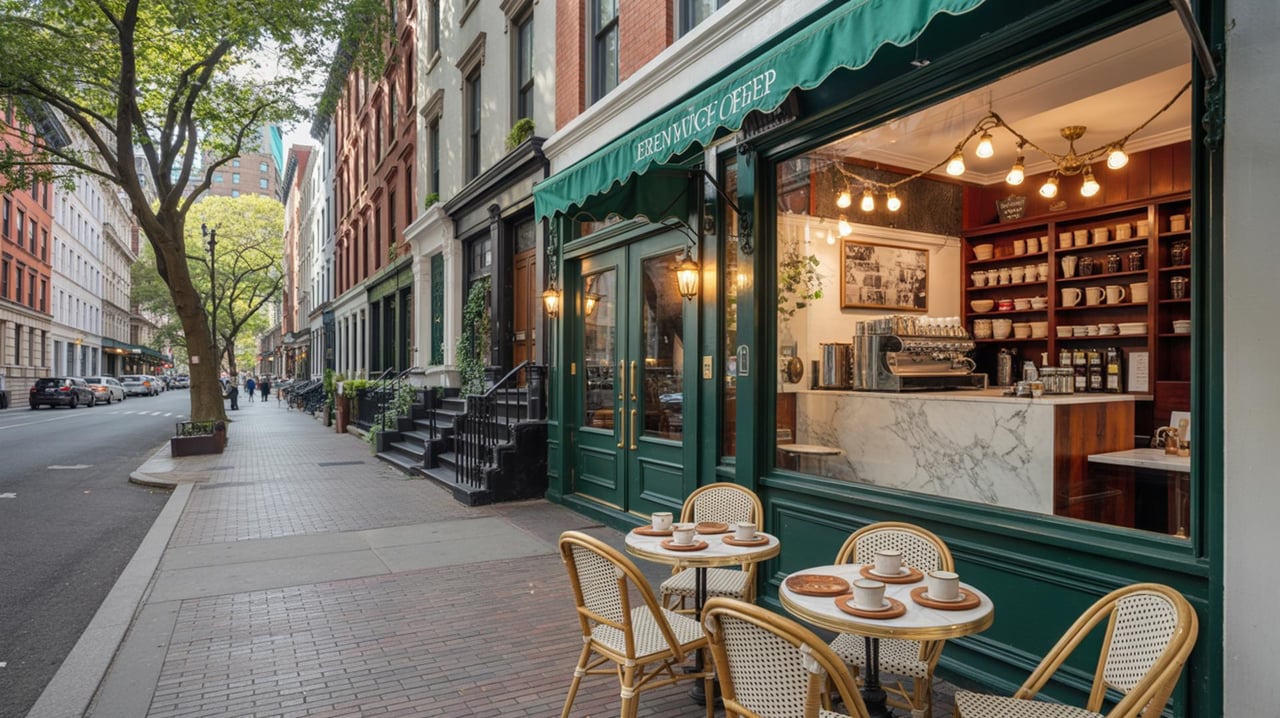
When buyers ask where Greenwich Village feels most animated, a few corridors come up again and again. West 4th Street, Bleecker Street, Christopher Street, and the blocks around Washington Square Park are some of the neighborhood’s most active stretches. Transit maps and local precinct descriptions reinforce how tightly connected and heavily used this part of the Village is.
This is where you feel the neighborhood’s social energy most clearly. Dining, foot traffic, subway access, and cultural activity all cluster within a compact area, which creates the lively street life many people picture when they think of Greenwich Village.
Christopher Street carries history and energy
Christopher Street is one of the clearest examples of a block that feels historic and active at the same time. The National Park Service identifies it as the oldest street in the Village and notes that the surrounding maze-like street pattern helped shape the events of the 1969 Stonewall Uprising. Today, the monument area includes Christopher Street, Christopher Park, and parts of nearby streets.
That layered history adds to the street’s character. If you are drawn to places where public life, architecture, and cultural significance all meet at street level, Christopher Street is one of the strongest examples in the neighborhood.
Small geography, big contrast
One of the Village’s defining traits is how little distance separates lively blocks from quieter ones. The MTA neighborhood map places W 4 St-Wash Sq, Christopher St-Sheridan Sq, 8 St-NYU, and Bleecker St in one tightly linked walkable zone. That means the shift from high foot traffic to a more tucked-away side street can happen very quickly.
For buyers, that is not a minor detail. It means your experience of Greenwich Village may depend less on the neighborhood name and more on your exact building location, orientation, and nearest corner.
What Creates the Village’s Energy
Greenwich Village blends residential streets with cultural, institutional, and commercial uses in a very compact area. Community Board 2 describes the broader area through its political activism, distinctive architecture, artistic life, and cultural diversity. Those qualities show up on the street in ways that feel immediate and visible.
You can see that mix near Washington Square Park, around NYU-related areas, and along restaurant and music corridors. City-curated dining listings highlight places like Jones Street and West 4th Street as examples of how dinner, music, and pedestrian activity come together in a small footprint. The result is a neighborhood that feels layered rather than uniform.
What Buyers Should Consider Block by Block
Lifestyle fit matters more than labels
If you are considering a home in Greenwich Village, it helps to think beyond broad terms like “West Village” or “near Washington Square.” In this neighborhood, two homes only a few blocks apart can offer very different daily experiences. One may feel more residential and tucked away, while another may place you in the middle of consistent activity.
That is why block-by-block analysis matters. Street pattern, nearby transit, park adjacency, and concentration of restaurants or gathering places can all influence how a location feels from morning through evening.
Transit is strong across the area
The Village’s transit network is a major reason these contrasts work so well. Nearby subway anchors include W 4 St-Wash Sq, Christopher St-Sheridan Sq, 8 St-NYU, and Bleecker St. Because access is so strong, you can often choose a quieter street without feeling disconnected from the neighborhood’s busiest and most useful corridors.
For many buyers, that flexibility is part of the appeal. You can prioritize a more peaceful home base while keeping dining, culture, and transportation within easy reach.
Historic status can affect ownership plans
Greenwich Village’s character is not only visual or cultural. It is also shaped by regulation. The Greenwich Village Historic District was designated on April 29, 1969, and the Landmarks Preservation Commission says it included more than 2,000 buildings across 65 blocks, making it the largest district designated at the time and still the largest historic district in New York City today.
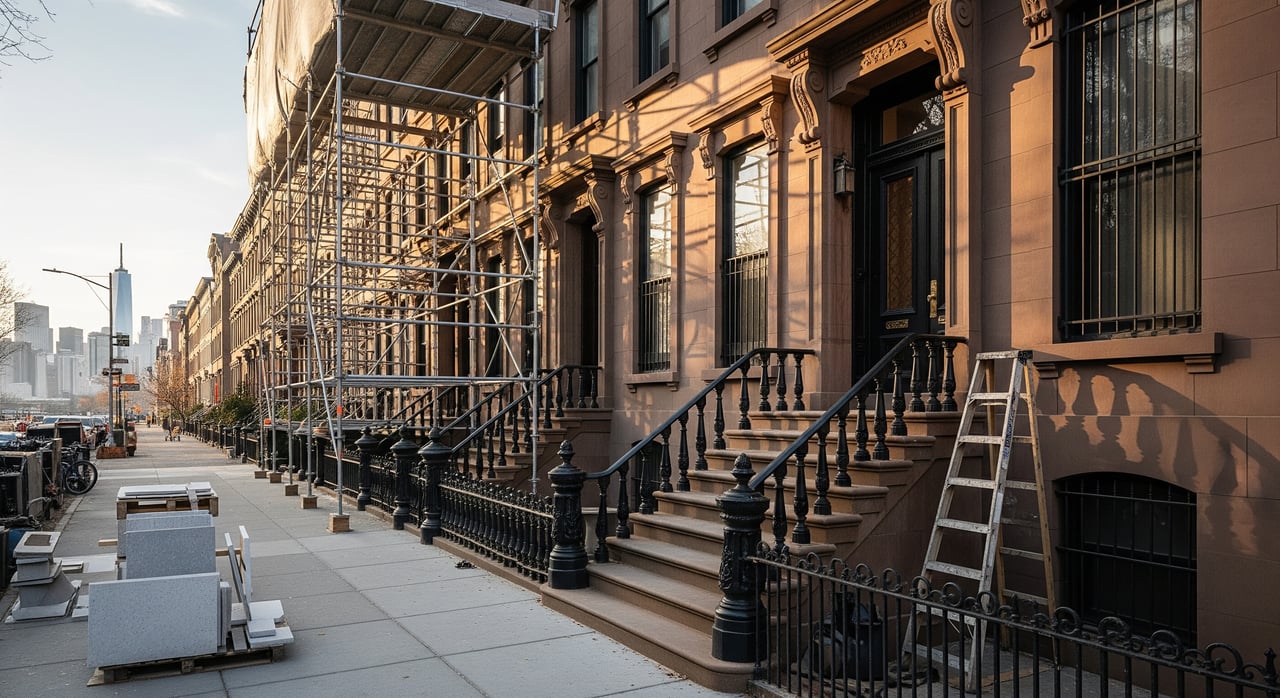
For owners, that can be important when thinking about future updates. In designated historic districts, approval is generally required before most exterior alterations, reconstruction, demolition, or new construction affecting a designated building. If you are buying with renovation plans in mind, this is something to evaluate early.
How to Choose the Right Greenwich Village Block
If you are trying to narrow your search, it helps to focus on how you want the neighborhood to feel in daily life. A few simple questions can bring clarity:
- Do you want to be close to the most active dining and social corridors?
- Do you prefer a more residential street with a quieter feel?
- Is proximity to Washington Square Park a priority?
- Are you comfortable with the review process that may come with a historic district property?
- Would you rather be near major subway connections or slightly removed from them?
The answers can point you toward the right part of the Village. In a neighborhood this compact and varied, the right block can shape your experience as much as the apartment itself.
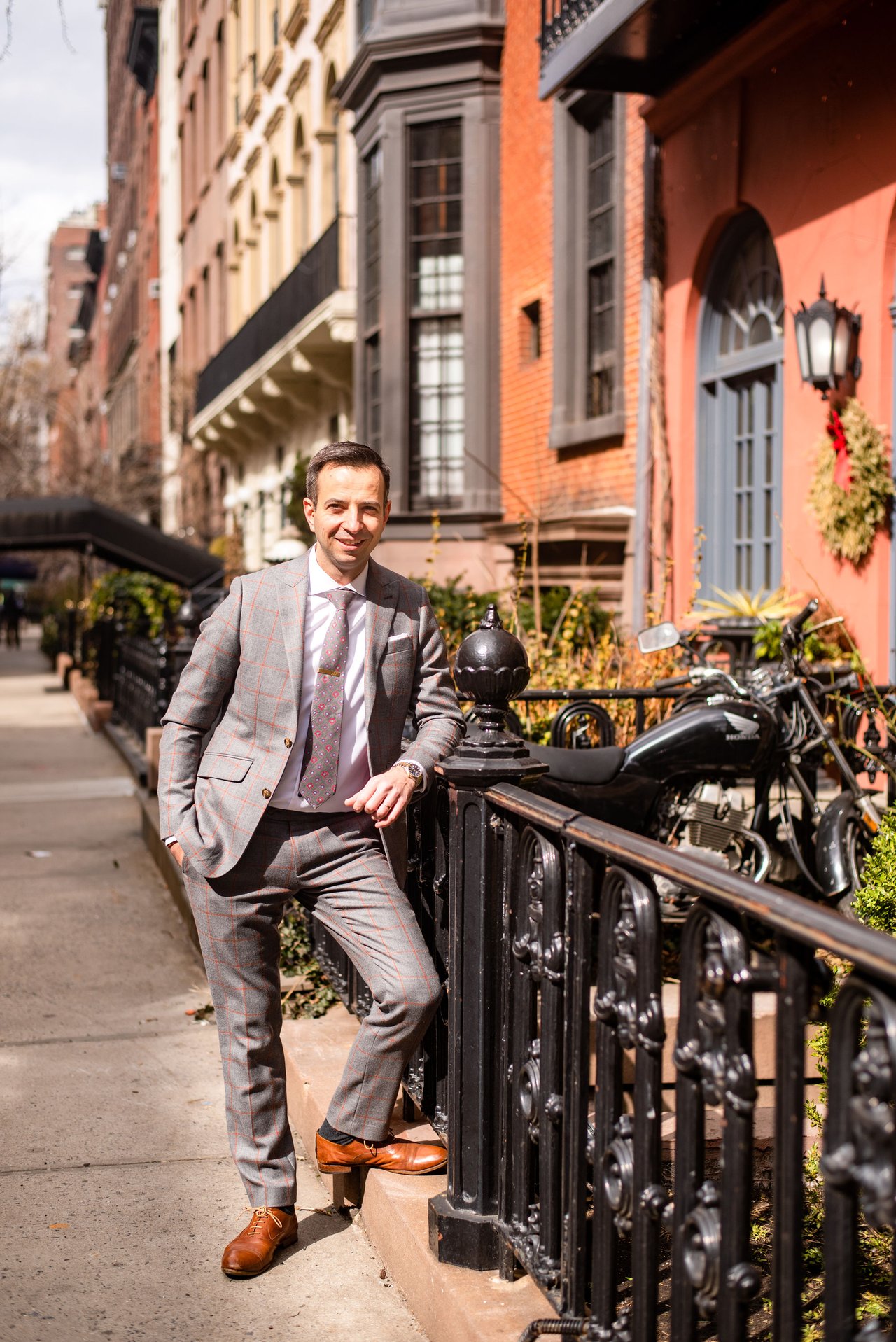
Greenwich Village rewards close attention. Its irregular streets, layered history, and tightly packed mix of uses create a neighborhood where quiet corners and lively blocks exist side by side. If you want help thinking through which streets best match your priorities, Daniel Kramp offers private, tailored guidance for buyers seeking the right fit in downtown Manhattan.
FAQs
Which Greenwich Village blocks feel calmest for buyers?
- The side streets west and south of Washington Square, especially Perry Street, Charles Street, West 10th Street, and West 11th Street, are often seen as calmer-feeling residential blocks based on the area’s street pattern and residential history.
Which Greenwich Village blocks feel most lively?
- West 4th Street, Bleecker Street, Christopher Street, and the edges of Washington Square Park are among the Village’s most animated areas for foot traffic, dining, and street activity.
Why does Greenwich Village feel different from block to block?
- The neighborhood’s older, irregular street layout and its mix of residential, cultural, institutional, and social uses create sharp changes in atmosphere over very short walking distances.
Does Greenwich Village historic district status affect renovations?
- Yes. In designated historic district areas, Landmarks Preservation Commission approval is generally required for most exterior alterations, reconstruction, demolition, or new construction affecting a designated building.
Is transit convenient across Greenwich Village?
- Yes. Major nearby subway points include W 4 St-Wash Sq, Christopher St-Sheridan Sq, 8 St-NYU, and Bleecker St, which helps residents stay connected even from quieter side streets.