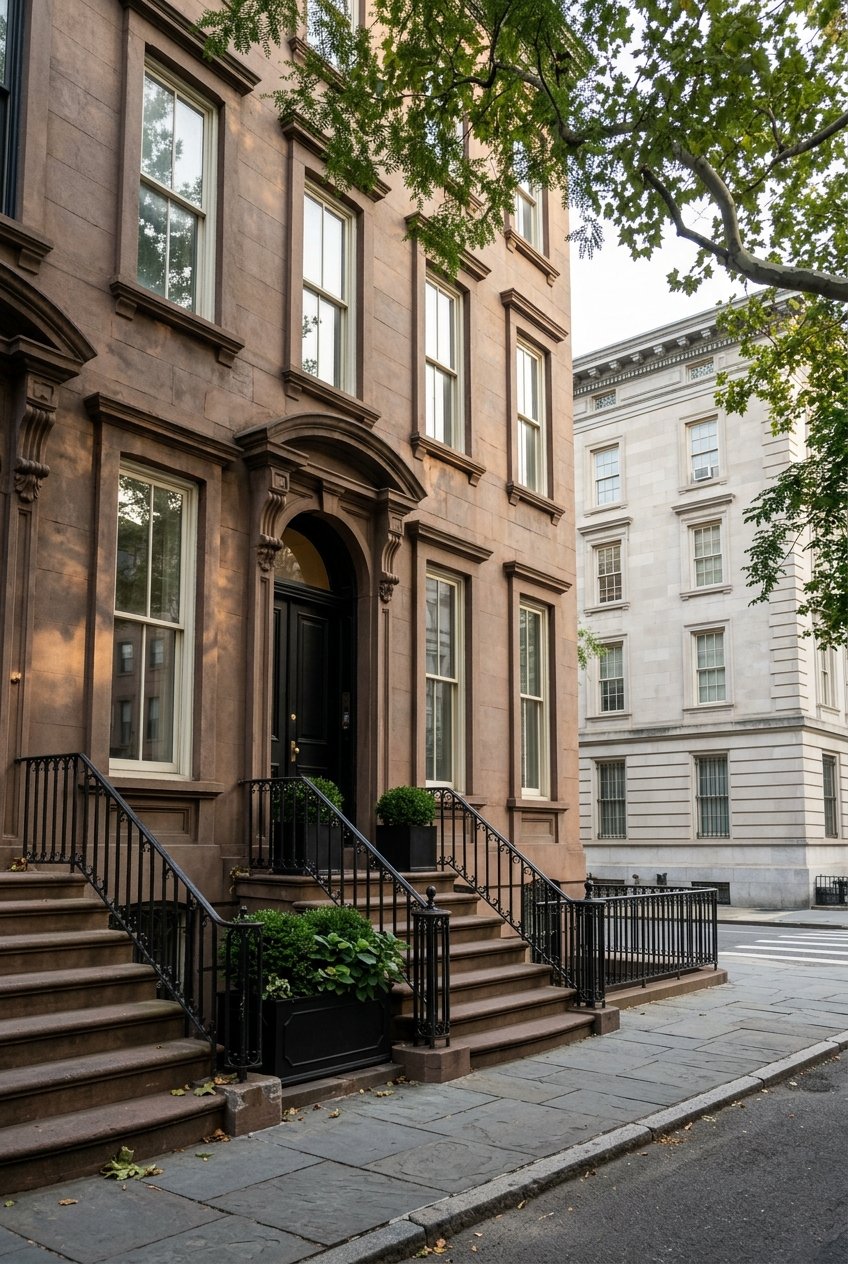
Wondering whether Central Park West or Riverside Drive is the better Upper West Side address for your lifestyle? It is a smart question, because while both corridors are historic, park-adjacent, and largely prewar in character, they offer very different day-to-day experiences. If you are weighing the two, this guide will help you compare street feel, architecture, park access, transit, and the kind of routine each address tends to support. Let’s dive in.
Why this comparison matters
On paper, Central Park West and Riverside Drive can look similar. Both sit along major park edges on the Upper West Side, and both are known for beautiful prewar buildings and classic New York character.
In practice, the choice often comes down to how you want your home to feel when you step outside. One corridor is more iconic and connected to a broader urban scene, while the other often feels quieter, more residential, and more tied to a long stretch of waterfront parkland.
Central Park West at a glance
Central Park West runs along the west side of Central Park and is part of a broader historic Upper West Side corridor that includes residential side streets and active retail strips on Columbus and Amsterdam Avenues. Official district materials describe the area between West 61st and West 96th Streets as a linear district defined by early-20th-century high-rise apartment buildings and major institutions.
That setting gives Central Park West a more prominent, visitor-facing identity. You are not just living next to a park. You are living along one of Manhattan’s most recognizable residential avenues, with landmark buildings and cultural institutions woven into the streetscape.
Central Park West building character
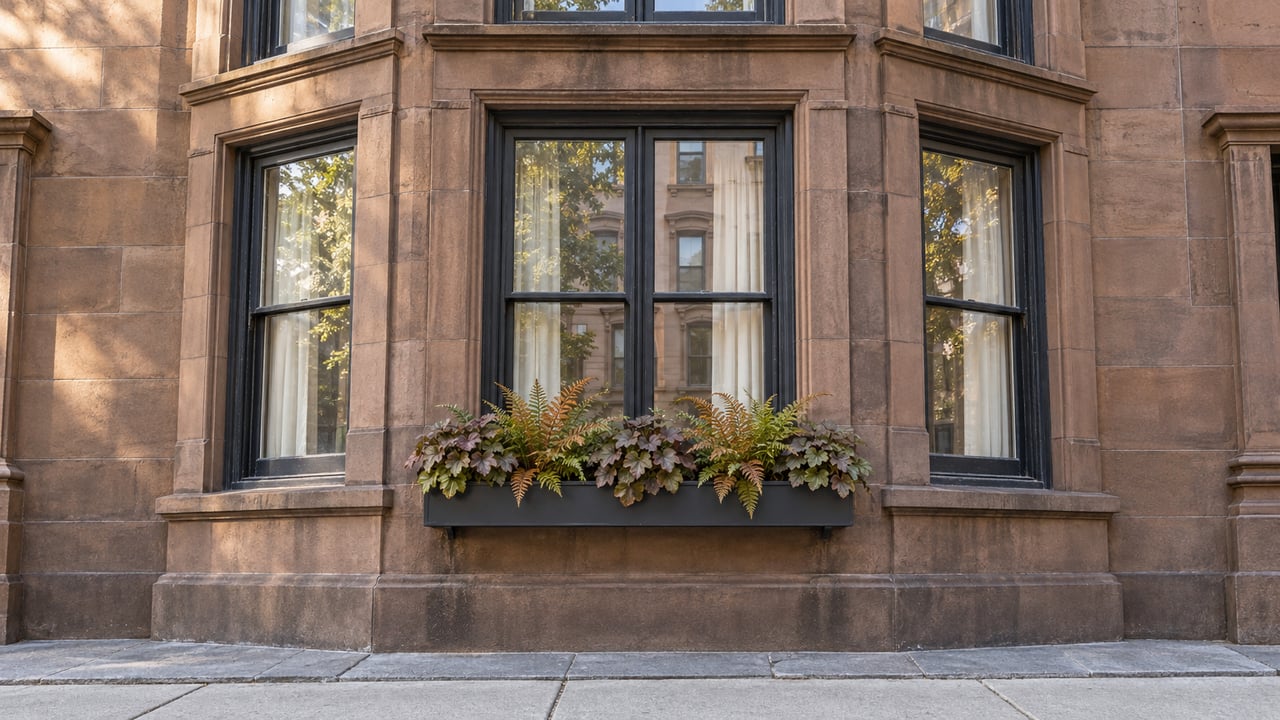
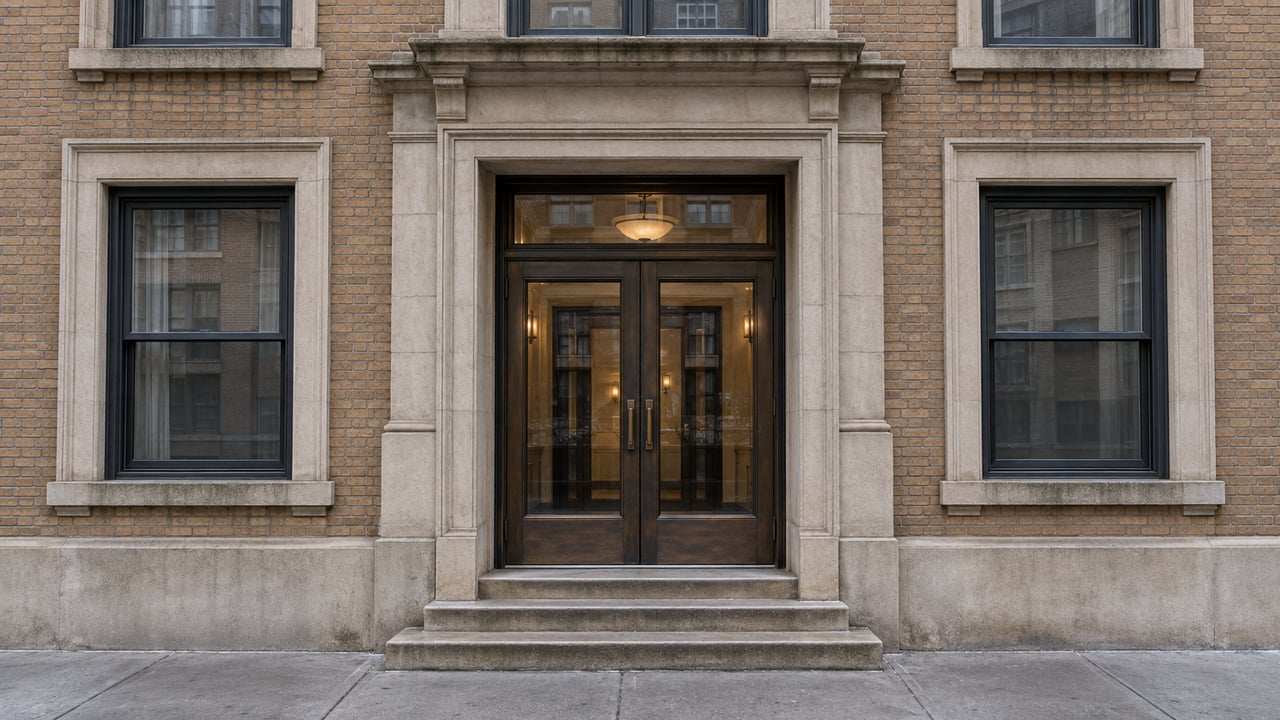
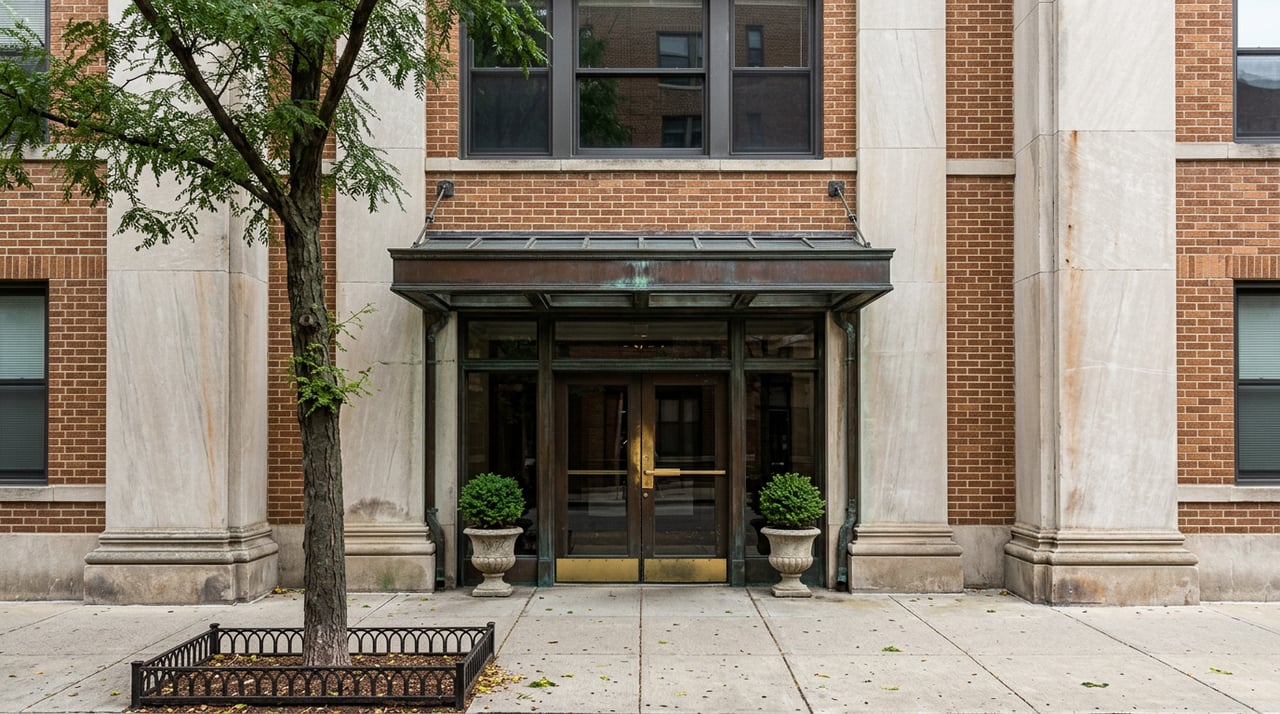
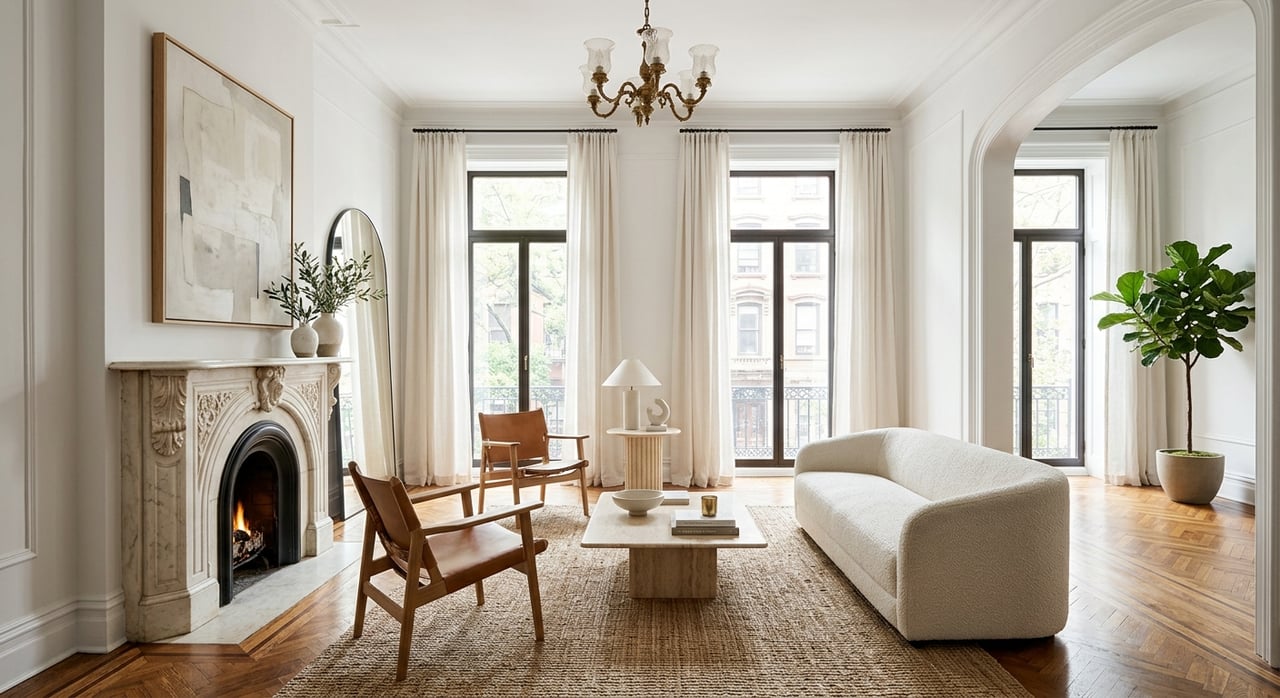
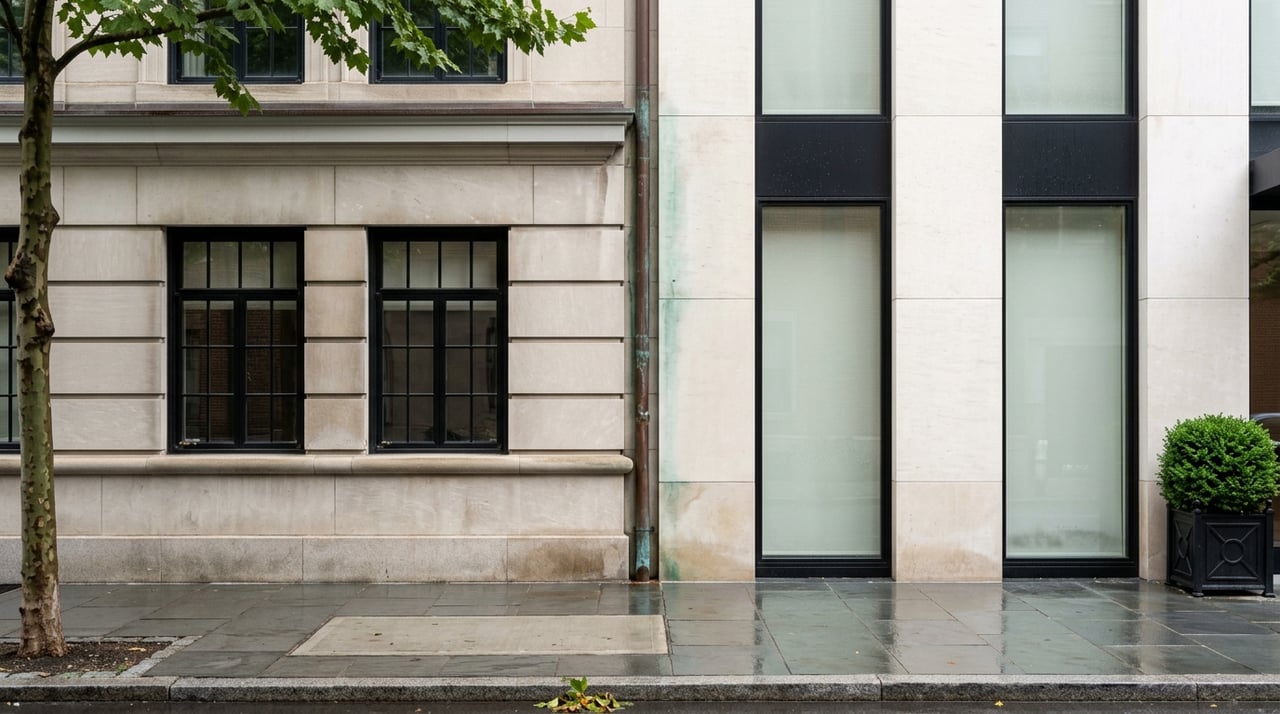
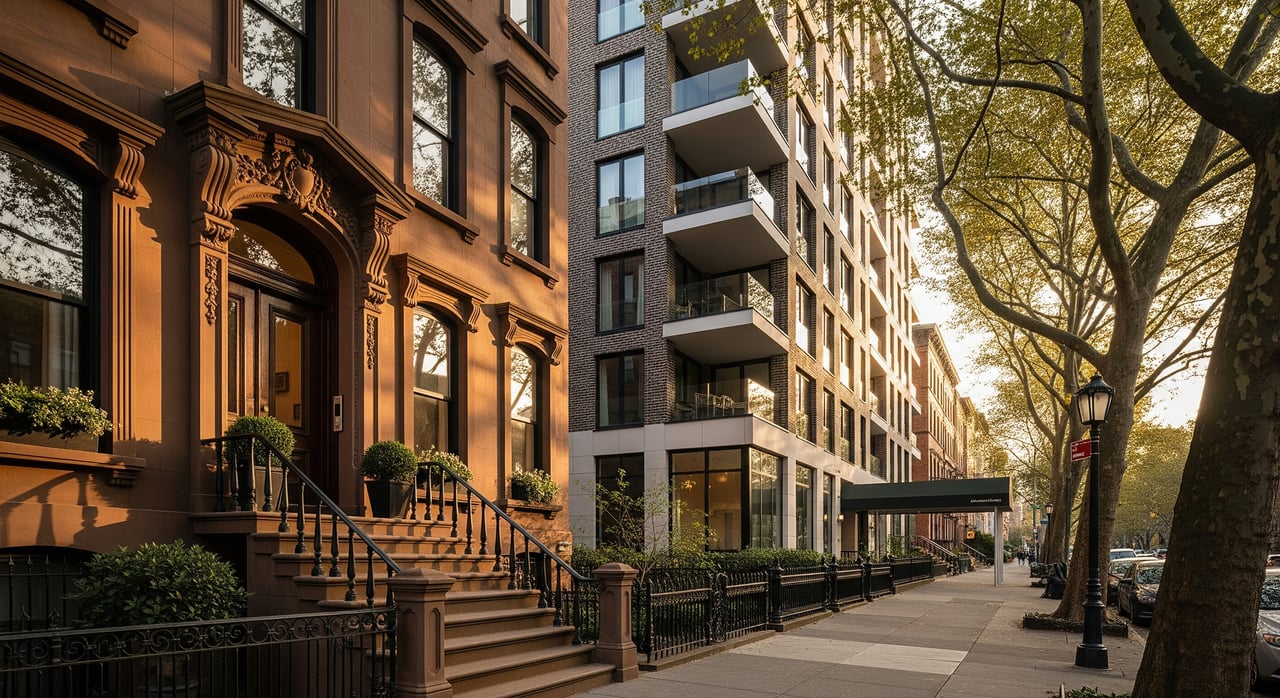
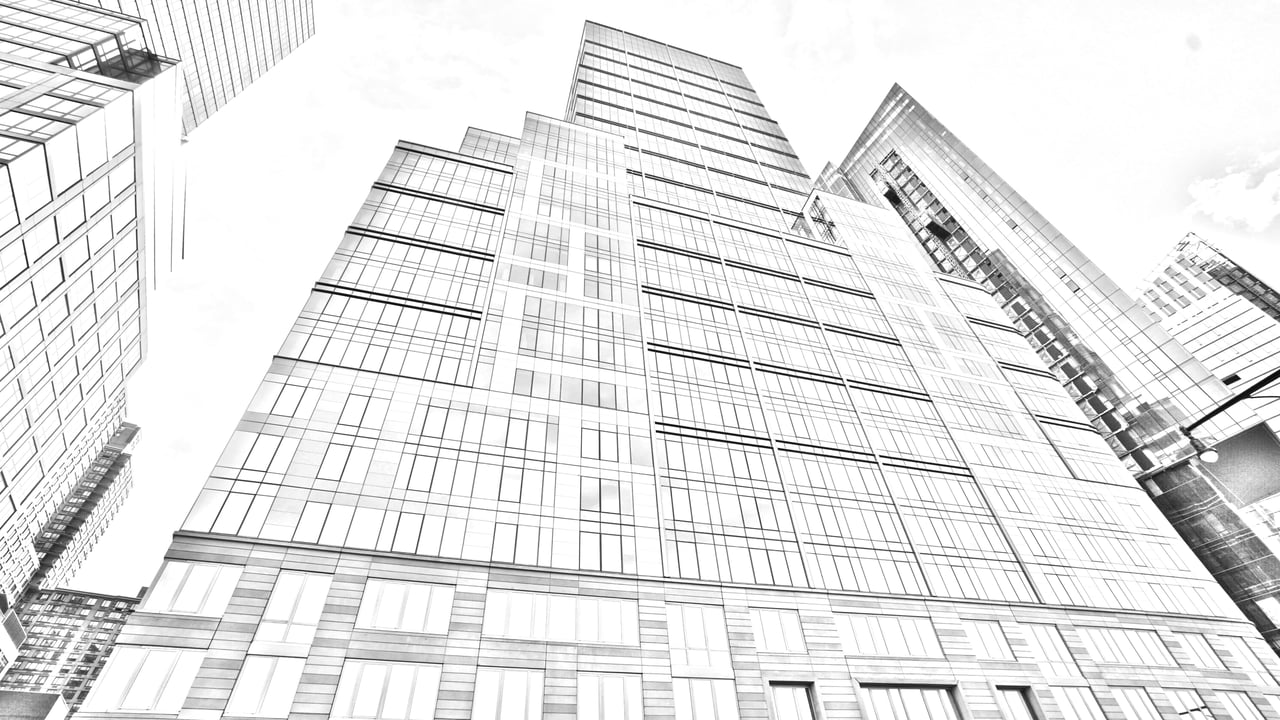
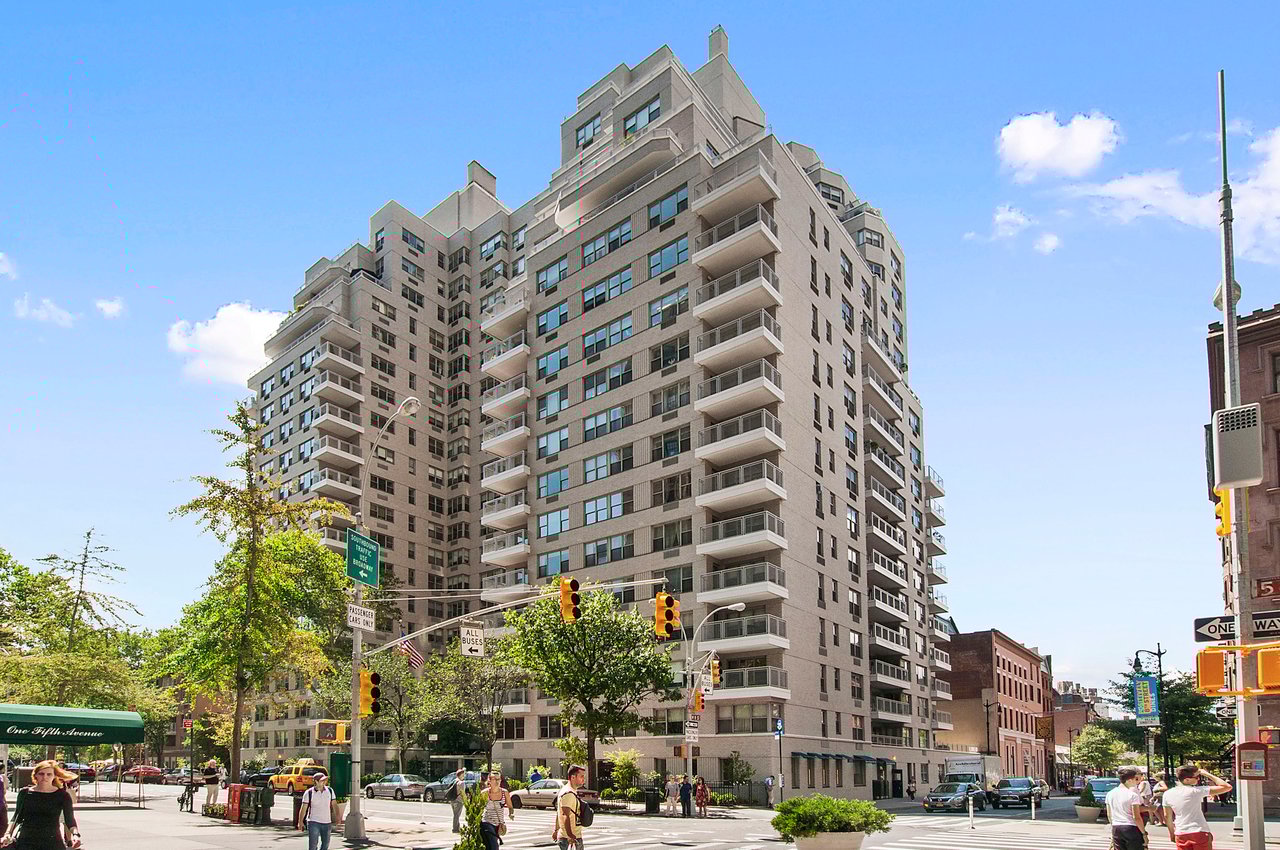
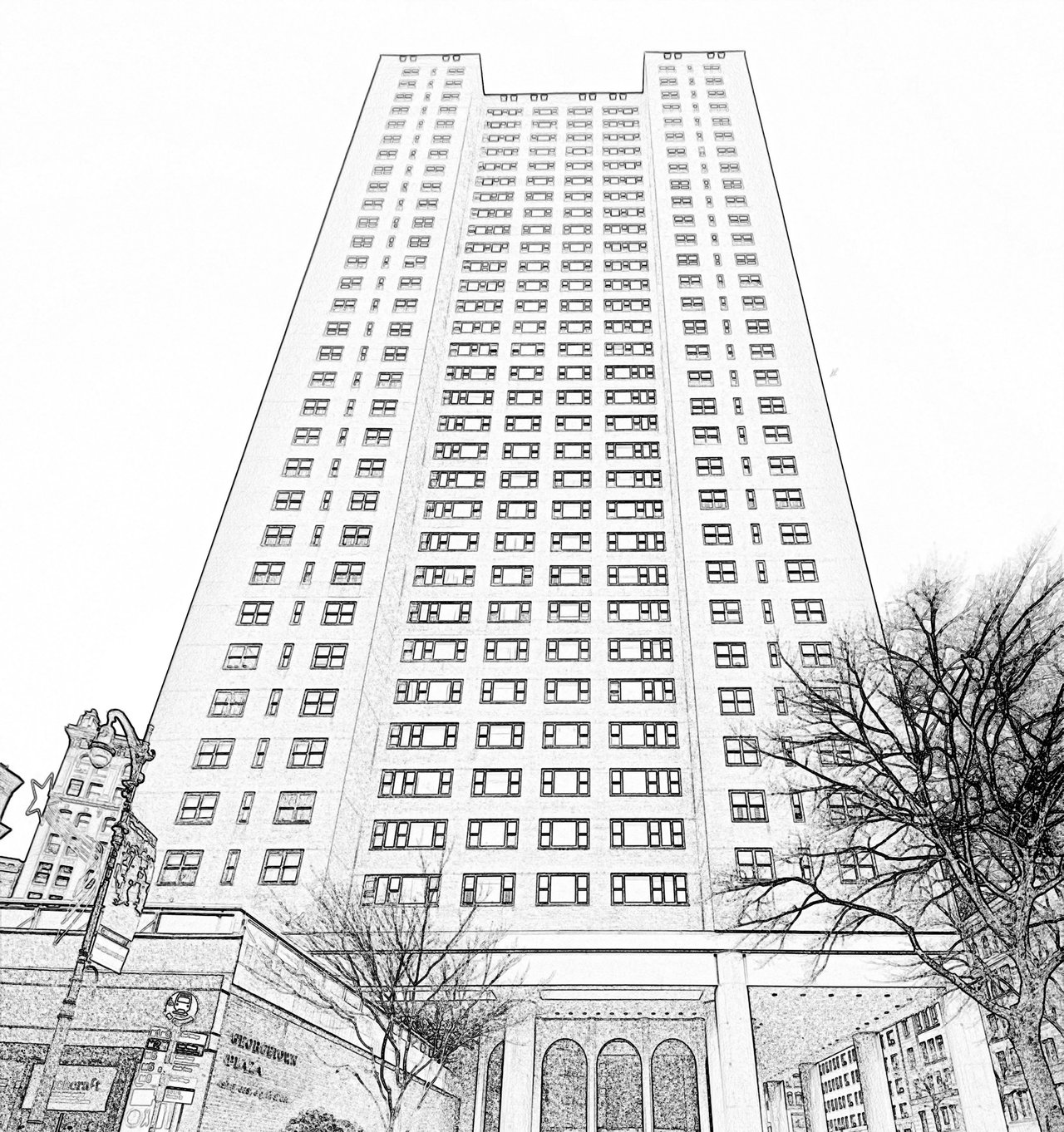
Central Park West tends to feel grand and architectural. Preservation materials emphasize Beaux-Arts apartment houses, luxury prewar towers, and major institutional buildings that shape the avenue’s formal look.
Examples within the district include notable apartment buildings such as the Beresford Apartments and the Studio Building, along with destinations like the New-York Historical Society and the American Museum of Natural History complex. If you are drawn to classic, monumental New York architecture, CPW often delivers that sense immediately.
Central Park West daily rhythm
Daily life on Central Park West often feels more connected to the broader energy of the Upper West Side. Retail and commercial activity nearby on Columbus and Amsterdam Avenues adds convenience, while the park itself creates instant access to walks, runs, and open green space.
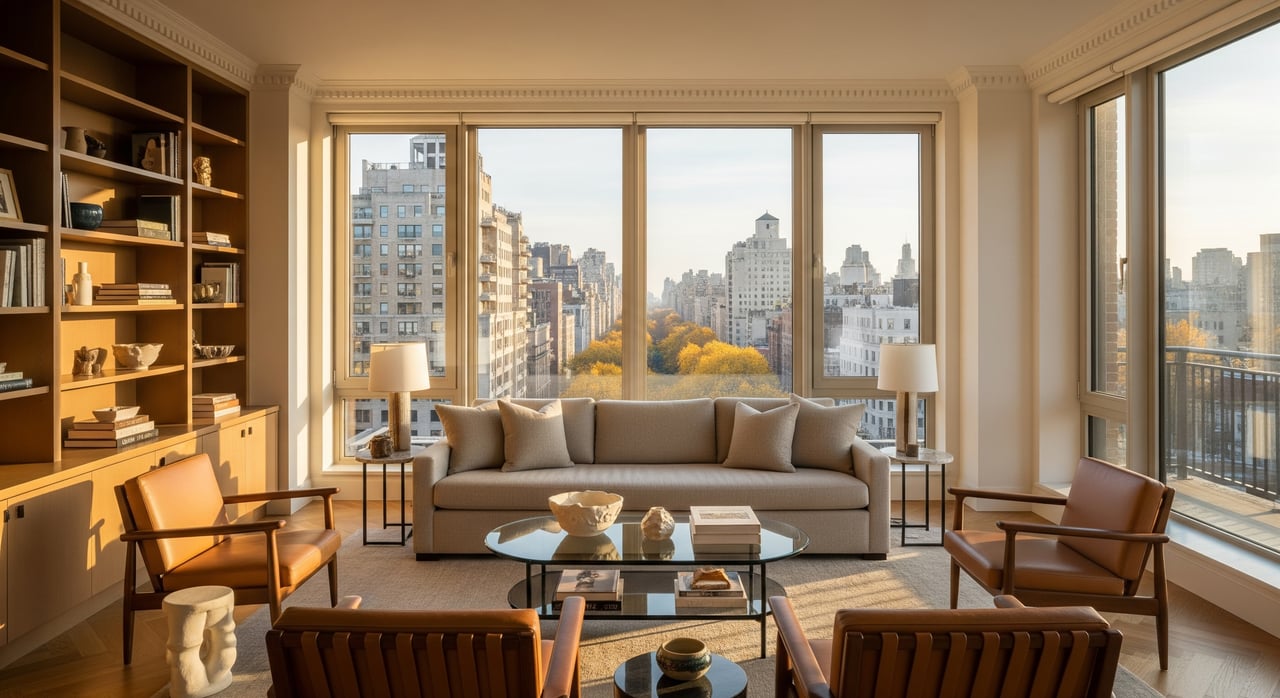
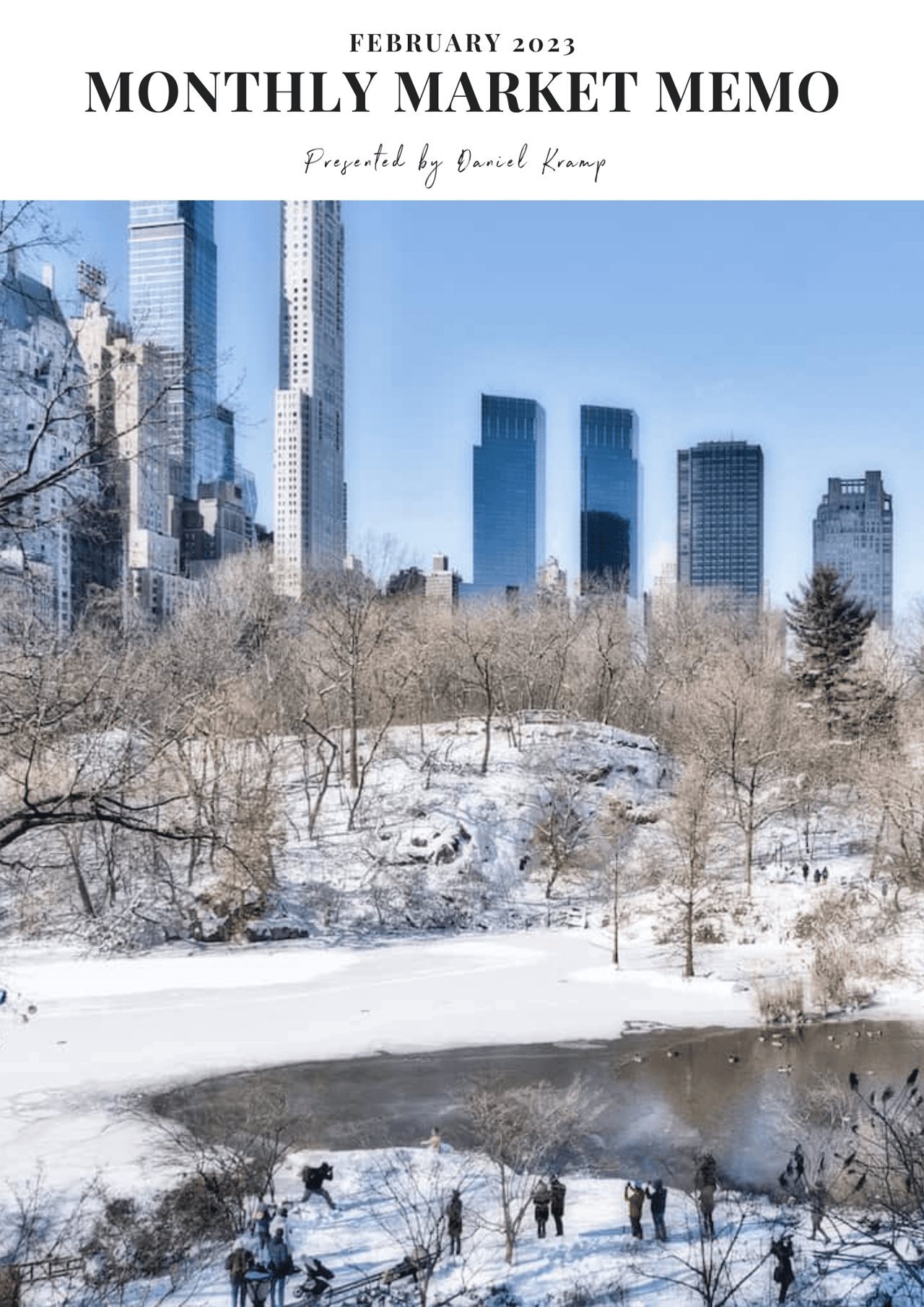
Central Park spans 843 acres, according to NYC Parks, so living along CPW gives you direct access to one of the city’s largest and most recognizable outdoor settings. For many buyers, that means an easy morning run, a quick dog walk, or a spontaneous trip into the park without much planning.
Riverside Drive at a glance
Riverside Drive offers a different version of park-side Upper West Side living. The Riverside-West End Historic District Extension II covers roughly 344 residential and institutional buildings west of Broadway between West 87th and West 108th Streets, with large apartment buildings on Riverside Drive and West End Avenue and a mix of rowhouses, mansions, and neighborhood institutions on side streets.
That mix gives Riverside Drive a more residential feel at the block level. Even when the architecture is substantial, the overall impression is often calmer and a bit more self-contained than Central Park West.
Riverside Drive building character
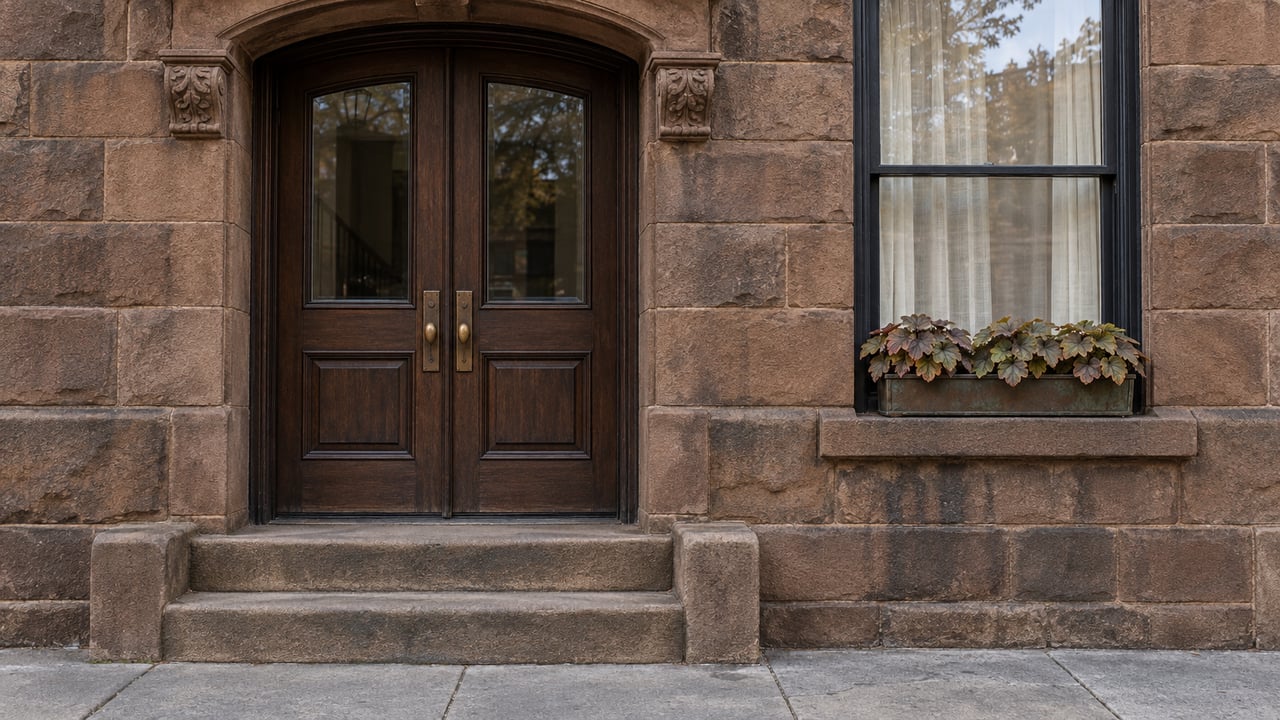
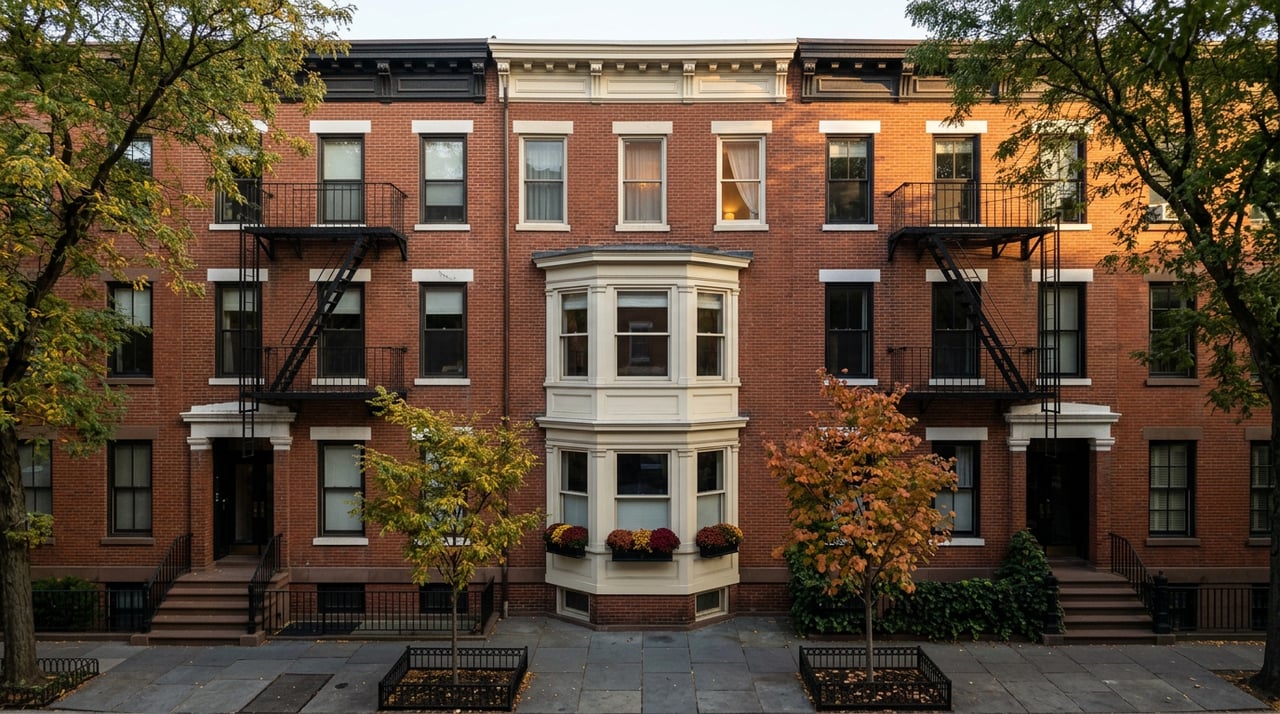
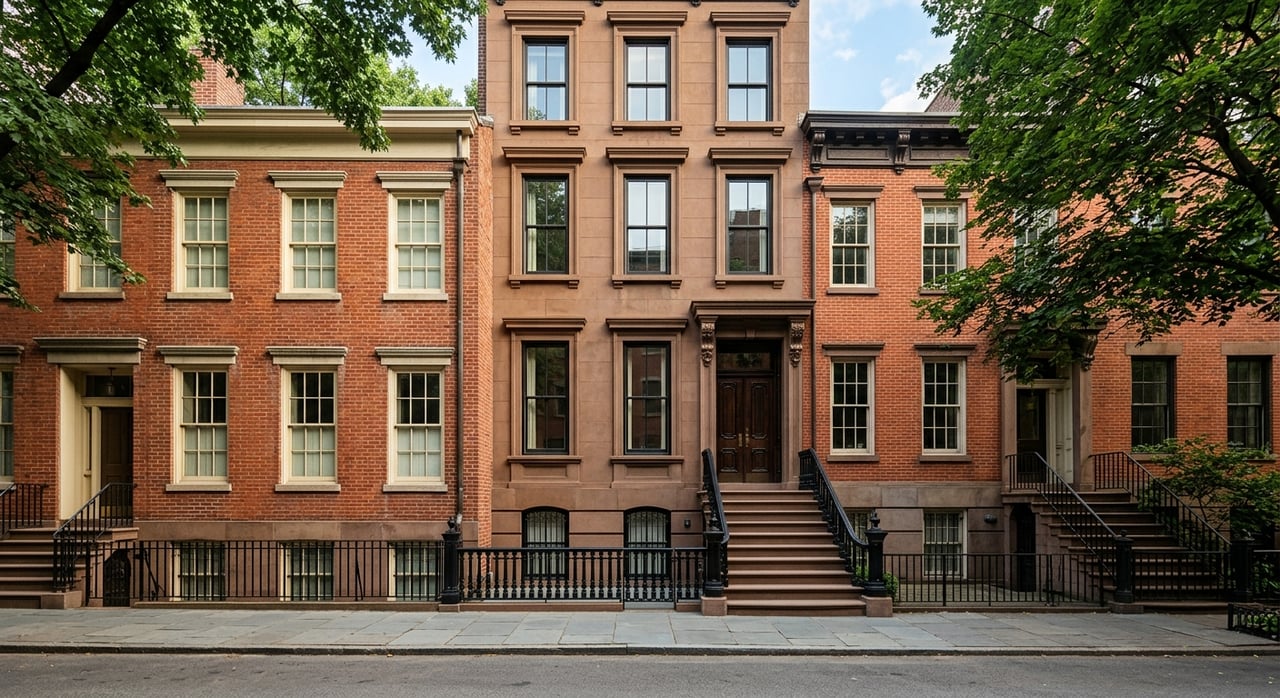
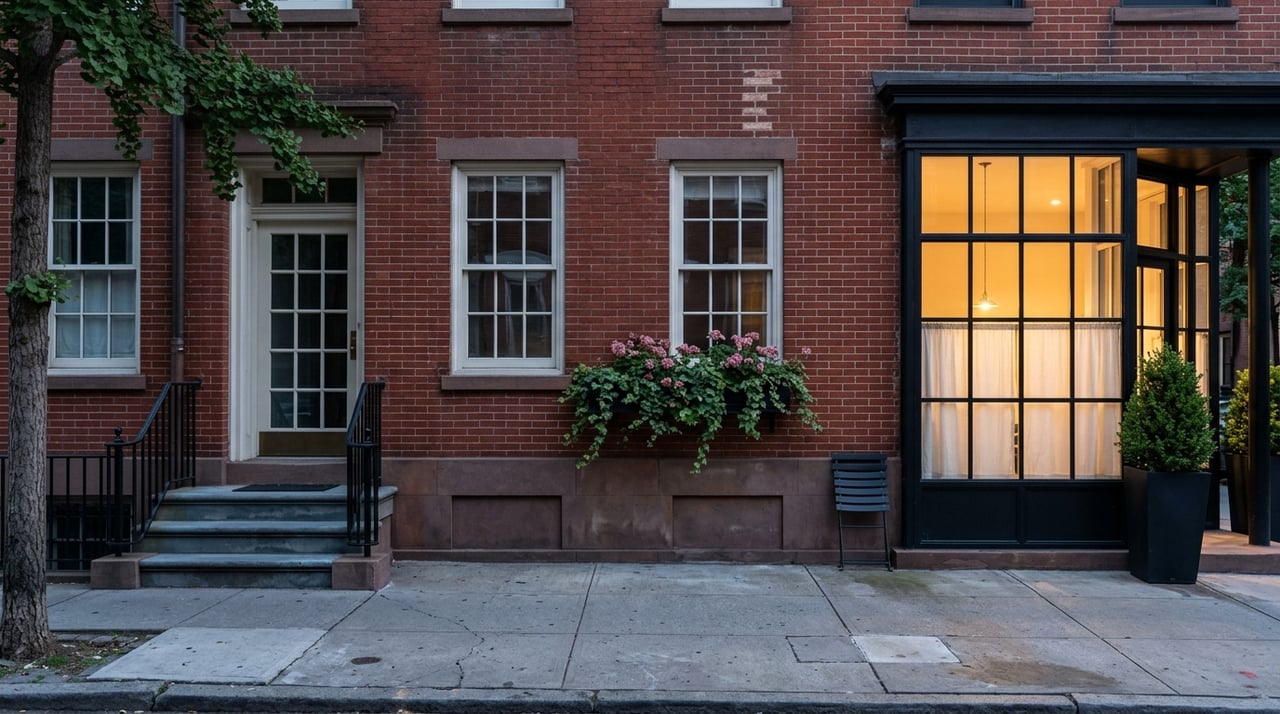
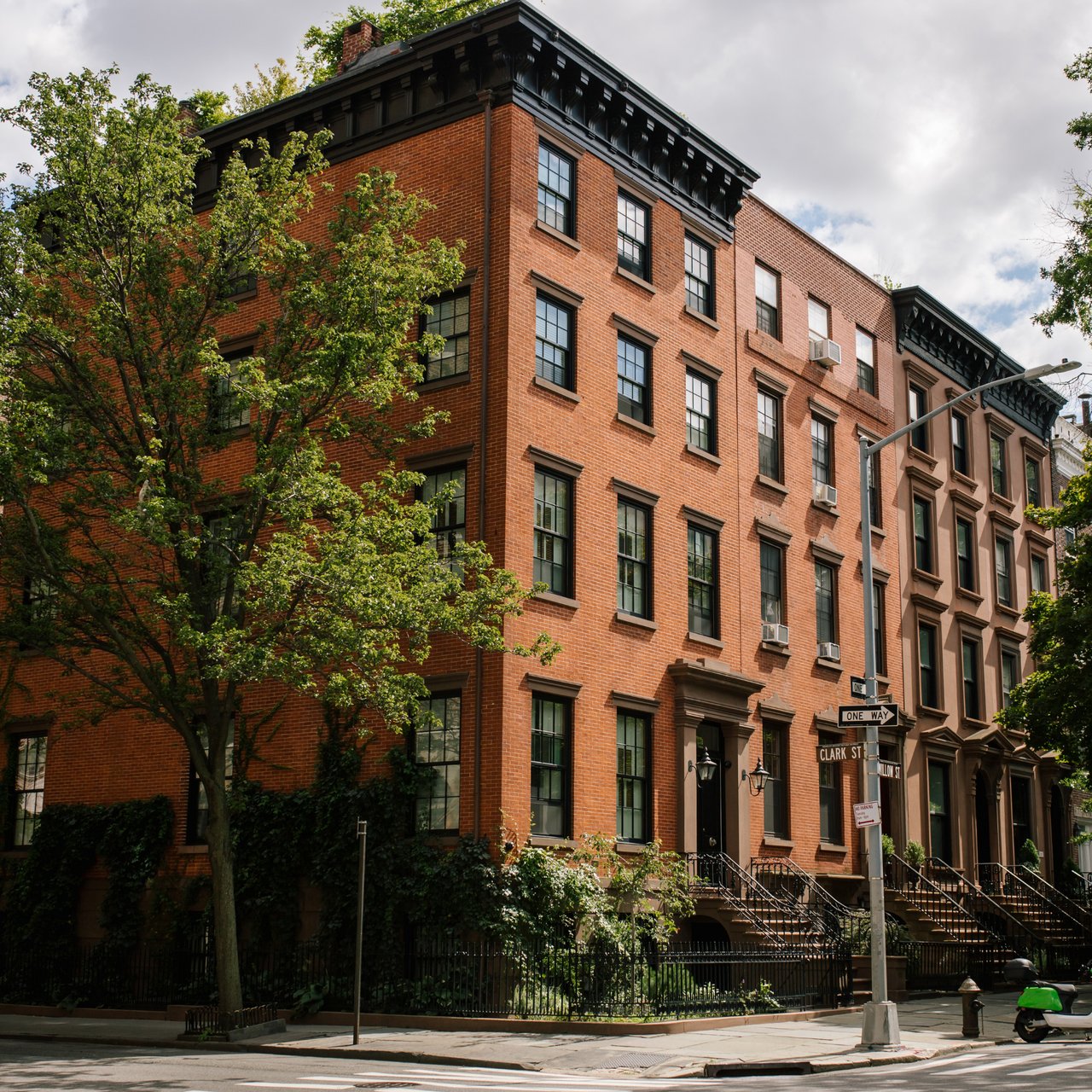
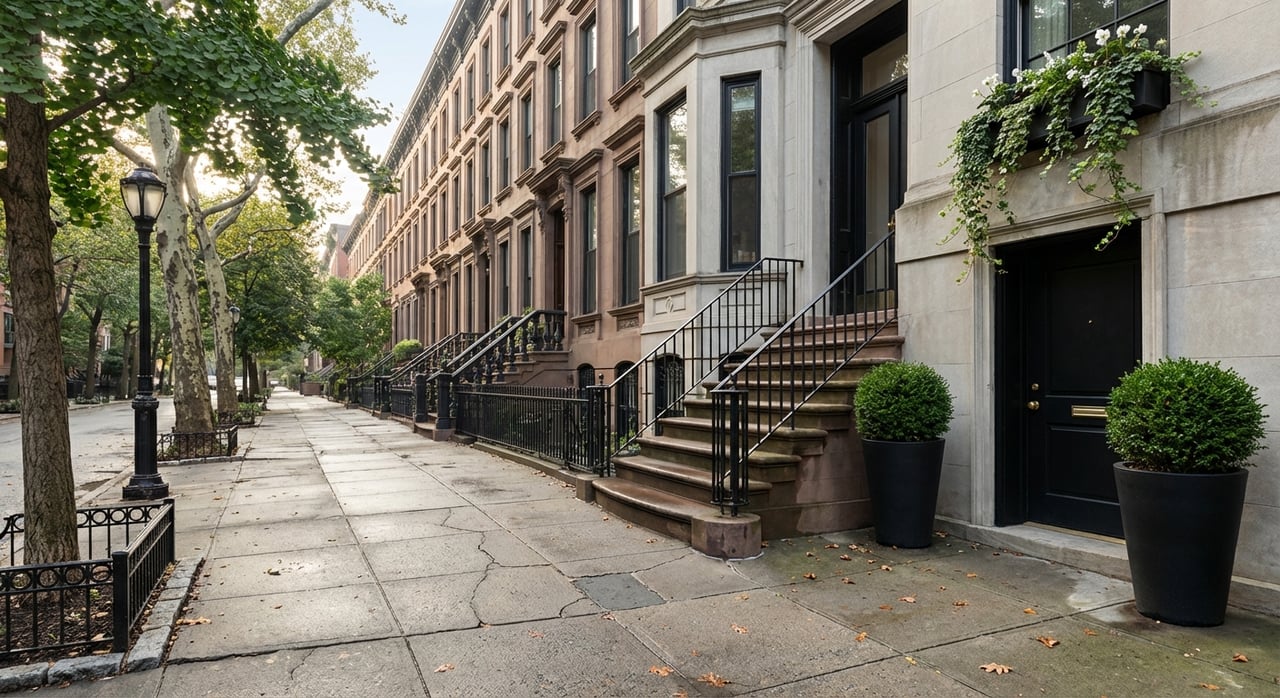
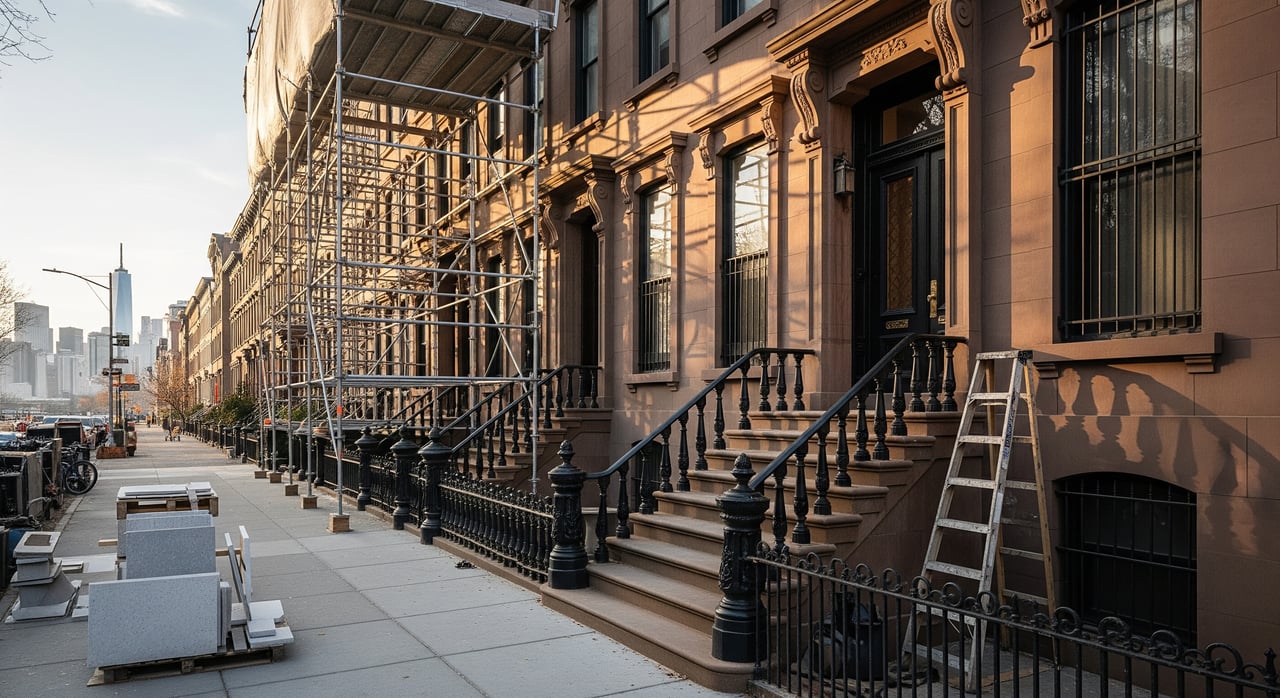
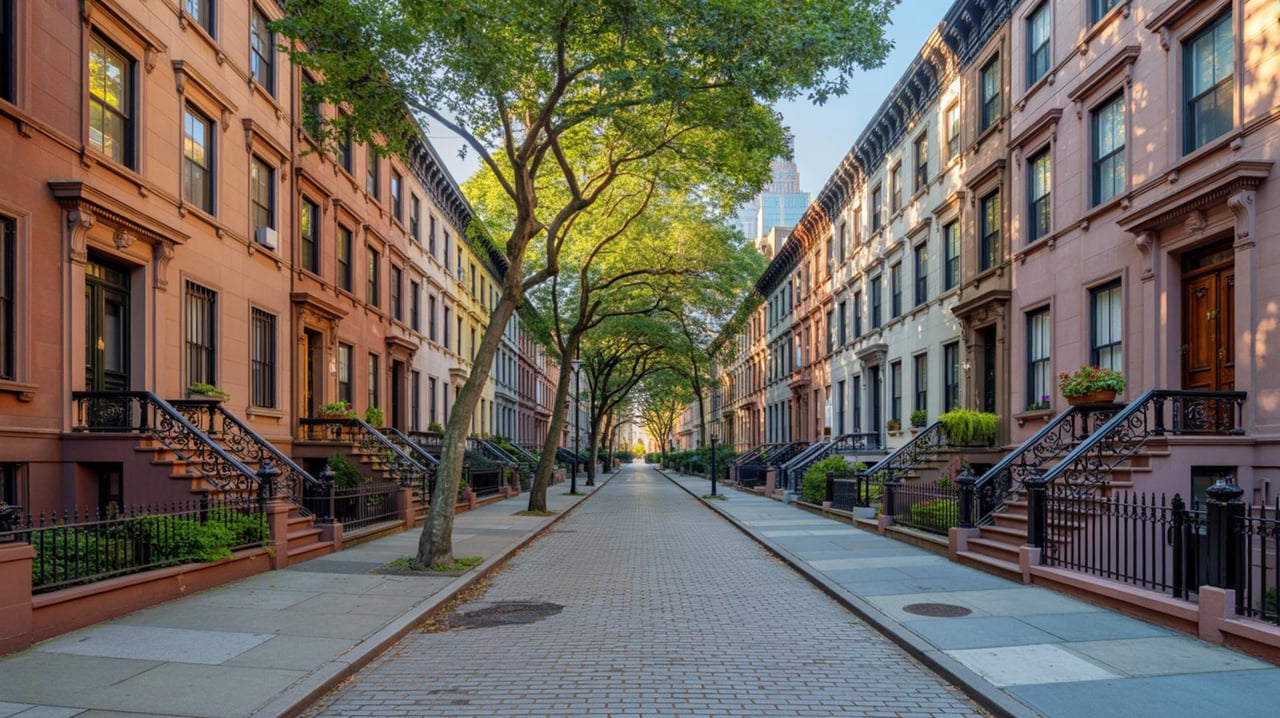
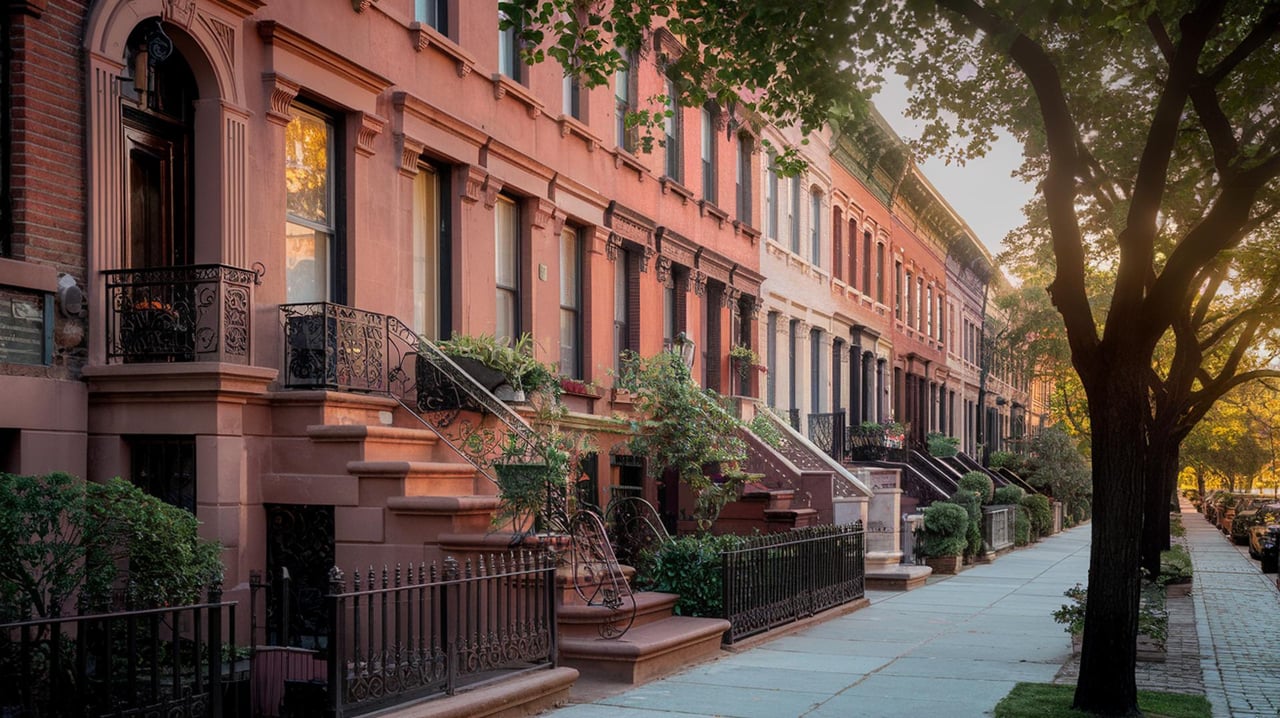
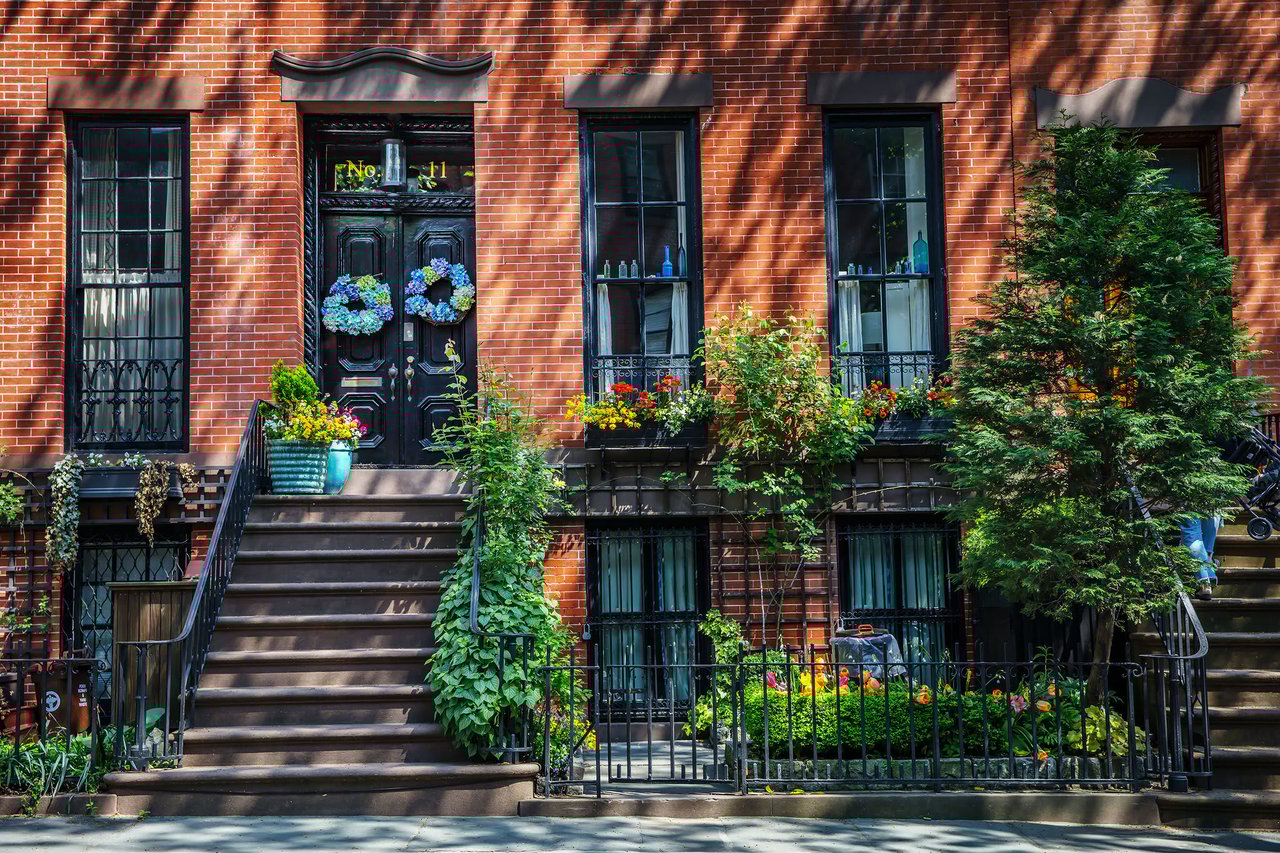
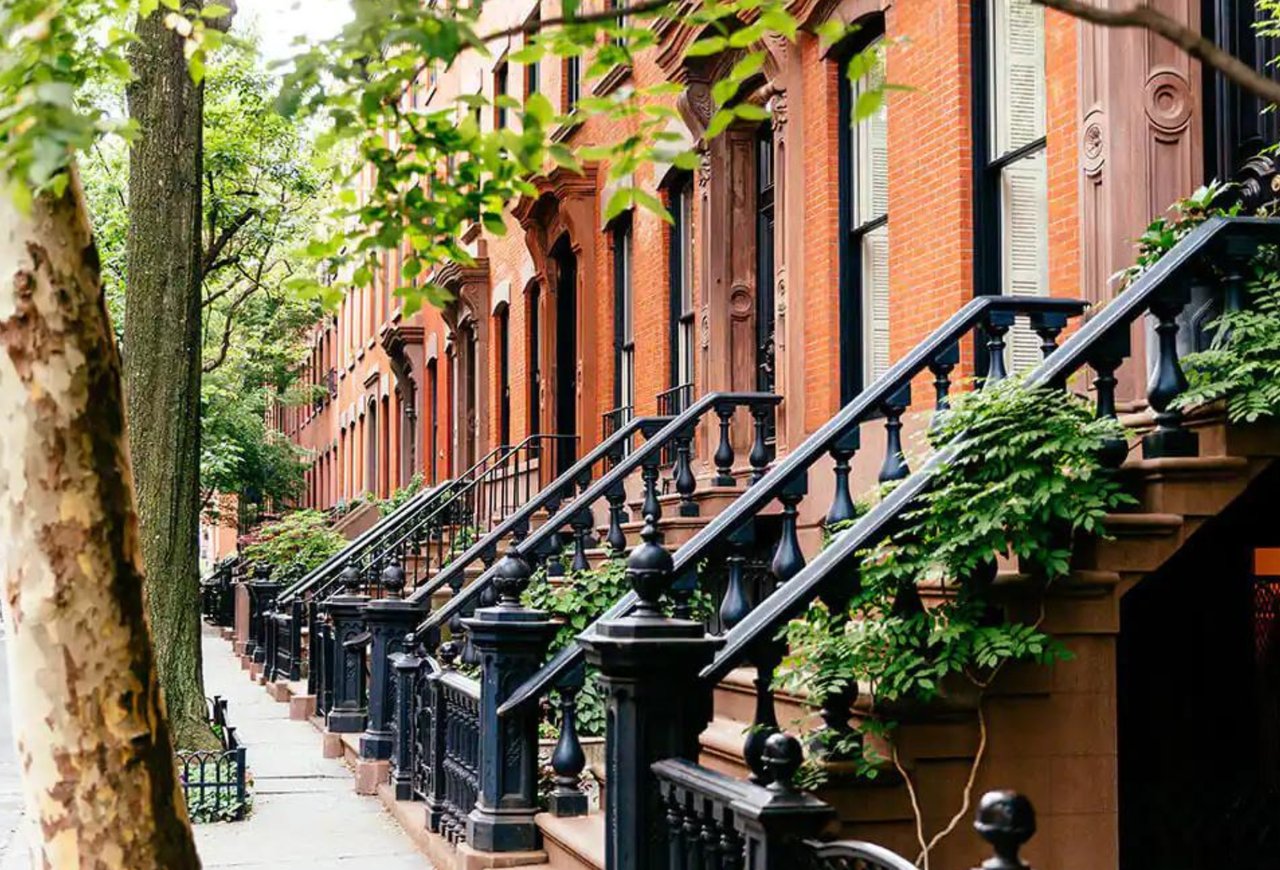
Riverside Drive tends to be more varied in form. You will find large apartment buildings, but also rowhouses, townhouses, and mansions that create a less uniform streetscape.
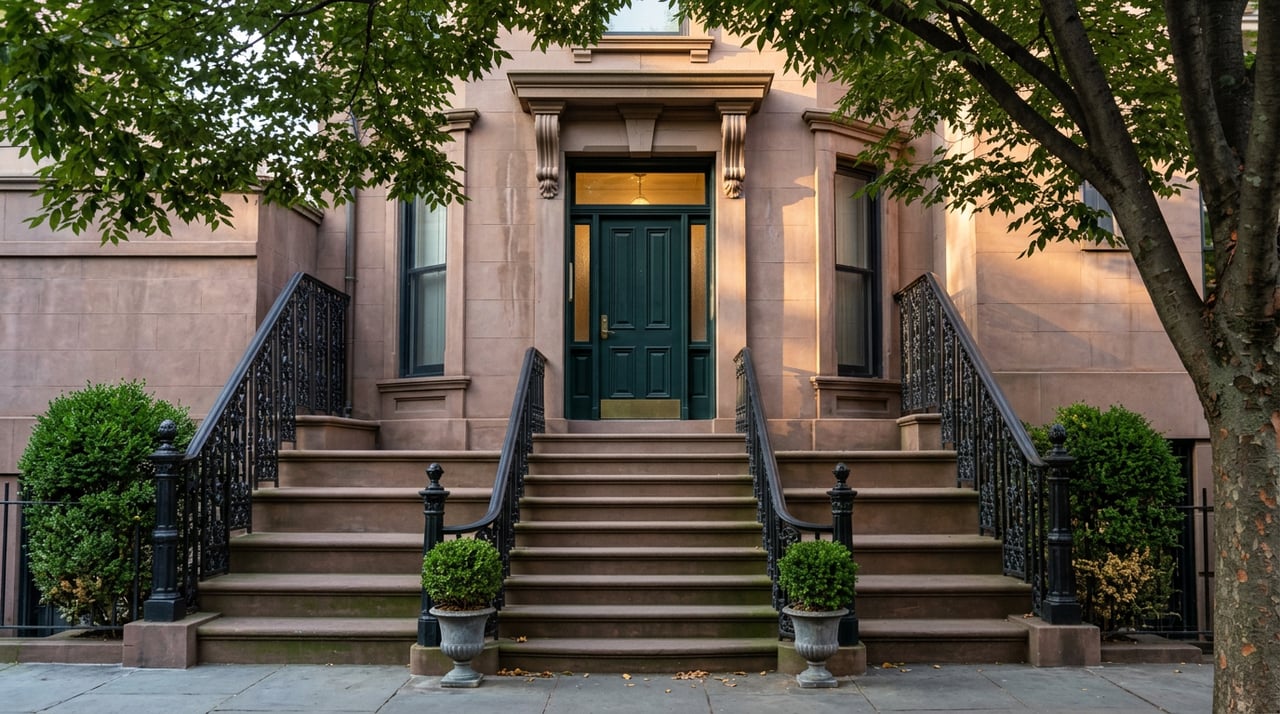
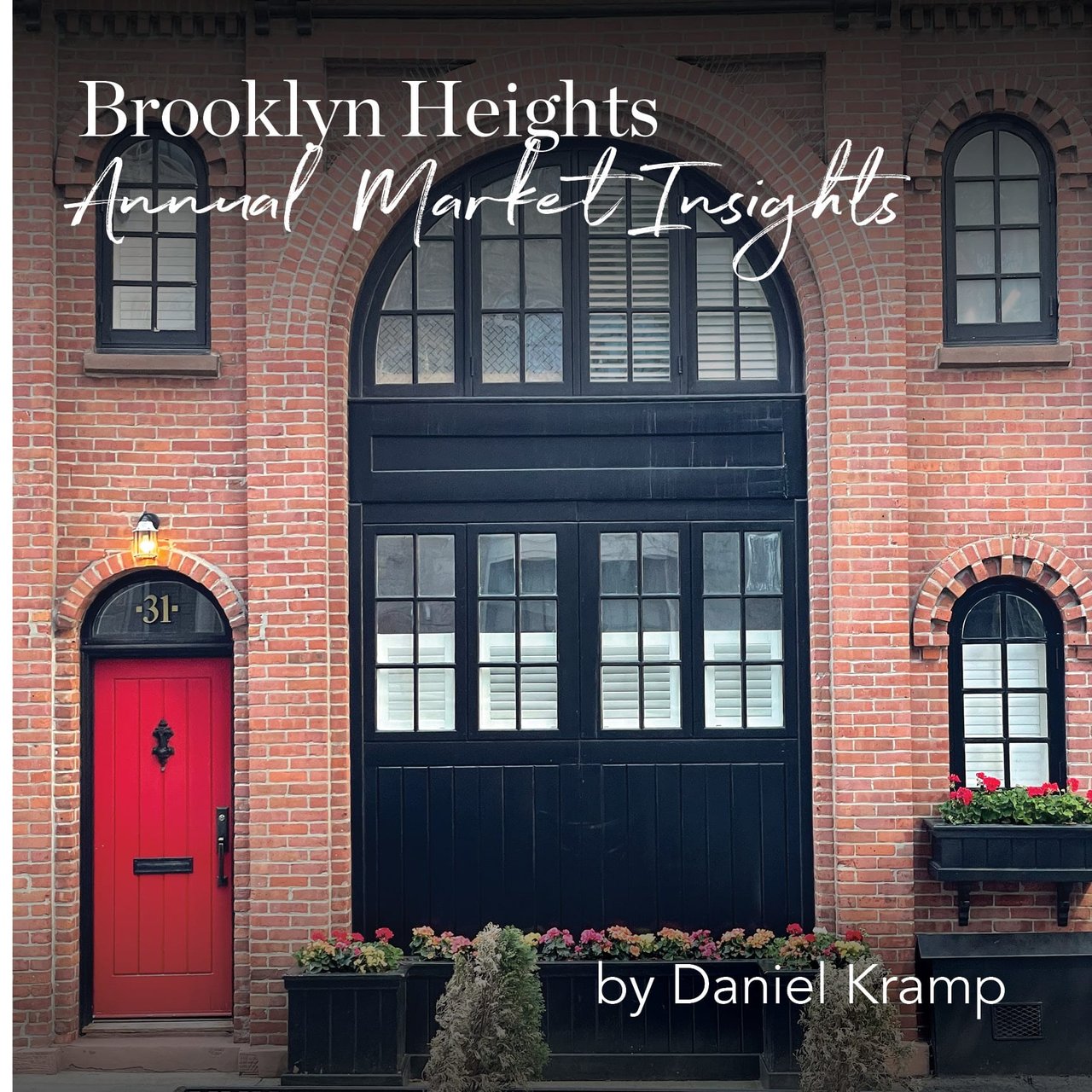
A good example is the Riverside Drive-West 105th Street Historic District, where groups of rowhouses and townhouses from around 1899 to 1902 create a more intimate townhouse-heavy setting. If you like architectural variety and a softer residential scale, Riverside Drive may feel more comfortable.
Riverside Drive daily rhythm
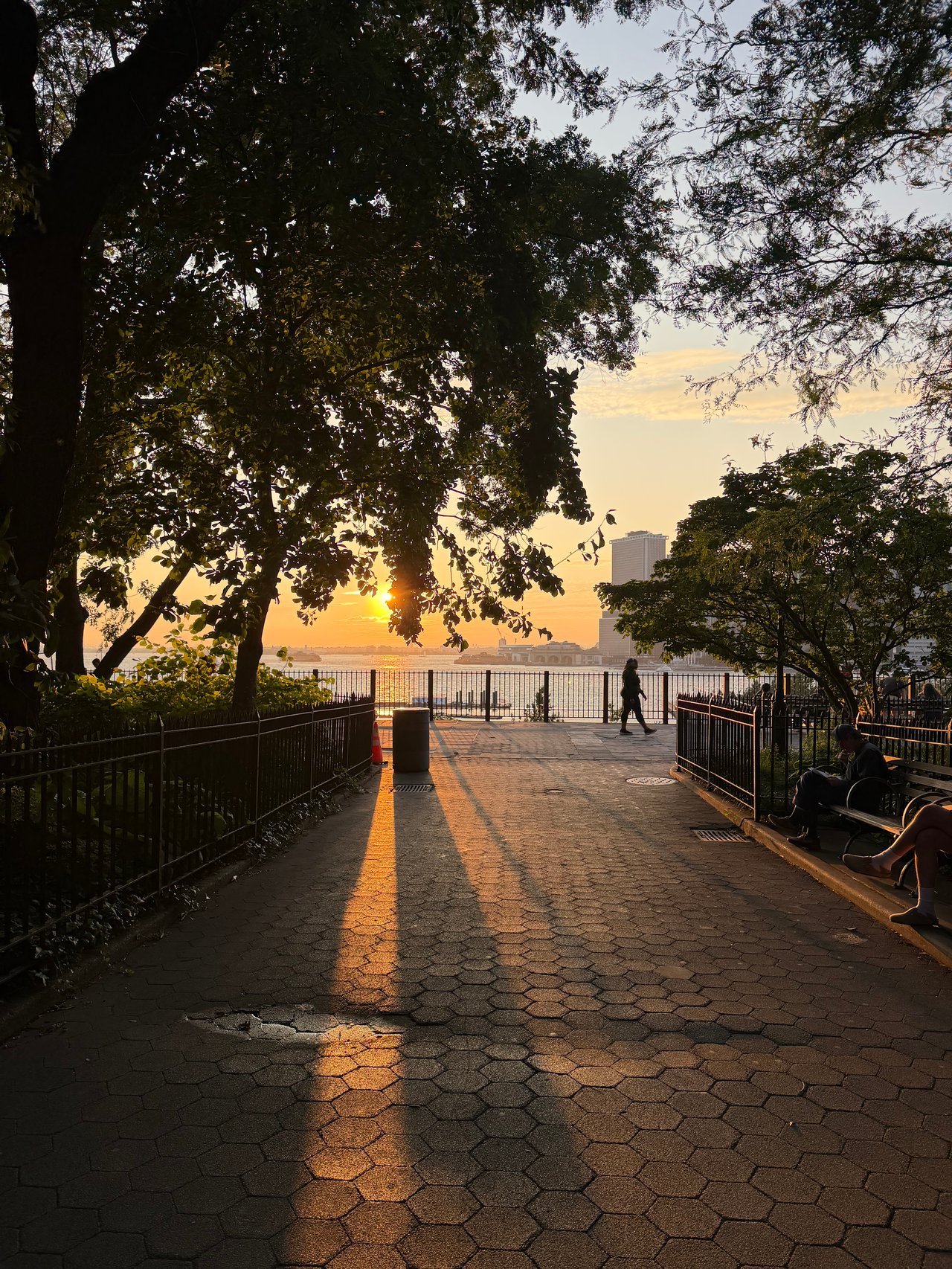
Riverside Drive is closely tied to Riverside Park, which stretches for 6 miles from West 59th Street to West 181st Street, according to the Riverside Park Conservancy. The park includes tennis courts, ballfields, playgrounds, promenades, lawns, and quieter passive-use areas.
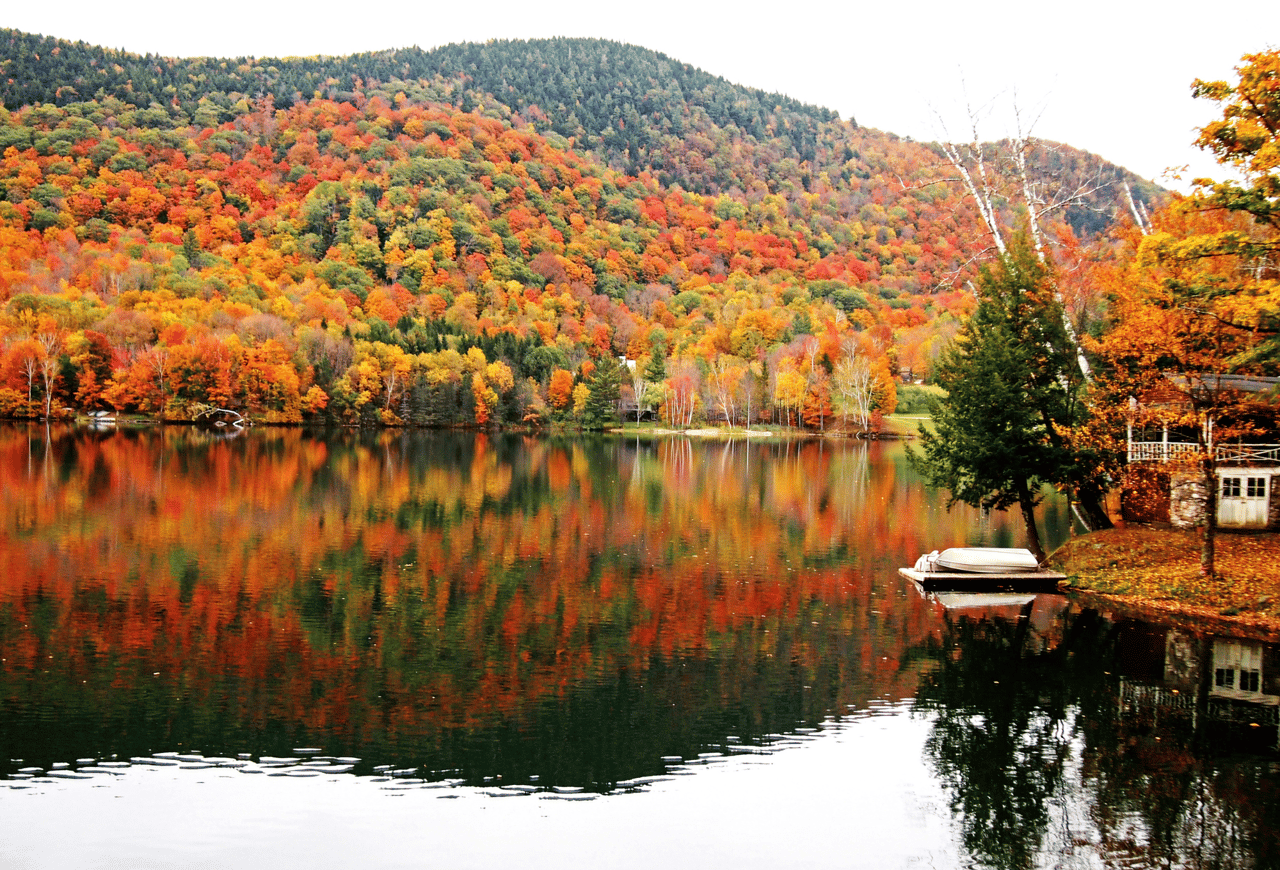
That matters because Riverside Park often supports a different outdoor routine than Central Park. It can feel less like stepping into a global landmark and more like stepping into a long neighborhood park that supports recreation, strolling, waterfront views, and quieter breaks close to home.
Central Park vs Riverside Park
For many buyers, the real choice is not just avenue versus avenue. It is also park versus park.
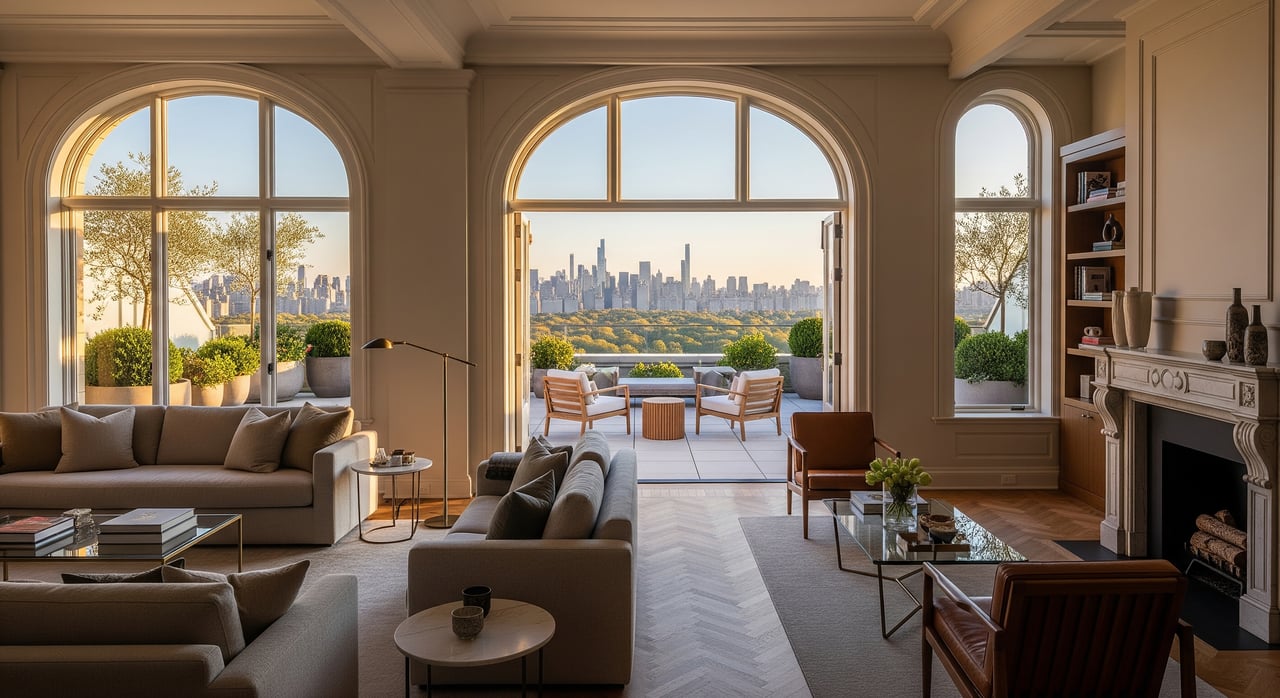
Central Park offers scale, iconic scenery, and immediate access to one of New York’s defining public spaces. If you want a grand setting and a sense of living on the edge of something world-famous, Central Park West has a clear advantage.
Riverside Park offers length, variety, and a more neighborhood-oriented outdoor experience. Depending on the block, you may be closer to playgrounds, promenades, lawns, or active recreation spaces, which can make it feel especially practical for everyday routines.
Which park experience fits you?
Here is a simple way to think about it:
- Choose Central Park West if you want iconic park frontage, broad open landscapes, and a more dramatic city backdrop.
- Choose Riverside Drive if you want a quieter park relationship, more waterfront character, and a setting that often feels more local in scale.
Street feel and neighborhood energy
One of the clearest differences between these corridors is how they feel on an ordinary weekday. Central Park West tends to read as more prominent because of its grand apartment houses, institutional anchors, and proximity to active commercial avenues.
Riverside Drive generally feels more residential and inward-looking. Preservation summaries describe the corridor as almost entirely residential aside from neighborhood institutions, and that distinction often shows up in the pace and tone of the street.
If you enjoy a stronger sense of arrival and a bit more city energy, CPW may feel like the better match. If you prefer a quieter address that opens toward parkland rather than retail, Riverside Drive often stands out.
Transit and commuting
Transit is another practical difference. According to MTA maps, Central Park West has direct access to the B and C trains at stops including 72nd, 81st, 86th, 96th, and 103rd Streets, while the 1 train also runs nearby on the west side.
That network usually gives Central Park West residents the shortest walk to multiple subway lines and more straightforward access to the west-side subway system. For buyers who care about speed and flexibility in a daily commute, that can be meaningful.
Riverside Drive sits one avenue farther west, so many residents rely on the 1 train on Broadway and use crosstown buses for certain east-west trips. That does not make it inconvenient, but it can mean a slightly different commuting pattern depending on your exact block and destination.
Architecture and housing style
If your decision is as much emotional as practical, architecture may be the tie-breaker. Central Park West is often the better fit if you want a stately, highly recognizable prewar apartment-house profile.
Riverside Drive can appeal more if you want architectural variety and a street wall that mixes apartment buildings with rowhouses and smaller-scale residential forms. Both corridors offer historic housing stock, but the visual rhythm is not the same.
Who tends to prefer Central Park West?
Central Park West is often a strong fit if you are looking for:
- Iconic Central Park frontage
- Grand prewar apartment buildings
- A more dramatic Upper West Side streetscape
- Easier access to multiple subway lines
- Closer connection to major institutions and active nearby retail avenues
For some buyers, CPW delivers the classic Manhattan image they have in mind when they picture Upper West Side living.
Who tends to prefer Riverside Drive?
Riverside Drive is often a strong fit if you are looking for:
- A quieter, more residential address
- Strong access to Riverside Park and waterfront promenades
- A block-by-block feel that can be more intimate
- Greater variety in building types
- A park-side setting that feels less formal and more neighborhood-scaled
For buyers who want park access without the same level of avenue prominence, Riverside Drive can feel more relaxed and private.
Final thoughts on choosing between them
There is no universal winner between Central Park West and Riverside Drive. Both are historic, beautiful, and deeply tied to the Upper West Side’s identity.
The better choice depends on what matters most in your everyday life. If you want iconic frontage, grand architecture, and stronger transit access, Central Park West may be the right fit. If you want a calmer residential feel, easier Riverside Park access, and a more tucked-away sense of home, Riverside Drive may be the better match.
If you are comparing specific buildings, blocks, or off-market opportunities on the Upper West Side, working with an advisor who can translate street-level differences into a clear buying strategy can save time and sharpen your decision. For a private consultation, connect with Daniel Kramp.
FAQs
What is the main difference between Central Park West and Riverside Drive living?
- Central Park West generally feels more iconic, grand, and transit-connected, while Riverside Drive often feels quieter, more residential, and more closely tied to Riverside Park.
Is Central Park West or Riverside Drive better for park access on the Upper West Side?
- Both offer excellent park access, but Central Park West opens directly to Central Park’s 843 acres, while Riverside Drive is tied to Riverside Park’s 6-mile stretch of promenades, lawns, playgrounds, and recreation areas.
Which avenue has better subway access: Central Park West or Riverside Drive?
- Central Park West generally offers more direct access to the B and C trains, with the 1 train also nearby, while Riverside Drive residents often rely more on the 1 train on Broadway and crosstown bus connections.
Does Central Park West or Riverside Drive feel more residential?
- Riverside Drive typically feels more residential and self-contained, while Central Park West usually feels more prominent and connected to nearby institutions and retail corridors.
Are Central Park West and Riverside Drive both known for prewar buildings?
- Yes. Both corridors are largely prewar in character, though Central Park West is more closely associated with grand apartment houses and Riverside Drive often shows more variation in building types.
How do you choose between Central Park West and Riverside Drive as a buyer?
- A good starting point is to compare your priorities around park style, street energy, architecture, and commute patterns, then narrow your search by specific blocks and buildings.