Selling quietly in Greenwich Village can sound like a contradiction. You want privacy, control, and a premium result, yet you are listing in one of Manhattan’s busiest and most watched neighborhoods. The good news is that a quiet sale does not have to mean a hidden sale. With the right preparation, you can protect your time and privacy while still positioning your home to attract serious buyers. Let’s dive in.
Why Greenwich Village needs a tailored plan
Greenwich Village is a high-demand, low-supply market with a mix of co-ops, condos, and townhouses. According to StreetEasy’s Greenwich Village neighborhood data, the median sale price is around $1.4 million, median days on market are 61, and the area remains one of Manhattan’s more expensive and competitive neighborhoods because inventory is limited.
That market strength helps sellers, but it does not remove the need for strategy. StreetEasy’s September 2025 market report found that 28% of Greenwich Village homes sold above asking, compared with 19.2% citywide. Even in a prestigious neighborhood, pricing, presentation, and timing still shape your outcome.
Define what a quiet sale means
A quiet sale is not the same as no marketing. In most cases, it means reducing disruption while still creating enough exposure to reach qualified buyers who can perform.
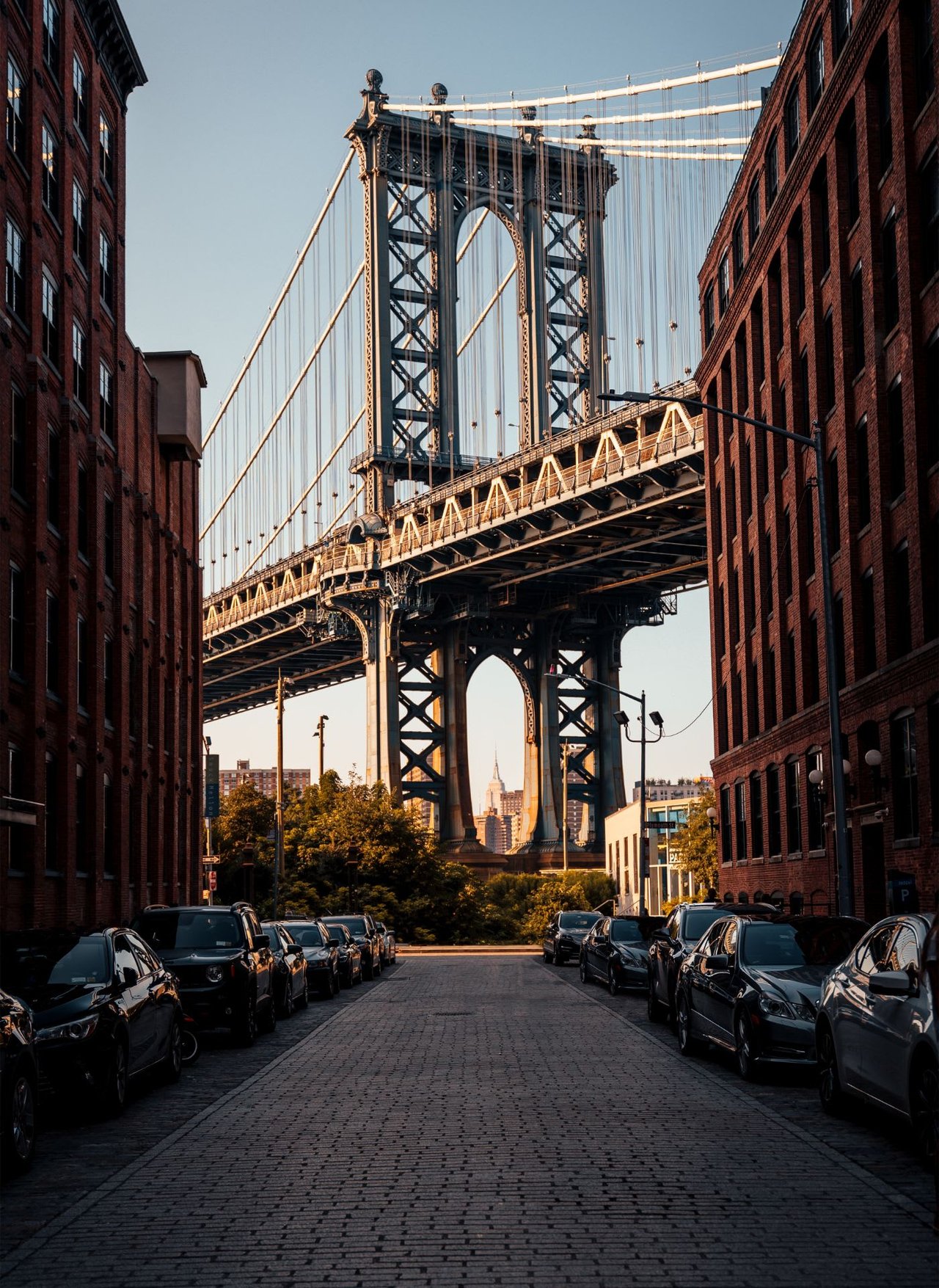
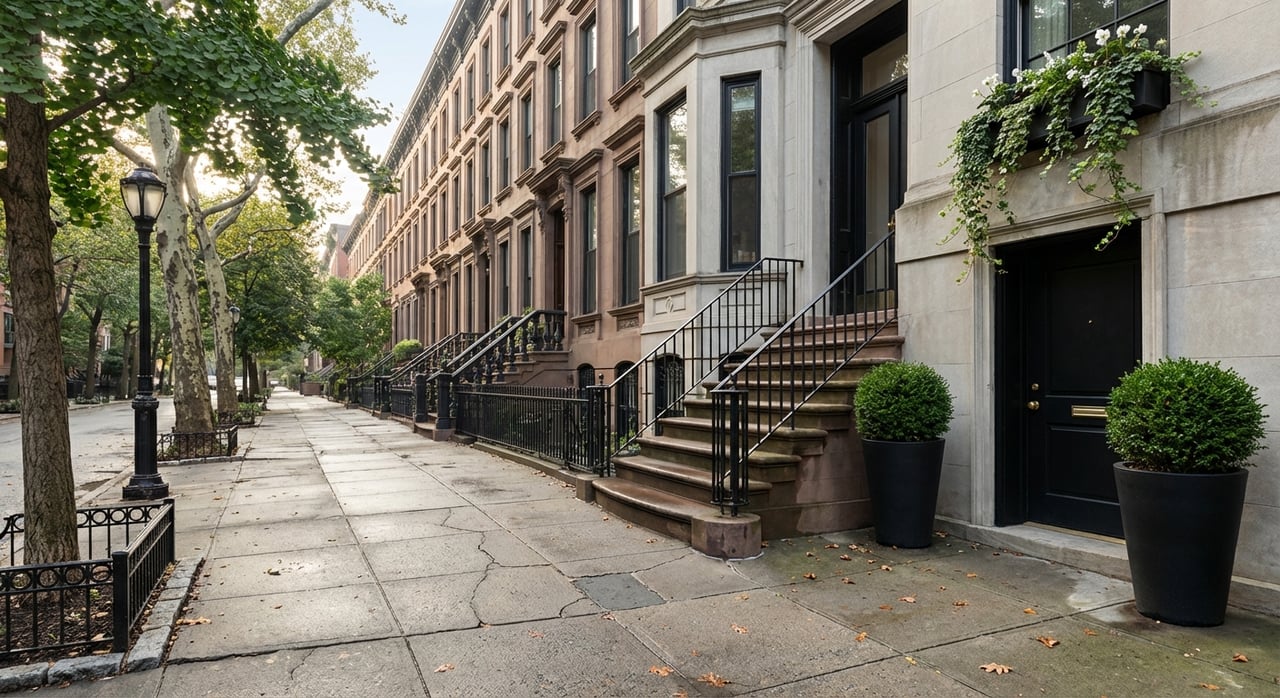
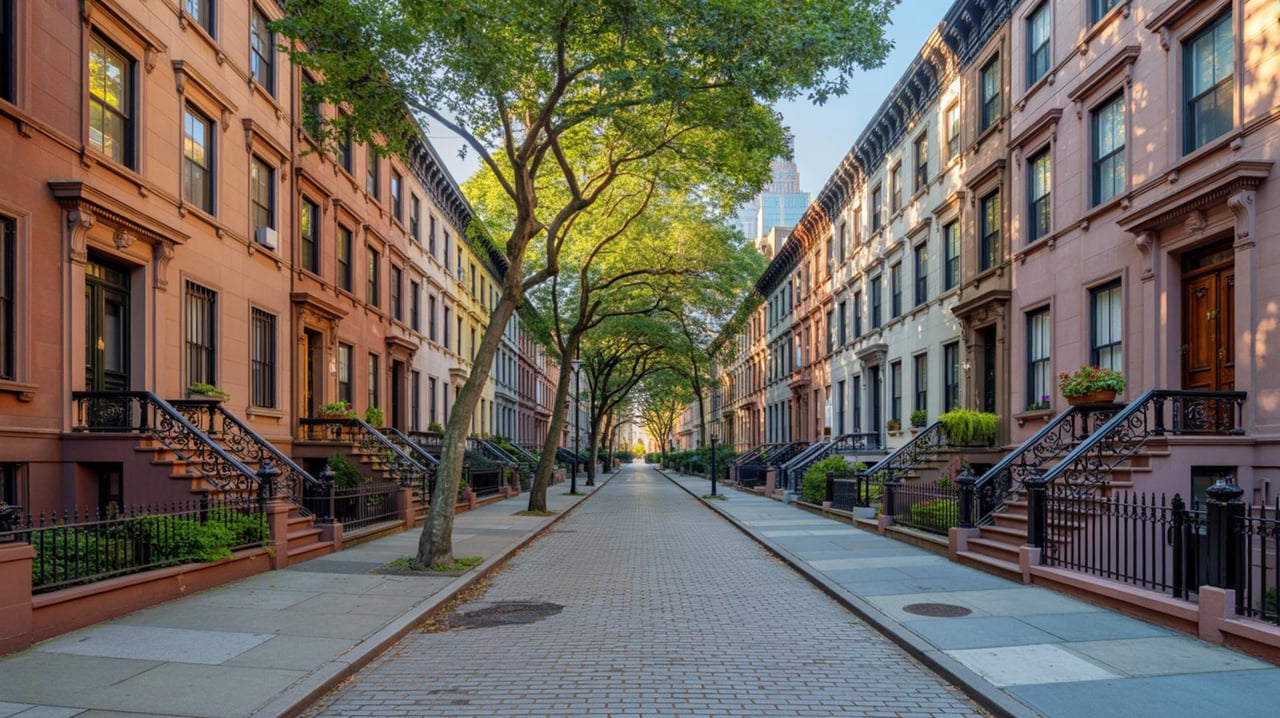
In Greenwich Village, that matters more than usual because street life is active. StreetEasy notes the neighborhood’s constant activity around NYU, Washington Square Park, nightlife, and tourism, which can make open visibility less appealing for sellers who value discretion.
Focus on controlled exposure
The strongest quiet-sale strategy usually balances privacy with market reach. StreetEasy’s October 2025 report on listing visibility showed that the most-viewed 20% of NYC listings sold at a median of 100% of last asking price, while the least-viewed 20% sold at 96.7%.
That does not mean your home needs broad, unmanaged traffic. It does mean that keeping a listing too hidden for too long can work against your pricing power. A better approach is staged visibility, where exposure is intentional, buyer screening is tight, and access is carefully scheduled.
Prioritize repairs that buyers notice
Before you think about design flourishes, start with condition. In older Greenwich Village housing stock, buyers and attorneys tend to pay close attention to systems, maintenance, and recurring issues.
The New York State Attorney General’s co-op and condo guide highlights common due diligence areas such as facades, roofs, flooring, appliances, elevators, heating and cooling, windows, electrical wiring, and plumbing. That is a useful checklist for pre-listing preparation, especially in buildings where age and upkeep can affect buyer confidence.
Spend on function before customization
If you are considering a pre-listing budget, targeted work often makes more sense than a full renovation. Greenwich Village homes often have older layouts, smaller kitchens, and smaller baths, but that does not automatically justify an expensive redesign.
In many cases, buyers will respond better to a home that feels well maintained, clean, and operational than one with highly specific finishes they may want to replace. Fix what is visible, repair what has been deferred, and avoid over-improving for a buyer whose tastes you do not know.
Smart pre-listing fixes
Consider addressing items such as:
- Persistent plumbing or electrical issues
- Worn flooring or damaged wall finishes
- Drafty windows or hardware problems
- Appliances that do not function properly
- HVAC or heating and cooling concerns
- Lighting that makes rooms feel dim or uneven
These updates support value because they reduce objections during showings, due diligence, and contract negotiations.
Prepare your paperwork early
In a premium sale, paperwork is part of presentation. Buyers in co-ops and condos often want reassurance that the apartment and building are both well understood before they commit.
According to the Attorney General’s co-op and condo guidance, purchasers commonly review offering plans, board meeting minutes from the prior year, financial report footnotes, and building violations. If you are selling in a co-op or condo, getting these materials organized before launch can make the process smoother and help reduce last-minute surprises.
Build a clean seller file
A strong pre-listing file may include:
- Governing documents
- Recent board or building communications relevant to the unit
- Records of completed repairs and maintenance
- Appliance or systems documentation, if available
- Notes on recurring issues that have been resolved
This matters in any building, but especially in older Greenwich Village properties where buyers may expect more detailed diligence.
Adjust prep by property type
Not every Greenwich Village home should be prepared the same way. Your checklist should reflect whether you are selling a co-op, condo, or townhouse.
Co-op and condo prep
For co-ops and condos, building-level diligence often matters almost as much as the apartment itself. Buyers may scrutinize building financials, maintenance patterns, and any known repair exposure, so your prep should combine in-unit condition work with document readiness.
A polished apartment cannot fully overcome messy building records or unresolved recurring problems. The cleaner the story, the easier it is for buyers to move forward with confidence.
Townhouse prep
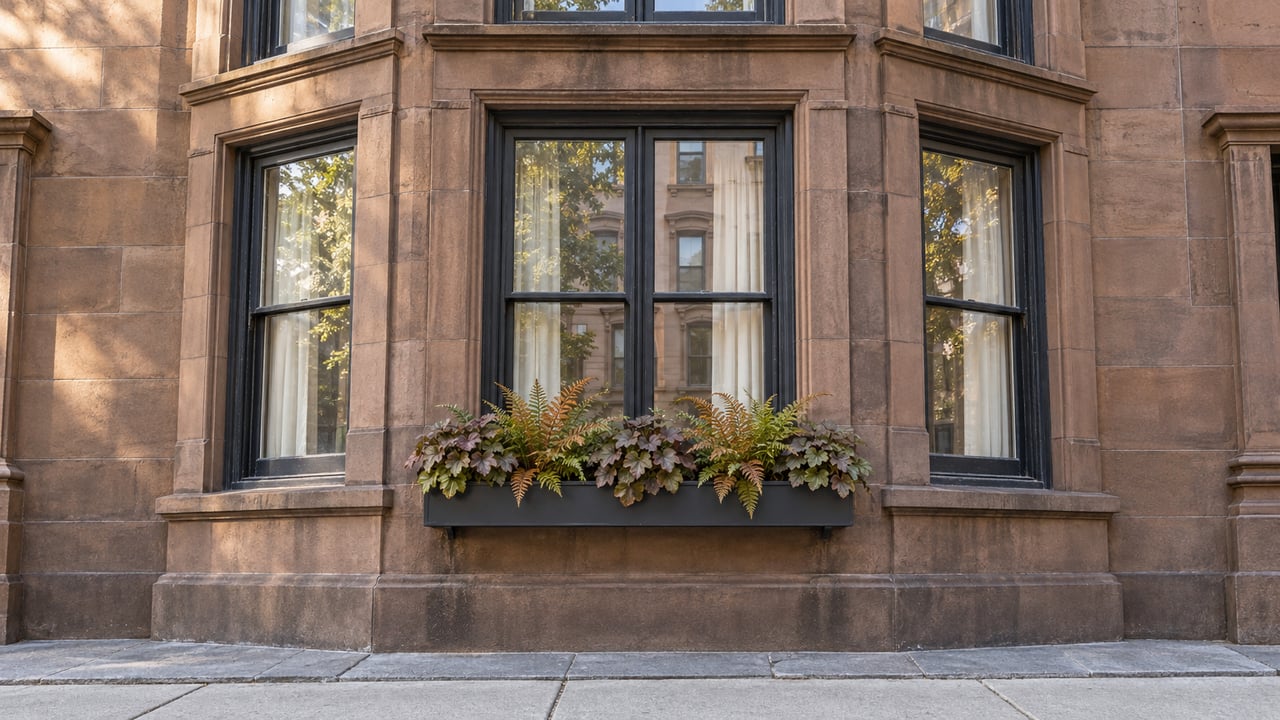
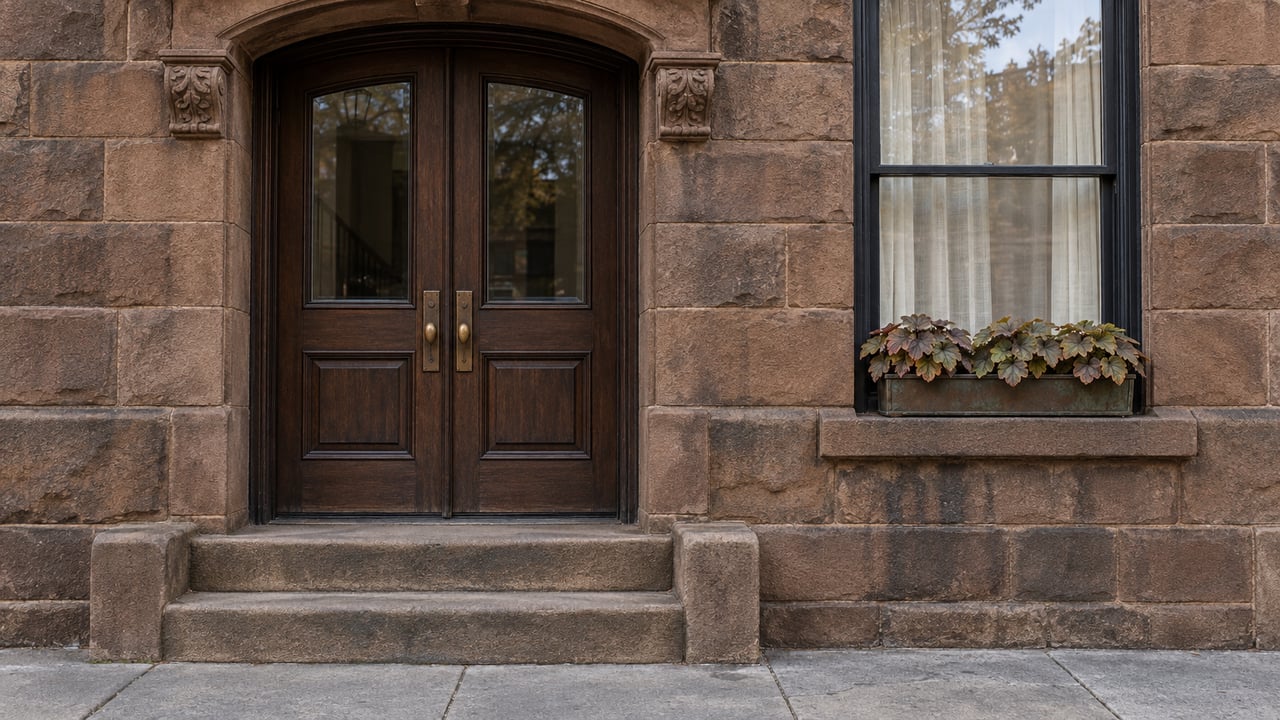
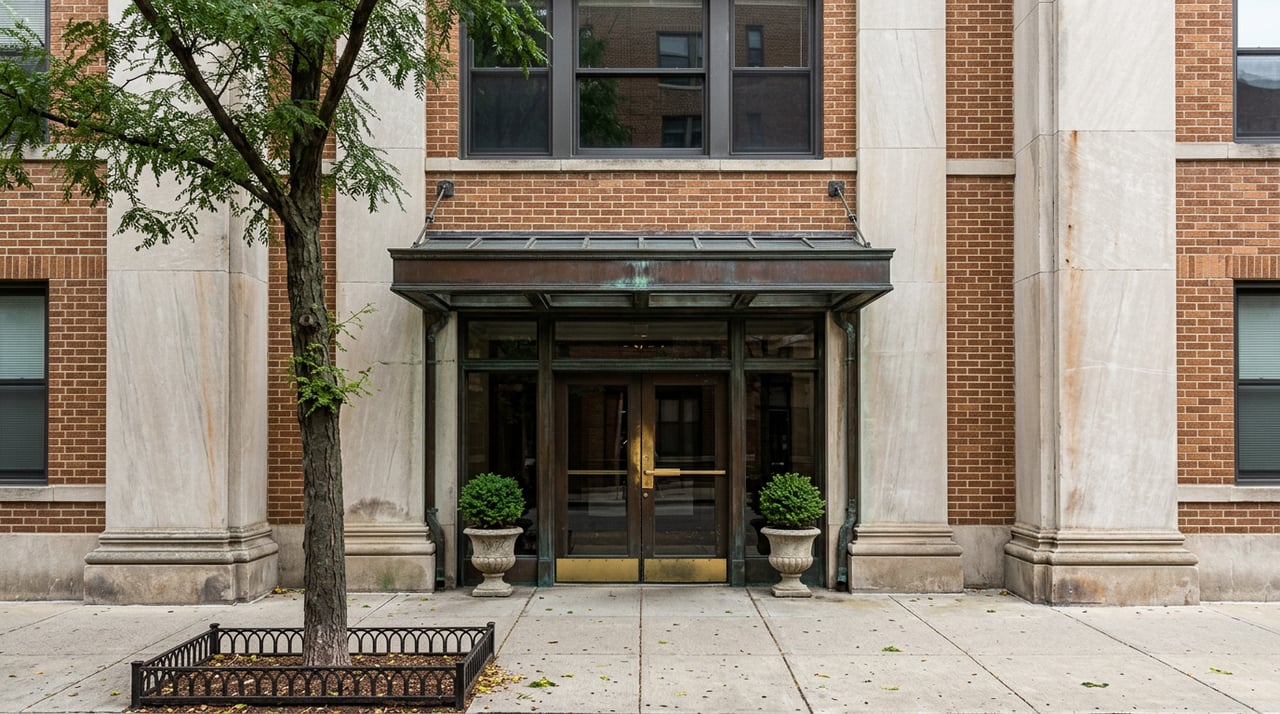
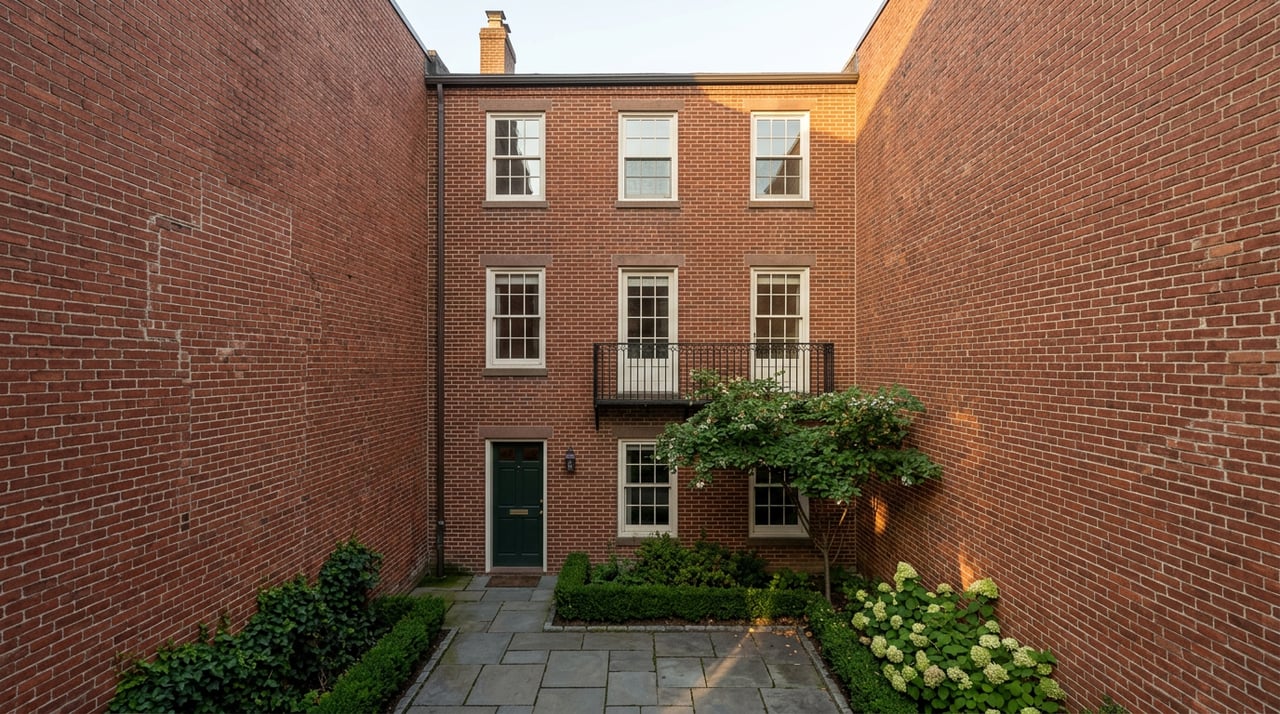
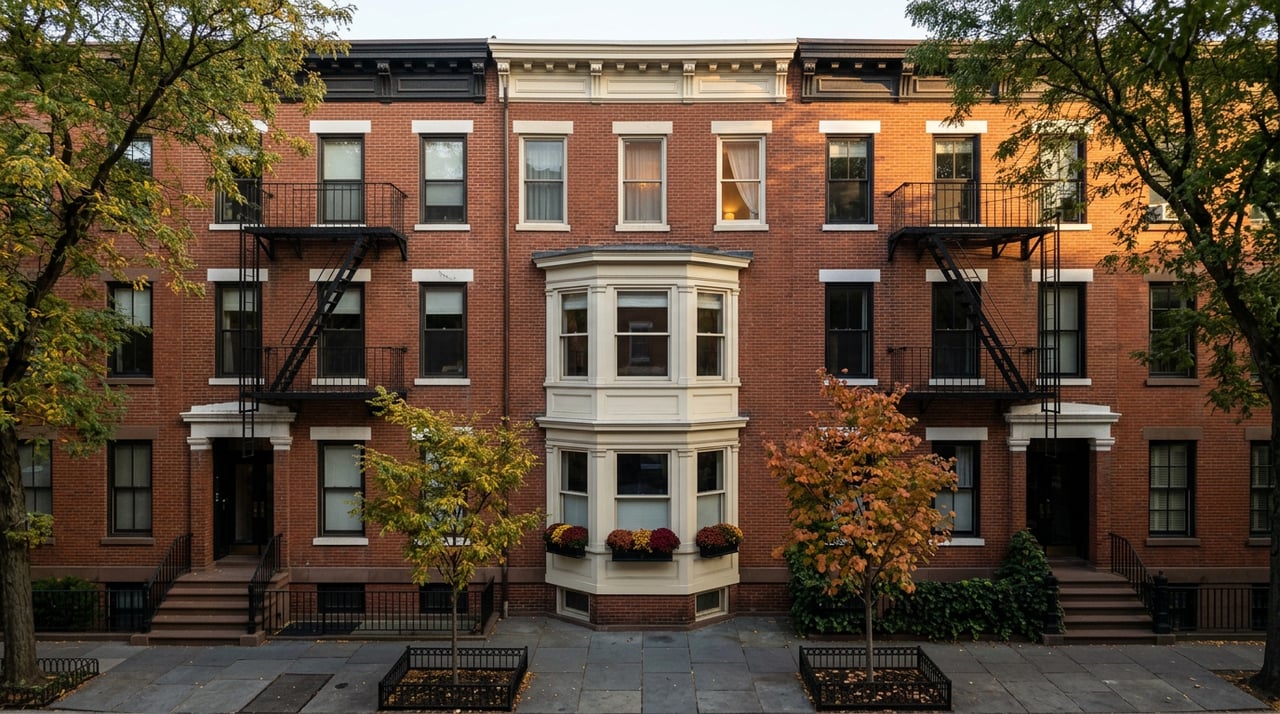
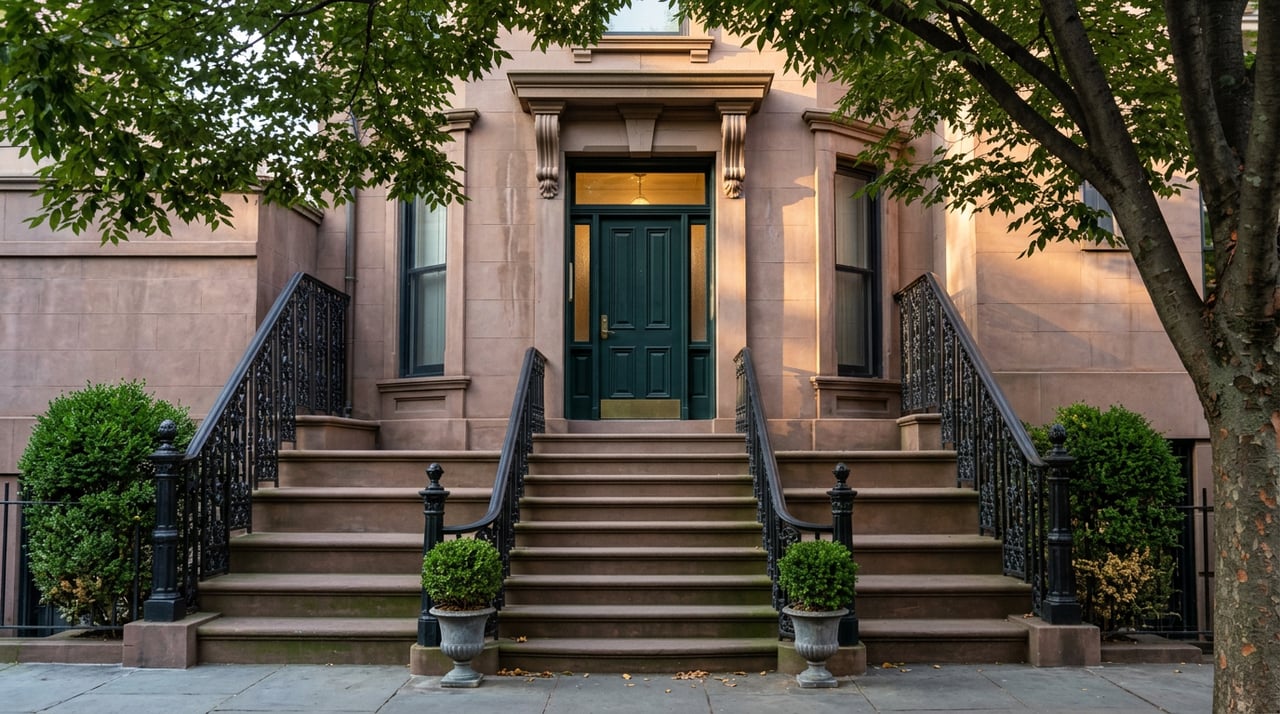
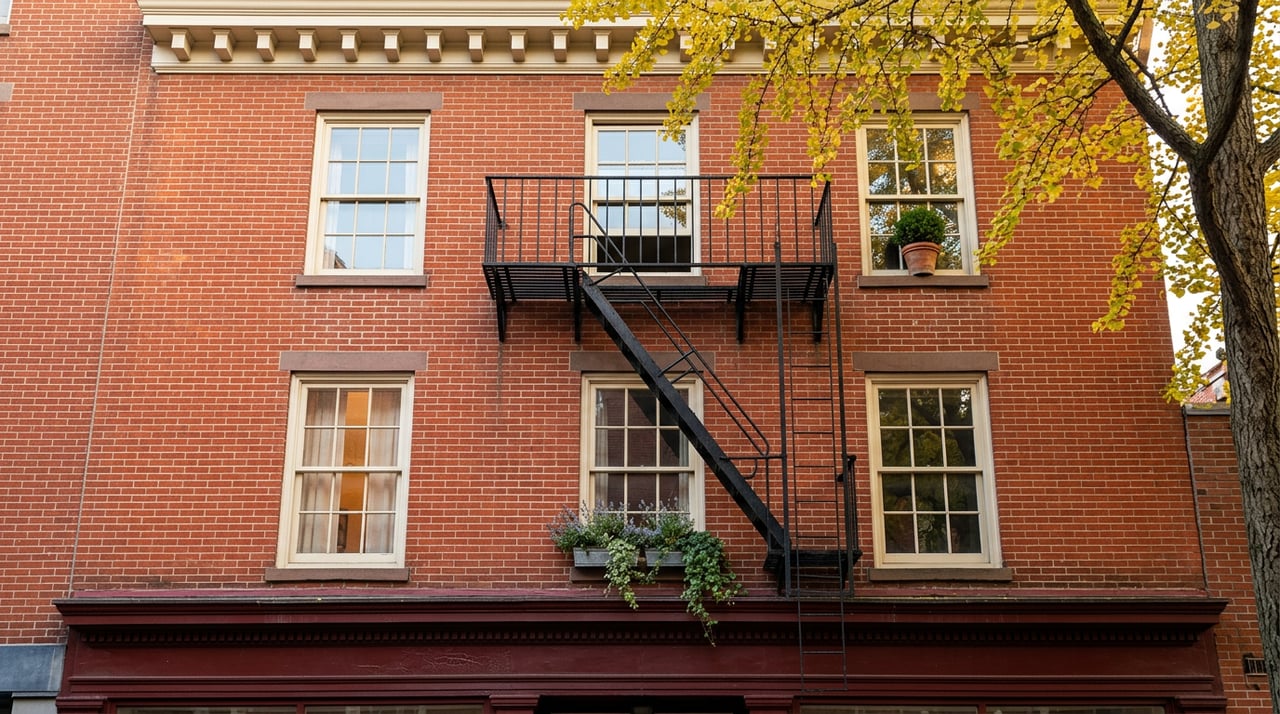
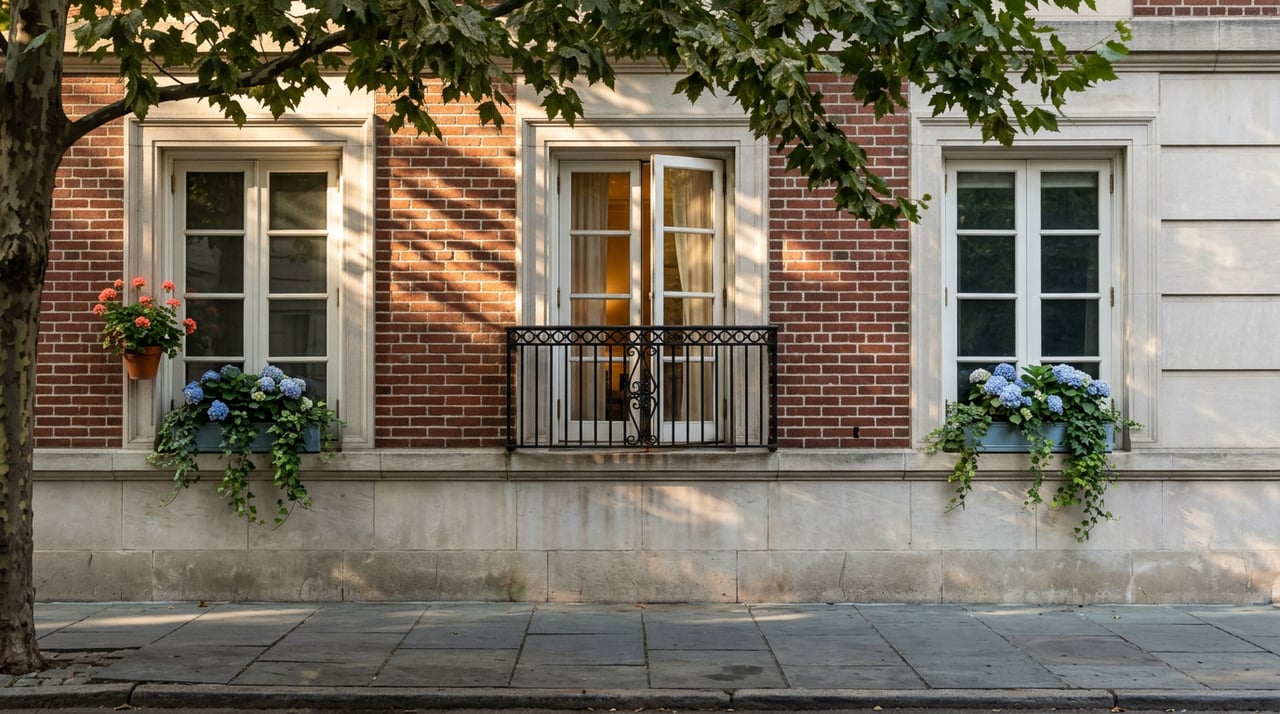
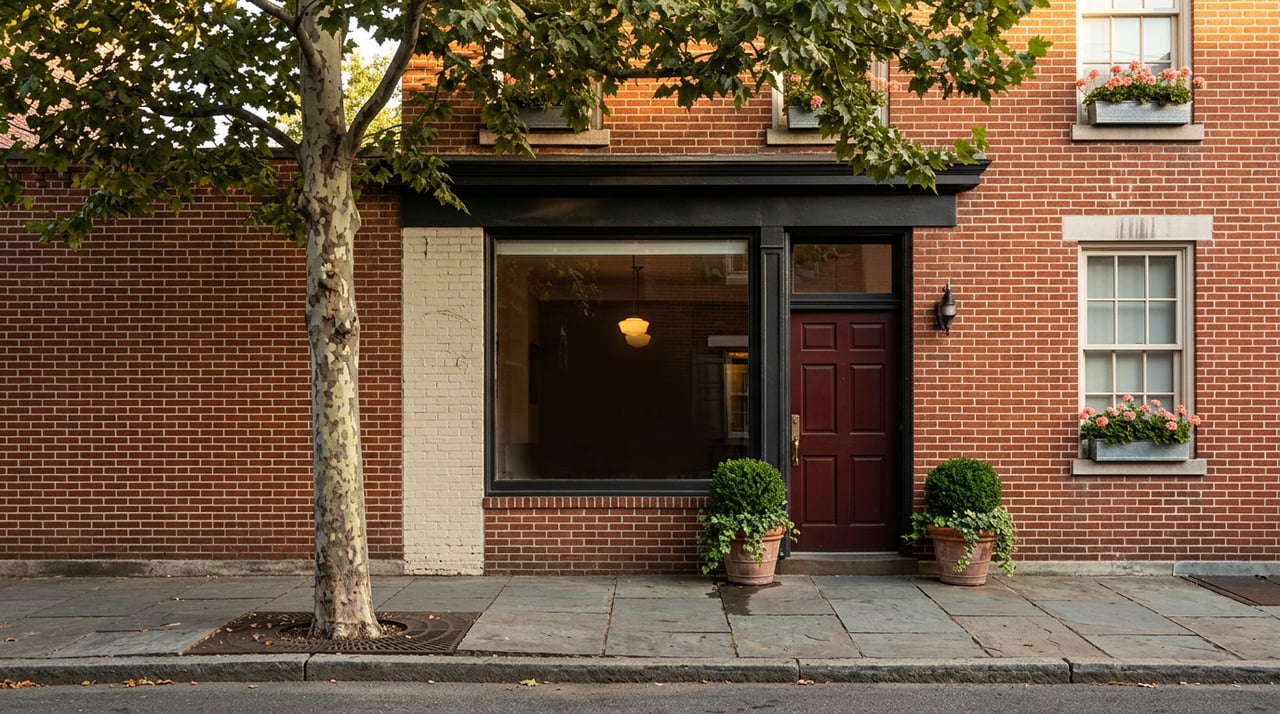
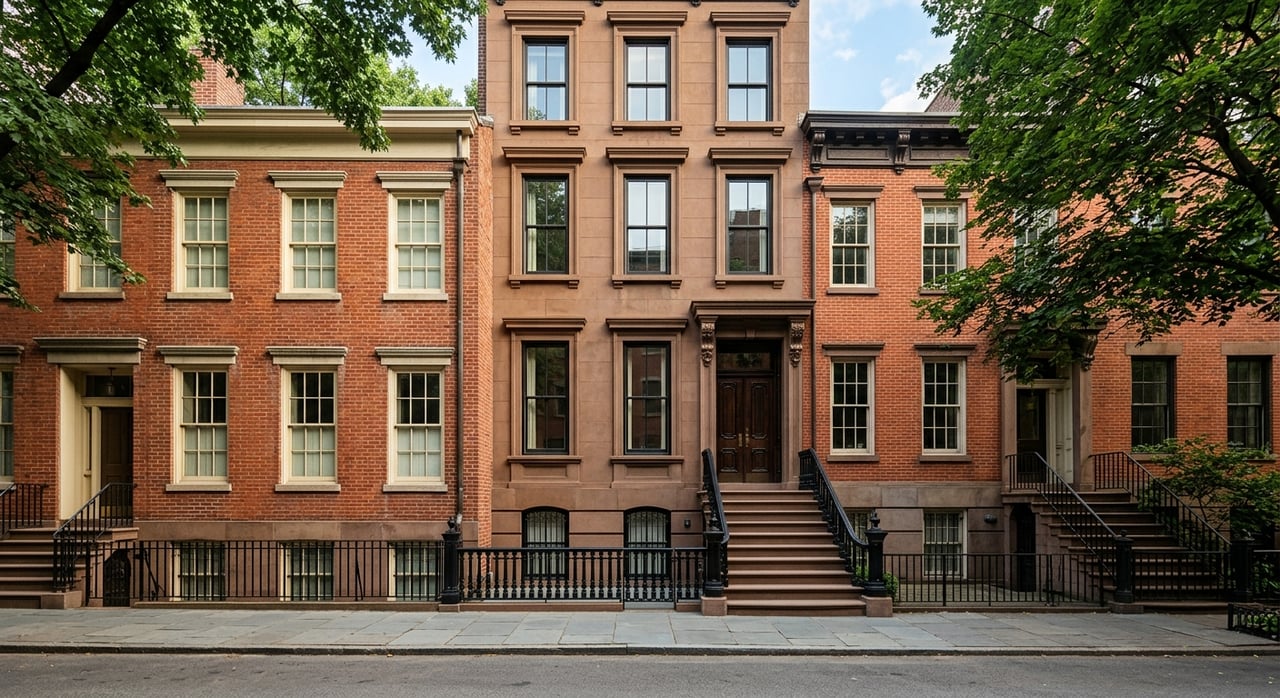
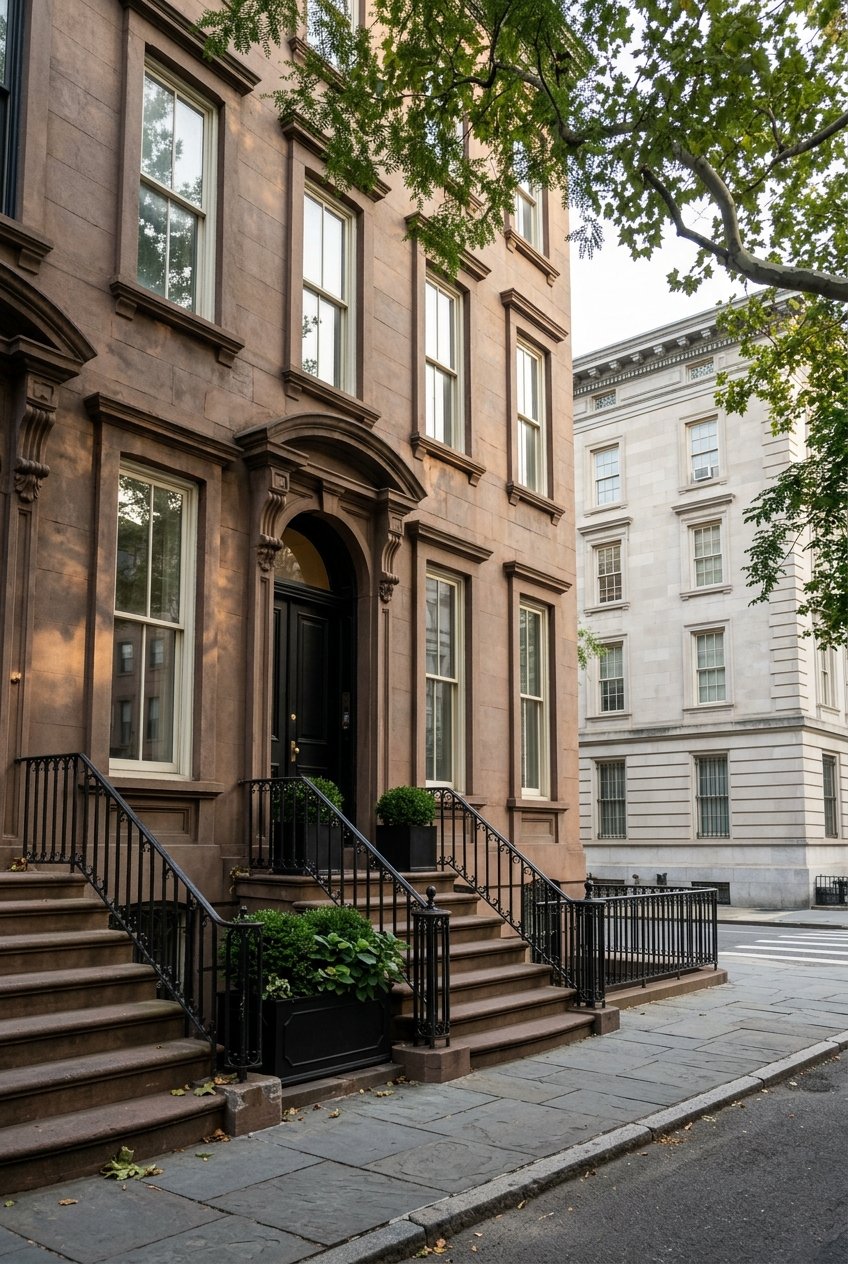
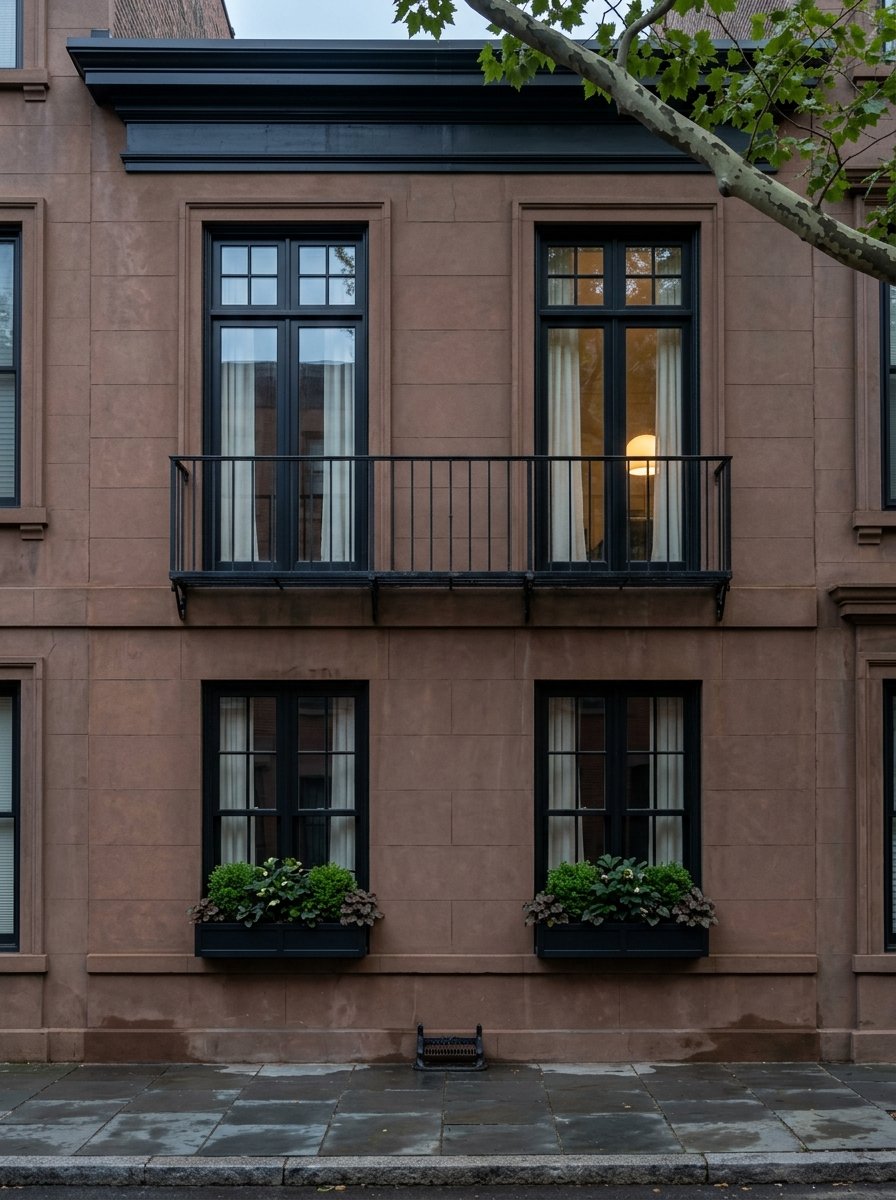
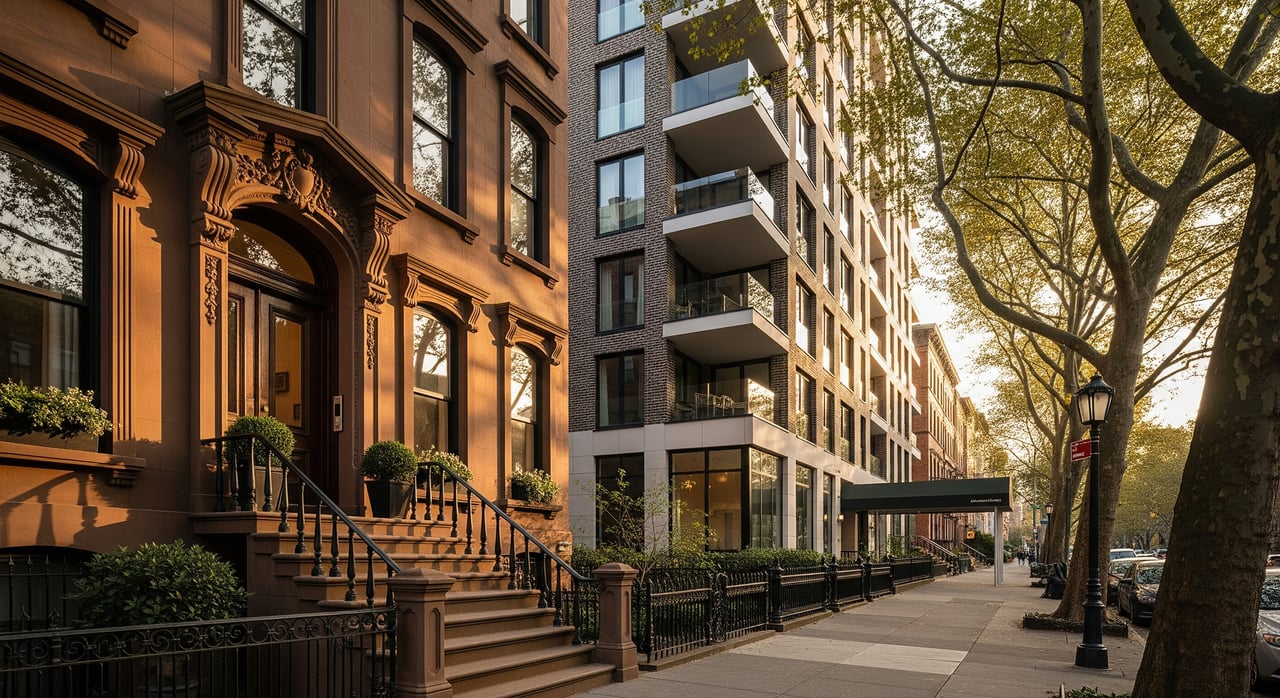
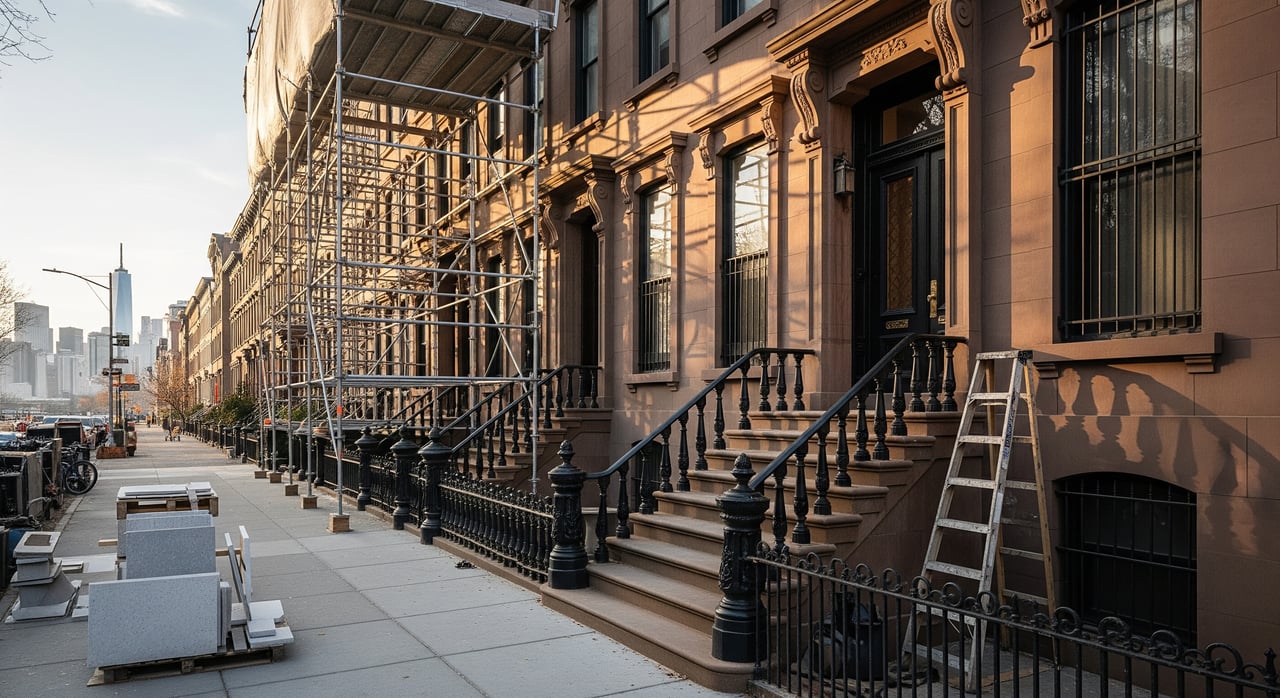
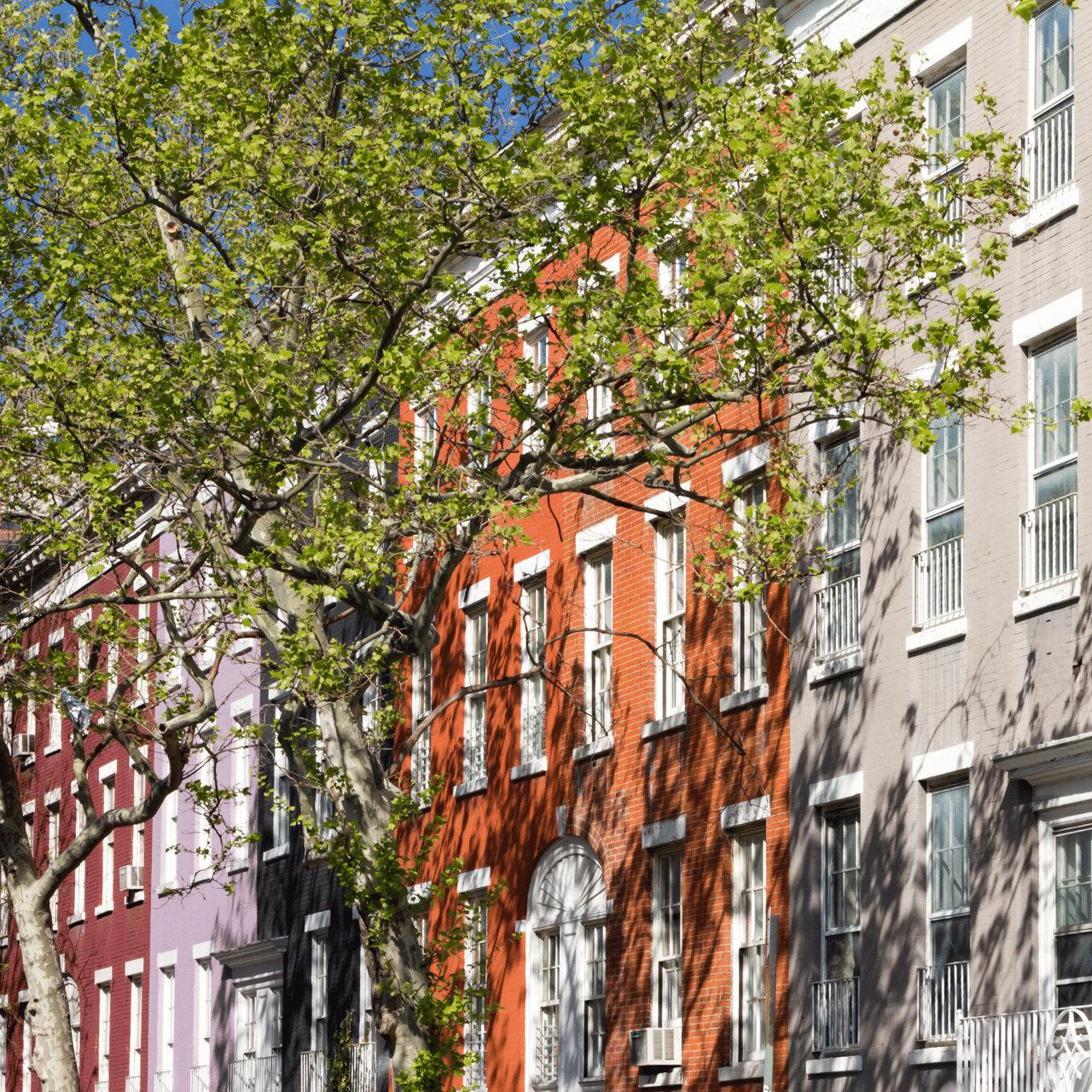
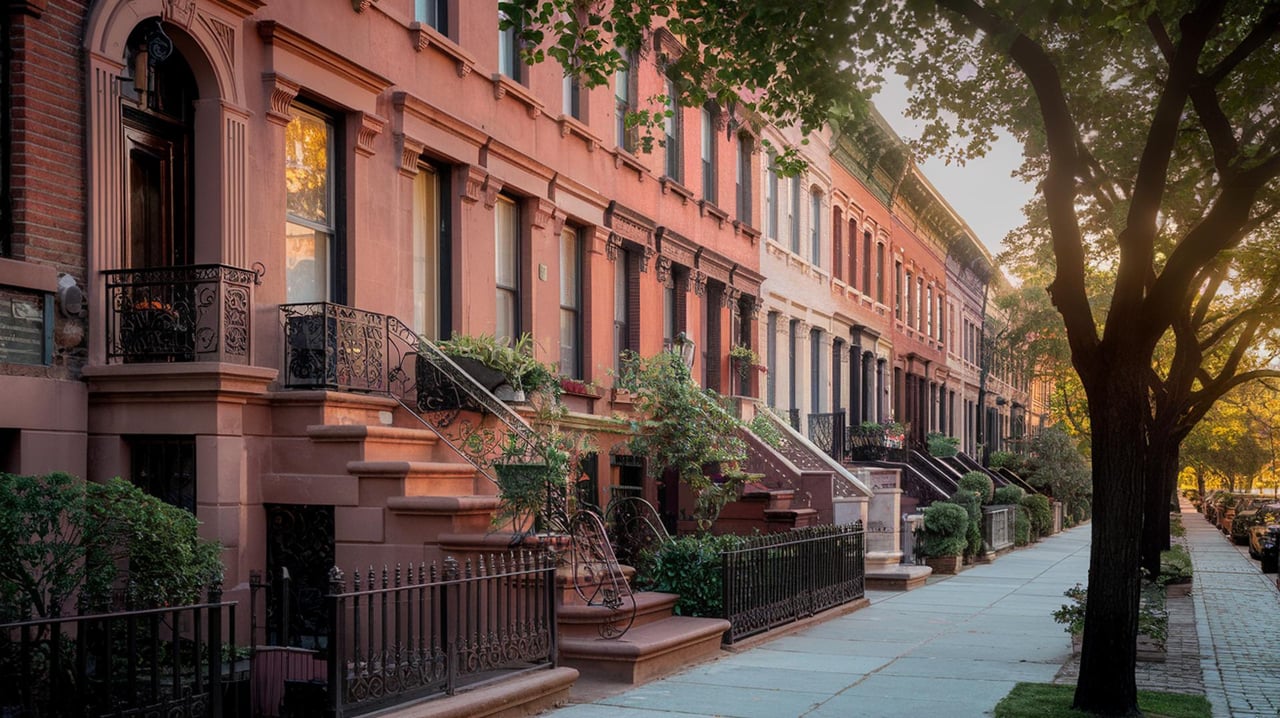
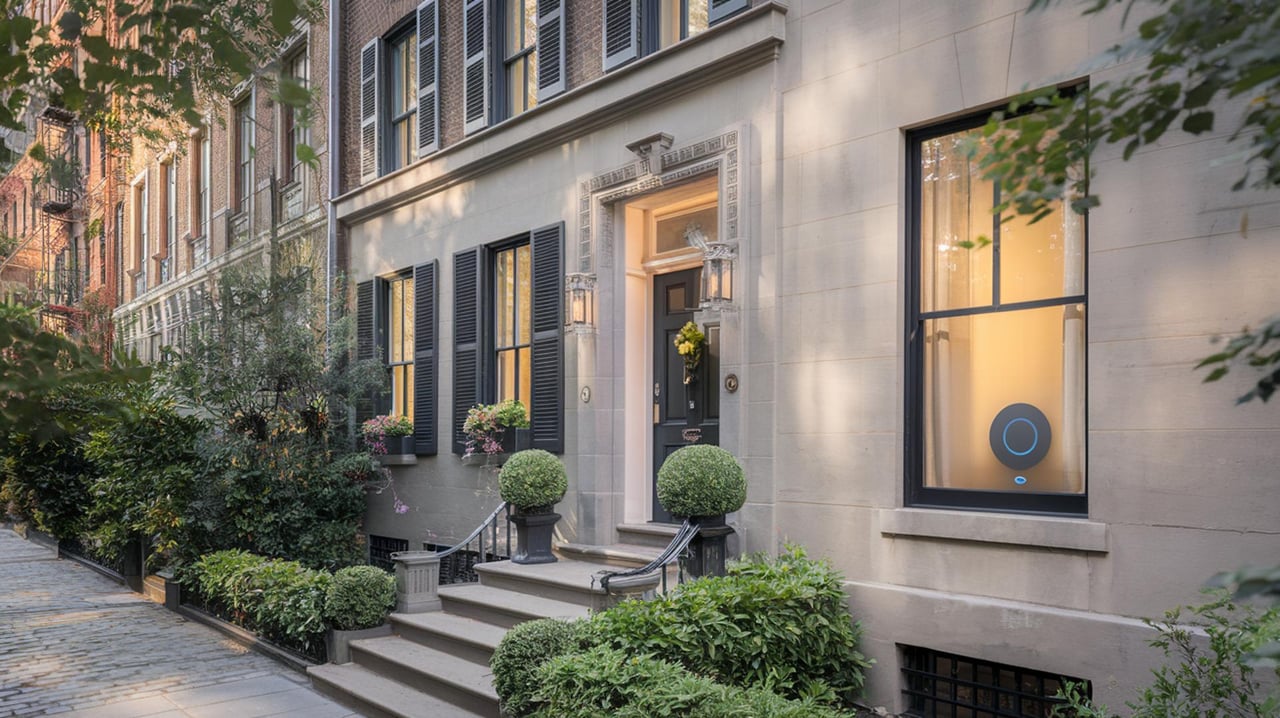
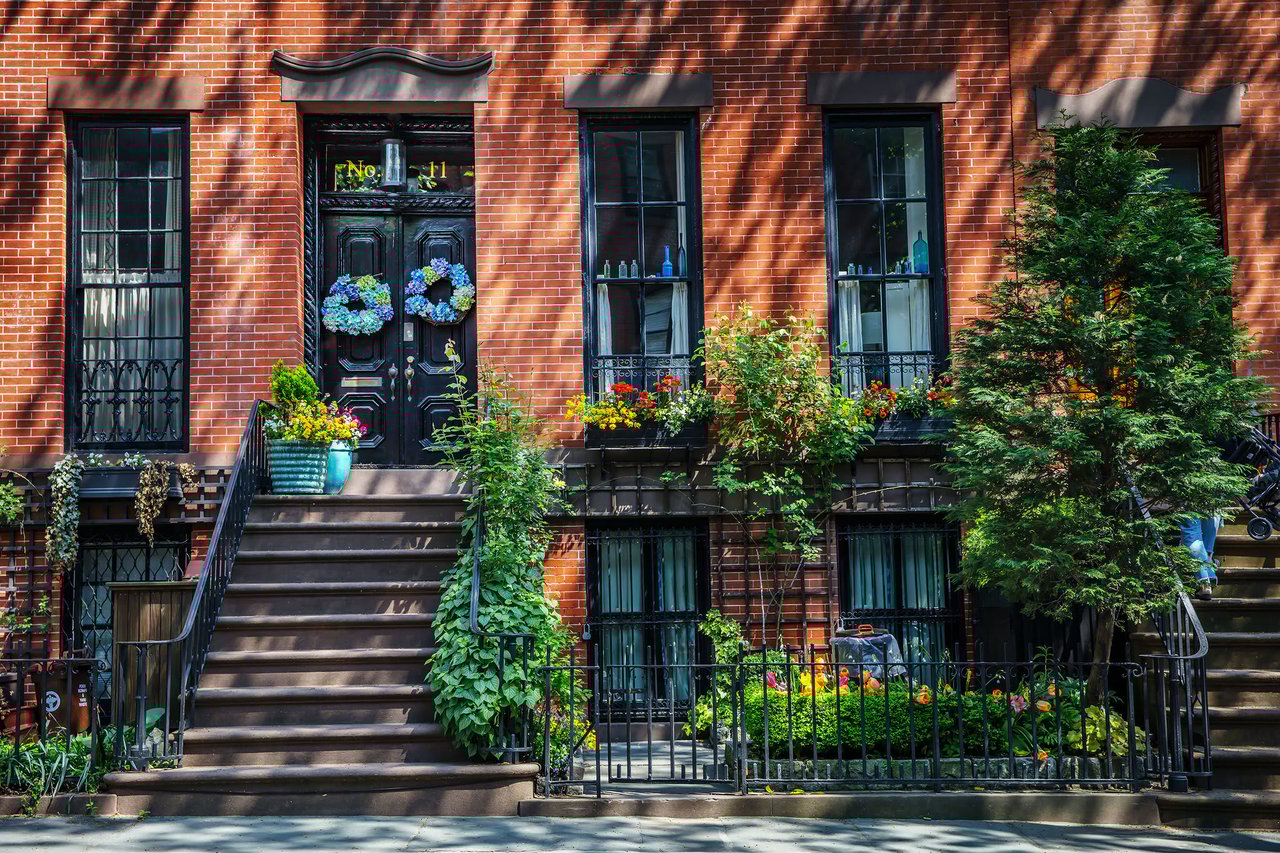
For townhouses and other properties in historic districts, exterior work can trigger a different approval path. The Landmarks Preservation Commission permit guidance explains that permits are required for restoration, alteration, reconstruction, demolition, or new construction affecting the exterior of a landmarked building or a property in a historic district.
That can also include interior work that affects the exterior, such as HVAC louvers and vents. By contrast, ordinary maintenance like replacing broken window glass or repainting a door the same color generally does not require LPC approval.
Check landmark status before work begins
If you are planning any exterior touch-up, confirm landmark status first. In Greenwich Village, that step can save time, protect your launch schedule, and prevent work that may need to be redone.
The city’s official LPC maps can help confirm whether your property is landmarked or located in a historic district. If status is unclear, it is worth checking before ordering facade work, changing windows, or making any visible exterior update.
Protect privacy during showings
A quiet premium sale depends on logistics as much as marketing. In a neighborhood with constant pedestrian activity, thoughtful showing management helps keep the process orderly and less intrusive.
A practical approach often includes appointment-only access, limited showing windows, and close coordination with building staff or the managing agent. This can reduce disruption for you while also creating a more composed experience for buyers.
Keep the experience calm and intentional
For many sellers, privacy works best when you:
- Avoid broad, drop-in showing formats
- Group appointments into tight windows
- Coordinate access with staff in advance
- Limit unnecessary signage or building chatter
- Prepare the home so every showing feels launch-ready
This is especially useful in Greenwich Village, where foot traffic and neighborhood attention can make a sale feel more public than you want.
Stage for a premium audience
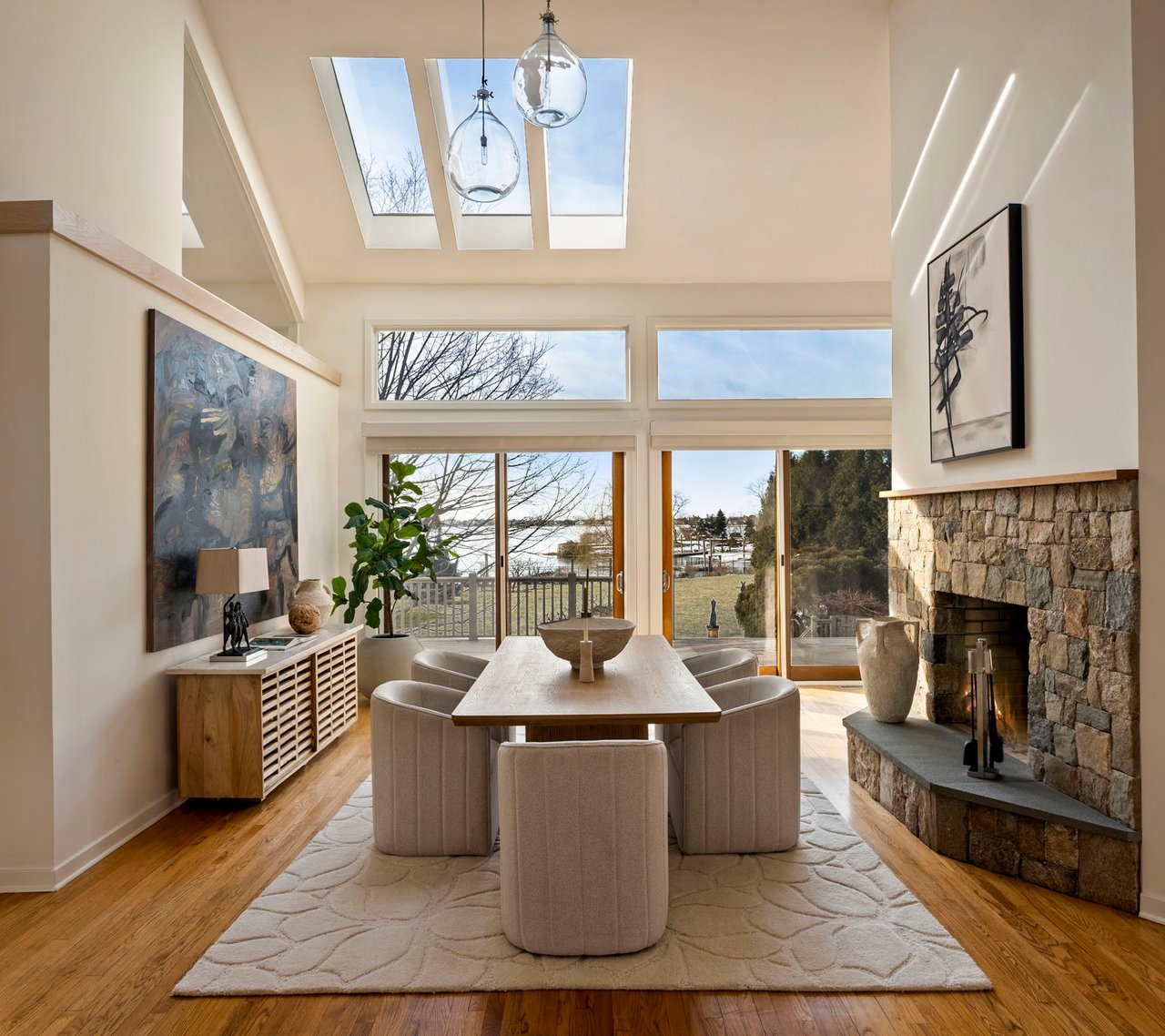
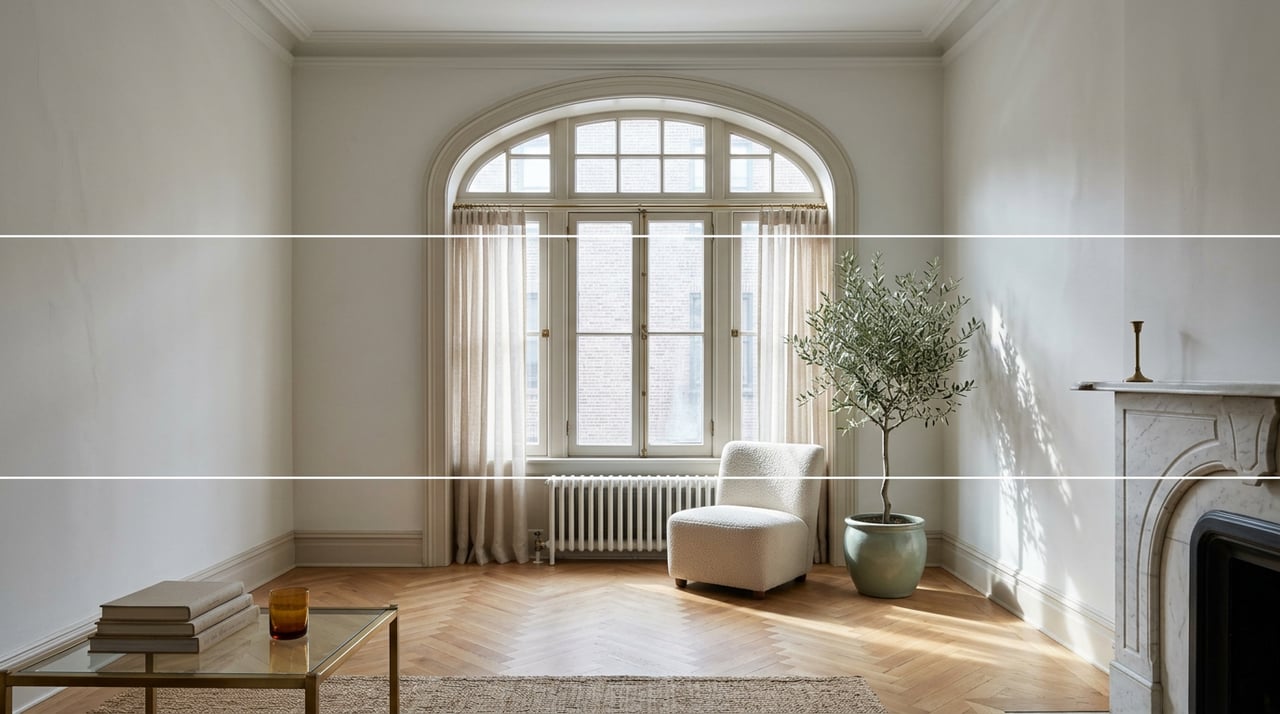
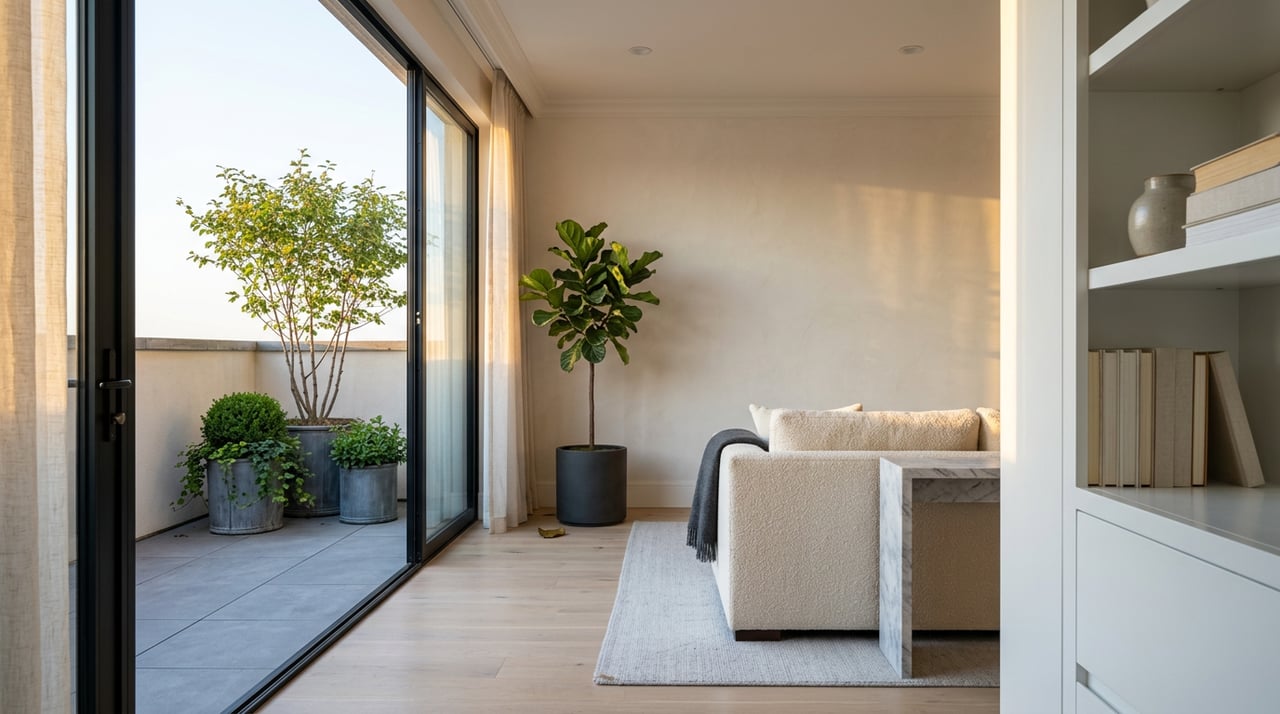
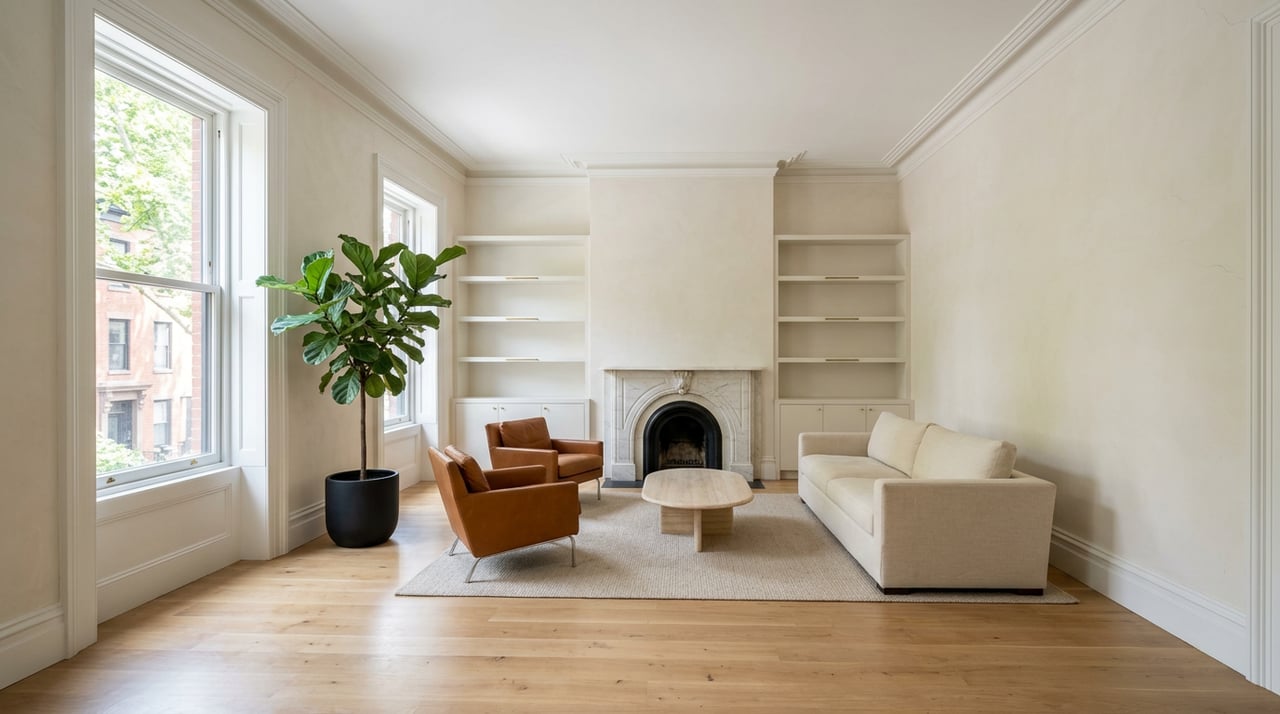
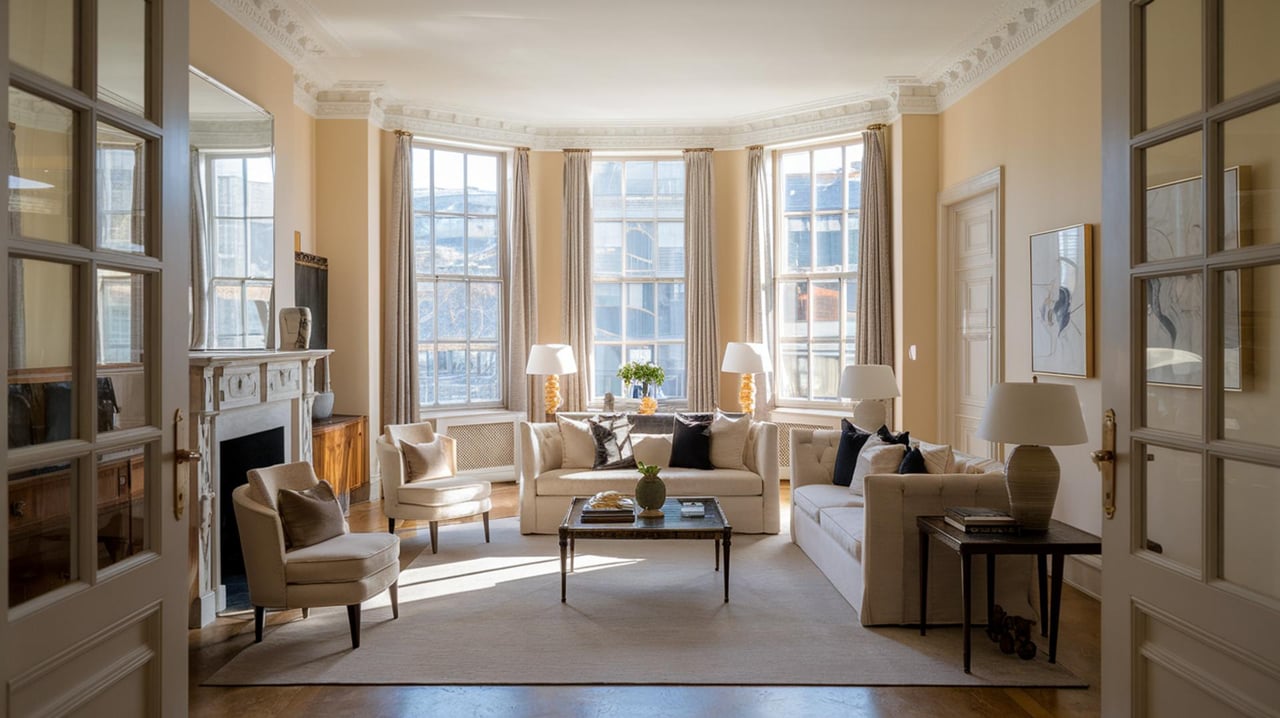
In a quiet sale, staging should support clarity, not spectacle. Buyers need to understand scale, flow, light, and livability quickly.
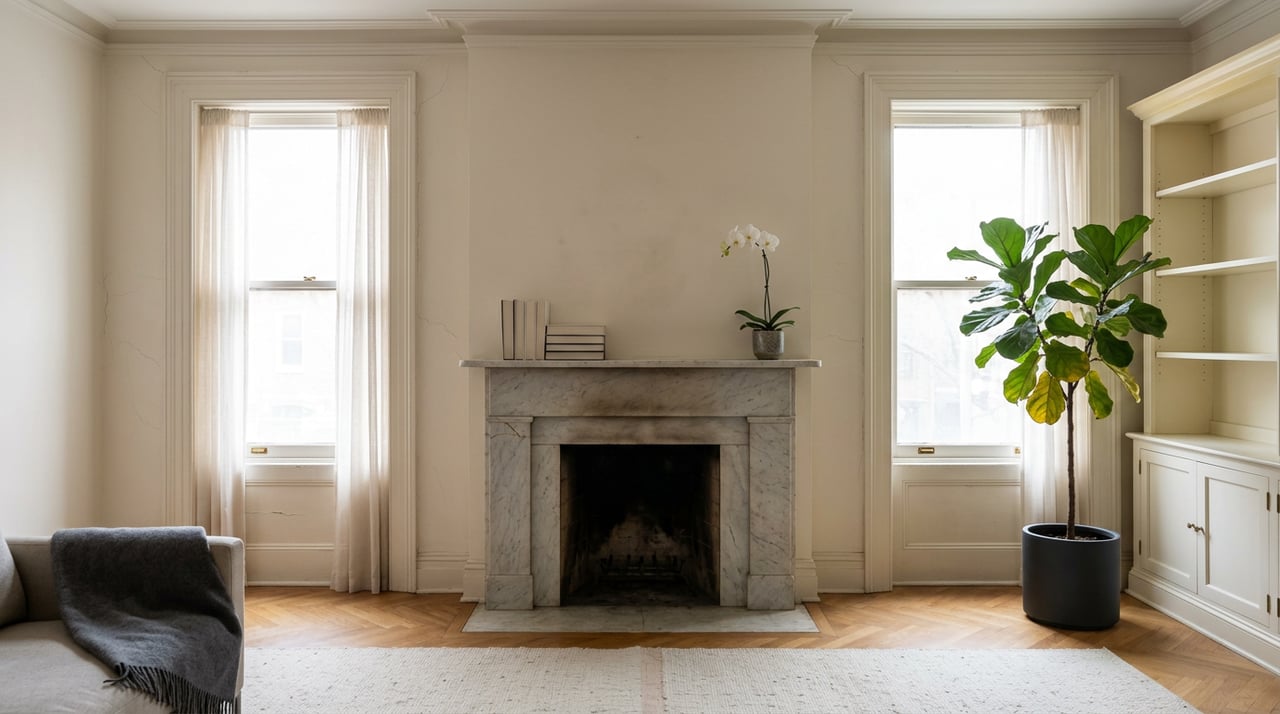
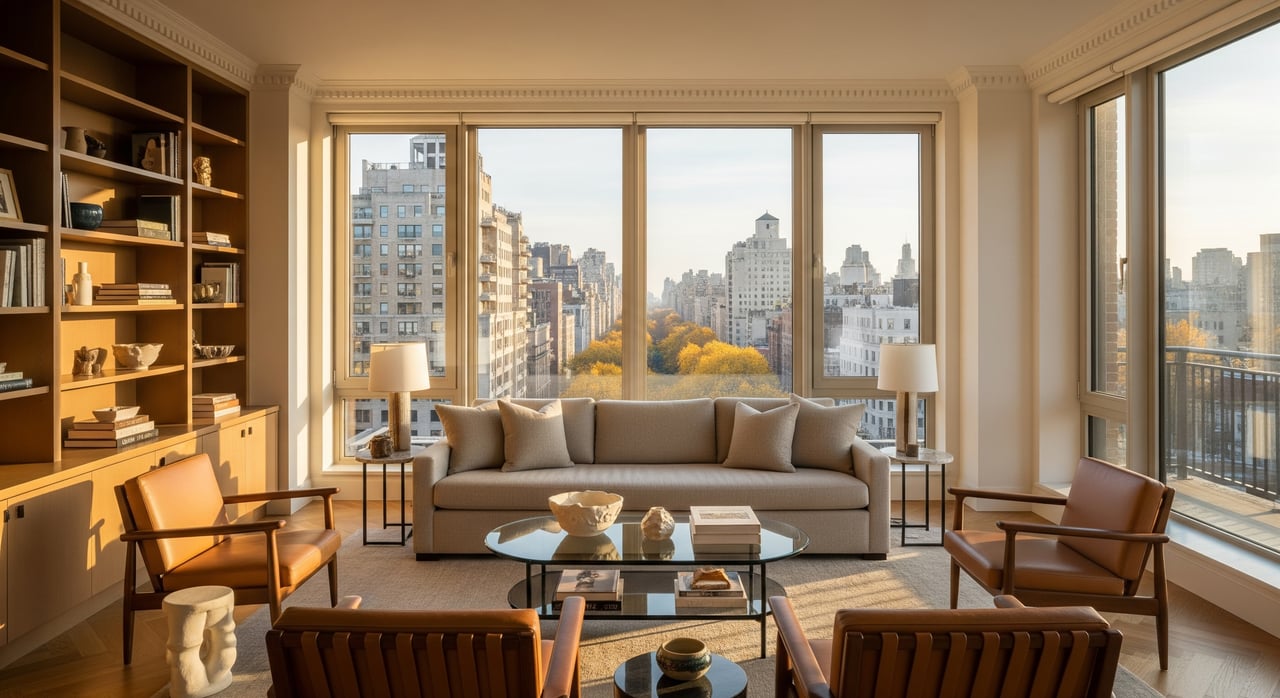
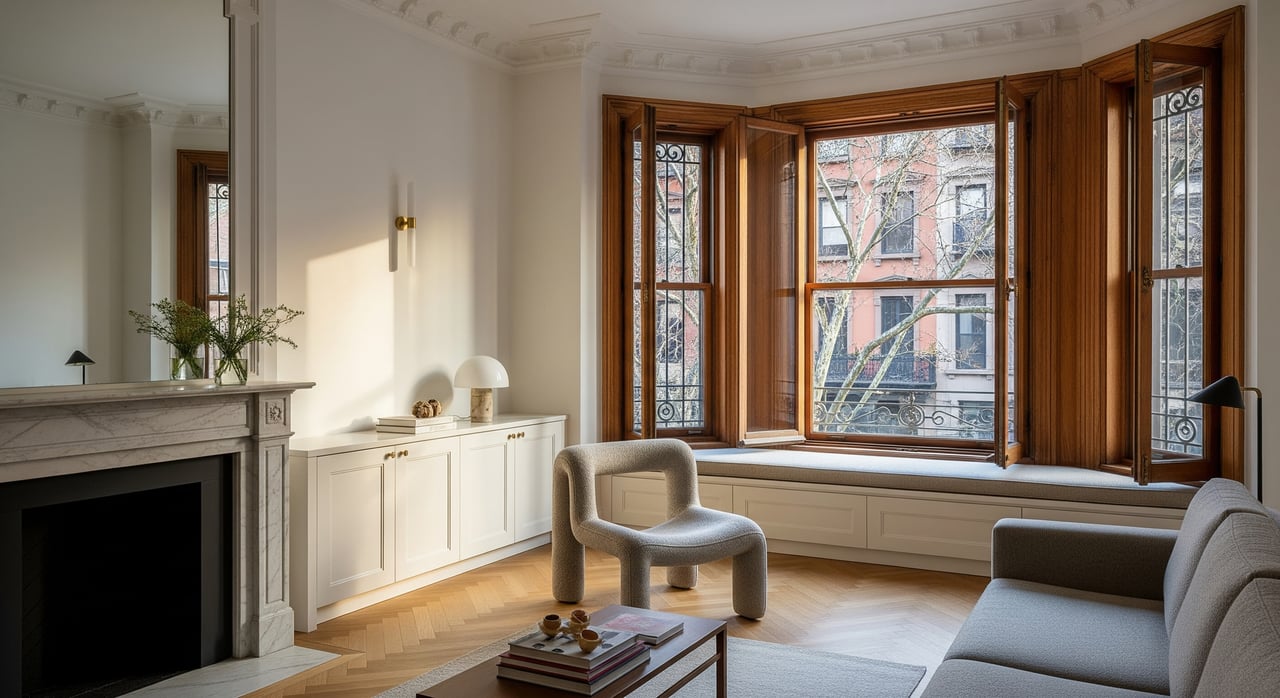
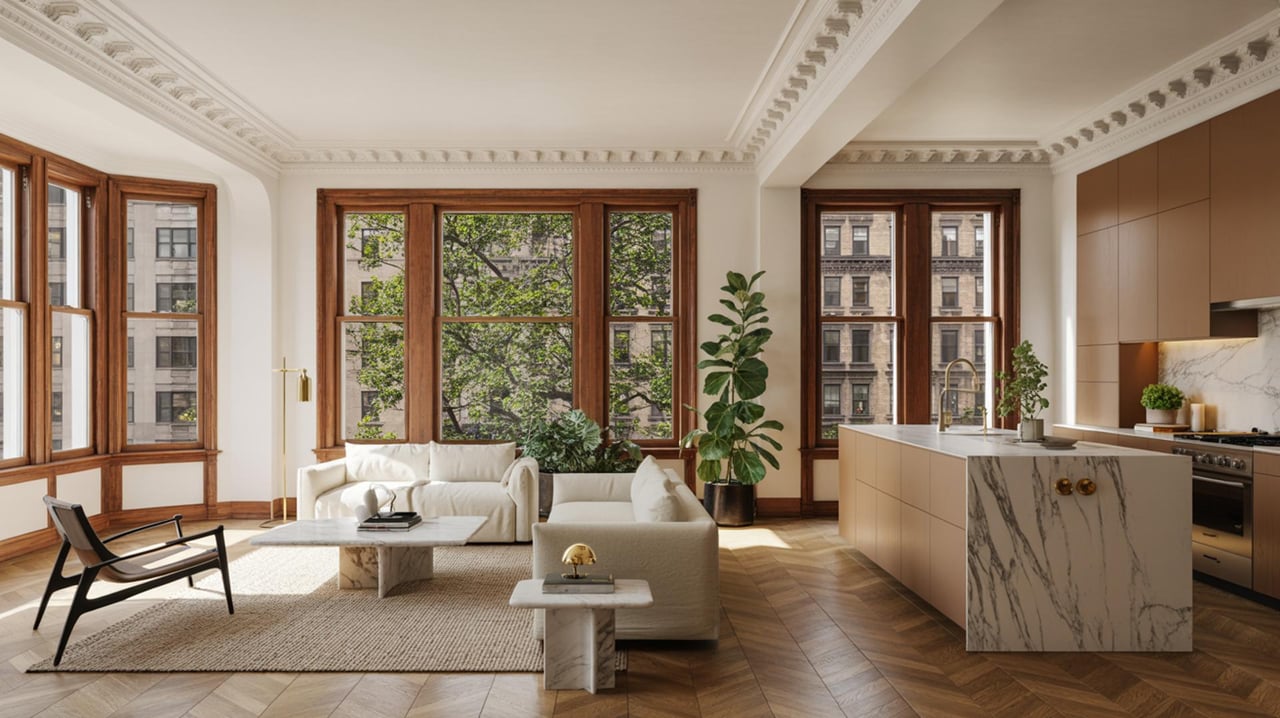
That is especially important in Greenwich Village, where many homes have character but also quirks tied to older layouts. Clean editing, lighter visual weight, and a calm presentation can help buyers focus on the architecture, proportions, and any standout views or details.
What buyers should feel
Your home should read as:
- Well maintained
- Easy to understand
- Quiet and comfortable despite the lively surroundings
- Move-in ready, or at least responsibly cared for
That emotional response supports a premium result because it lowers uncertainty.
Plan for lead disclosure and renovation rules
Many Greenwich Village homes were built before 1978, so lead-based paint rules are often relevant. The EPA states that sellers, landlords, real estate agents, and property managers must disclose known lead-based paint and lead hazard information before the sale of most pre-1978 housing, provide the EPA and HUD pamphlet, and allow a 10-day inspection or risk assessment period. The EPA also states that renovation, repair, or painting that disturbs lead-based paint in pre-1978 homes must be completed by lead-safe certified contractors. You can review those requirements through the EPA’s lead-based paint disclosure rule summary.
If you are doing any pre-listing work in an older home, this is worth addressing early. It affects both compliance and scheduling.
Factor taxes into your net proceeds
A premium sale should also be prepared financially, not just visually. If you are weighing whether certain updates are worth the cost, your expected closing expenses should be part of that conversation.
New York State imposes a real estate transfer tax on conveyances over $500, generally paid by the seller, while a 1% mansion tax on residential properties at $1 million or more is imposed on the buyer. NYC also imposes its own transfer tax, so final cost allocation should be confirmed with counsel. The New York State Department of Taxation and Finance outlines those rules in its real estate transfer tax overview.
The goal: discreet, but not invisible
The best quiet sale in Greenwich Village is rarely the one with the least visibility. It is the one with the best control. That means a home that is repaired where it counts, documented properly, shown intentionally, and introduced to the market in a way that respects your privacy without sacrificing buyer demand.
If you are preparing a Greenwich Village co-op, condo, or townhouse for a discreet launch, Daniel Kramp can help you build a tailored plan that balances presentation, privacy, and premium market exposure.
FAQs
What does a quiet home sale in Greenwich Village usually involve?
- A quiet sale usually means controlled exposure, appointment-only showings, limited disruption, and a measured launch strategy rather than no marketing at all.
Which pre-listing updates matter most for a Greenwich Village home sale?
- The most valuable updates are often visible repairs and functional improvements to systems like plumbing, electrical, windows, heating, cooling, flooring, and appliances.
How should a Greenwich Village co-op seller prepare for buyer due diligence?
- A co-op seller should organize key building and unit documents early, including governing materials, repair history, and other records buyers may request during review.
Do Greenwich Village townhouses need landmark approval before exterior work?
- If the property is landmarked or located in a historic district, many exterior changes require LPC approval, while ordinary maintenance may not.
Are lead-based paint rules relevant when selling an older Greenwich Village home?
- Yes. For most pre-1978 homes, federal rules require disclosure of known lead-based paint information and related materials before sale.