If you are thinking about buying a townhouse in Greenwich Village, you are not really shopping for an apartment alternative. You are buying into a very specific kind of New York property with history, quirks, and a different level of responsibility. The upside can be remarkable character, privacy, and long-term appeal, but the learning curve is real. This guide will help you understand what sets Greenwich Village townhouses apart, what to review before you make an offer, and how to approach the process with confidence. Let’s dive in.
Why Greenwich Village townhouses stand apart
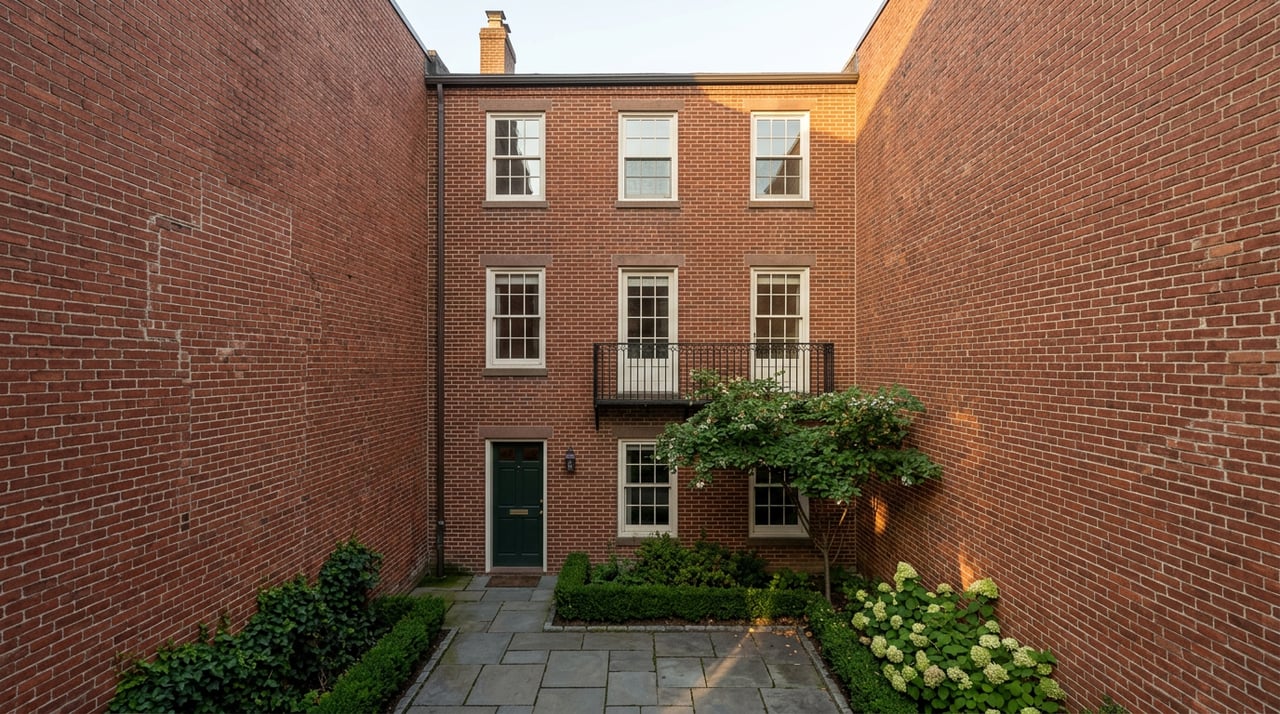
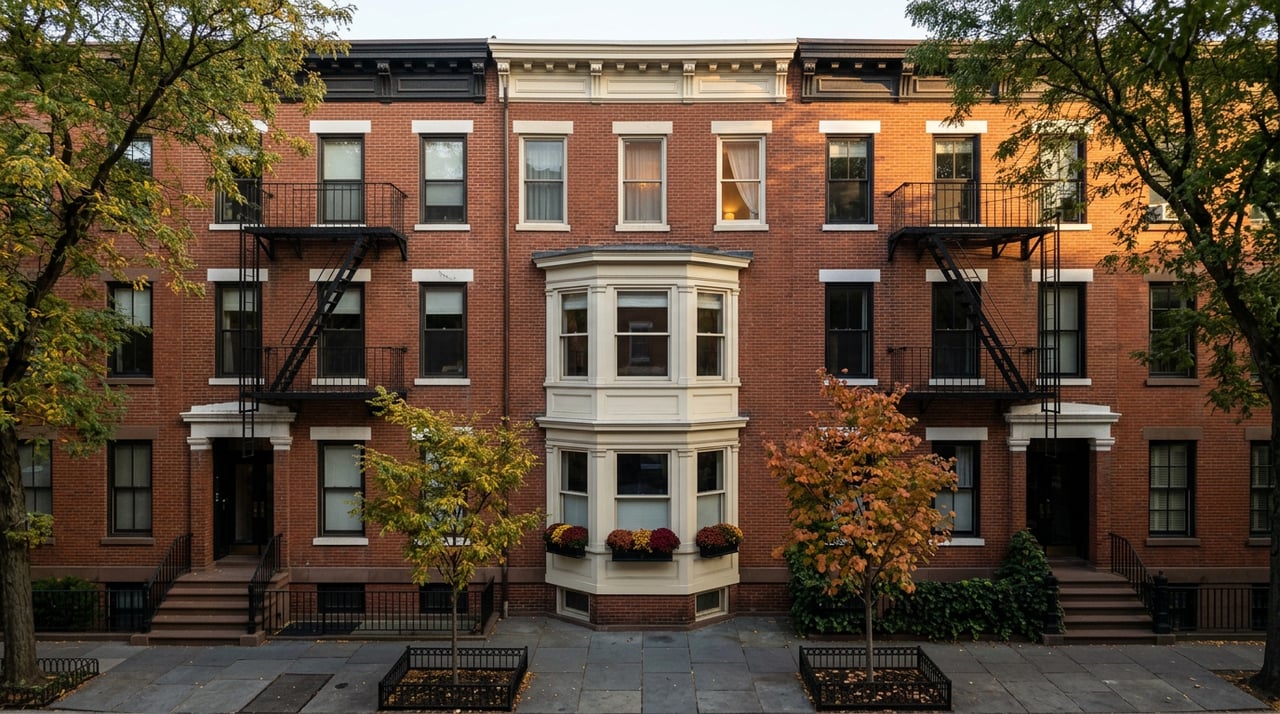
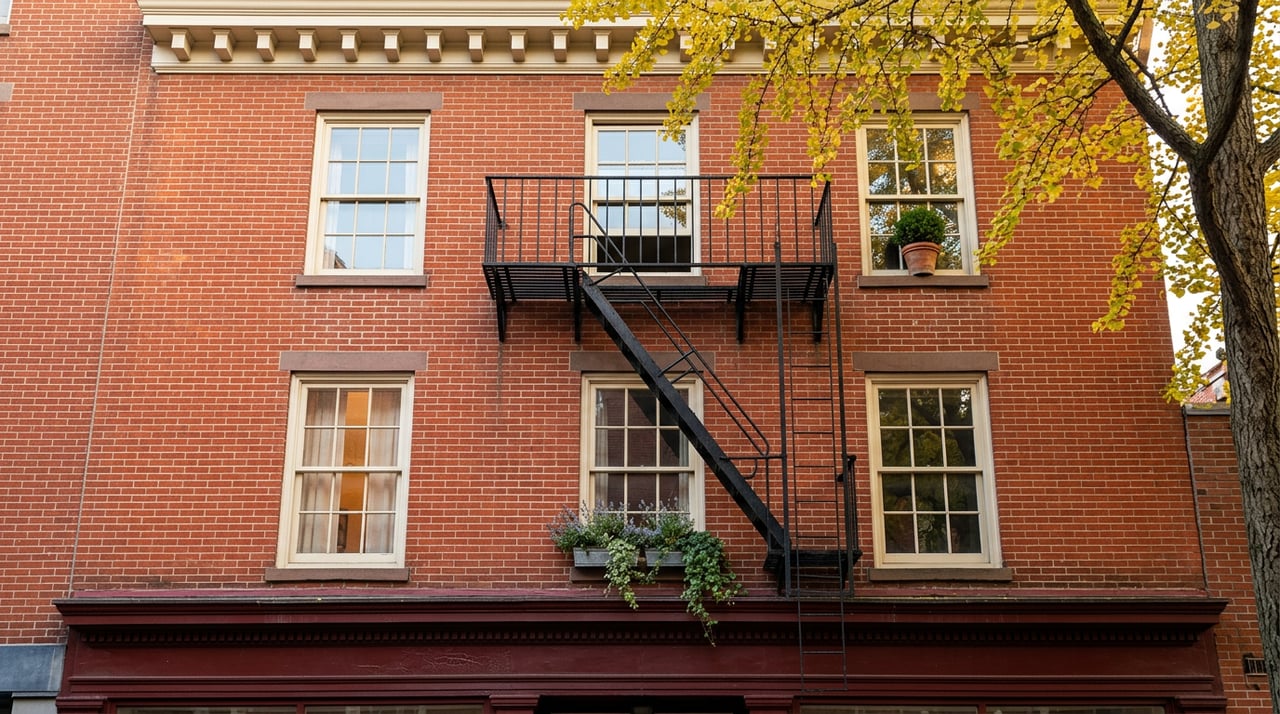
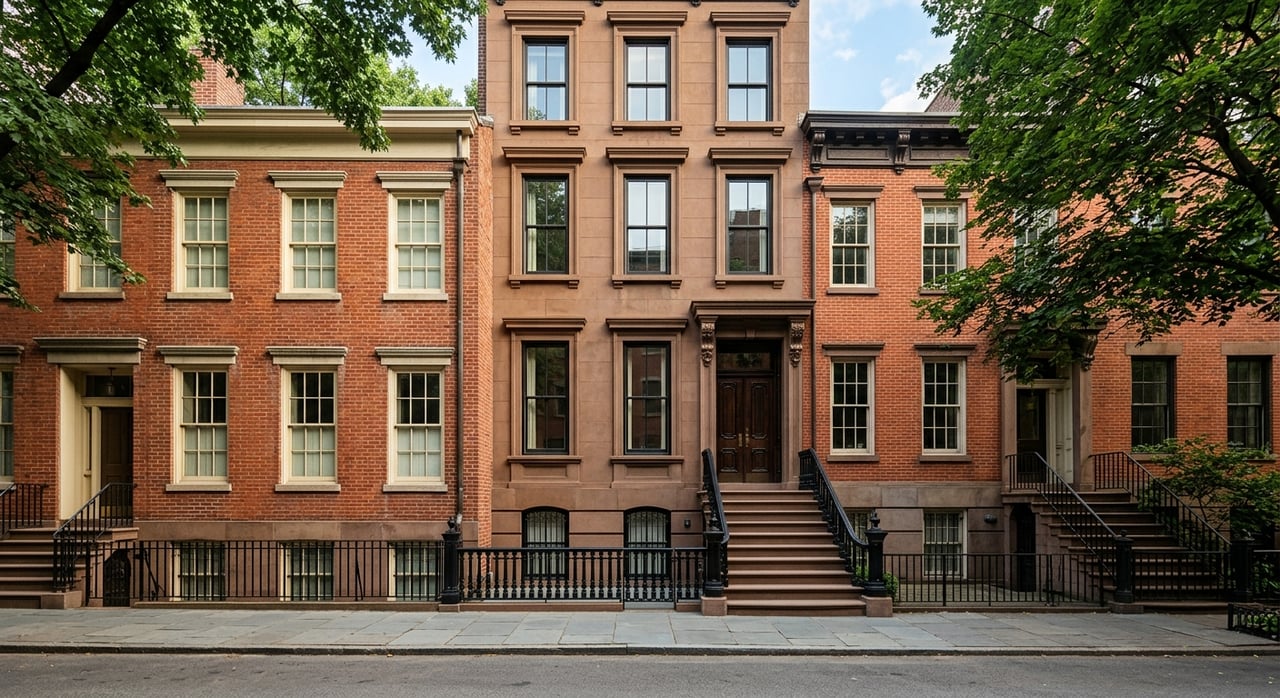
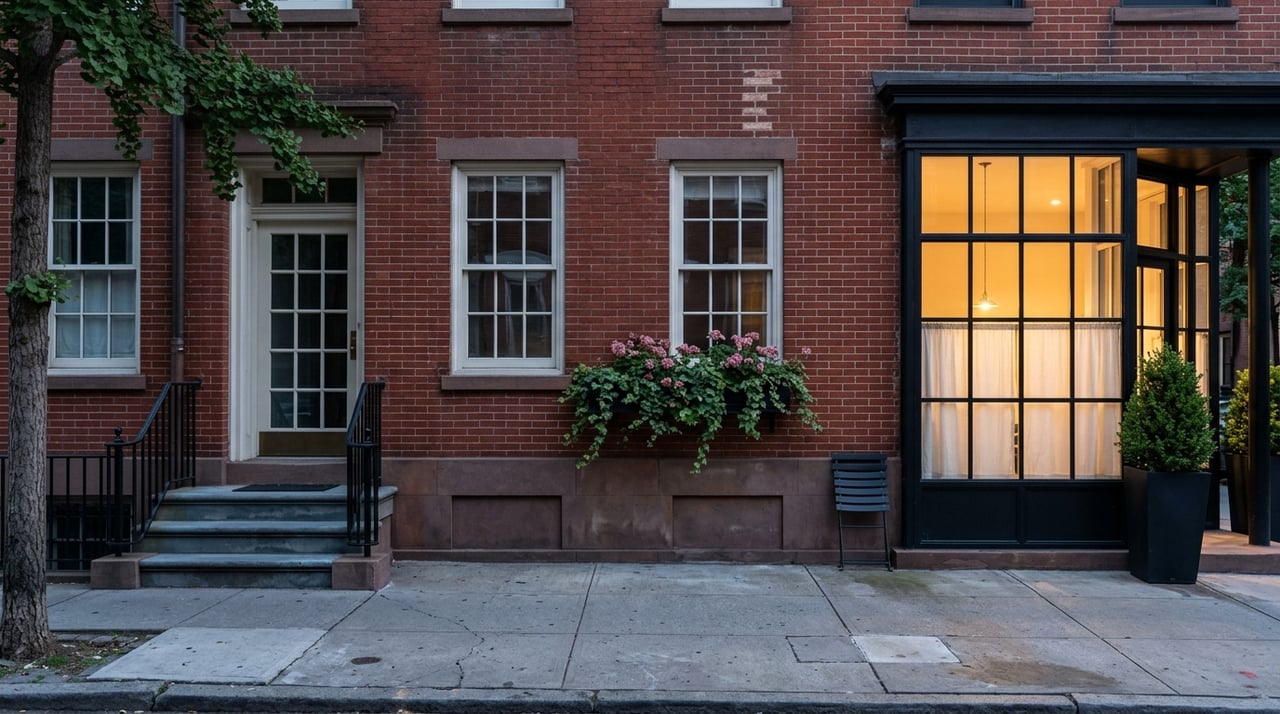
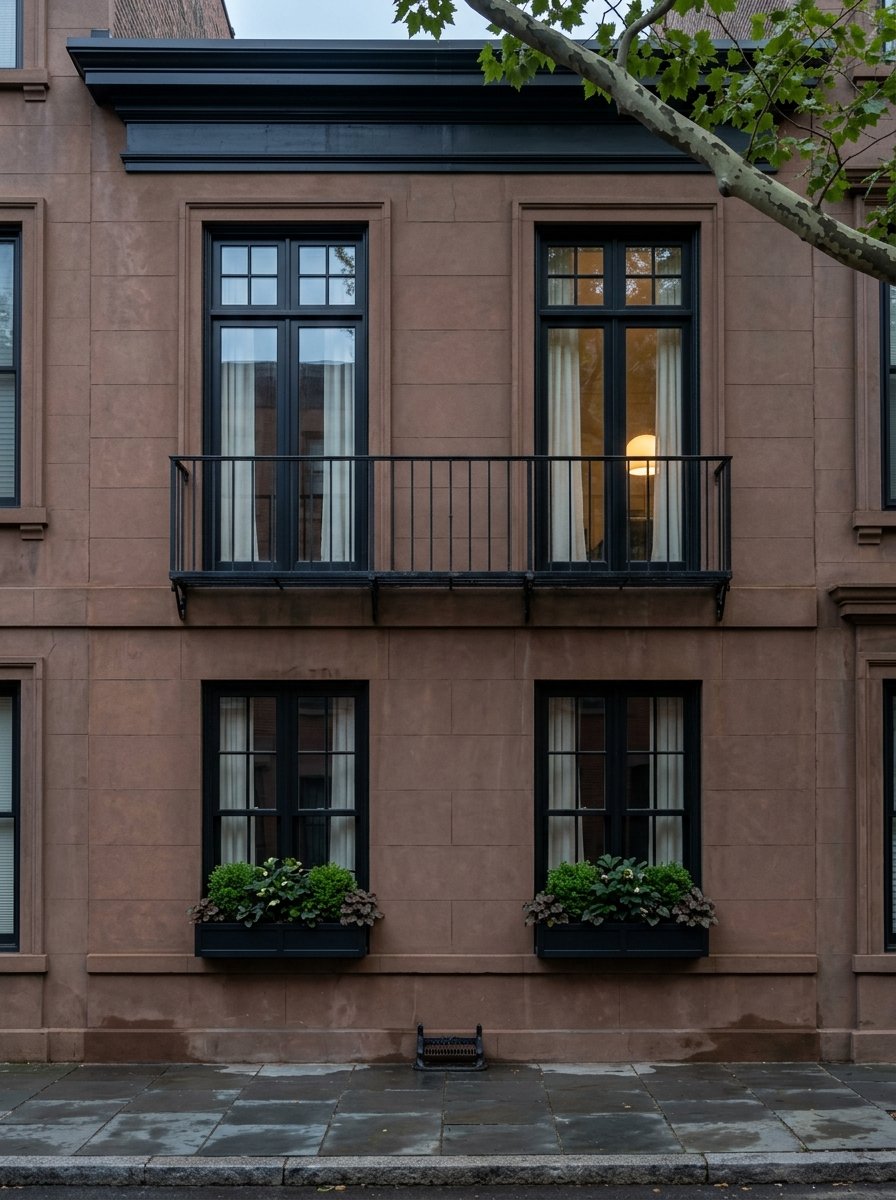
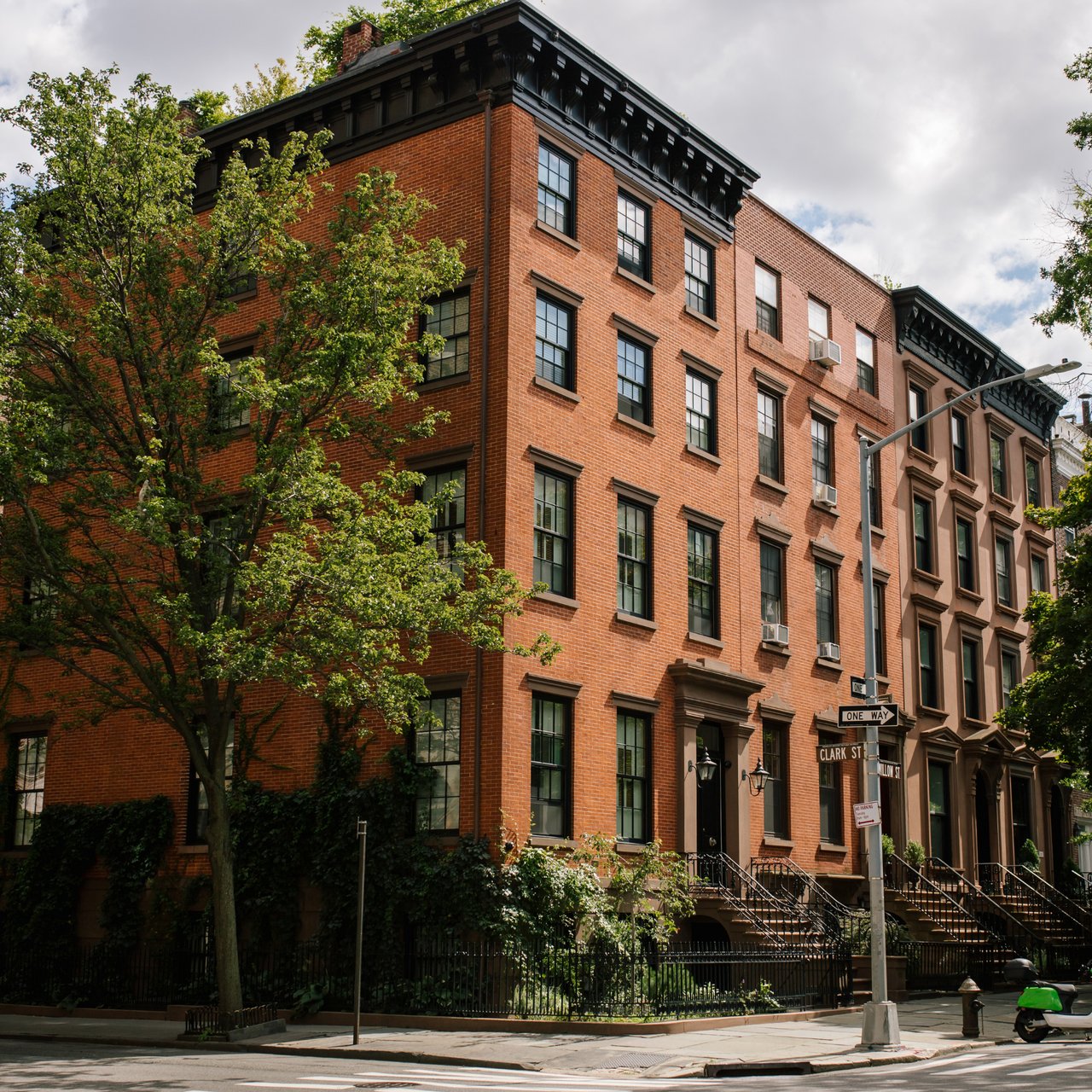
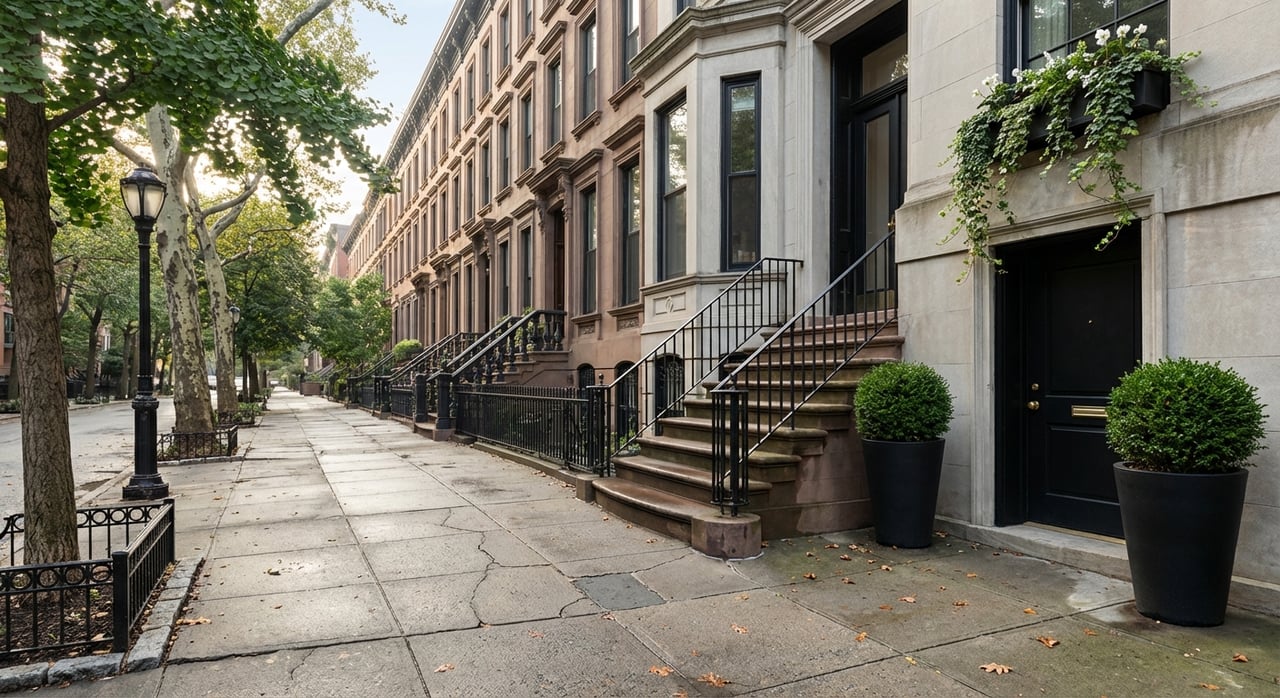
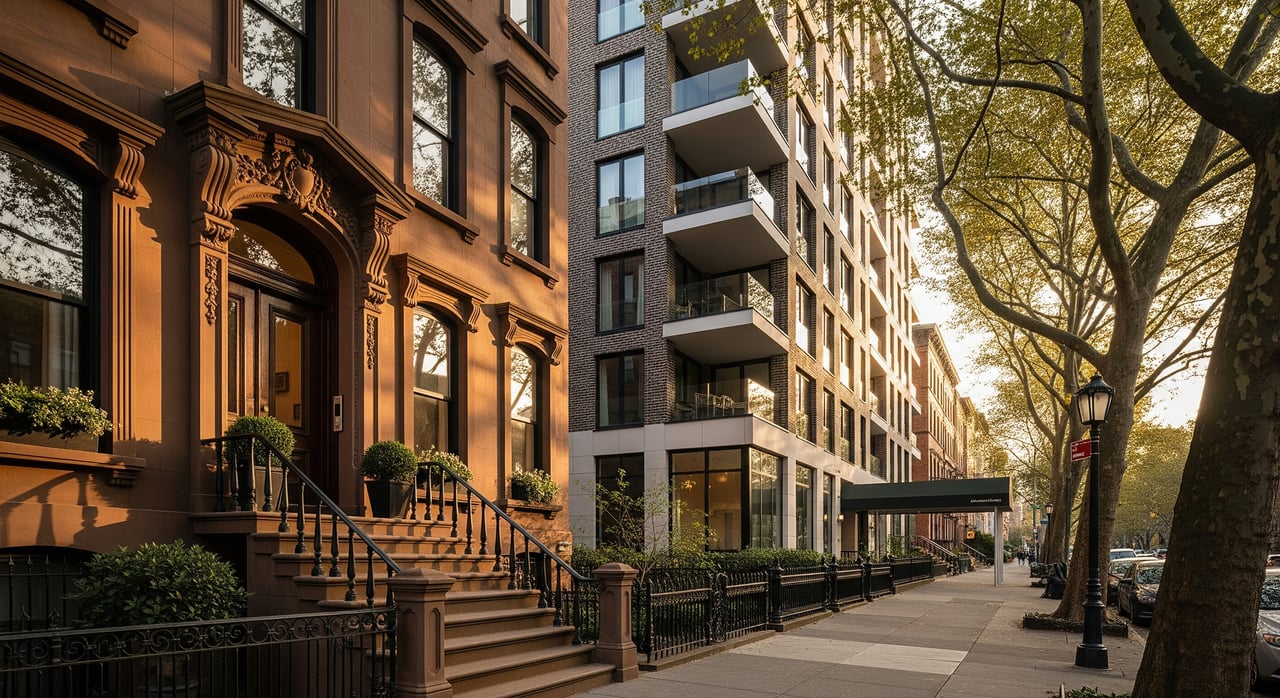
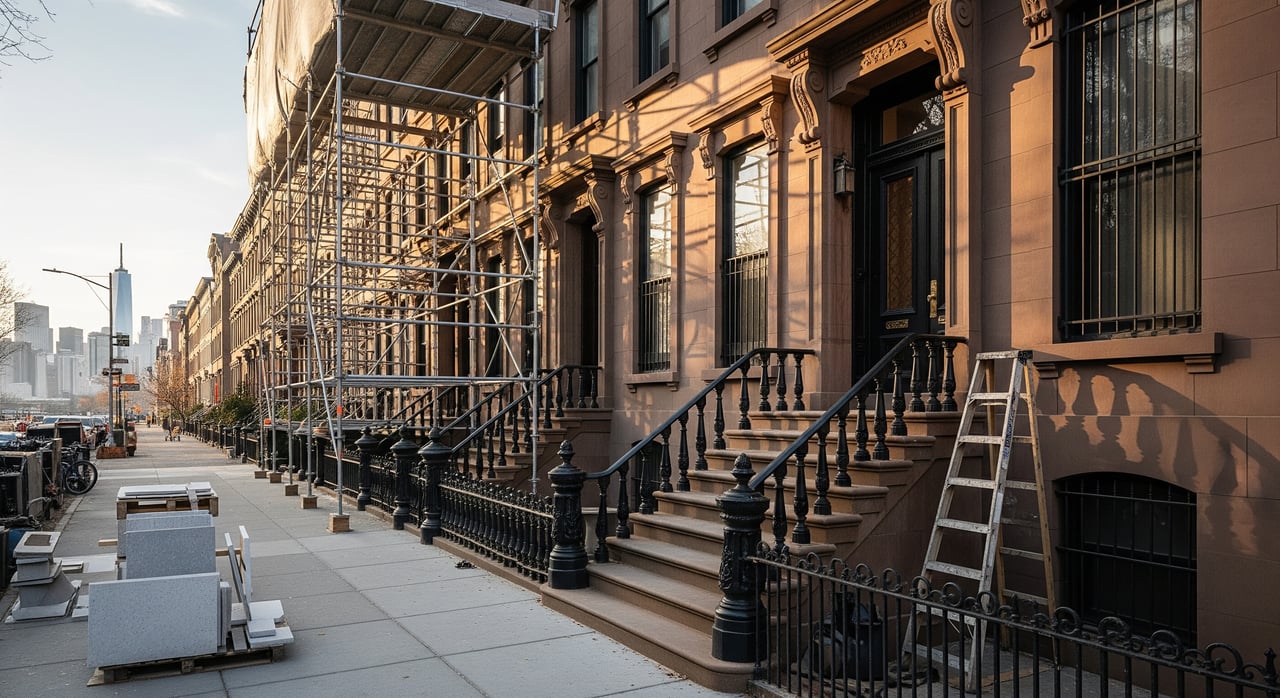
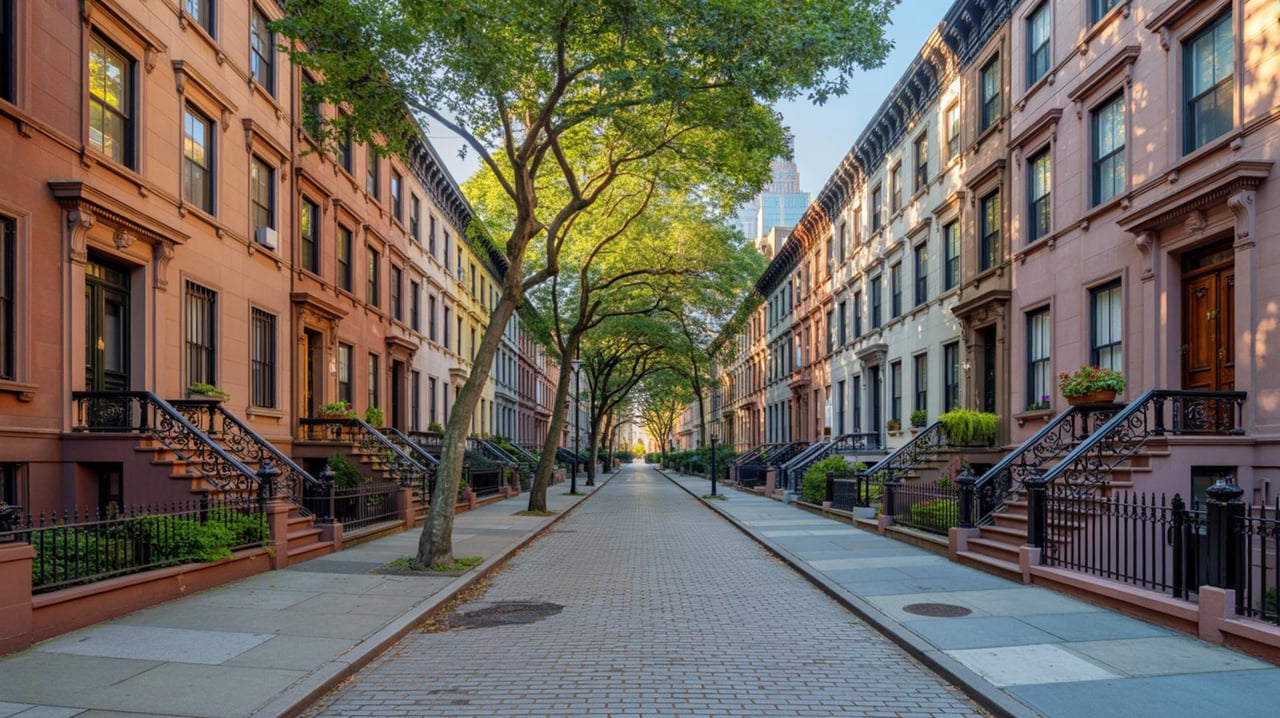
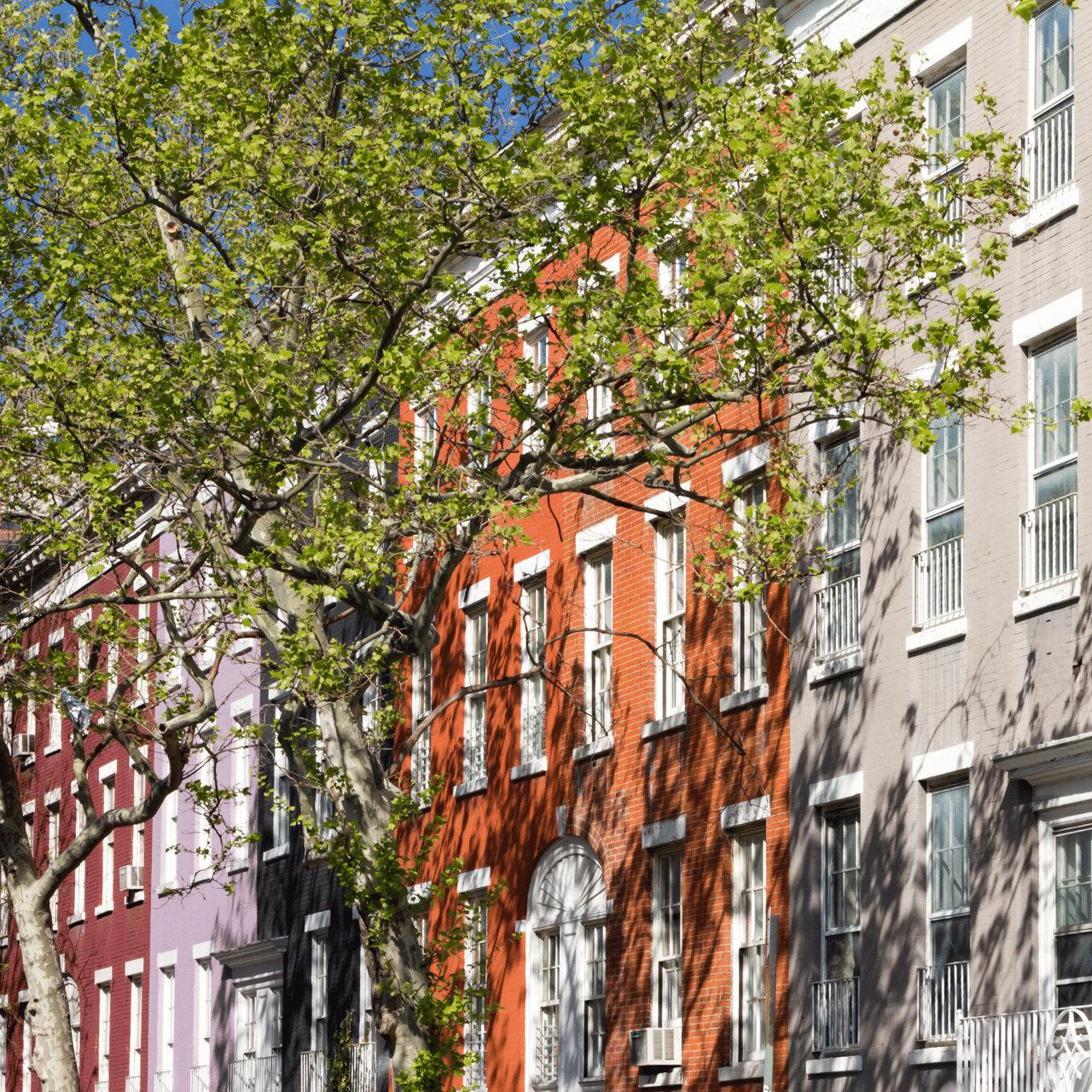
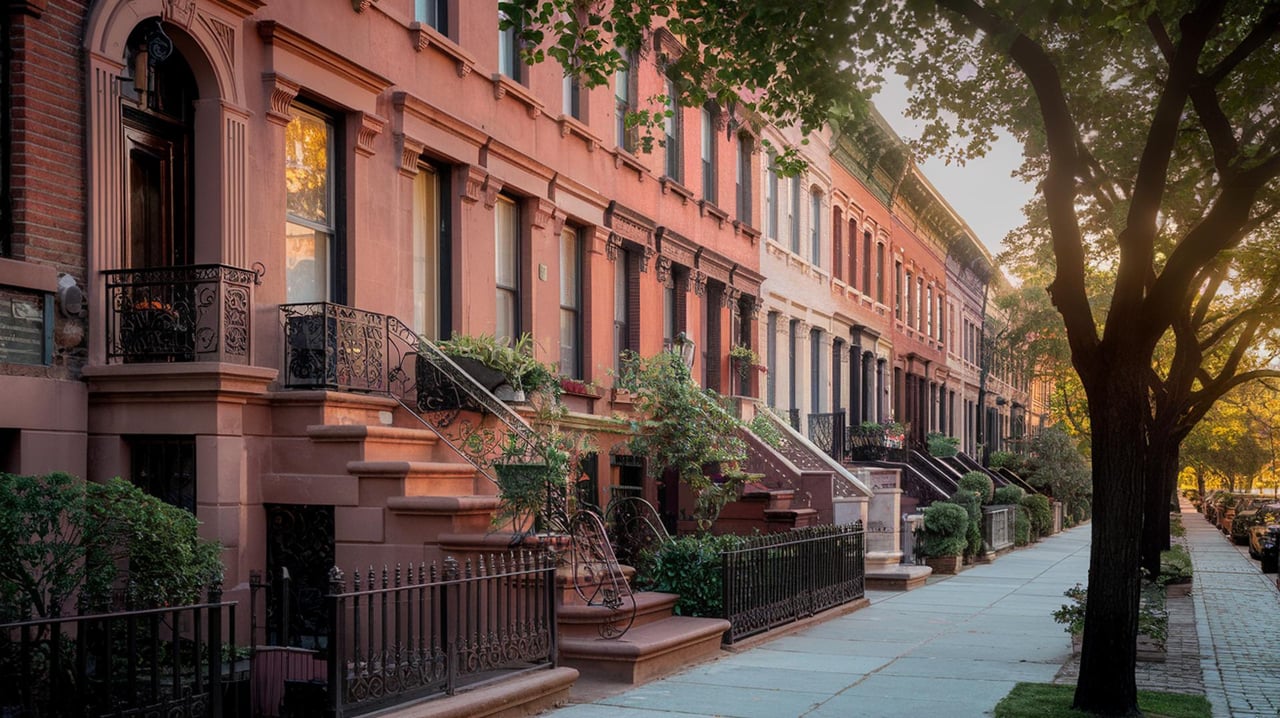
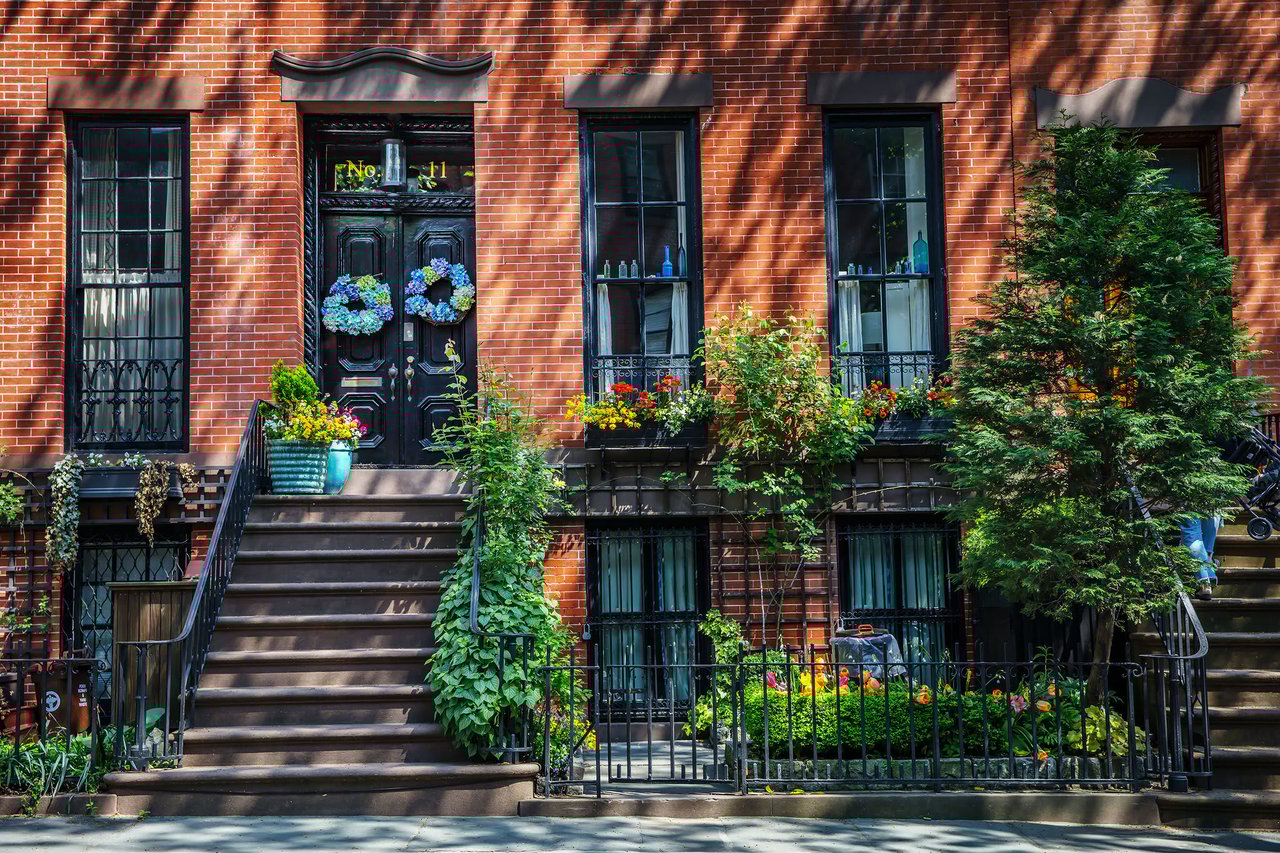
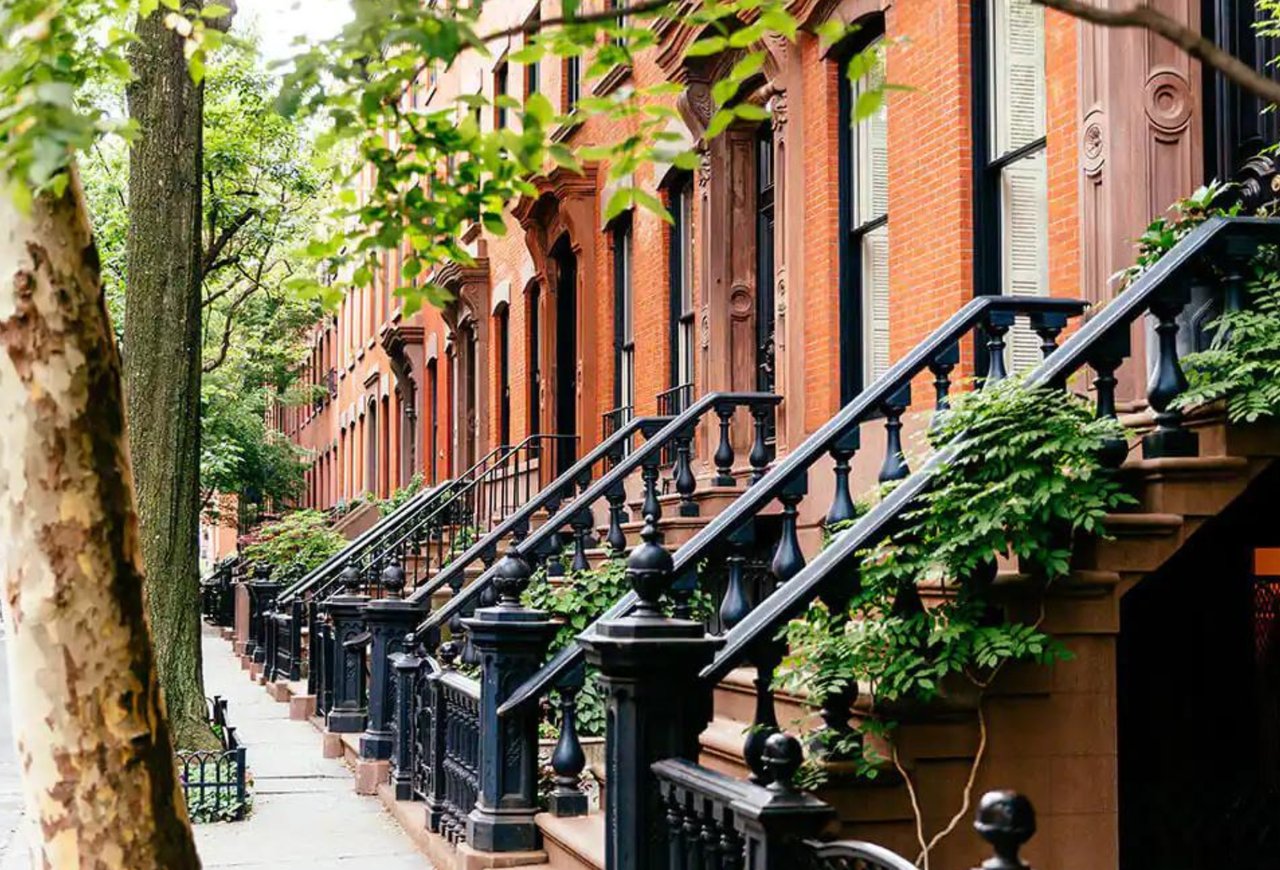
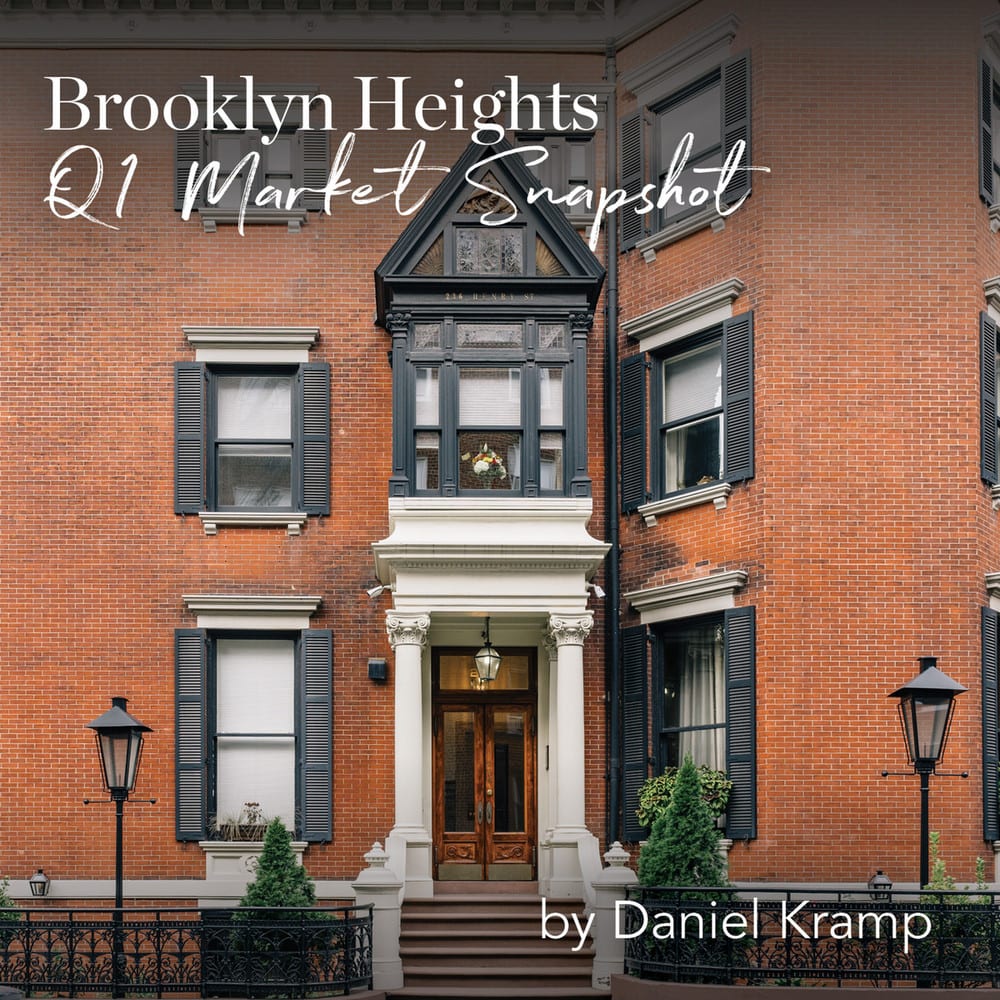
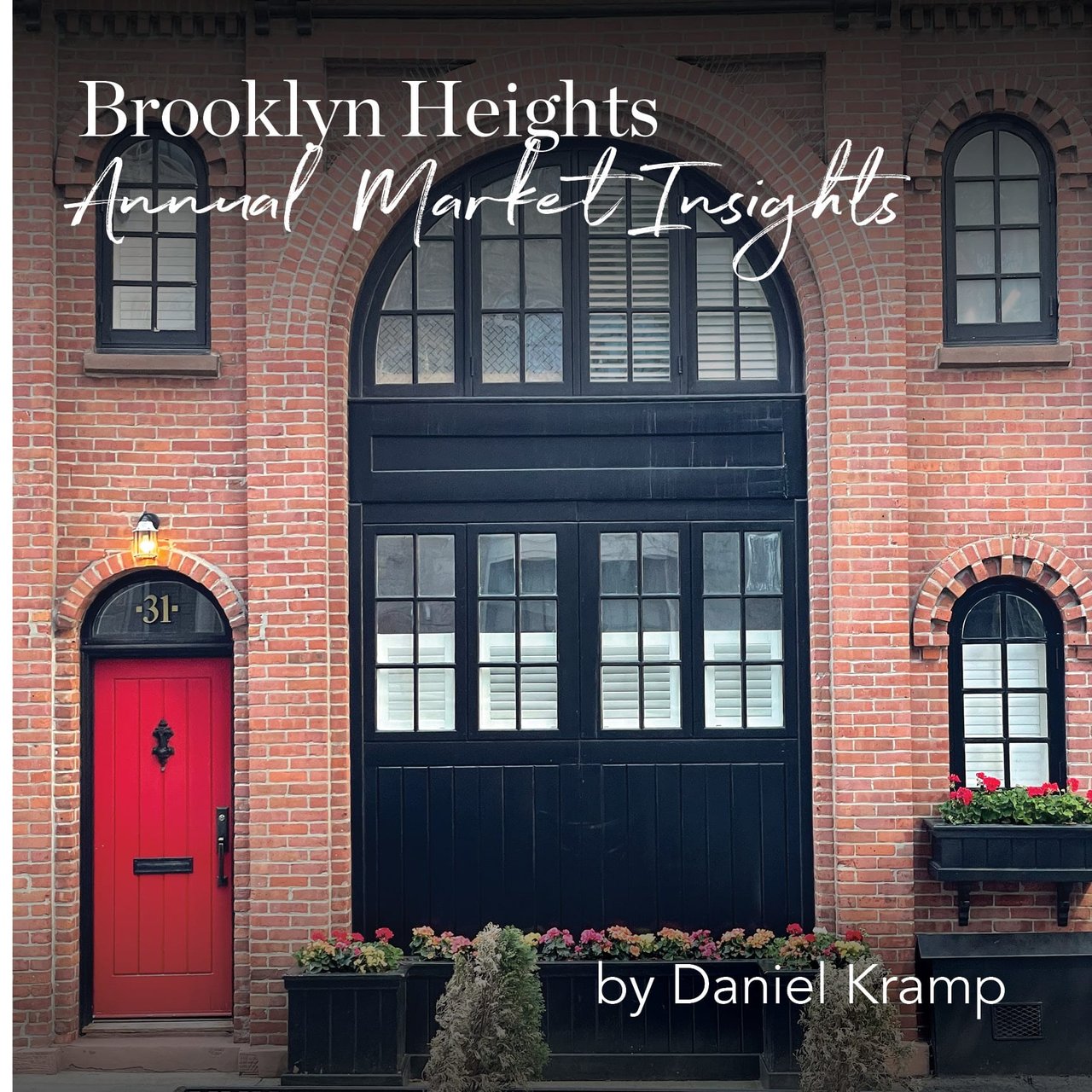
Greenwich Village has one of Manhattan’s richest rowhouse streetscapes. Landmarks Preservation Commission materials describe surviving homes from the 1819 to 1853 period, including Federal rowhouses and later Greek Revival examples, along with a notable concentration of early wood-framed structures that were often later faced in brick.
For you as a buyer, that means townhouse inventory here is not uniform. Even when homes share a similar street presence, their interiors, rooflines, rear additions, and floor plans can differ dramatically because many were altered over time.
Expect historic architectural variety
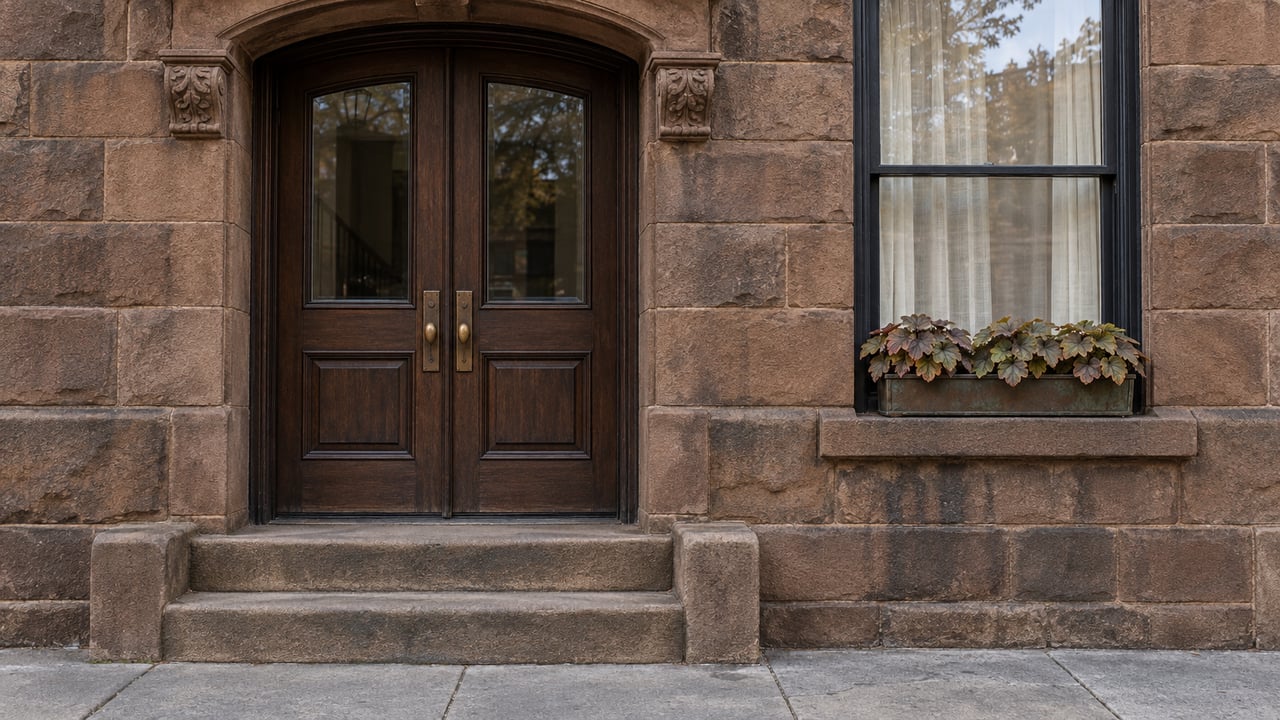
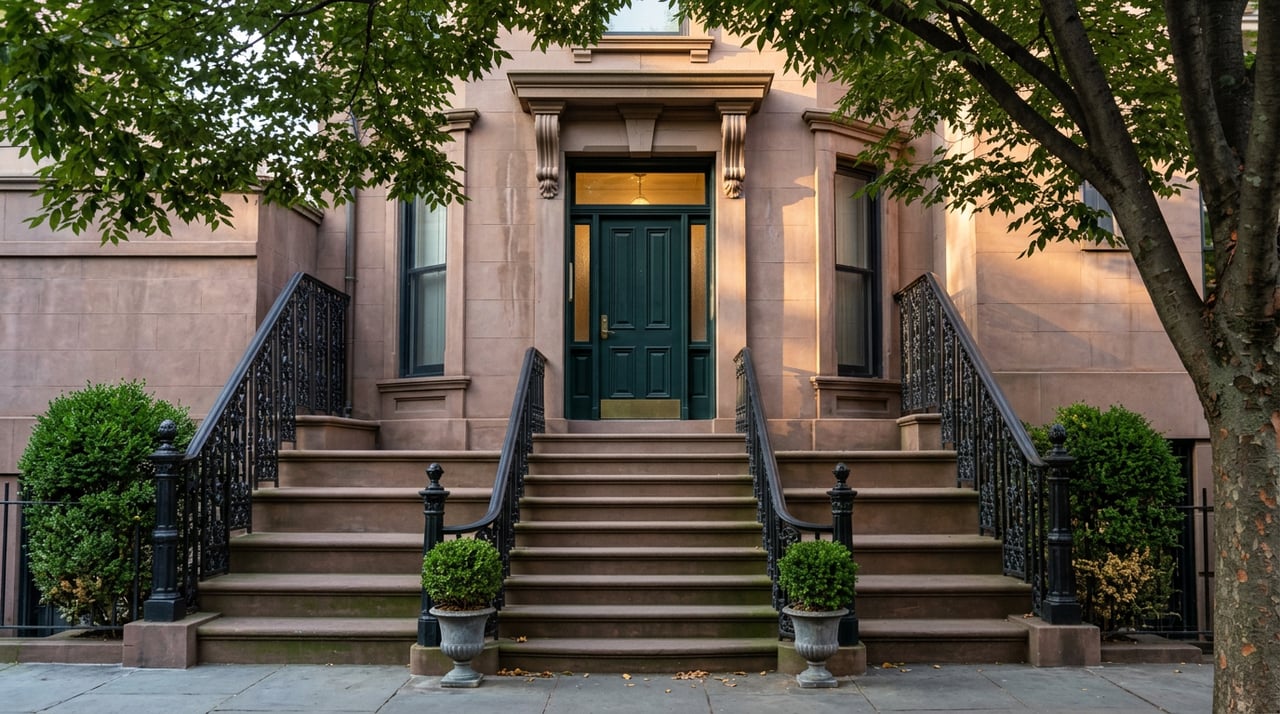
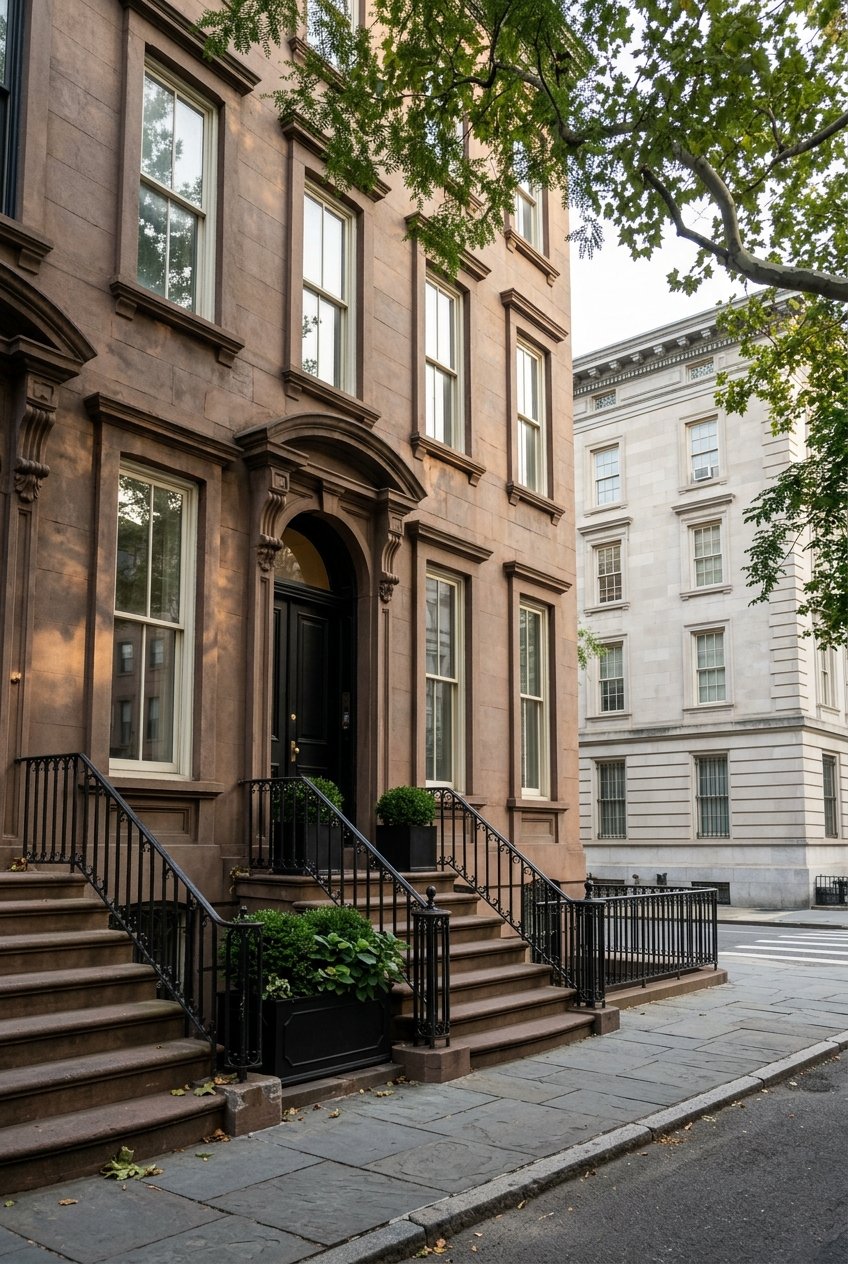
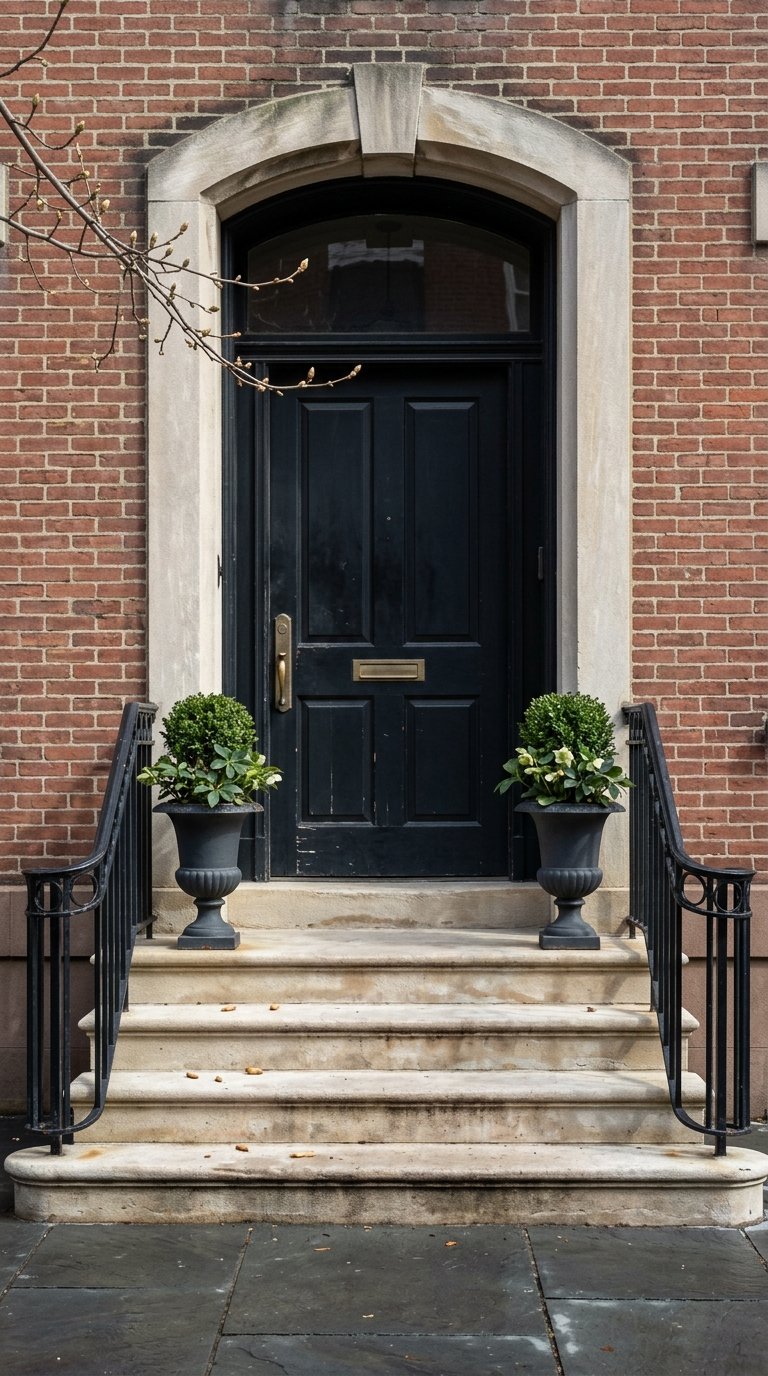
Village Preservation describes Federal rowhouses as typically two-and-a-half stories, three bays wide, with pitched roofs, dormers, raised basements, and stoops leading to the parlor floor. Greek Revival houses often introduced taller ceilings, flatter roofs, fuller third floors, and more monumental entries.
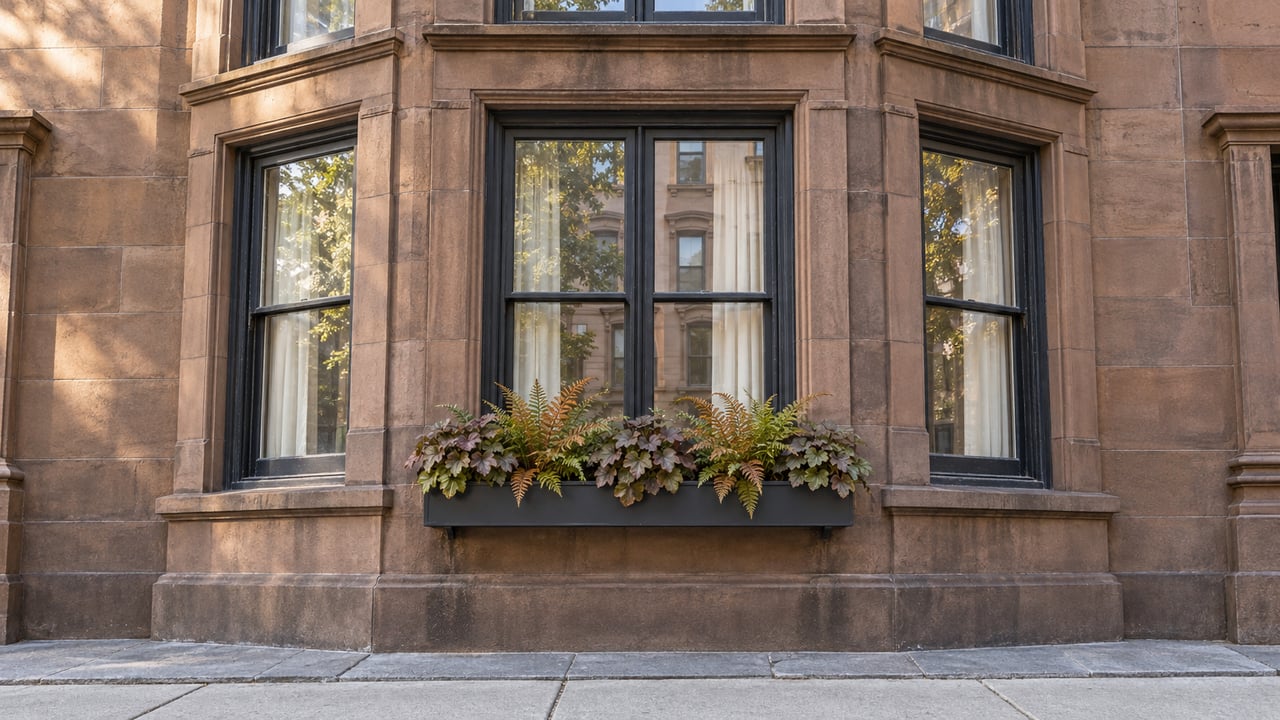
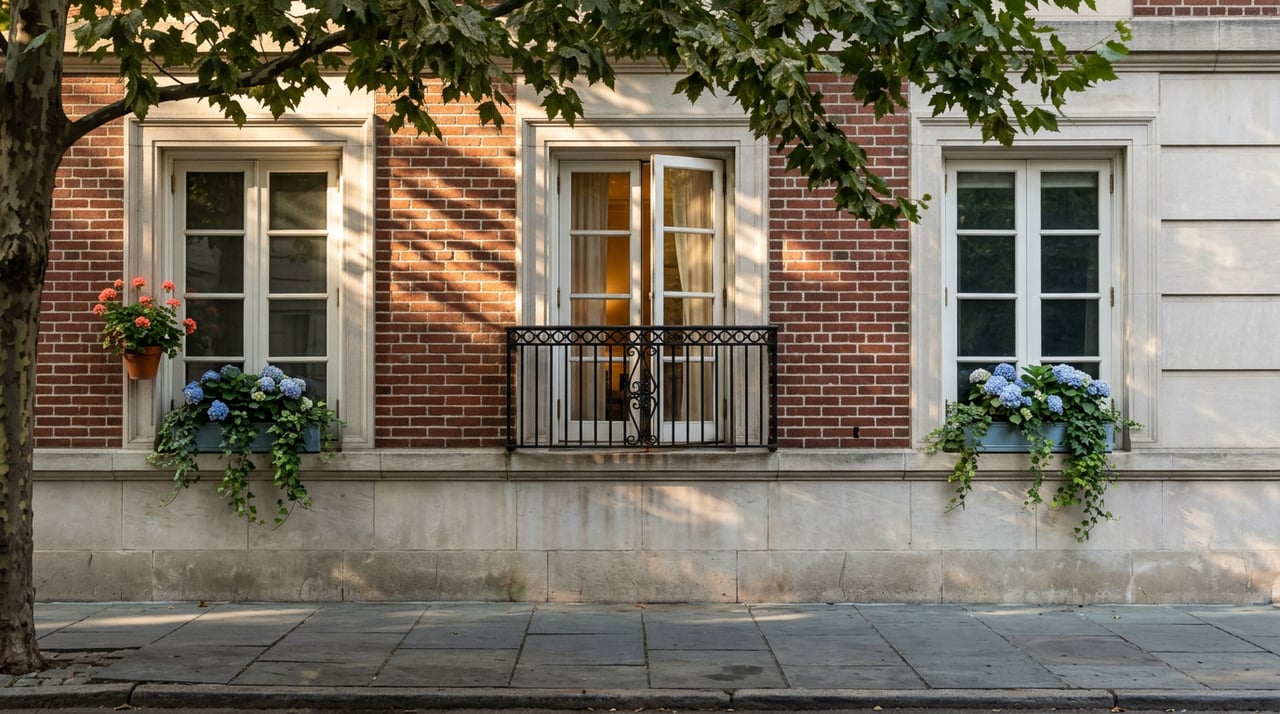
You may also see Italianate details such as high stoops, rusticated basements, bracketed cornices, and larger parlor-level windows. In practical terms, the façade may give you a clue about the home’s origins, but it will not tell you everything about how the house lives today.
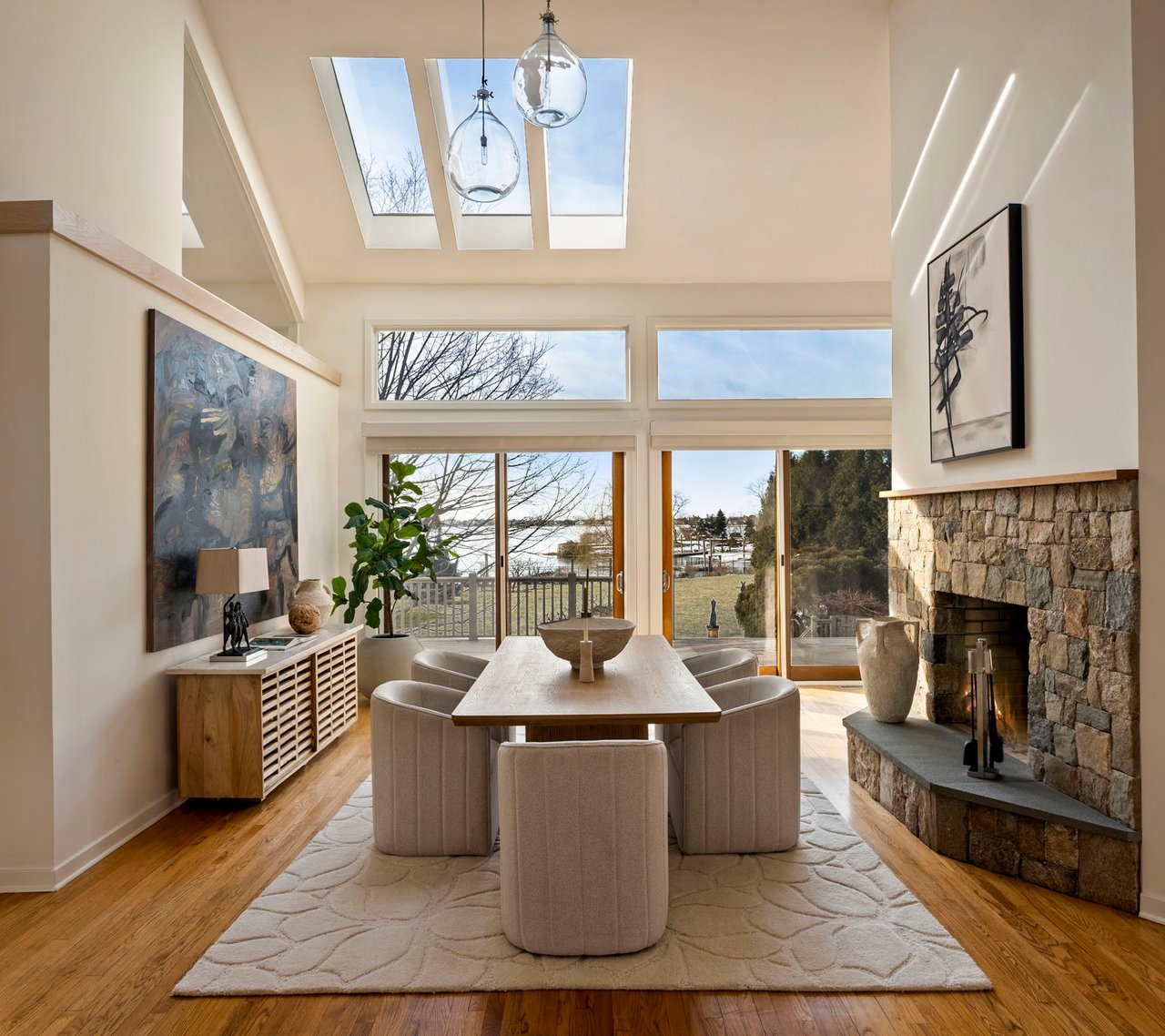
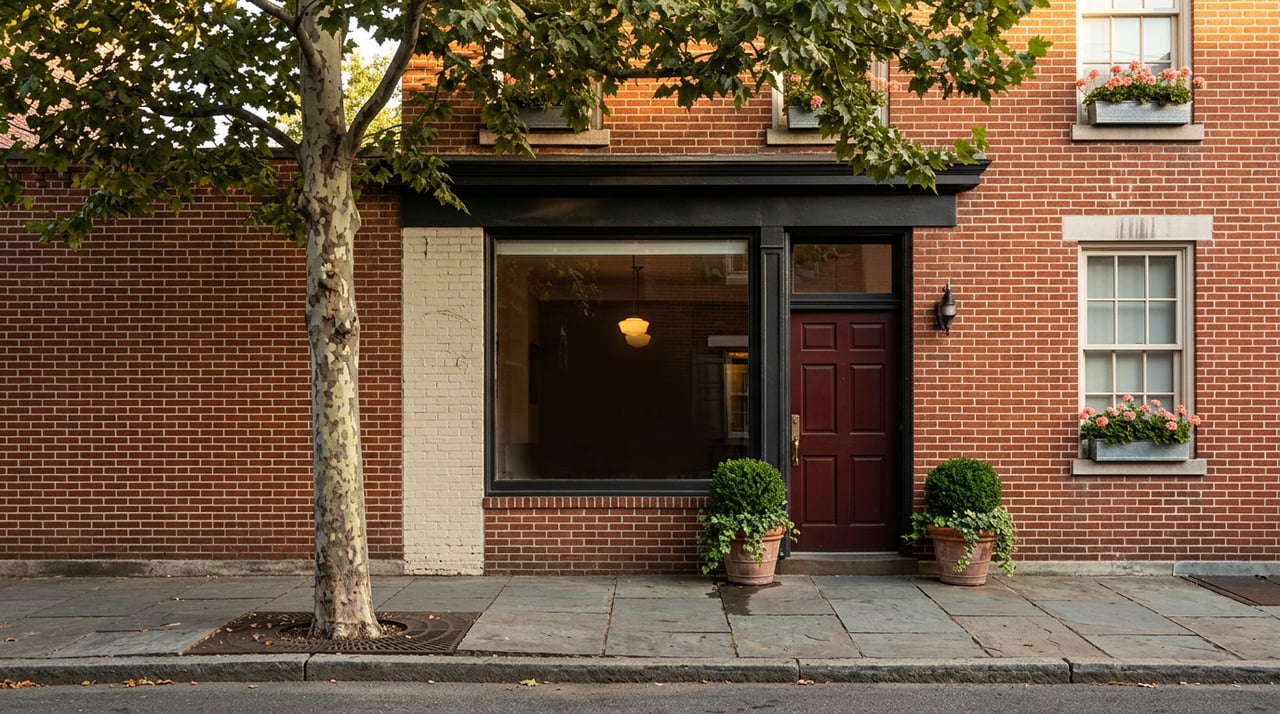
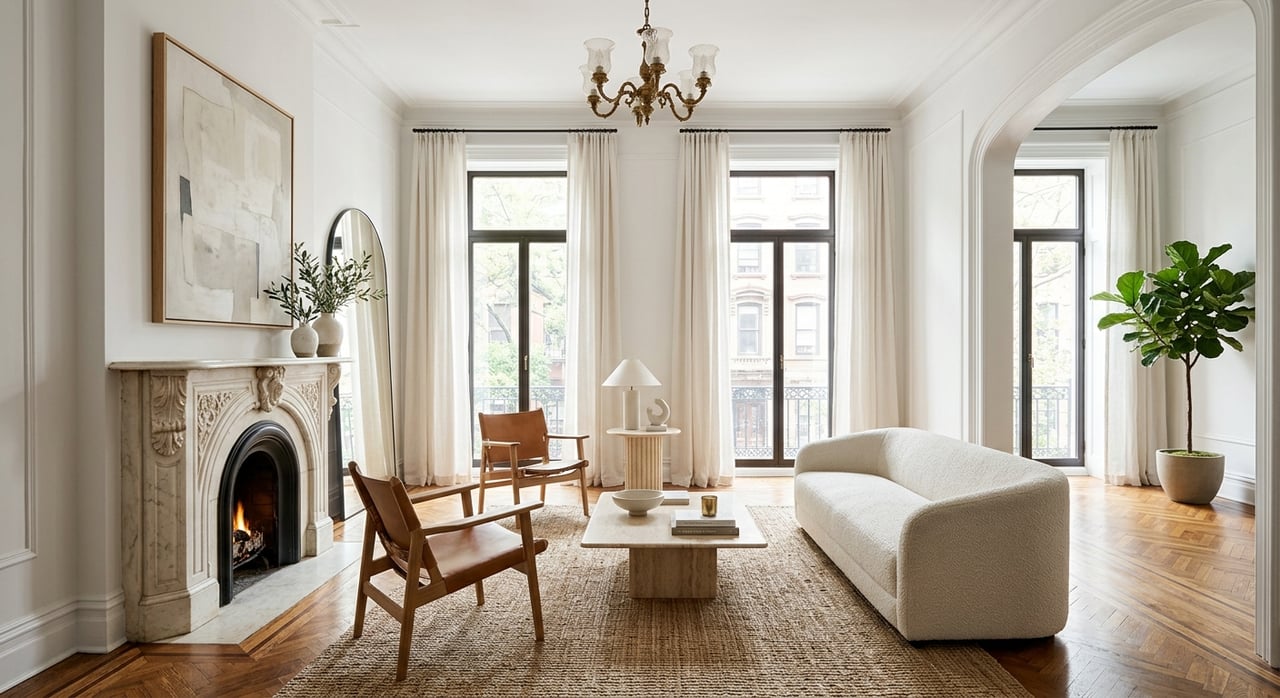
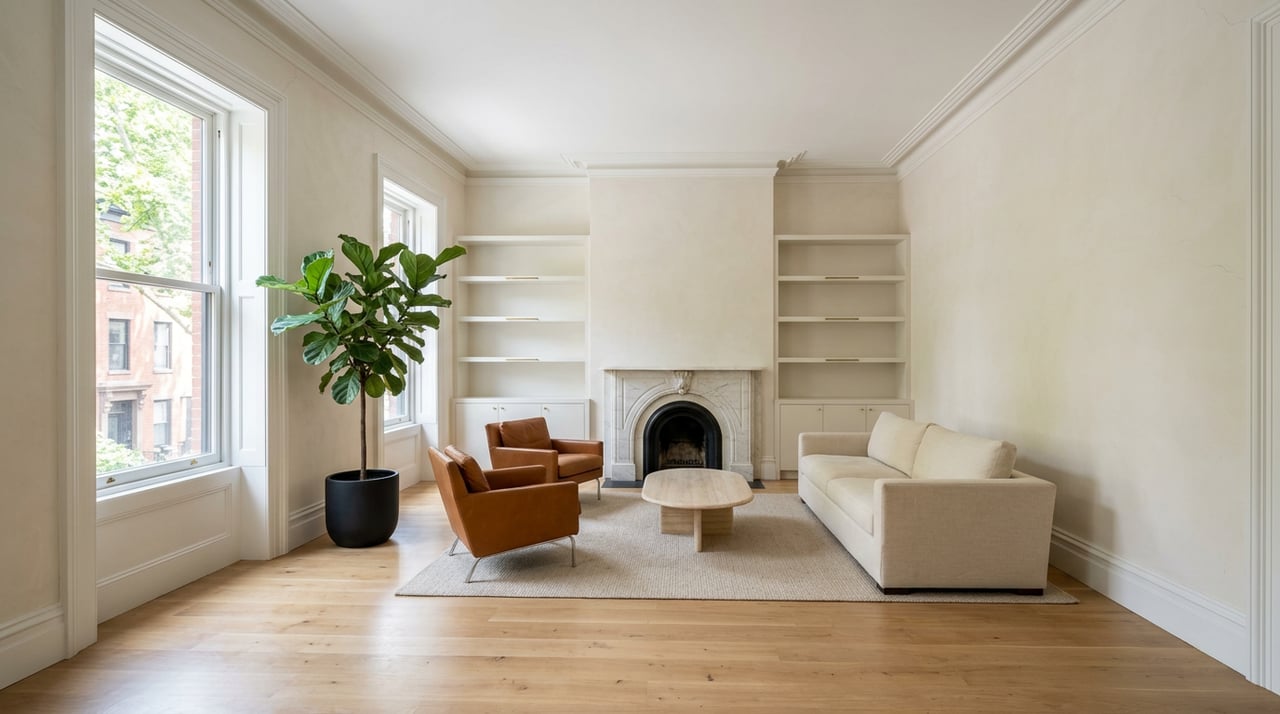
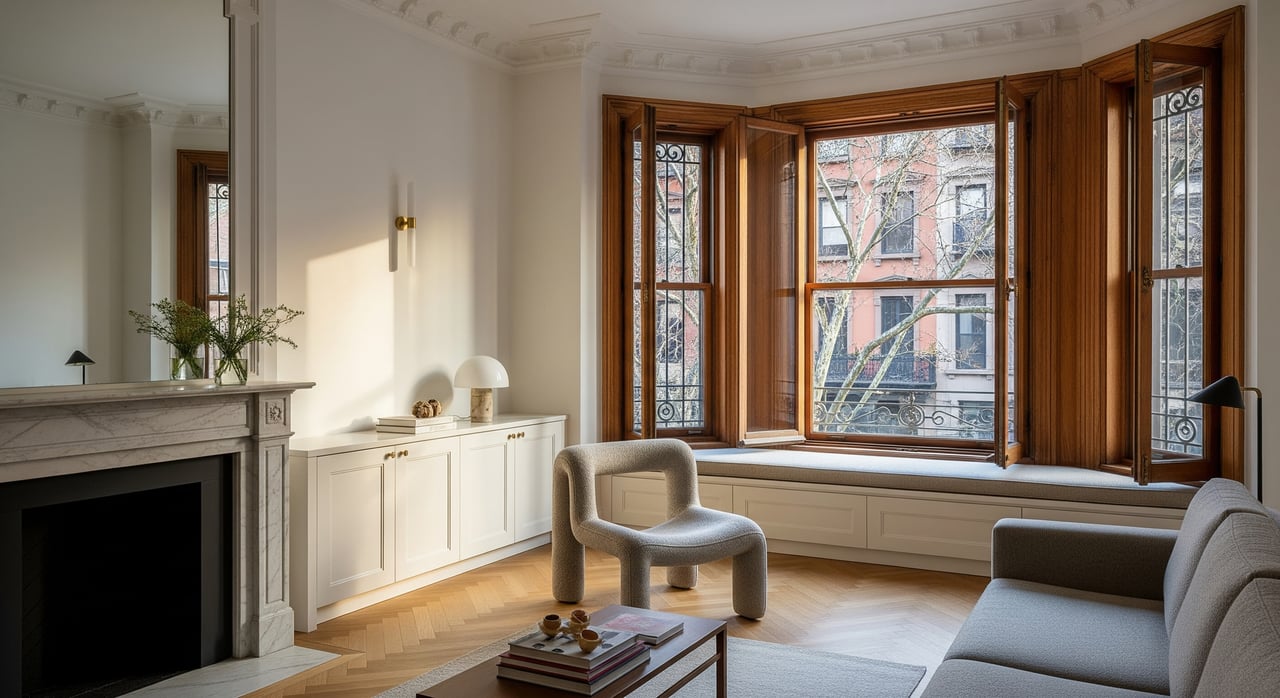
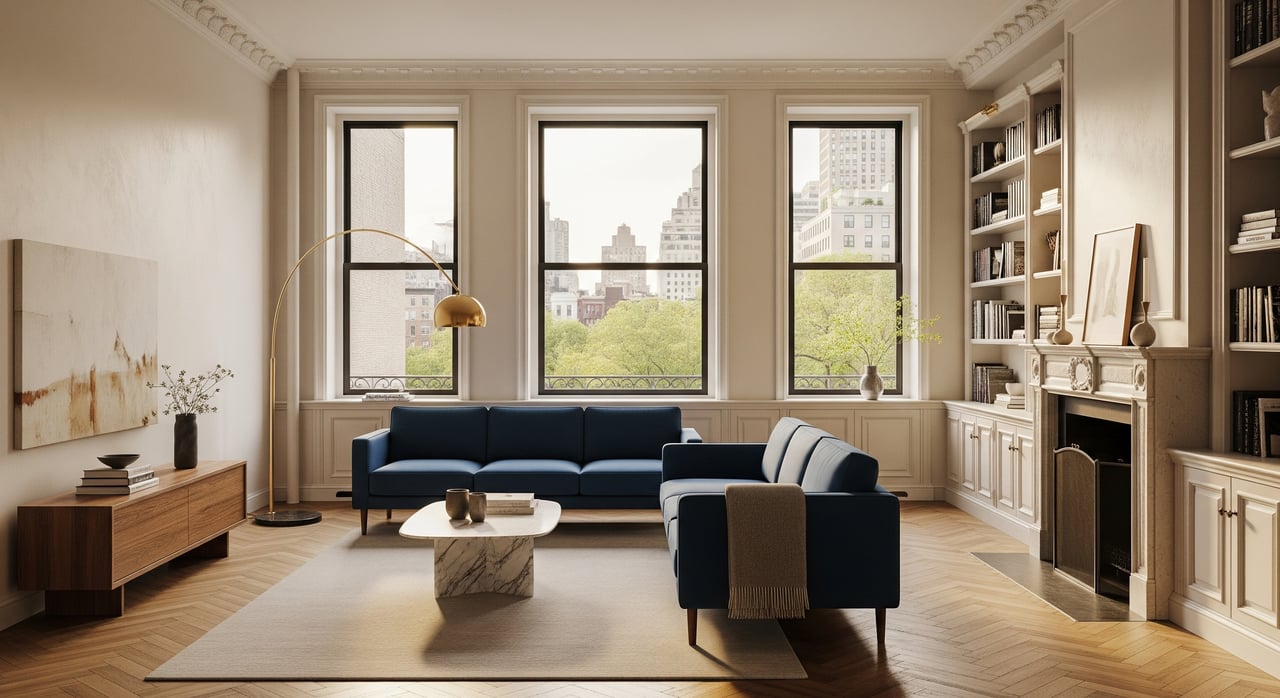
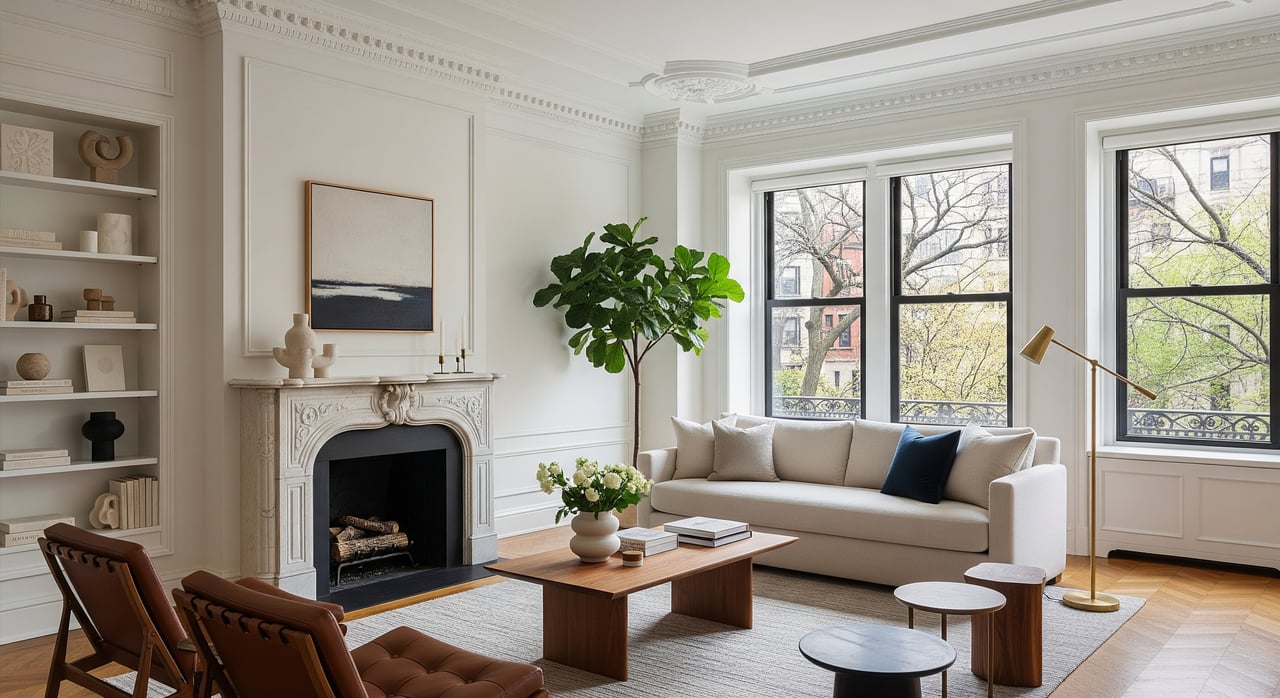
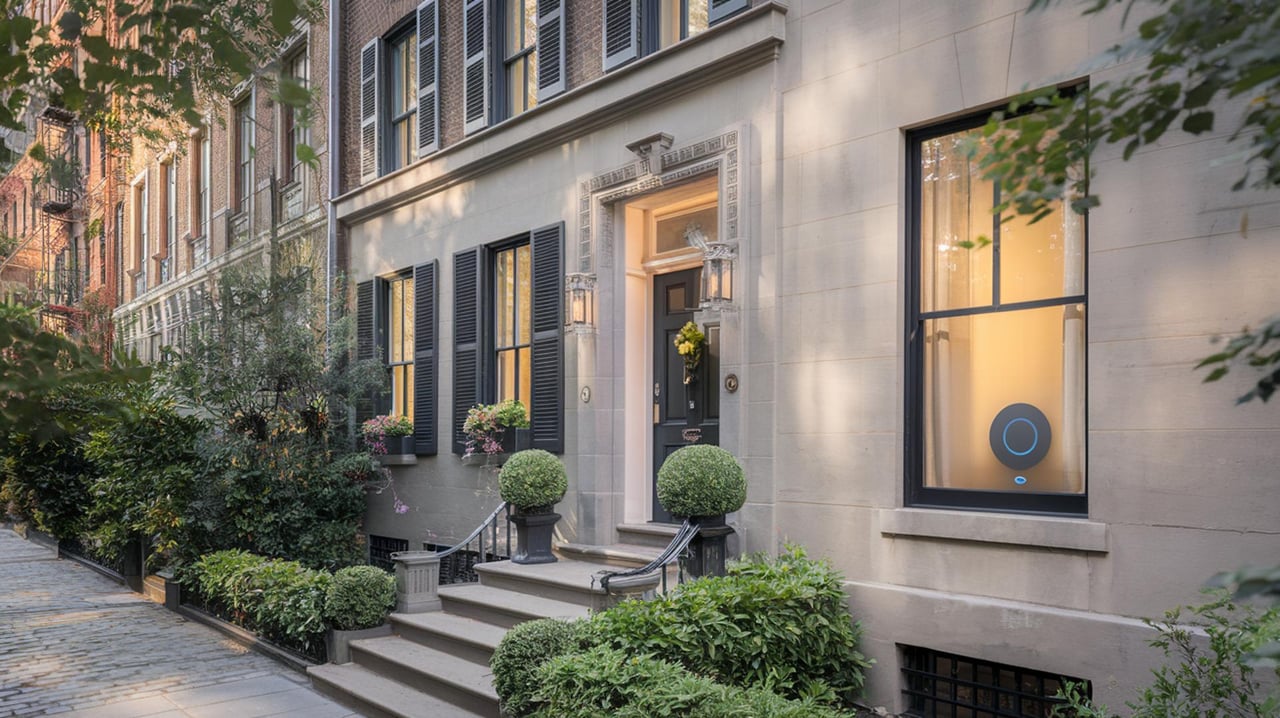
A classic exterior can hide a very different interior
Many Greenwich Village houses evolved over decades. Some gained mansards, rear extensions, studio windows, or penthouse-like additions, while others were divided into multiple dwellings and later restored to single-family use.
That matters because no two townhouse layouts are exactly alike. One house may feel elegant and intuitive, while another may have unusual circulation, split levels, or room placements that reflect an earlier conversion rather than original design.
Landmark status should shape your due diligence
One of the most important things to understand before buying is whether the property is individually landmarked or located within a historic district. Greenwich Village is one of New York City’s signature historic districts, and the original Greenwich Village Historic District was designated in 1969.
If a house is landmarked or located in a designated district, the Landmarks Preservation Commission generally must approve most exterior alterations, reconstruction, demolition, or new construction affecting the building. That review process can have a major impact on your plans, timeline, and budget.
What landmark oversight usually affects
Landmark status does not mean a property is frozen in time. According to LPC guidance, ordinary exterior repairs and most interior work generally do not require LPC review unless the interior is separately designated or the work affects the exterior.
Still, changes involving the visible envelope should be treated carefully. That often includes items such as:
- Window replacements
- Roof additions or roof changes
- Rear extensions
- Stoop work
- Façade restoration or alteration
What to request before you buy
A Greenwich Village townhouse purchase should involve more document review than a typical apartment deal. You will want to confirm the property’s landmark status through LPC tools and ask for prior permits, approvals, and any history of exterior work.
At a minimum, your diligence should include these questions:
- Is the house individually landmarked or within a historic district?
- What LPC approvals were issued for past exterior work?
- Are there open permits or unresolved issues tied to prior alterations?
- Has the building been maintained in a way that aligns with city and landmark requirements?
LPC also states that landmark properties must be kept in good repair and may be cited for demolition by neglect. That makes condition more than a cosmetic issue.
Townhouse living is vertical living
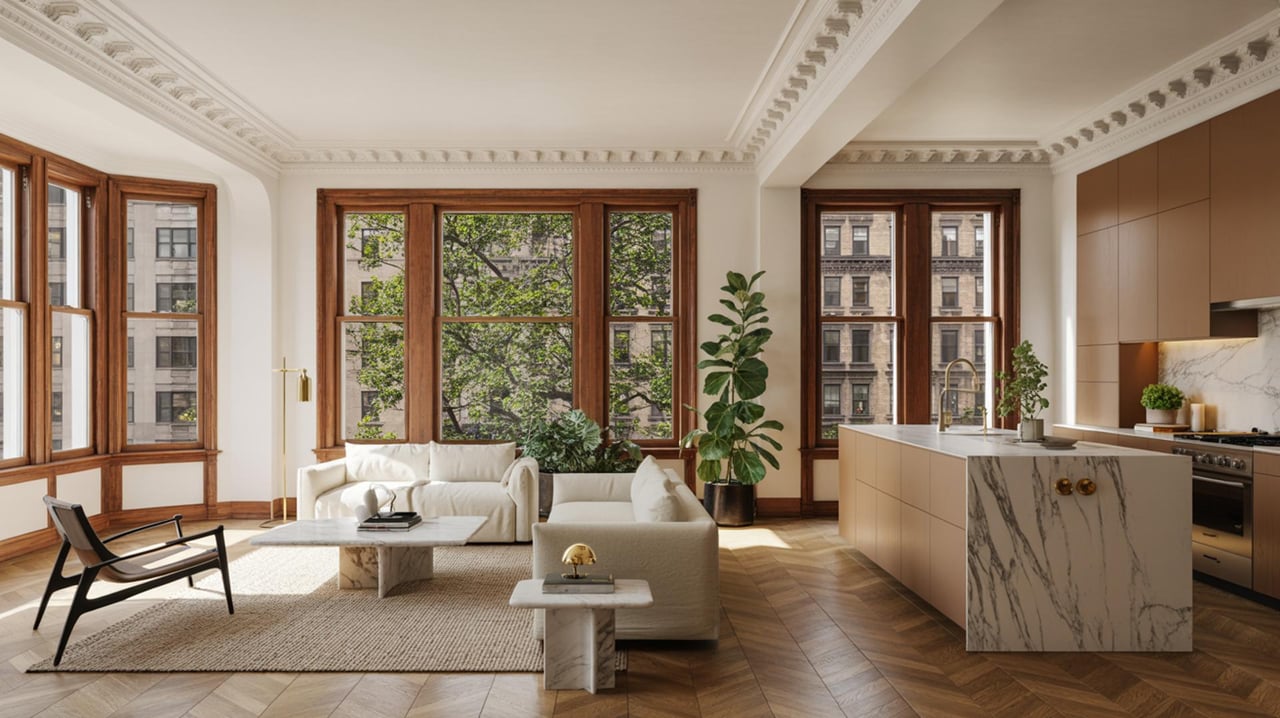
If you are moving from a condo or co-op, the biggest adjustment may be how a townhouse functions day to day. These homes were historically designed as stacked residences, not apartment-style layouts spread across a single floor.
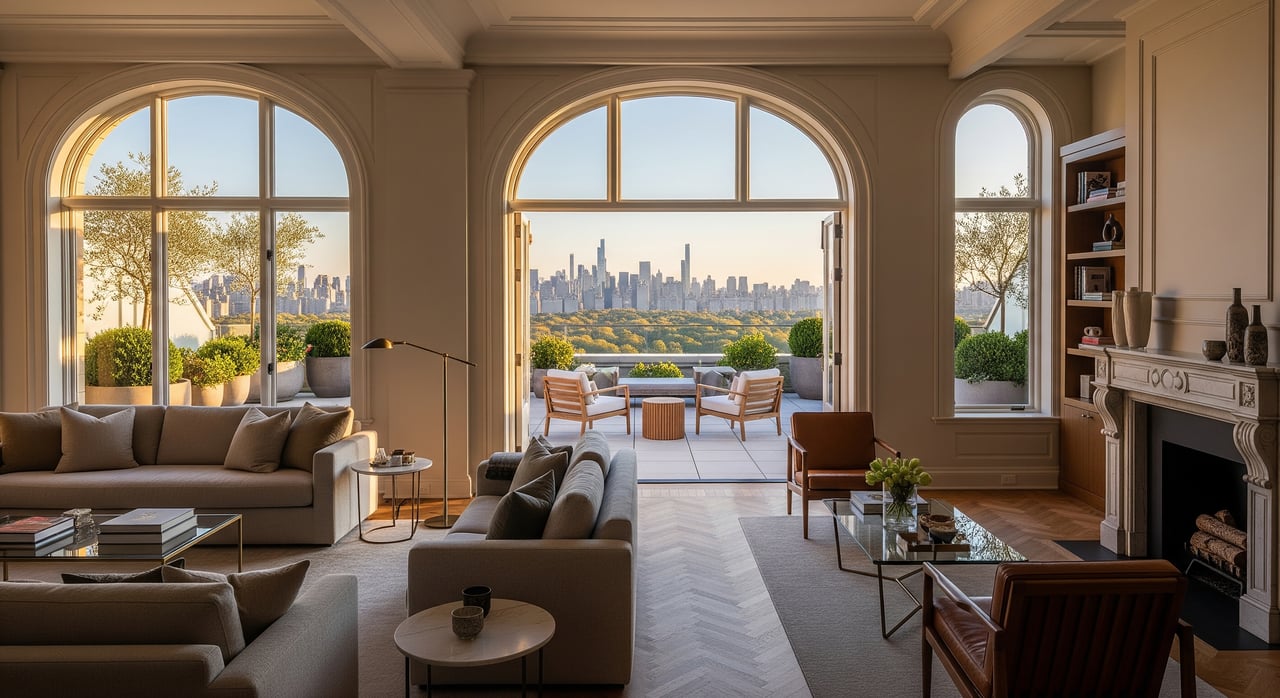
That can be wonderful if you value separation between public and private rooms, more natural light exposure, and a sense of living in a real house. It can be less ideal if you want everything on one level or you prefer highly efficient, modern circulation.
The charm comes with tradeoffs
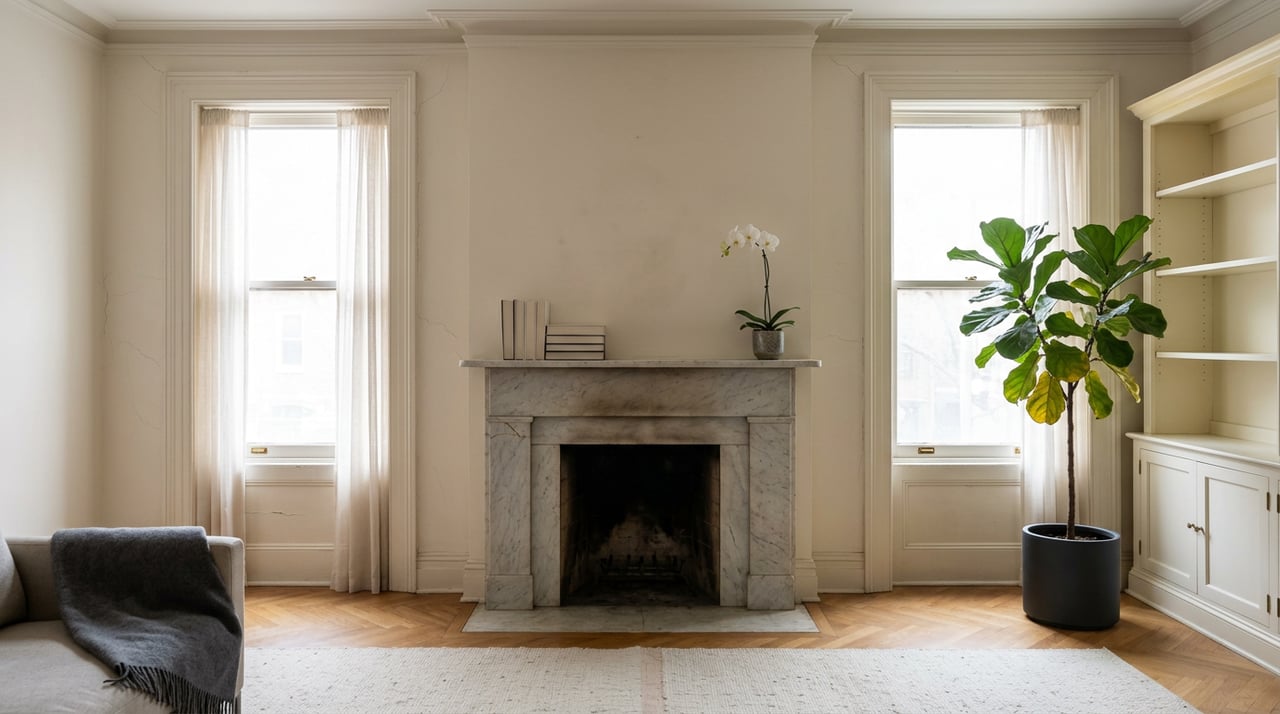
In many Village townhouses, the parlor floor sits above a raised basement and is reached by a stoop. Rear rooms may open toward a garden or yard, and later additions can create dramatic spaces, but the result is often a more segmented floor plan than you would find in newer residential buildings.
Before you focus only on finishes, think carefully about how the house works for your routine. Stairs, room placement, floor-to-floor flow, and access to outdoor space matter just as much as architectural charm.
Questions to ask during showings
When touring a townhouse, it helps to evaluate the home as a living system, not just a design statement. Pay attention to:
- How many flights of stairs you will use every day
- Whether bedroom levels match your needs
- How the kitchen connects to entertaining space
- Whether lower levels feel bright and usable
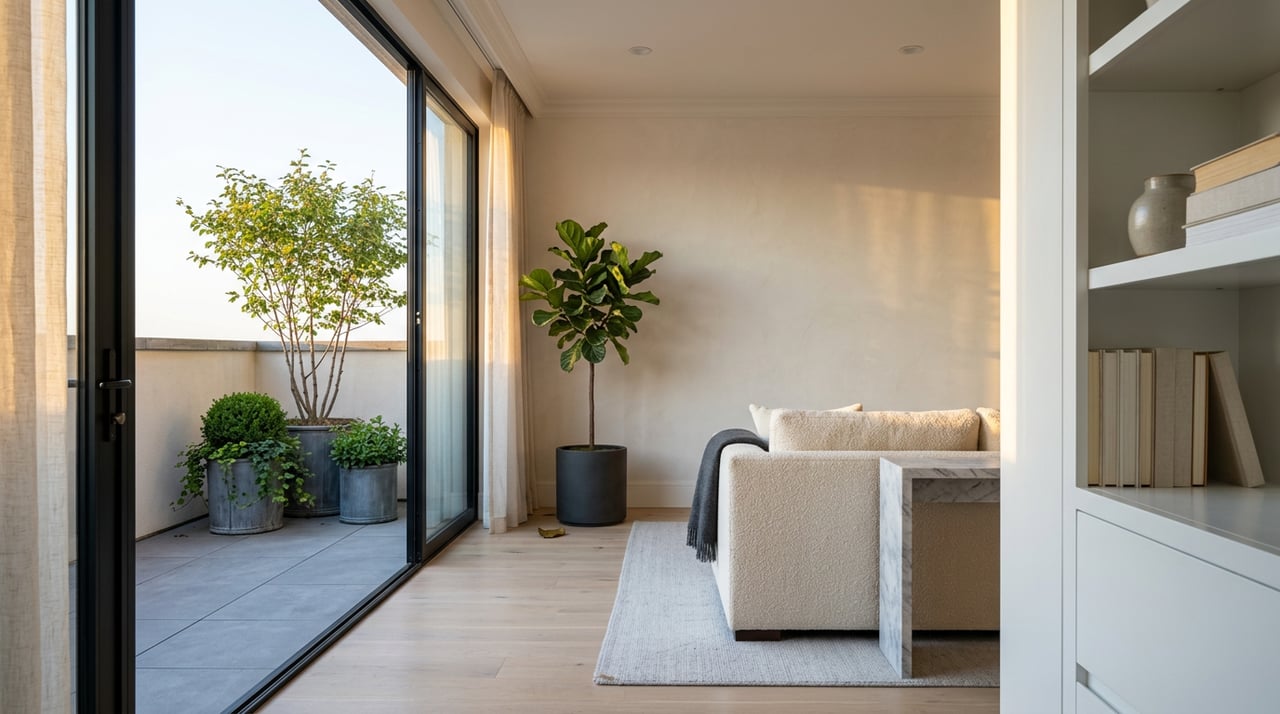
- How outdoor areas are accessed
- Whether additions or altered levels create awkward circulation
Maintenance is part of the ownership equation
Owning a Greenwich Village townhouse usually means taking on a broader maintenance role than you would in a condo or co-op. New York City requires owners to maintain buildings in compliance with the Construction Codes, and landmark owners also have a duty to keep properties in good repair.
The exact maintenance profile depends on the building’s size, age, and configuration, but older townhouses often require a more active mindset. This is especially true if the house has older masonry, roofing, plumbing, windows, or mechanical systems.
Budget beyond the purchase price
City rules establish maintenance and inspection requirements for certain systems. For example, buildings over six stories must have exterior walls inspected every five years, gas piping systems in all buildings except one- and two-family homes must be inspected at least once every four years, and plumbing work generally requires proper licensed professionals and permits.
For a buyer, the broader takeaway is simple: your underwriting should include future capital work, not just your down payment and closing costs. In a Greenwich Village townhouse, potential expenses can include:
- Roof repairs or replacement
- Masonry and façade work
- Window restoration or replacement
- Waterproofing
- Mechanical upgrades
- Architect or engineer fees for planned work
Townhouses trade differently than apartments
A townhouse in Manhattan is usually not priced, negotiated, or absorbed like a standard apartment listing. Brown Harris Stevens reported 122 Manhattan townhouse sales in the first half of 2025, with an average price of $6.27 million, a median price of $5.5 million, average days on market of 201, and sellers receiving 93.0% of last asking price.
That is a useful contrast with the broader apartment market. Brown Harris Stevens’ second-quarter 2025 Manhattan apartment report showed resale co-ops and condos averaging 122 days on market and selling for 96.8% of last asking price.
What that means for you in Greenwich Village
Realtor.com’s April 2026 Greenwich Village overview showed 241 homes for sale, a median sold price of $1.5 million, median 51 days on market, and median price per square foot of $1,604. Because that neighborhood data is not townhouse-specific, it works better as a proxy for the apartment-heavy market than as a direct townhouse comp set.
The practical takeaway is that a Greenwich Village townhouse should be evaluated as a unique asset. Condition, layout, lot characteristics, landmark constraints, and future capital needs can matter more than a simple price-per-square-foot comparison.
Negotiation often looks different
Because townhouses tend to trade more slowly and require more specialized analysis, your approach should be patient and disciplined. A house that appears expensive may justify it through width, garden depth, restoration quality, or legal configuration. Another may look attractive on paper but need substantial work that changes the true cost of ownership.
This is one reason townhouse buyers often benefit from a more tailored strategy than apartment buyers. The goal is not just to win the property. It is to understand what you are really buying.
Key checks before making an offer
Before you move forward on a Greenwich Village townhouse, make sure you can answer a few core questions clearly. These issues can shape both value and future flexibility.
Confirm the legal and physical setup
Some Village houses were converted to multiple dwellings over time, while others were later returned to single-family use. You should confirm the current configuration and understand whether the layout matches the legal use and documentation.
A mismatch between how a house is used and how it is configured can complicate renovation plans and ownership costs.
Review the property with a long view
A townhouse purchase works best when you think several years ahead. Ask what capital work is likely over the next five to ten years and whether the property profile fits your tolerance for projects, approvals, and ongoing upkeep.
That forward-looking view matters in Greenwich Village because these houses are often purchased not just for immediate convenience, but for long-term enjoyment and enduring value.
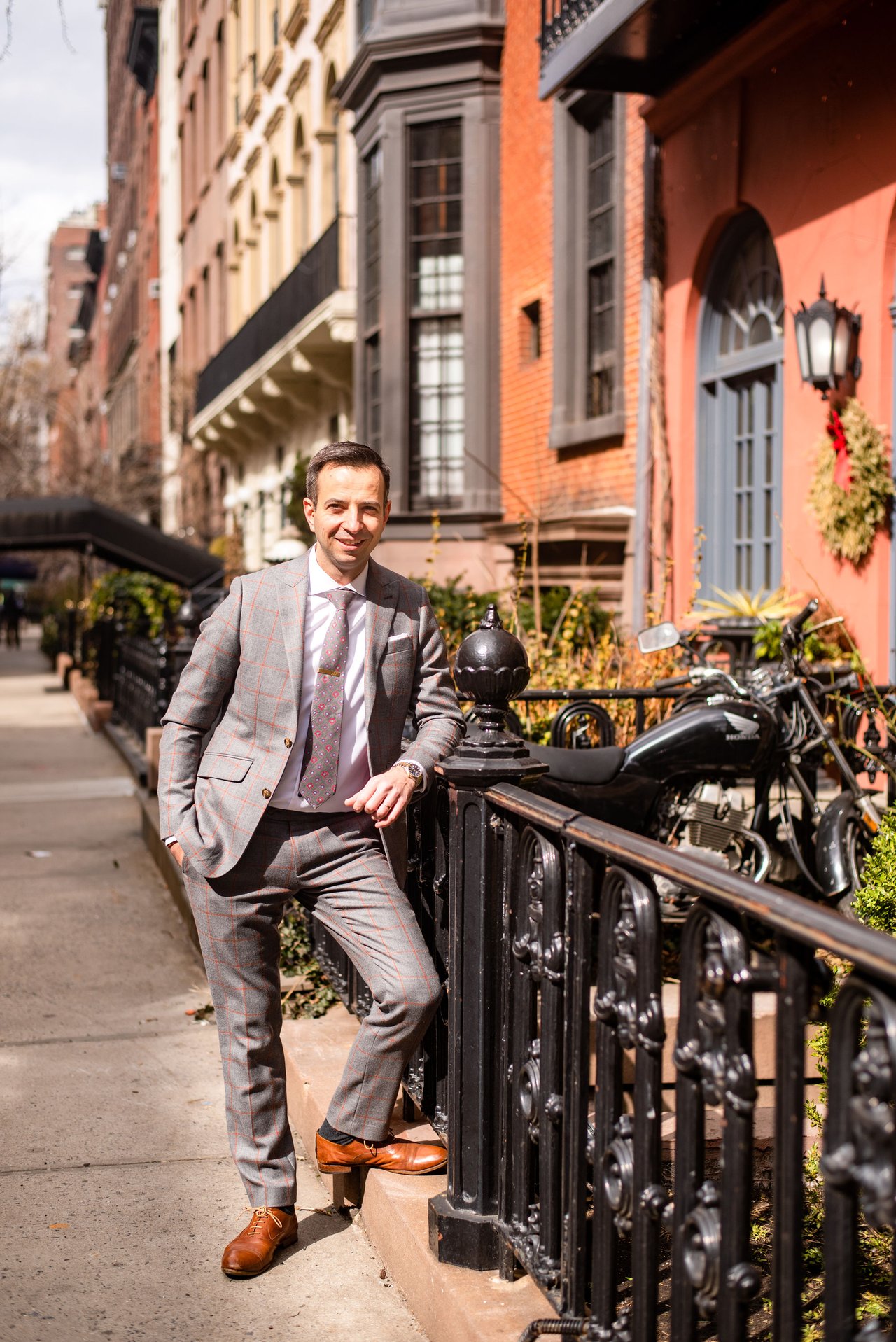
Buying a townhouse in Greenwich Village can be deeply rewarding if you go in with clear eyes. The right house offers architectural character, privacy, and a rare sense of place, but it also asks more of you in diligence, budgeting, and planning. If you want a thoughtful, discreet sounding board as you evaluate Village townhouses or compare them with other downtown Manhattan options, Daniel Kramp can help you approach the process with clarity.
FAQs
What makes a Greenwich Village townhouse different from a condo or co-op?
- A Greenwich Village townhouse is typically a vertically arranged home with more privacy and historic character, but also more stairs, more maintenance responsibility, and a less standardized layout than a condo or co-op.
What should I check about landmark status before buying a Greenwich Village townhouse?
- You should confirm whether the house is individually landmarked or located in a historic district, then review prior LPC approvals, exterior permits, and any history of work affecting the building envelope.
Do interior renovations in a Greenwich Village townhouse need LPC approval?
- Most interior work generally does not require LPC review unless the interior is separately designated or the work affects the exterior, but exterior-facing changes should be reviewed carefully.
Why do Manhattan townhouses often stay on the market longer than apartments?
- Manhattan townhouses are a more bespoke property type, so buyers typically spend more time evaluating condition, layout, legal configuration, and future capital needs than they would with a more standardized apartment.
What ongoing costs should I expect with a Greenwich Village townhouse?
- Beyond the purchase price, you should budget for items such as roofing, masonry, windows, waterproofing, mechanical systems, and the professional fees often needed when planning permitted or landmark-sensitive work.