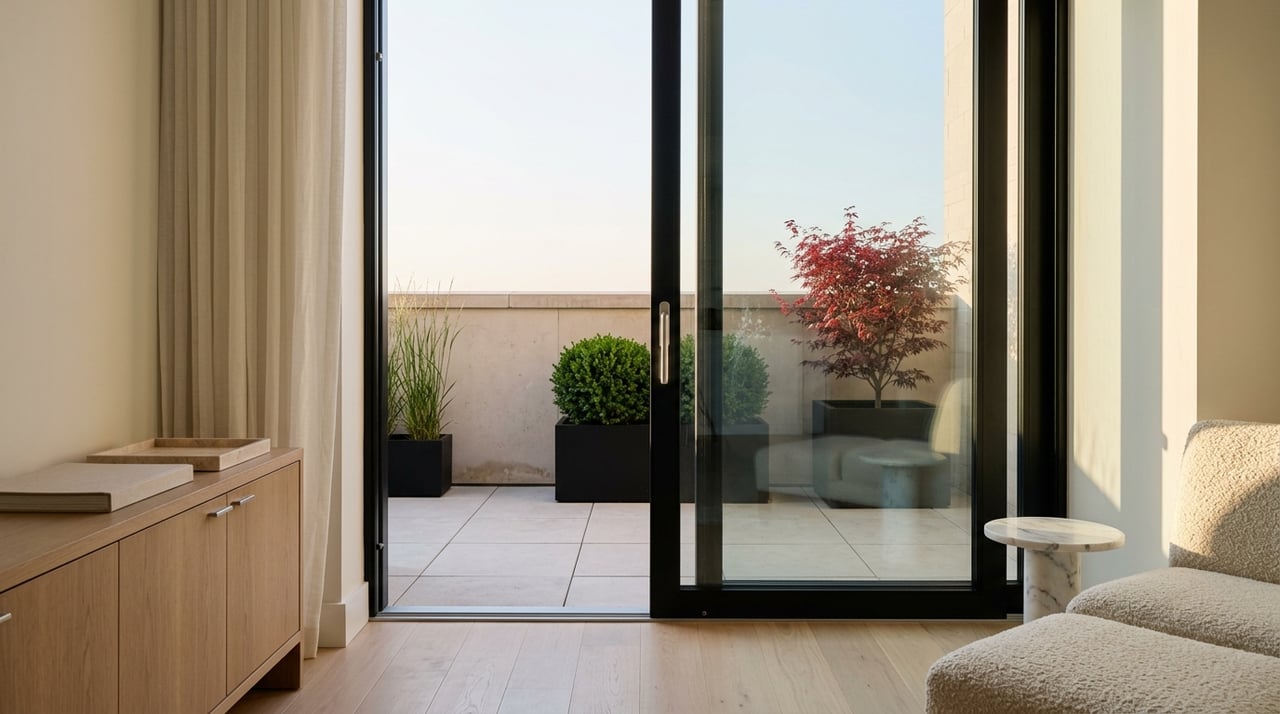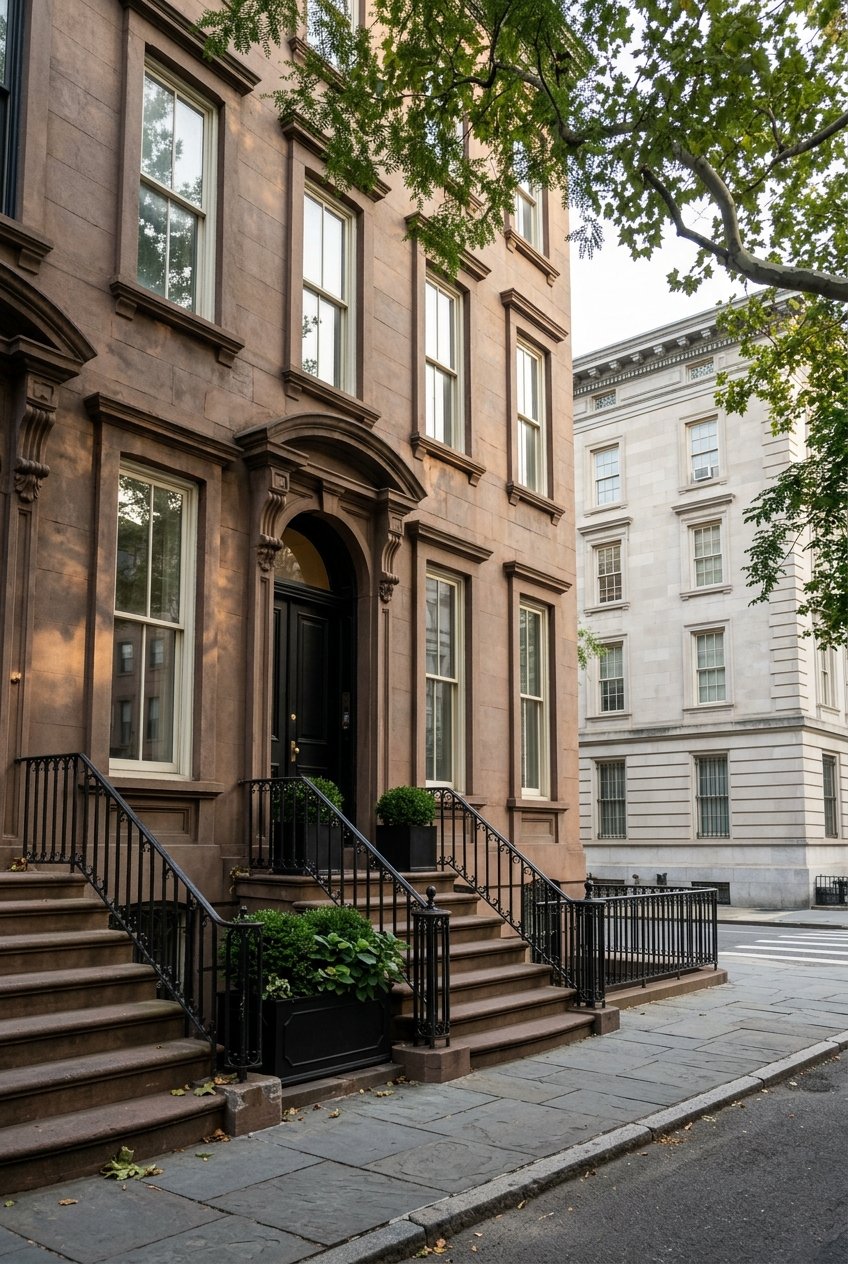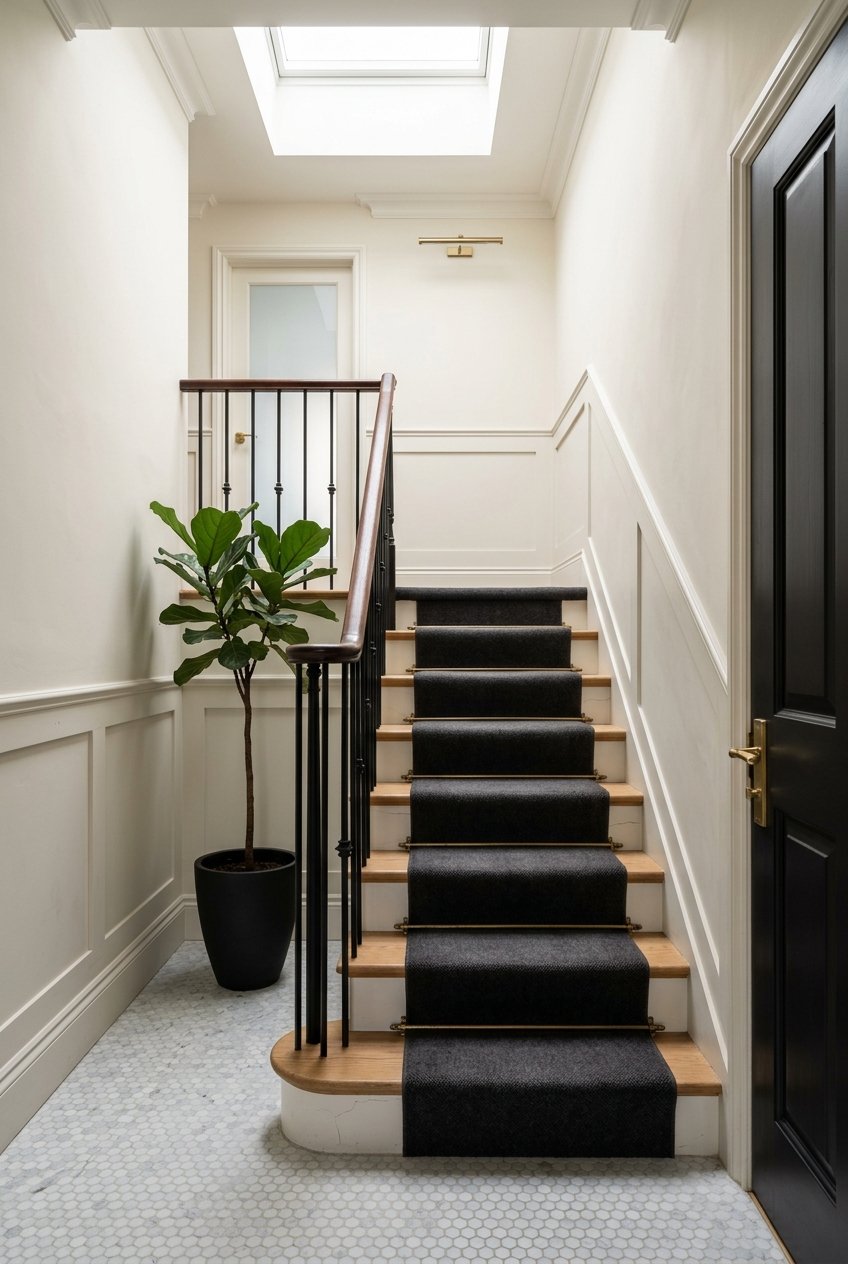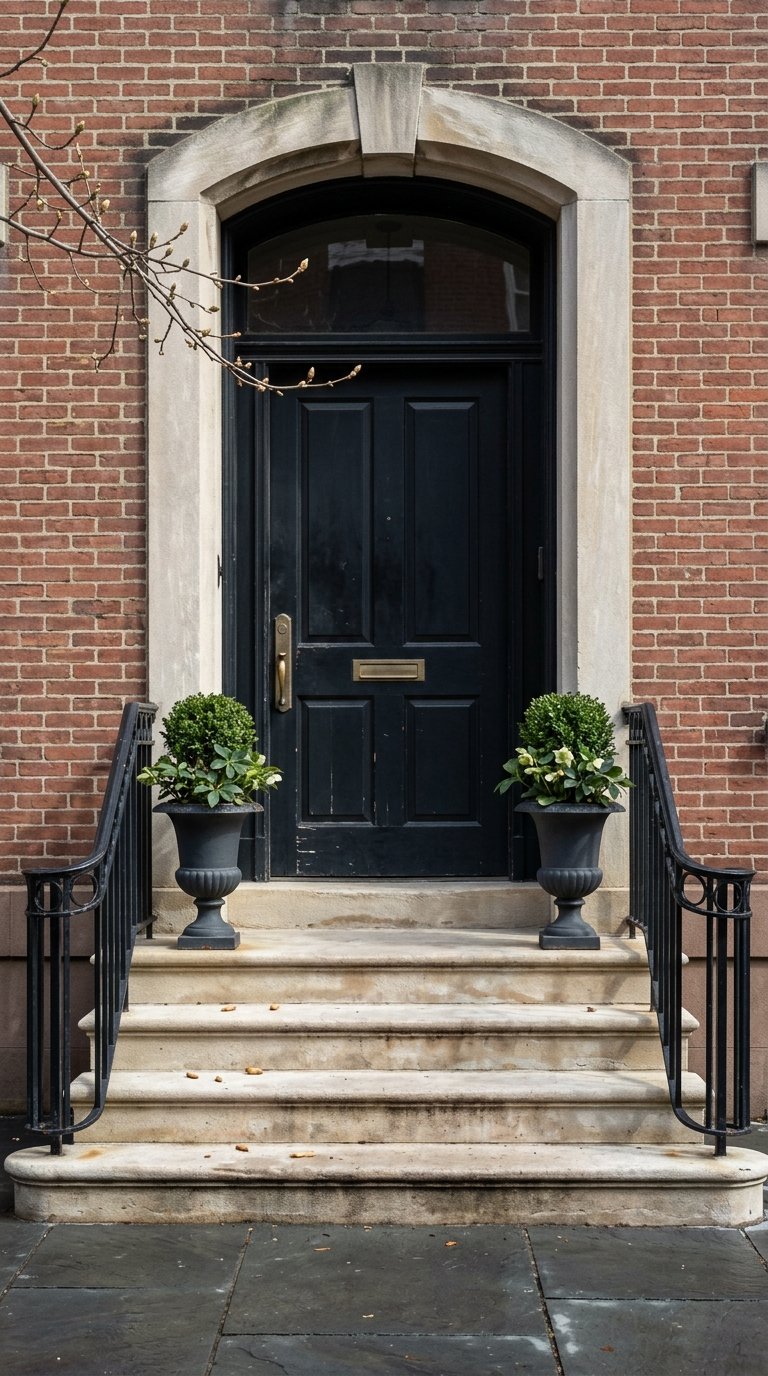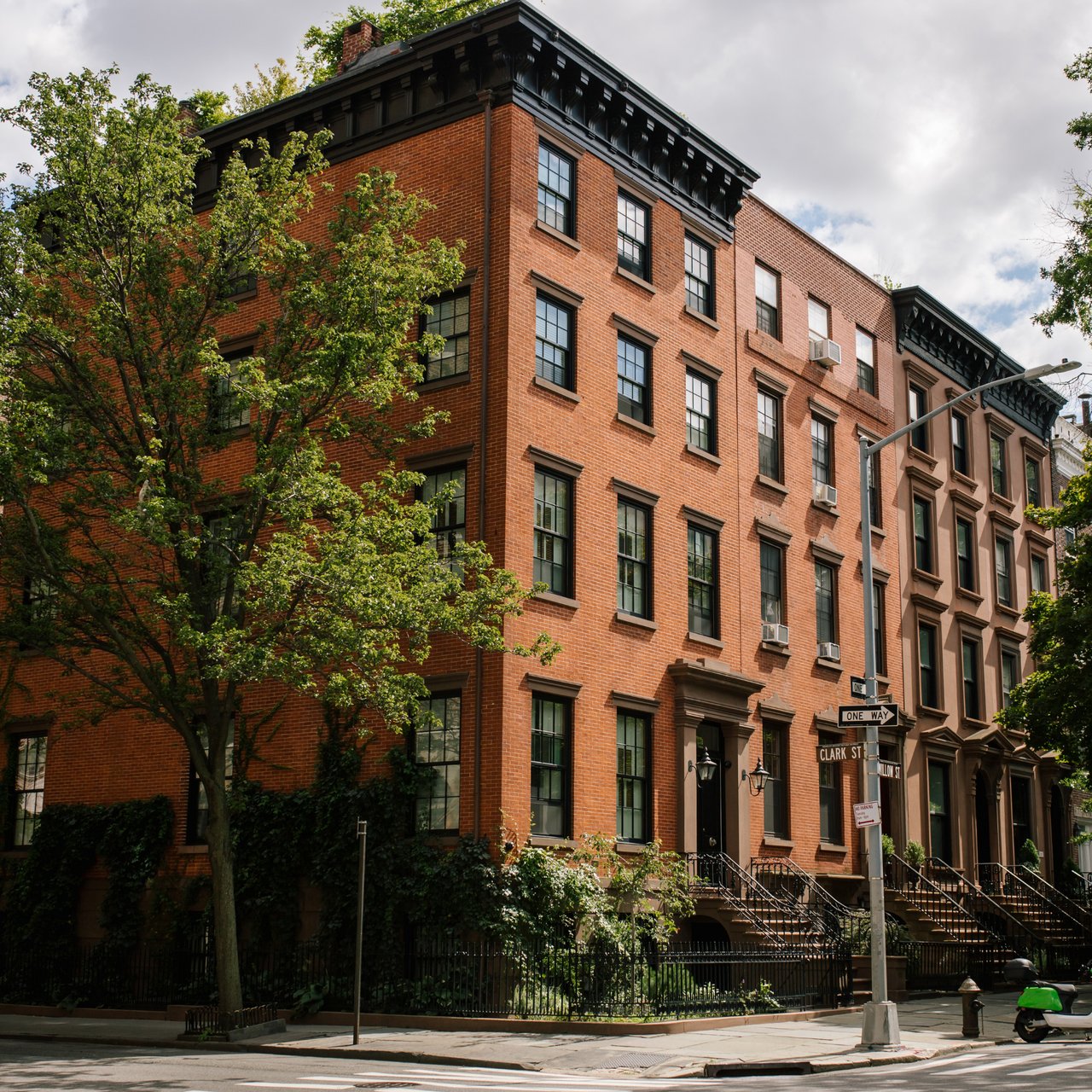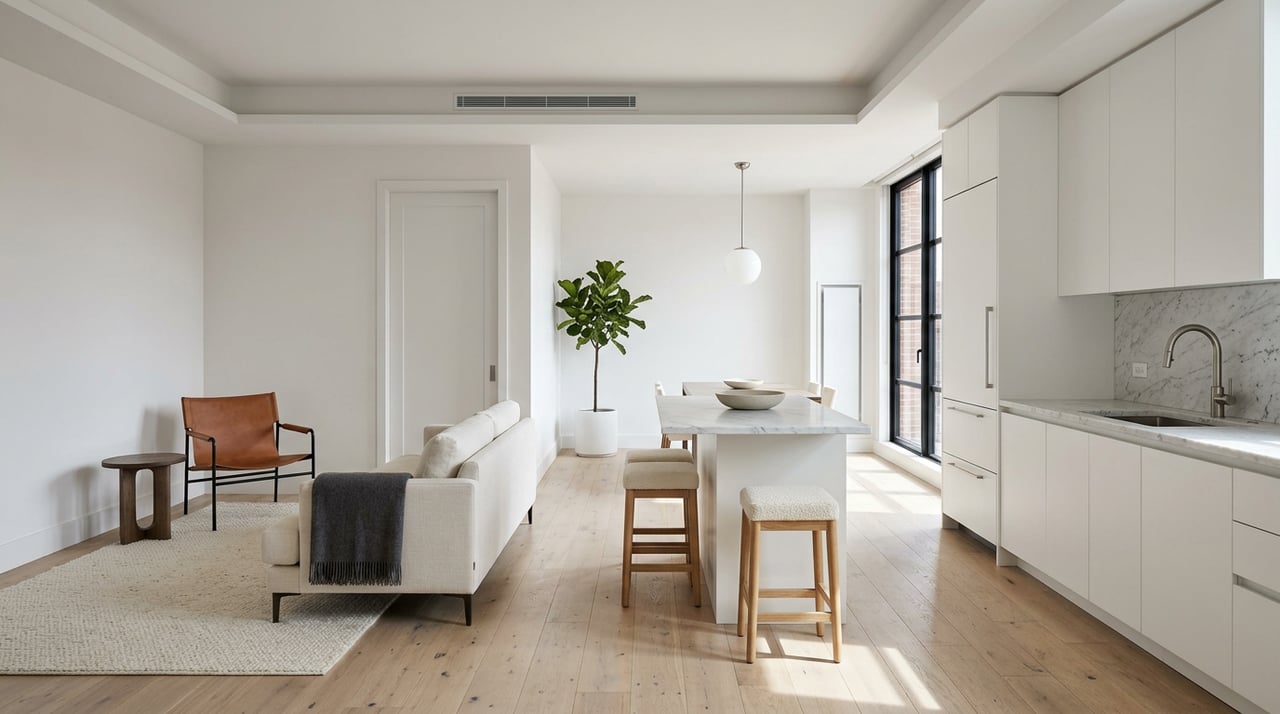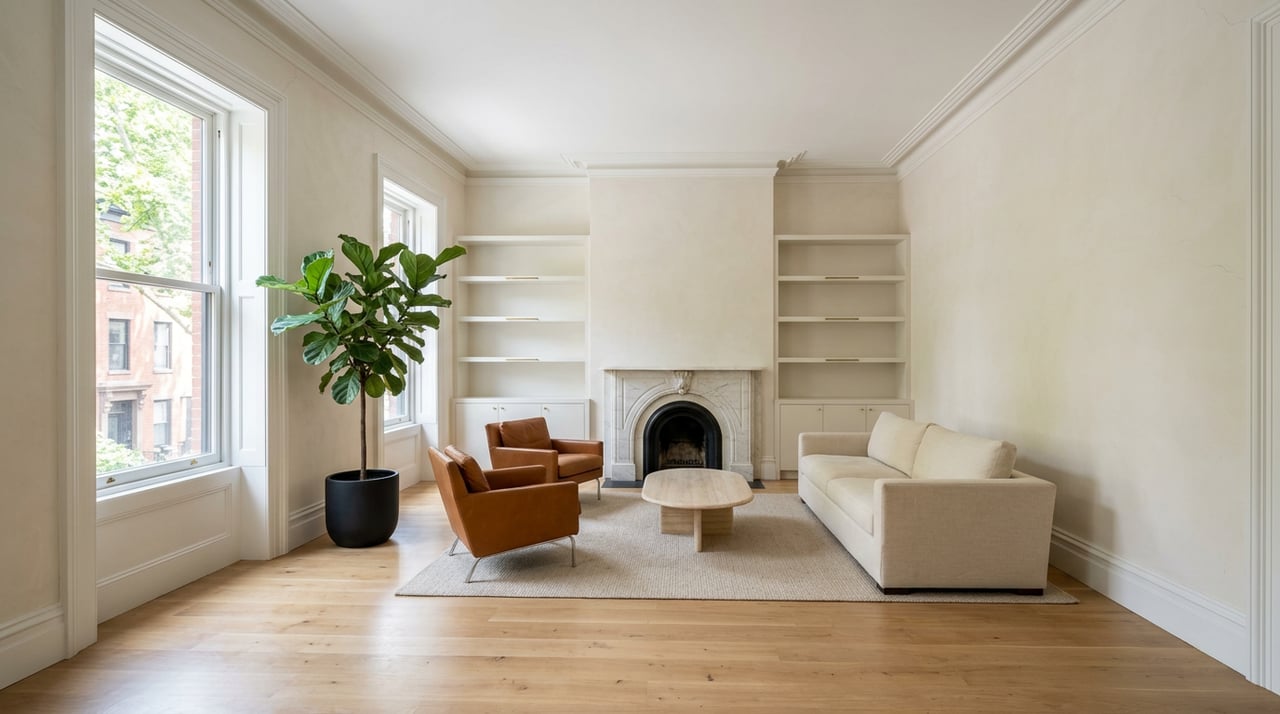
Thinking about selling on the Upper West Side? If you want to reach global buyers, preparation matters even more than usual. Overseas and relocation buyers often make fast first judgments from photos, floor plans, and building rules, so your home needs to feel polished, clear, and easy to understand from anywhere in the world. Let’s dive in.
Why Global Buyers Matter on the Upper West Side
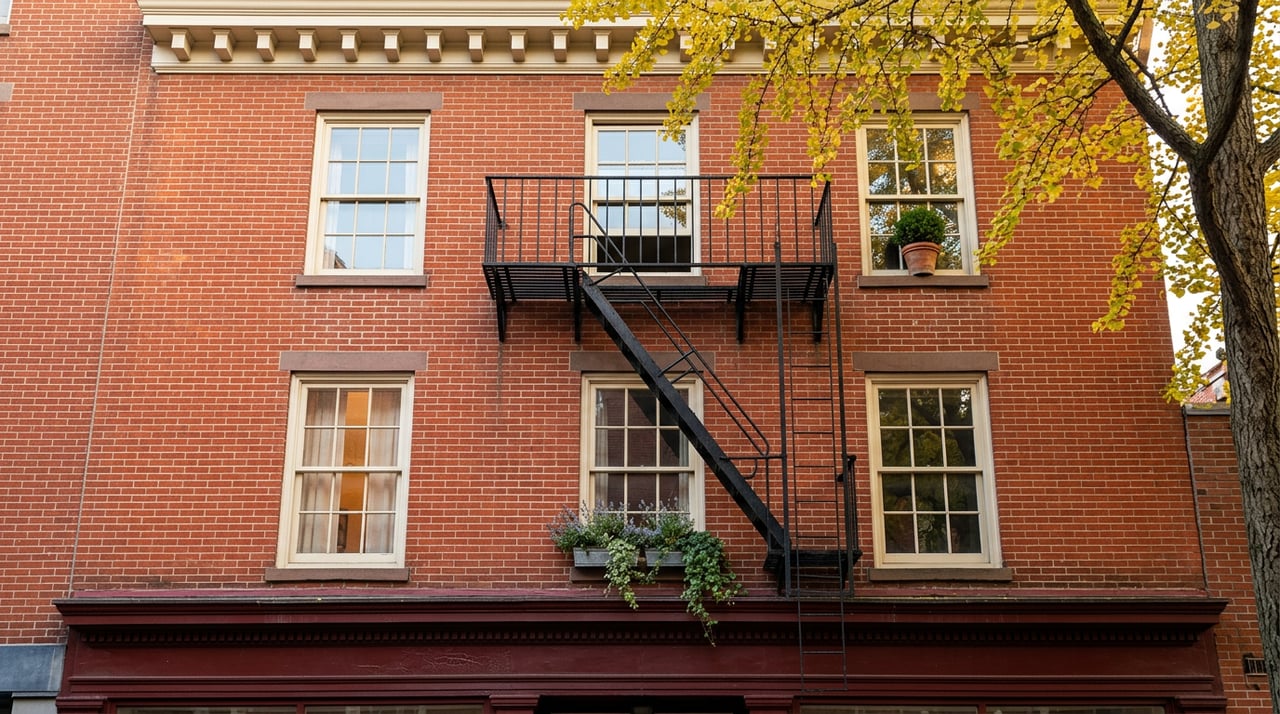
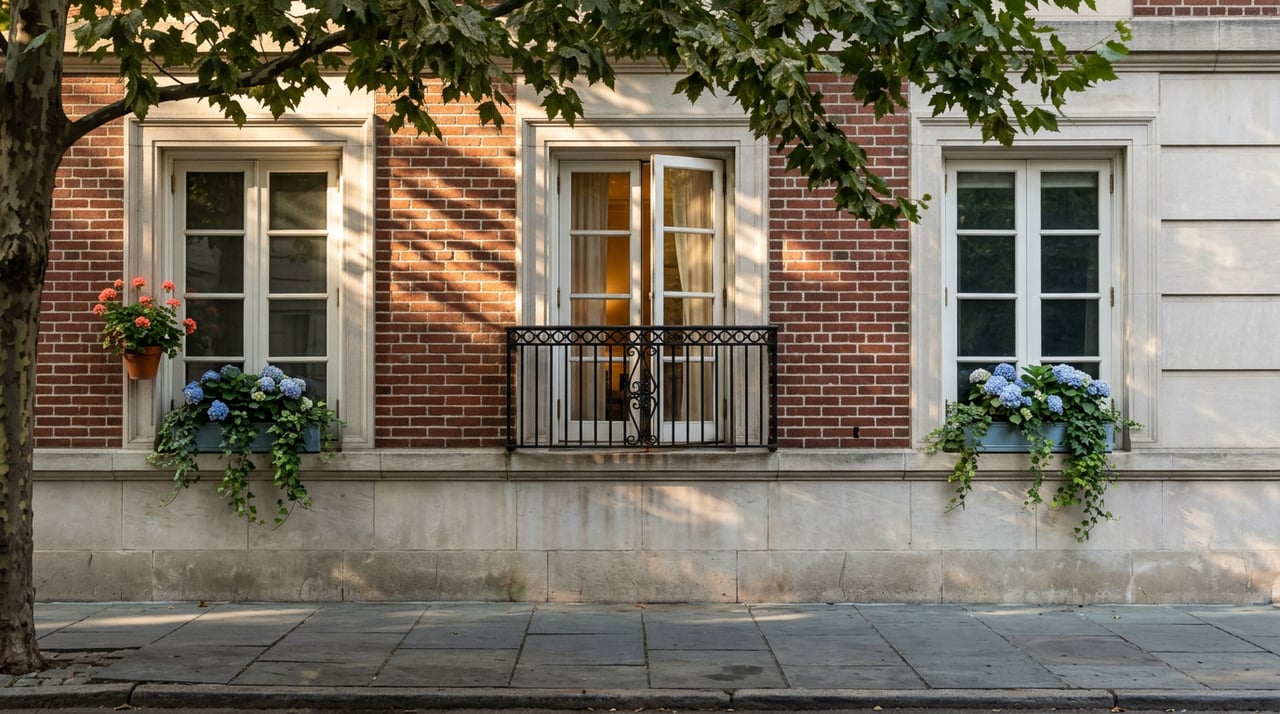
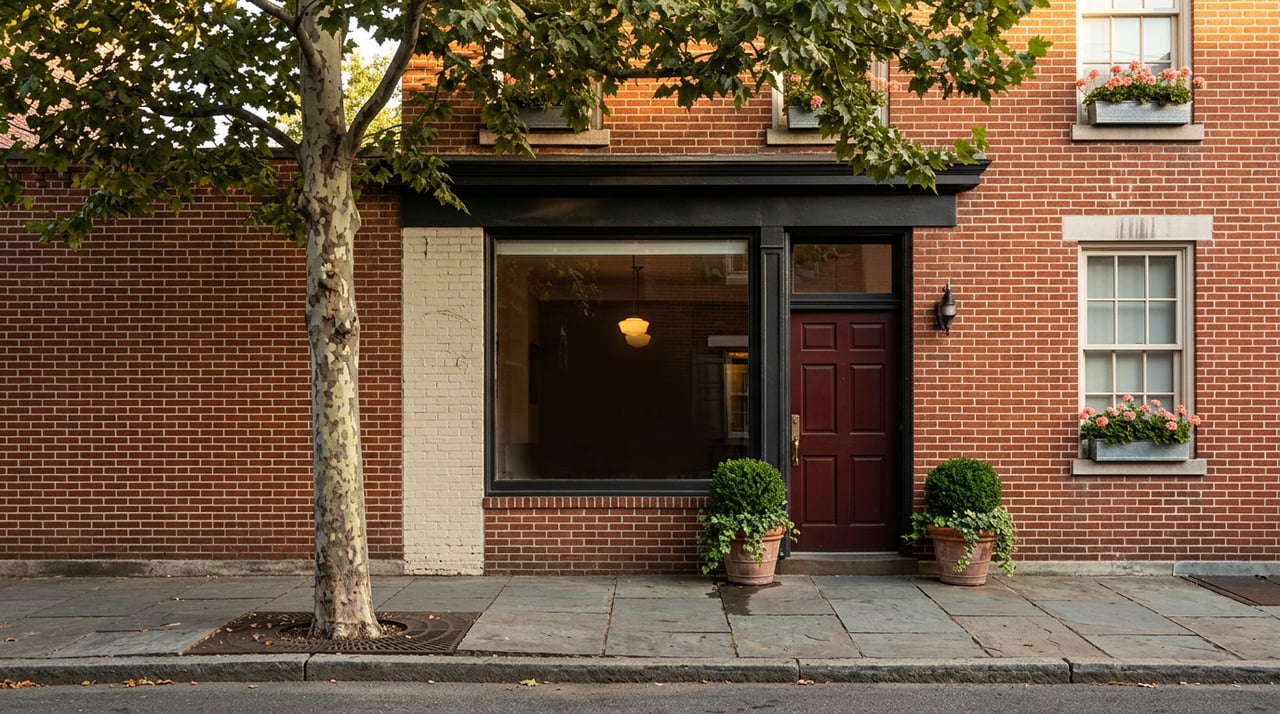
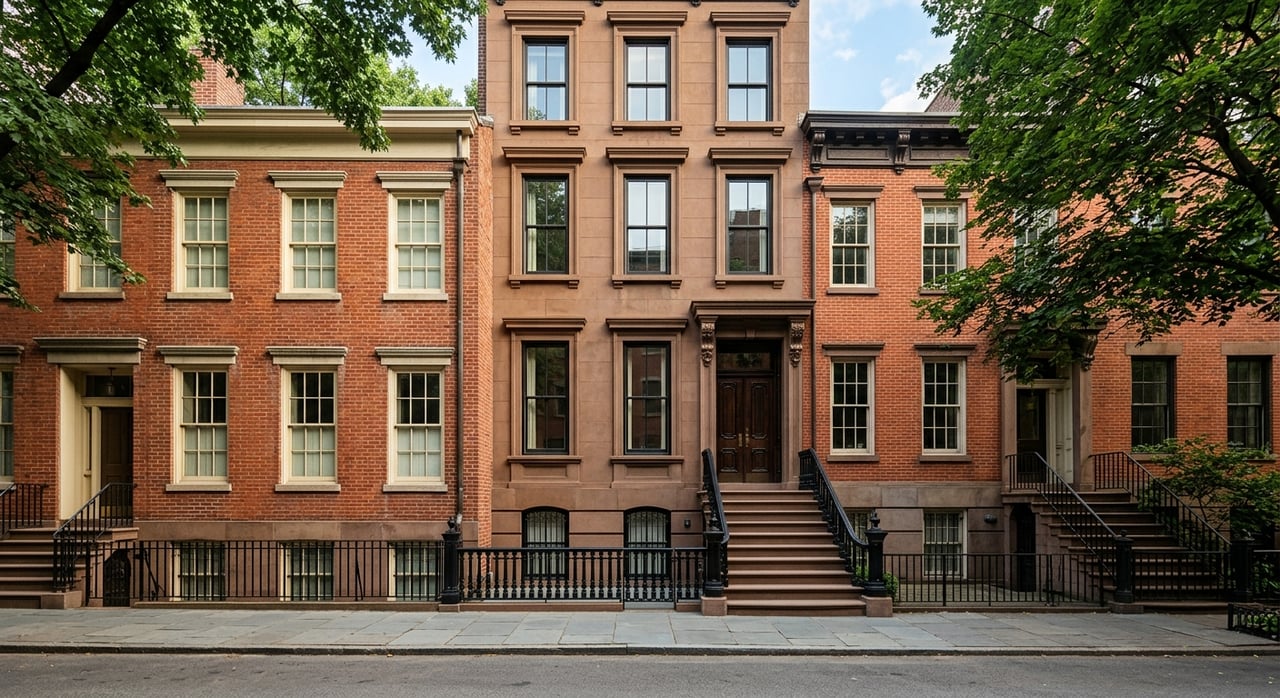
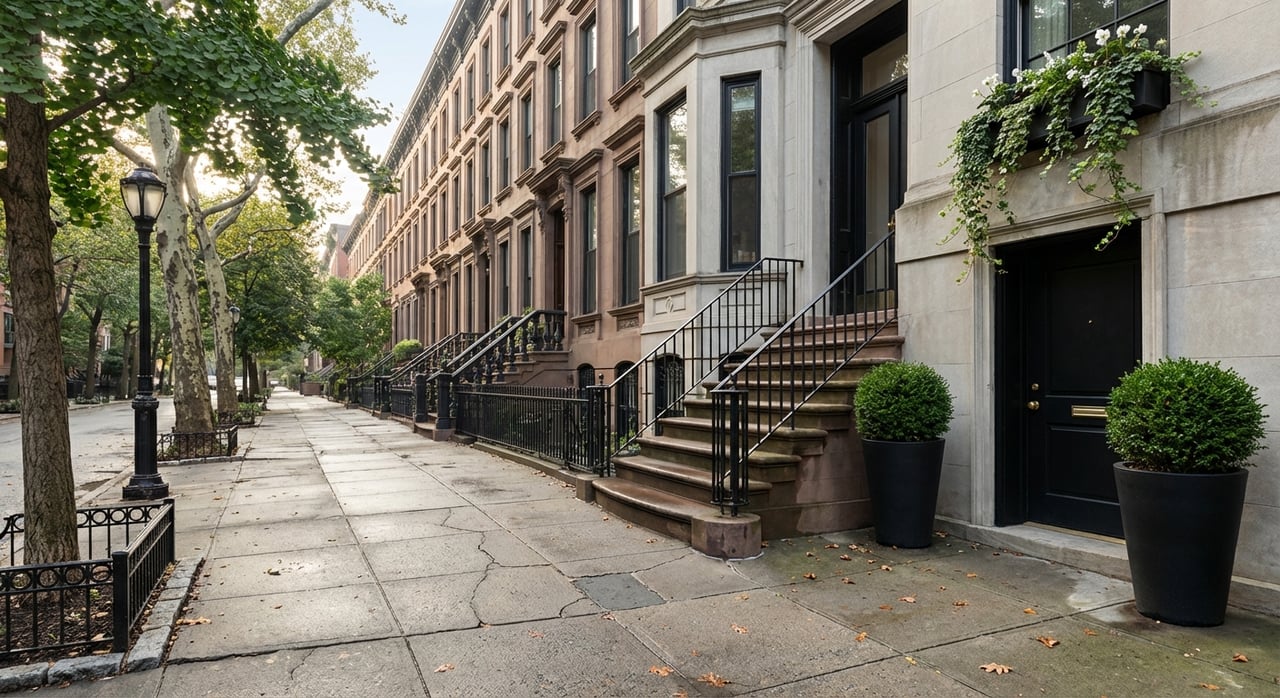
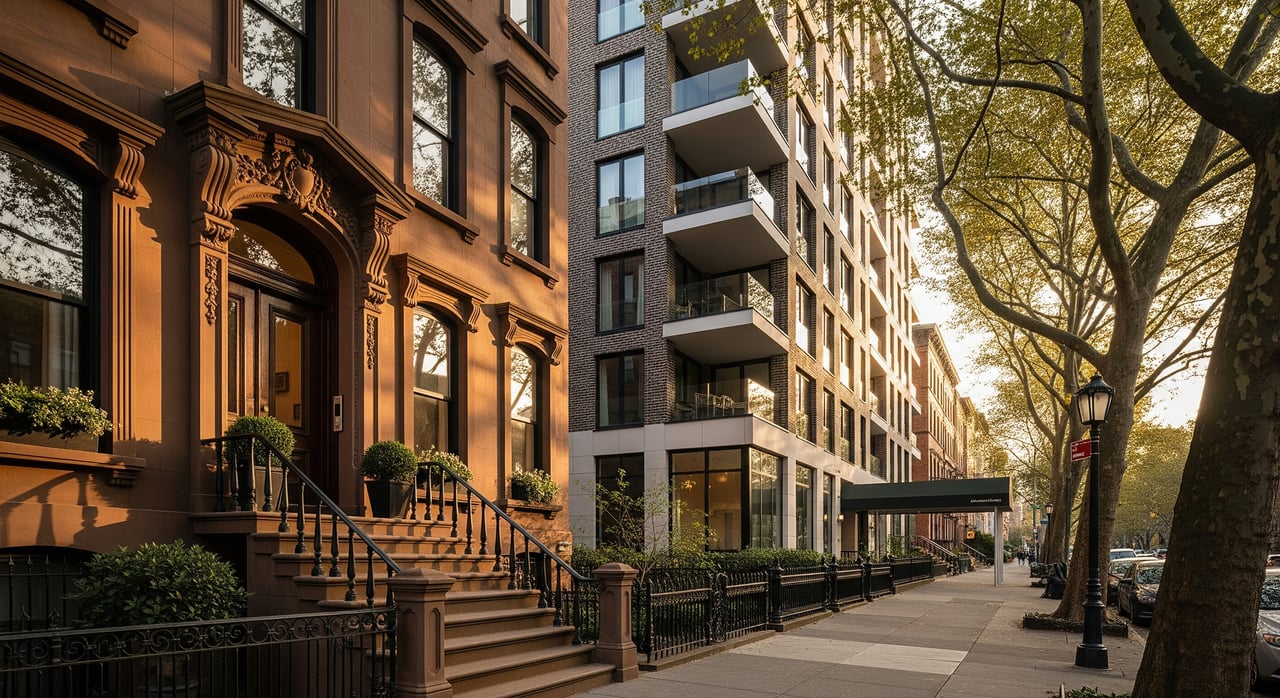
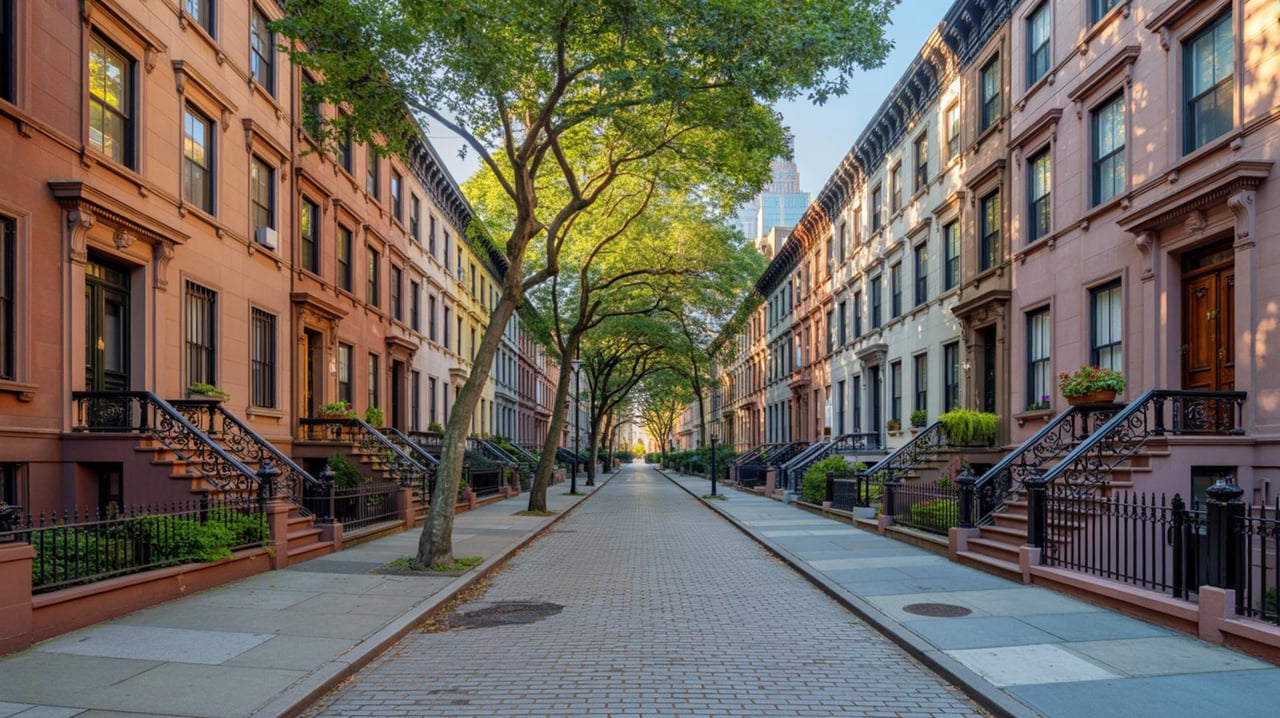
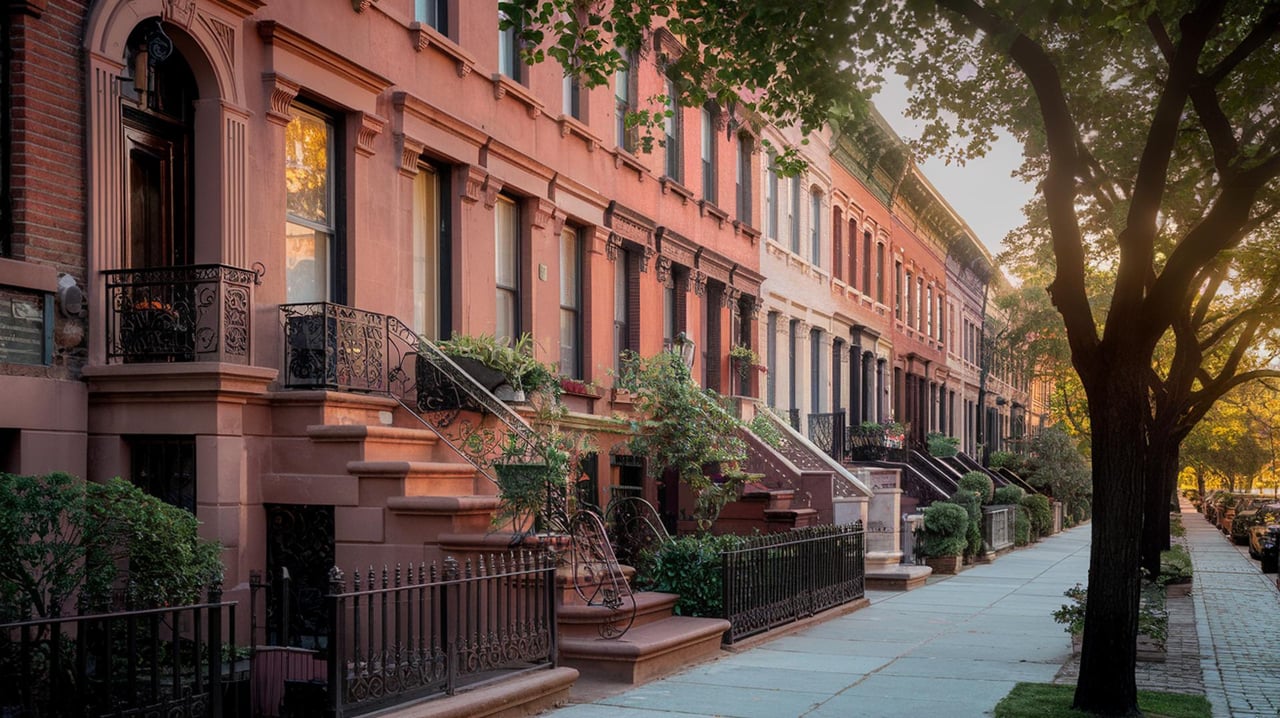
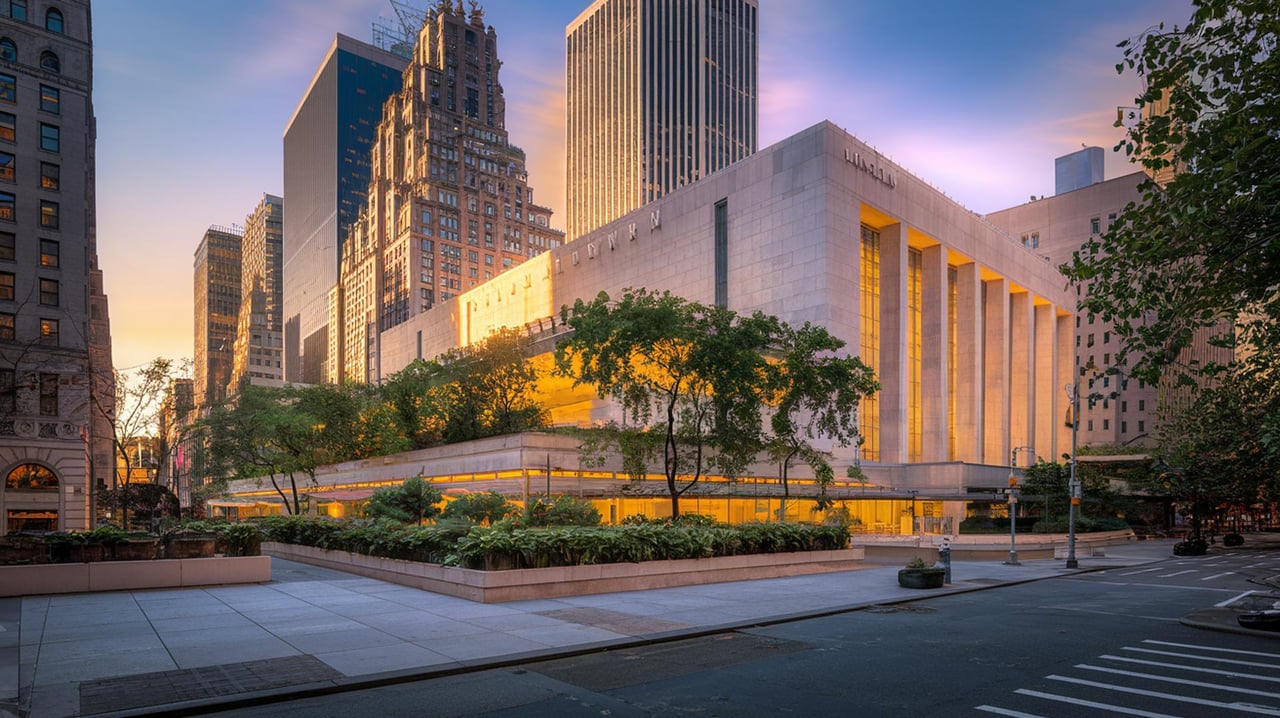
The Upper West Side already has broad appeal. StreetEasy describes it as a neighborhood known for park access, cultural institutions, classic architecture, and Amsterdam Avenue as a key commercial spine. In a market where the 2025 median asking price was $1.545 million and median days on market were 58, strong presentation can help your home stand out.
New York also remains a meaningful destination for international buyers. According to NAR’s 2025 international transactions report, foreign buyers purchased $56 billion of U.S. homes from April 2024 through March 2025, and 47% paid all cash. New York ranked as the fourth most popular destination, accounting for 7% of foreign-buyer purchases.
That matters because global buyers often approach the search differently. They may be comparing several cities, working across time zones, and relying on digital materials before ever stepping inside. For your Upper West Side listing, the goal is simple: make the home easy to trust and easy to understand.
Start With a Clear Selling Strategy
When your buyer may be in another country, clarity beats guesswork. Your home should present a complete story from day one, including accurate visuals, a realistic price, and building details that answer common questions early. That reduces friction and helps serious buyers move forward with confidence.
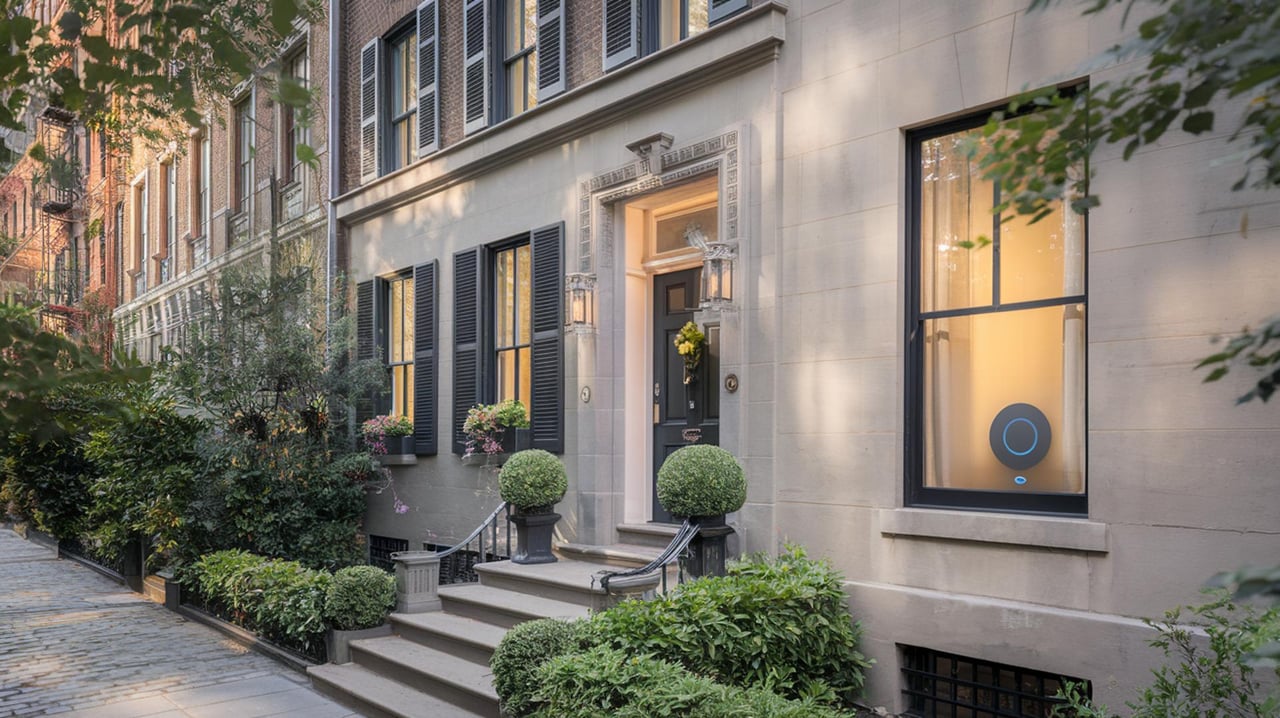
This approach fits the Upper West Side particularly well. Many homes here offer character, scale, and architectural detail, but they can also come with building-specific rules and nuances. Buyers often respond emotionally to the charm, but only after the facts feel safe.
Focus on Staging That Feels Calm and Clean
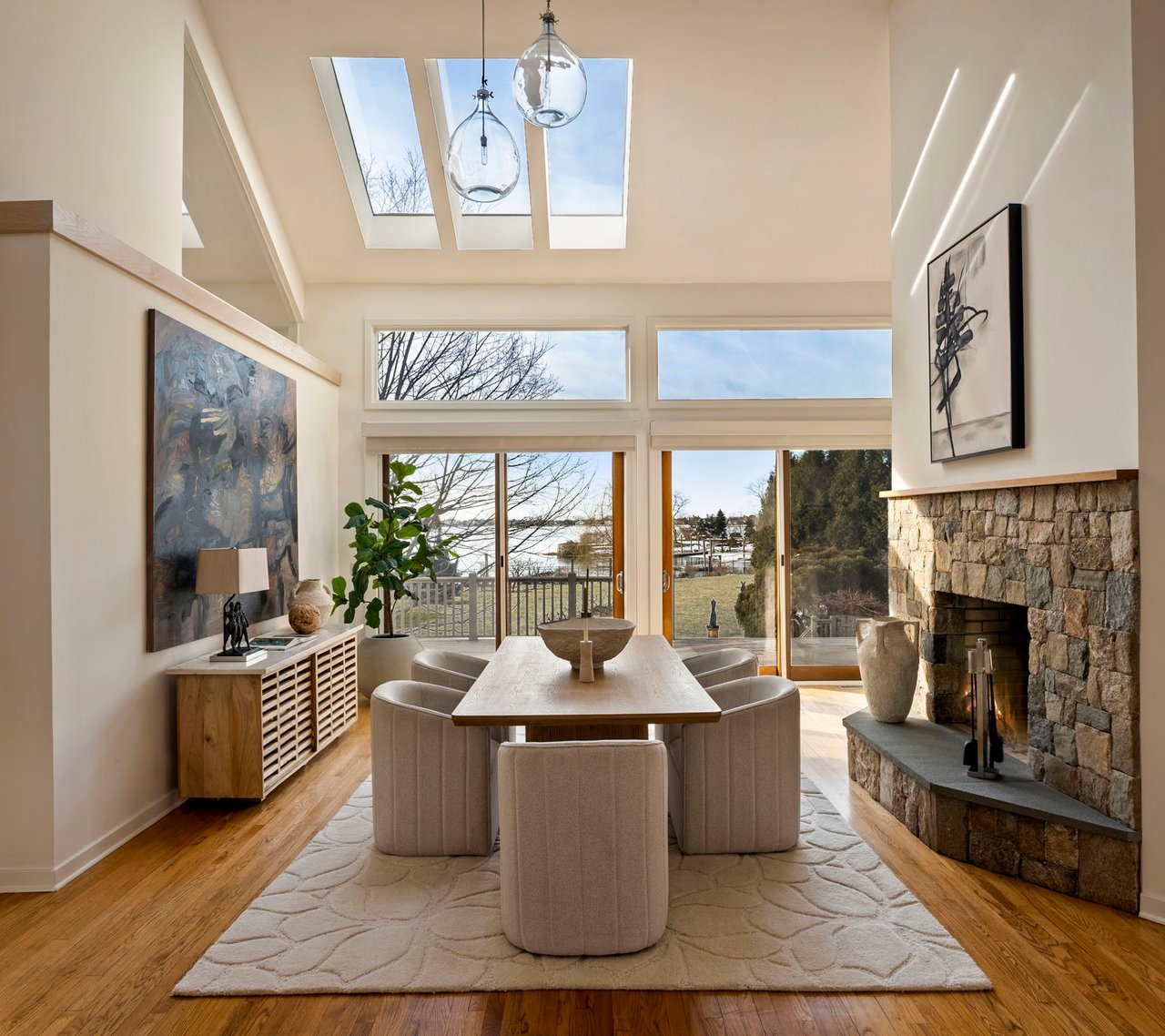
Staging is one of the strongest tools you have. NAR’s 2025 Profile of Home Staging found that 83% of buyers’ agents said staging made it easier for buyers to visualize the property. The same report found that 49% said staging reduced time on market, and 29% of sellers’ agents saw staged homes receive offers that were 1% to 10% higher.
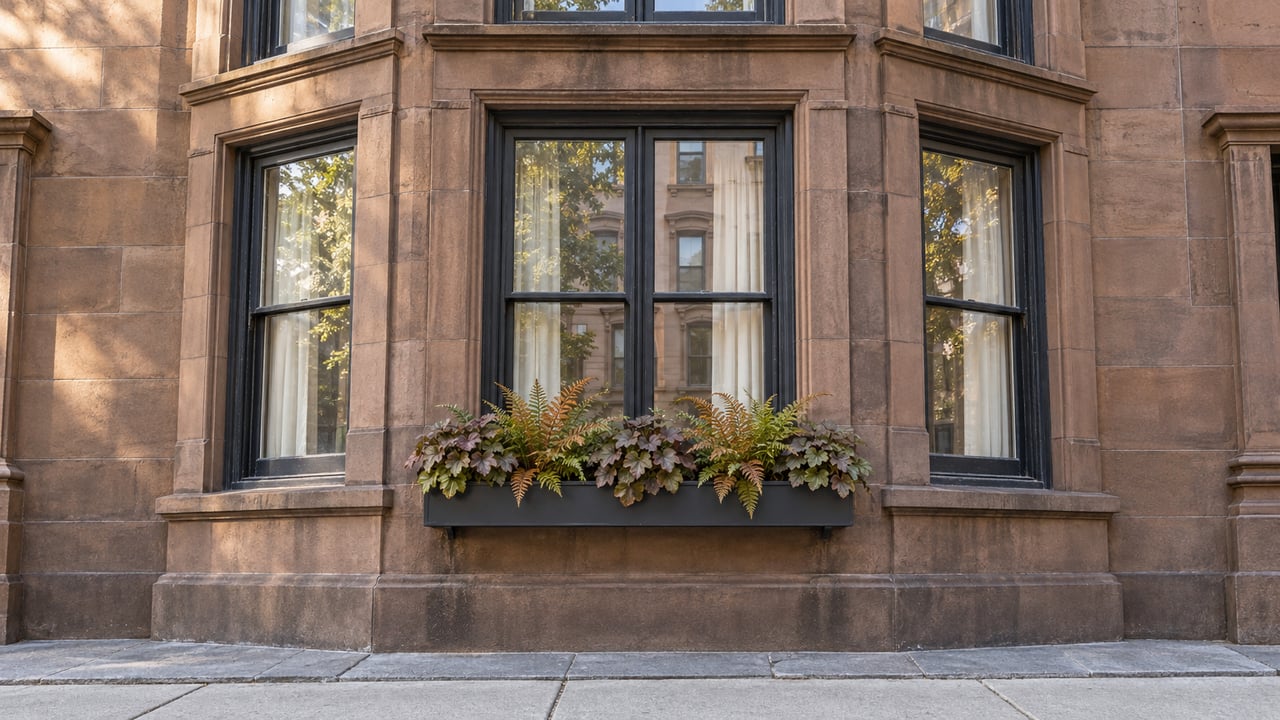
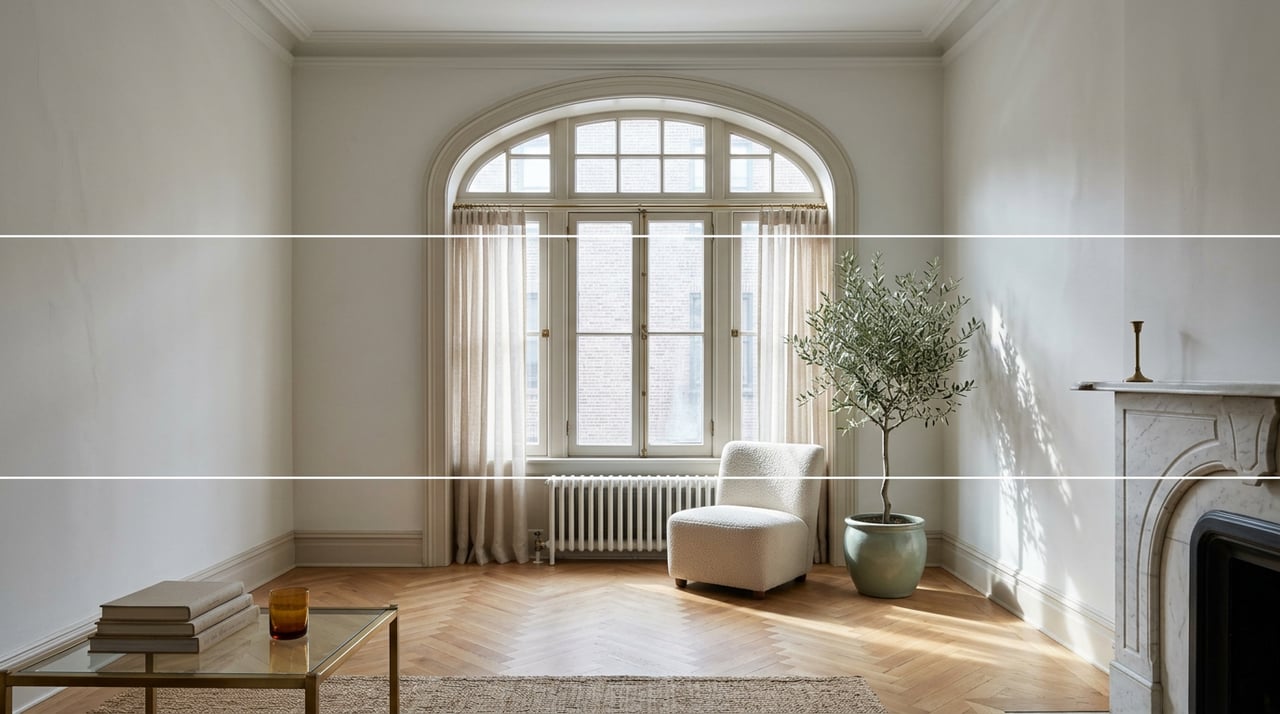
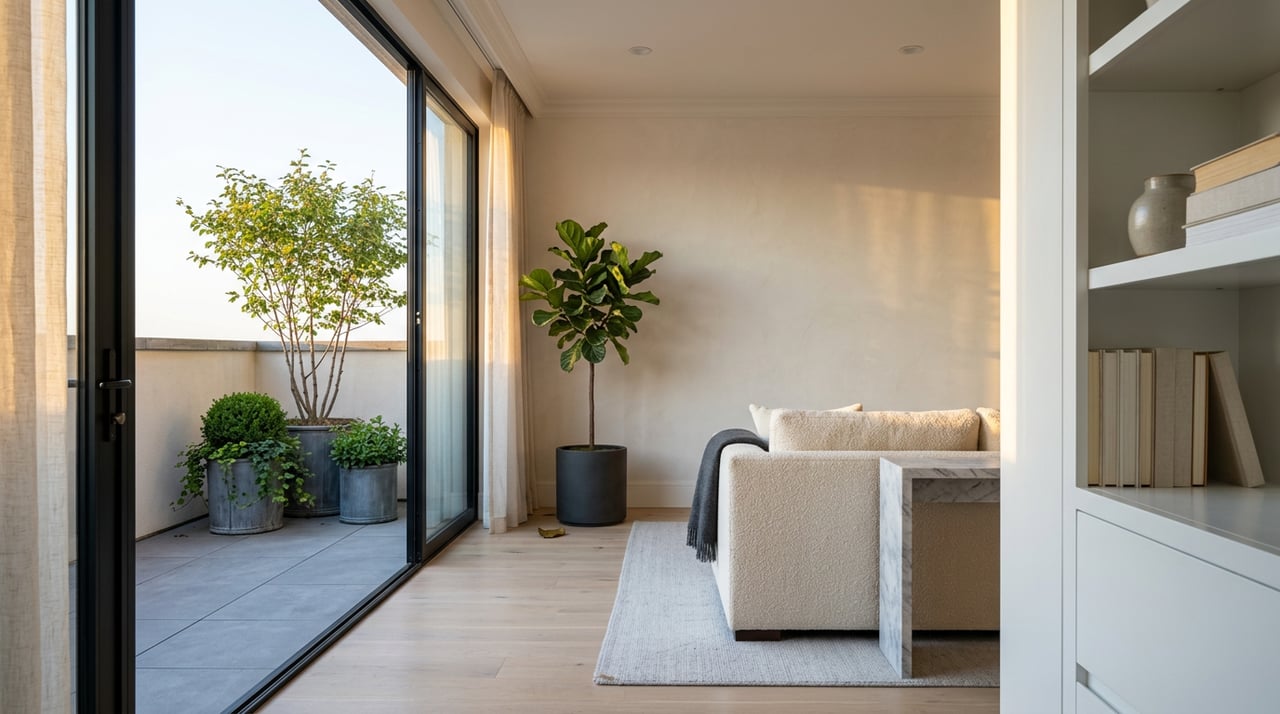
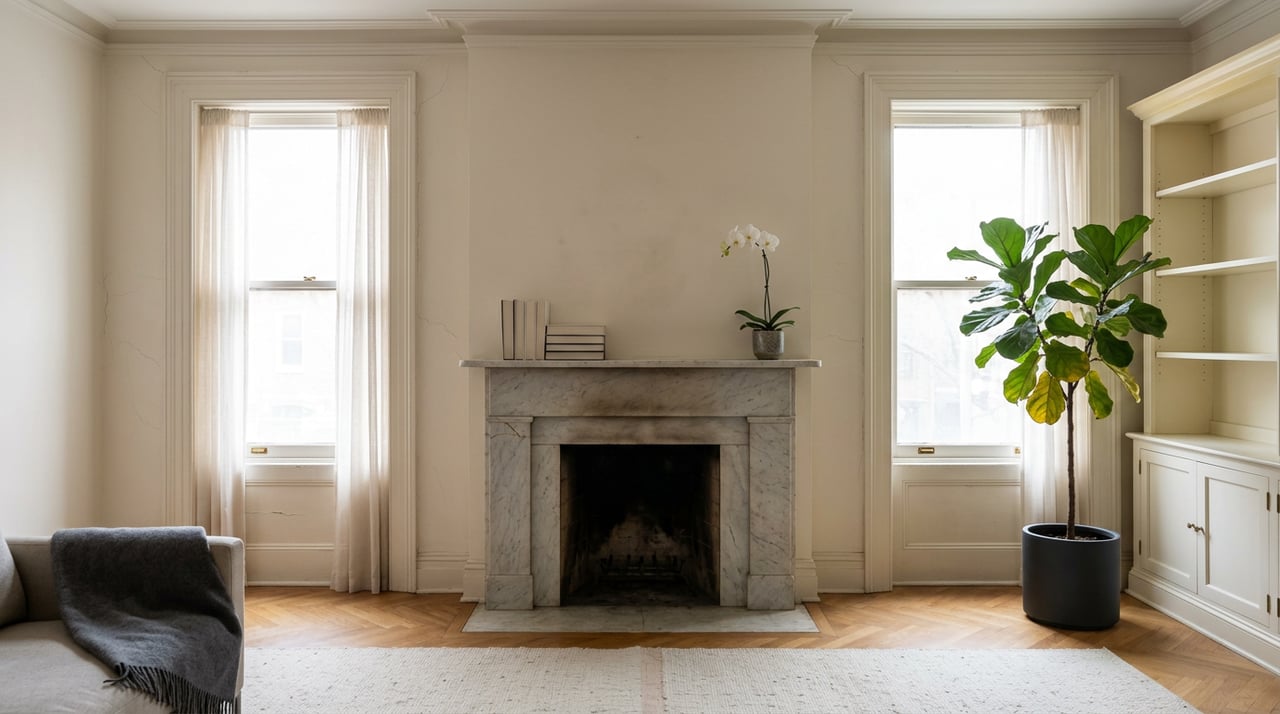
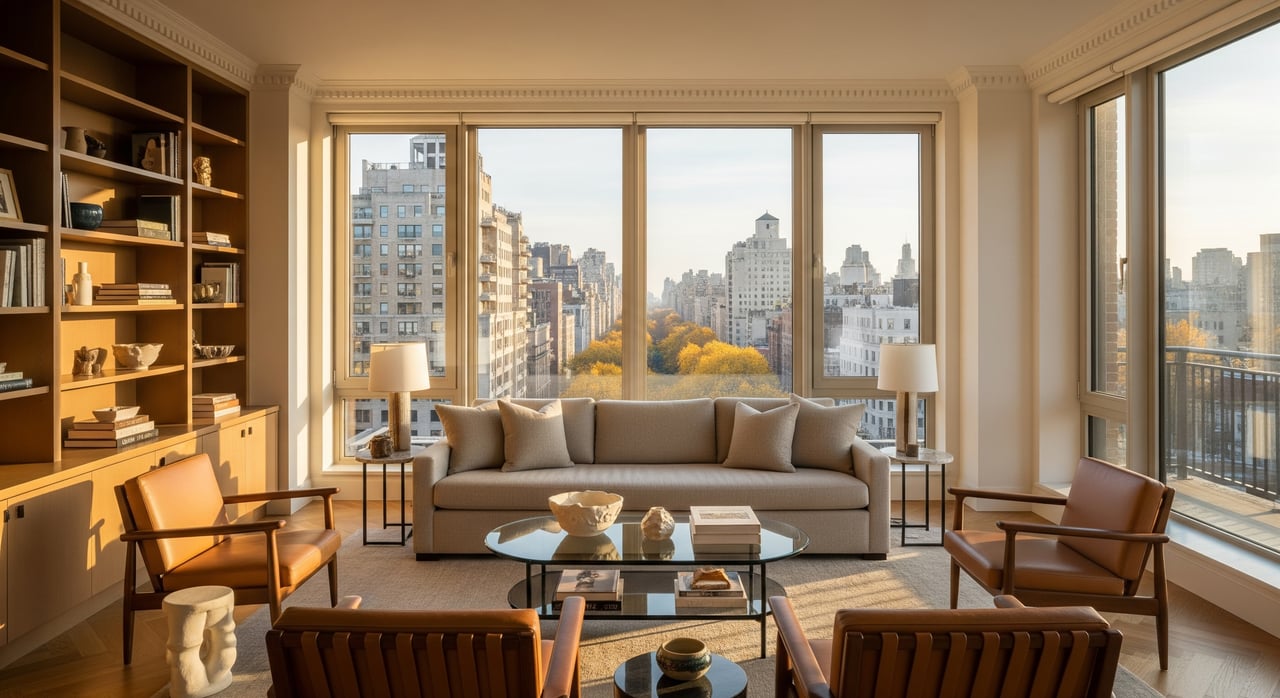
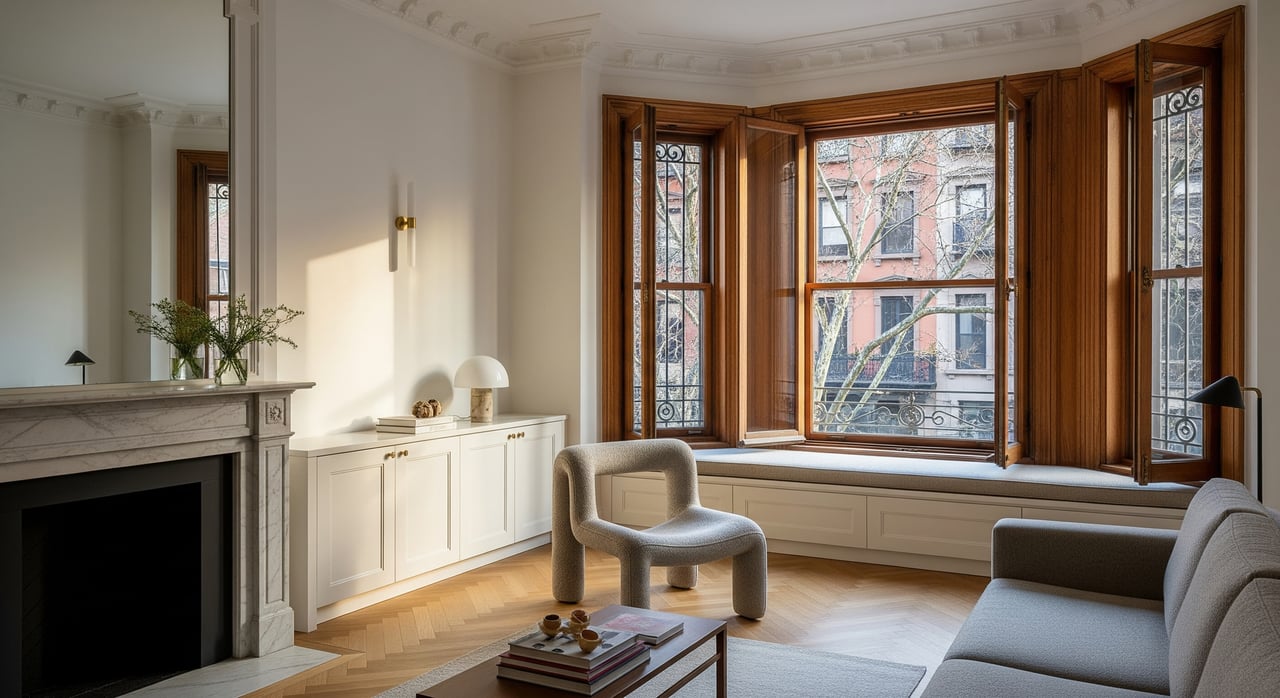
For an Upper West Side home, staging usually works best when it is neutral, light, and restrained. Instead of over-designing the apartment, focus on making it feel larger, brighter, and less personal. That is especially important in prewar homes, where buyers want to appreciate original details without feeling overwhelmed by someone else’s style.
Rooms to Prioritize First
If you are deciding where to spend your prep budget, start with the rooms that have the biggest impact:
- Living room
- Primary bedroom
- Dining room
These were the most commonly staged rooms in NAR’s report. If those spaces look balanced, inviting, and easy to read in photos, your entire listing usually benefits.
What to Edit Before Listing
Before your home goes live, pay close attention to the basics:
- Declutter surfaces and storage areas
- Remove highly personal decor
- Refresh paint if needed with neutral tones
- Improve lighting and replace dim bulbs
- Make minor repairs before photography
- Keep window areas open to maximize natural light
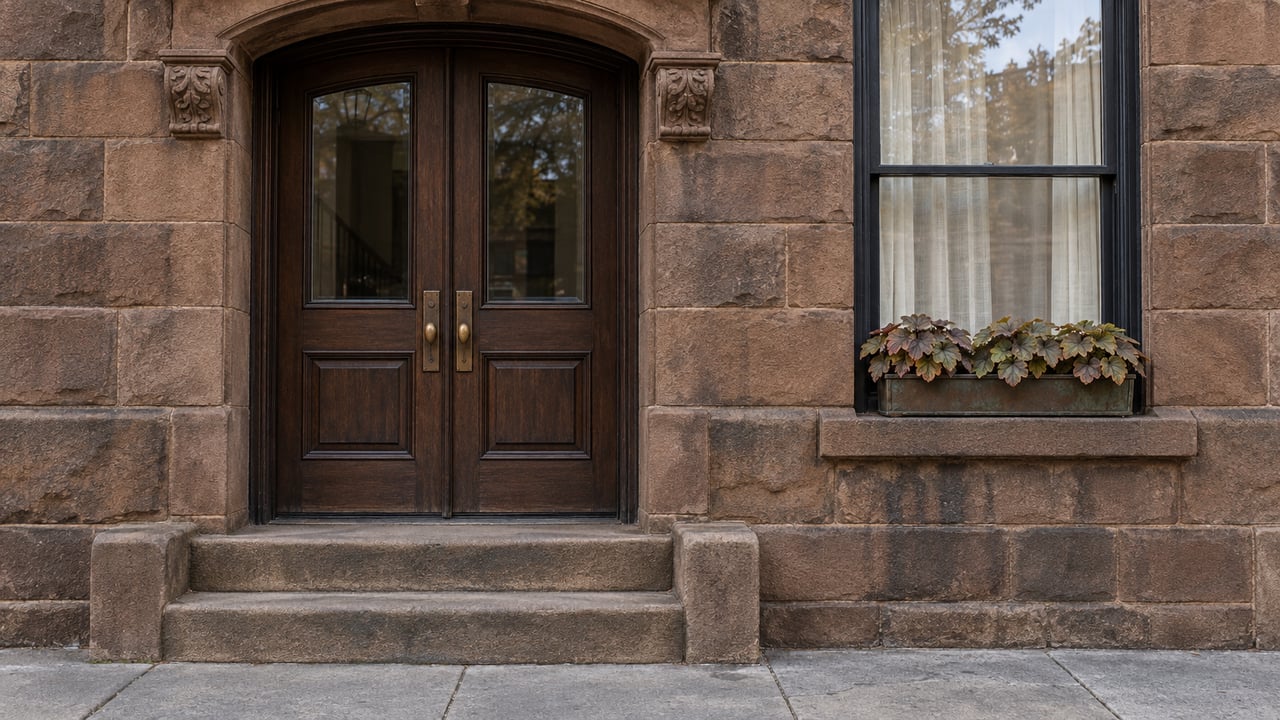
On the Upper West Side, buyers often value architectural character. That means your prep should highlight features like moldings, fireplaces, ceiling height, or large windows, rather than trying to erase the apartment’s personality.
Make Photos and Video Work Harder
For global buyers, your online presentation is not just marketing. It is the first showing. NAR reports that 81% of buyers rated listing photos as the most useful feature during their online search, and it also notes that high-resolution photos and video tours are essential because buyers expect the home to match what they saw online.
That last point is critical. If your buyer is abroad, the listing may be their first filter and their first trust test. Strong visuals can expand your audience, but only if they are accurate.
Keep Visuals Beautiful and Truthful
Over-editing can create problems. NAR warns that heavily altered photos can misrepresent condition, scale, or costs. For an Upper West Side property, especially one with distinctive prewar details or a unique layout, curated visuals should still feel honest.
Aim for materials that show the apartment clearly and confidently:
- High-resolution listing photography
- Video tour
- Floor plan
- Concise room dimensions
- Bright, natural color balance
- Clear views of layout and flow
Interactive tours can also help answer one of the biggest questions for distant buyers: does the layout actually work for their life? That question matters whether the home will be a primary residence, a pied-à-terre, or part of a relocation move.
Explain Co-op and Condo Rules Early
This is one of the most important parts of preparing an Upper West Side listing for global buyers. Many buildings in the neighborhood are co-ops, and co-op ownership works differently from condo ownership. According to the NYC Bar, co-op buyers purchase shares in a corporation and are governed by bylaws and a proprietary lease.
StreetEasy also notes that co-op boards are financially focused and often require detailed applications, interviews, and strong reserves. For an international buyer, that can come as a surprise if it is not explained early. The more transparent you are up front, the more qualified your buyer pool becomes.
Why Building Type Shapes Demand
Some overseas buyers are open to co-ops. Others need more flexibility. StreetEasy notes that some co-ops restrict pied-à-terre use or renting, while condos are typically more flexible and do not require special board approval.
That means your marketing should clearly spell out the building structure and major use rules from the beginning. If the building does not fit a buyer’s intended use, it is better for everyone to know that before the buyer becomes emotionally invested.
Building Details to Prepare
Before launching the listing, gather and organize:
- Ownership type: co-op or condo
- Basic board package expectations, if applicable
- Rules on pied-à-terre use, if applicable
- Rental policies
- Fees and monthly carrying costs
- Any notable approval timelines
For global buyers, this information is not a small detail. It is part of the decision-making framework.
Check Landmark and Renovation Limits
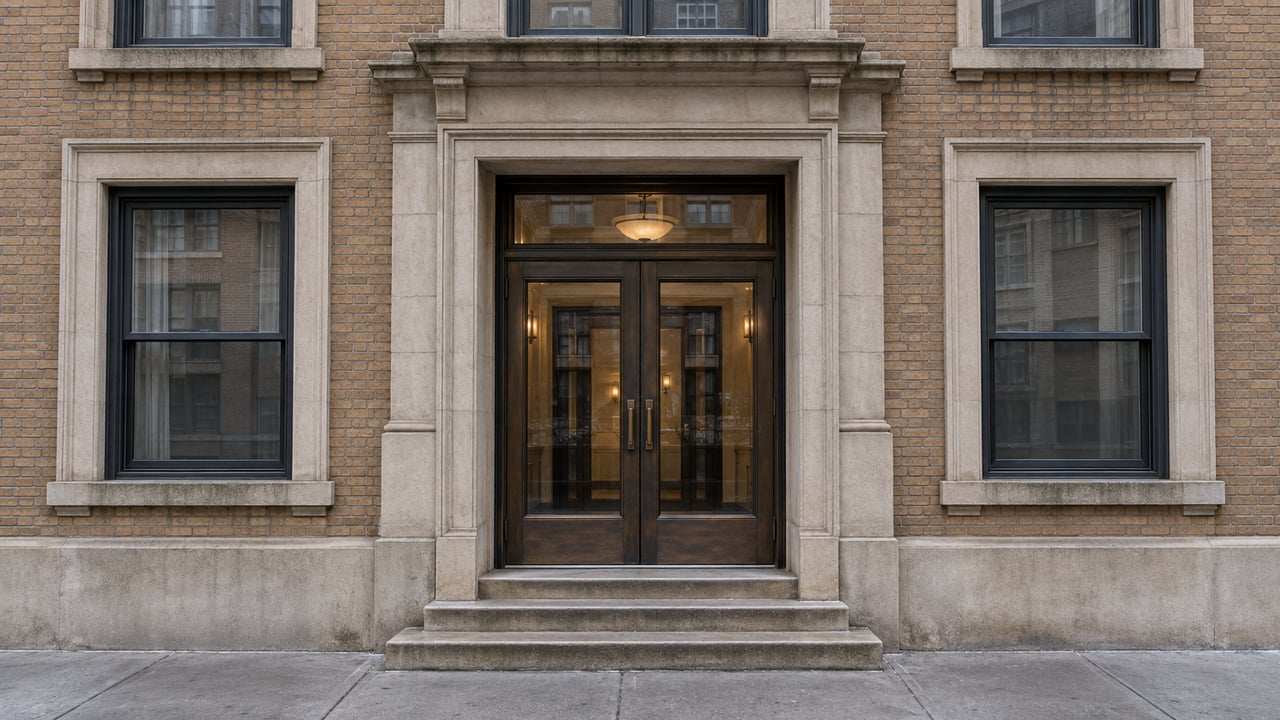
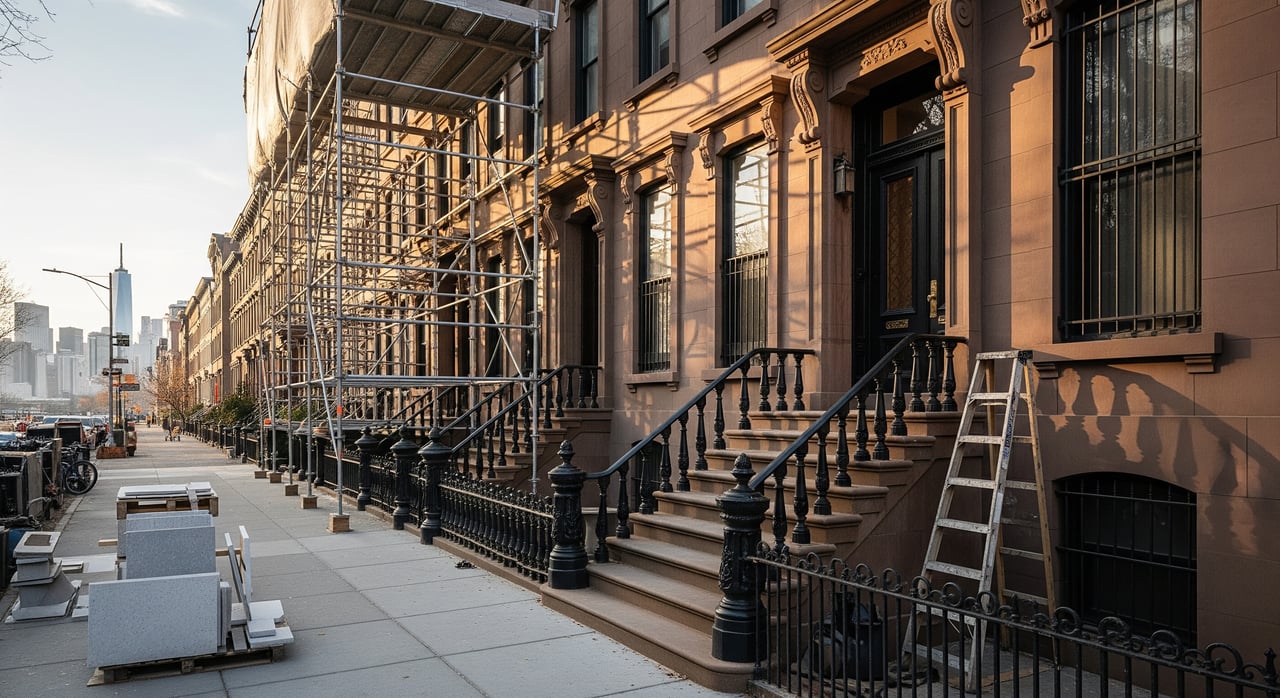
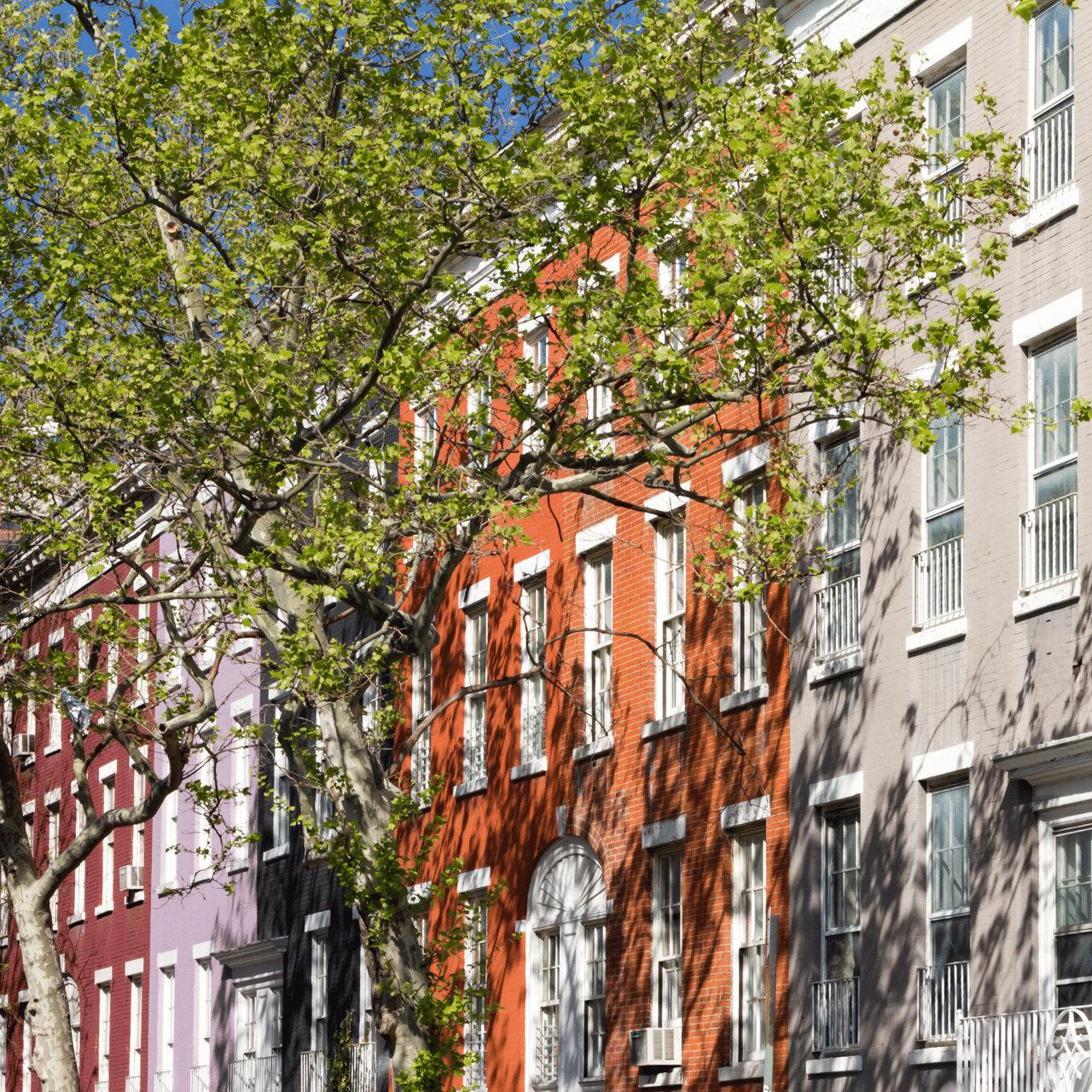
If your building or facade is landmarked, confirm what work requires approval before making promises about upgrades. The New York City Landmarks Preservation Commission states that designated buildings require advance approval for alterations, reconstruction, demolition, or new construction affecting the property. The city’s official maps identify the Upper West Side/Central Park West Historic District.
This matters if you are considering last-minute exterior work or any change that affects protected features. It also matters when discussing future possibilities with buyers. A well-prepared seller avoids creating expectations that the building or district rules may not allow.
Use Pricing That Feels Disciplined
Global buyers are often sophisticated and fast-moving, especially when they are paying cash. NAR’s 2025 international report shows that 47% of foreign buyers paid all cash, and New York remains one of the country’s most important destinations for this audience. In that environment, a pricing strategy should feel well-supported and easy to defend.
For your Upper West Side home, that usually means resisting the temptation to overreach at launch. A clean pricing story can do more to build confidence than an aggressive number that requires repeated adjustments later. Buyers comparing high-value homes tend to notice when a listing feels grounded in the market and when it does not.
Reduce Surprises With Pre-Listing Repairs
A pre-listing inspection can be a smart move, especially for a buyer pool that may be evaluating the home from far away. NAR says sellers can use a pre-listing inspection to address repairs before the property goes live, and buyers may find the inspection report reassuring.
Fewer surprises usually mean less stress during due diligence. For overseas or relocation buyers, that added transparency can make the difference between hesitation and action. It also helps your listing feel more organized and credible from the start.
Repairs Worth Handling Early
Common pre-listing fixes may include:
- Plumbing drips or leaks
- Door and cabinet alignment issues
- Wall patching and paint touch-ups
- Lighting or switch replacements
- Flooring or hardware adjustments
- Minor cosmetic wear that shows in photos
You do not need a full renovation to improve buyer response. In many Upper West Side homes, careful maintenance and thoughtful presentation create a stronger result than major changes.
Build a Marketing Package That Travels Well
For global buyers, the listing should work like a due-diligence toolkit. NAR’s visibility guidance recommends answering common buyer questions up front, and Christie’s describes a global marketing approach built around strong collateral, digital channels, and international distribution. That combination matters when your buyer may first encounter the property from another city or another continent.
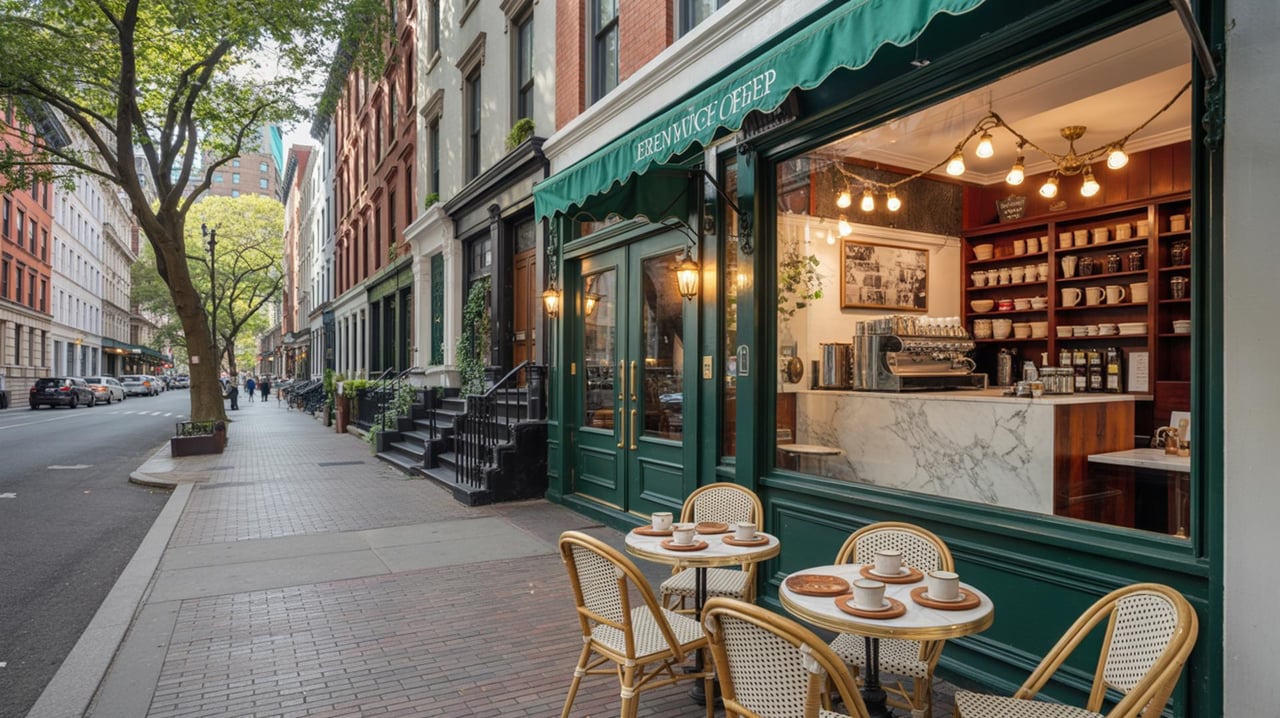
A strong package should help someone understand both the apartment and the broader opportunity. On the Upper West Side, that means pairing property facts with a concise neighborhood narrative that highlights the area’s park access, cultural institutions, classic architecture, and everyday convenience.
What Your Listing Package Should Include
At minimum, prepare:
- Professional photos
- Video tour
- Floor plan
- Room dimensions
- Monthly fees and carrying costs
- Clear building rules
- Ownership structure details
- A short, factual neighborhood overview
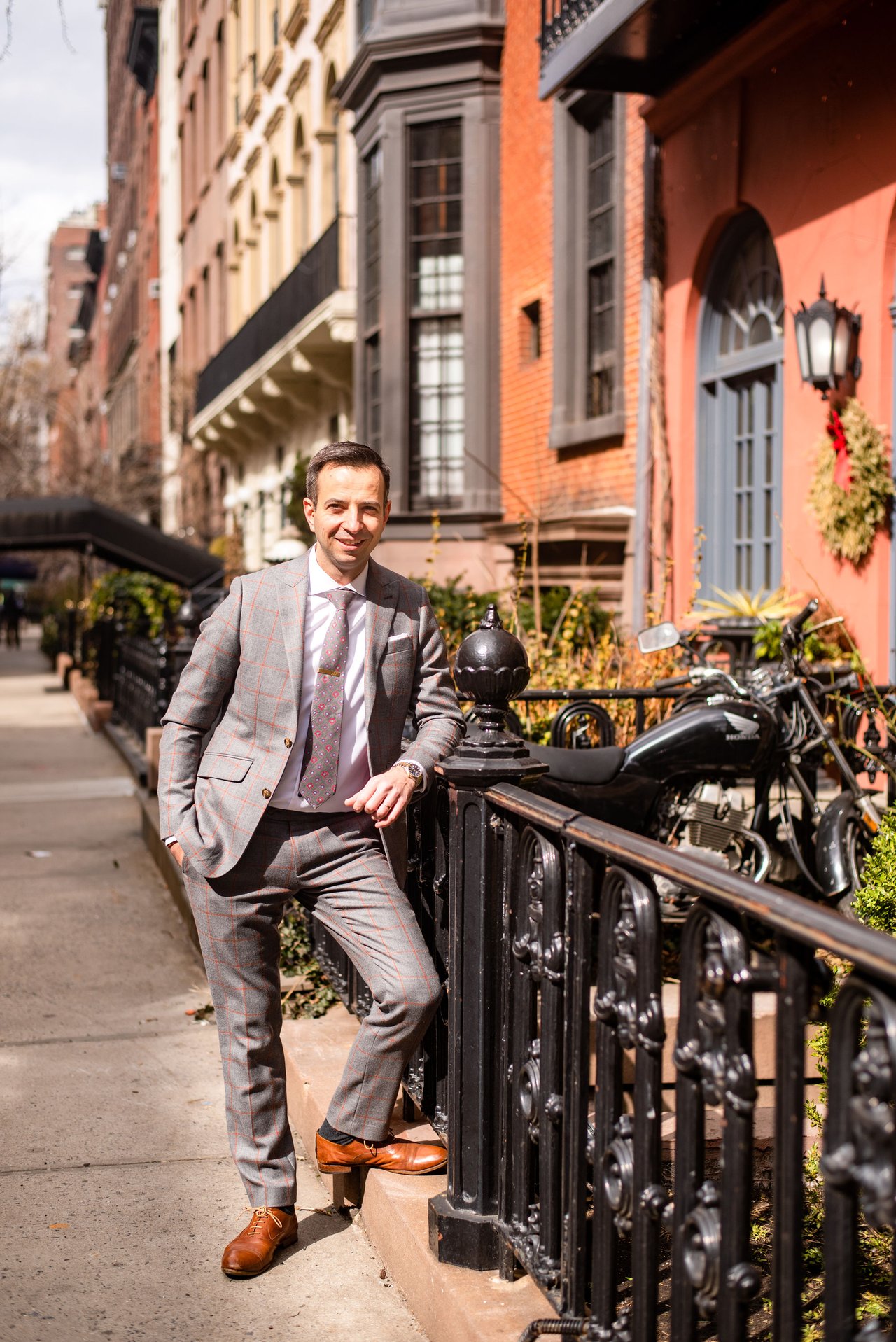
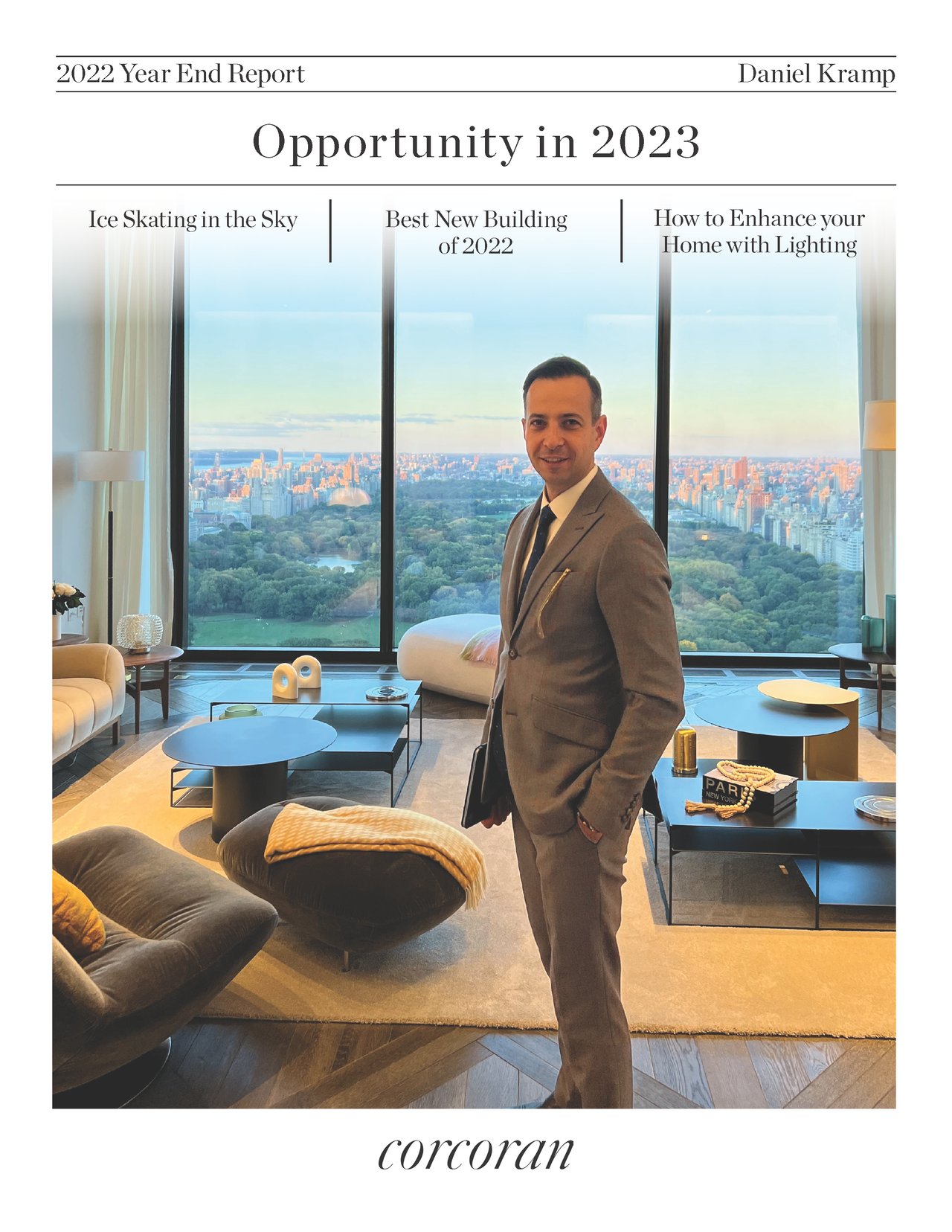
For sellers who want broader reach, premium storytelling can also make a difference. Daniel Kramp’s boutique advisory approach, paired with Christie’s International Real Estate distribution, is designed for this type of high-touch presentation, where the goal is not just visibility but qualified visibility.
Think Like a Long-Distance Buyer
The strongest Upper West Side listings remove confusion before it starts. If a buyer is thousands of miles away, they should still be able to understand the layout, monthly costs, ownership structure, and likely approval process without chasing missing details.
That is the real theme behind preparing your home for global buyers: clarity. When the apartment looks polished, the rules are explained plainly, the price is well-supported, and the marketing materials feel complete, your home becomes easier to trust. In a high-value, character-rich market like the Upper West Side, that trust can be a major advantage.
If you are preparing to sell and want a more tailored strategy for your property, Daniel Kramp offers private, high-touch guidance backed by Christie’s global marketing reach.
FAQs
What makes an Upper West Side home appealing to global buyers?
- Global buyers are often drawn to the Upper West Side’s park access, cultural institutions, classic architecture, and established New York identity, but they usually need clear information on layout, pricing, and building rules before moving forward.
What should sellers stage first in an Upper West Side apartment?
- Sellers should usually prioritize the living room, primary bedroom, and dining room, since those spaces are among the most commonly staged and often have the biggest impact on photos and buyer perception.
Why do co-op rules matter for international buyers in the Upper West Side?
- Co-op rules matter because buyers may face detailed applications, interviews, financial review, and possible limits on pied-à-terre use or renting, which can affect whether the home fits their plans.
Should an Upper West Side seller order a pre-listing inspection?
- A pre-listing inspection can help sellers identify repairs early, reduce surprises during due diligence, and give distant buyers more confidence in the condition of the property.
What should an Upper West Side listing include for overseas buyers?
- A strong listing package should include accurate photos, a video tour, a floor plan, room dimensions, monthly costs, ownership type, building rules, and a concise explanation of the neighborhood and lifestyle context.