Ask a buyer which market is hotter right now, Brooklyn Heights or the Financial District, and you will get a headline number for each. The trouble is that the Brooklyn Heights number changes depending on which week you check it, and the honest version of both stories only shows up once you stop trusting the median.
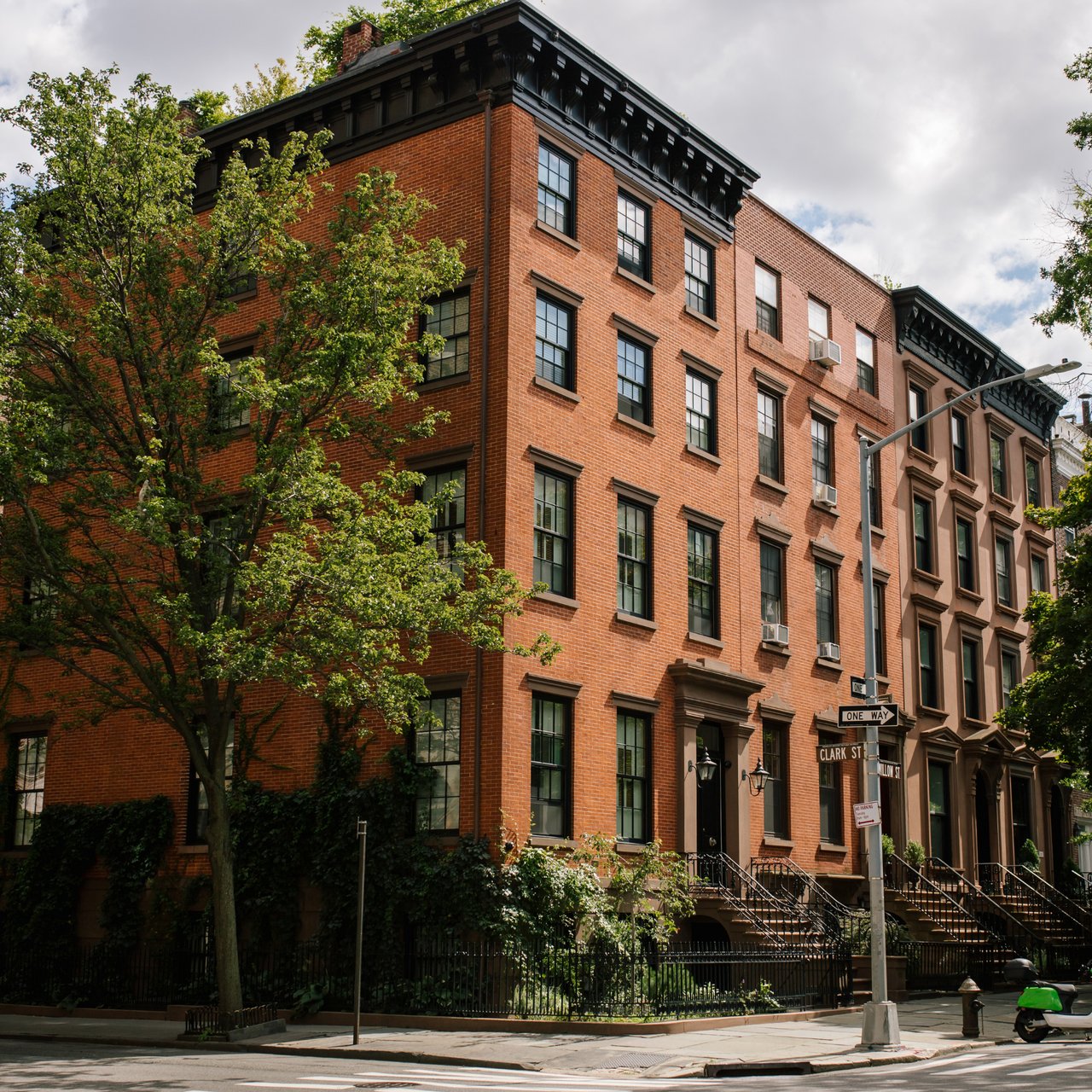
In March 2026, Brooklyn Heights carried a median sale price of $2.7 million, up 91.8 percent year over year. By May 2026, the same neighborhood's median had fallen to $756,000, down 39.5 percent year over year. Same six hundred pre-Civil War buildings, same landmarked blocks, two irreconcilable headlines eight weeks apart. Meanwhile the Financial District logged the largest year-over-year jump in search interest of any New York neighborhood on StreetEasy's 2026 list, according to reporting picked up by CooperatorNews, the kind of ranking that gets repeated in buyer emails without much scrutiny of what it actually predicts about price.
None of these numbers is wrong. All of them are incomplete. The real difference between these two neighborhoods has less to do with which one is trending this month and more to do with what kind of building you are buying into, and what that building's board will require of you before you are allowed to close.
Why The Same Neighborhood Can Post Two Opposite Headlines
The explanation for Brooklyn Heights' whiplash isn't a market that crashed and then recovered in the same season. It's sample size. Only 29 properties sold in the neighborhood in May 2026, and what happens to close in any given month, a $600,000 co-op share sale here, an $8 million single-family house there, decides the median far more than any actual shift in value.
The category breakdown makes the mechanism visible. In that same May 2026 window, co-op sale prices fell 34.4 percent year over year to a $600,000 median, condo prices fell 14.3 percent to $2.6 million, and house prices sat essentially flat at $8.2 million. None of those three categories moved anywhere near the 92 percent gain or the 39 percent drop the blended headline reported in back-to-back months. The blended number swings because the ratio of co-ops to condos to houses closing that month shifts, not because the neighborhood revalued itself twice in a season.
A full year smooths this considerably. Rolling sales records for Brooklyn Heights covering July 2025 through June 2026 show 323 total residential sales, with single-family homes carrying a $7.53 million median across 15 recorded sales, two-family homes at $6.9 million across nine sales, and three-family homes at $6.09 million across two sales, according to a National Association of Realtors report on the neighborhood. That is a calmer, more useful number than any single month's headline, and it says what the noisy monthly figures obscure: this is a market with real, sustained strength at the top, not one lurching between boom and bust every thirty days.
What The Financial District's Search Interest Actually Buys
The Financial District's jump in search volume is a real signal of buyer attention, and it says nothing on its own about what that attention converts into on a price sheet.
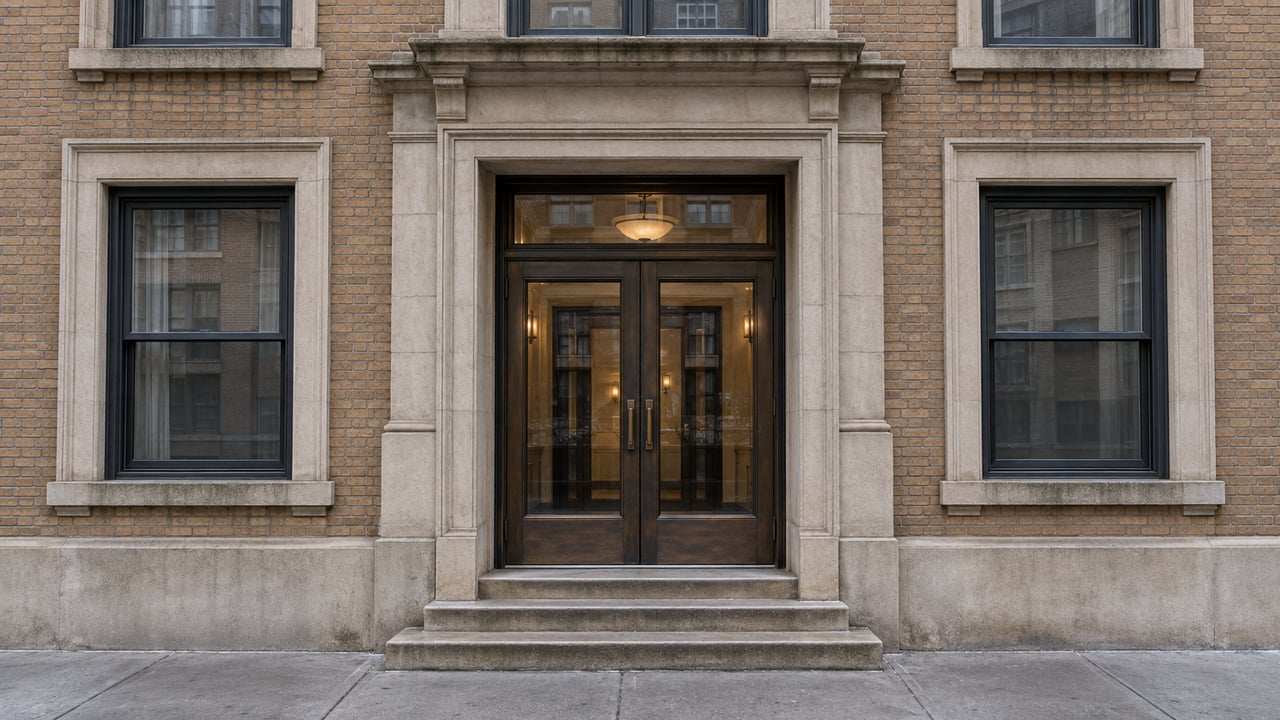
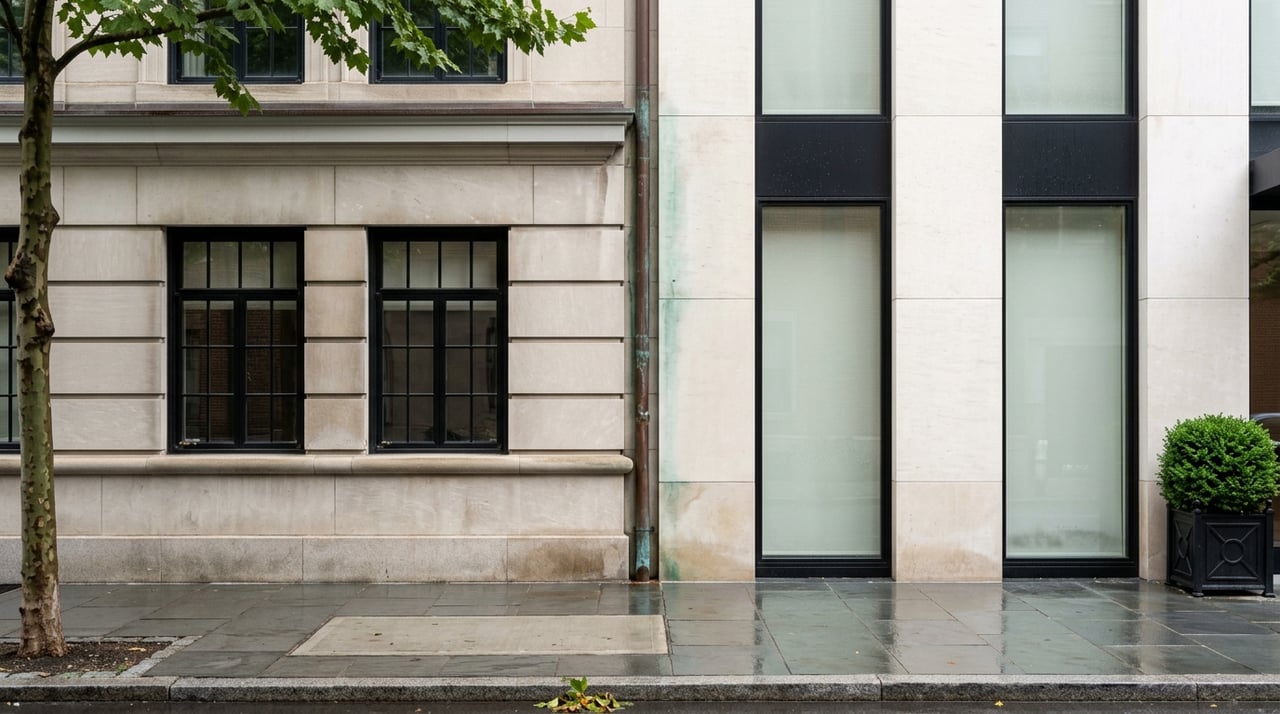
The neighborhood's second quarter of 2026 closed with a median sale price of $1,535,000, up 19 percent year over year, a steadier read than any single month because a full quarter absorbs the same small-sample swings that whipsaw Brooklyn Heights. Condo prices specifically reached $1.3 million in that window, up 36.6 percent year over year, according to PropertyShark's Financial District data. The condo-specific figure matters more here than the blended median, because FiDi's housing stock is overwhelmingly condominium rather than co-op, built from a wave of office-to-residential conversions and ground-up towers that includes One Wall Street, 130 William, and 77 Greenwich.
March alone told a narrower story on its own: 70 recorded sales that month compared to 64 a year earlier, with average days on market compressing from 97 to 90. A single month like that is exactly the kind of number this piece is warning you not to treat as a verdict, useful as a data point, not as the whole picture.
Per-square-foot pricing in the Financial District is commonly quoted in the $1,500 to $2,500 range, a 30 to 40 percent discount against Tribeca's comparable product at $2,500 to $4,000 per square foot. That gap exists because much of FiDi's condo stock sits in converted commercial towers, buildings that were never designed as residences and now deliver larger floor plans at the same price point where Tribeca would hand you a smaller one. One Wall Street alone converted into a 566-unit condominium with 100,000 square feet of amenities including a 38th-floor pool, the kind of scale a pre-war Brooklyn Heights building was never built to offer.
None of this makes FiDi objectively better than the Heights. It makes the two neighborhoods different products wearing similar price tags, which is exactly why the comparison keeps confusing buyers who shop it on price alone.
The Board Package Is The Real Gatekeeper
Here is the mechanism that actually separates these two markets: what kind of ownership structure you are buying into, and what its board asks of you before you close.
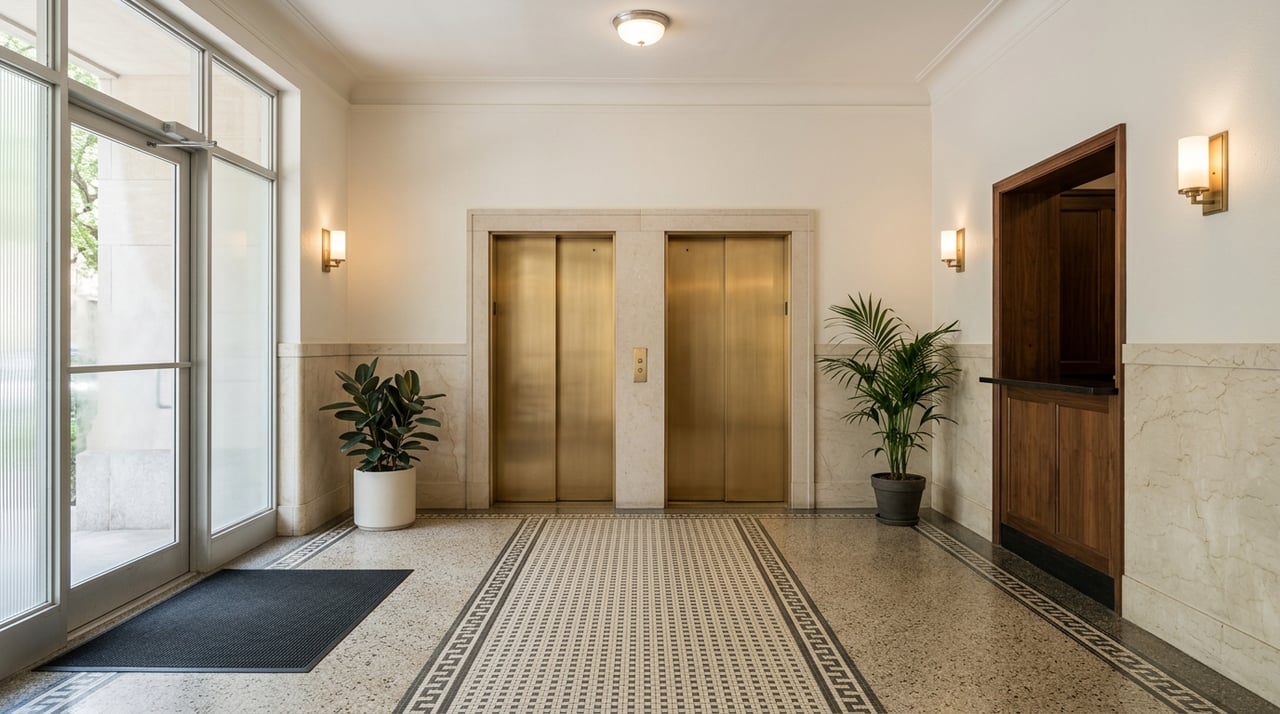
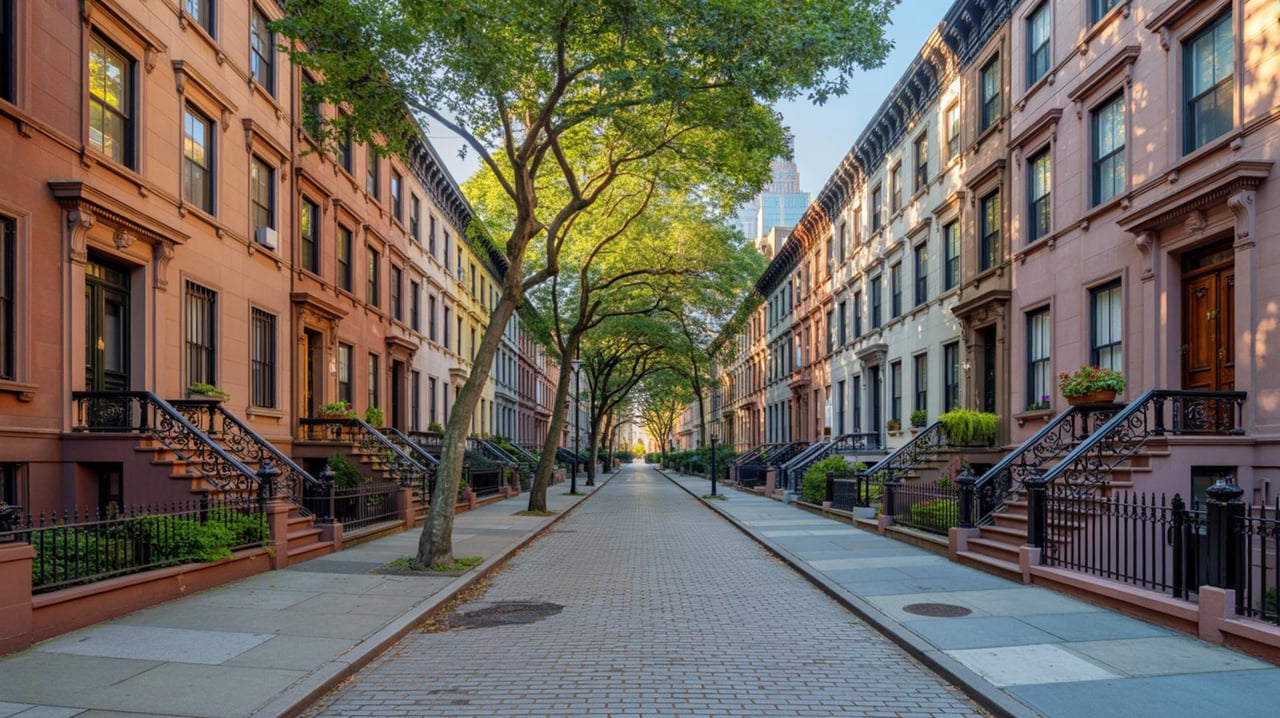
Brooklyn Heights remains shaped by cooperative housing that predates the modern condo boom in neighborhoods like Downtown Brooklyn or Long Island City. Most of its finest pre-war buildings are co-ops, and Heights co-op boards tend toward the financially conservative end of the spectrum. A buyer should expect requests for two years of mortgage and maintenance payments held in reserve after closing, with twenty percent down treated as a floor rather than a target, and thirty to fifty percent expected at certain luxury buildings. The Financial District's inventory skews the other way, toward deeded condominiums where board review is real but structurally limited.
The distinction between the two board types is not neighborhood folklore. It is baked into how each ownership structure works, as Brick Underground's guide to board approval lays out: a co-op board can decline a buyer for nearly any lawful reason without stating one, while a condo board's only real lever is its right of first refusal, the option to buy the unit itself rather than let a sale proceed, an option boards almost never exercise.
| Brooklyn Heights (co-op heavy) | Financial District (condo heavy) | |
|---|---|---|
| Typical down payment | 20% floor, 30-50% at select buildings | Often 10-20% |
| Post-closing liquidity | Two years of reserves commonly requested | Not typically required |
| Interview | Usually required | Rare |
| Board's power over your application | Can decline without stated reason | Limited to right of first refusal |
| Renovation review | Landmarks Preservation Commission review for anything visible from the street | Standard Department of Buildings permit for most towers |
That last row is where the two neighborhoods diverge most sharply, and it matters even if renovation is not on your mind the day you close.
The Landmark Clock Runs Whether You Renovate Or Not
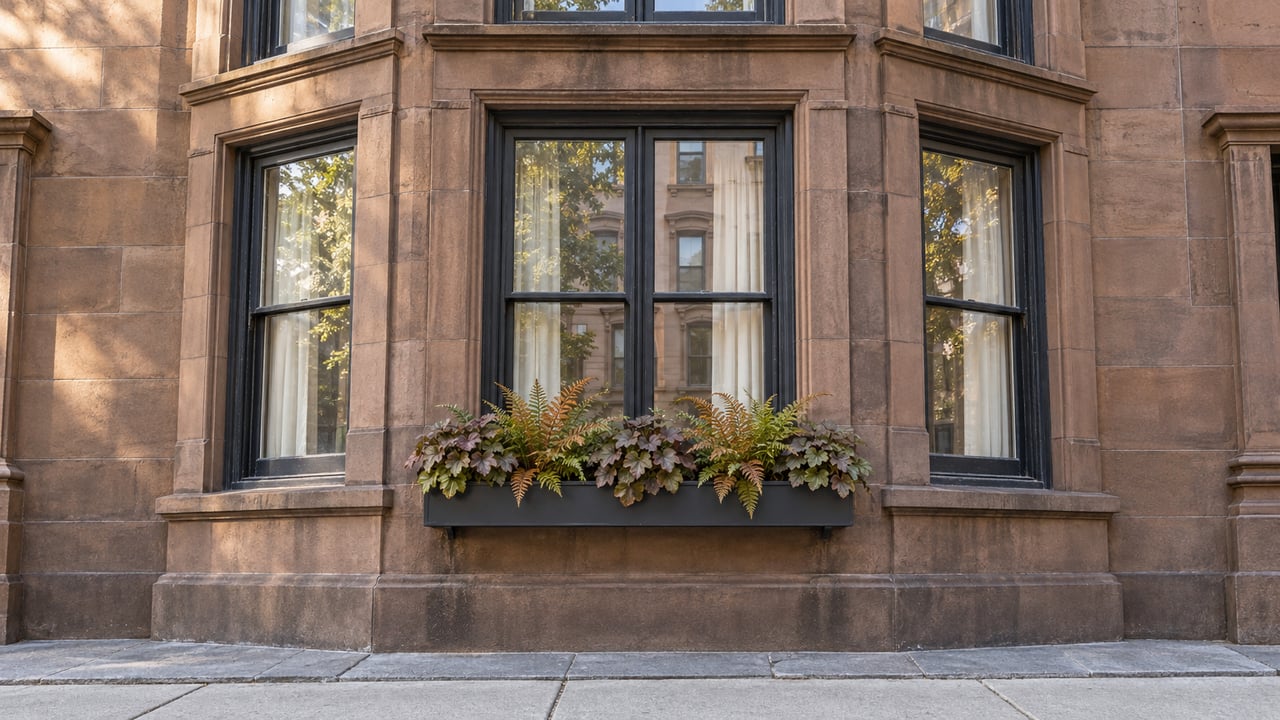
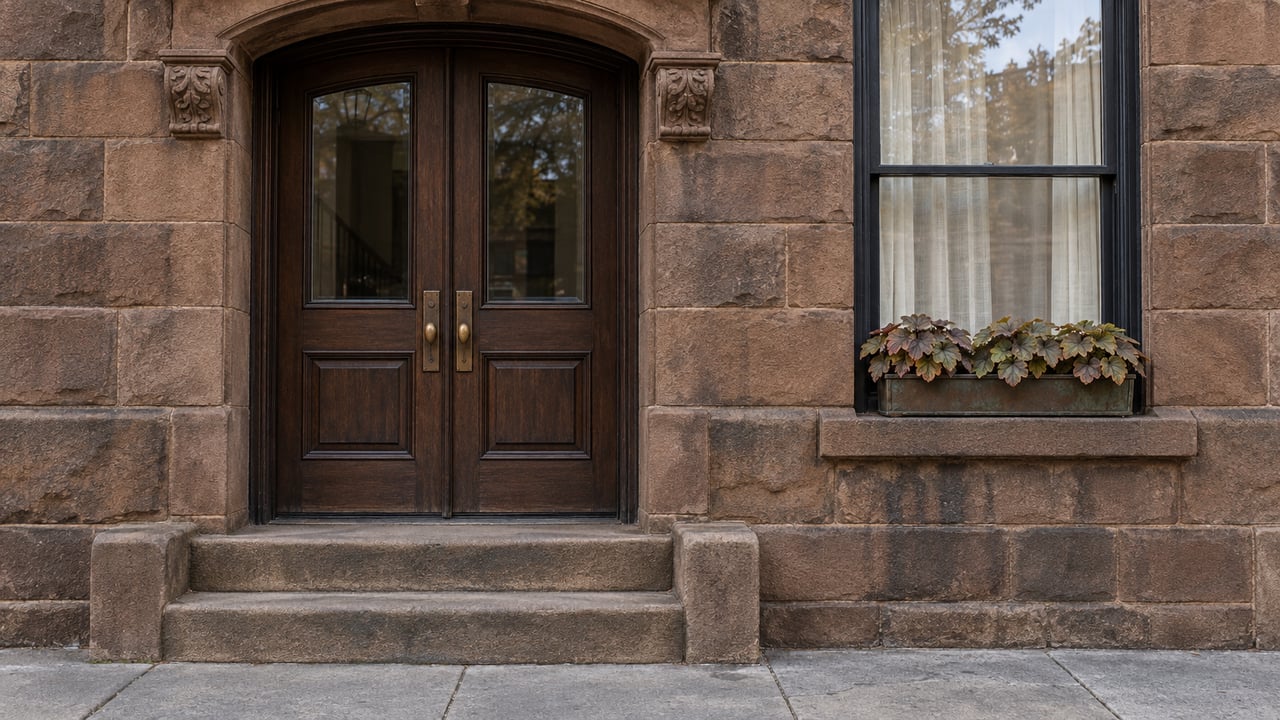
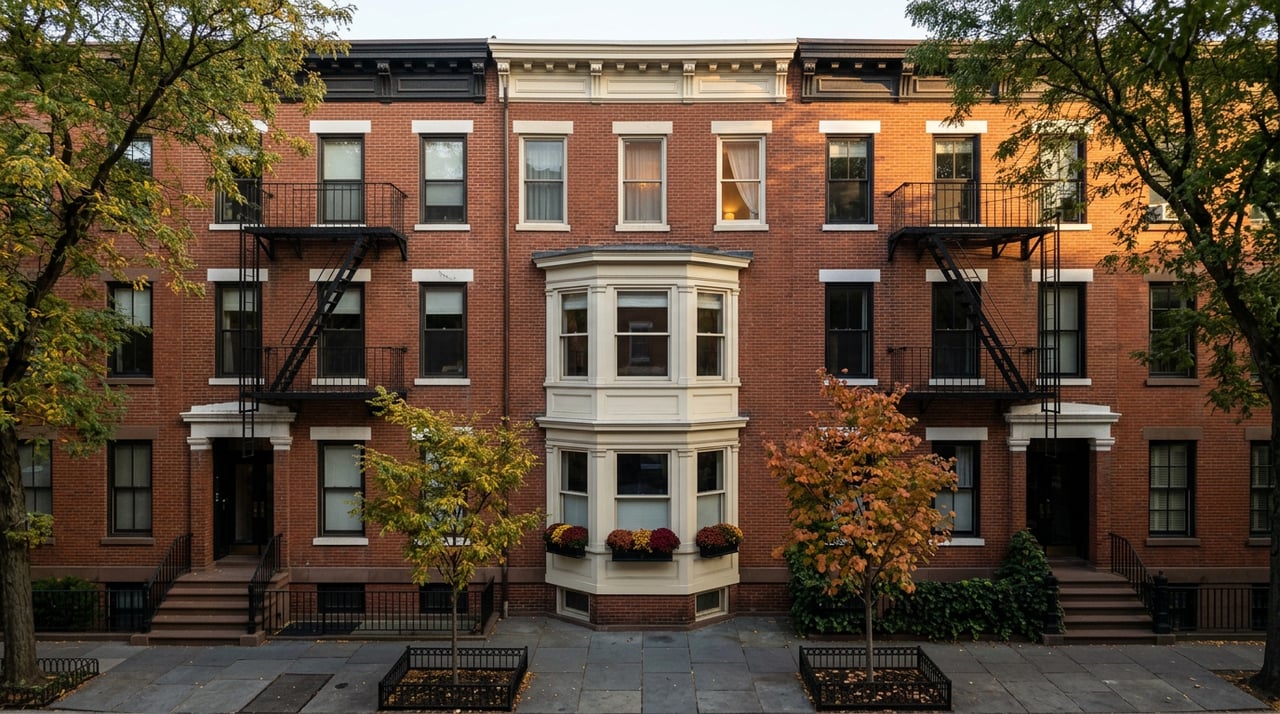
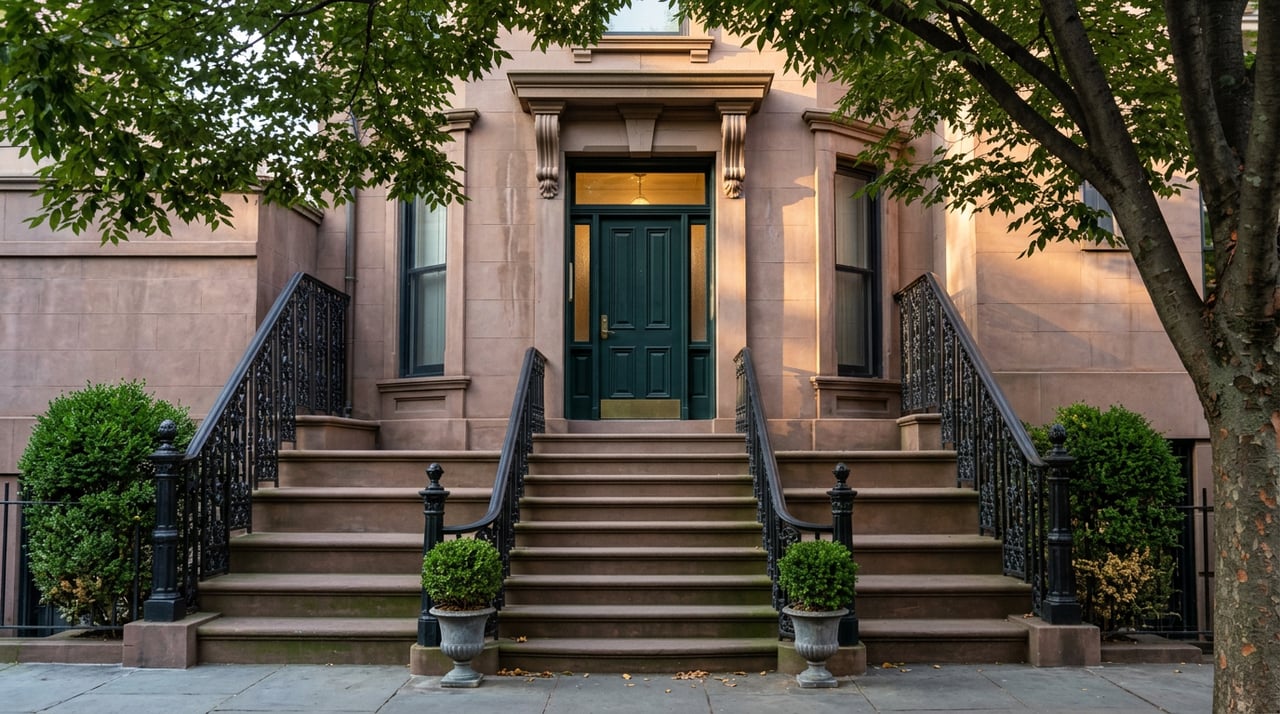
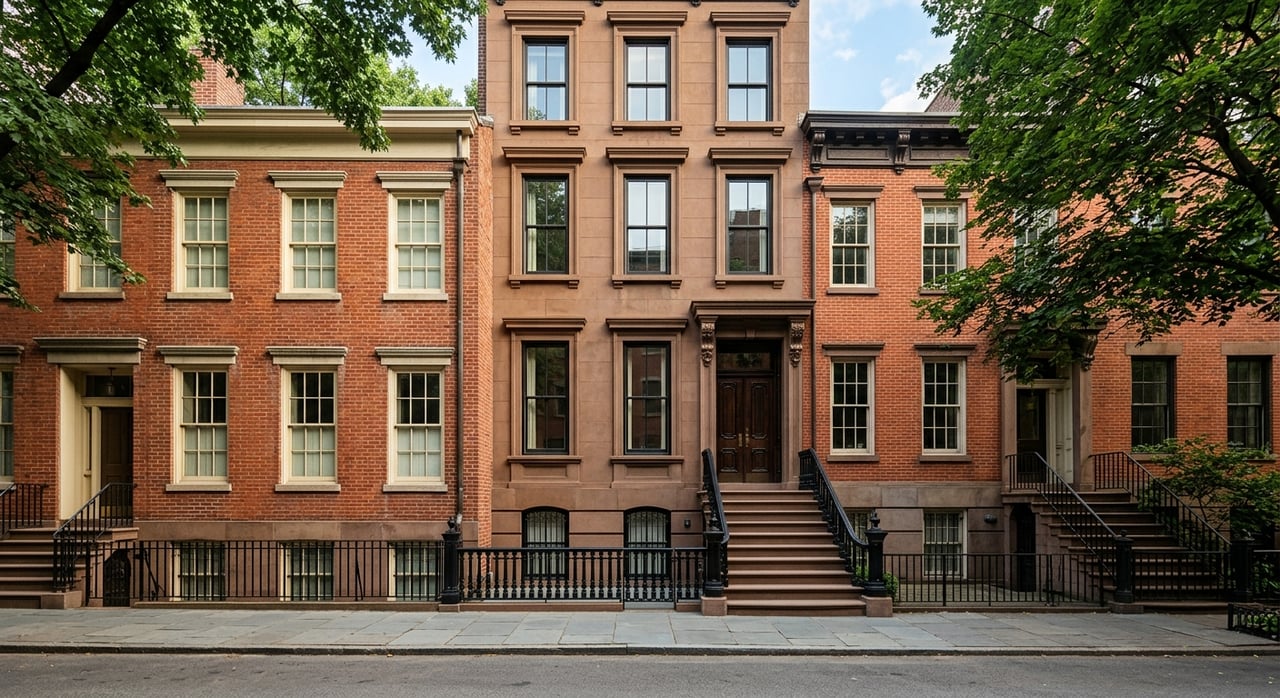
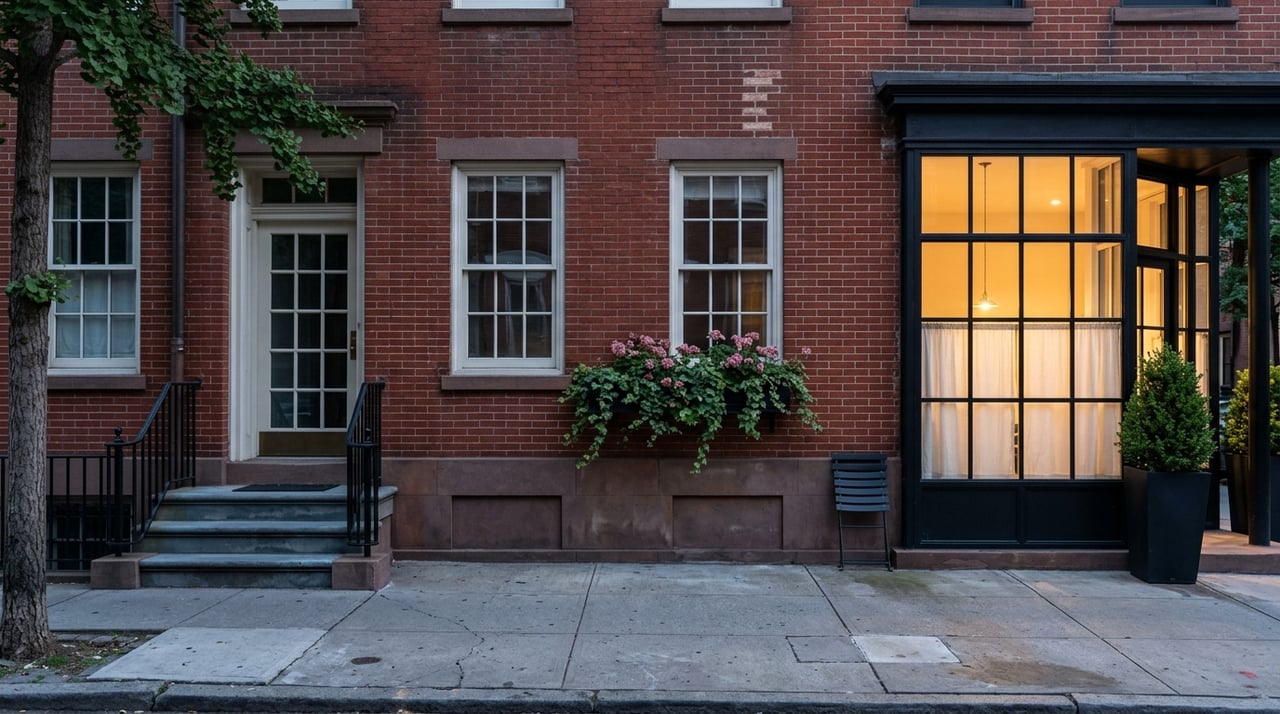
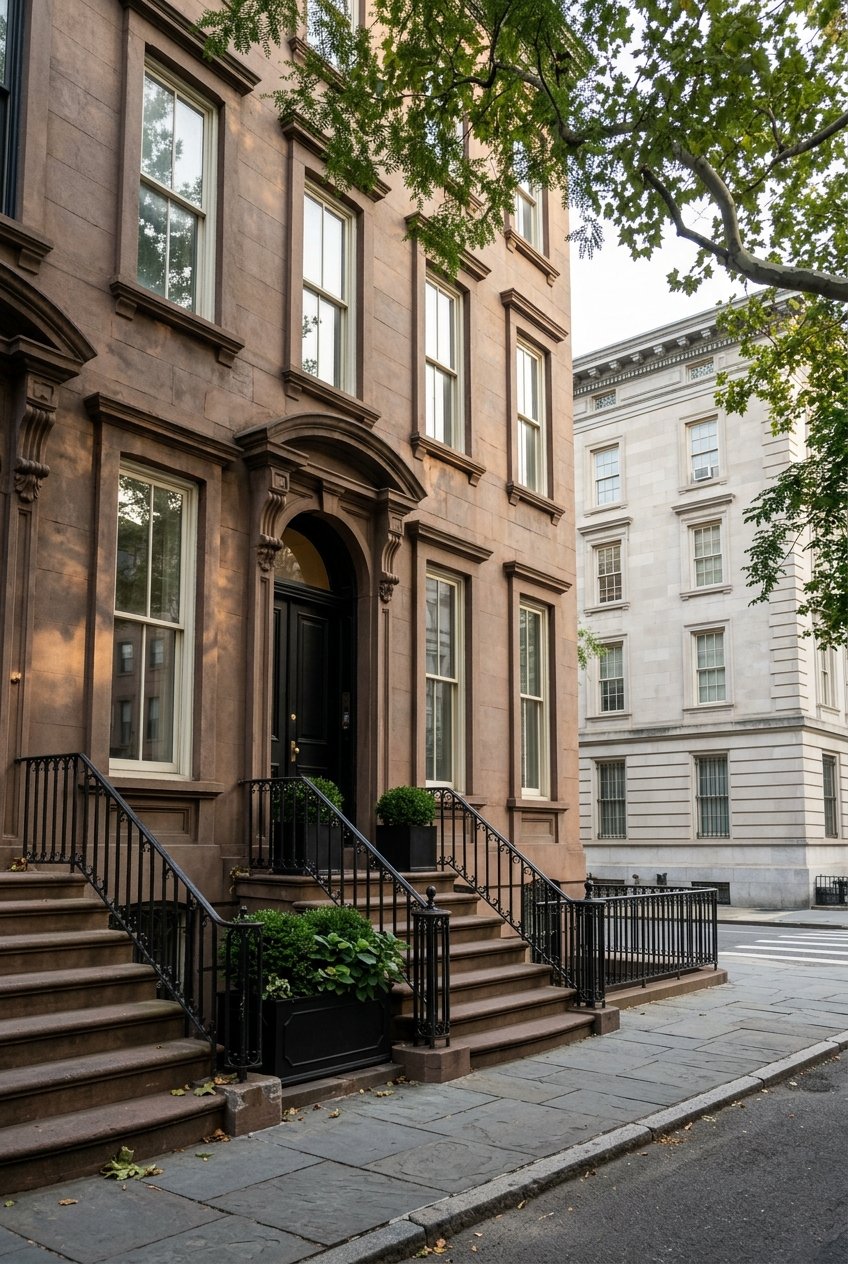
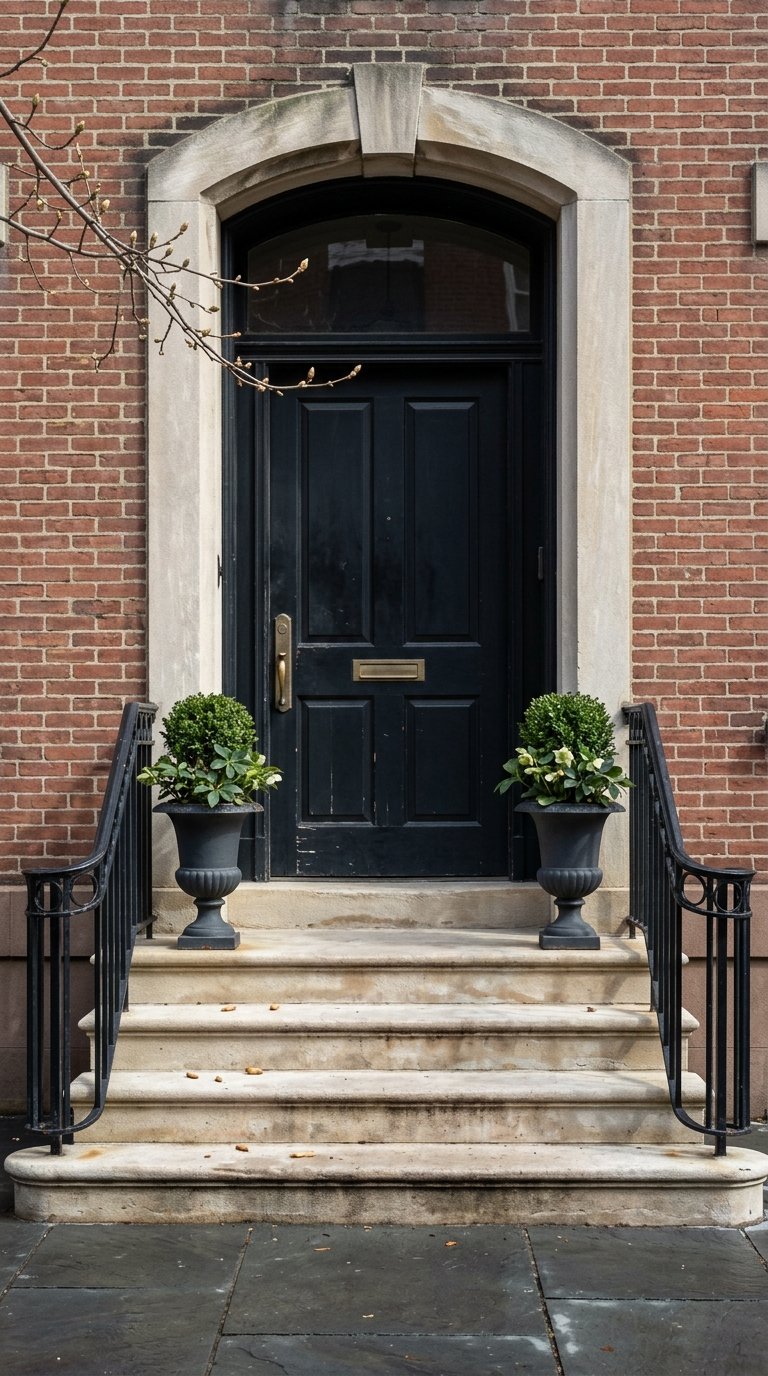
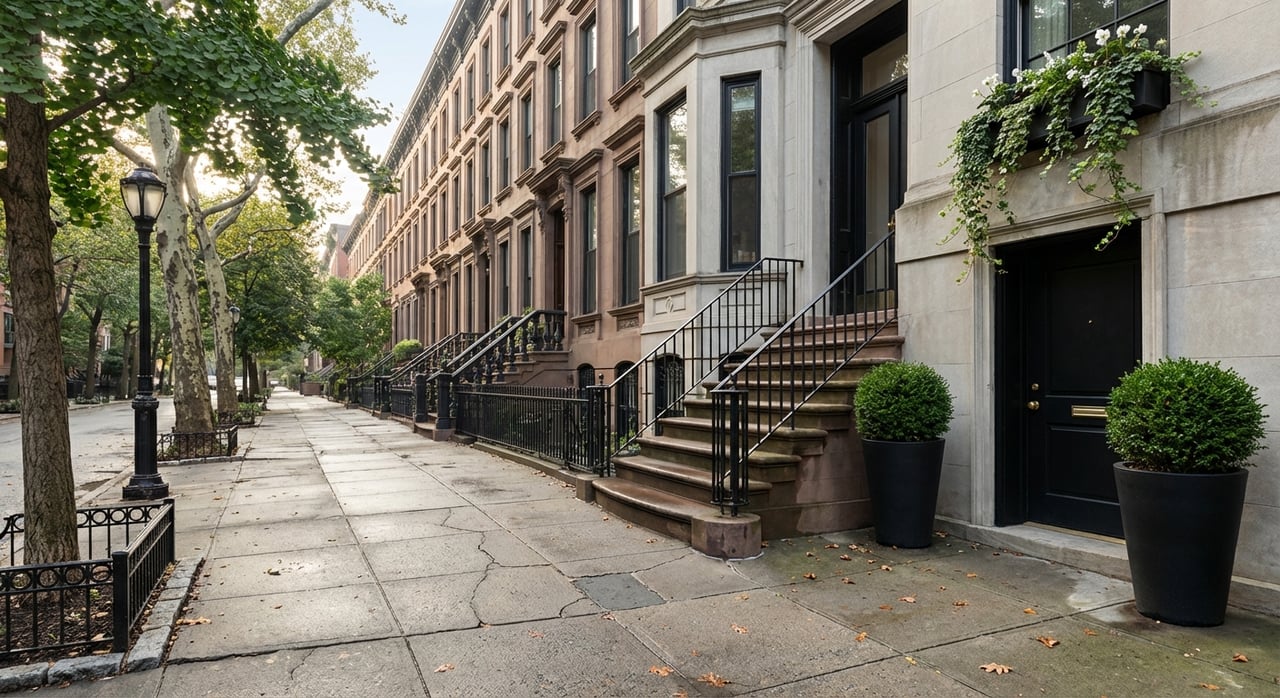
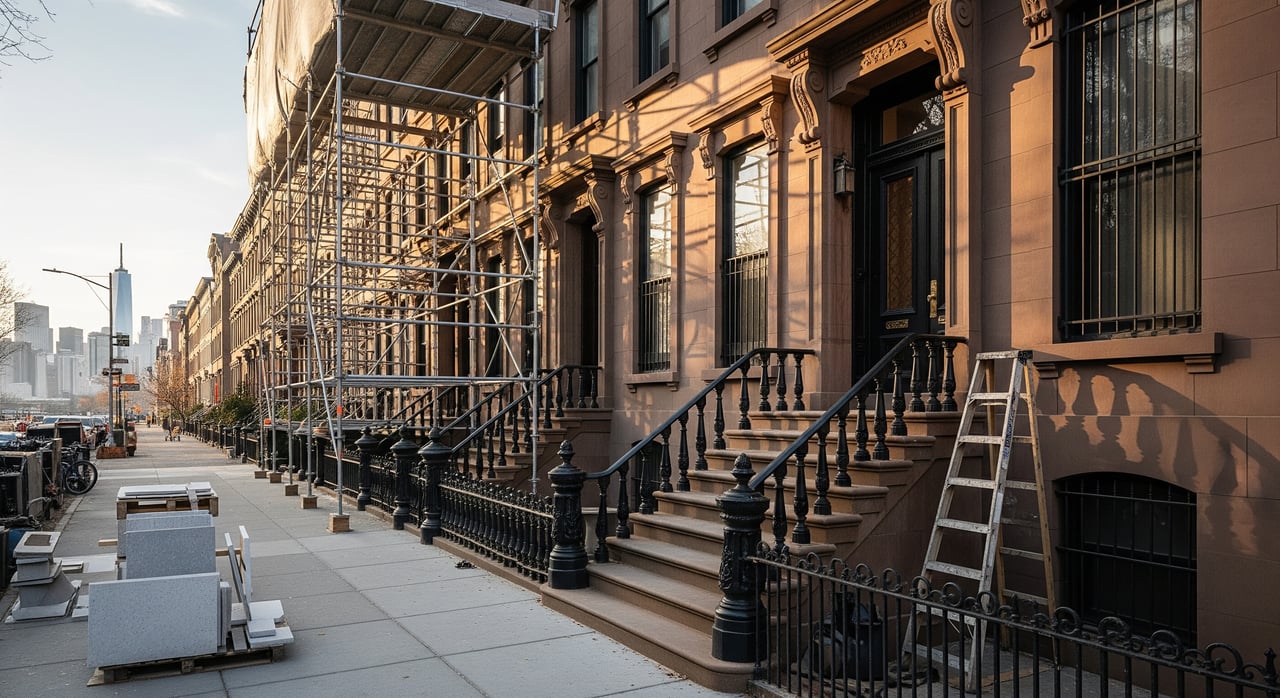
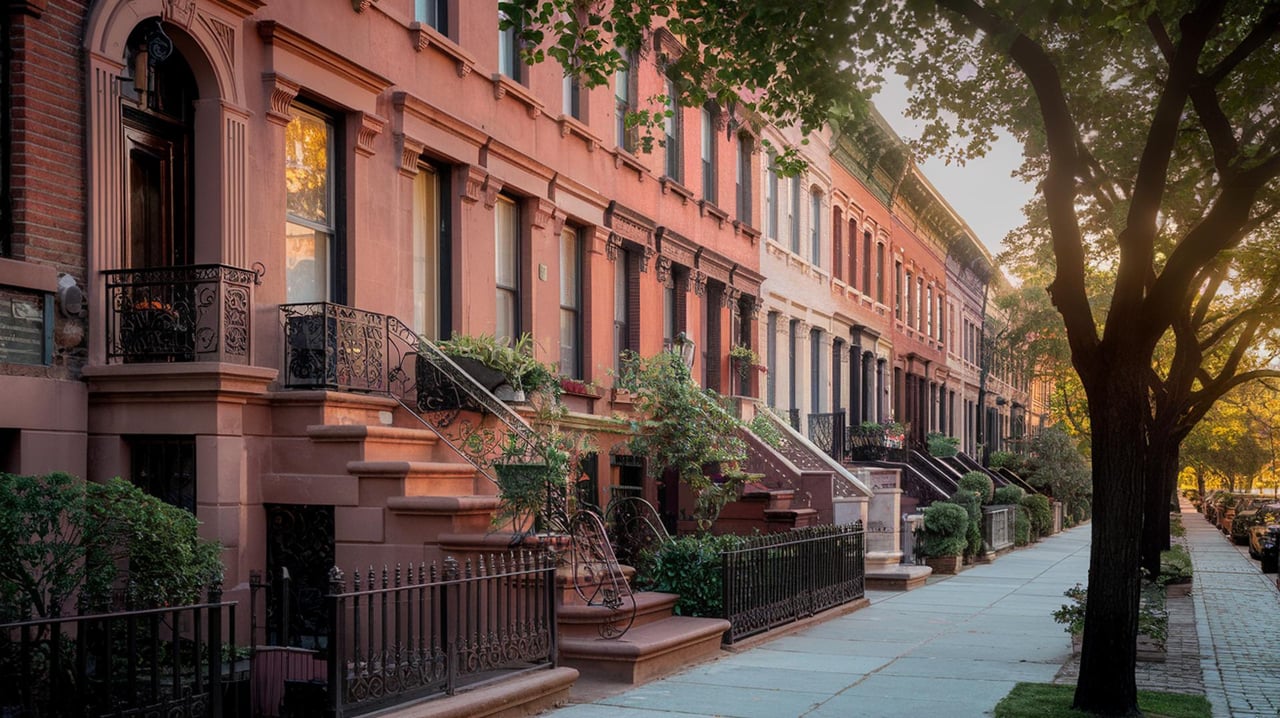
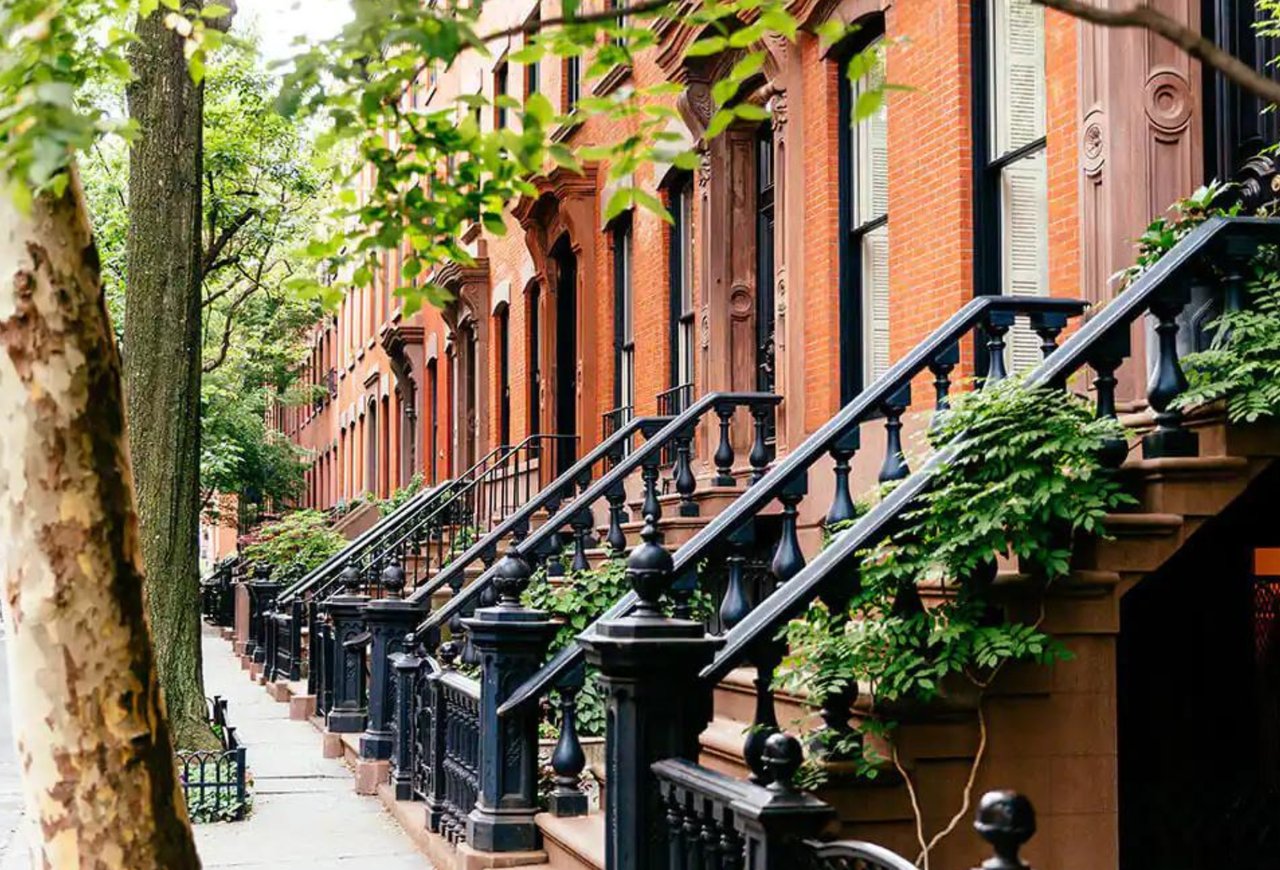
Brooklyn Heights became one of New York City's earliest historic districts in 1965, and today nearly the entire neighborhood falls inside that designation. Under the NYC Landmarks Preservation Commission's rules, any exterior change visible from a public way, windows, doors, masonry, stoops, railings, cornices, rooftop additions, requires Commission approval before the Department of Buildings will issue a permit. Interior work is usually exempt unless the interior itself carries individual landmark status.
The practical risk shows up at resale. Exterior work performed without LPC approval can trigger violations, Department of Buildings stop-work orders, fines, and required restoration, all of which surface during due diligence and can delay a closing that has nothing to do with your own renovation plans. We cover the approval tiers and realistic timelines in more depth in our guide to Brooklyn Heights landmark renovation rules, but the short version for a buyer comparing neighborhoods is this: a Heights purchase comes with a second regulatory clock that a Financial District condo purchase generally does not.
For questions specific to your building or block, the Brooklyn Heights Association maintains current guidance and can point you toward the right first call.
Two Buyers, Two Better Questions
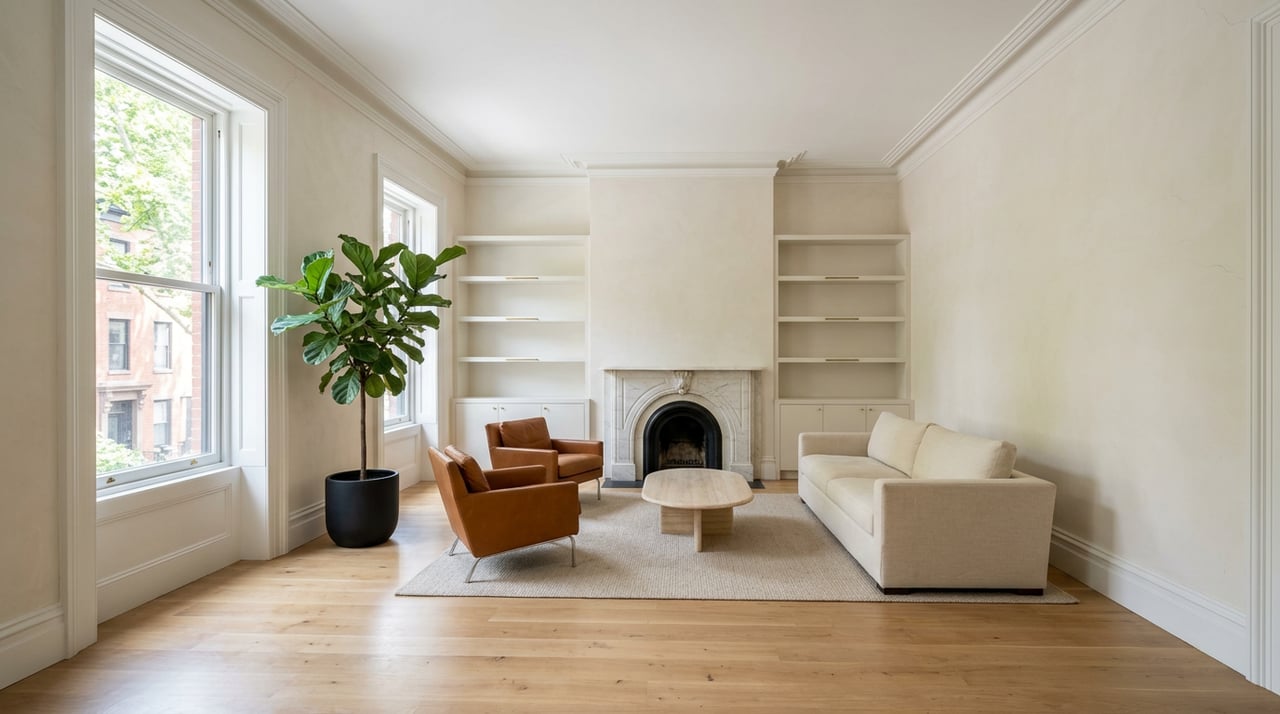
A buyer planning a long hold who wants space and is prepared to carry two years of reserves gets real value from the Heights co-op stock, often more square footage per dollar than comparable product across the river. A buyer who wants a shorter approval runway, more flexibility to rent the unit later, or a smaller down payment is better served by FiDi's condo-heavy inventory, where the board's leverage over your application is narrower by design.
The question worth asking is not which neighborhood is hotter this quarter. It is which approval process and capital structure fits your timeline. A 92 percent headline and a search-volume ranking both make good conversation. Neither one closes a deal.
Frequently Asked Questions
Does a Financial District condo board still review my finances the way a co-op board would? Yes, but its power is narrower. A condo board can request financial documentation, but its only real option to stop a sale is exercising its right of first refusal, buying the unit itself rather than letting your purchase proceed, an option boards rarely use.
How long does landmark approval add to a Brooklyn Heights renovation? It depends on scope. Minor work reviewed at the staff level can move in a matter of weeks, while a Certificate of Appropriateness for a visible facade change or rooftop addition can take several months.
Is all of Brooklyn Heights actually a historic district? Nearly all of it. The designation dates to 1965, making it one of New York City's earliest historic districts, and it covers the majority of the neighborhood's residential blocks today.
If you are weighing a Brooklyn Heights co-op against a Financial District condo and want to know what a specific building's board actually expects, or how landmark status touches a property you are considering, Daniel Kramp can walk through the numbers with you block by block. Let's connect for a private consultation.
This article is general information, not legal, tax or financial advice. Consult a qualified professional about your situation.