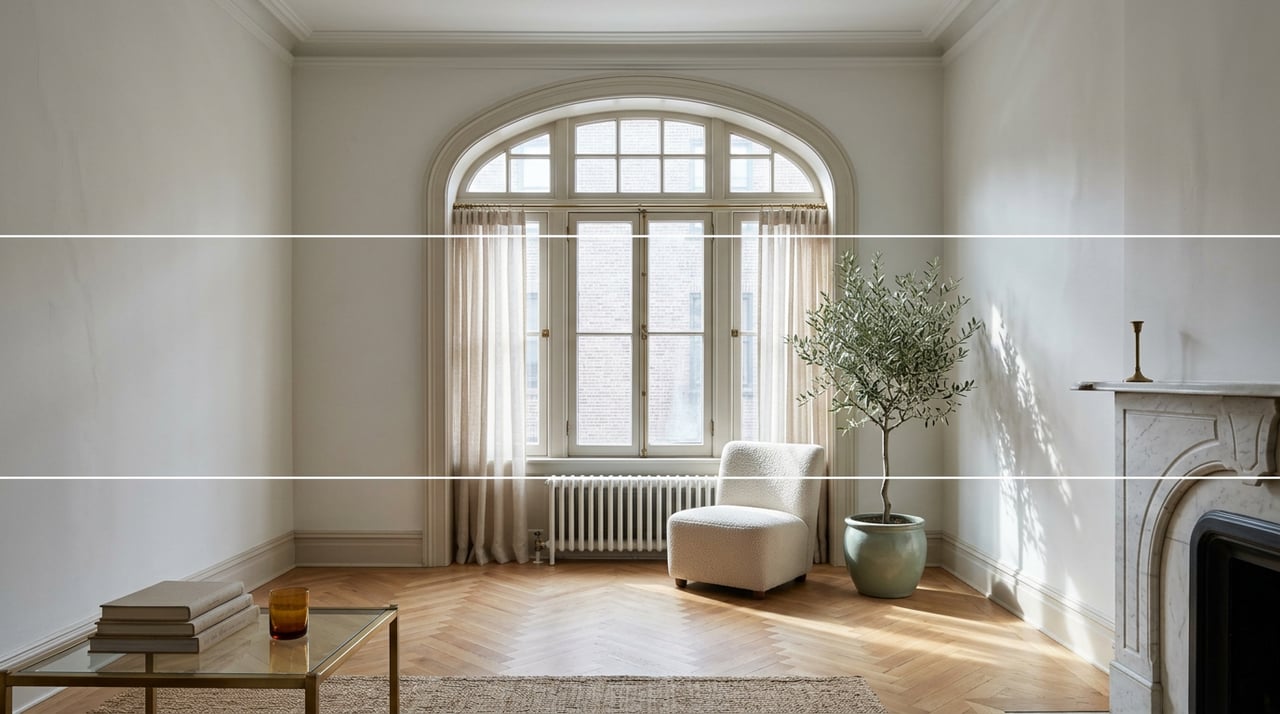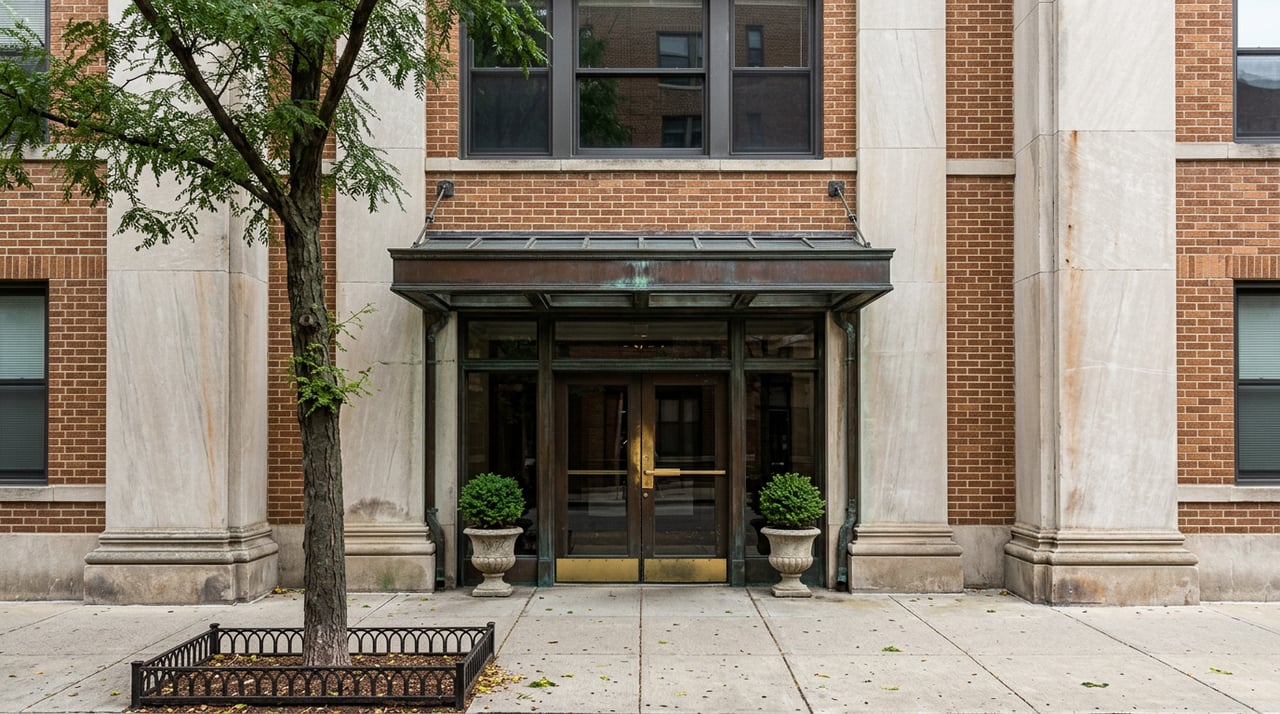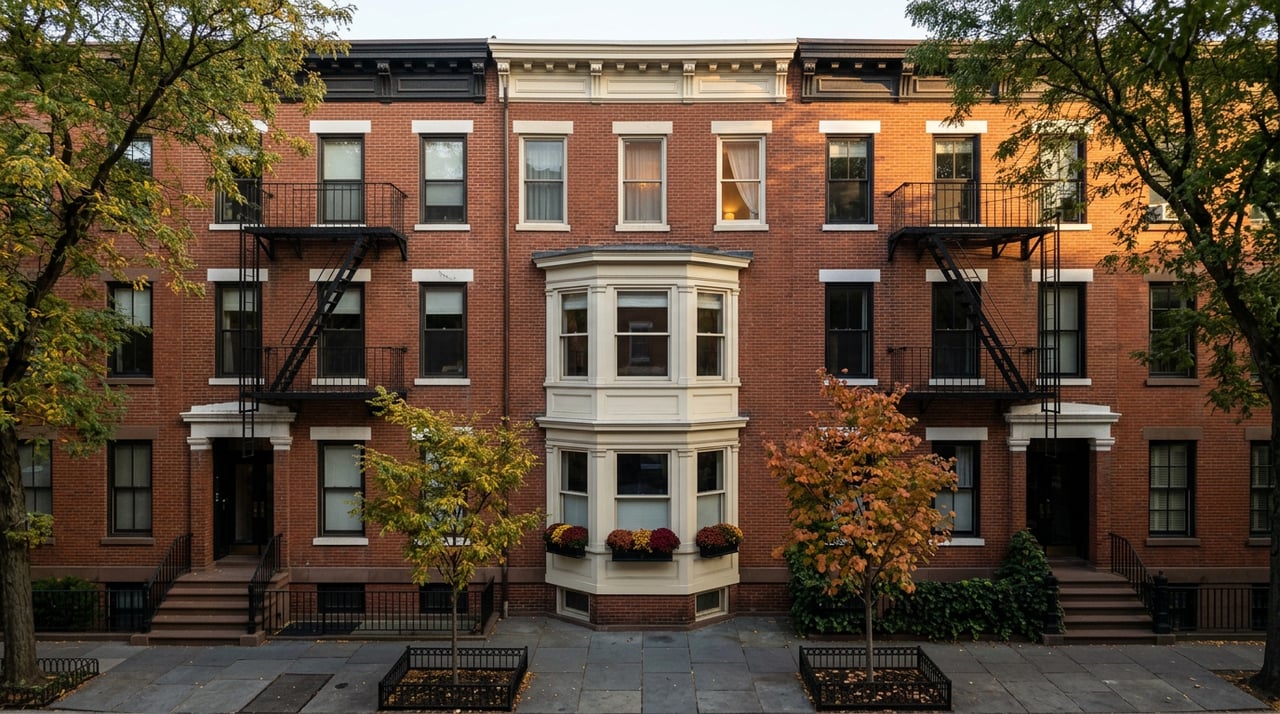
A client called me in late July with what she thought was good news. She had a signed contract on a two-bedroom co-op on Bank Street, and her attorney had just told her about a new city law that puts a hard deadline on how long a board can take to decide. Forty-five days, tops. She was already picturing the closing date and, not far behind it, the architect she wanted to bring in for a kitchen and a rear window she'd been eyeing since the first walkthrough.
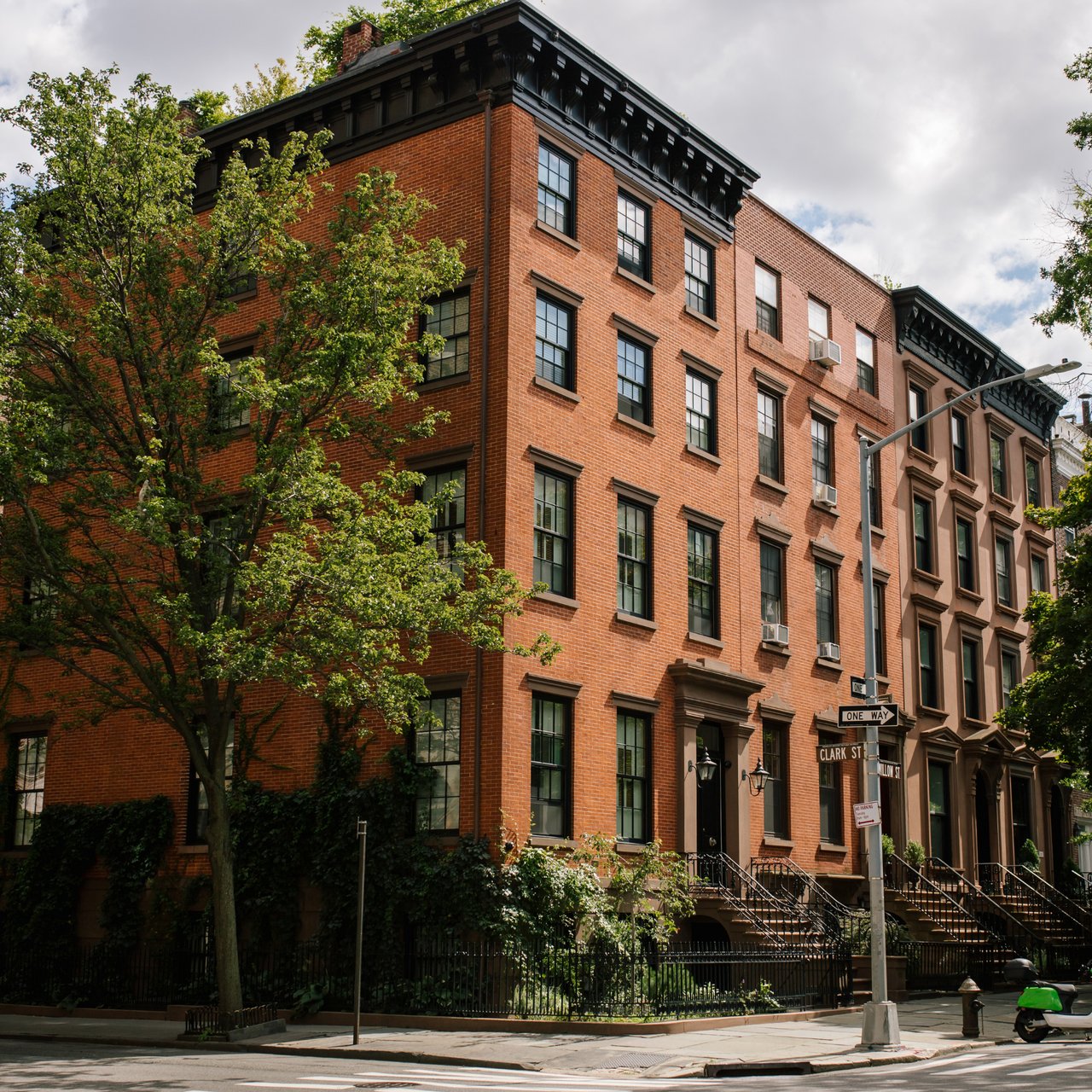
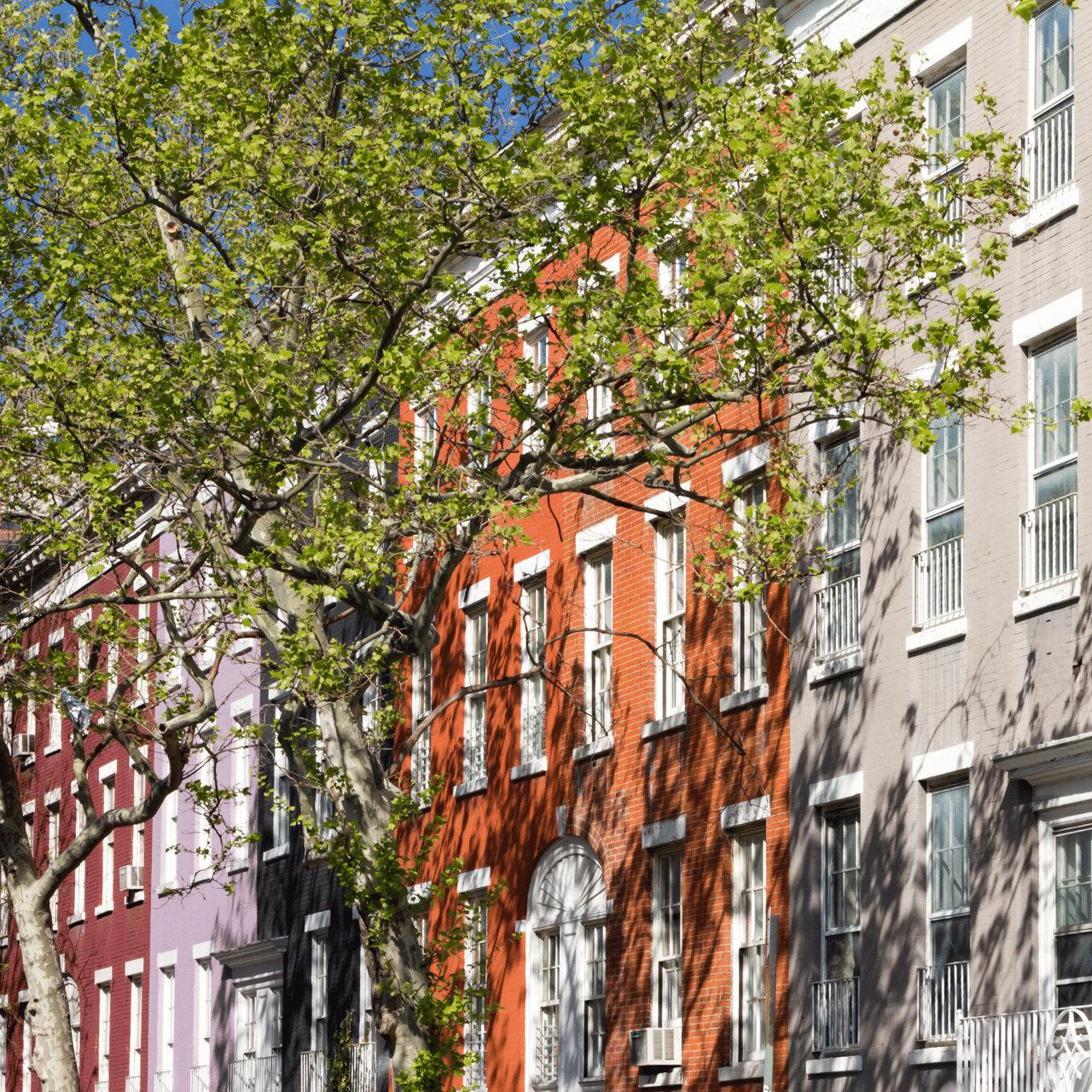
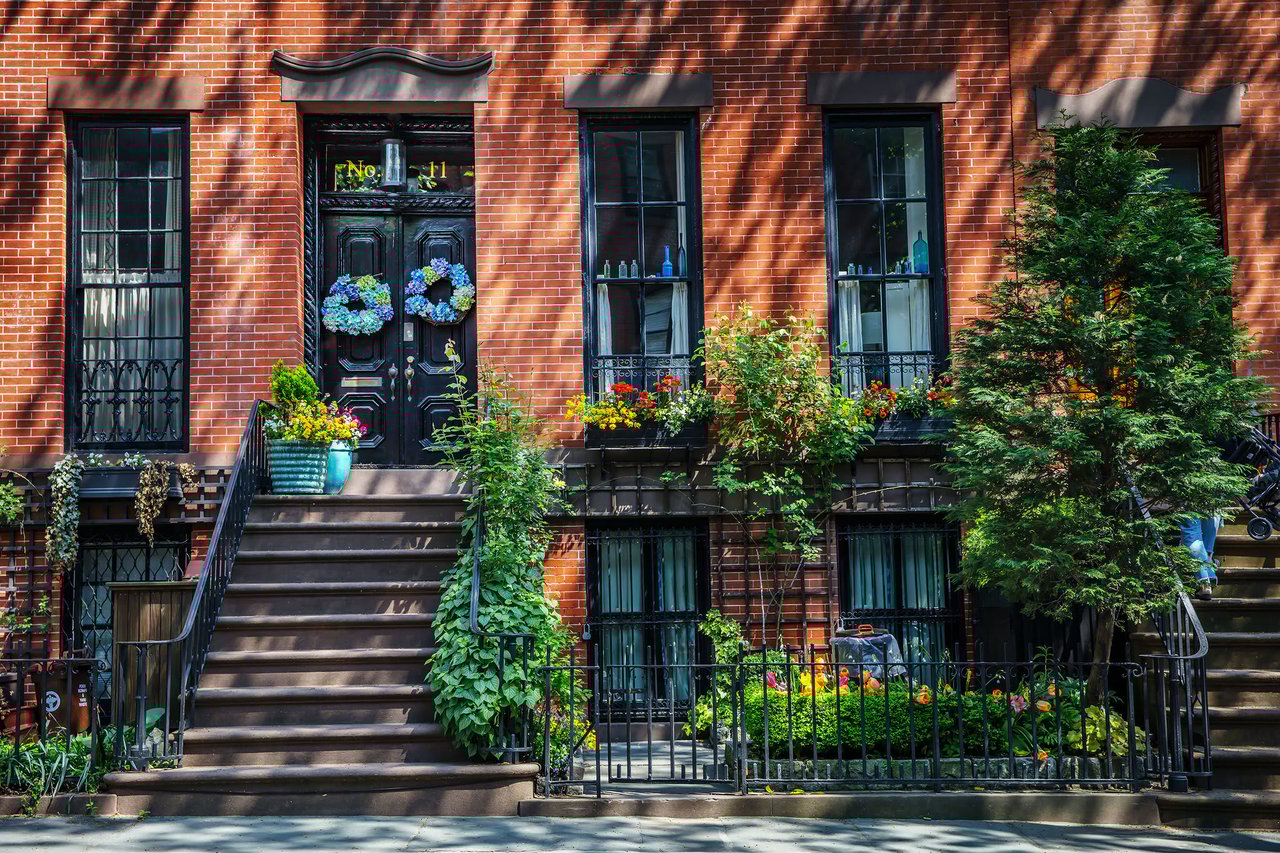
I had to tell her the truth about how this neighborhood actually works. The board might move in six weeks now. The building she's buying into sits inside the Greenwich Village Historic District, and nothing about the new law touches the agency that will decide whether she can touch that window from the outside.
What Actually Changed on July 28
New York City's Cooperative Application Timeline Law, known through its legislative history as Intro 1120-B, took effect on July 28, 2026. It's a real shift in how co-op boards have to operate, and it applies to any covered building with ten or more units. Once a purchase application lands with the managing agent, the board has 15 days to say in writing whether the file is complete. If they miss that window, the application is treated as complete automatically, which starts the clock whether the board is ready or not. From there, the board has 45 days to approve, approve with conditions, or deny.
Boards get one 14-day extension without needing anyone's permission, and they can adopt a written summer recess policy to pause the clock in July and August, but only if that policy was adopted and disclosed before the law took effect. The City Council passed the bill 46 to 2 in December 2025. The mayor vetoed it. The Council overrode the veto on January 29, 2026. Buildings that miss the deadlines face civil penalties starting at $1,000 for a first violation, enforced through the city's Department of Housing Preservation and Development.
Condos are exempt. So are HDFC co-ops and buildings under Mitchell-Lama. For everyone else, this is the first time a co-op board in this city has operated under an enforceable clock instead of its own calendar.
Why the Village Deal Still Doesn't Move Faster
Here's the part that surprises people who read the headlines and stop there. A faster board doesn't compress your actual timeline if your timeline was never really about the board.
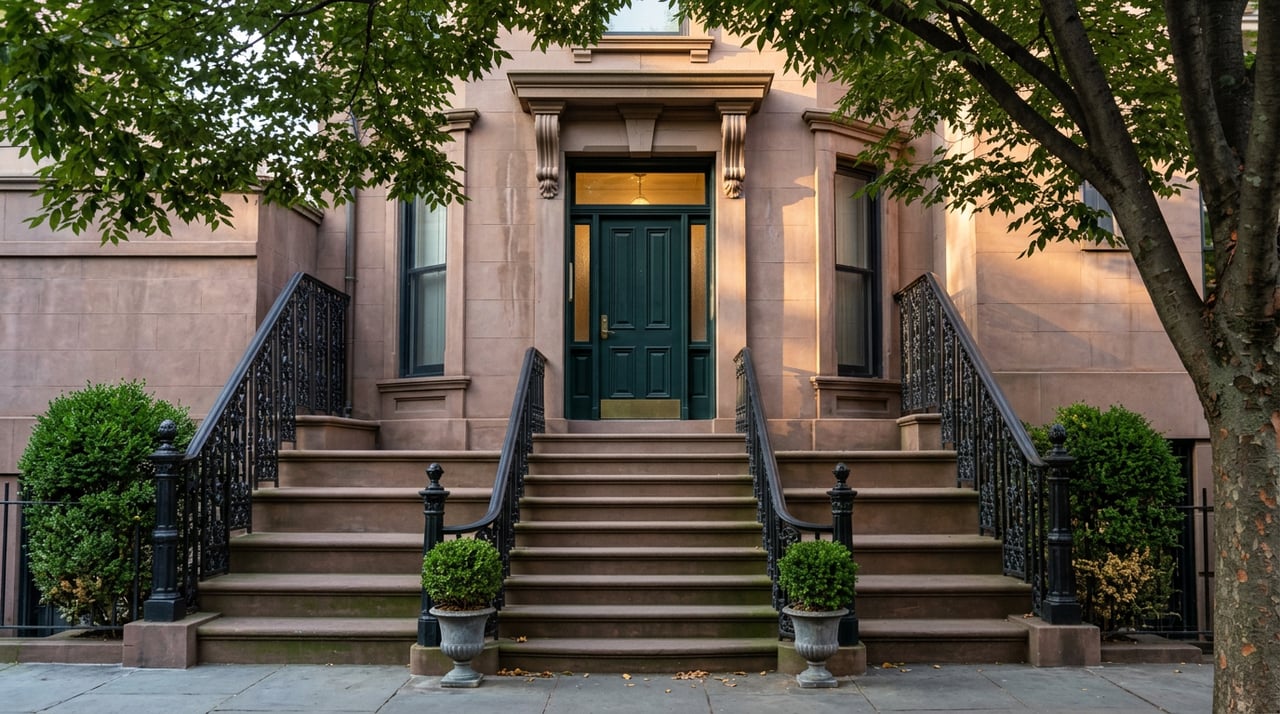
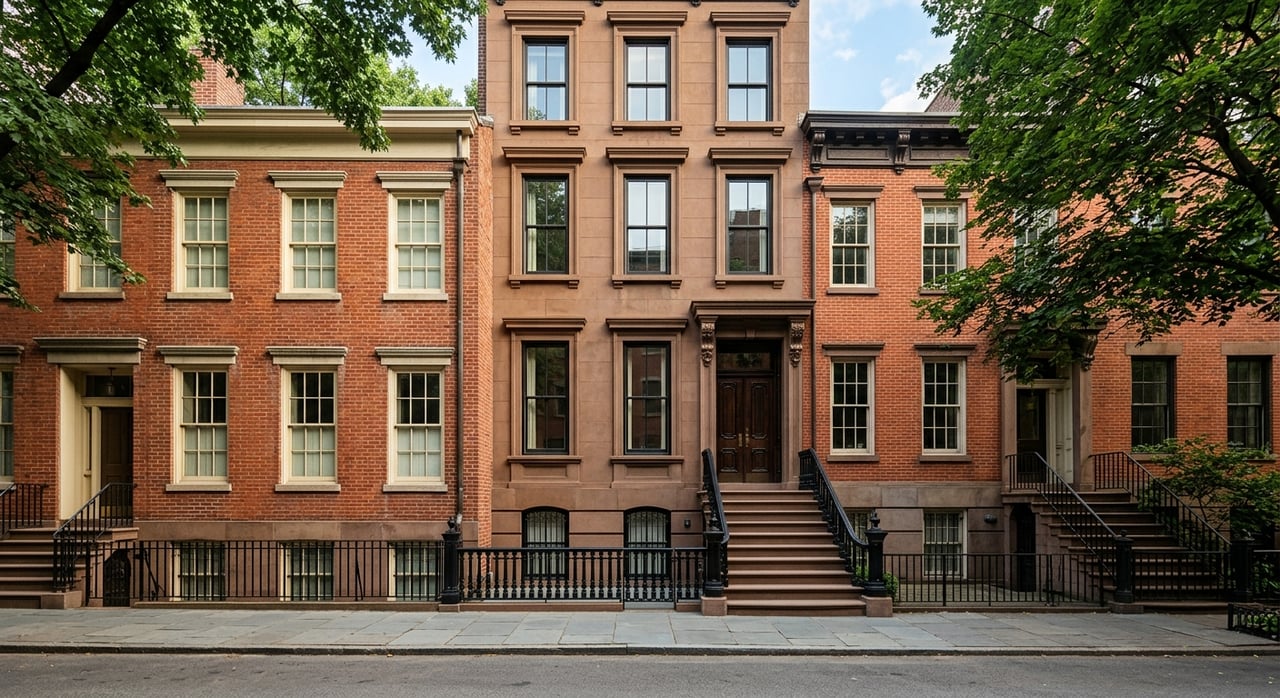
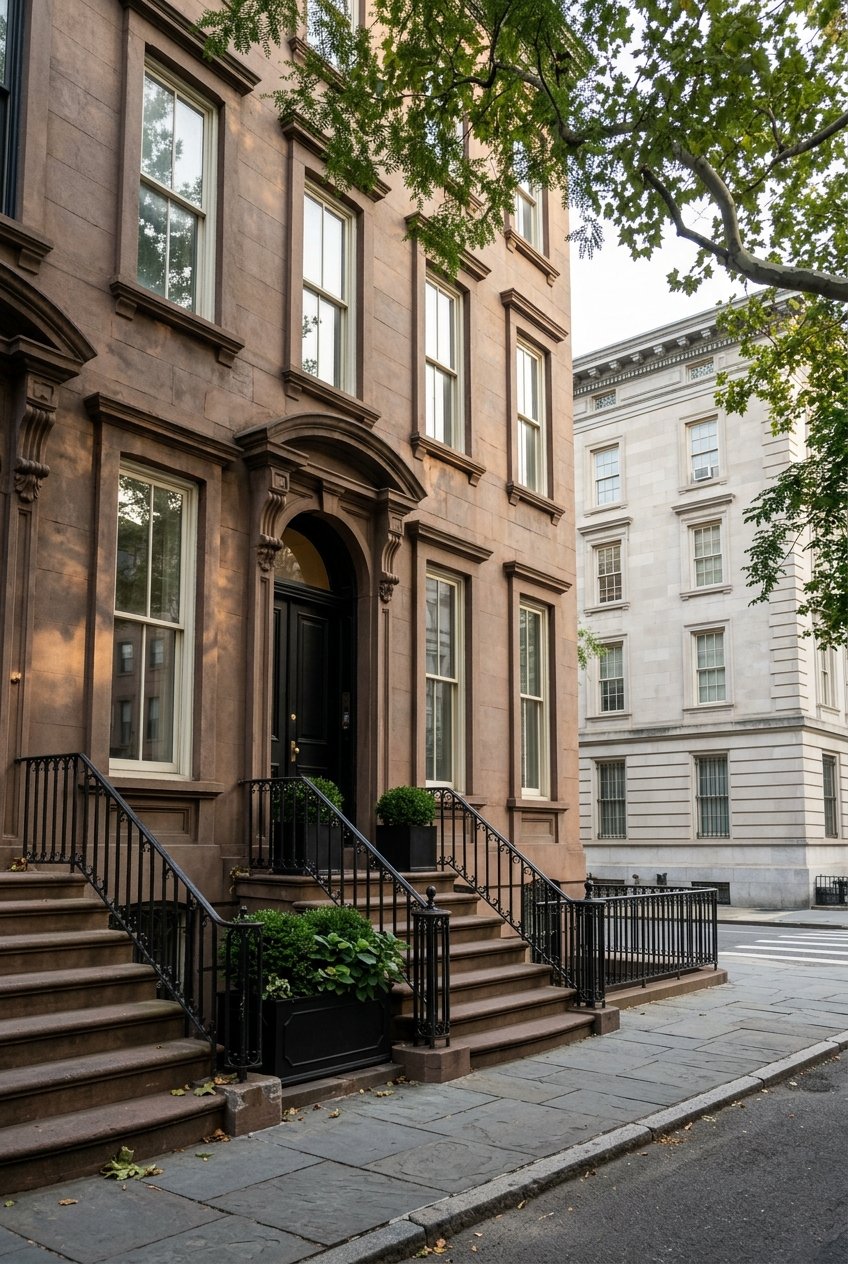
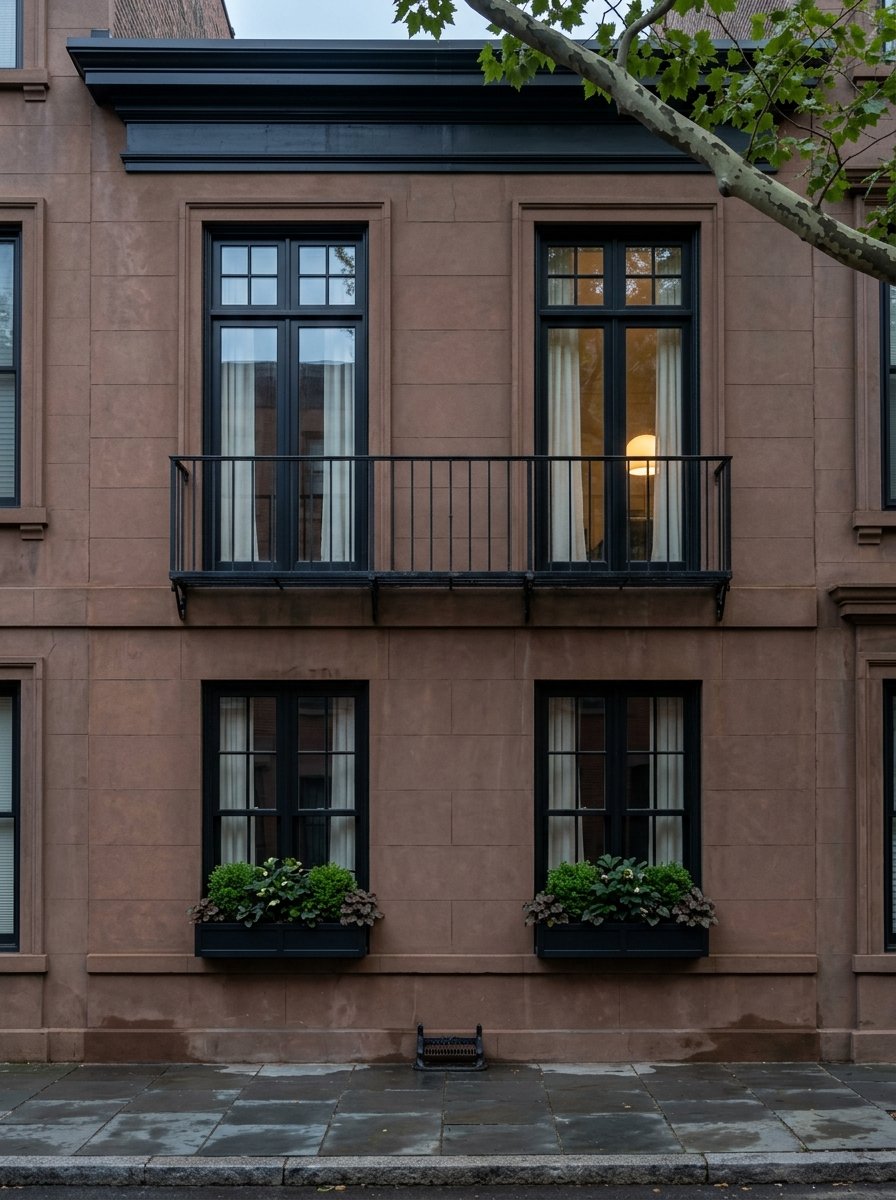
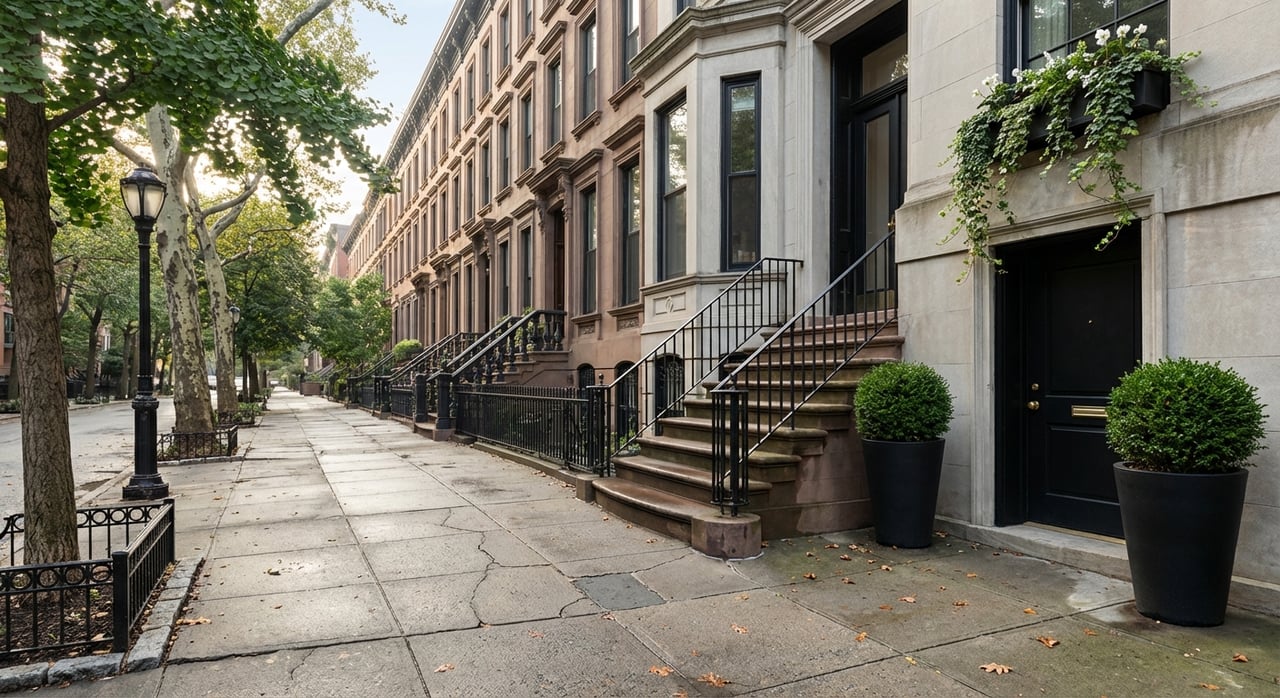
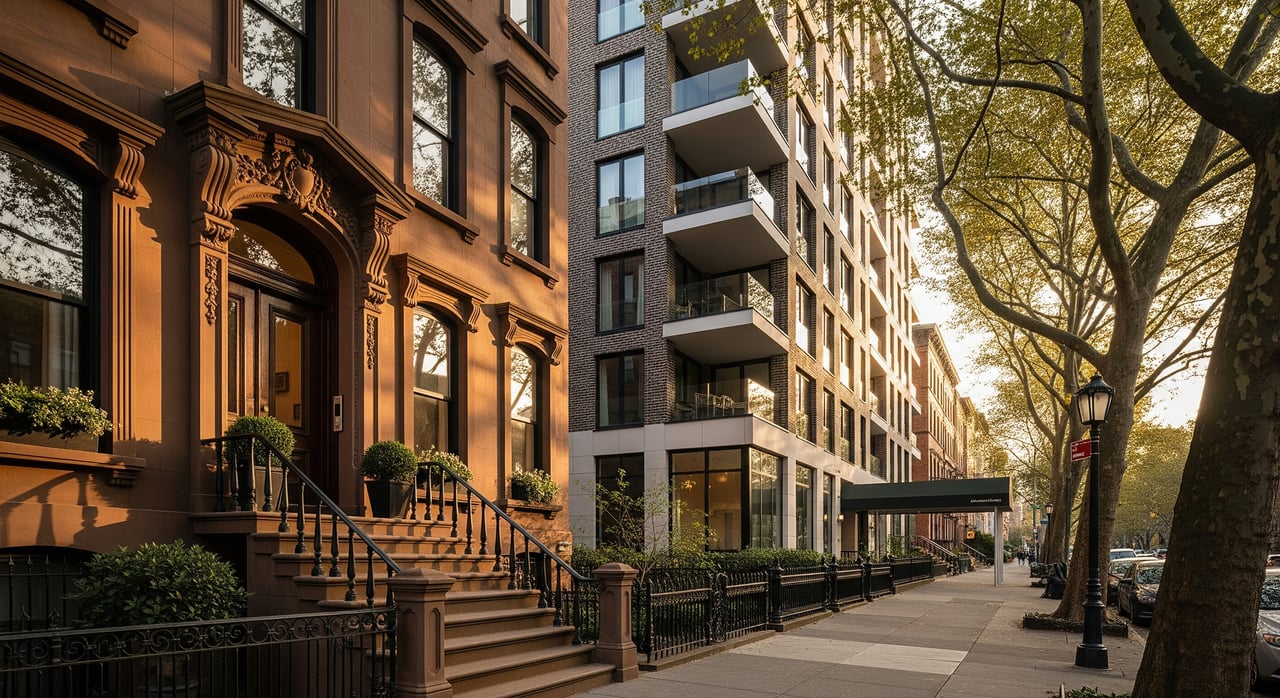
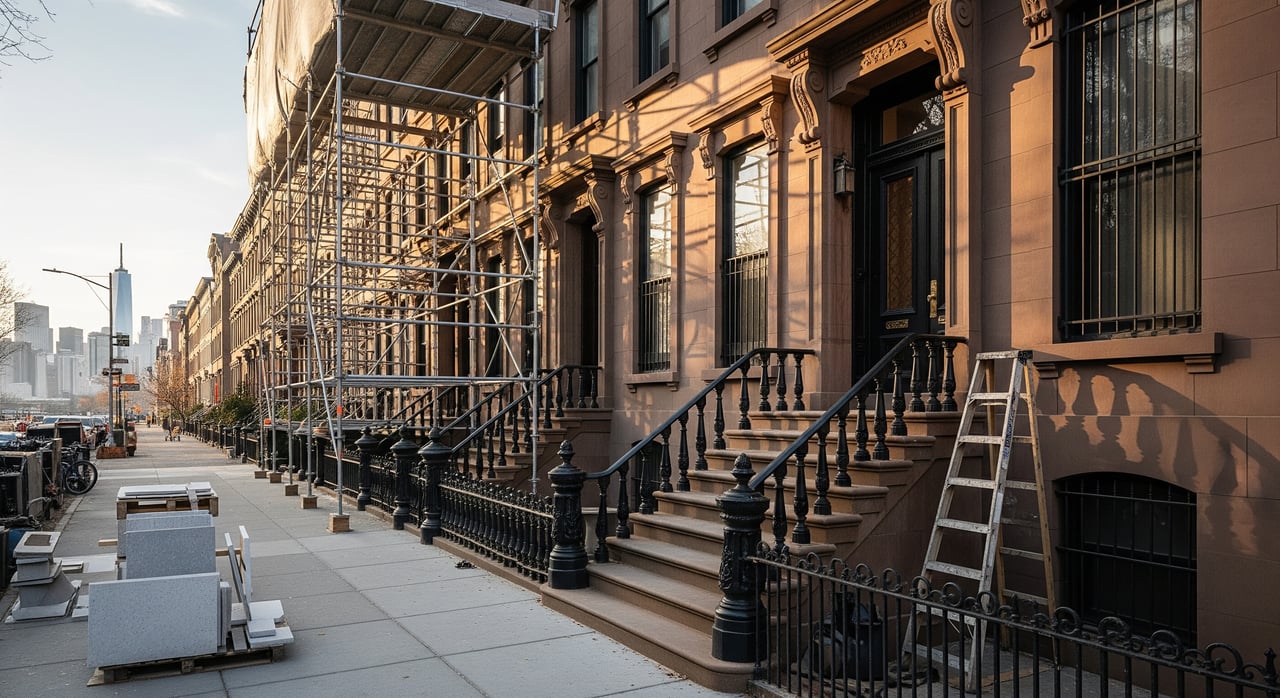
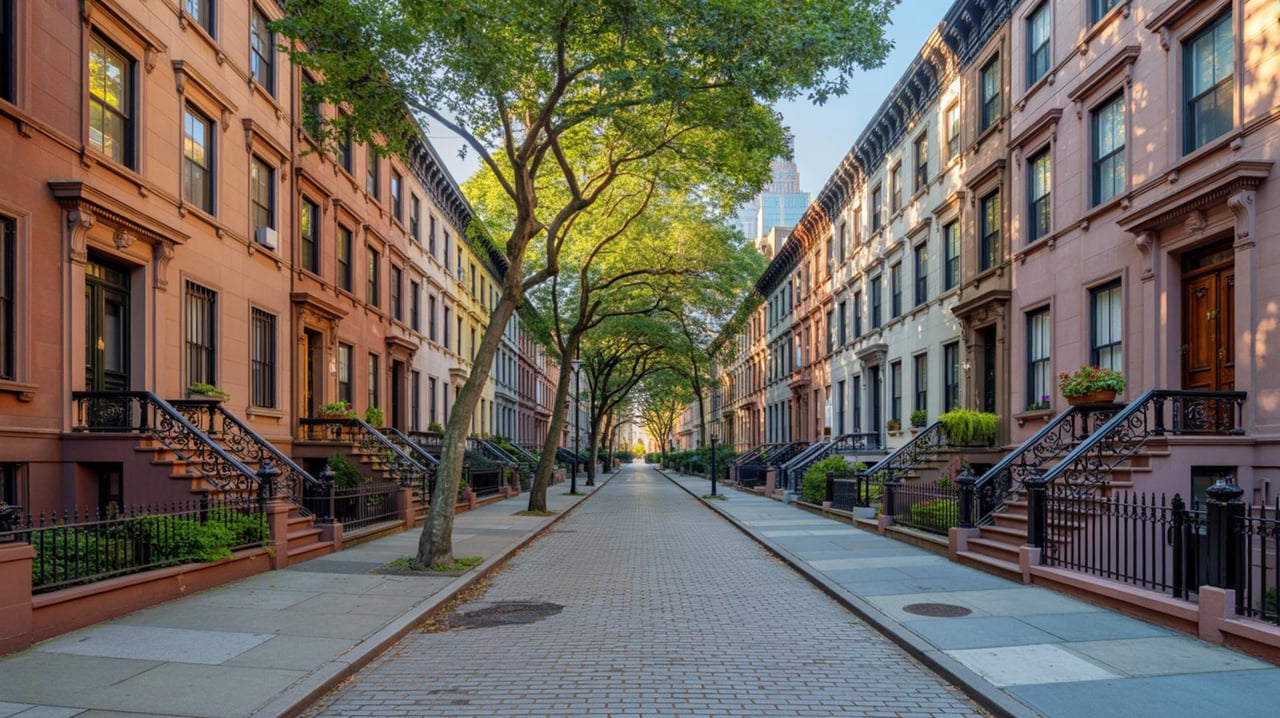
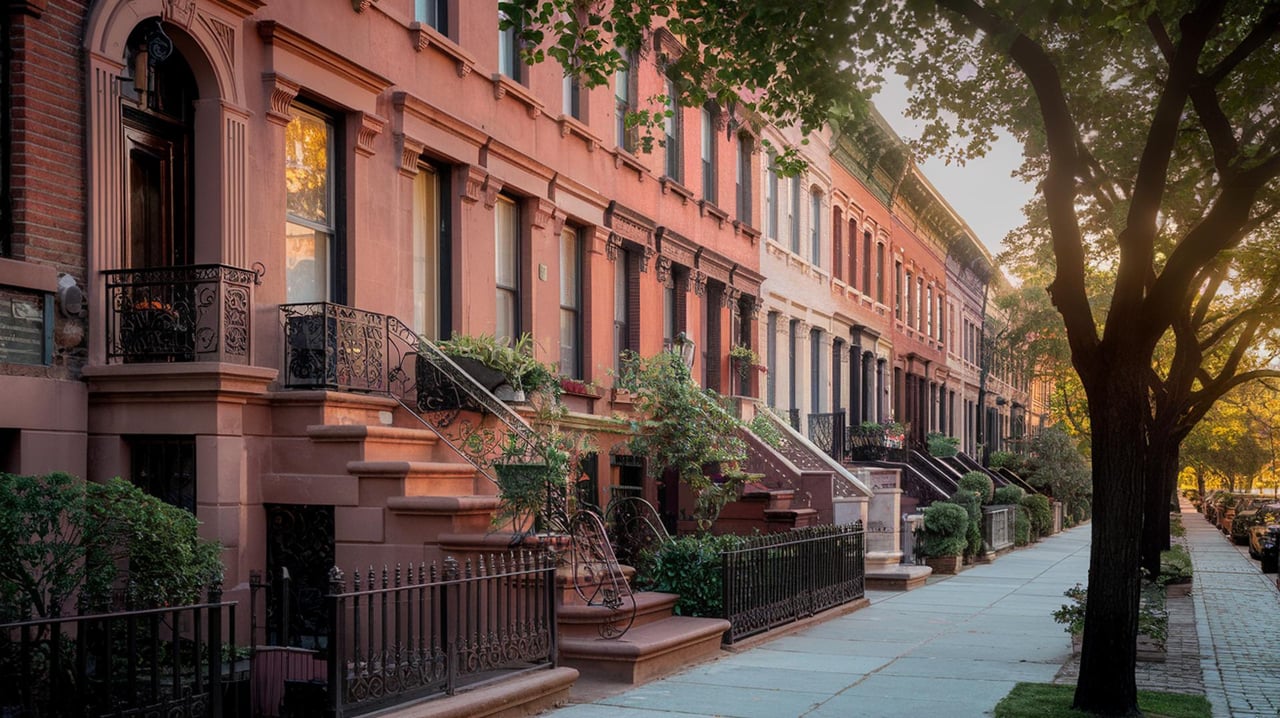
Greenwich Village Historic District, designated in 1969, covers roughly 2,200 buildings across about 100 blocks. Inside that boundary, any exterior alteration visible from a public way, whether it's a window, a stoop, a rooftop addition, or a rear extension, needs sign-off from the Landmarks Preservation Commission before the Department of Buildings will even look at a permit application. Interior work is generally left alone. Anything that changes what the street sees is not.
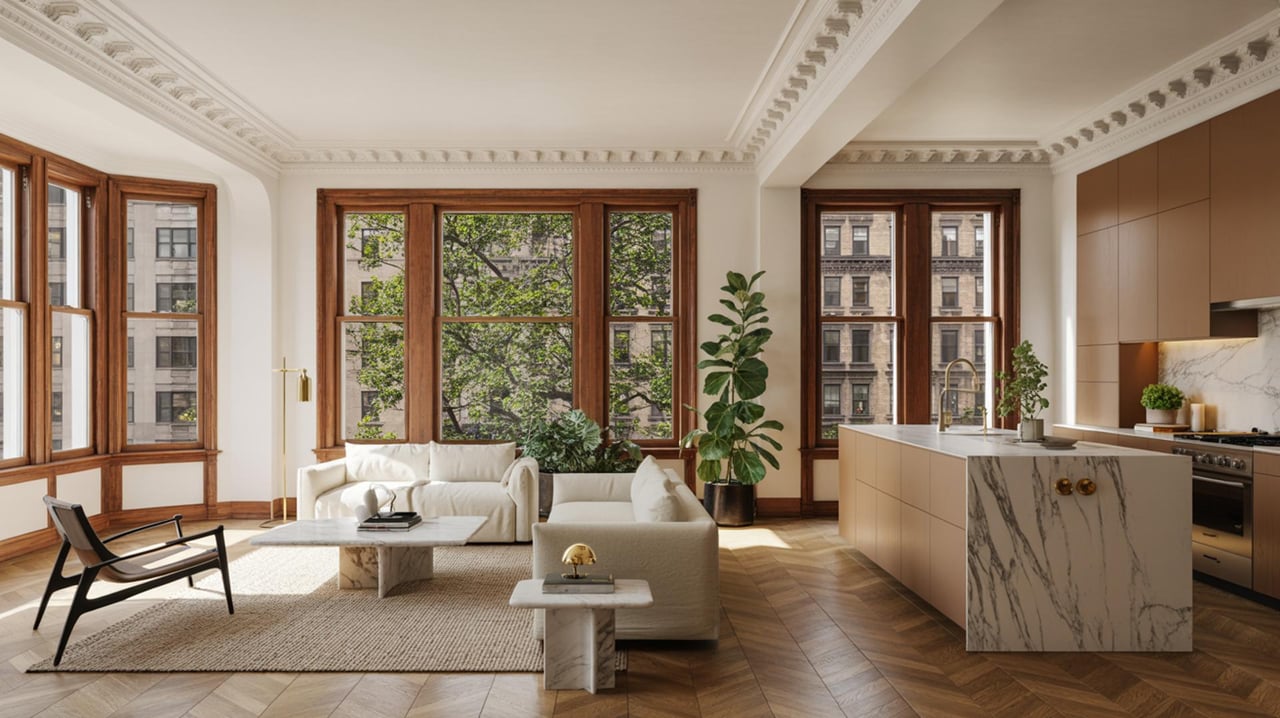
For a buyer who plans to live in the apartment exactly as it is, the new 45-day board clock is a genuine improvement. For a buyer who's already picturing a renovated kitchen with a new window line, or a rear yard extension on a townhouse, the board was rarely the long pole in the tent. It's the LPC review that sets the outer edge of the calendar, and that review runs on a schedule the co-op timeline law never touches.
The Second Clock Nobody's Measuring
LPC has two main pathways. A Certificate of No Effect covers in-kind restoration work, replacing a window with an identical replica, repairing ironwork, repointing a facade with matching mortar. That typically clears in four to eight weeks. A Certificate of Appropriateness is required when the work changes what's visible from the street, and that path runs longer. Straightforward cases can move in three to nine months. Rooftop additions, rear yard excavations, and anything that draws community comment can stretch past that, sometimes well past a year once revisions and hearing dates are factored in.
Village Preservation, the nonprofit that has tracked every LPC application in the district for decades, keeps a running log of what's currently in front of the Commission. As of this year, that log includes a rear yard and rooftop addition on Washington Street between Bethune and Bank Streets, an elevator enclosure on Bethune Street, and lintel and sill replacement on West 12th Street, each moving through its own sequence of Community Board presentation, LPC public hearing, and, in several cases, a request for modifications before final approval. None of these are hypothetical. They're what's actually in process right now, and they show the range: a lintel repair is a matter of weeks, a rooftop addition is a matter of months, sometimes with a second hearing before the Commission signs off.
Before it reaches LPC, most exterior work also passes through Manhattan Community Board 2, whose Landmarks and Public Aesthetics Committee reviews applications and issues advisory resolutions. CB2 doesn't have final say, but its input is part of the record LPC considers, and it adds its own meeting cycle to the front end of the process.
What a Real Project Looks Like
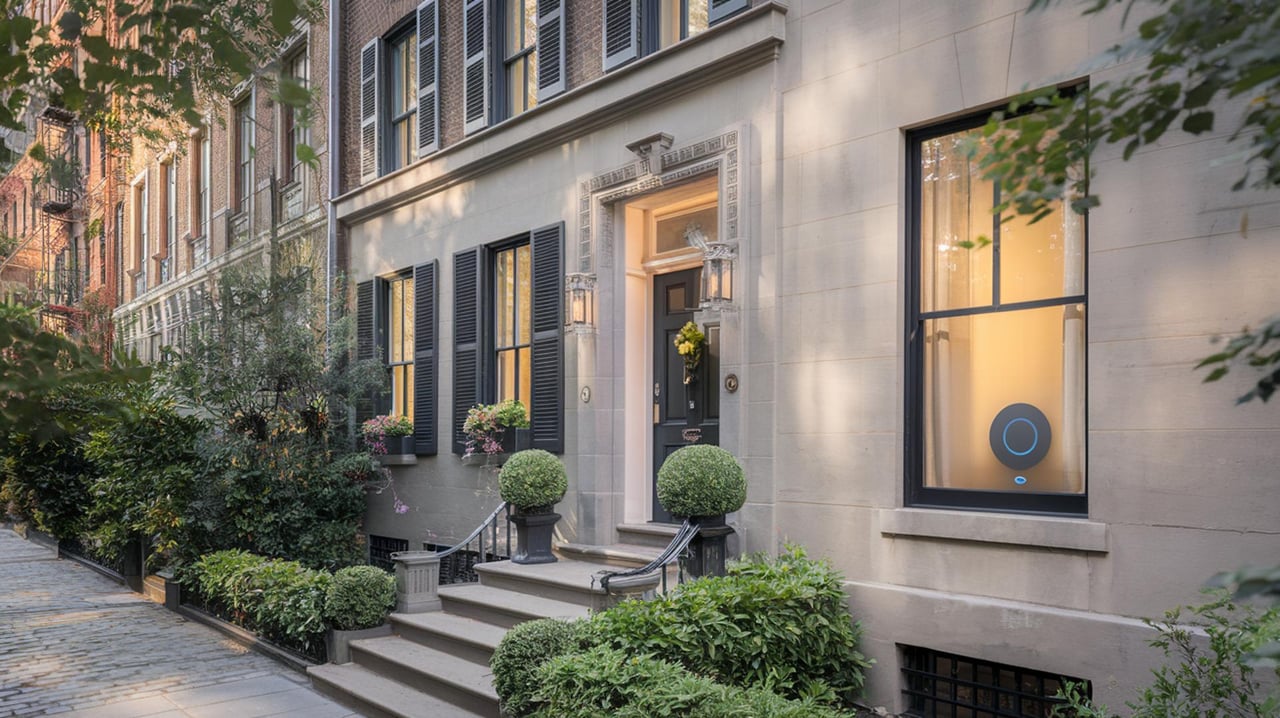
The clearest illustration I can point to is a 2022 renovation at 22 and 24 East 10th Street, two adjoining Village townhouses. The project, led by Steven Harris Architects, proposed linking the rear yards, excavating and lowering one yard to meet the other, installing new metal railings for terraces on three floors, and altering the front elevation with a reconstructed stoop and new brownstone base. It went to a public LPC hearing in April of that year. That's the kind of scope that requires a full Certificate of Appropriateness, not a quick staff sign-off, and it's the kind of scope a lot of Village buyers have in mind when they picture a whole-house renovation rather than a light refresh.
What This Costs, Not Just How Long It Takes
The time isn't the only variable. Landmark district compliance pushes renovation costs up because the materials have to match what was there originally, not what's cheapest to source. A full facade restoration on an Italianate brownstone in the Village runs somewhere between $300,000 and $800,000 depending on the extent of the work, and that's before touching a single interior room. Broader industry benchmarks for full restorations inside landmark districts put per-square-foot costs at $1,000 to $1,200 or more, well above the range for comparable work outside a historic district. Filing costs for LPC approval alone typically add several thousand dollars on top of whatever the contractor charges.
None of that is a reason to avoid buying here. It's a reason to build the actual number, not the optimistic one, into your budget before you're three months into a project.
How to Plan Around Two Clocks Instead of One
The buyers who do this well treat the co-op board and the Landmarks Commission as two separate calendars that happen to share a start date. A few things make the difference.
Ask your architect to request a pre-application meeting with LPC staff before you close, if the seller and timeline allow it. That early conversation surfaces objections before they cost you a redesign. If your renovation plans are part of why you're buying, build contract language around a longer due diligence window so you can get a preliminary read from staff before your board package is even submitted. Once the board approves you under the new 45-day framework, don't assume the rest of the project inherits that speed. Budget the LPC certificate type you'll actually need, not the one you hope you'll need, and price your project against the $1,000 to $1,200 per square foot benchmark for landmarked work rather than a citywide average that assumes no historic district at all.
Frequently Asked Questions
Does the new co-op timeline law apply to every building in Greenwich Village? Only to co-ops with ten or more units. Smaller cooperatives, HDFCs, and any building under a program like Mitchell-Lama are exempt, and condos were never covered by this law in the first place.
If my renovation is purely interior, do I still need to worry about LPC? Generally no. LPC's authority is tied to what's visible from a public way. Interior-only work, without touching windows, facades, or rooflines that can be seen from the street, typically stays outside their review entirely.
Can I start my LPC application before I close on the apartment? You can start the conversation, particularly a pre-application meeting with staff, but formal applications are usually tied to ownership or authorized representation of the owner. Talk to your architect and attorney about what's realistic to front-load before your closing date.
If you're weighing a Village co-op or townhouse with renovation in mind, I'd rather walk you through both clocks before you sign than after. That's the kind of groundwork Daniel Kramp puts in on every deal, backed by the reach of Christie's International Real Estate when it's time to move. Let's connect for a private consultation.