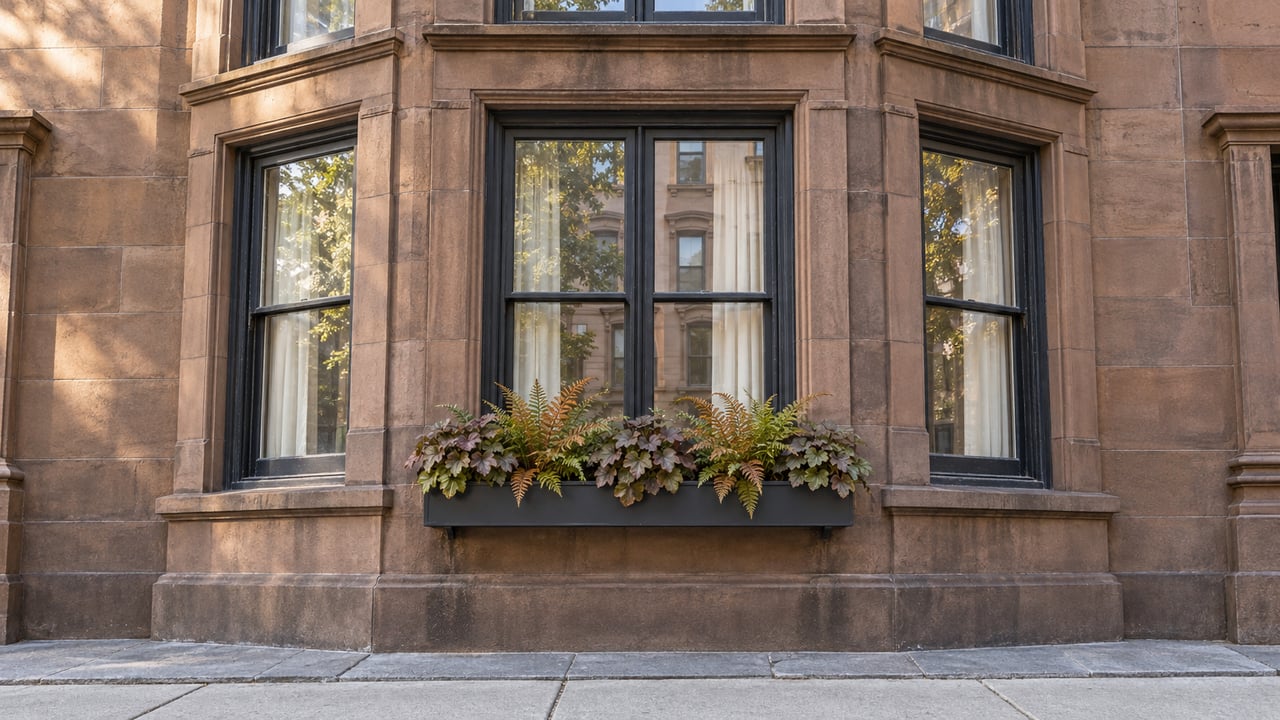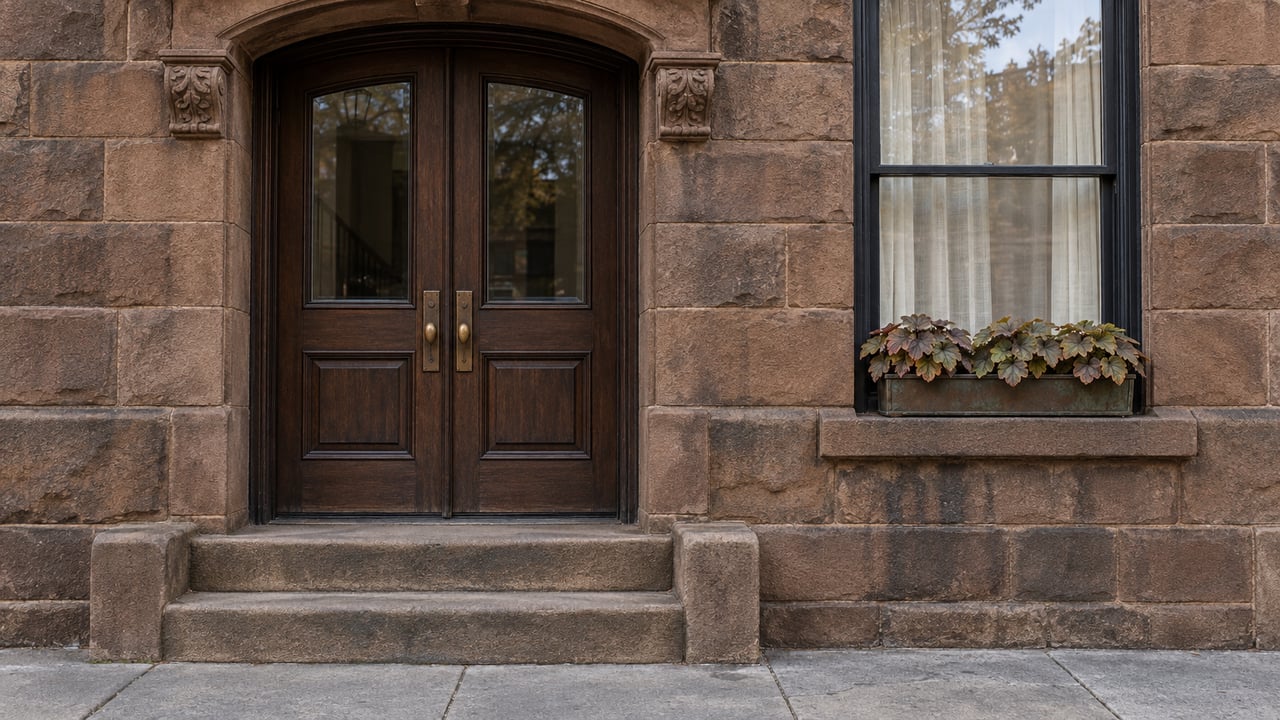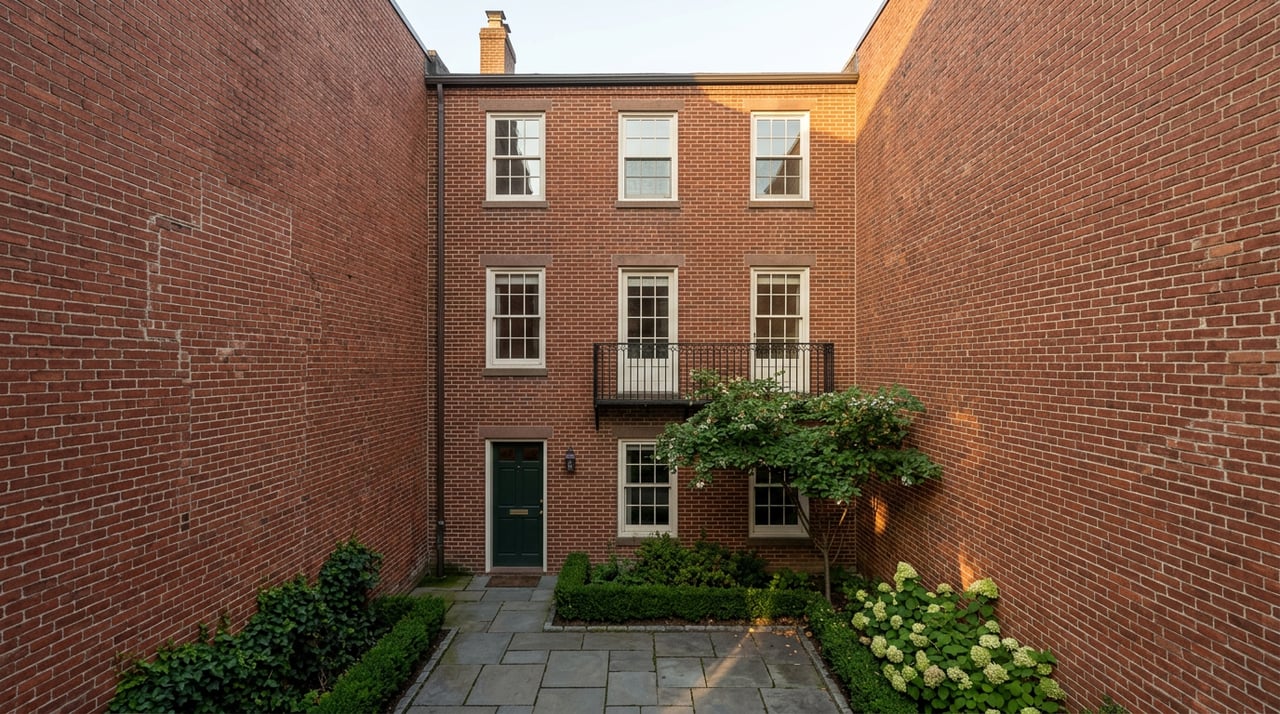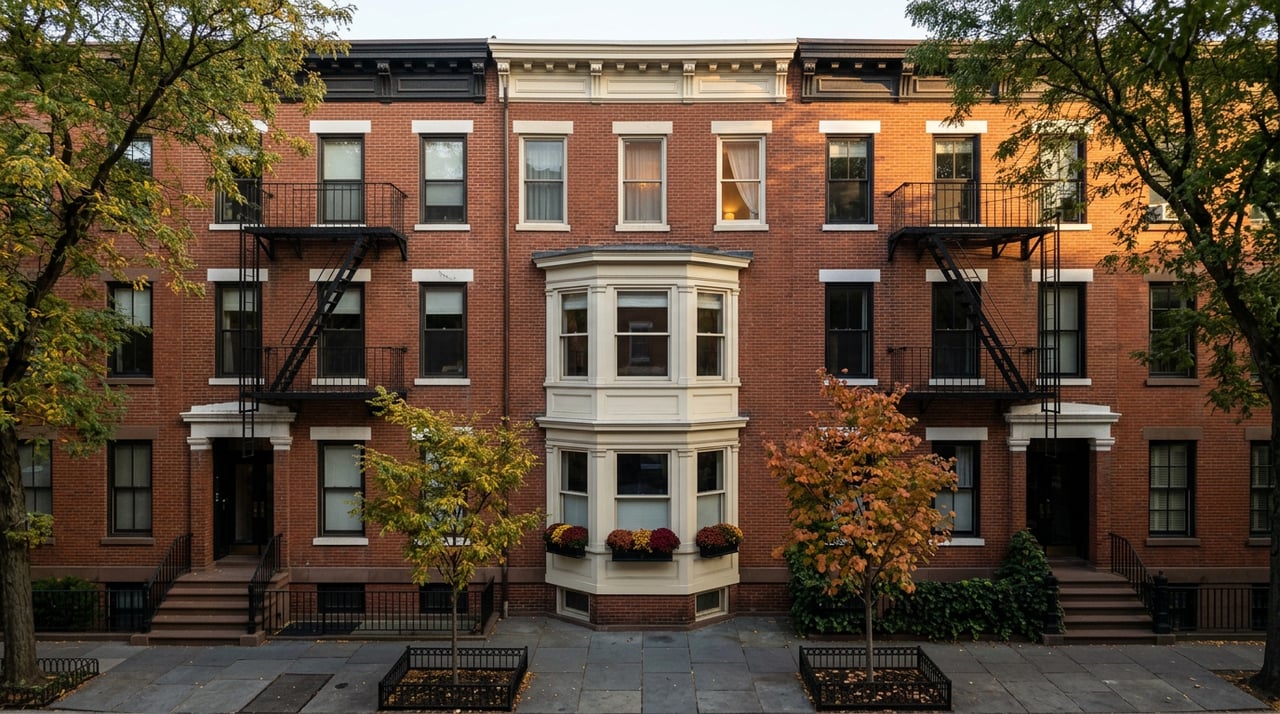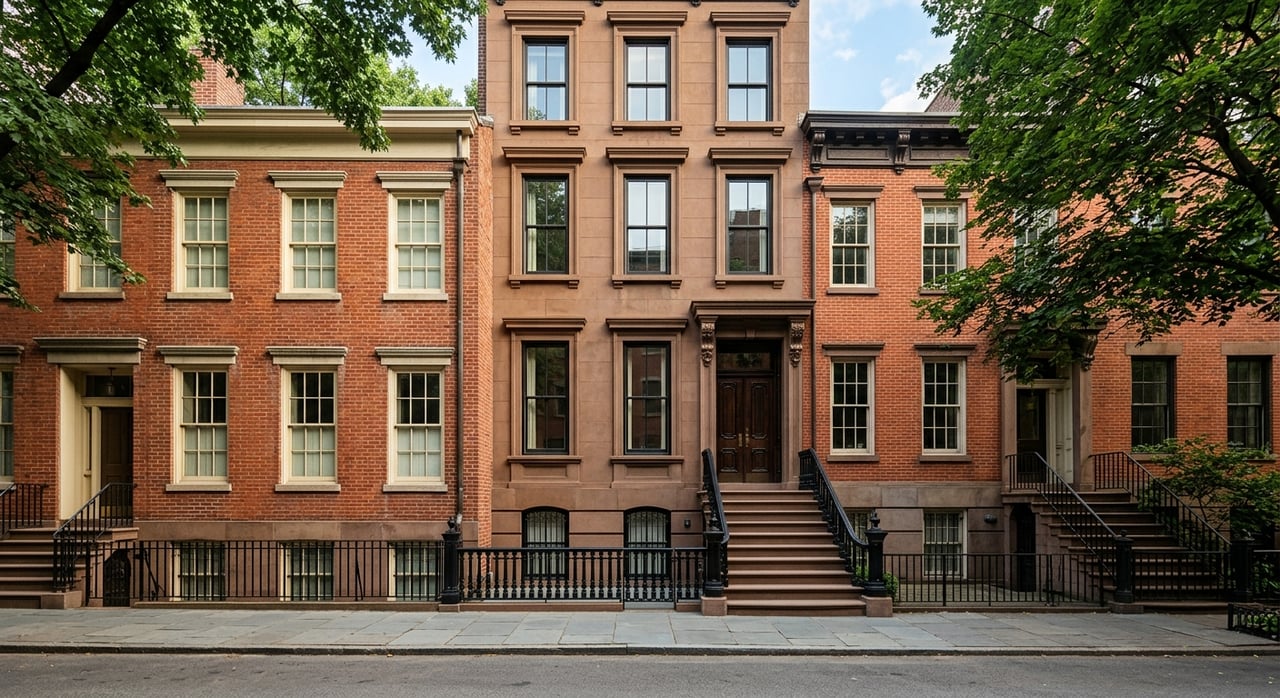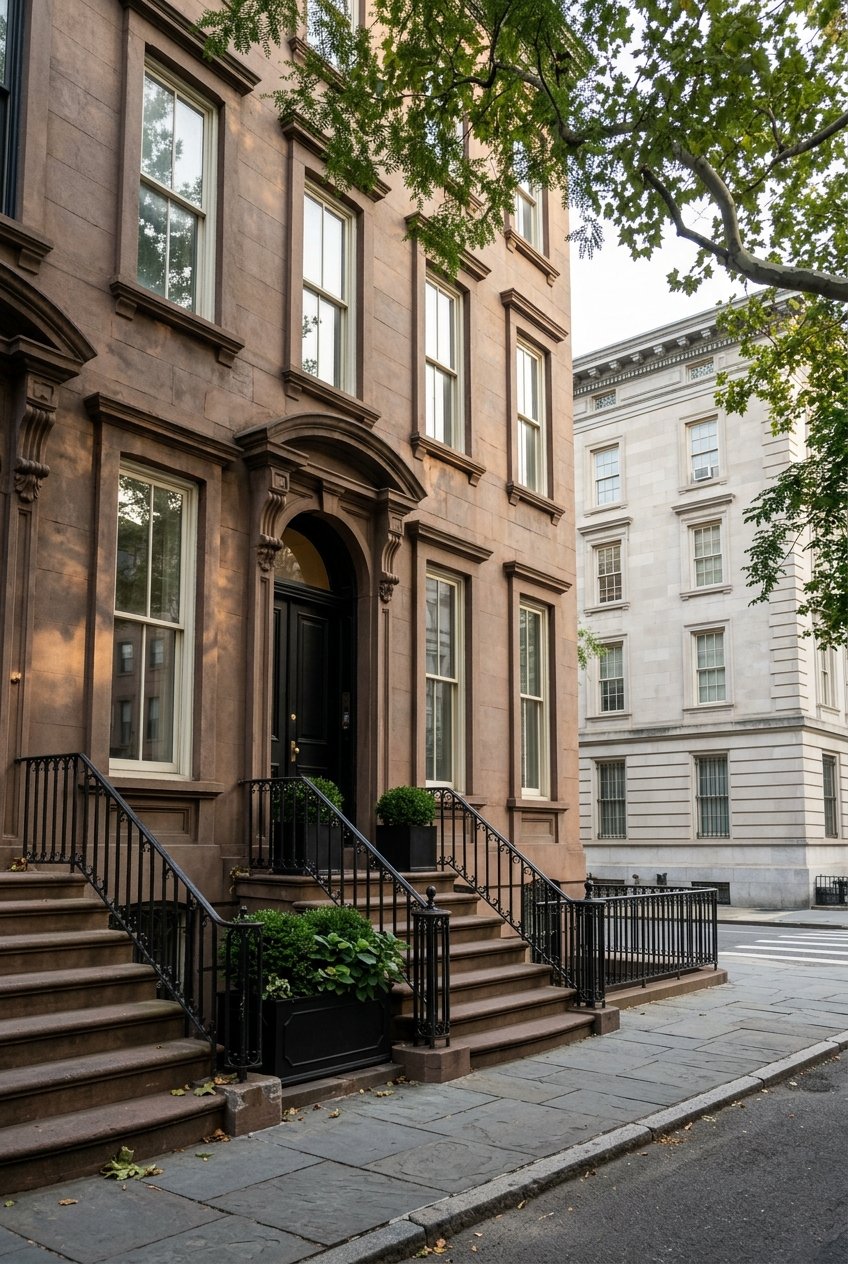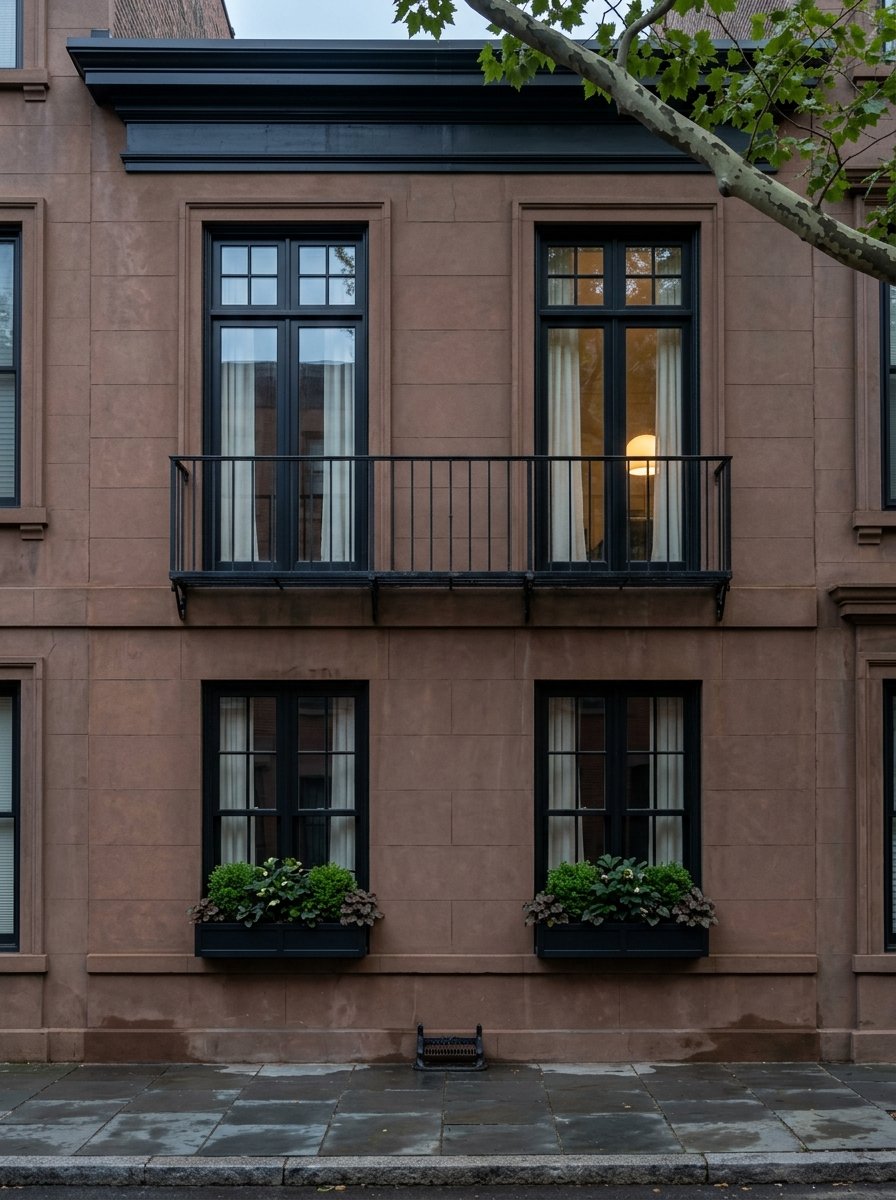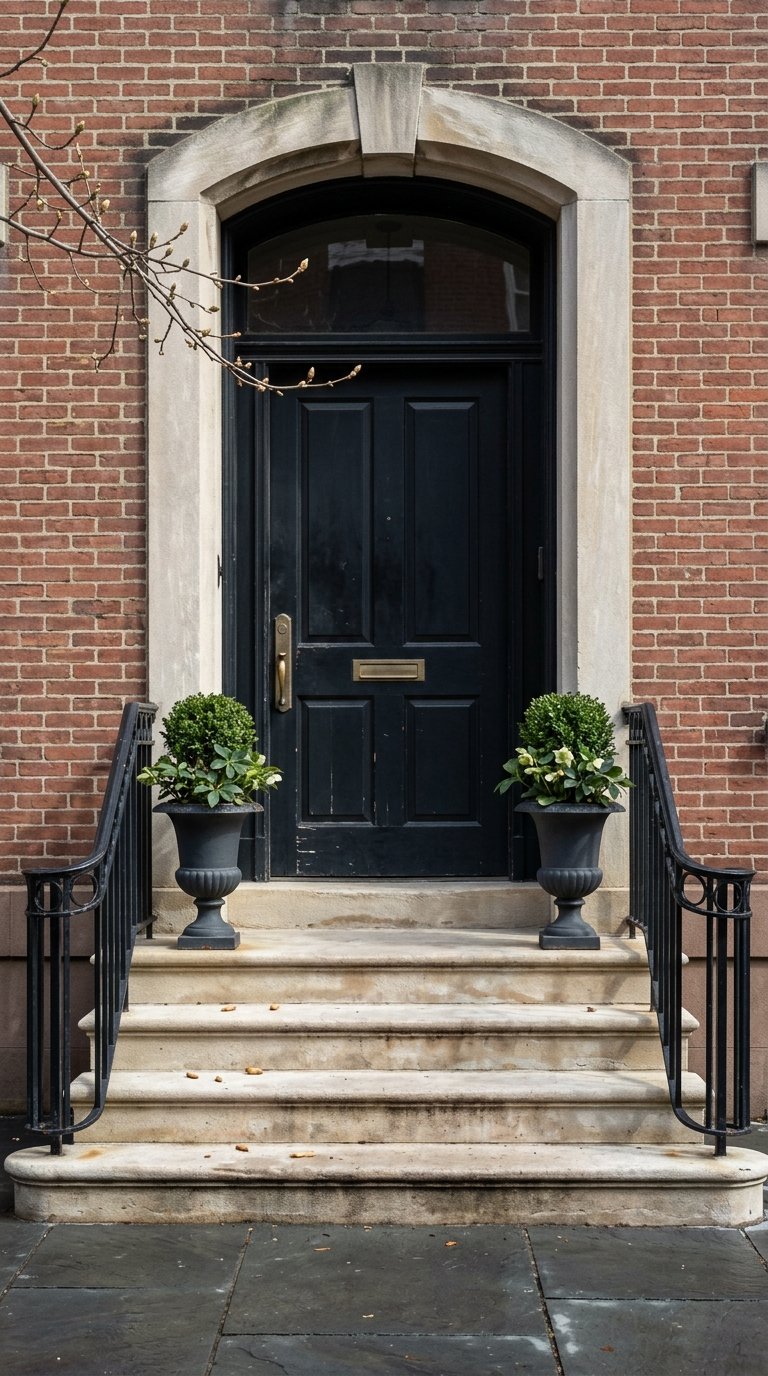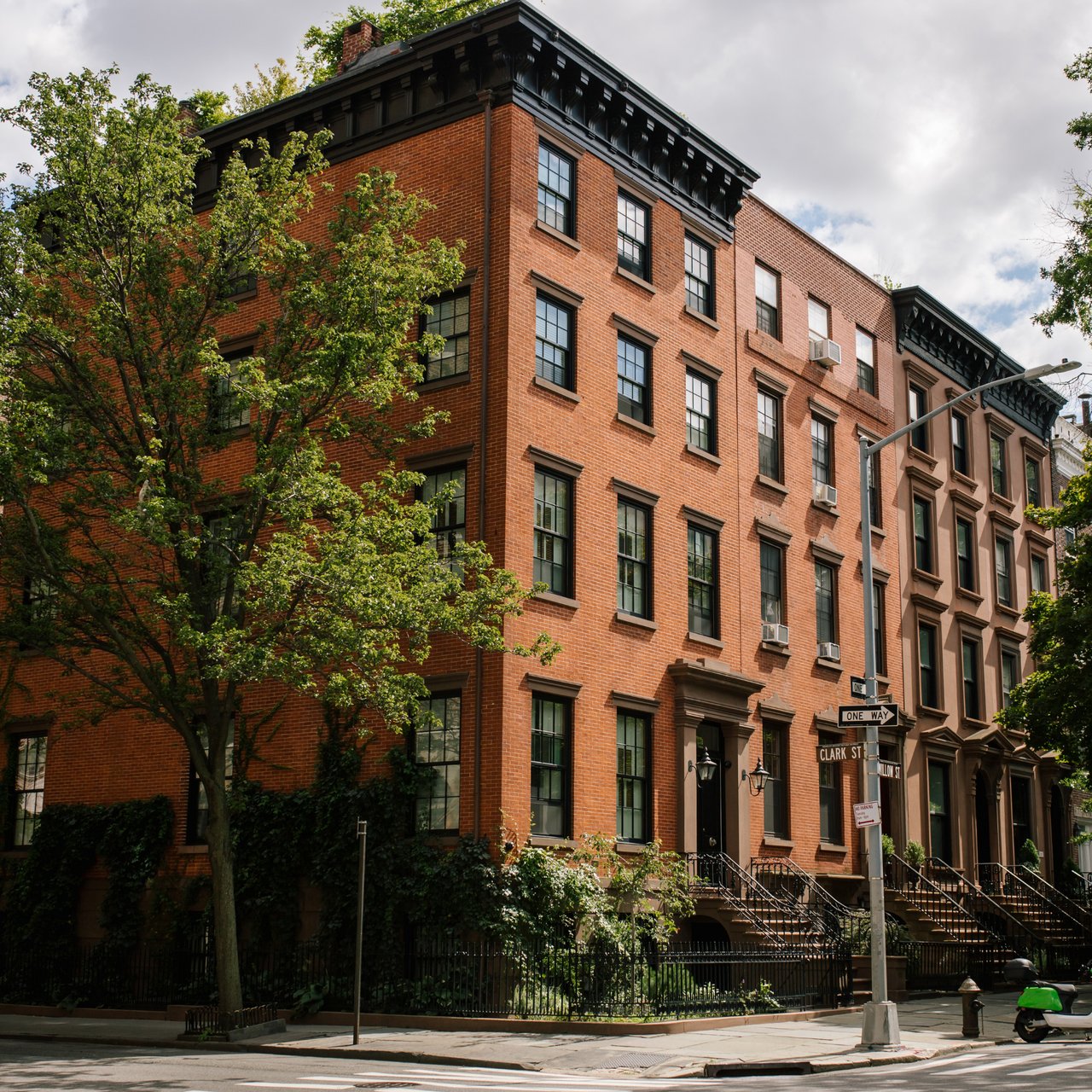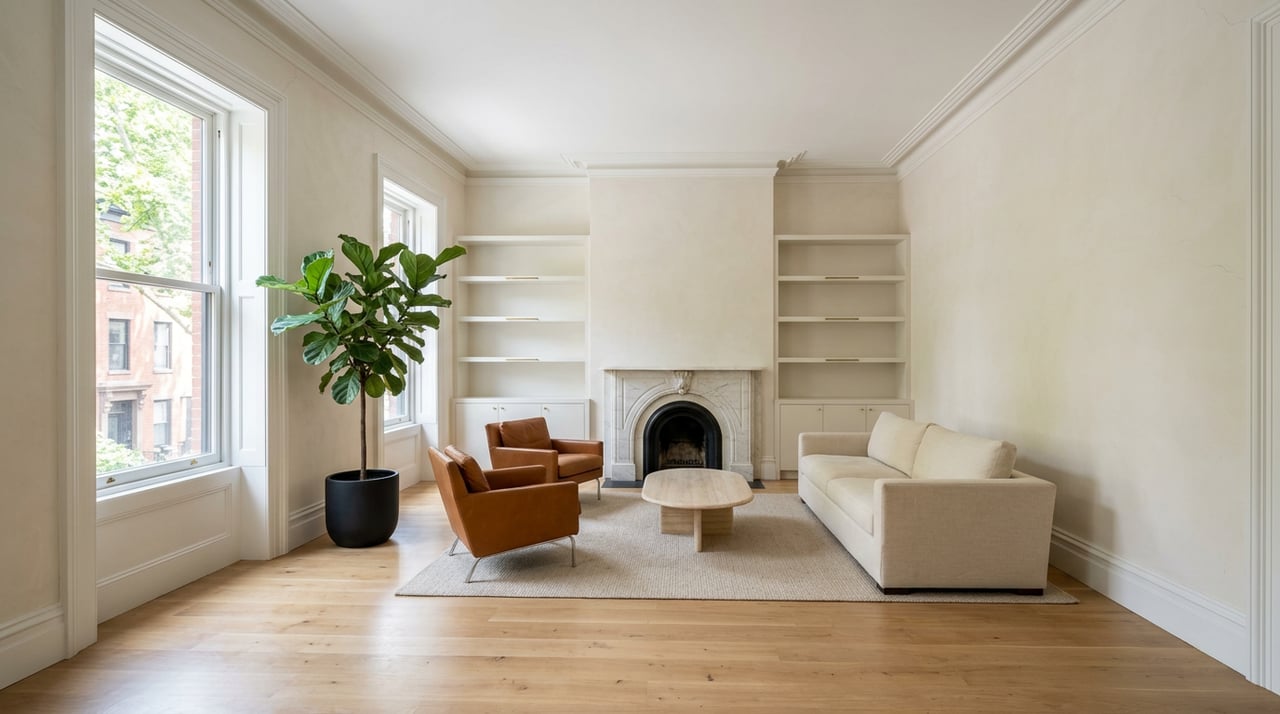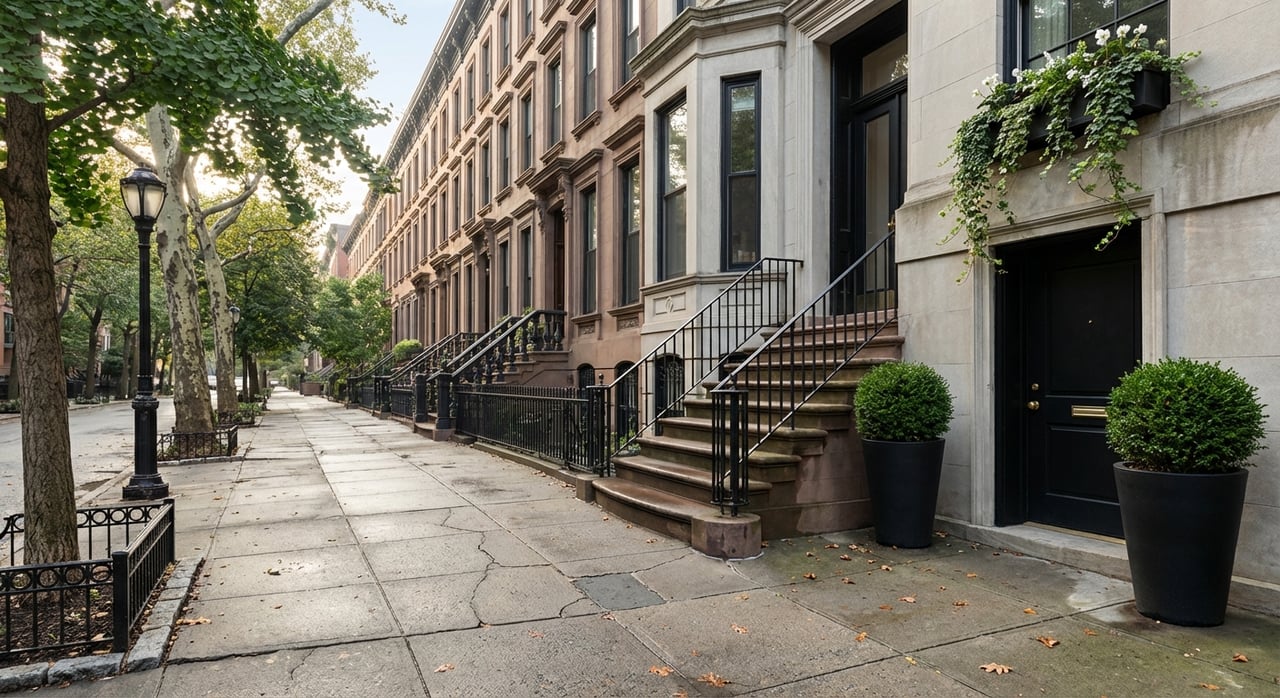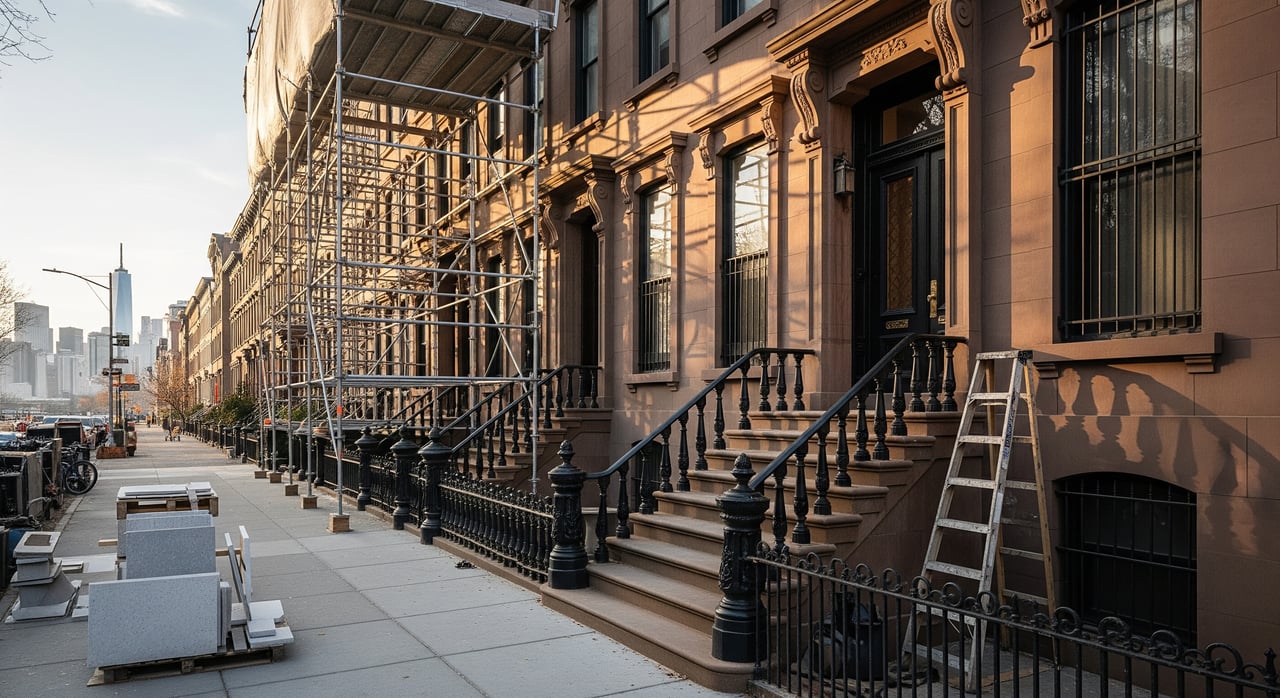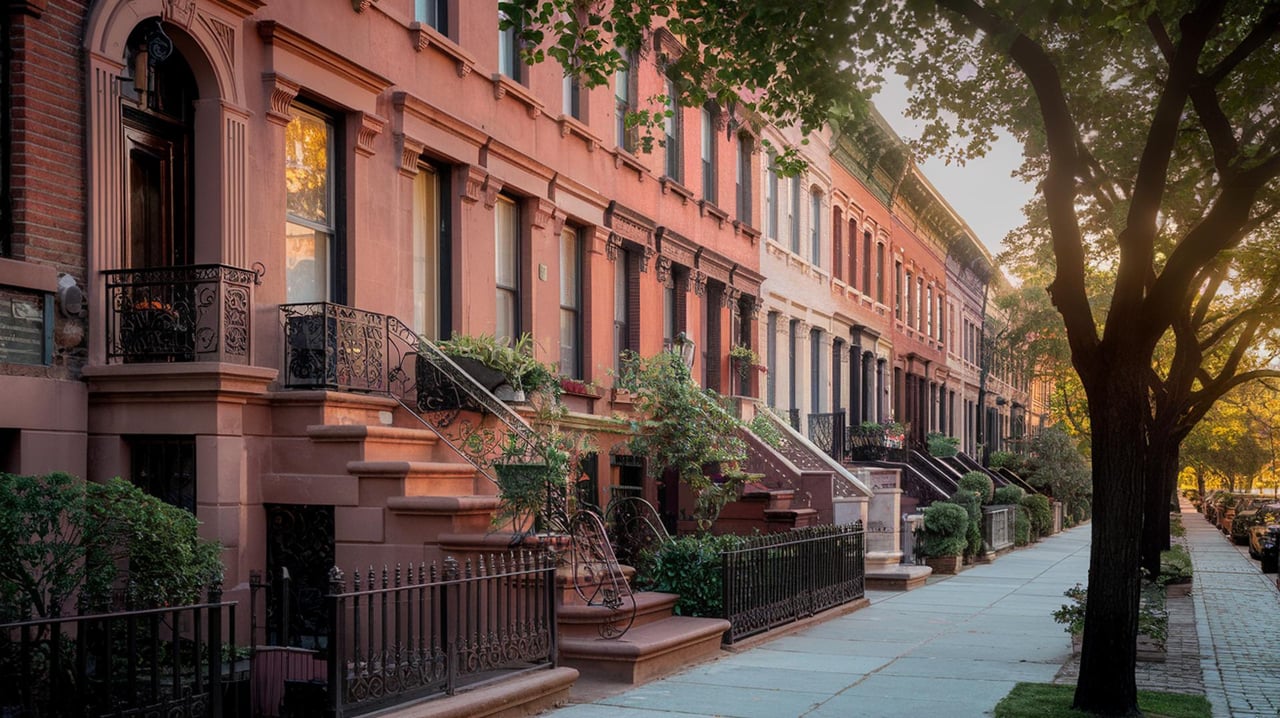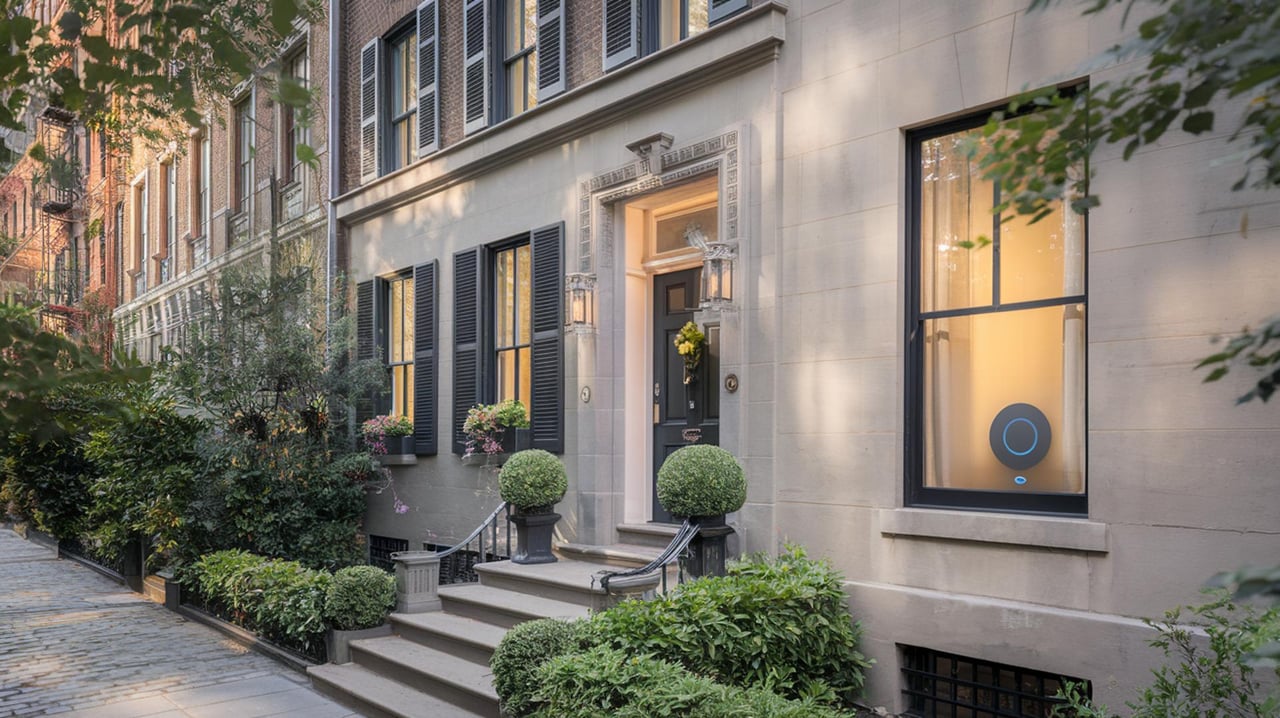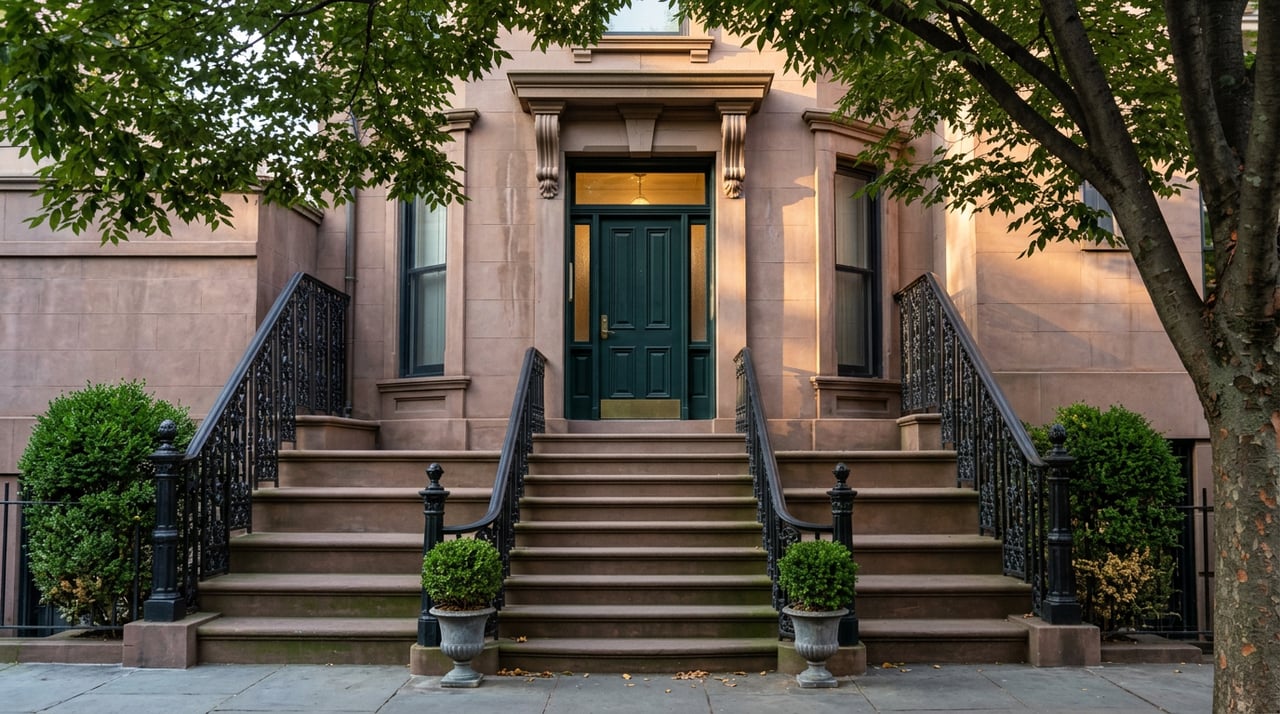
In February, a renovated brick townhouse at 307 Hicks Street closed for $14.99 million, the borough's largest residential sale of the year at the time. The 6,200-square-foot home had been converted from four separate units into a single five-bedroom residence by local developer Eckstrom. Everyone covering the deal noted the price. Almost nobody asked why it stopped at $14,990,000 instead of the cleaner, rounder $15 million.
Here is why that matters. According to NYC Paycheck Calculator, New York's mansion tax is not a marginal tax the way income tax brackets work. It is a whole-price tax. Whatever bracket the sale price falls into, that rate applies to the entire purchase price, not just the amount above the threshold. At $14,990,000, the buyer's mansion tax sits in the 3.25% bracket, for a bill of roughly $487,175. Had the price landed at exactly $15 million, the sale would have crossed into the next bracket, 3.5%, and the buyer's bill would have jumped to $525,000. That is $37,825 in additional tax for $10,000 in additional price. Whether or not that specific gap was engineered with the bracket line in mind, it lands exactly where deals at this level tend to land, and it is the kind of math that shapes almost every high-value negotiation in this neighborhood, whether the parties say so out loud or not.
Why Brooklyn Heights Feels This More Than Most Neighborhoods
Most New York City neighborhoods have a meaningful share of sales that never touch the mansion tax at all, because the mansion tax only applies once consideration hits $1 million. Brooklyn Heights is not one of those neighborhoods. This year alone, the borough's priciest deals have all traded through it: Amy Schumer's sale of her townhouse at 19 Cranberry Street for $11 million, the $14.99 million close at 307 Hicks Street, and an off-market trade at 192 Columbia Heights that pushed past $24 million. When most of a neighborhood's inventory sits above the first bracket line, and much of it sits above several, the tax stack stops being a footnote on the closing statement and starts being a variable that both sides negotiate around before they ever get to contract.
The bracket structure itself, current for 2026, looks like this:
| Sale Price | Mansion Tax (buyer pays) |
|---|---|
| $1,000,000 – $1,999,999 | 1.0% |
| $2,000,000 – $2,999,999 | 1.25% |
| $3,000,000 – $4,999,999 | 1.5% |
| $5,000,000 – $9,999,999 | 2.25% |
| $10,000,000 – $14,999,999 | 3.25% |
| $15,000,000 – $19,999,999 | 3.5% |
| $20,000,000 – $24,999,999 | 3.75% |
| $25,000,000 and up | 3.9% |
Sellers carry their own version of the same cliff. Combined New York City and New York State transfer taxes also factor into the seller's closing costs. New York State's own transfer tax guidance outlines the state transfer tax. A Brooklyn Heights townhouse rarely stays on one side of these lines by accident. It stays there because someone did the arithmetic before the final number went into the contract.
A Half-Million-Dollar Question About One Address
The 192 Columbia Heights sale makes the point even more directly, because the reporting on it does not agree. The Real Deal described the deal as a $25 million off-market trade, the priciest to close in Brooklyn so far this year. Coverage from 6sqft, published a day later, put the same address at $24.5 million. Half a million dollars of daylight between two respected outlets covering the identical closing is unusual, and in this specific case, that half million happens to straddle a real tax line.
At $24.5 million, the deal sits in the 3.75% mansion tax bracket, for a buyer-side bill near $918,750. At $25 million exactly, it crosses into the top bracket, 3.9%, pushing the bill to $975,000, a difference of $56,250 in mansion tax alone before factoring in the seller's own transfer tax exposure on the extra half million. Whichever figure is the accurate one, the discrepancy is a reminder that at this level, a rounding error in reporting is not a rounding error in tax liability. It is tens of thousands of dollars depending on which side of the line the actual number falls.
A neighborhood where most closings sit above $2 million is a neighborhood where the tax bracket, not the appraisal, often decides the last round of negotiation.
When a Loss Isn't Just a Loss
Not every headline Brooklyn Heights sale this year was a record. Amy Schumer sold her 19th-century townhouse at 19 Cranberry Street for $11 million, a $1.25 million shortfall from the $12.25 million she and her husband paid for it in 2022. Reporting on the sale framed that gap as the story. It understates the real cost of exiting the deal.
Transfer taxes are calculated on the gross sale price, not on gain or loss, as NYC Paycheck Calculator explains. Broker commission is calculated on the gross sale price. On an $11 million sale, the combined New York City and New York State transfer tax comes to roughly $228,250, since the price sits above the $3 million threshold that triggers the higher seller rate. A typical luxury-market commission in the 5% range would add another $550,000. Neither of those costs cares whether the seller made or lost money on paper. Add them to the reported $1.25 million shortfall and the actual financial distance between what was paid in 2022 and what was walked away with in 2026 is closer to $2 million than $1.25 million. On the buyer's side of that same transaction, the mansion tax bracket for an $11 million purchase is 3.25%, for a bill of roughly $357,500, calculated entirely on this year's price with no reference to what the seller originally paid.
The lesson for anyone selling a Brooklyn Heights townhouse at any price point, not just a loss, is that the transfer tax and commission lines on a closing statement do not move based on your personal outcome. They move based on the number in the contract, and that number is worth stress-testing against the bracket table before you accept an offer that looks close enough.
What This Means Before You Sign
For sellers, the practical move is to run the math on both sides of a likely offer range before countering. A buyer offering $2,950,000 and a buyer offering $3,050,000 are not just $100,000 apart in your pocket. The second offer pushes your own transfer tax rate up and pushes the buyer into a materially higher mansion tax bracket, which is often exactly why an agent representing that buyer will fight to keep the number under $3 million rather than over it.
For buyers, the same logic runs in reverse. If a Brooklyn Heights townhouse you want is priced at $5,050,000, understanding that a $5,000,000 offer sits at 2.25% mansion tax while offers below $5,000,000 fall into the 1.5% bracket is a legitimate opening point for negotiation, not a technicality. This is worth raising with your tax attorney and title company as part of your due diligence. Your broker should be raising it before you write the offer, not after the inspection contingency has already expired.
Frequently Asked Questions
Does the mansion tax apply to Brooklyn Heights co-ops, or only townhouses? It applies to co-ops as well as townhouses and condos. The tax attaches to any residential unit selling at $1 million or more within New York City, regardless of whether the buyer is taking title to real property or purchasing shares in a cooperative corporation.
Who actually pays the mansion tax at a Brooklyn Heights closing? By default, the buyer pays it, and it is collected by the title company at closing and remitted to New York State. Sellers separately owe the New York City and New York State transfer taxes, which are calculated on their own bracket schedule.
Can a Brooklyn Heights buyer or seller negotiate a price to sit just under a bracket line? Yes, it is a common part of negotiations at this price level.
None of this changes what a Brooklyn Heights townhouse is actually worth. It changes what both sides should expect to walk away with once the deed is recorded, and that gap between headline price and real proceeds is exactly where an experienced negotiator earns their fee. If you are pricing a sale or structuring an offer anywhere near one of these lines, Daniel Kramp can walk through the math with you before it becomes a surprise on the closing statement. Let's connect for a private consultation.
This article is general information, not legal, tax or financial advice. Consult a qualified professional about your situation.