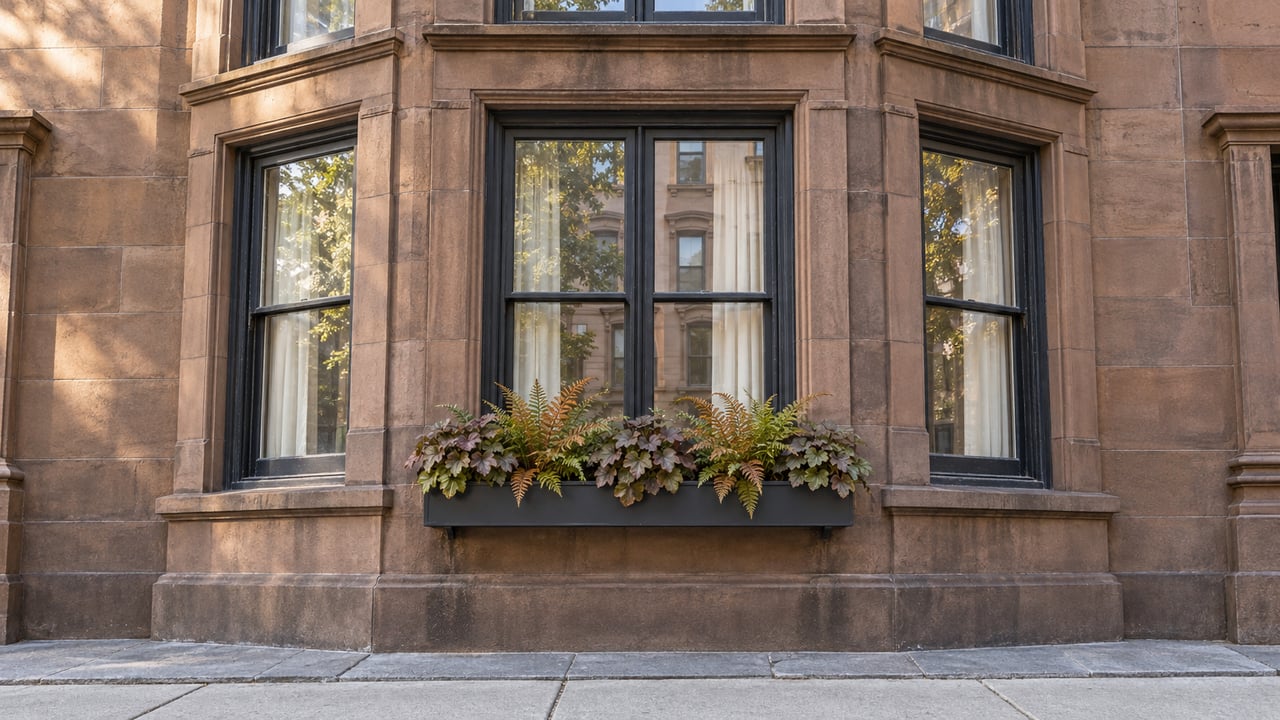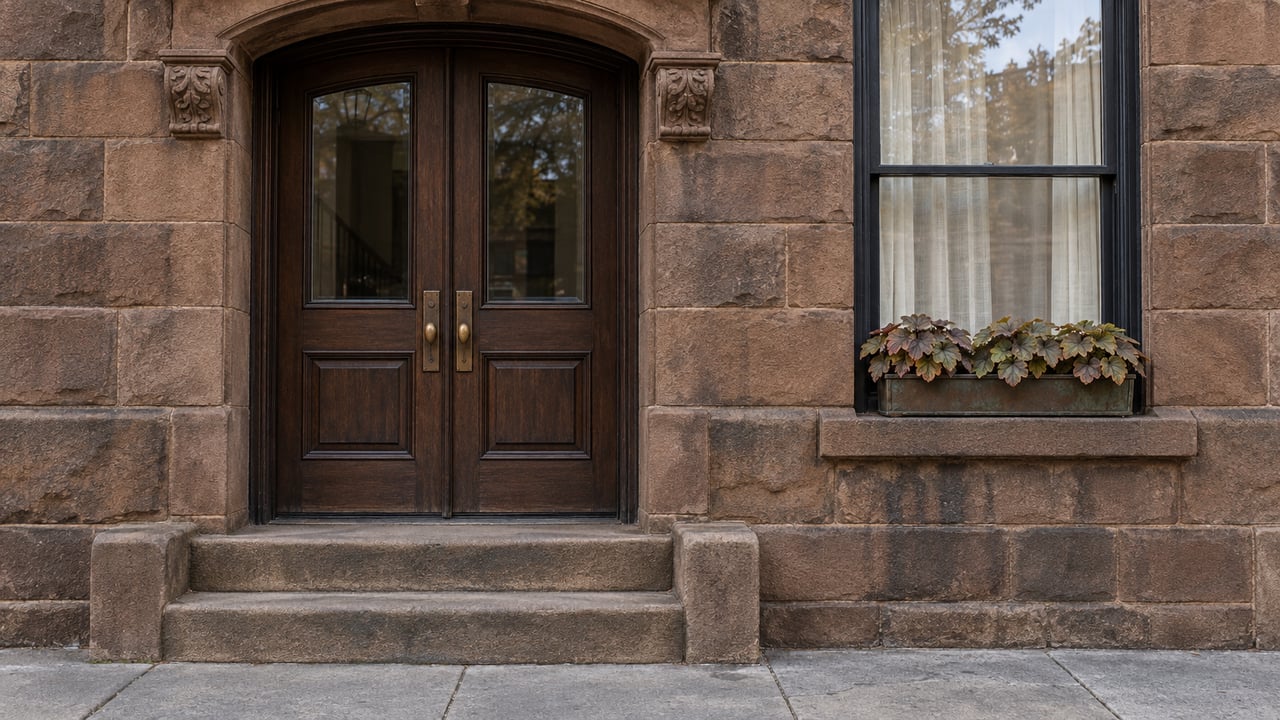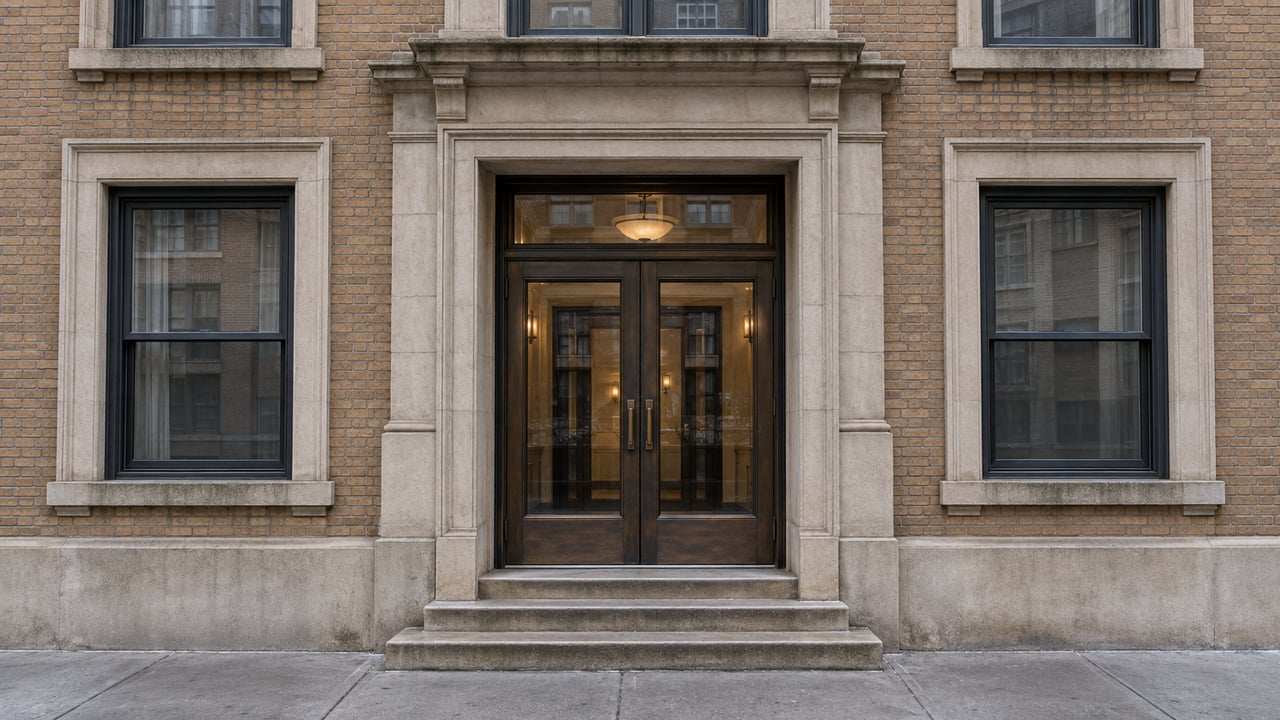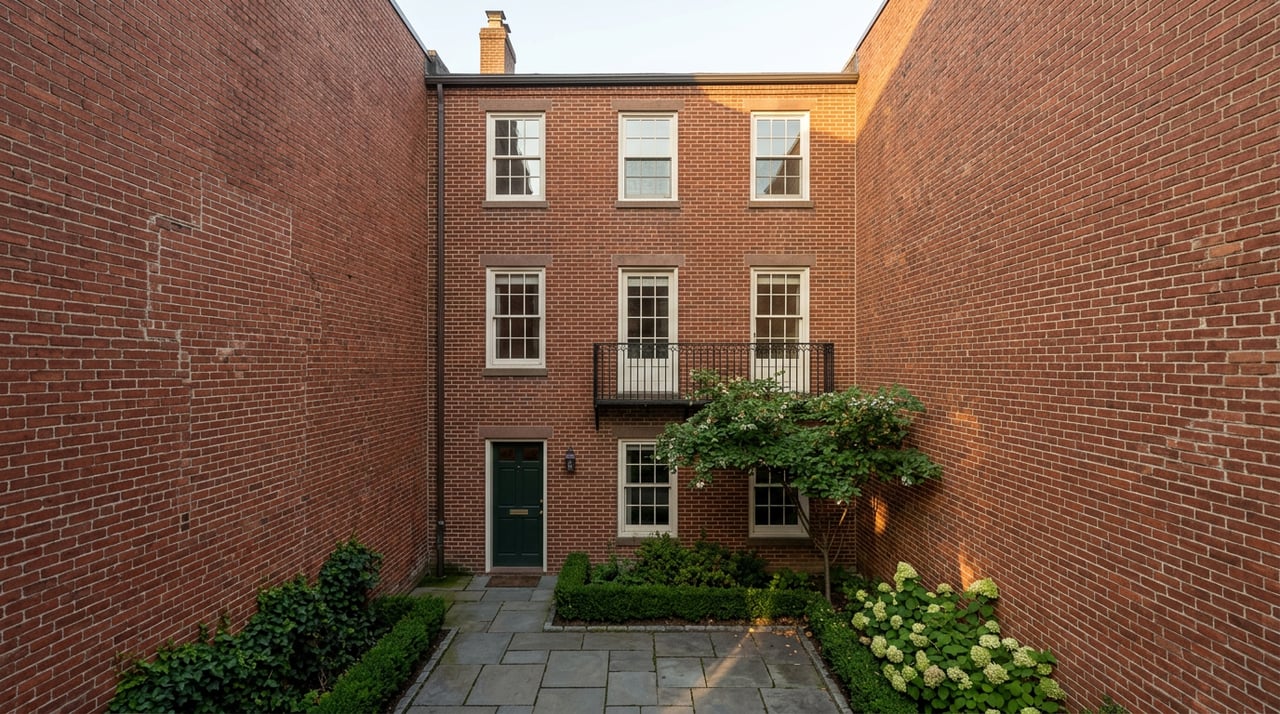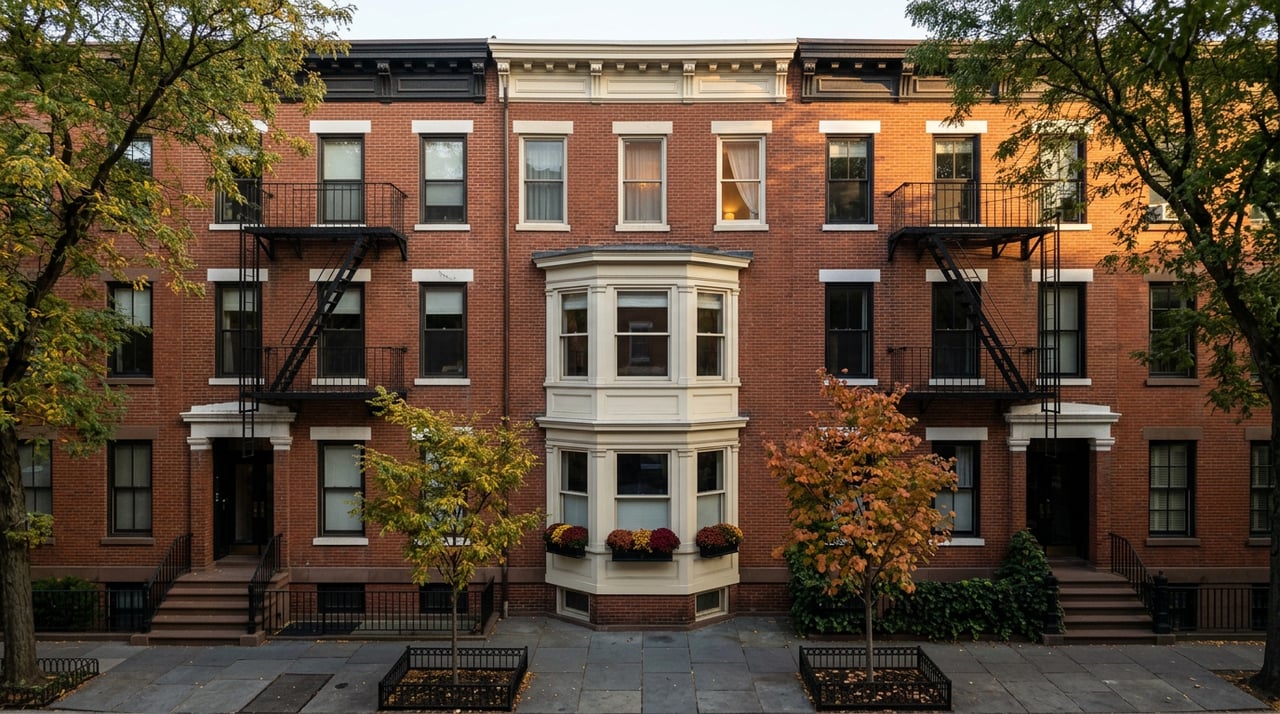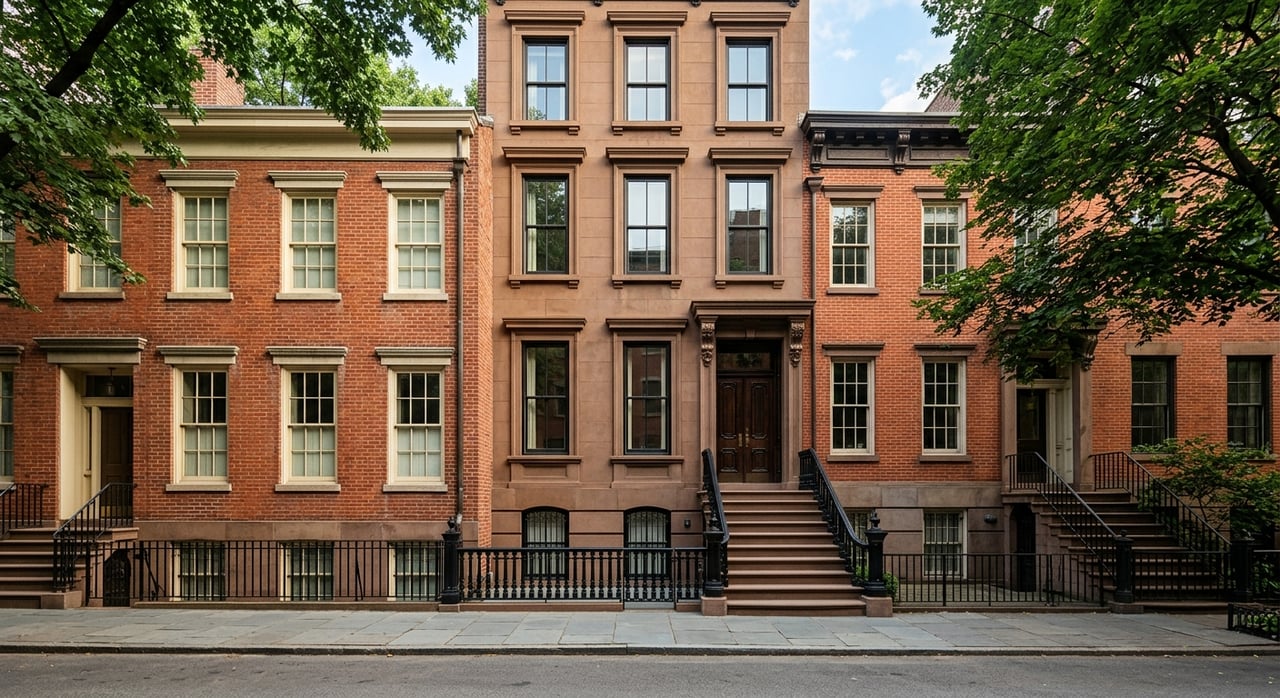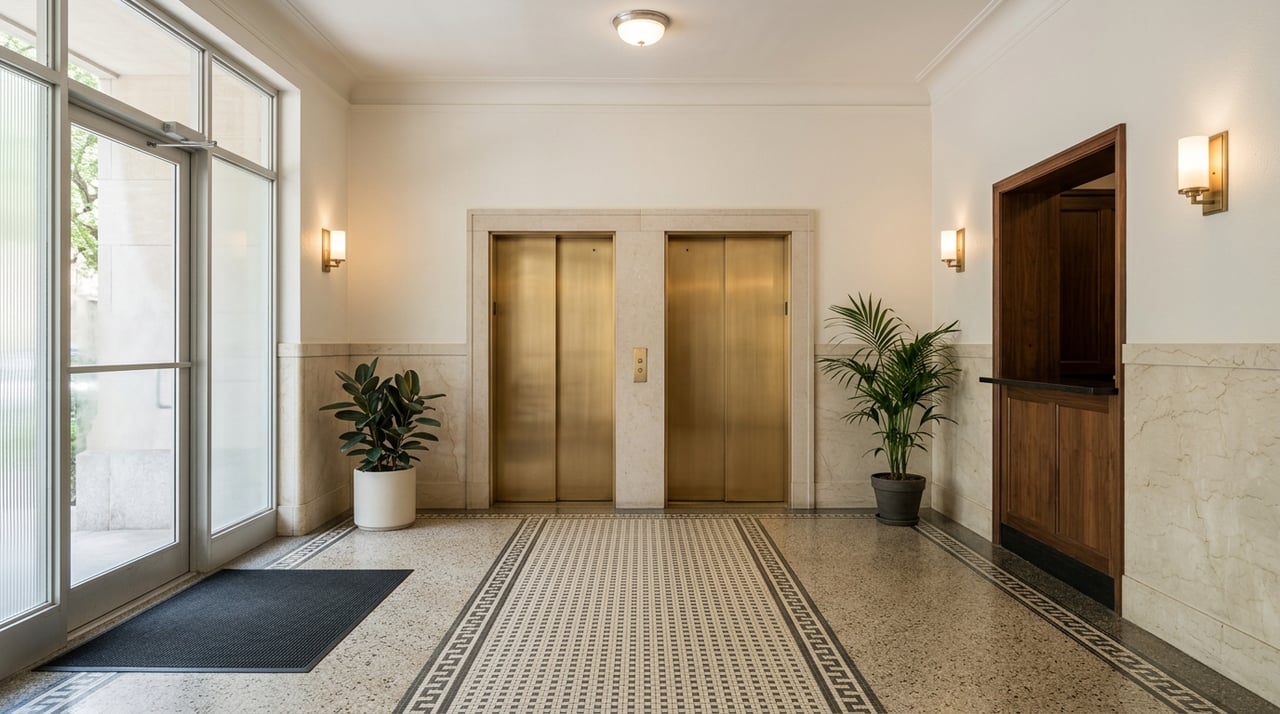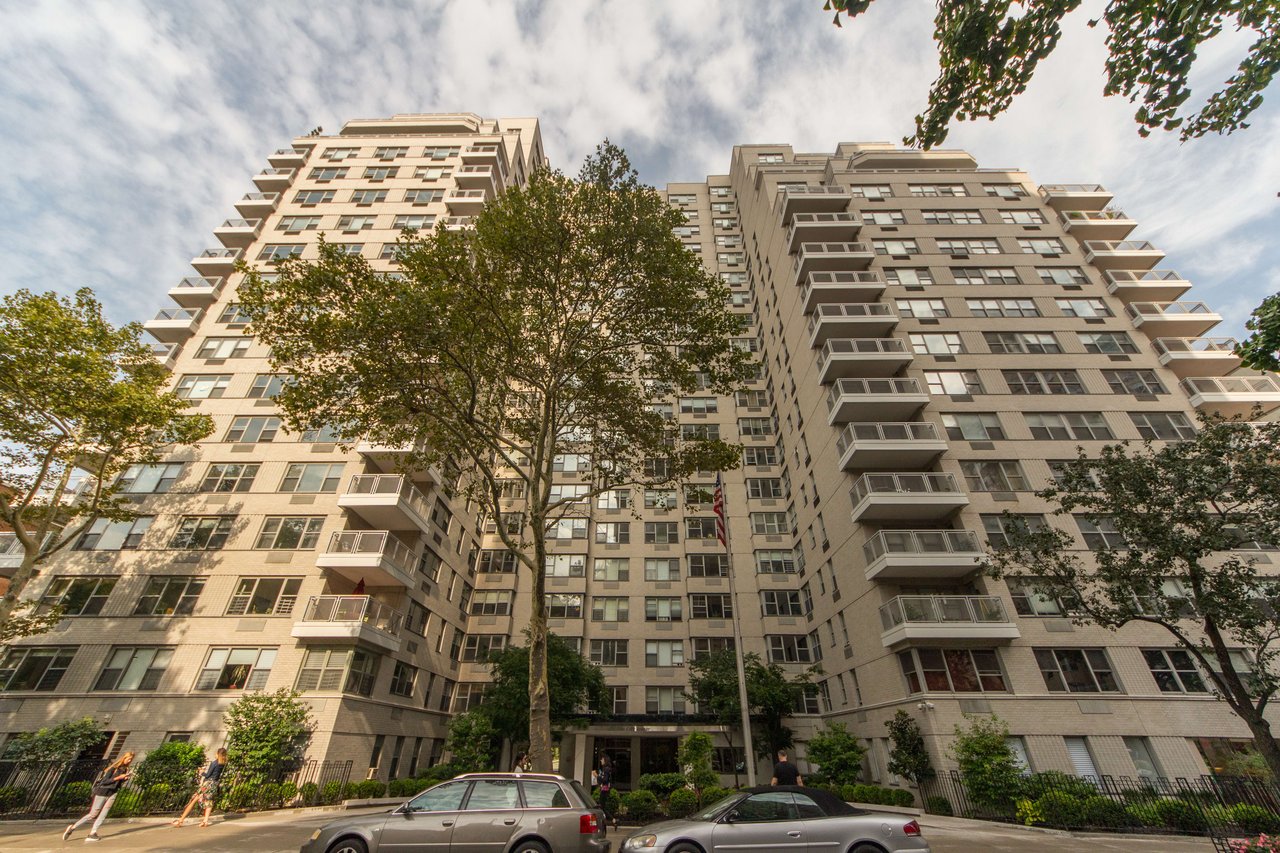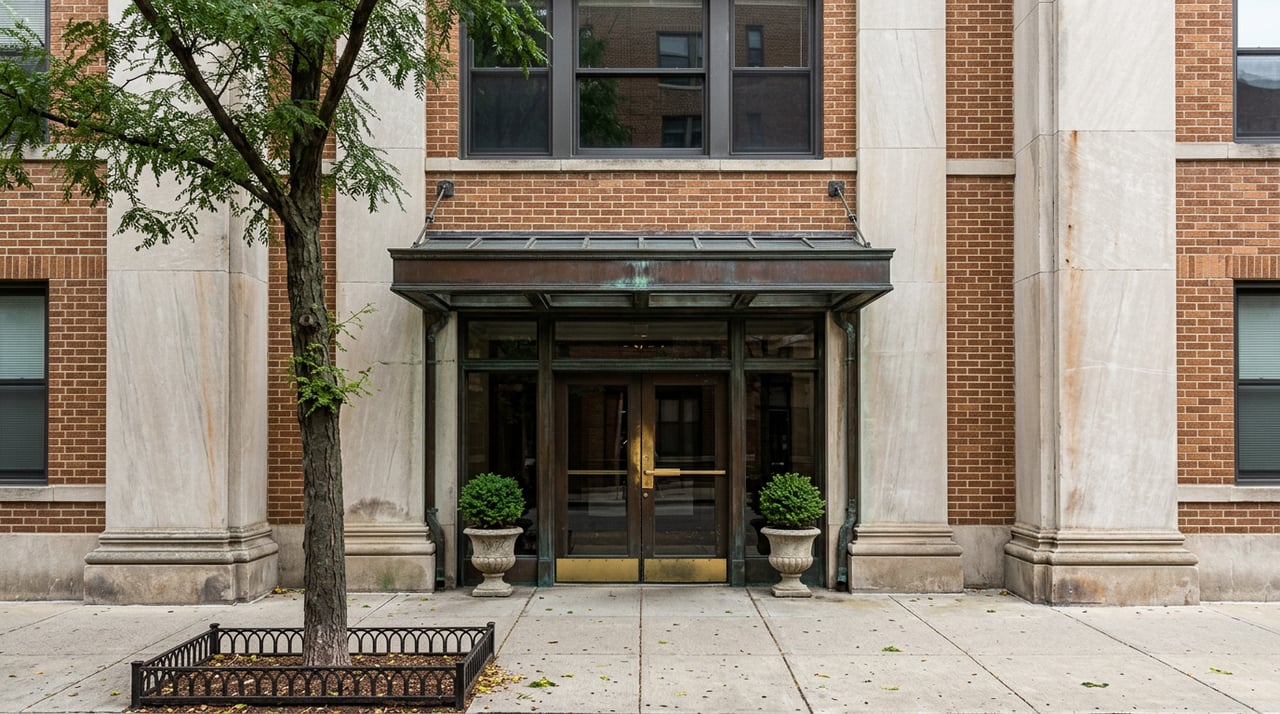
Two apartments list at $1.4 million this fall. One is a classic six on West End Avenue, prewar, full service, a co-op board that has been vetting buyers since the Coolidge administration. The other is a two-bedroom condo two blocks from Lincoln Square, closer to new, with a gym downstairs and no board interview. On paper, the same number. In practice, the buyer who signs for the co-op could end up writing a larger monthly check than the buyer who pays more for the condo.
That is not a typo. It is how co-op maintenance and condo common charges are built, and on the Upper West Side, where the housing stock still runs heavily toward prewar cooperative buildings along Central Park West, West End Avenue, and Riverside Drive, it is the single most common source of buyer confusion in a purchase.
Why the Same Price Tag Buys Two Different Monthly Bills
Co-op maintenance is not a simple building fee. It is a bundle. The cooperative corporation owns the entire building and pays one property tax bill, one insurance policy, and, in many older buildings, debt service on an underlying mortgage taken out decades ago for a boiler replacement or a facade job. Every shareholder's maintenance check covers a proportional slice of all three, plus staffing, plus reserves.
A condo splits those obligations apart. The monthly common charge covers building operations, staff, and reserves. Property taxes get billed separately, straight to the owner, with no building-level bundling to soften the number on a closing statement.
Run the math on two apartments with genuinely equivalent value and the totals often converge. A $1,400 monthly co-op maintenance payment can represent the same real cost as a $700 condo common charge plus a separate $700 property tax bill. The co-op number just arrives as one line instead of two, which is exactly why it looks scarier on a listing sheet than it actually is.
Manhattan-wide benchmarks from early 2026 put typical co-op maintenance between $1.25 and $2.00 per square foot per month, with a well-run prewar doorman building on the Upper West Side landing around $1.50. Condo common charges alone tend to run lower, $0.75 to $1.50 per square foot, but once property taxes are added on top, the total monthly carrying cost for a condo frequently climbs to $1.50 to $2.50 or more per square foot, which can match or exceed what the co-op down the block is charging outright.
Why This Shows Up More Here Than Almost Anywhere Else
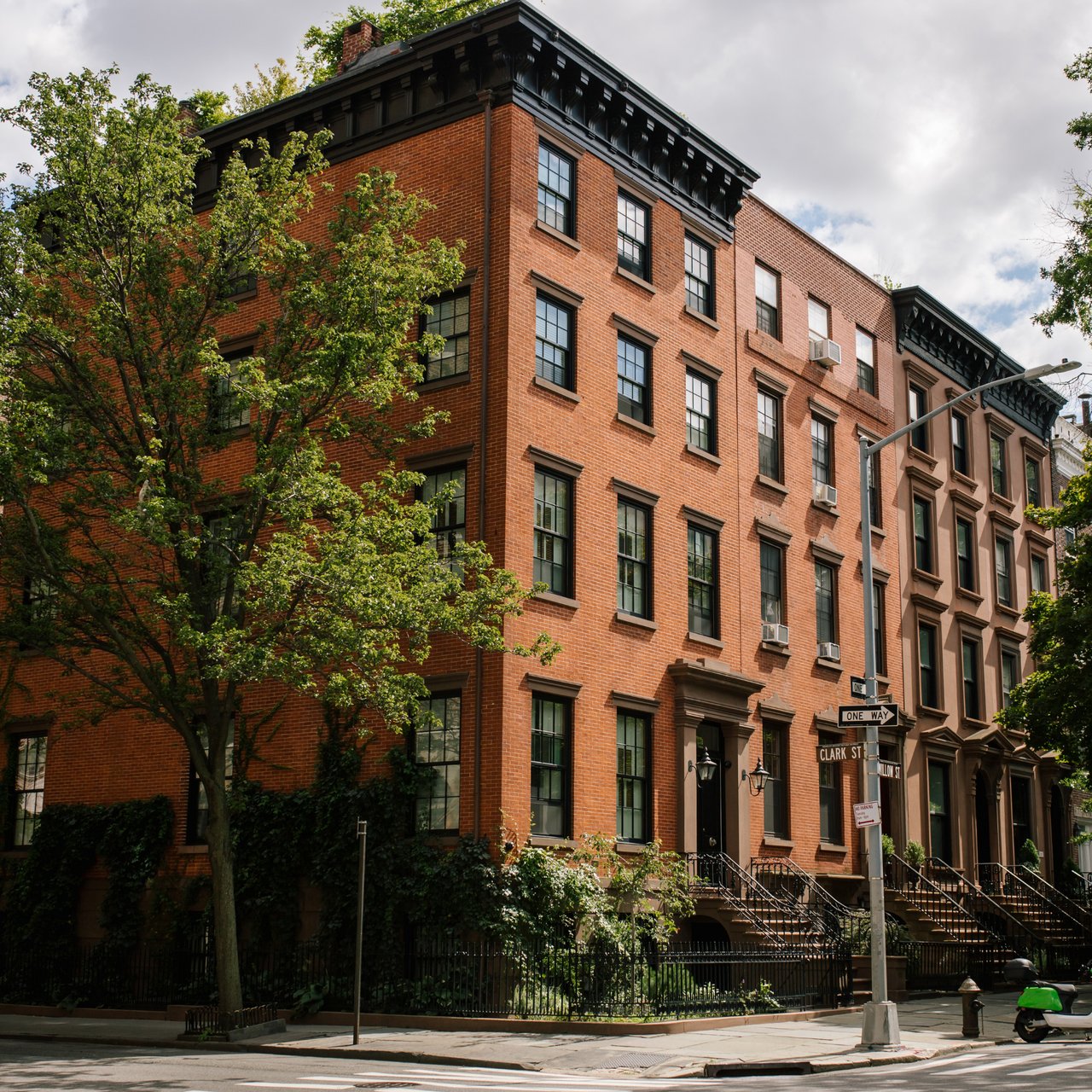
Plenty of Manhattan neighborhoods mix co-ops and condos in roughly even measure. The Upper West Side does not. The deepest concentration of prewar, full-service cooperative buildings in the corridor sits between 70th and 86th Streets, off Central Park West and West End Avenue, home to towers with names most New Yorkers recognize on sight: The San Remo, The Eldorado, The Beresford, The Majestic, The Belnord. North of 86th, the same prewar co-op fabric continues along Broadway, West End Avenue, and Riverside Drive, extending toward Morningside Heights, with the eight interconnected co-op buildings of the Lincoln Towers complex anchoring a stretch of West End Avenue between 66th and 70th Streets.
Condo product exists here too, but it clusters differently, mostly newer towers built near Lincoln Square and along Broadway: 200 Amsterdam, Waterline Square, One West End, Claremont Hall, The Chatsworth. A buyer touring both corridors in the same week is not comparing two versions of the same product. They are comparing two different ownership structures with two different ways of billing the same underlying costs, and the neighborhood's overall price statistics blend both together in a way that hides the split.
That blending shows up in the market data. Property records tracked through April 2026 put the Upper West Side's median home sale price at $1.9 million, well above the $1.3 million median for Manhattan overall for the same period. That gap gets read, reasonably, as a story about the neighborhood commanding a premium. It is also, in part, a story about what kind of product is actually selling: a prewar co-op with generous room counts and bundled costs, priced against a citywide median that includes plenty of smaller, newer, condo-heavy submarkets.
What the Second-Quarter Numbers Are Actually Showing
The bundling mechanism explains something else that looks strange on the surface: Manhattan co-op prices are climbing faster than condo prices this year, even as fewer co-ops are trading.
Citywide, the median co-op sale price reached $895,000 in the second quarter of 2026, up 8.5 percent year over year, according to The Real Deal's analysis of recorded home sales. Condo prices rose too, but only 2.9 percent over the same period. Transaction counts for both fell modestly during the quarter, yet co-op pricing did the heavier climbing.
Pricing discipline tells a similar story from the negotiating table. Corcoran's March 2026 report on Manhattan condo and co-op contracts found that signed condo deals settled an average of 3.7 percent below the final asking price, while co-op contracts settled just 1.2 percent below ask. Condos gave up more ground at the table than co-ops did.
Put those two data points together and a pattern emerges that has nothing to do with co-ops suddenly becoming more desirable and everything to do with who is allowed to bid on them. A co-op board typically requires 20 to 50 percent down and one to two years of carrying costs sitting in liquid reserves after closing, on top of a financial interview most buyers only get to after signing a contract. That screening removes the buyers most likely to get spooked by a maintenance number and walk, or to negotiate hard once they are inside the process. The buyers who clear a co-op board have already priced in the full bundled cost before they ever made an offer. Condo buyers, drawn from a wider and less vetted pool, are more likely to discover the true carrying cost, taxes plus common charges, only after they are deep enough into a deal to start pushing back on price.
Second-quarter contract volume citywide reflected a market that, by Brick Underground's coverage of the quarterly report, posted the strongest second-quarter contract count in four years even as pricing at the very top of the market began softening in response to the new pied-à-terre tax that took effect July 1. On the Upper West Side specifically, that citywide strength runs through a corridor where the product mix skews harder toward co-op than almost anywhere else in Manhattan, which means the pricing discipline described above shows up more consistently here than in condo-heavy submarkets downtown or in Midtown East.
What This Means If You're Comparing Listings This Fall
The purchase price tells you what you're borrowing against. It does not tell you what you're paying every month for the life of your ownership.
Before comparing two Upper West Side listings on price alone, a few numbers matter more than the headline:
- Ask for maintenance or common charge history going back five to ten years. Annual increases of 2 to 4 percent are normal. Repeated jumps above 10 percent, or a sudden special assessment, point to deferred capital work or a thin reserve fund.
- Find out whether the co-op carries an underlying mortgage on the building itself. A large one adds directly to your monthly maintenance and rarely gets disclosed until you ask.
- Add condo property taxes to the common charge before comparing to a co-op's all-in maintenance. The two numbers on a listing sheet are not the same kind of number.
- Confirm the board's post-closing liquidity requirement early, particularly if you're financing rather than paying in cash. Some Upper West Side boards ask for two full years of housing costs sitting in reserve after closing, which changes how much cash you need on hand well beyond the down payment.
None of this means a co-op is the wrong choice or a condo is overpriced. It means the two products answer different questions, and the Upper West Side is one of the few Manhattan neighborhoods where you will be asked to choose between them on nearly every serious listing you tour.
Frequently Asked Questions
Is co-op maintenance tax deductible the way mortgage interest is? A portion of co-op maintenance, tied to the building's property tax and mortgage interest, can be deductible for shareholders who itemize, though the rules interact with federal deduction limits in ways that vary by household. Speak with a tax professional about your specific situation before assuming a deduction changes your monthly math.
If a condo's common charge is lower than a comparable co-op's maintenance, is the condo the better deal? Not necessarily. Once you add the condo's separate property tax bill to its common charge, the total monthly cost frequently lands close to, or above, what the co-op charges as a single number. Compare the full carrying cost, not the line item that happens to appear on the listing sheet.
How much more does a co-op board typically require in reserves compared to a condo purchase? Co-op boards commonly ask for 20 to 50 percent down and one to two years of carrying costs in liquid post-closing reserves. Condo purchases are usually more flexible on both counts, though individual building requirements vary and should be confirmed before you write an offer.
If you're weighing a prewar co-op against newer condo product on the Upper West Side and want the real monthly math worked out before you tour, Daniel Kramp can walk through the specific buildings you're considering. Let's connect for a private consultation.
This article is general information, not legal, tax or financial advice. Consult a qualified professional about your situation.