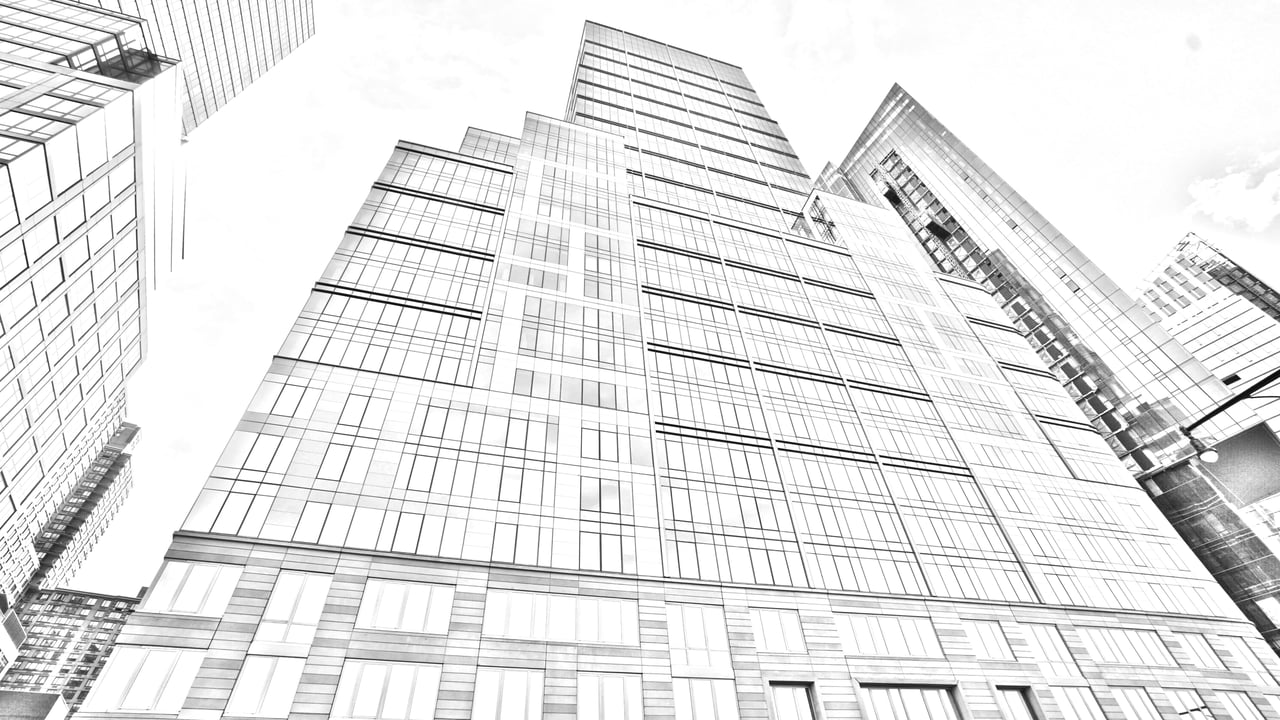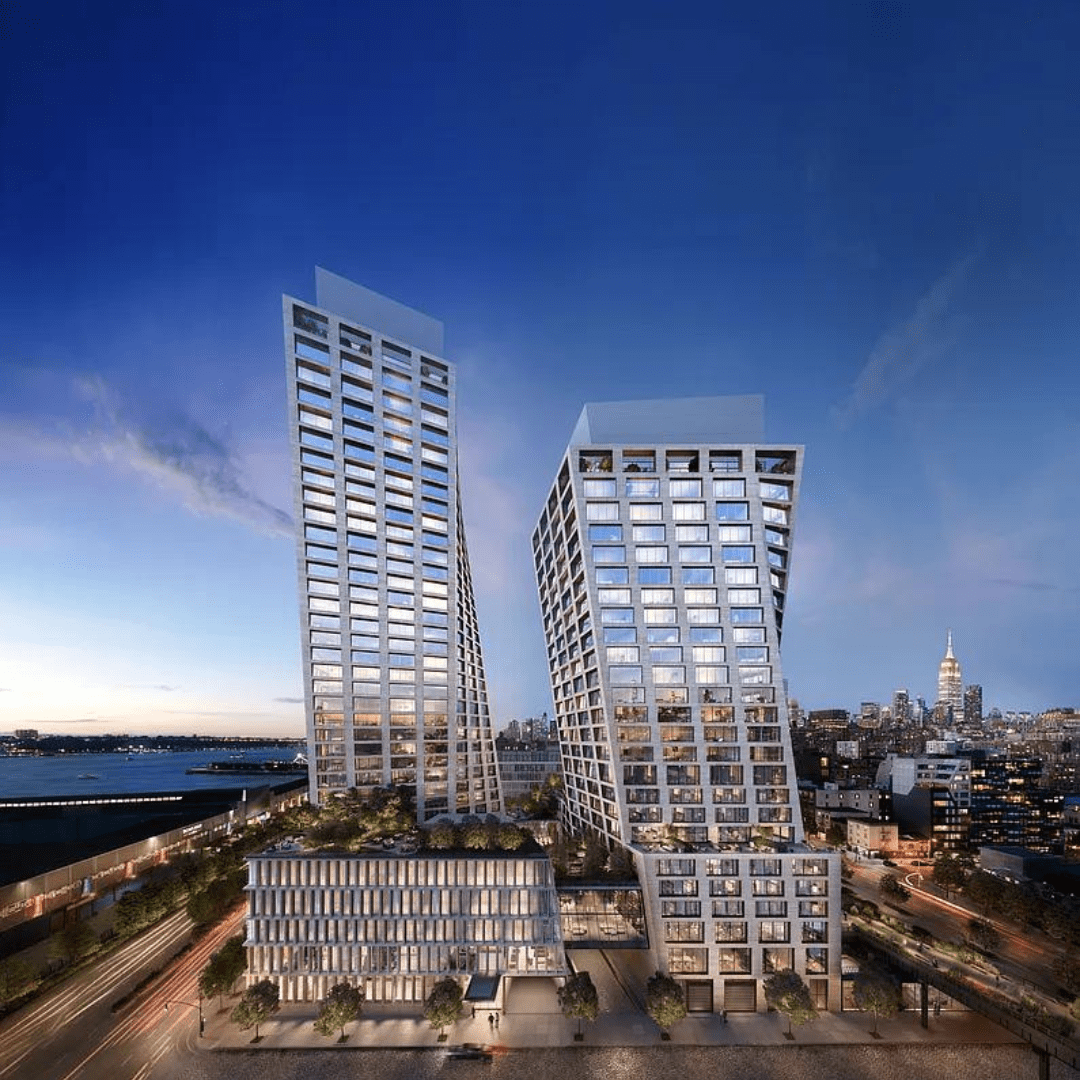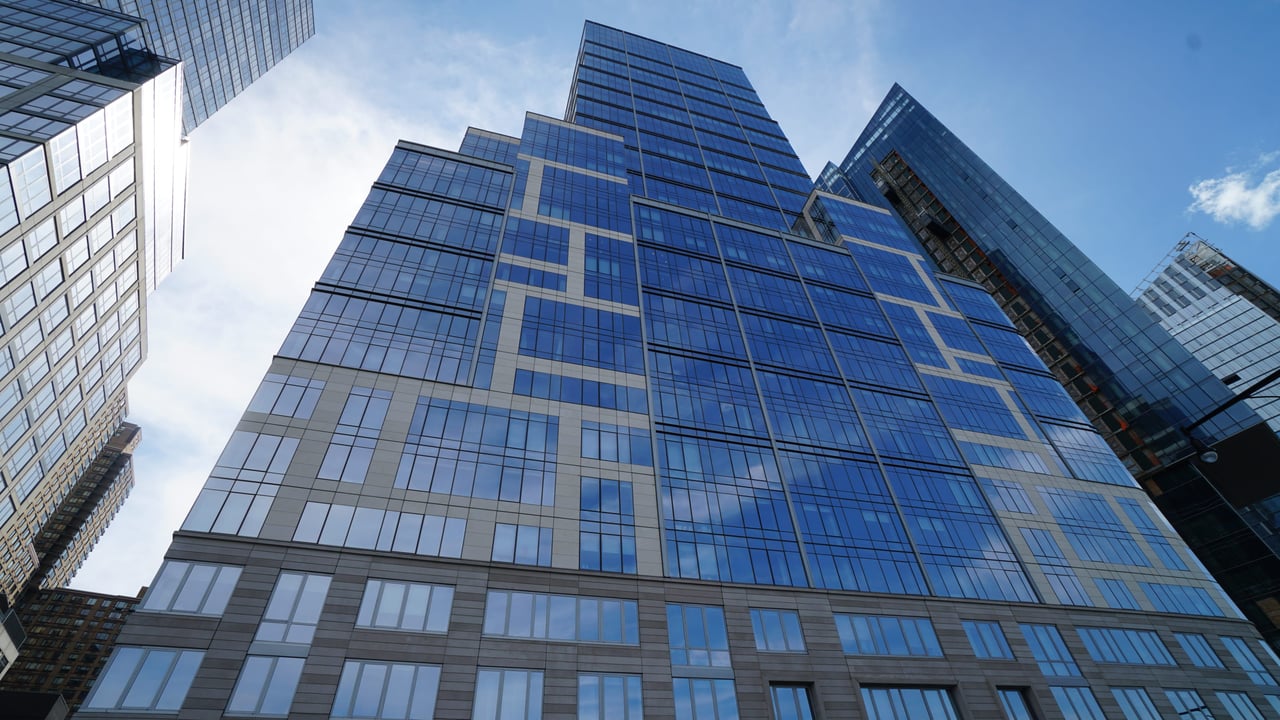
According to Our Town Downtown, Village Preservation described the 30-story tower now rising at 11 West 13th Street, a building its developers have started calling The Greenwich Spire, as "appallingly out of scale" in a letter to the Department of Buildings last fall. The fight over height has consumed the neighborhood's attention since: zoning letters, a Department of Buildings petition, a City Planning appeal, rally speeches from the group's executive director. Almost nobody has asked what a single 34-unit building does to the number everyone actually uses to decide whether Greenwich Village is a good place to buy: the median price.
It is worth asking, because right now that number cannot even agree with itself.
Three Reports, One Neighborhood, No Consensus
Pull up Greenwich Village pricing from three sources this summer and you get three different neighborhoods. One tracker reported the median condo sale price in the second quarter of 2026 at $11 million, an increase of more than 480 percent year over year, alongside a median house price of $21.5 million in April, up 117 percent. A second source measured the three months ending May 2026 at a median of $1.8 million, up a comparatively modest 24.3 percent, with 81 homes sold that month and the average time on market falling to 55 days from 90 the year before. A third, a market report published in early July 2026 covering the prior 30 days, put the median closed price at $1.44 million on 29 recent sales, with active inventory sitting at 170 listings asking a median $1,704 per square foot and co-ops making up 64 percent of that inventory.
None of these are wrong. They are measuring the same neighborhood through samples so small that one closing reshuffles the whole picture.
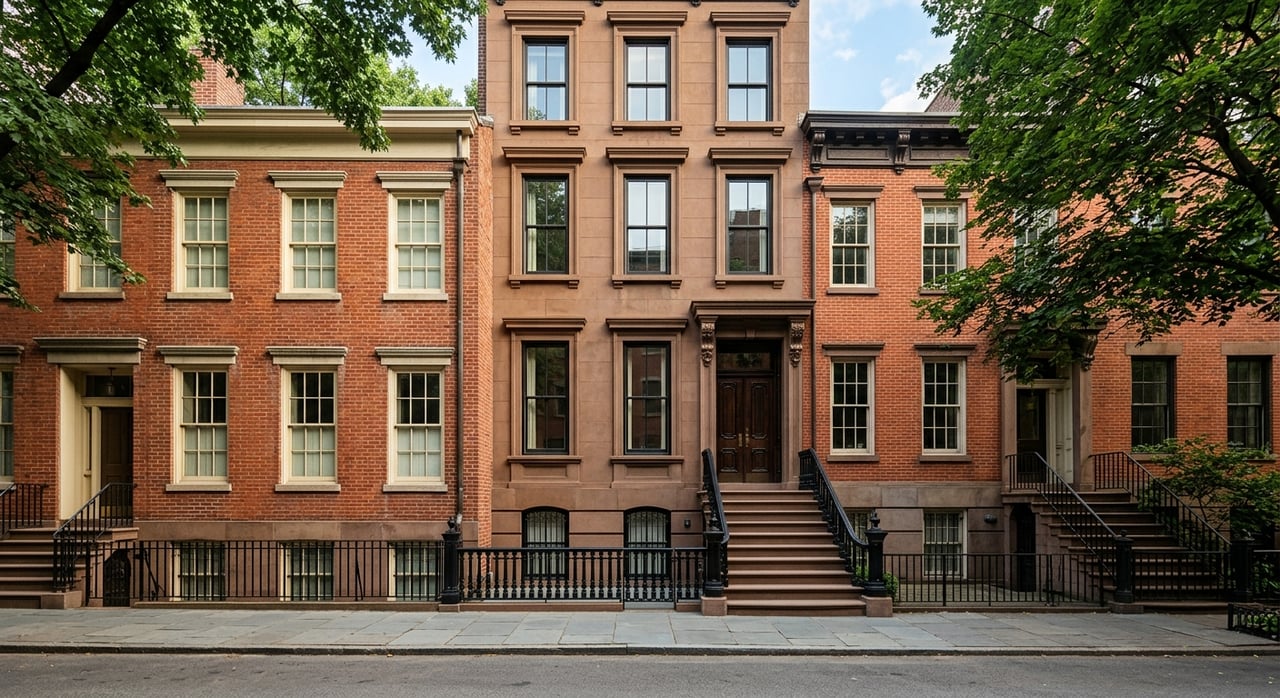
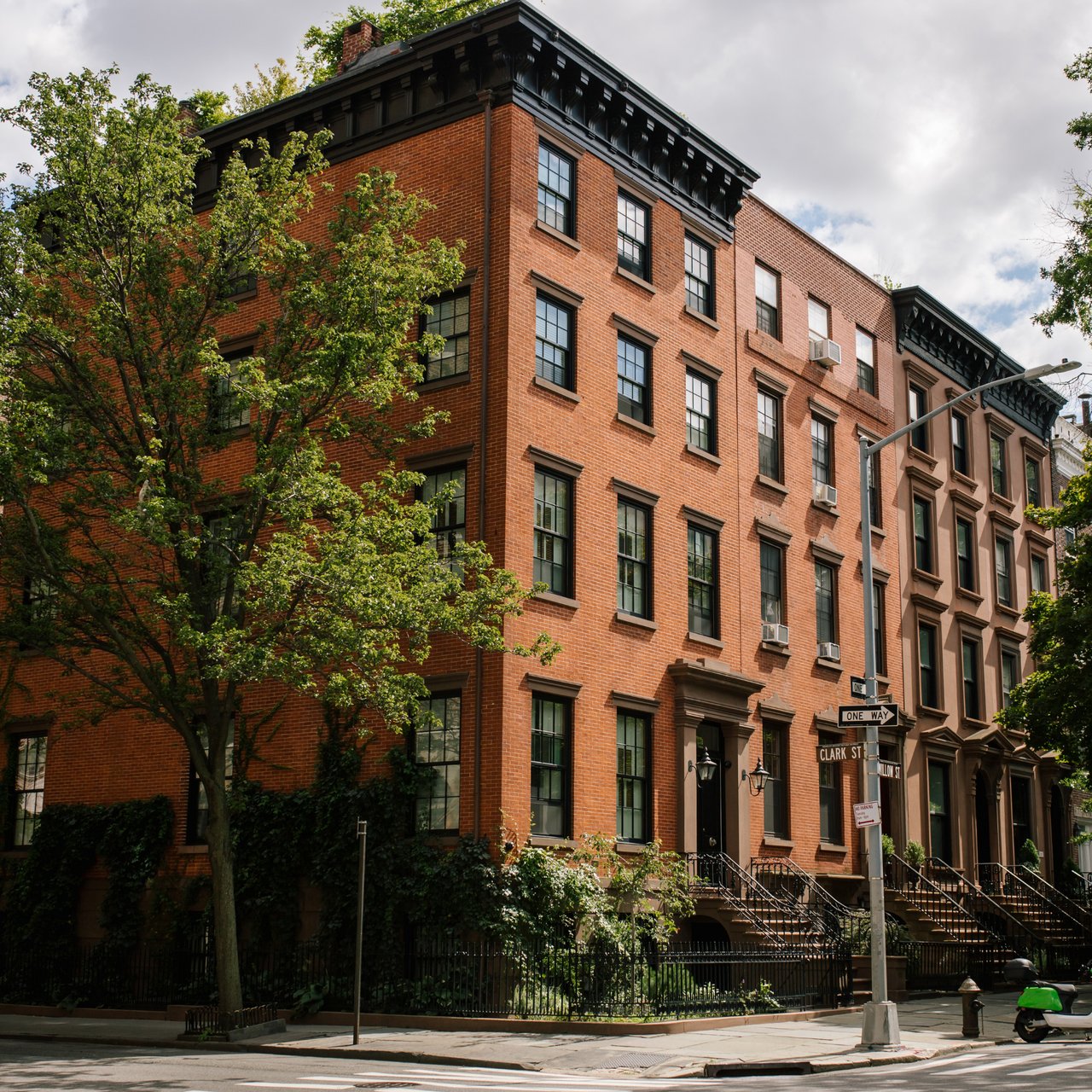
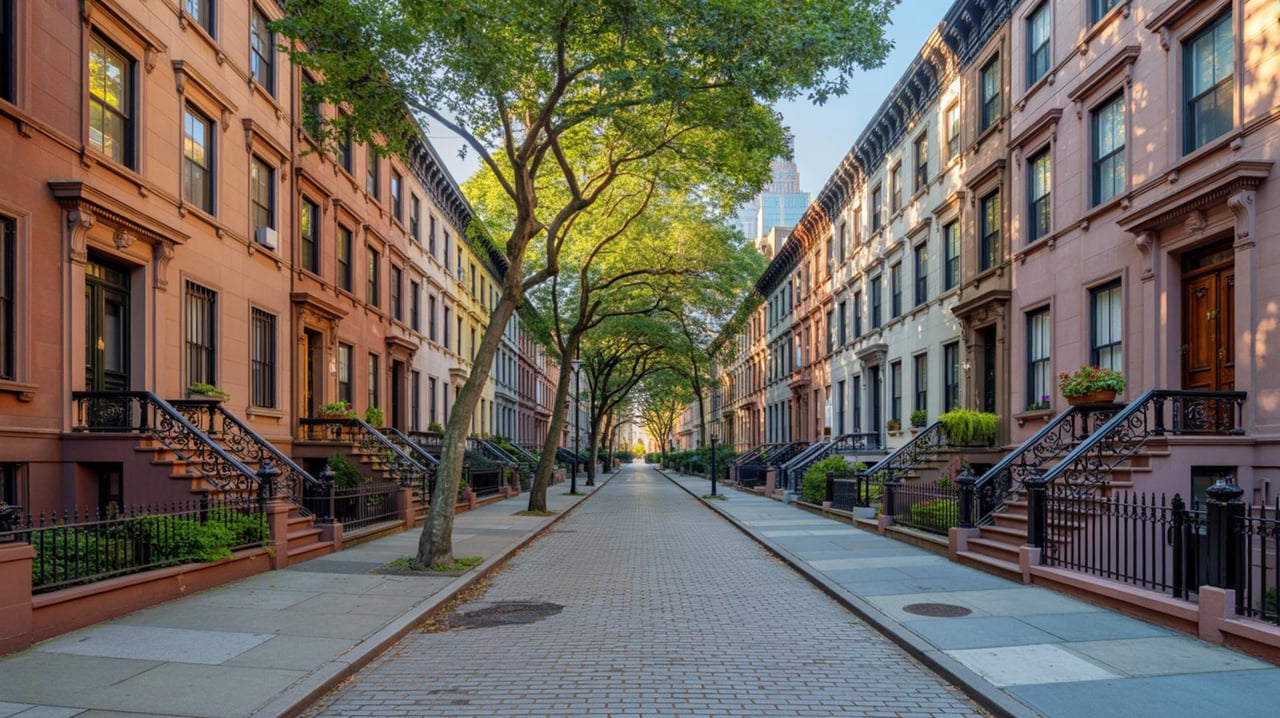
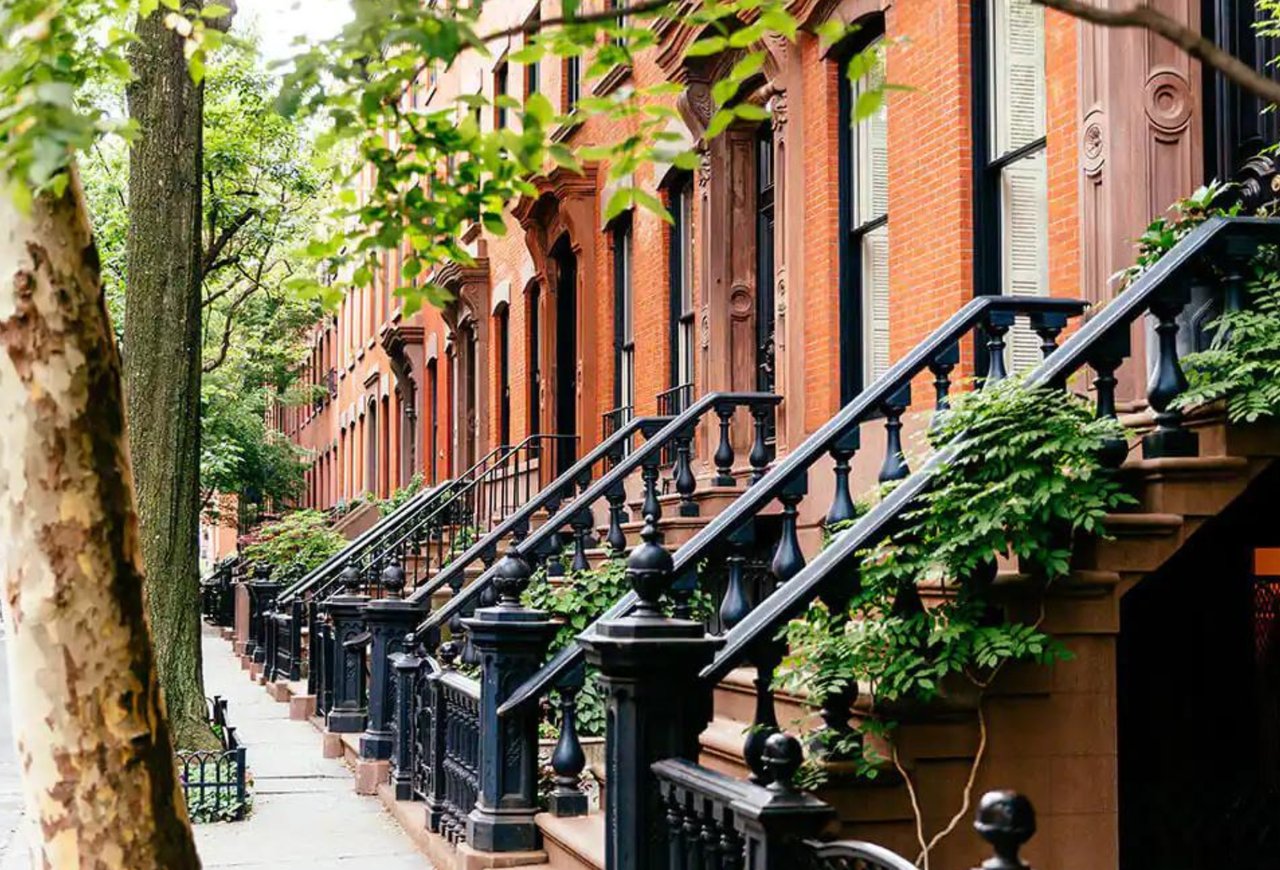
Greenwich Village's housing stock has been effectively frozen since 1969, when the city designated the district and locked its roughly 2,200 buildings against meaningful expansion. New supply does not arrive the way it does in a neighborhood with open lots and by-right zoning. It arrives in single, large events: a hospital campus converted into condos, a former office tower rebuilt as a supertall. Between those events, the market runs on a trickle of resales, and a trickle is exactly what turns one $21.5 million townhouse into a headline about the whole neighborhood's median jumping over 100 percent.
That is not a market trend. That is one sale.
What The Greenwich Lane Already Proved
If you want to see this mechanism working in real time, look at the development that reshaped Greenwich Village pricing the last time supply arrived in bulk. The Greenwich Lane, built by Rudin Management and Global Holdings on the former St. Vincent's Hospital campus, is not one building. It is six addresses, each with its own sales history, and the spread between them tells you more than any blended average could.
At 155 West 11th Street, the sixteen most recent sales averaged $4,490 per square foot. At 160 West 12th Street, a building from the same development, the thirteen most recent sales averaged $3,476 per square foot. That is a difference of roughly 29 percent inside a single project, driven by floor plates, restoration versus new construction, and which tower happened to close units in which reporting window.
Layer on the outliers. A townhouse at 141 West 11th Street, part of the Greenwich Lane complex, sold off-market this summer for $35 million to a buyer shielded behind an LLC. A single transaction like that, reported alongside a normal month of $1.4 million co-op closings, is enough to make the neighborhood's average price per square foot look like it doubled overnight. Industry analysts have flagged this exact pattern citywide: when one new-development building accounts for a large share of a neighborhood's luxury contracts in a given quarter, it can push the average asking price per square foot to more than double the resale average for everything else nearby. Greenwich Village has already lived through one version of that distortion. It is about to live through another.
The Next Distortion Is Under Construction
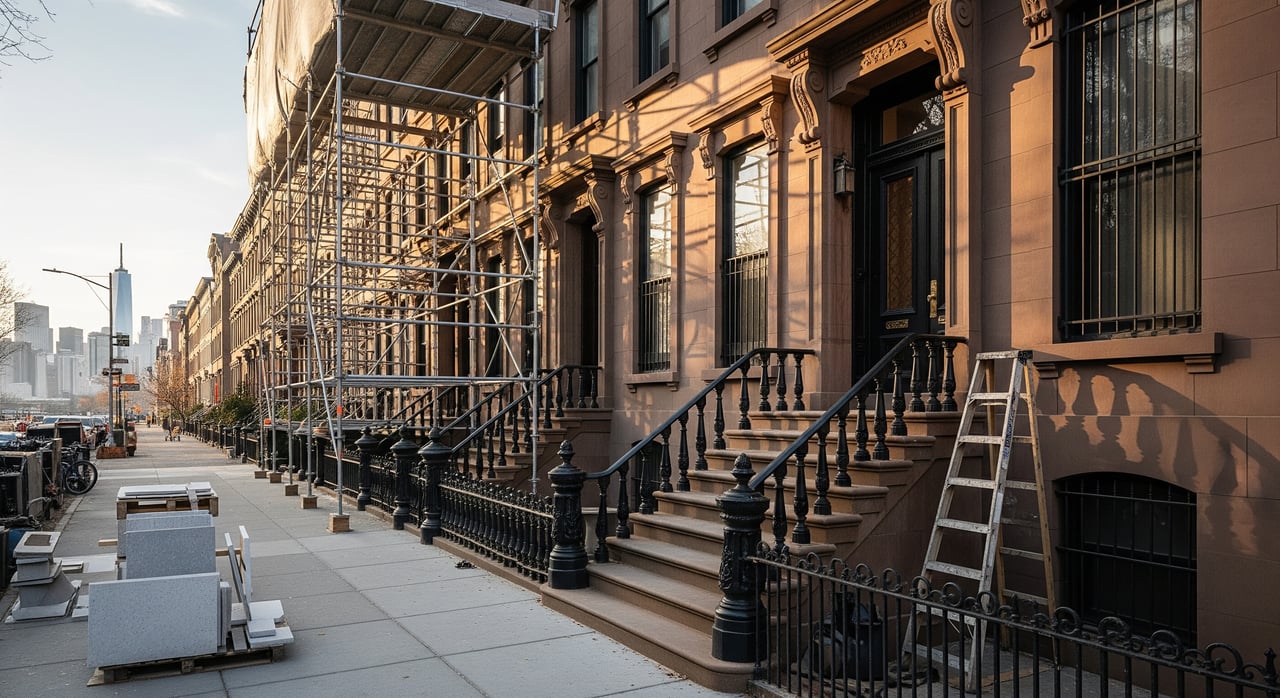
The Greenwich Spire is not a metaphor for what could happen to Greenwich Village pricing. It is the mechanism, mid-assembly, eight blocks from Washington Square.
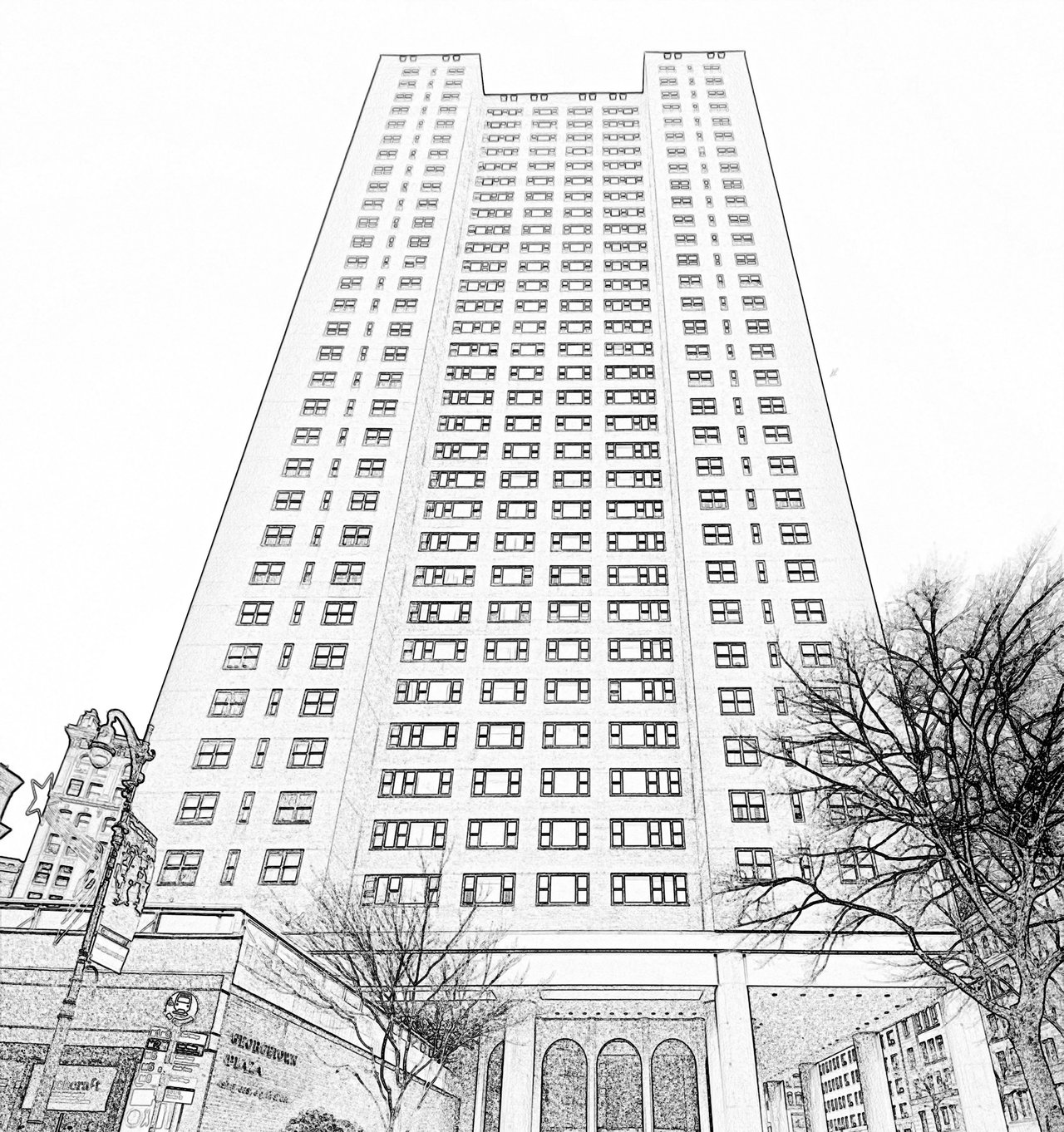
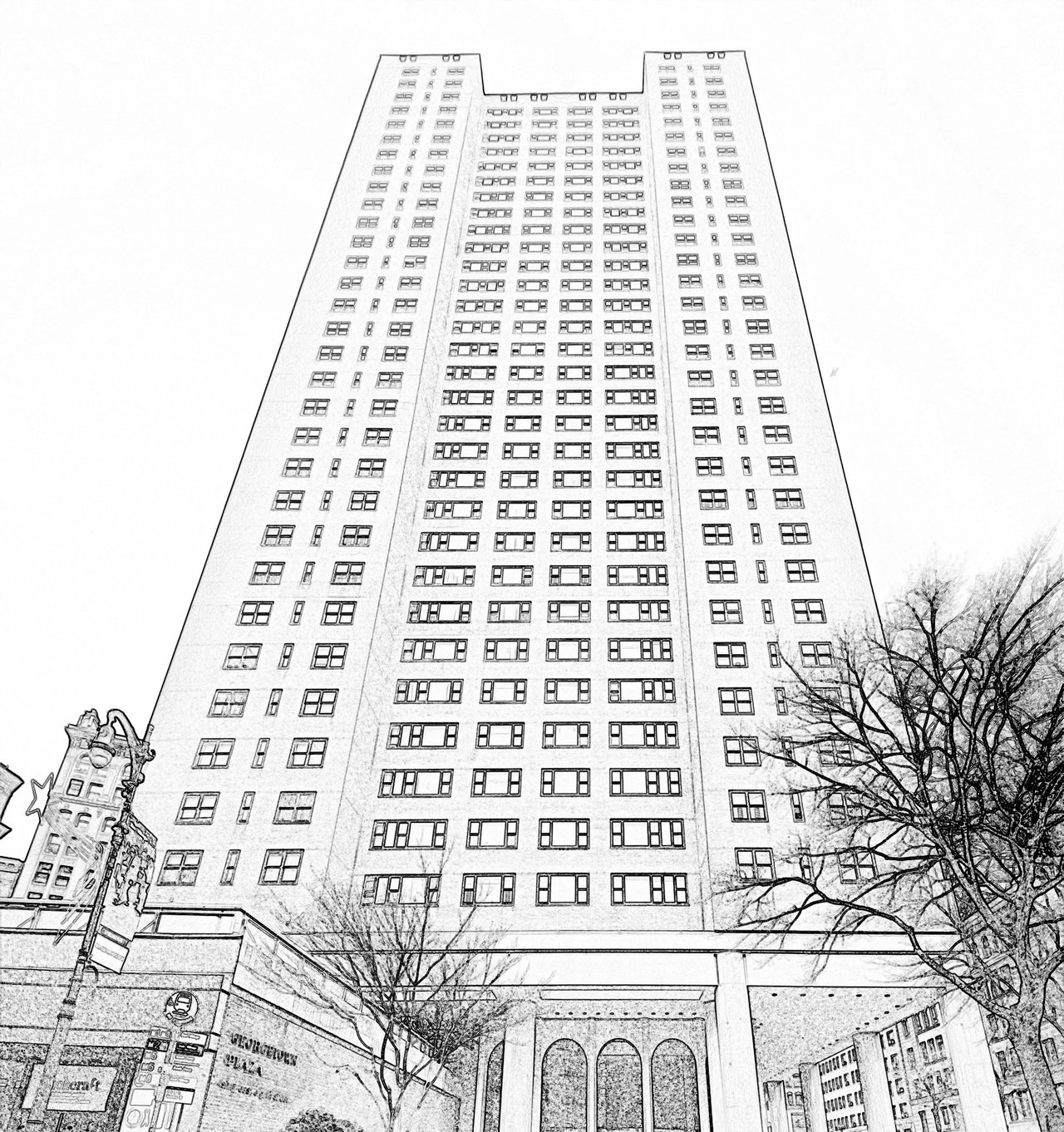
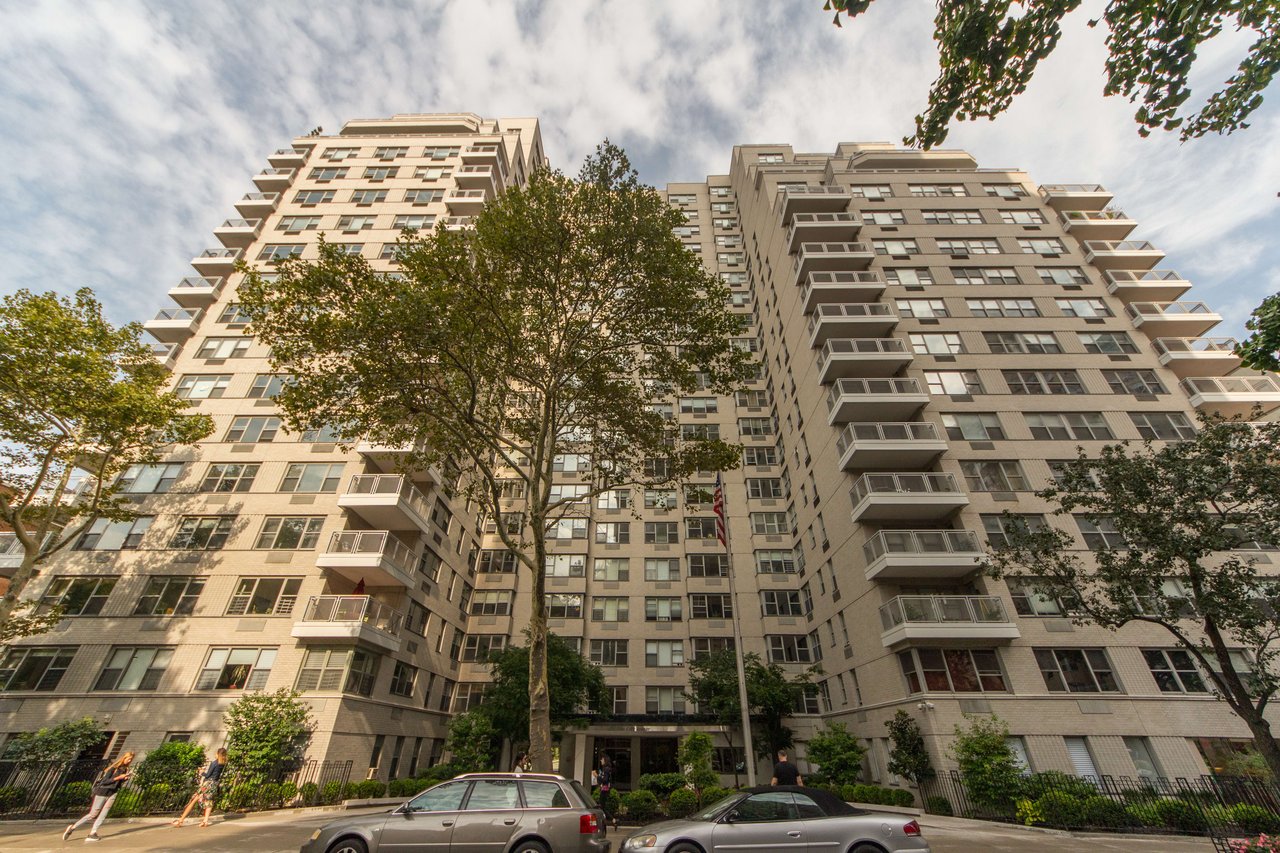
The numbers are specific. Legion Investment Group and EJS Group bought the site for $57.5 million in 2024 and secured $190 million in construction financing this year, a $140.075 million senior loan from Bank OZK paired with $50 million in mezzanine debt from CanAm Enterprises. Kohn Pedersen Fox designed a 538-foot tower, roughly 200 feet taller than Georgetown Plaza and Hilary Gardens, the two buildings that currently share the title of tallest in the neighborhood. The project was trimmed from 36 units to 34 in a later filing, with average residences scaled around 3,020 square feet. Corcoran Sunshine Marketing Group is handling sales, which were targeted to launch in mid-2026, with completion aimed at 2027 or early 2028.
As of late July, foundation work had nearly reached street level, with the superstructure expected to break above ground by winter. That timeline matters more than it looks. A monthly market report for Greenwich Village recorded 29 total closed sales across the entire neighborhood in a 30-day window this summer. Once The Greenwich Spire begins closing 34 units, most of them well above $10 million based on comparable trophy pricing at nearby developments, those closings will not blend quietly into the neighborhood's monthly total. They will be a meaningful share of it, in the same way Greenwich Lane closings once were, and the reported median will move again, not because the market changed but because the sample did.
Village Preservation's fight over the tower's height, grounded in a claim that the project violates street-wall rule ZR-35-61 and stretches the "City of Yes" zoning reforms further than intended, is a fight over what the skyline will look like. The pricing fight nobody is having yet is about what the comps will look like once those units start closing.
How To Actually Read A Greenwich Village Comp
A median is only useful when the sample behind it is large enough to average out. In Greenwich Village, it rarely is. A buyer or seller trying to price against the neighborhood, rather than against a specific building and unit type, should ask a few questions before trusting any headline figure.
- How many transactions make up this number, and over what window. A median built on 29 sales moves differently than one built on 2,900.
- Is a single new-development building's closings included in this period. If so, the number is describing that building's sellout pace as much as the broader neighborhood.
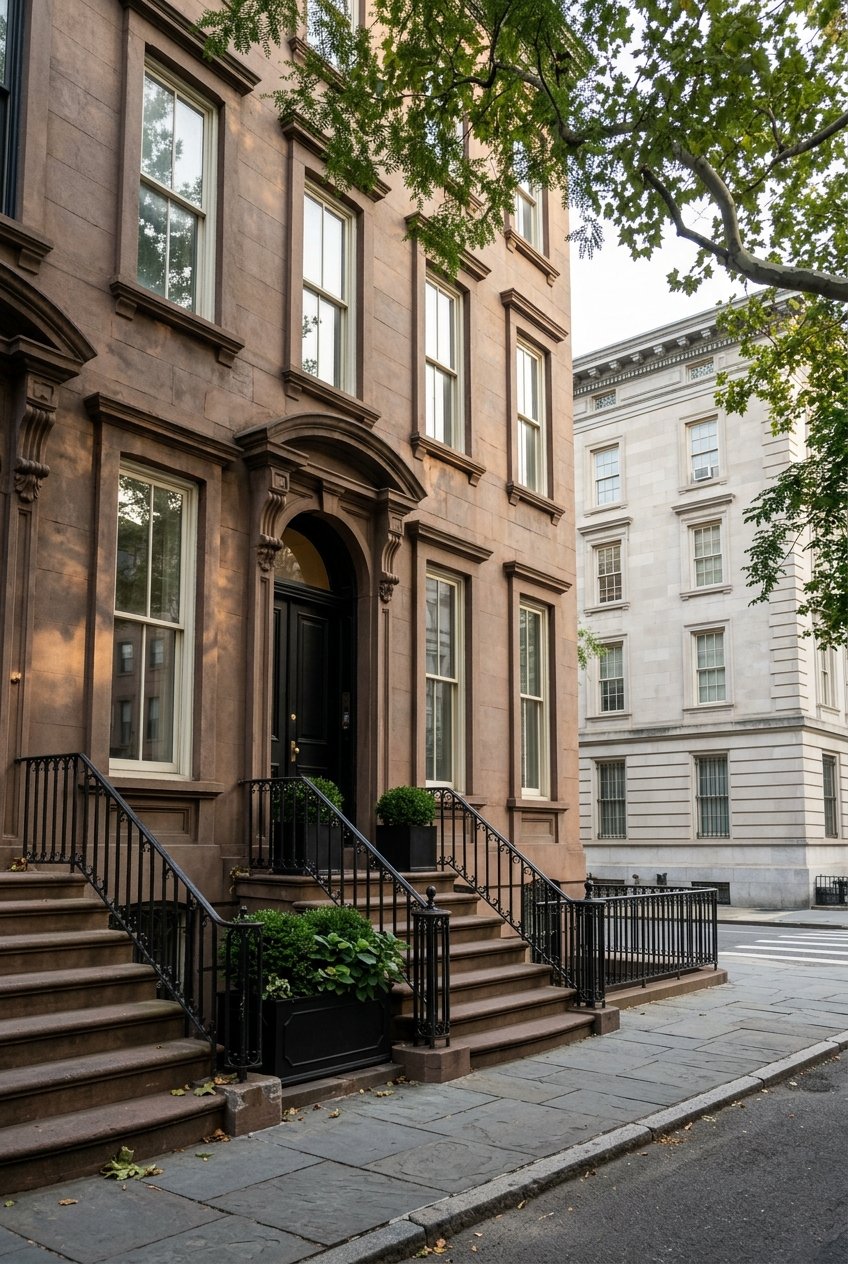
- Does the figure blend co-ops, condos, and townhouses. Co-ops made up 64 percent of Greenwich Village's active inventory this summer, and they price on an entirely different scale than a Greek Revival townhouse or a new-construction penthouse.
- What is the building-level price per square foot, not the neighborhood average. The 29 percent gap between two addresses in the same Greenwich Lane development shows why a single blended figure hides more than it reveals.
None of this means Greenwich Village pricing is unknowable. It means it has to be read building by building, comp by comp, the way an agent who tracks this district closing by closing actually reads it, rather than the way a portal's algorithm averages it.
Frequently Asked Questions
Is Greenwich Village more expensive than it was a year ago? Depending on which report you read, yes by 24 percent or several hundred percent. The honest answer is that broad appreciation is real but modest, and the larger swings in headline figures trace back to a handful of trophy transactions rather than a shift in what typical units are worth.
Should I wait for units at The Greenwich Spire to hit the market before buying elsewhere in the neighborhood? Sales were targeted to launch in mid-2026 with completion expected in 2027 or early 2028, so units will not close for some time. Buyers evaluating resale co-ops or townhouses now are shopping in a different segment of the market than the tower will eventually serve.
Why do co-ops make up most of the inventory but pull the median down? Co-ops accounted for 64 percent of active Greenwich Village listings this summer, and they typically transact below condo and townhouse pricing due to board approval requirements, financing restrictions, and older building infrastructure. A neighborhood median that leans co-op-heavy in one reporting period and condo-heavy in the next will naturally swing even without any real change in value.
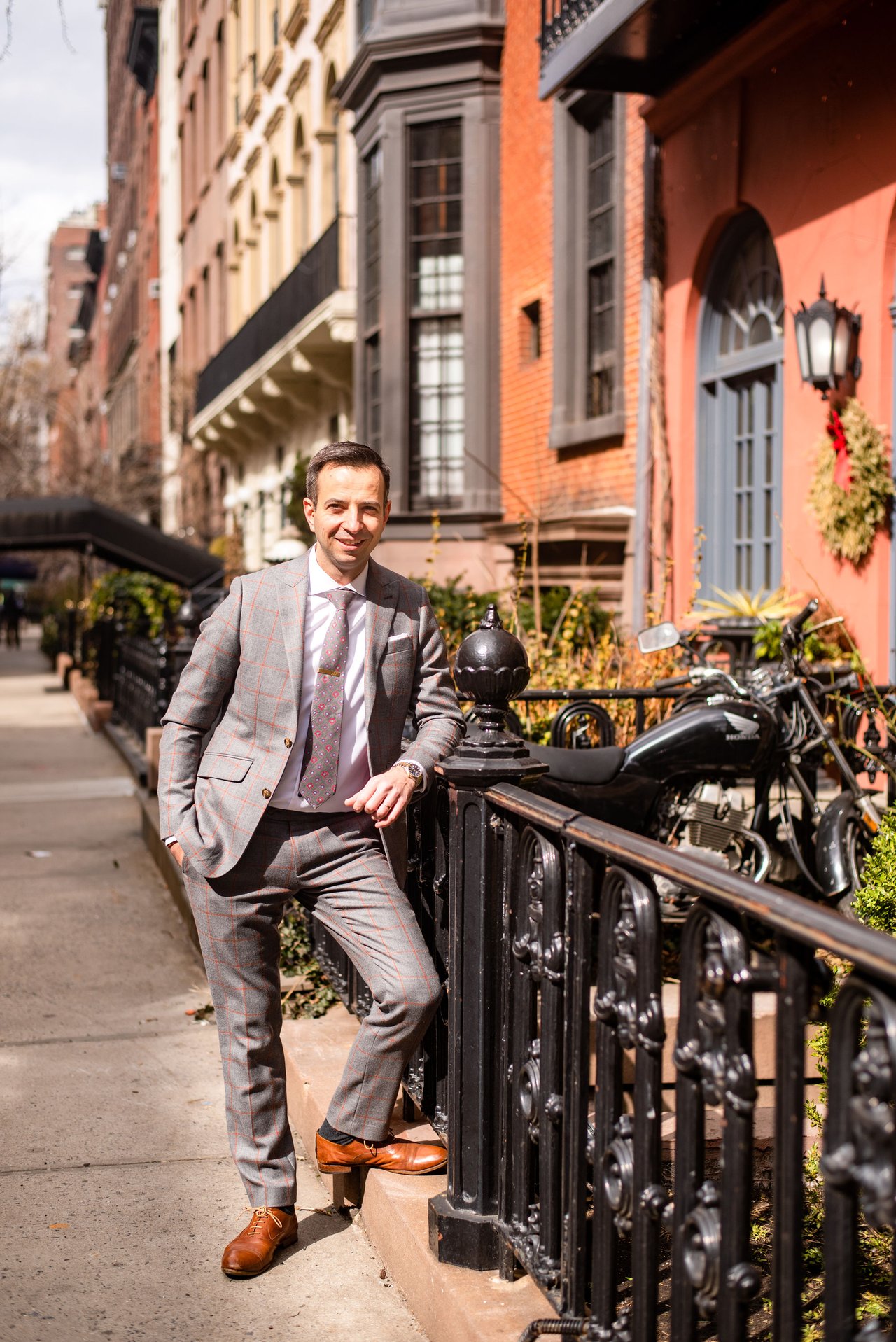
Reading a Greenwich Village comp correctly means separating the building from the block and the transaction from the trend. If you are trying to figure out what a specific address, or a specific unit at a development like The Greenwich Lane, is actually worth against what is closing right now, that is a conversation worth having before you rely on a headline number. Daniel Kramp works this market building by building. Let's connect for a private consultation.