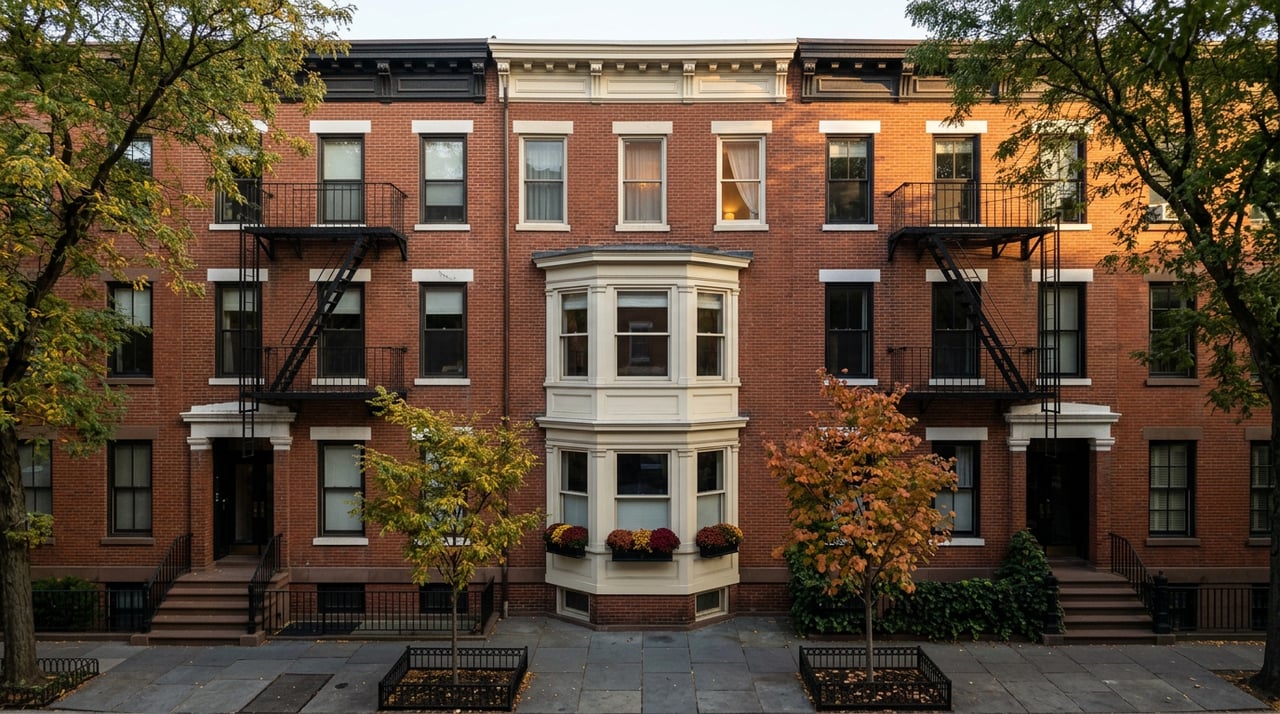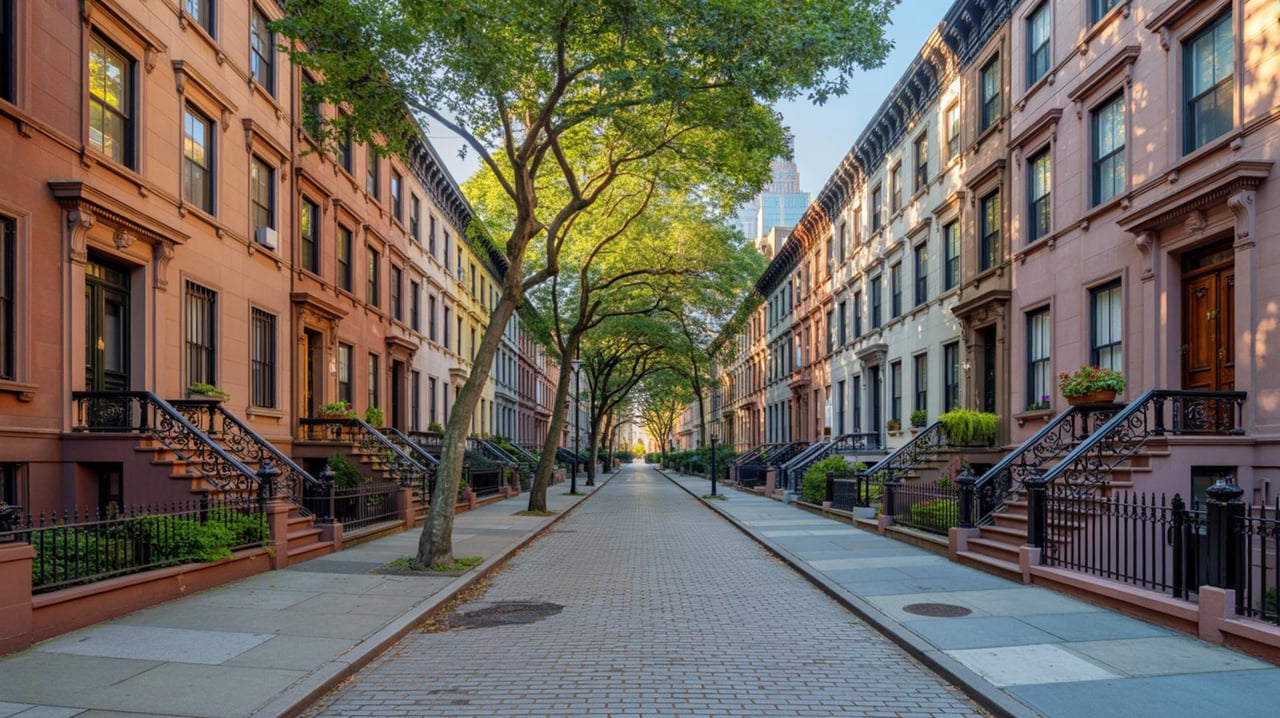
The assessment history in a board package tells you what a building already paid for. It doesn't tell you what's coming due next. On the Upper West Side, where prewar cooperatives make up most of the inventory along Central Park West, Riverside Drive, and the brownstone side streets between them, that gap matters more than it used to. The Department of Buildings says buildings over six stories face the facade inspection clock, while Skybriz says most buildings over 25,000 square feet face the carbon compliance clock; these separate obligations rarely appear on the same page of a co-op's financials, and the facade clock changed this fall.
The line that shows the past, not the future
A typical Upper West Side co-op board package includes two to three years of tax returns, pay stubs, an employer letter, bank and investment statements, and a set of building documents your attorney is supposed to comb through: proprietary lease, house rules, minutes, and financial statements. Buried in those financials is an assessment history, usually a short paragraph noting what was levied, when it started, and when it ended. Facade restoration completed in 2019. Elevator modernization finished in 2021. Paid off, closed out, done.
That history answers one question: has this building had large expenses before. It doesn't answer the question that actually matters to someone signing a purchase contract this fall, which is whether the building is about to have one again. Two separate laws generate that exposure on their own timelines.
The carbon clock resets every year
Local Law 97 caps carbon emissions for most buildings over 25,000 square feet, which covers the great majority of the prewar co-op stock buyers look at on the Upper West Side. As Metro Contractors explains, any building over its cap pays $268 for every metric ton it exceeds, every year it exceeds it. That's the part that catches people off guard: this isn't a one-time fine tied to a single bad year. It's a recurring bill, and the cap itself gets roughly 40% stricter starting in 2030, which means a building barely compliant today has a second, harder deadline already visible on the horizon.
Buildings that can't or don't want to fund efficiency upgrades sometimes just pay the annual penalty and pass it through as a maintenance increase, and a bump in the range of 4 to 8 percent tied specifically to this law has become common in affected Manhattan and Brooklyn buildings. Some boards fold the charge into a category that doesn't announce itself. If a board package mentions a carbon assessment, that's this law showing up under a different name. It's worth asking directly whether a building has filed its most recent emissions report, whether it came in under or over its cap, and if over, by how much and for how long the board expects that to continue.
The facade clock runs on its own schedule, and it just moved
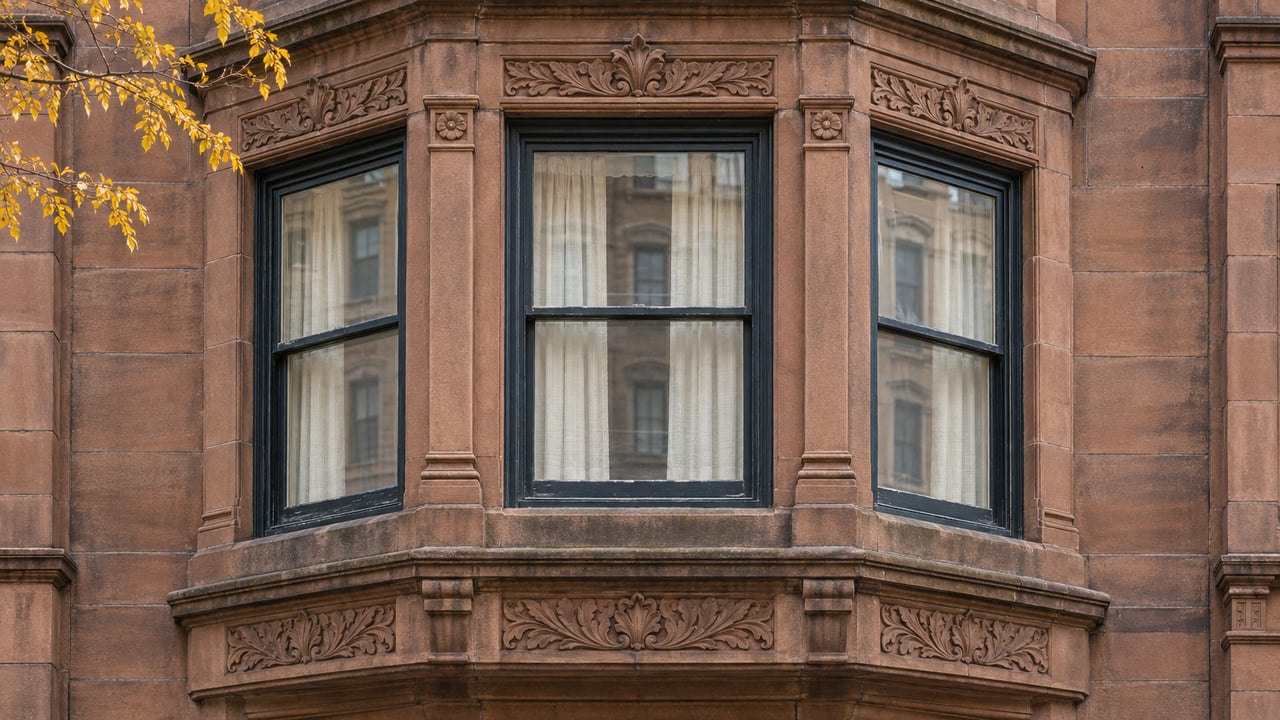
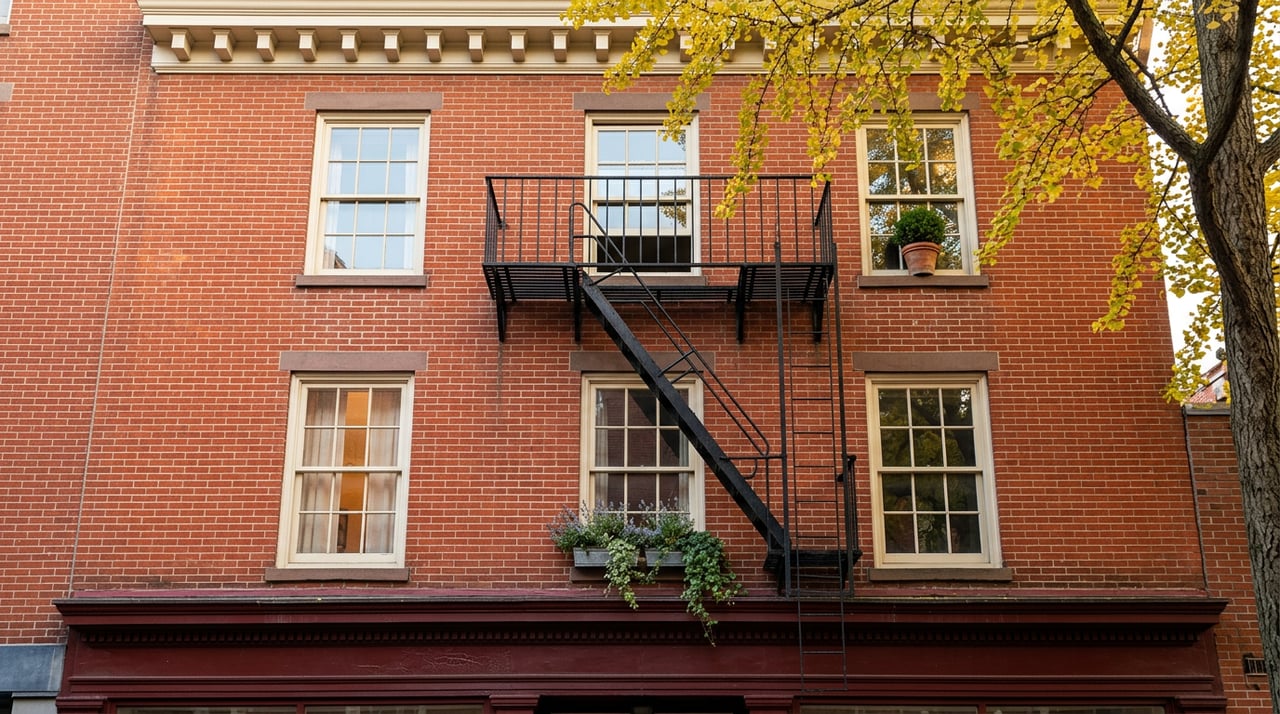
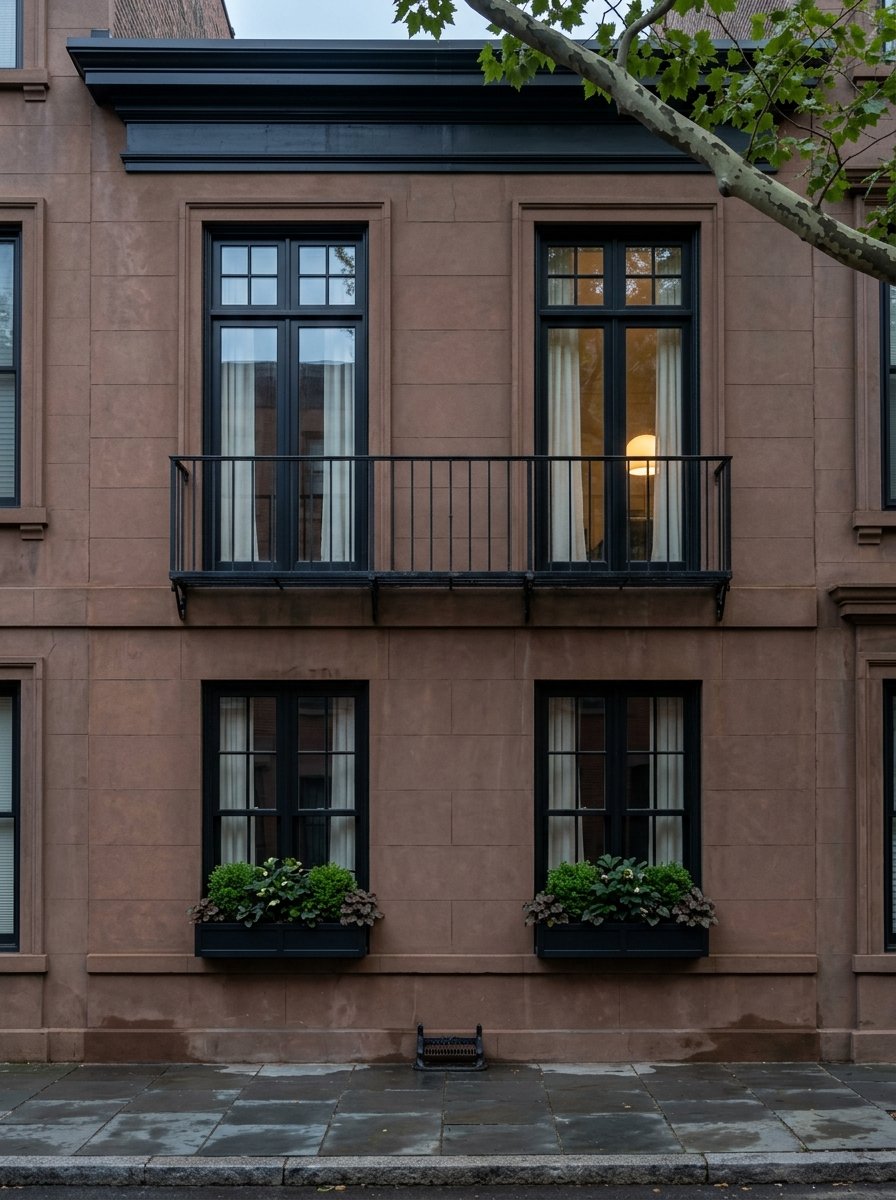
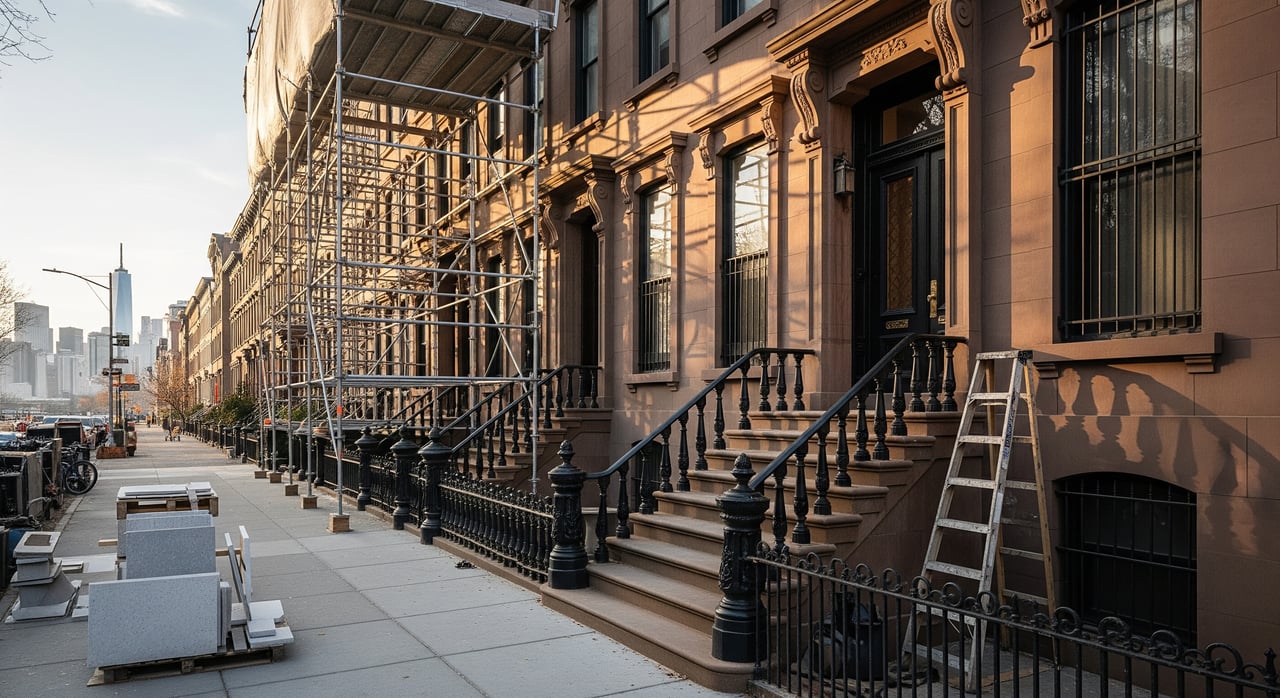
Local Law 11, administered today under the Facade Inspection and Safety Program, requires buildings taller than six stories to have their exterior walls inspected by a licensed architect or engineer on a fixed cycle, with a technical report filed with the Department of Buildings. The inspection produces one of three ratings: Safe, SWARMP, meaning repairs are required before the next cycle, or Unsafe, which triggers an immediate sidewalk shed. Unsafe conditions have to be fixed within 90 days of filing.
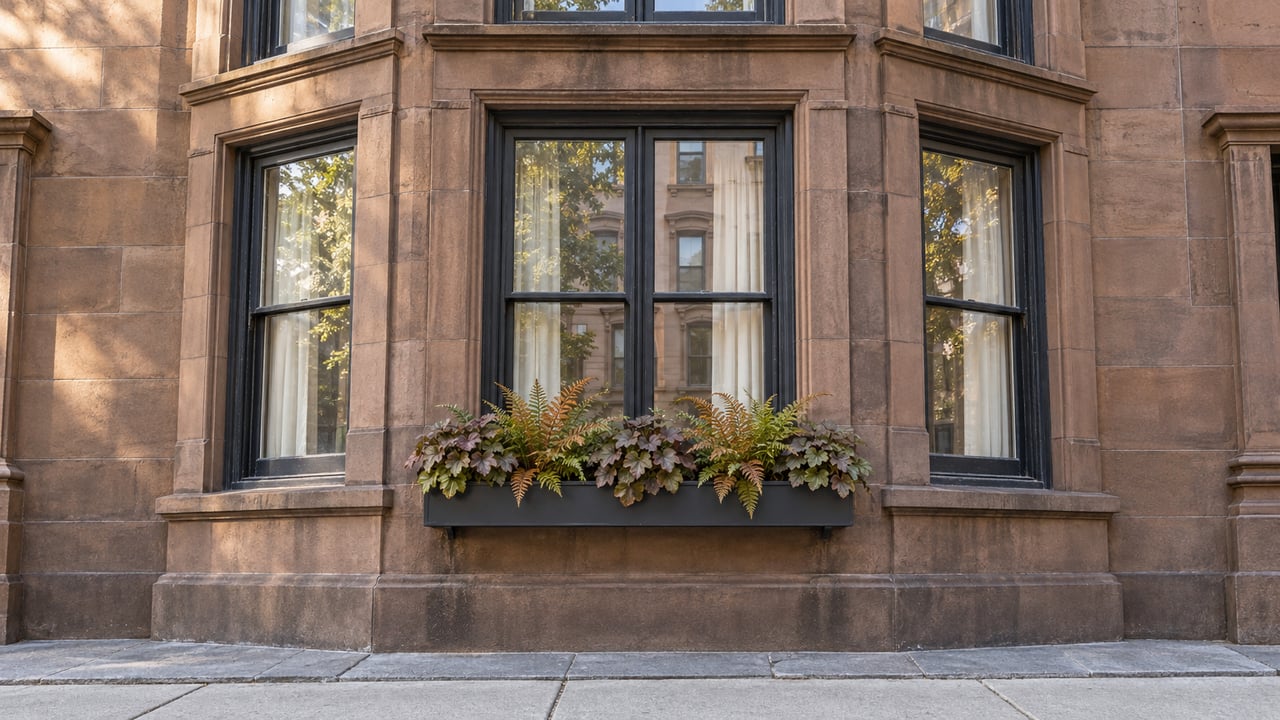
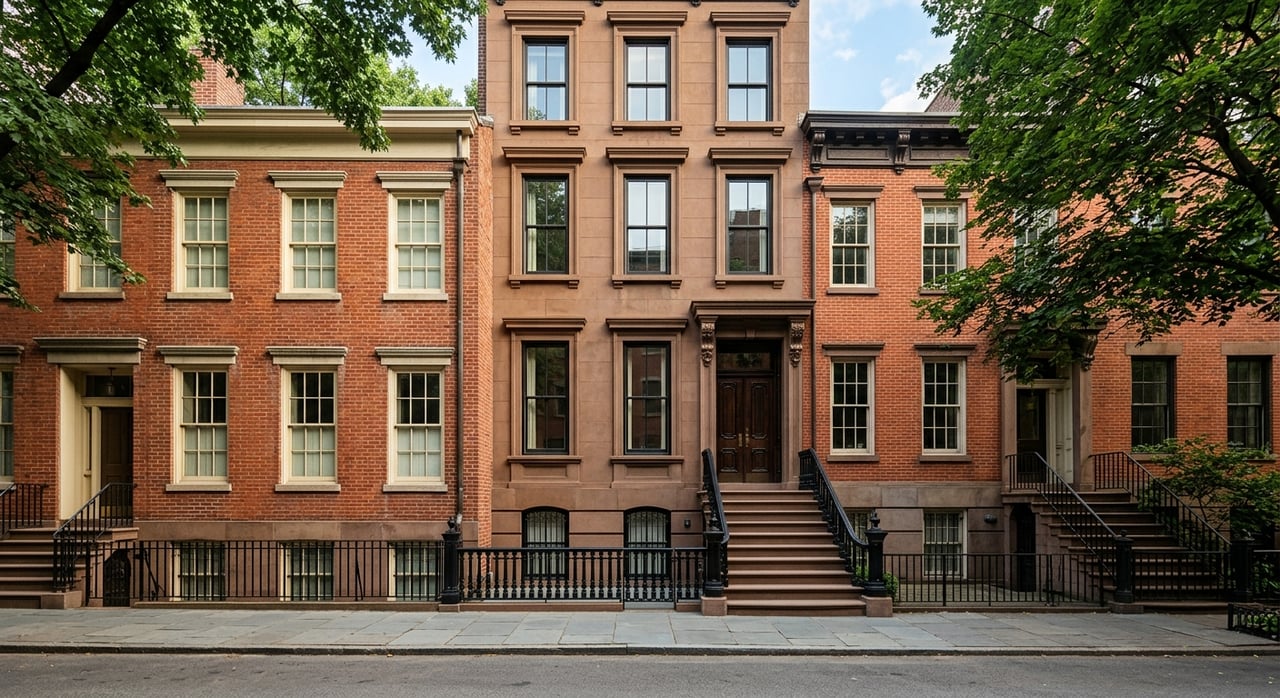
This is where prewar buildings tend to feel the cost most directly. Citywide repair benchmarks run roughly $6,500 or more per linear foot of facade, and a mid-size building with an 80-foot frontage and moderate repairs can cross $500,000 without much difficulty. Landmark-district prewar buildings, the kind that define Central Park West and the historic blocks around it, have been known to cross $1 million once deferred maintenance catches up with a filing cycle. A restoration project in that range gets distributed across shareholders by their proprietary share allocation, which for a one-bedroom owner can mean an assessment in the neighborhood of $15,000 to $40,000, typically spread over two to three years rather than billed all at once.
For years the cycle itself was fixed: inspect every five years, no exceptions. That changed with a package of three laws passed in 2025. Local Laws 49, 50, and 51 tightened enforcement and, starting October 1, 2026, authorized the Department of Buildings to move some buildings onto a longer 6 to 12 year inspection interval instead of the old fixed five years. At the same time, the 2025 package added new penalties for delayed repairs, and any building that lets a SWARMP rating slide unaddressed gets automatically reclassified as Unsafe at its next filing window. A building already on a delayed track, one working through Cycle 10B with a February 21, 2028 deadline, can accumulate more than $50,000 in penalties on top of the repair cost itself if it misses that date.
What that means for a buyer this fall is that the facade clock a building is on right now may not be the clock it was on eighteen months ago, and it may not be the clock it moves to next year either. A building's current "last inspected" date tells you less than it used to about when the next one is actually due.
| Local Law 97 (carbon) | Local Law 11 / FISP (facade) | |
|---|---|---|
| Trigger | Buildings over 25,000 sq ft, annual emissions vs. cap | Buildings over six stories, exterior wall condition |
| Frequency | Emissions reporting | Every five years historically; now 6 to 12 years for some buildings starting October 1, 2026 |
| What a violation looks like | Over-cap penalty at $268 per metric ton | Safe, SWARMP, or Unsafe rating; Unsafe triggers an immediate shed, with repairs due within 90 days |
| Typical cost signal | 4 to 8% maintenance increase, or a line item like "carbon assessment" or Article 320 | $15,000 to $40,000 per one-bedroom owner on a $1M to $3M restoration |
| What just changed | Cap tightens roughly 40% for 2030 to 2034 | Inspection cycle itself restructured under 2025's Local Laws 49, 50, 51 |
What to actually ask for
The standard board package checklist, the one built around tax returns and reserve balances, was designed for a market where the biggest risk was whether a buyer could carry the maintenance. It wasn't designed to flag a compliance clock that resets annually or a facade cycle that regulators just extended. Two questions close that gap and neither one is hard to ask.
First, has the building filed its most recent Local Law 97 emissions report, and did it come in under or over the cap? If over, ask how many years the board expects that gap to persist and whether the charge is being absorbed into maintenance or handled as a separate line.
Second, what facade rating did the building receive at its last FISP filing, and does the board know yet whether it has been placed on the extended inspection interval or remains on the old five-year schedule? A Safe rating on the prior cycle is good information. It's not the same as knowing when the next filing is actually due.
An assessment history tells a buyer what a building has already survived. These two questions tell them what it's still exposed to.
A well-funded reserve absorbs both of these costs quietly. A thinly funded one turns either clock into a shareholder bill with your name on it within the first year of ownership. Reviewing the last two to three years of audited financials alongside any recent engineering or capital needs study, rather than the assessment paragraph alone, is the difference between reading a building's past and reading its next twelve months.
Where the flip tax fits in
Flip taxes are common in Upper West Side co-ops, generally running 1 to 3 percent of sale price, and it's customary on many buildings for the seller to pay. The reason boards charge one at all is usually to build reserves without raising maintenance on every shareholder every year. A building that has been collecting a flip tax consistently for a decade and actually funding its reserve with it is in a materially different position against both of these clocks than one that hasn't. It's a detail worth asking about even though it shows up on the closing statement rather than the assessment history.
Frequently Asked Questions
Does a co-op have to disclose an upcoming Local Law 97 or facade assessment before a sale closes? Recent board minutes are often where a pending vote or engineering report first appears in writing.
If an assessment gets approved after I'm already in contract, am I responsible for it? It's a point worth confirming with your attorney before signing, particularly if the board has an engineering study or a Local Law 97 filing pending at the time of contract.
Reviewing a board package for what it doesn't say is most of the actual work, and it's the kind of review that benefits from having done it dozens of times before. If you're weighing a prewar co-op on the Upper West Side and want a second set of eyes on the financials before you're deep into a board application, Daniel Kramp is glad to walk through it with you. Let's connect for a private consultation.
This article is general information, not legal, tax or financial advice. Consult a qualified professional about your situation.