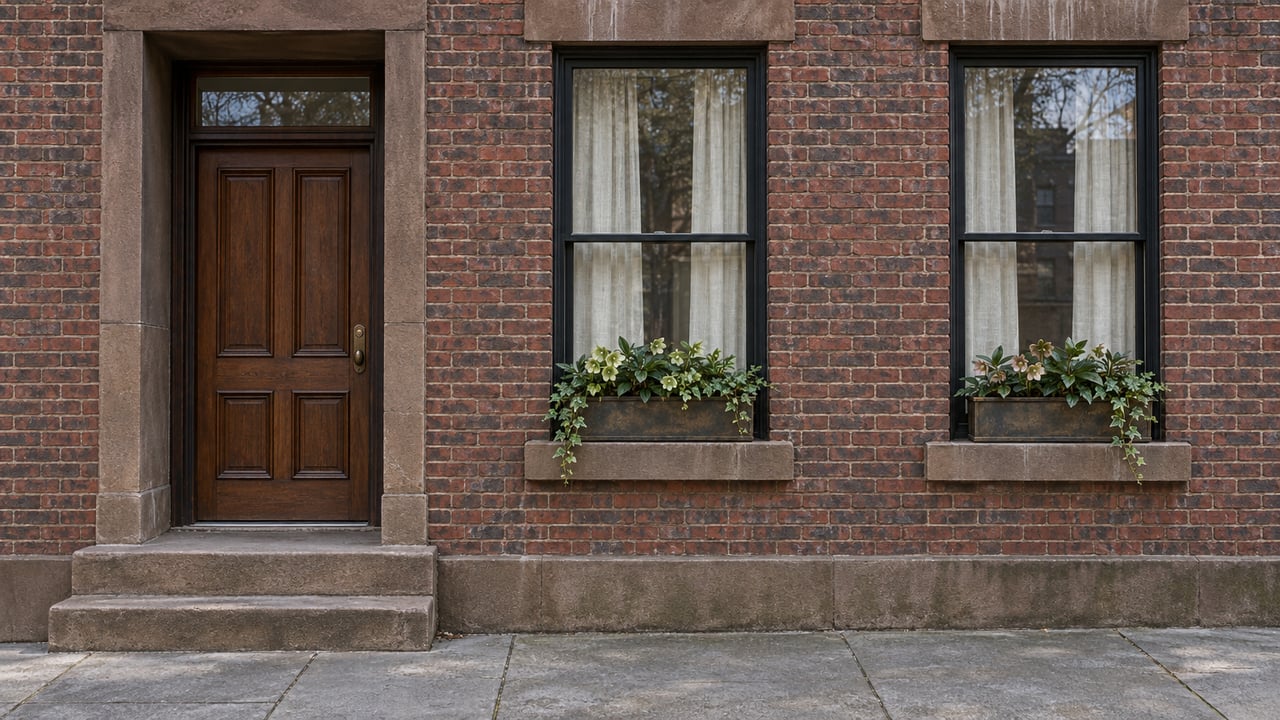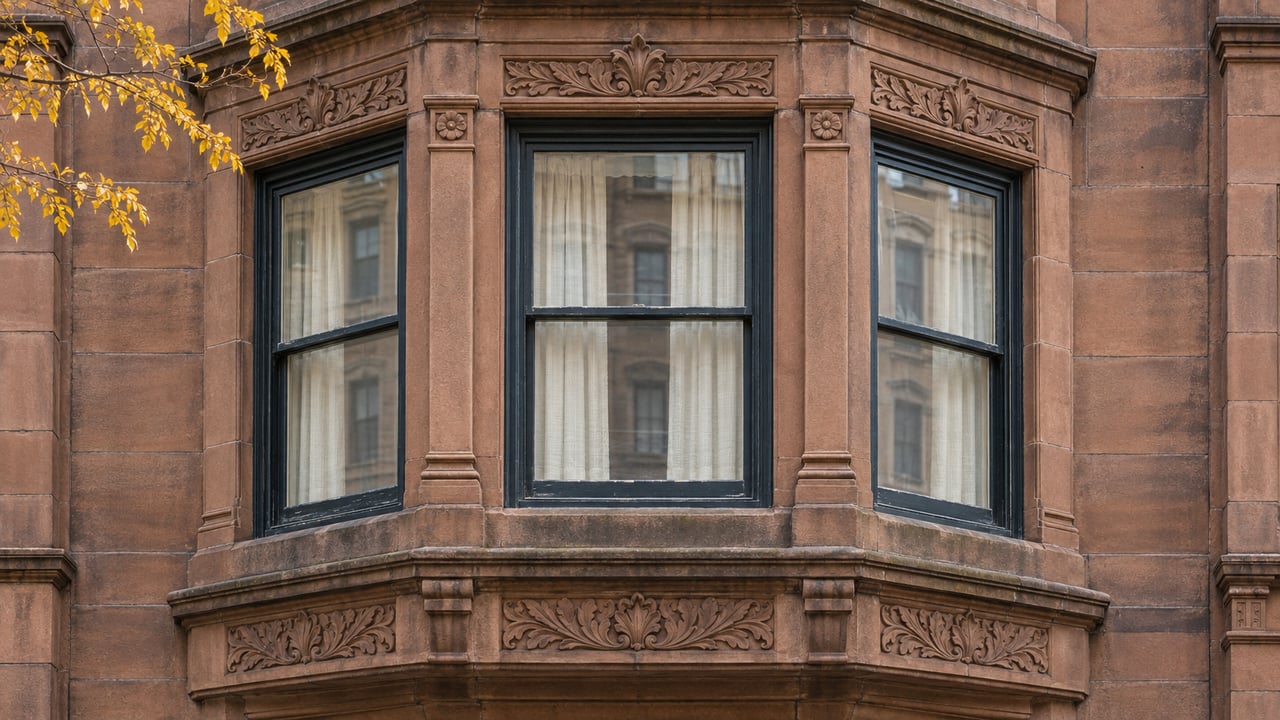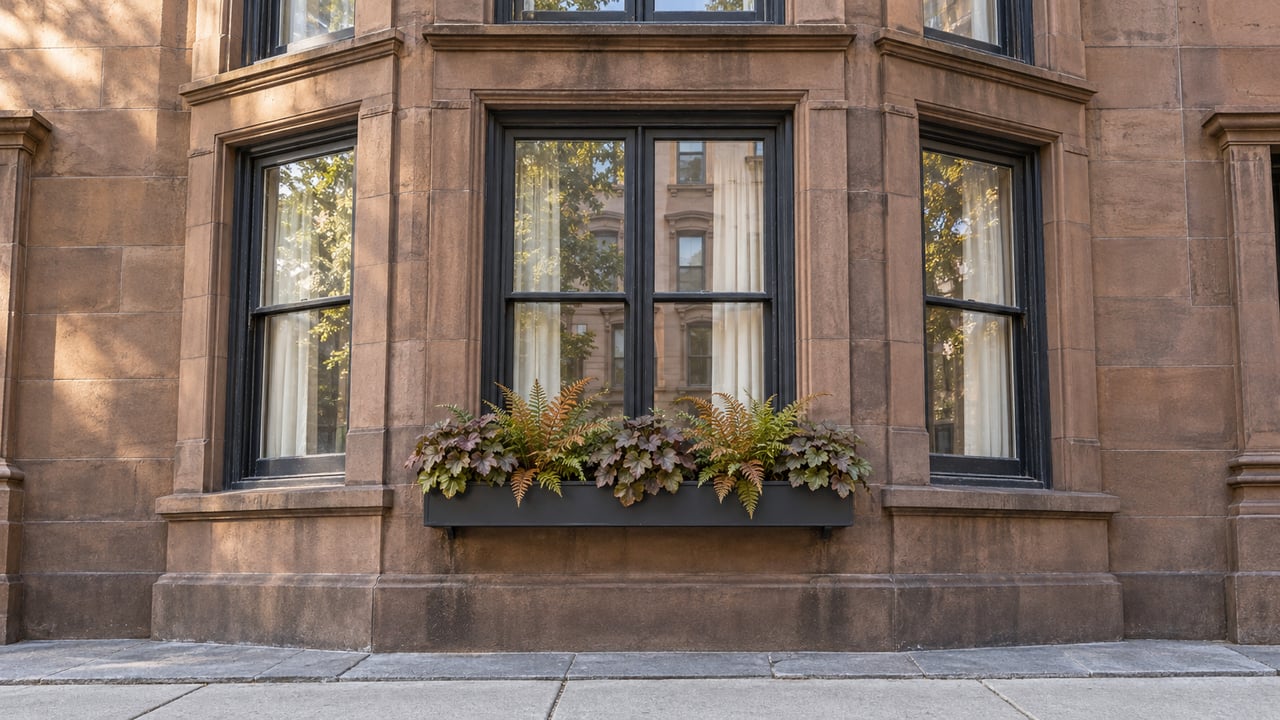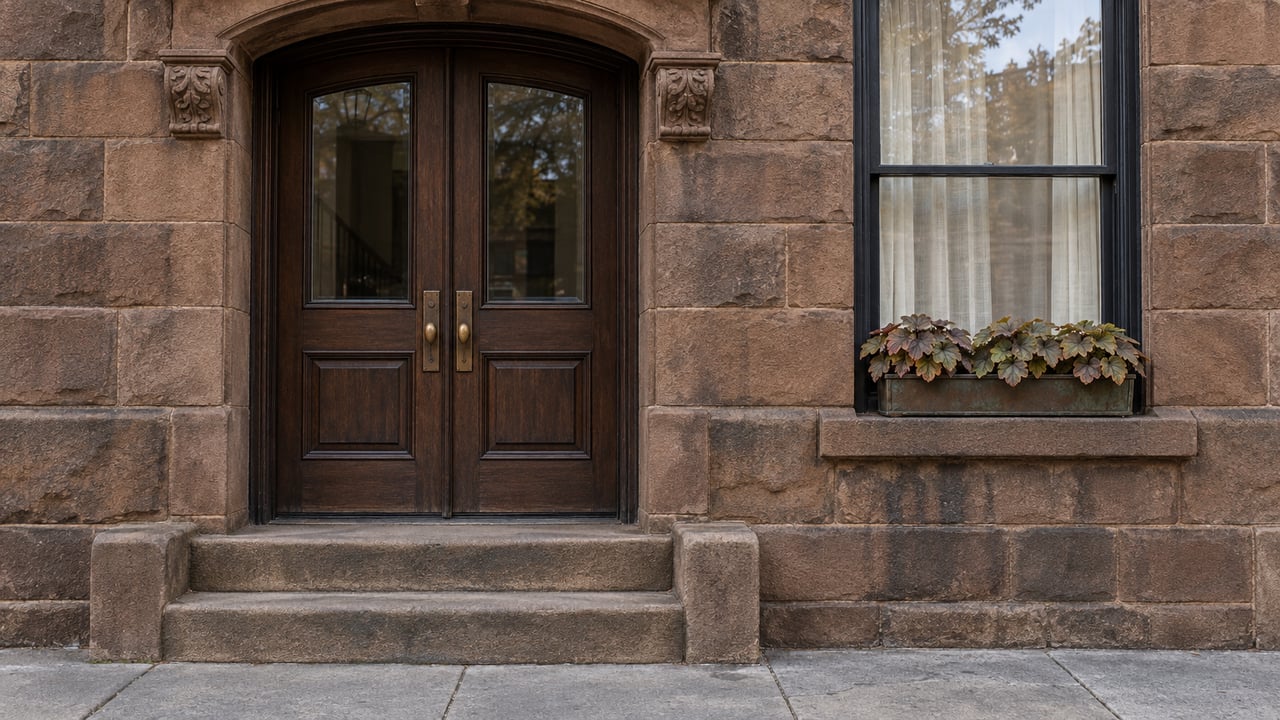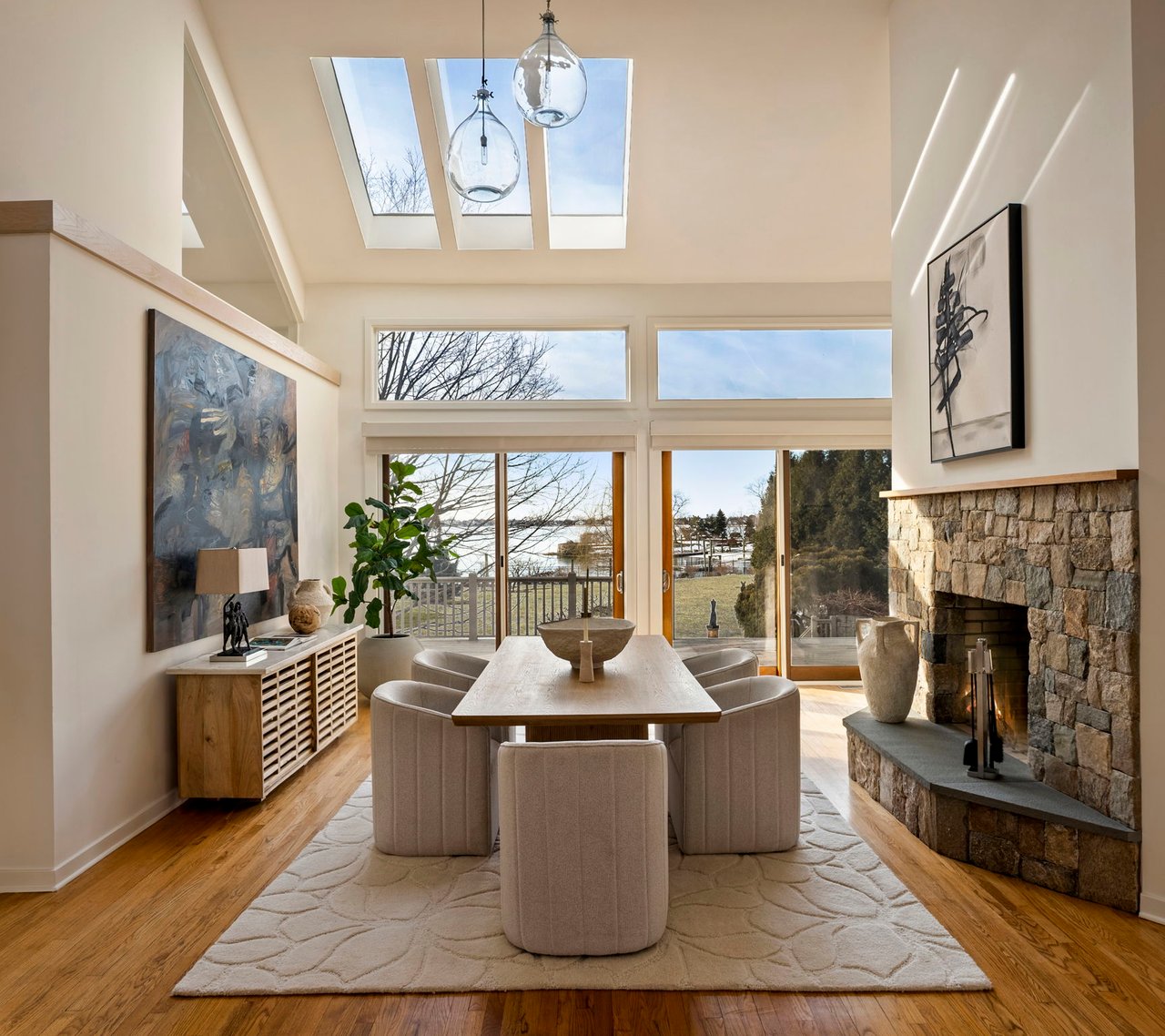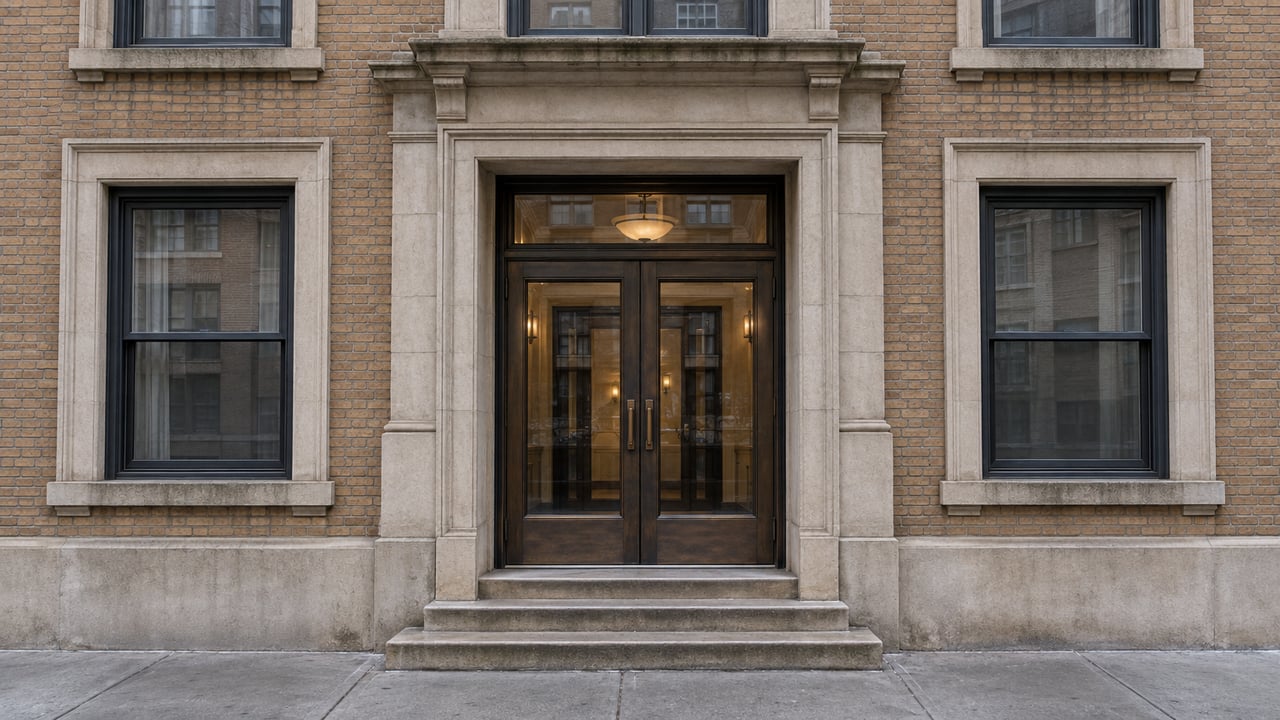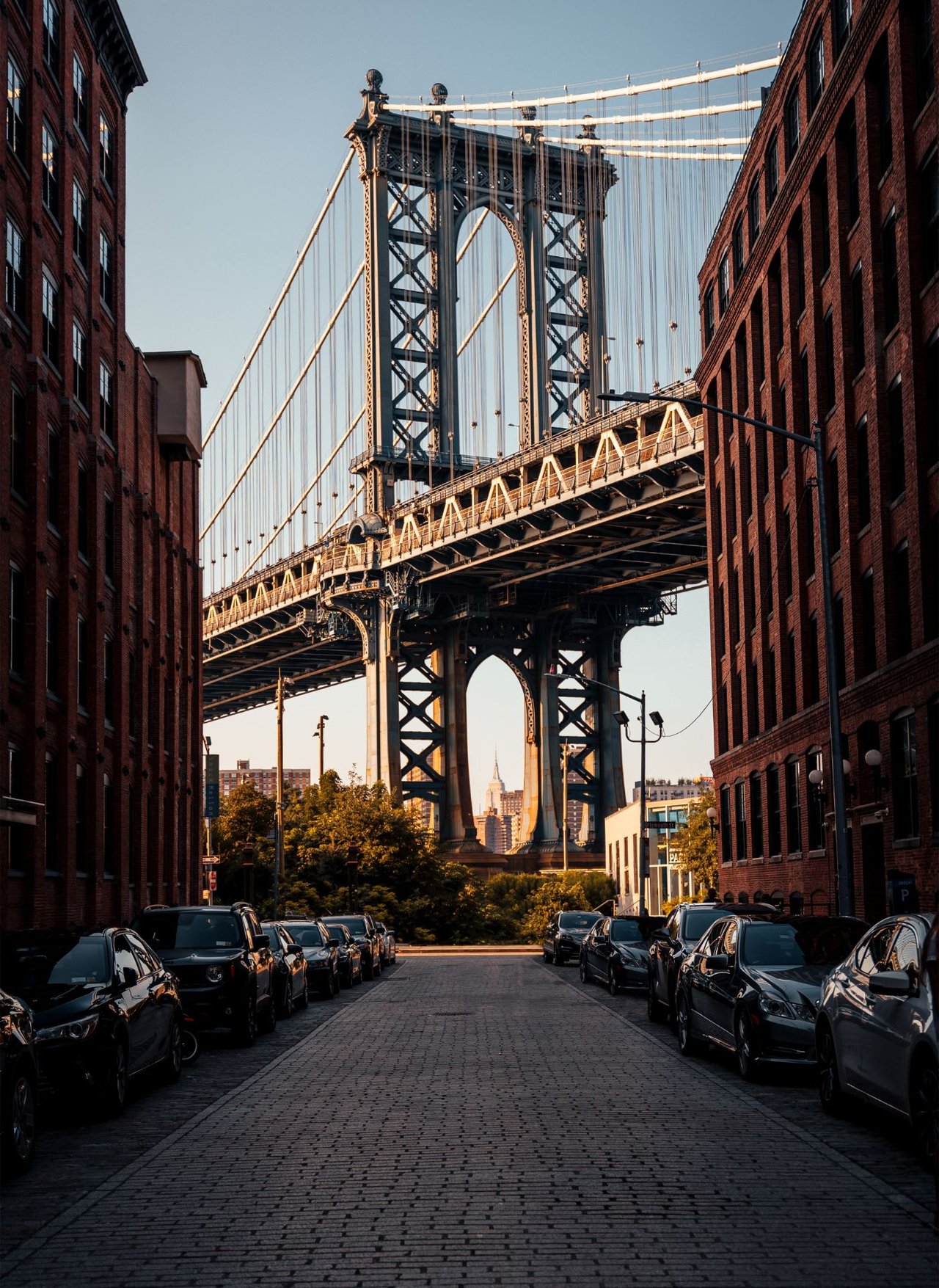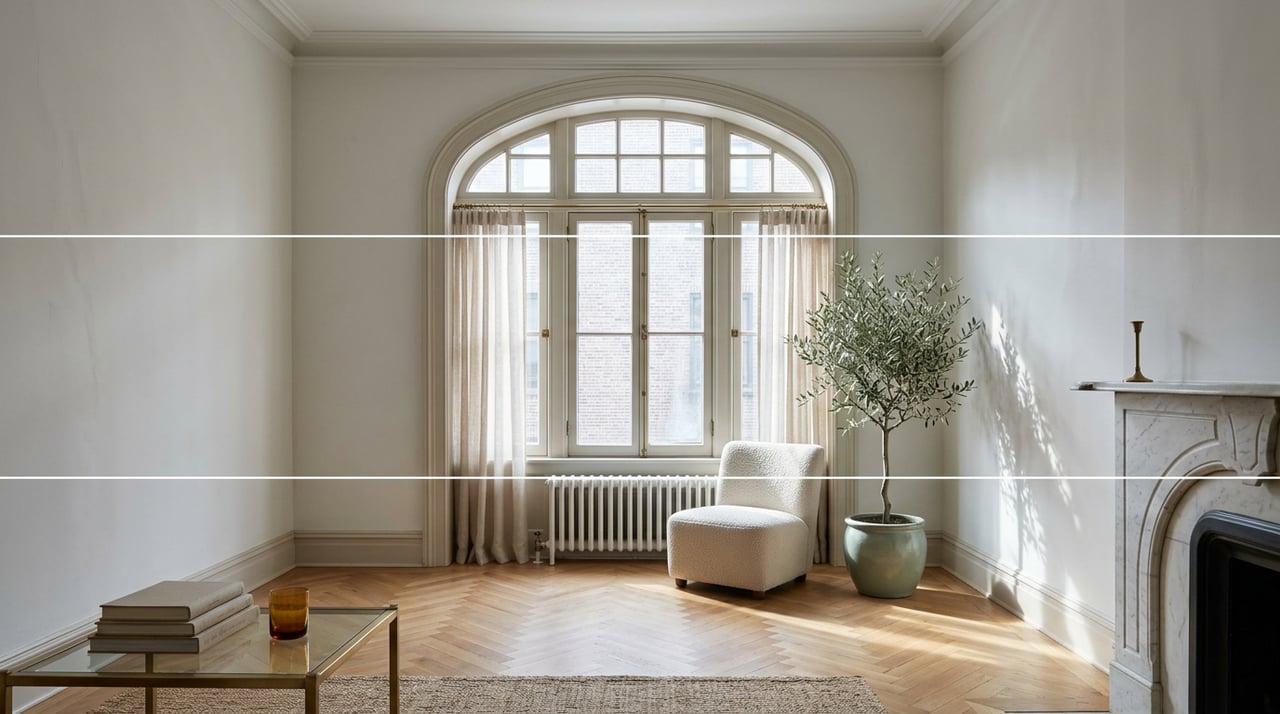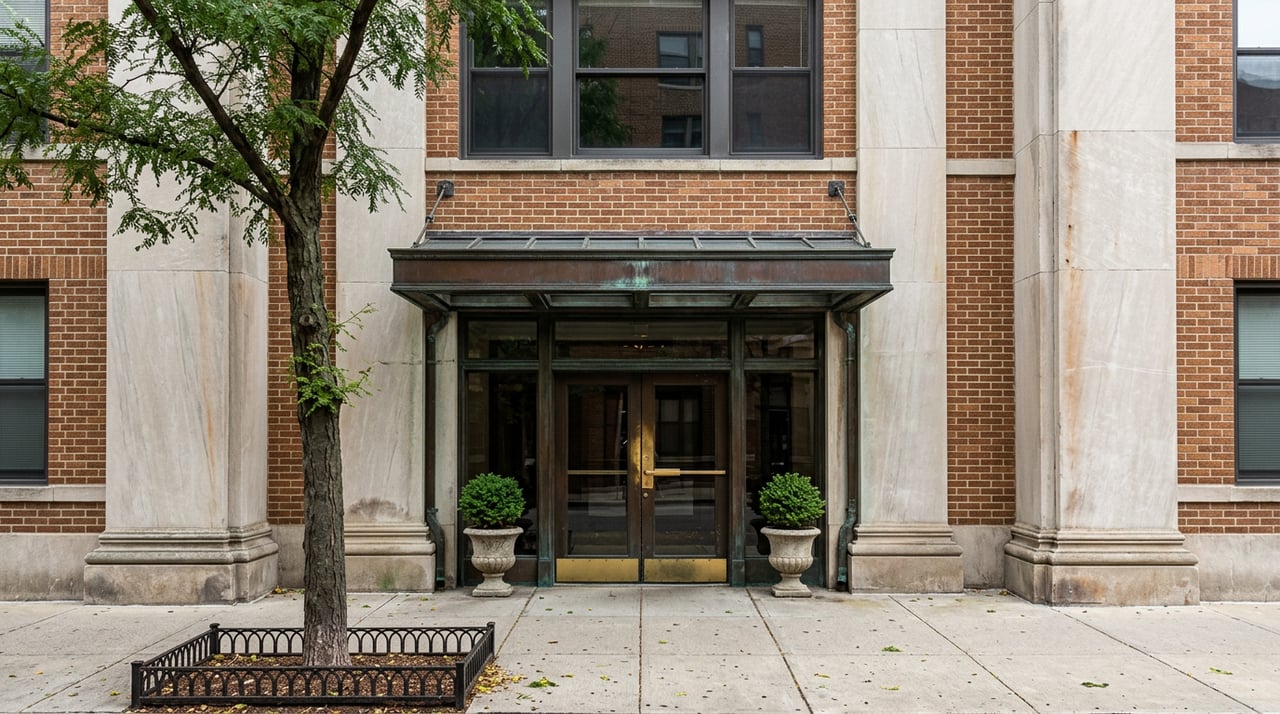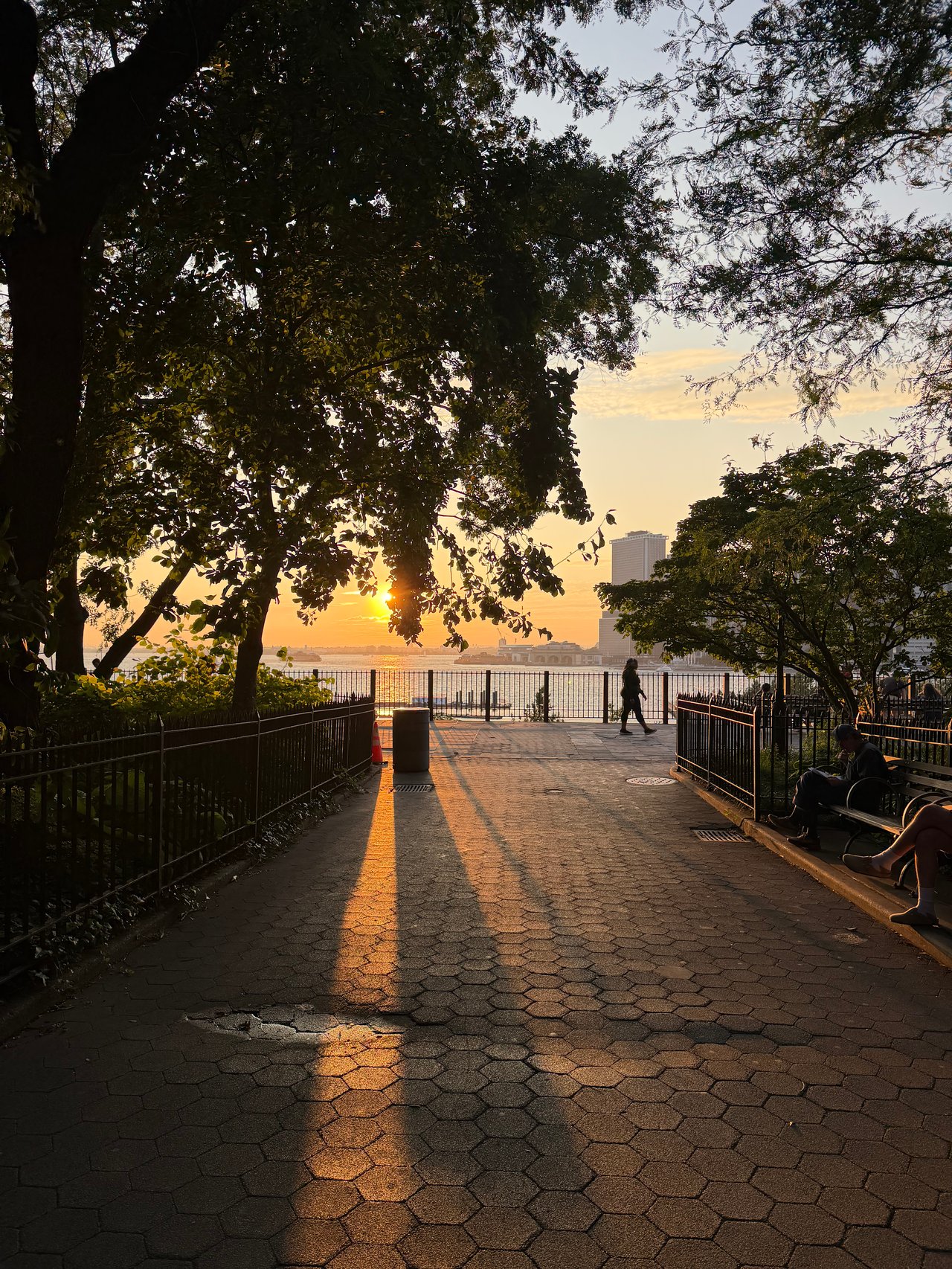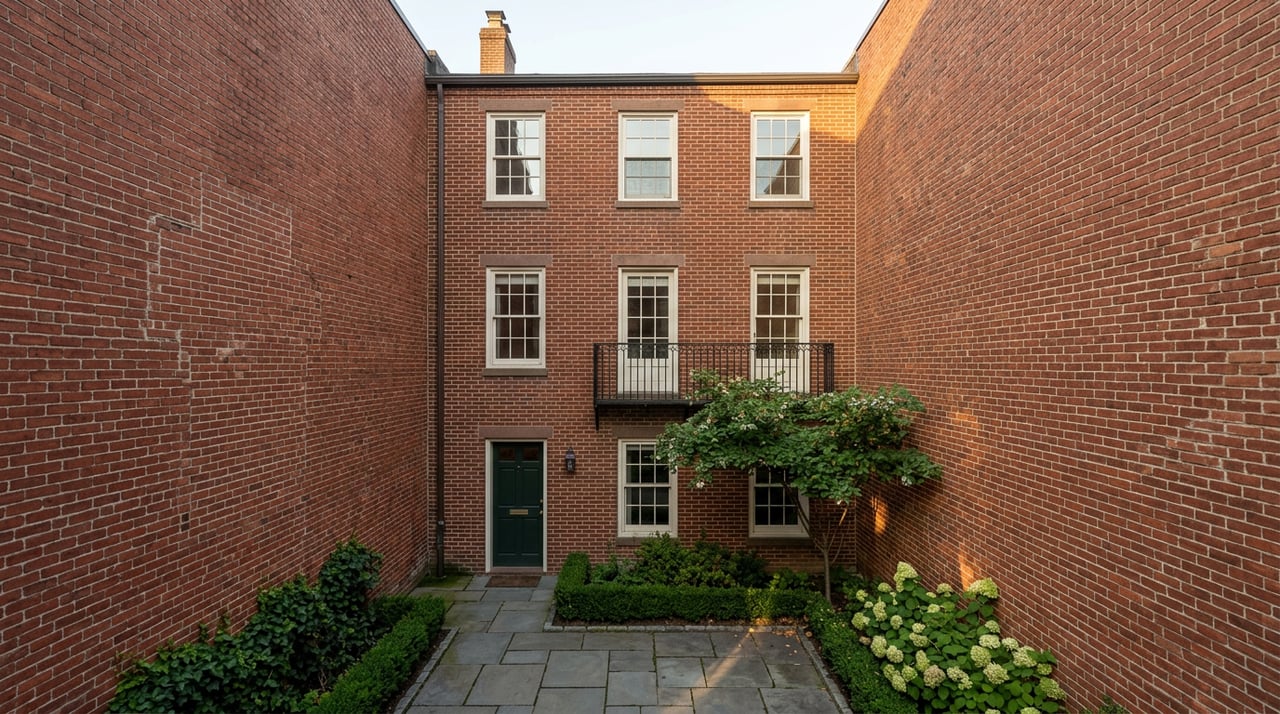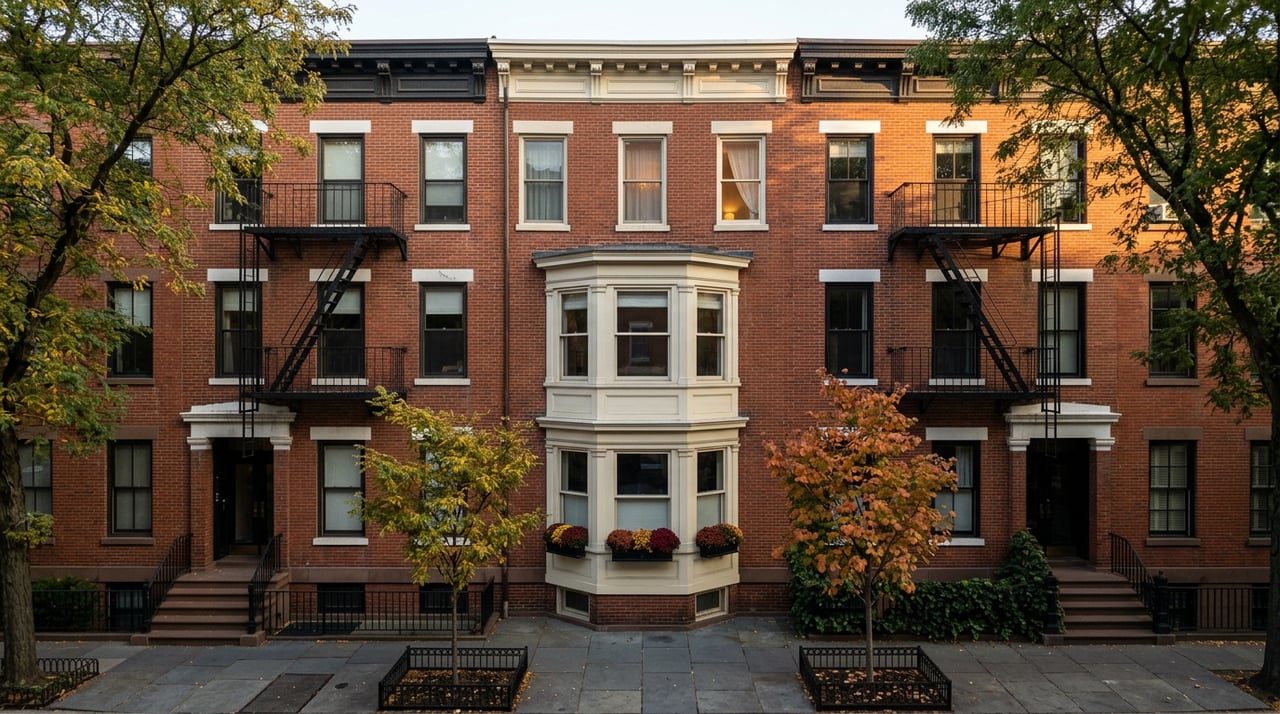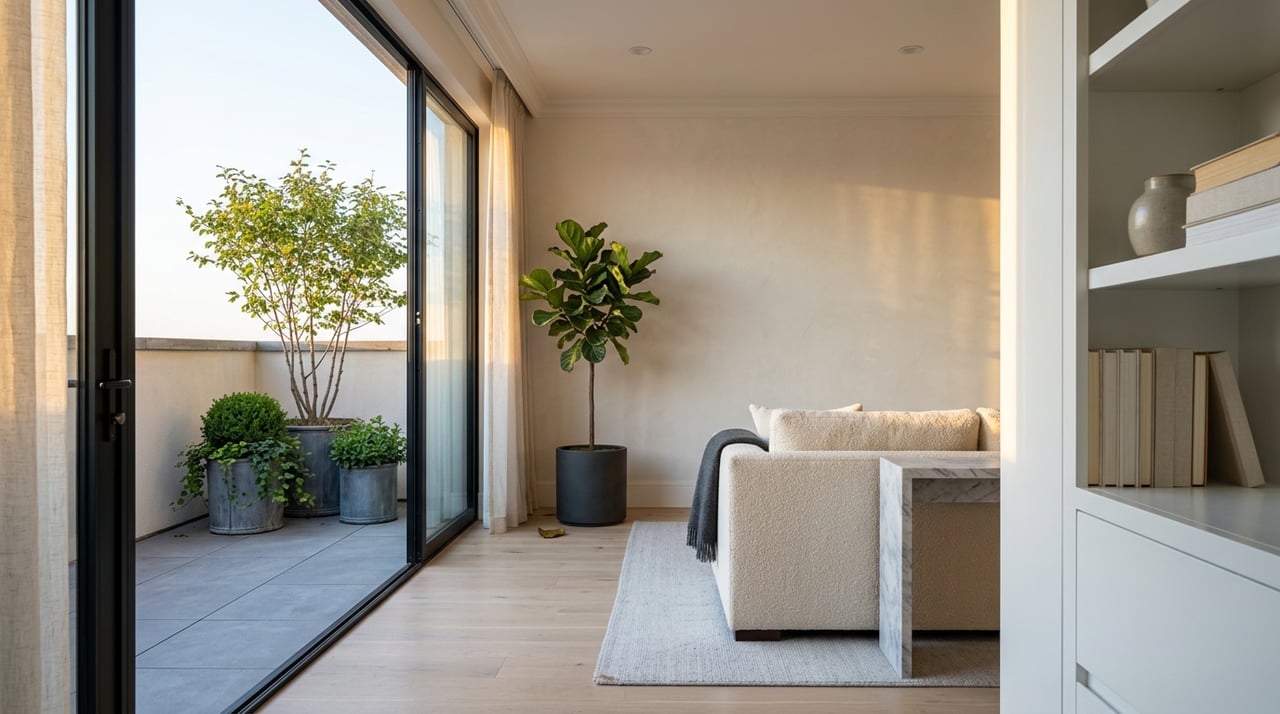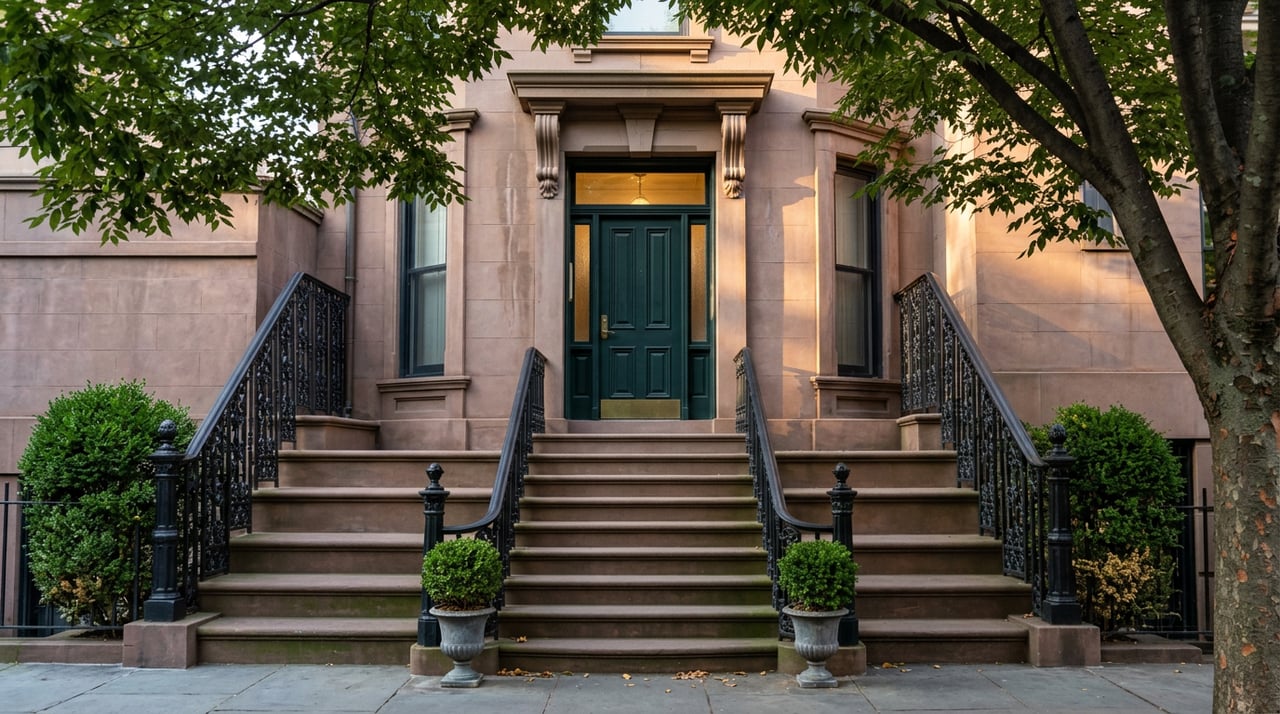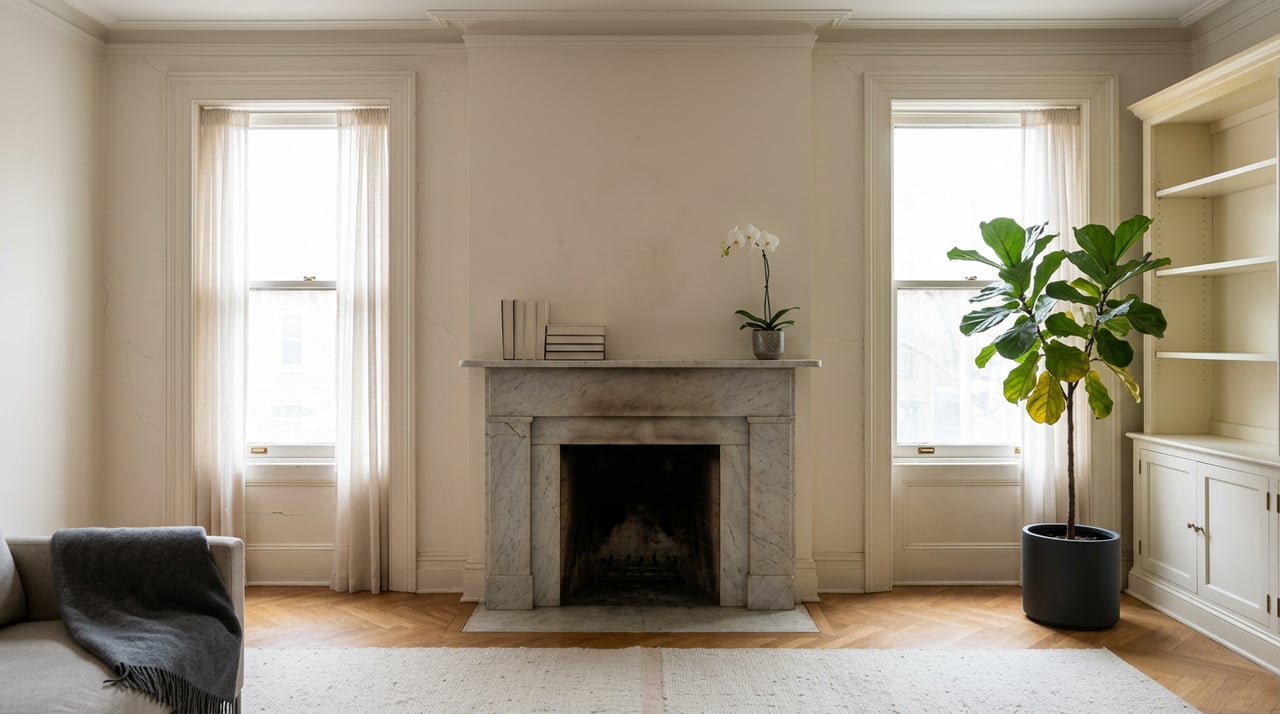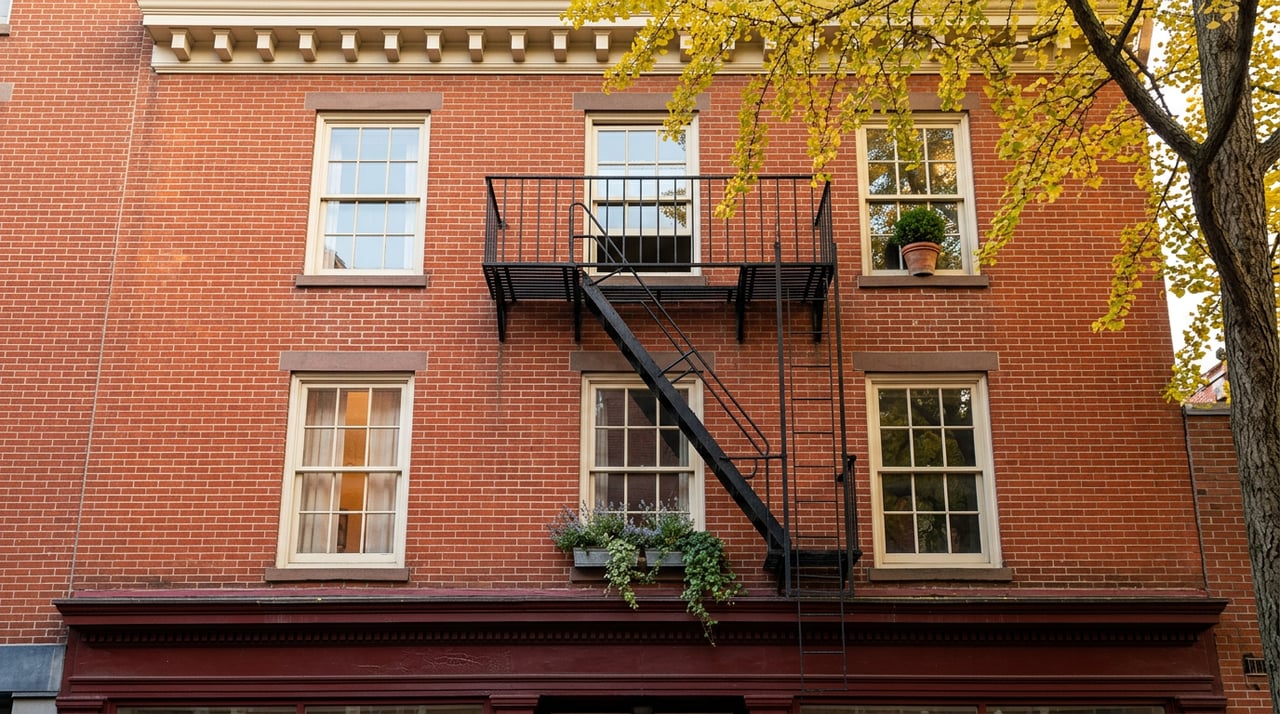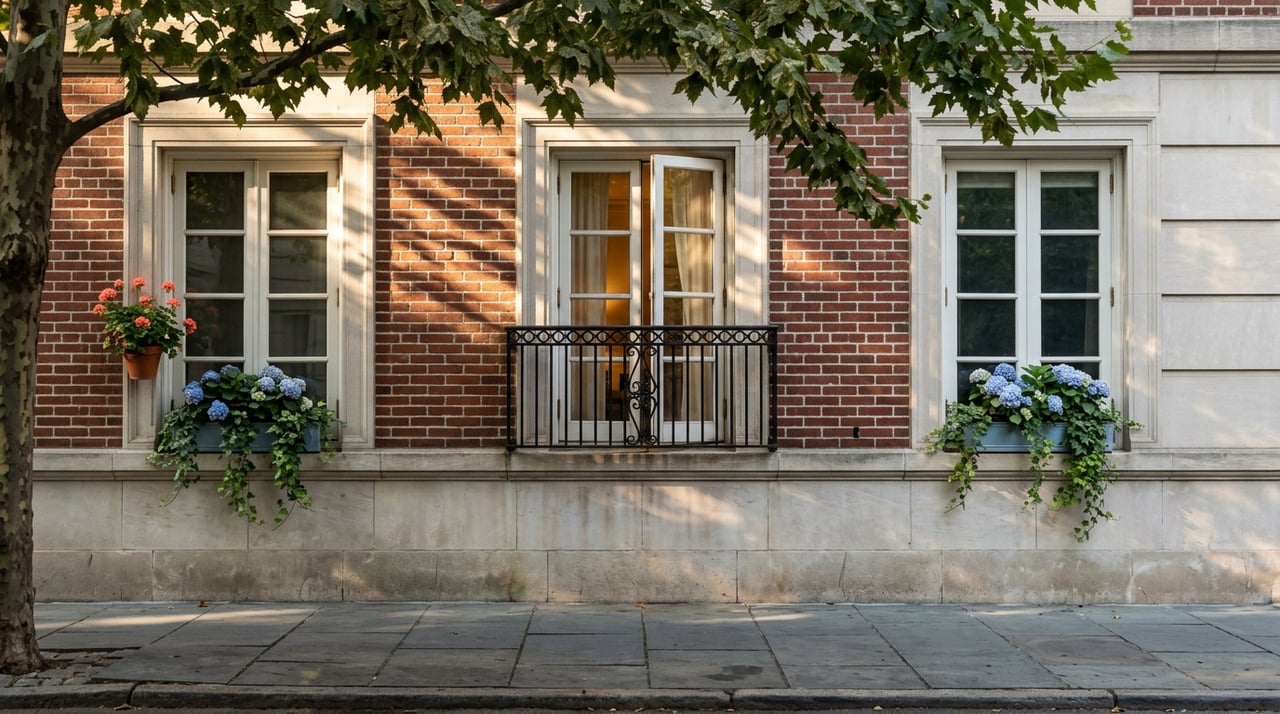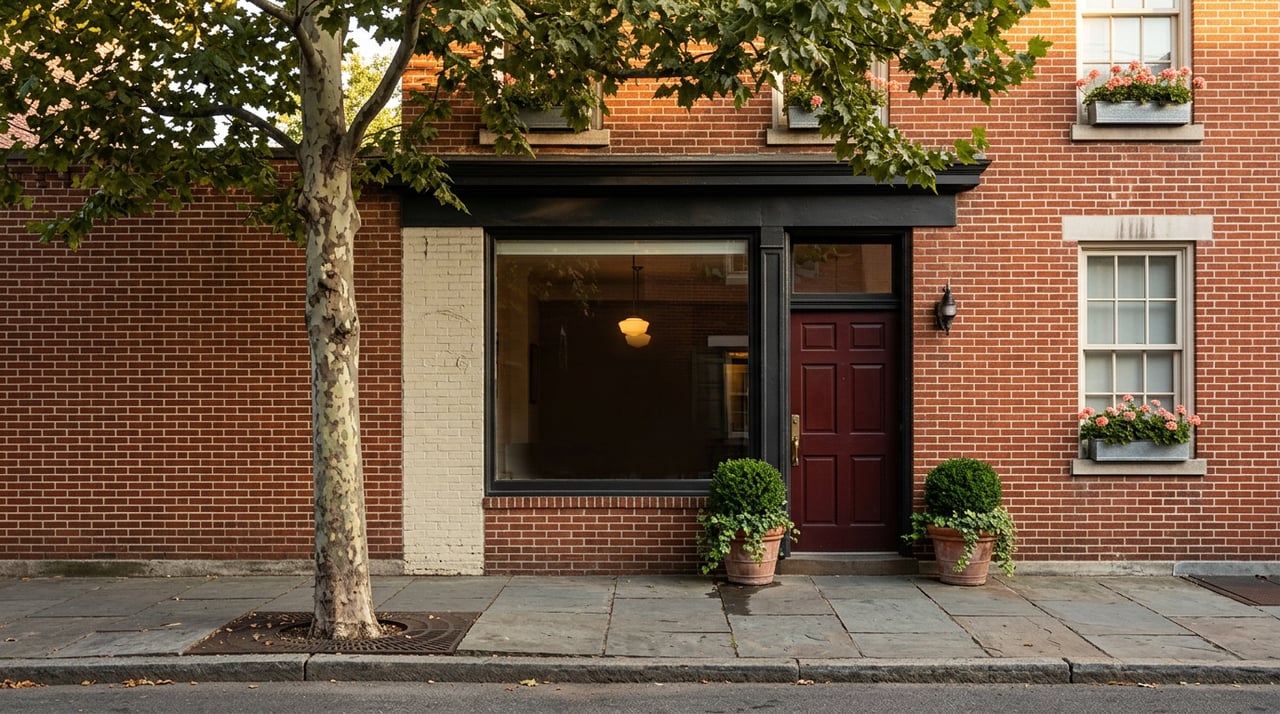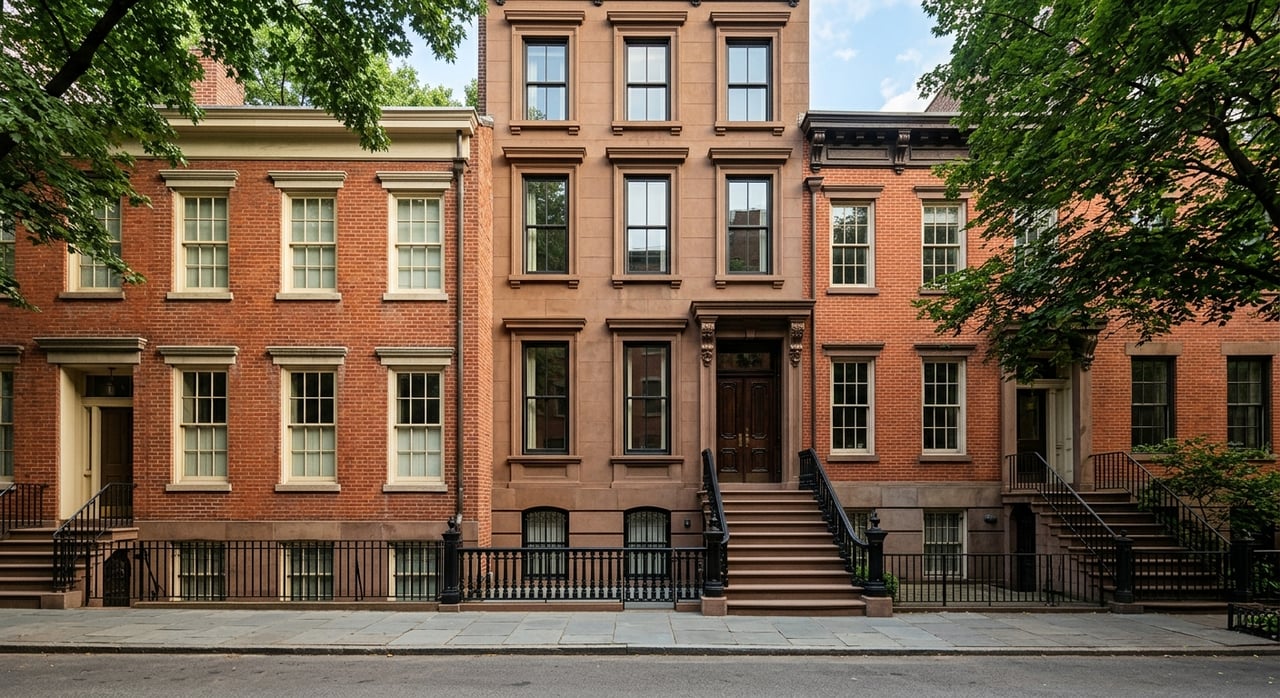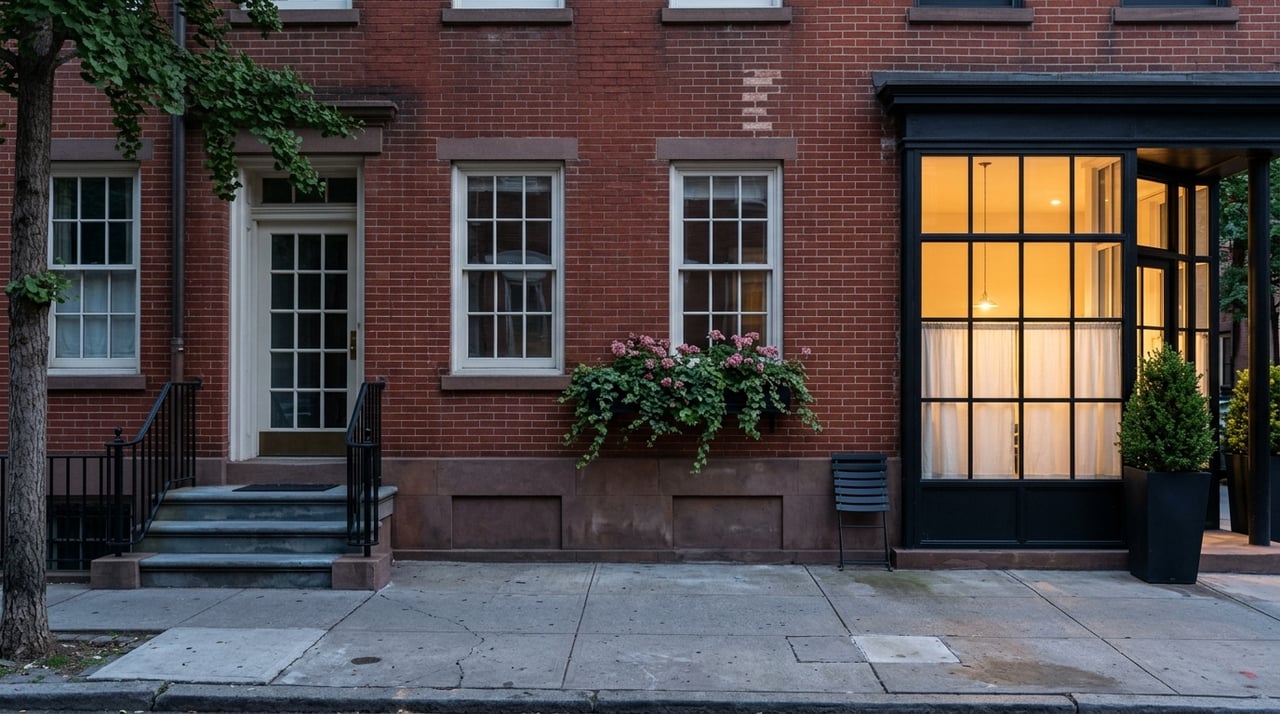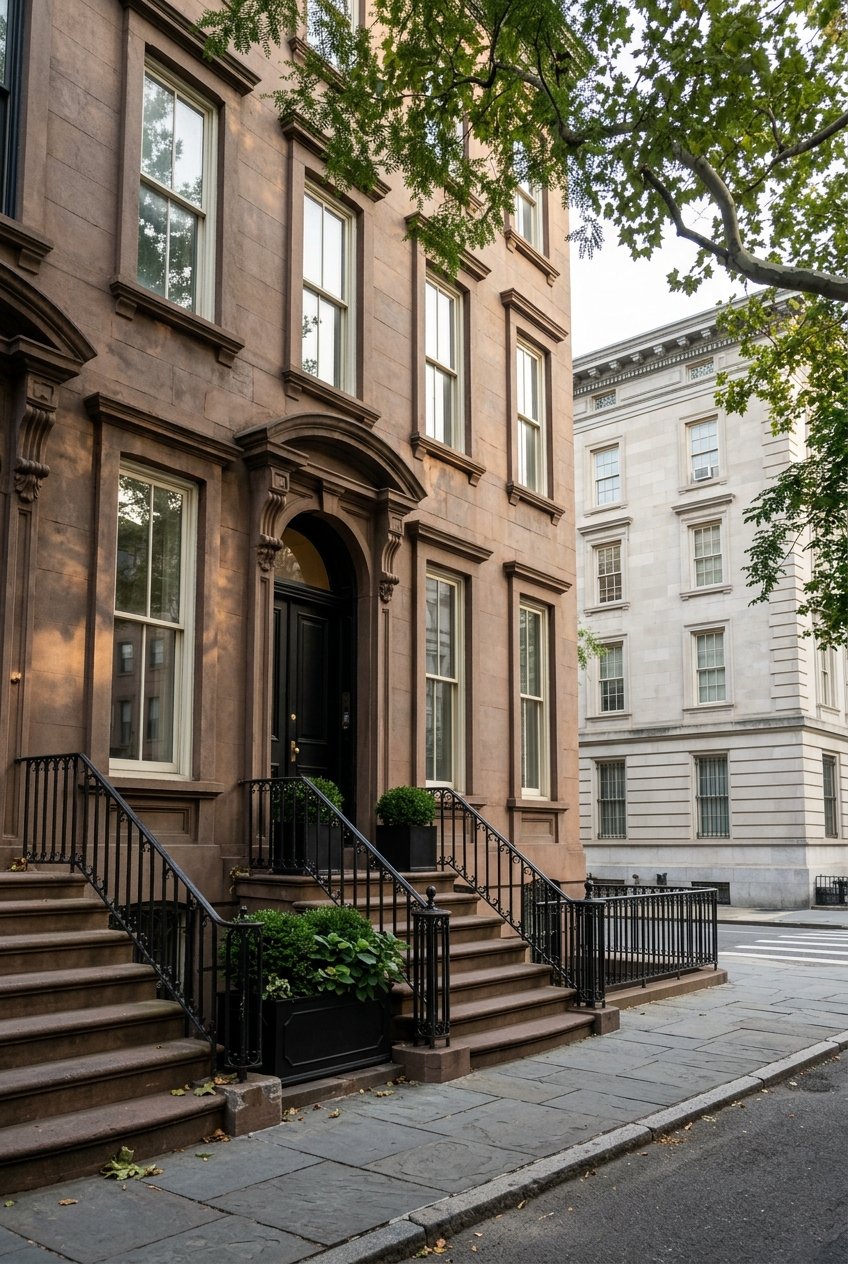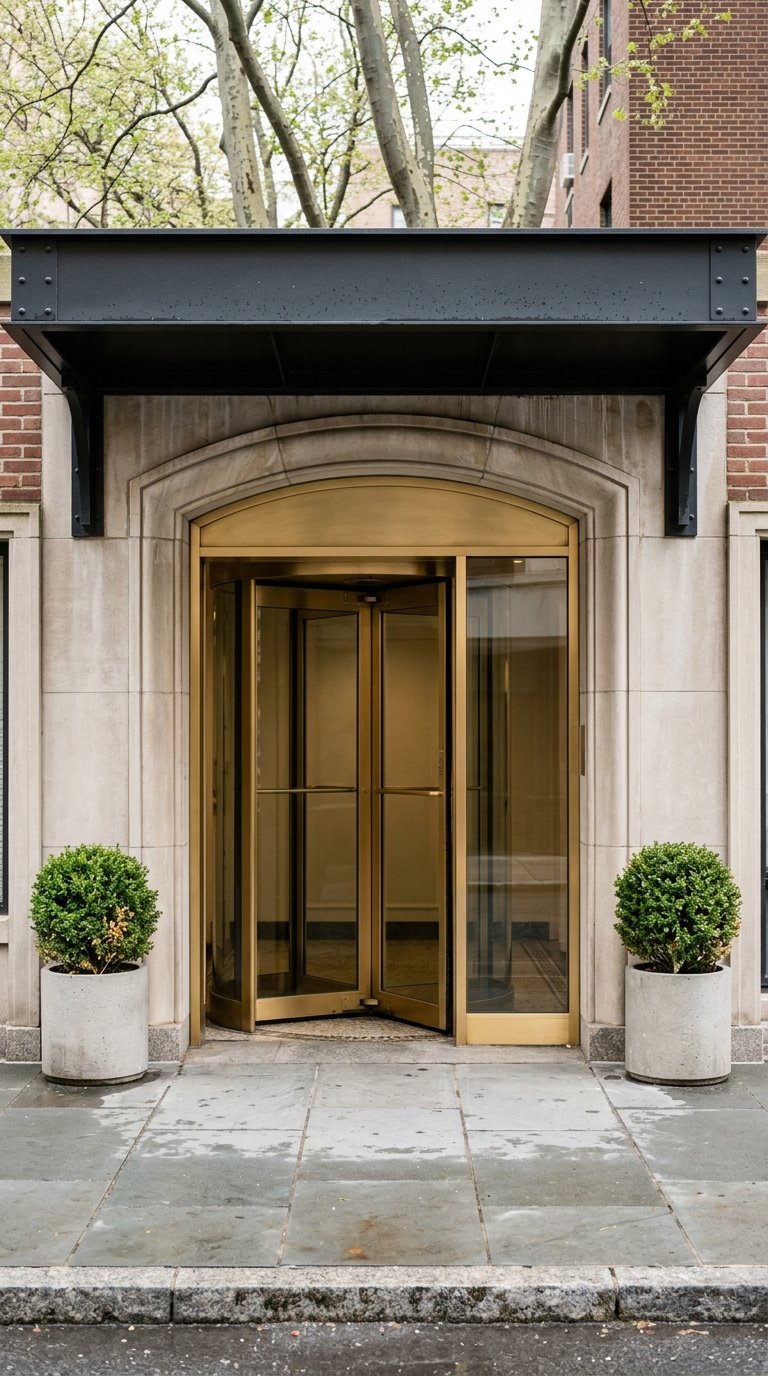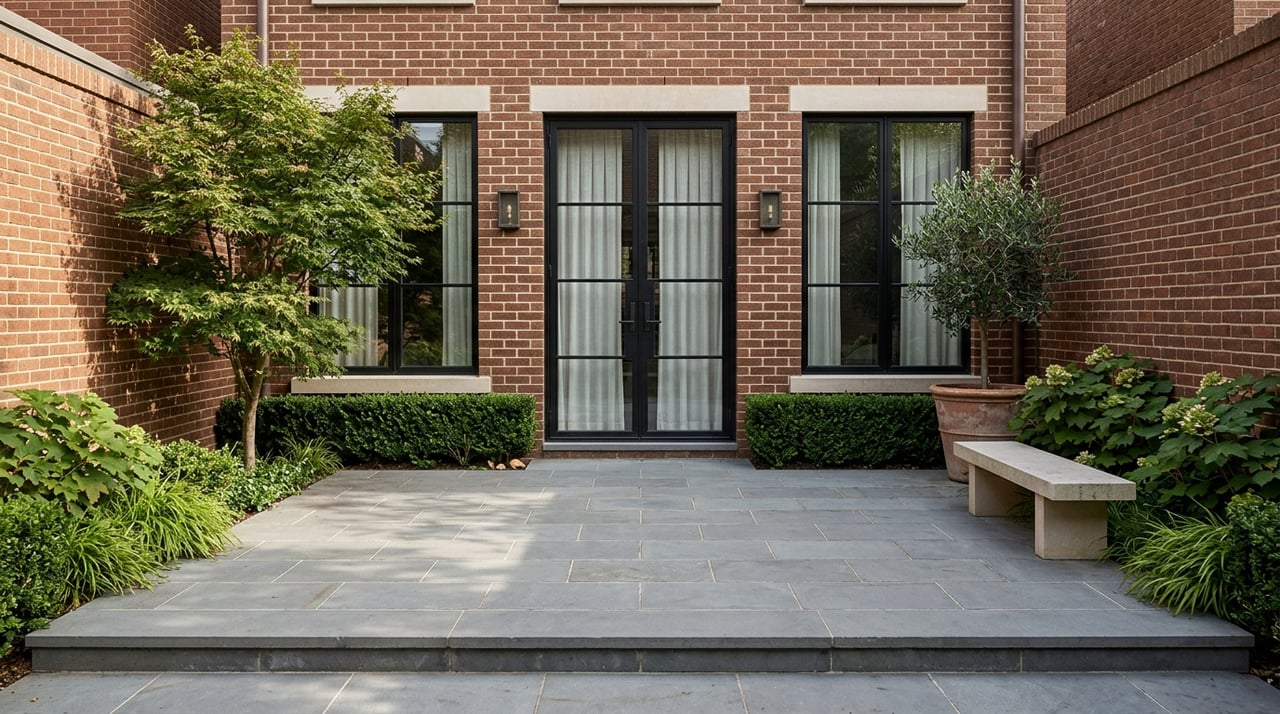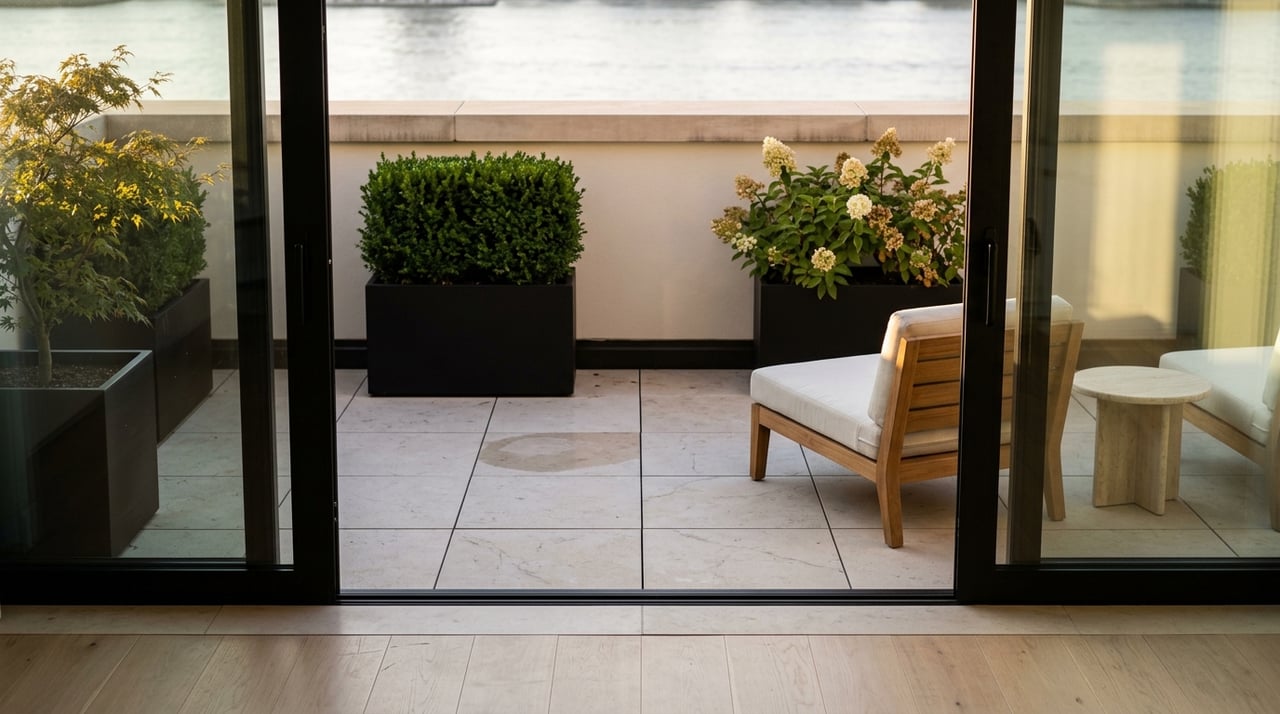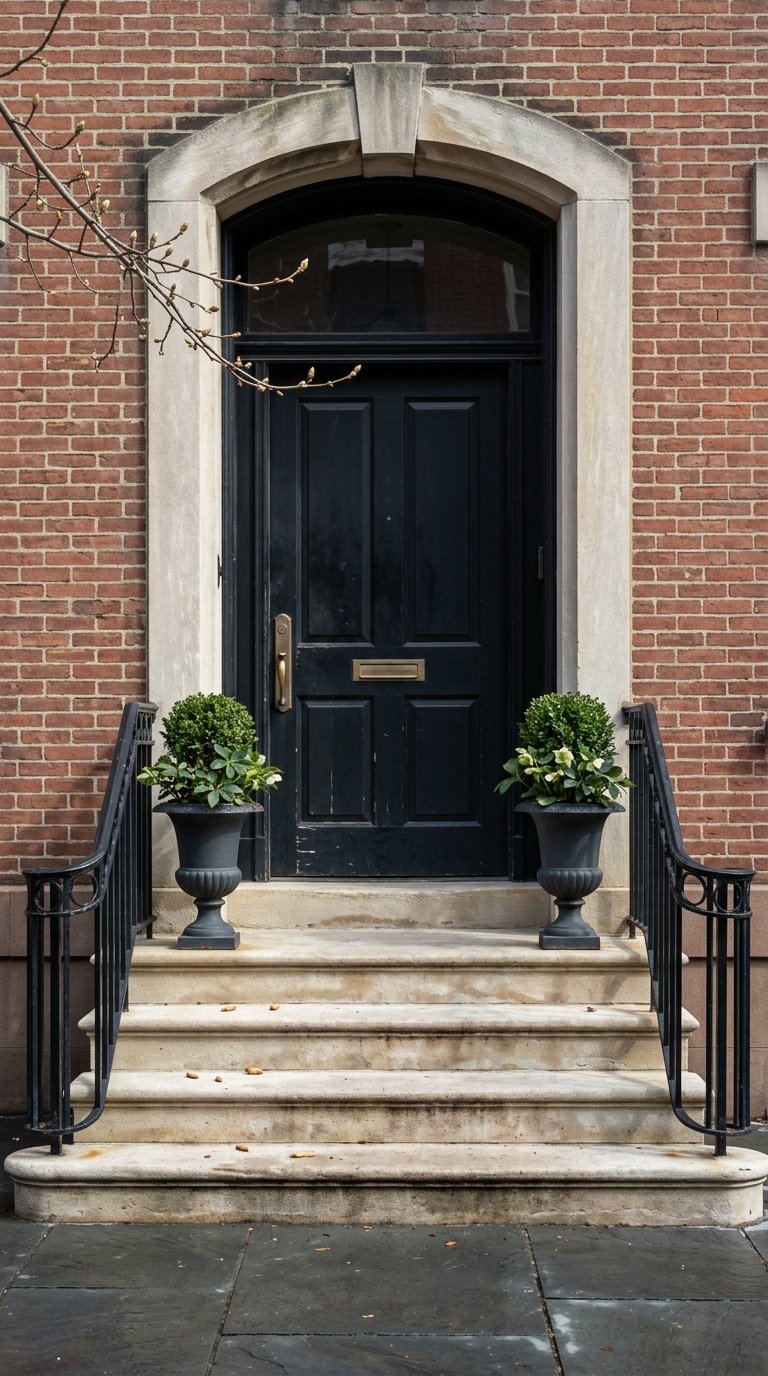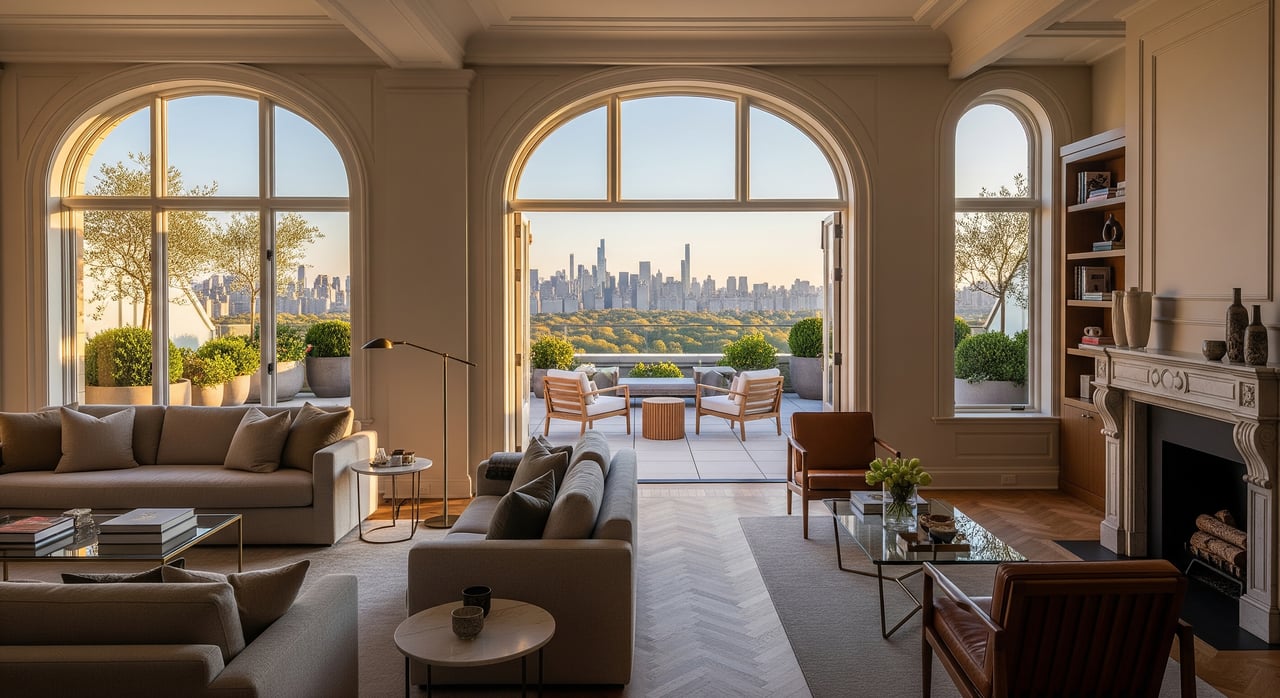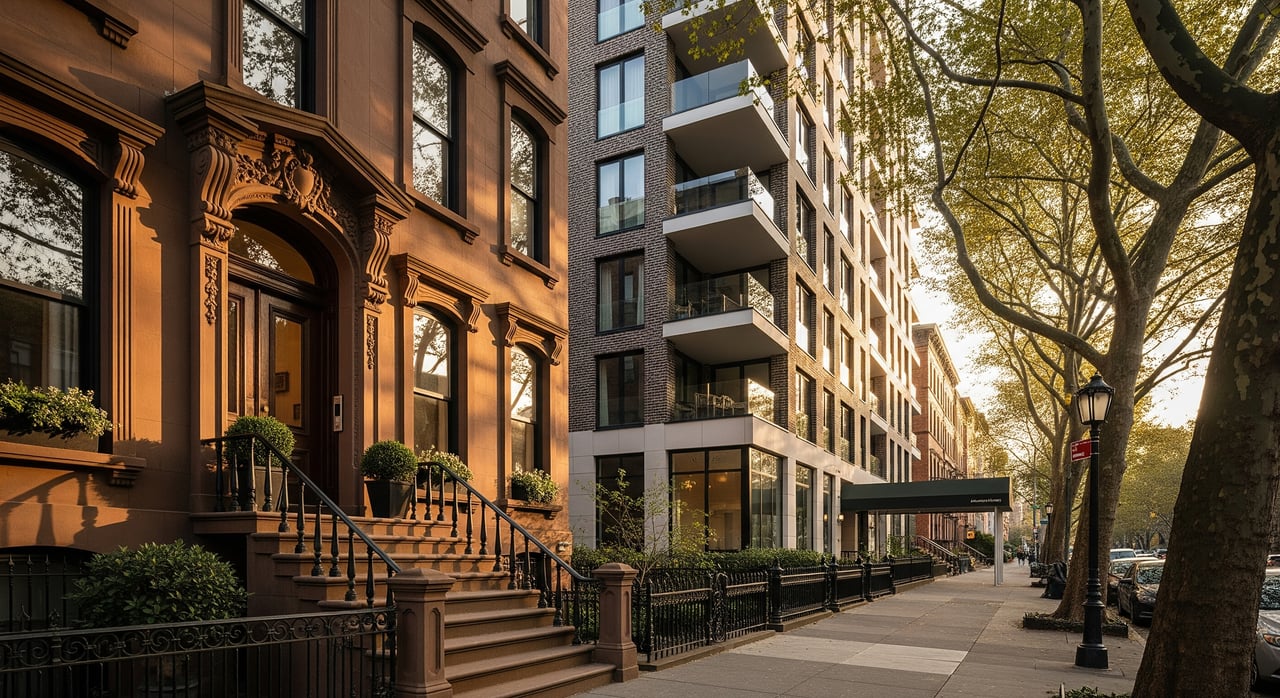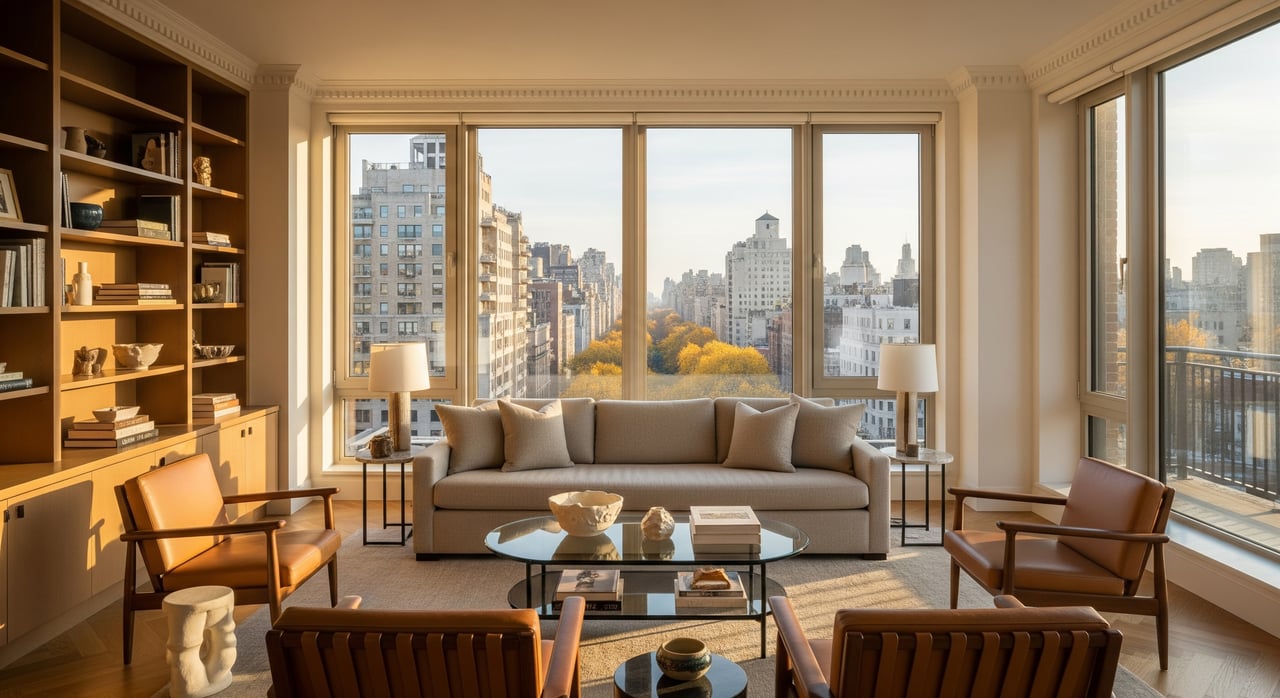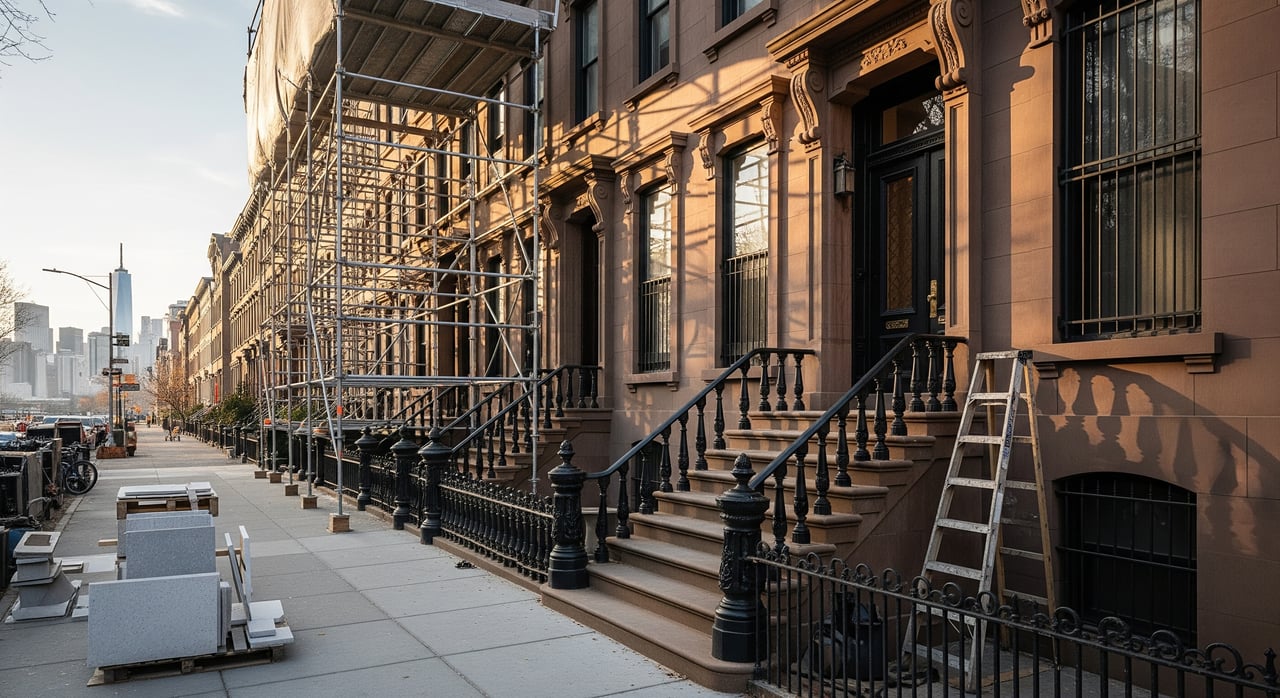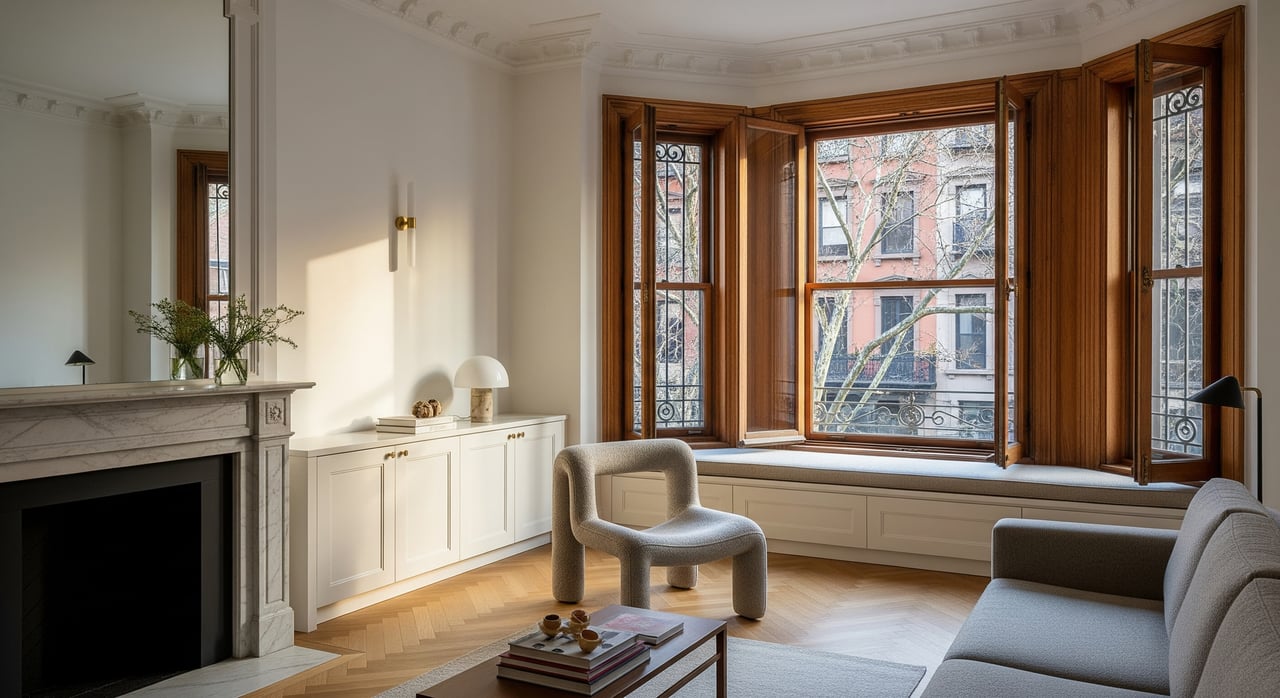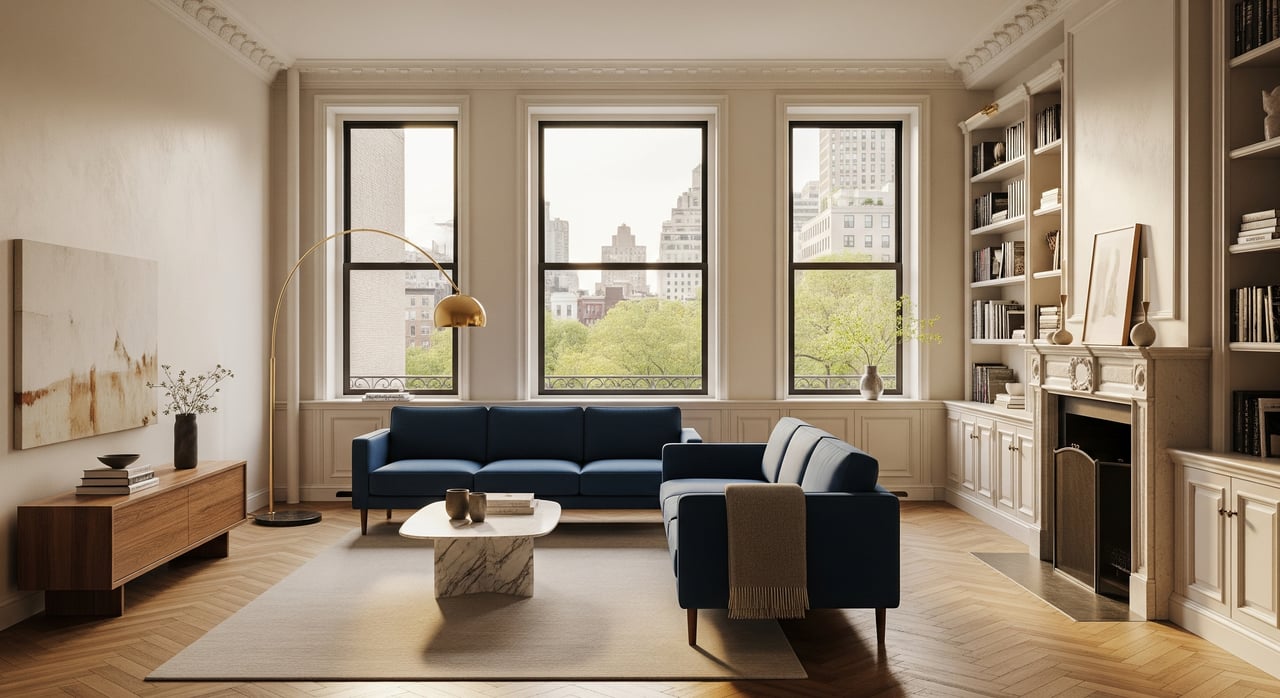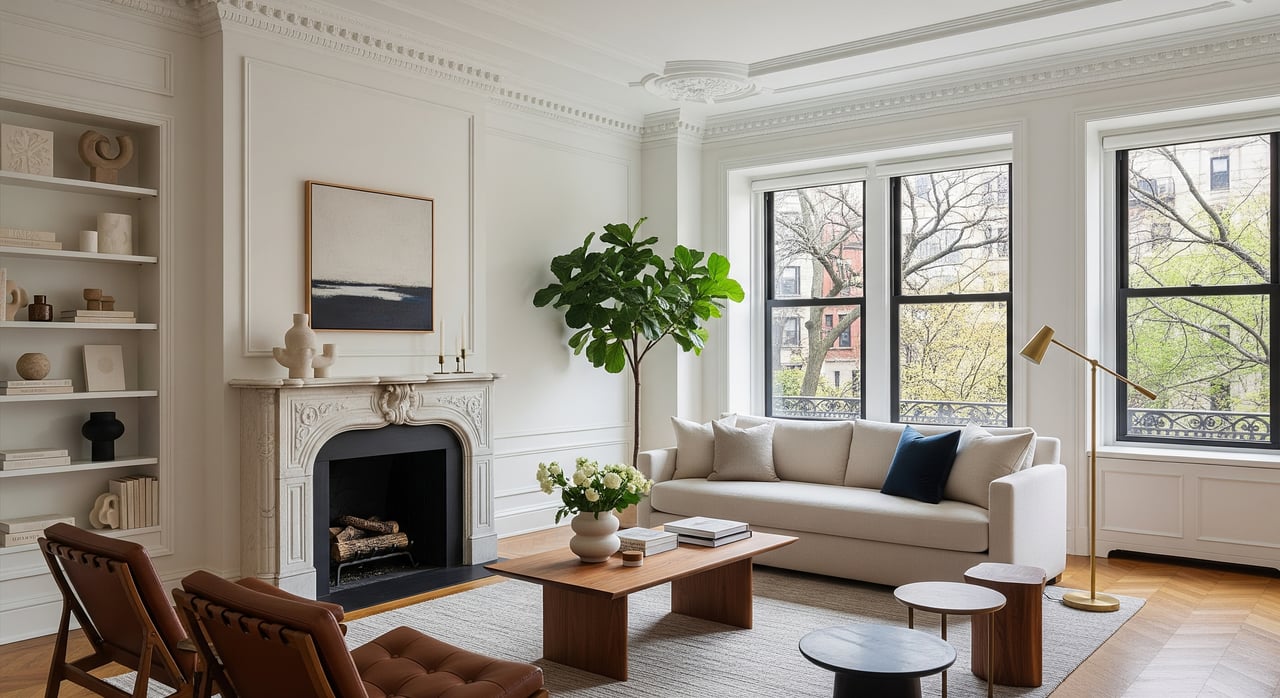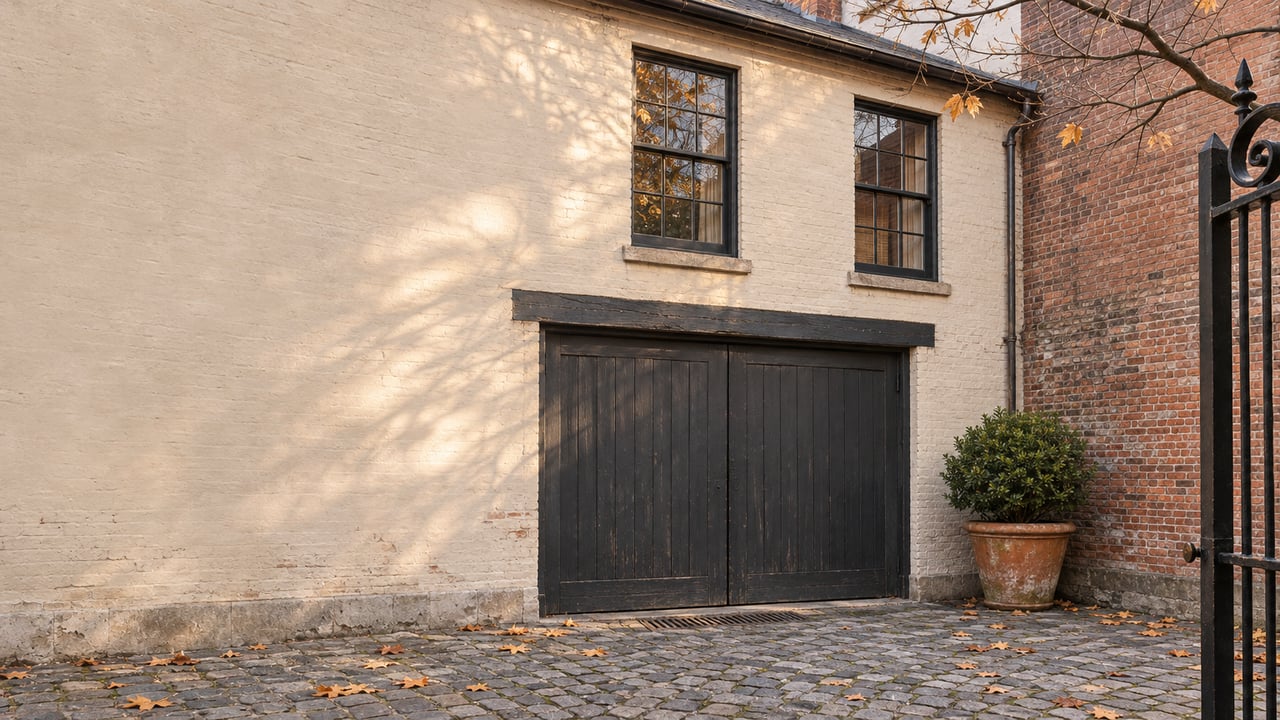
In 1949 and 1950, Jackson Pollock and Lee Krasner worked out of a borrowed carriage house at 9 MacDougal Alley. It belonged to Pollock's friend and benefactor, the painter Alfonso Ossorio, and its double-height studio sits under a large skylight. In October the house came on the market at $7,995,000, and 6sqft reported that it measures roughly 1,500 square feet over three floors. The New York Post noted that a sale would be the first change of ownership since December 1988.
At that asking price, the house costs about $5,300 a square foot. That is well above what larger townhouses a few blocks away have traded or asked for this year. On the Village's gated mews, a smaller house costs more per foot, because the buyer is paying for the address, the gate and the parking space more than for the floor area. For anyone comparing a mews house with a conventional Village townhouse, that reverses the usual price-per-foot logic.
A Sale and a Listing in One Year on a Street That Rarely Has Either
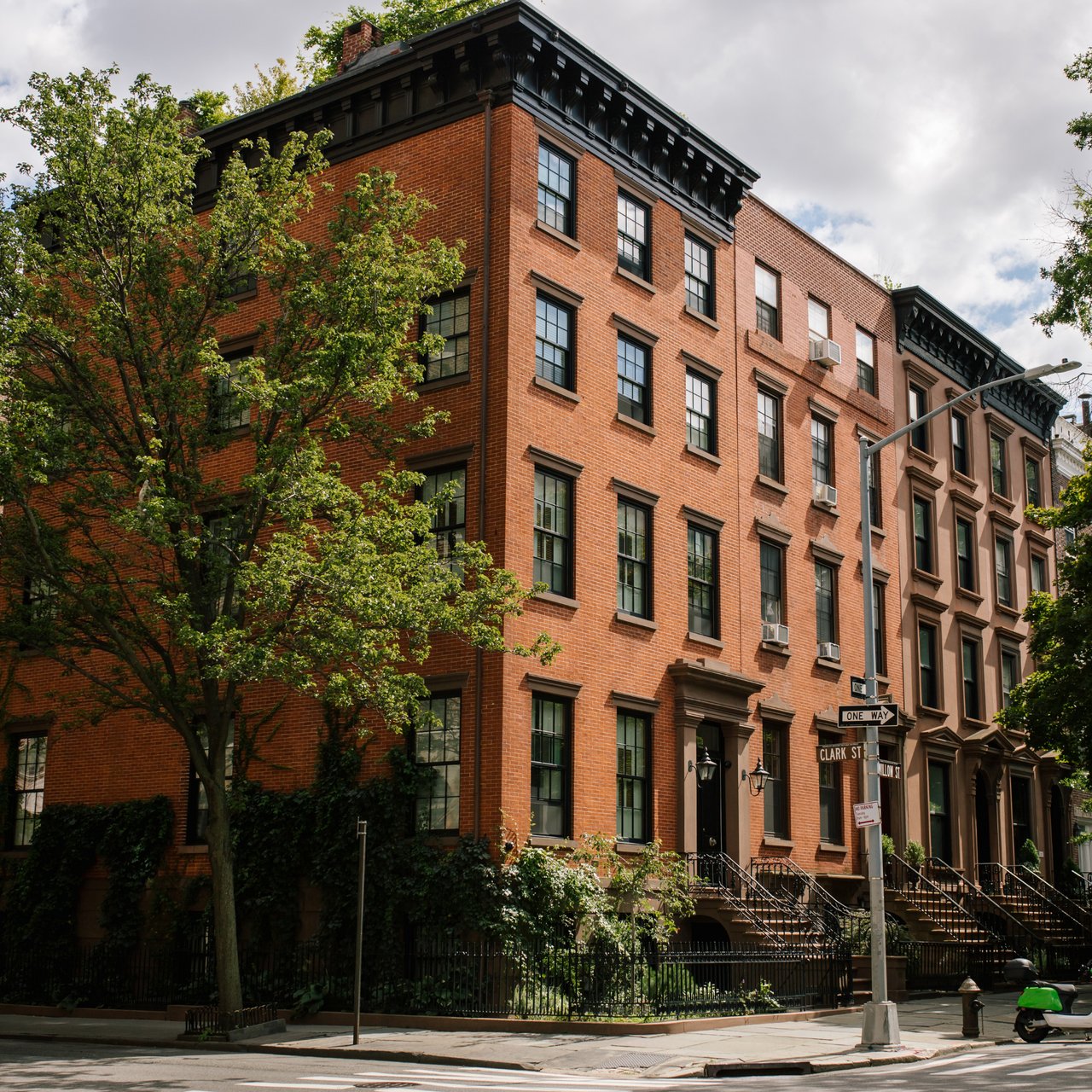
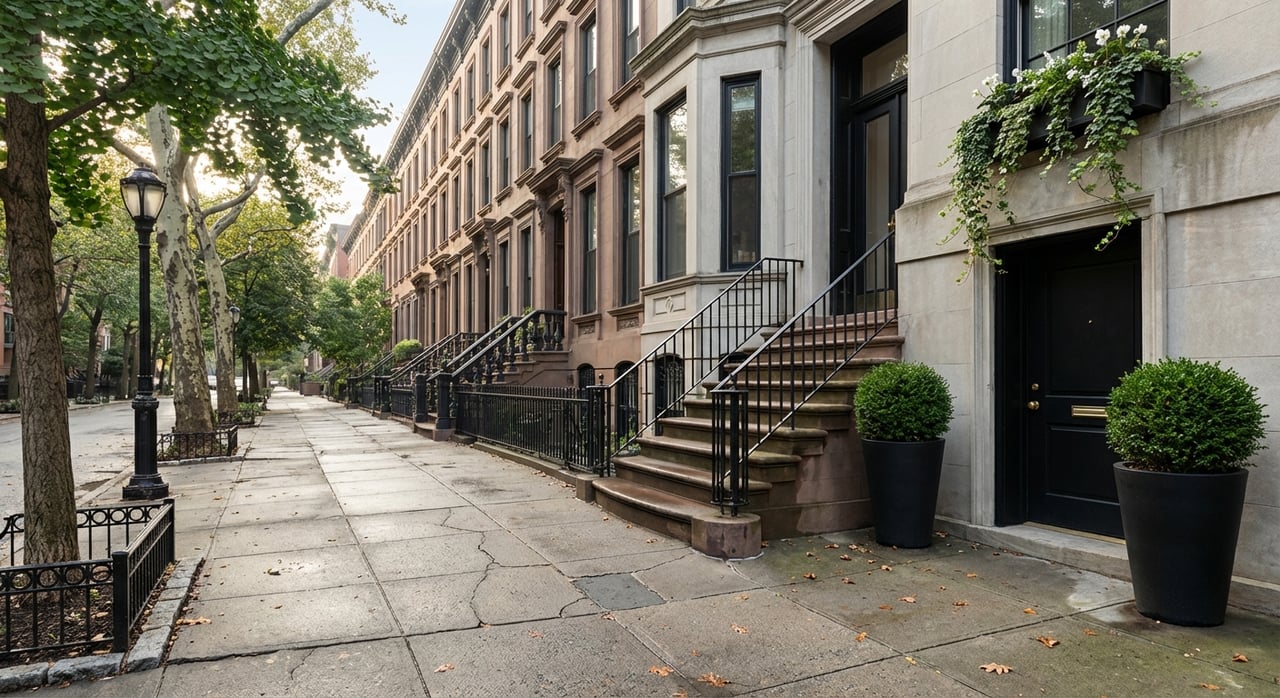
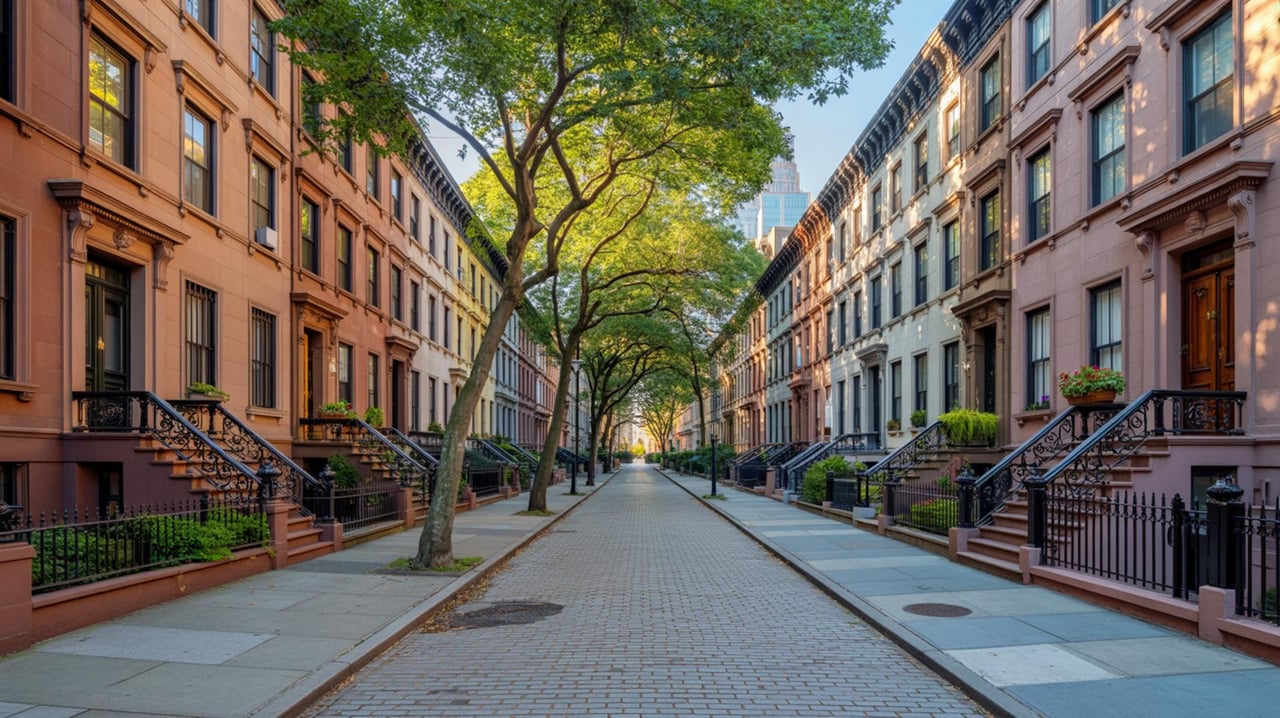
MacDougal Alley is a gated cul-de-sac off MacDougal Street, just south of West Eighth Street. Its stables were built behind the Gilded Age townhouses on West Eighth Street and Washington Square North. The 6sqft listing report dates the private block of carriage houses to 1833 and counts 9 MacDougal as one of just 10 private homes on the street. The rest of the Alley belongs to the New York Studio School of Drawing, Painting and Sculpture, which occupies a group of buildings once owned by Gertrude Vanderbilt Whitney.
With so few houses, the Alley rarely trades. In 2017, Brick Underground put the pace at roughly one sale every seven or eight years and about one rental a year. In 2026 the street has already recorded one sale and gained a second listing.
The sale was 7 MacDougal Alley. The Real Deal reported it as the priciest residential sale recorded in New York City between January 9 and March 12, 2026, at $18 million for a 4,000-square-foot home with a terrace and a parking space. It had gone on the market in March 2025 at just under $20 million, and the seller had bought it in 2009 for $5.5 million. That 2009 purchase came after an initial ask of $7.85 million, according to New York magazine's account at the time.
The two transactions on the same house show how thin this market is. In 2009 the buyer closed about 30 percent below the original ask, which works out to roughly $1,375 a square foot. In 2026 the seller closed about 10 percent below the ask, at roughly $4,500 a square foot. Both are my own calculations from the reported prices and the 4,000-square-foot figure. A buyer on the Alley has one comparable sale every several years to price against, and each new trade resets the benchmark for the next one.
The Per-Foot Math Against Larger Houses Nearby
Village townhouse prices this year look different when you divide by square footage. Here are four 2026 data points, all using reported prices and square footage, with the per-foot figures calculated by me:
- 9 MacDougal Alley, about 1,500 square feet, listed in October at $7,995,000: roughly $5,300 a square foot asking.
- 7 MacDougal Alley, 4,000 square feet, sale recorded in March for $18 million: roughly $4,500 a square foot closed.
- 48 Jane Street in the West Village, a four-story, 22.5-foot-wide house of 4,100 square feet with five bedrooms and a garden, asking just under $15 million when it went into contract the week of September 21 to 27: roughly $3,650 a square foot asking.
- 125 West 11th Street, a six-story house of roughly 7,900 square feet that sold in April for $21.5 million after a three-year renovation: roughly $2,700 a square foot.
The houses with the smallest footprints have the highest prices per foot. The 48 Jane Street house was renovated by Fairfax & Sammons, according to The Real Deal, and the West 11th Street house came out of a three-year renovation. Condition alone does not explain why they rank below the Alley. The asking figure at 9 MacDougal is also not a closed price, and the most recent closed comparable on the street is the $18 million sale at 7 MacDougal.
What the Premium Pays For
Some of the premium is the gate. A house on the Alley sits on a private cul-de-sac instead of a public street, and Brick Underground notes that one of the few ways to see the Alley from inside is a group tour arranged through the Studio School. An appraiser quoted in the same piece put the value of a private-alley location at a few percentage points, while noting that these homes tend to be small for their neighborhood.
A few percentage points does not account for a gap of more than $1,500 a square foot over larger houses nearby. Parking covers more of it. Both MacDougal houses in the 2026 reporting come with parking: 7 MacDougal with a parking space, and 9 MacDougal with a deeded space that 6sqft reports fits a full-size SUV and a Vespa.
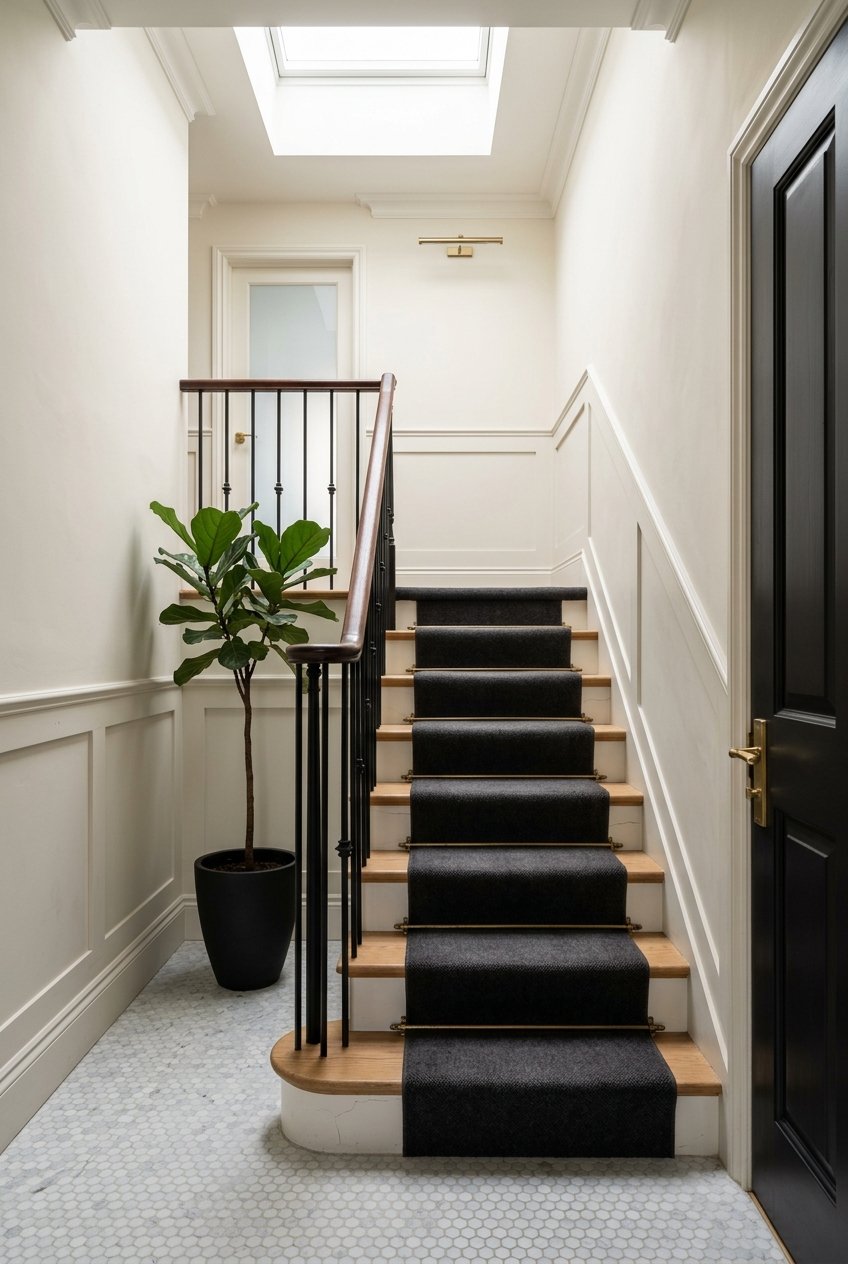
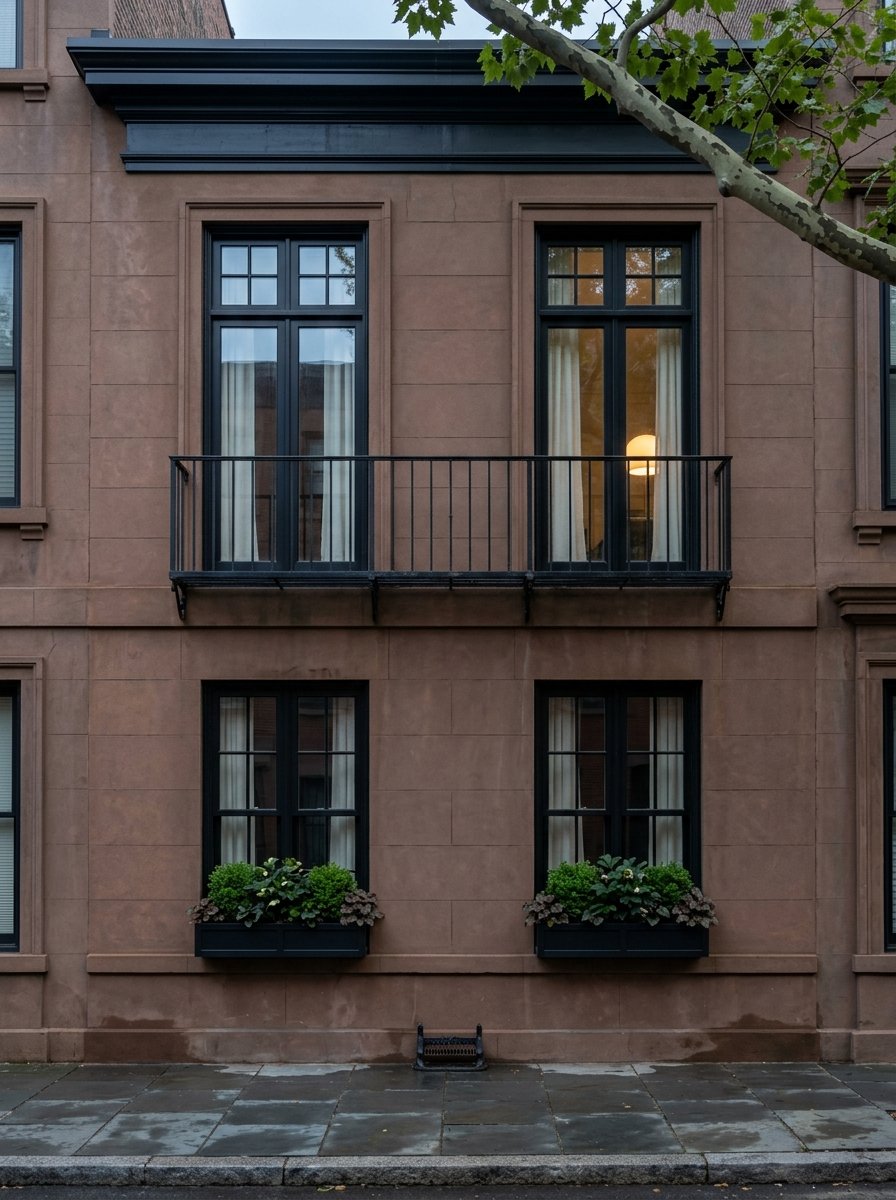
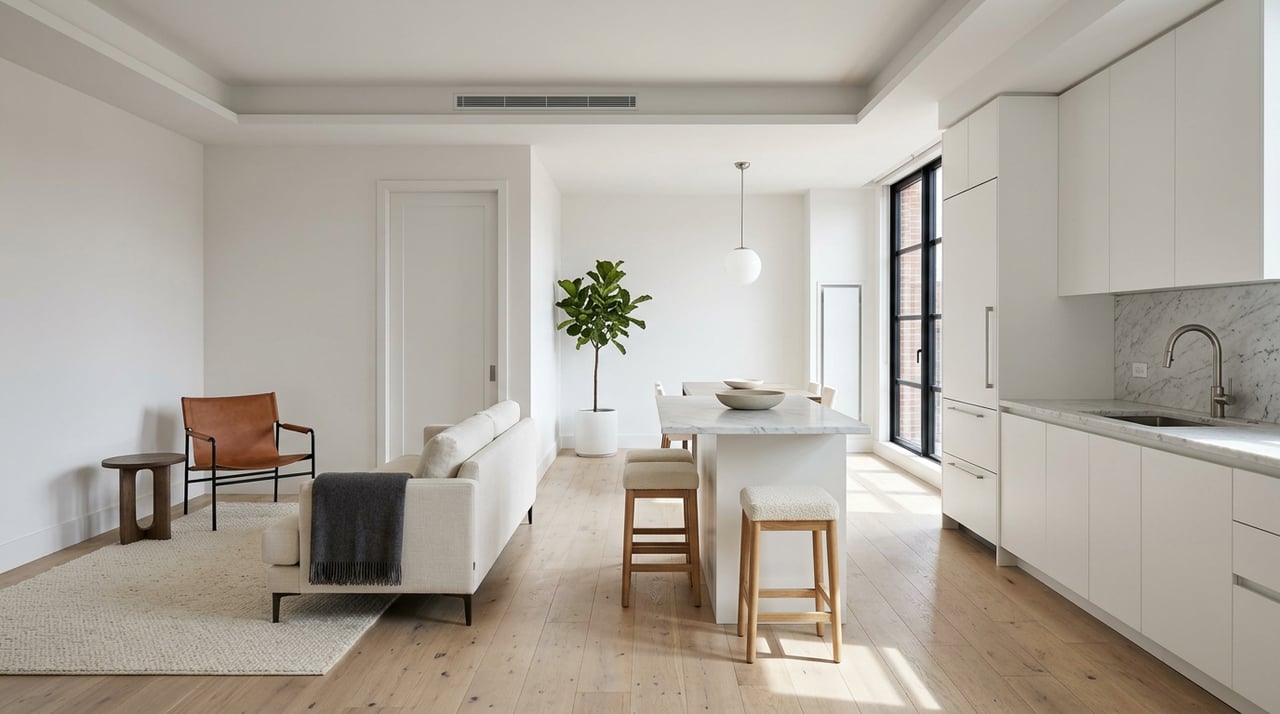
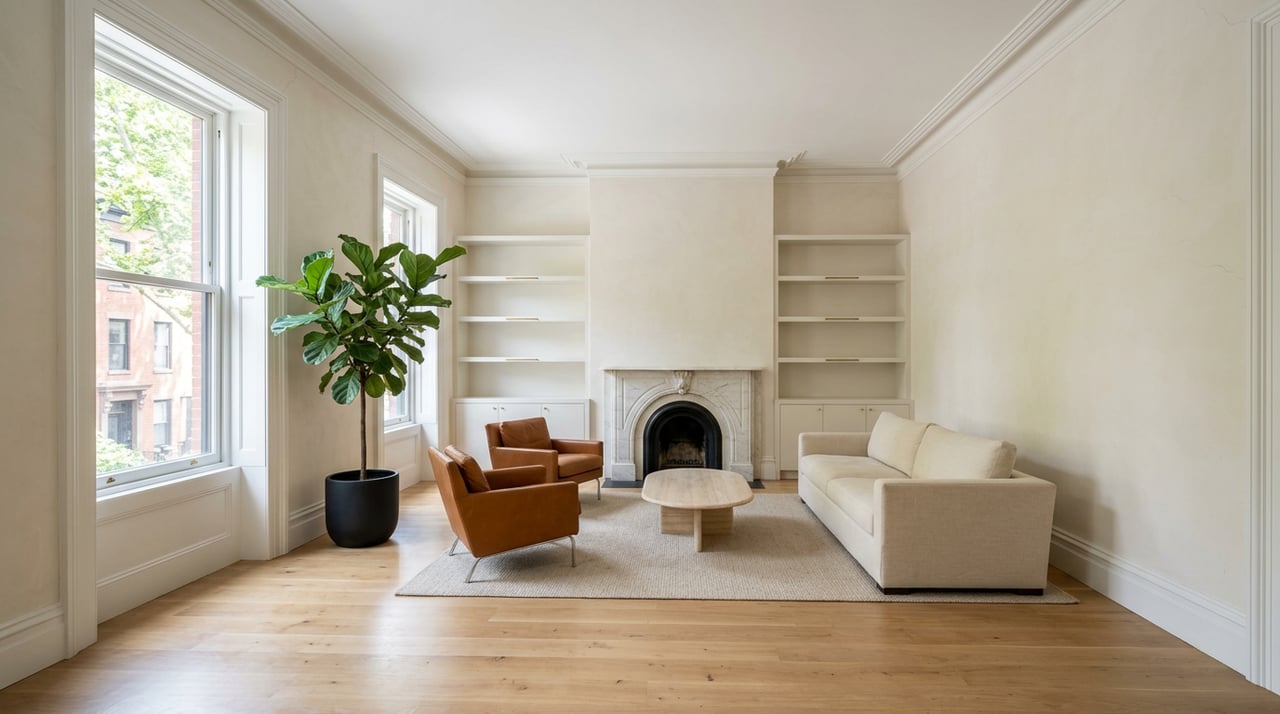
The carriage-house layout counts too. 9 MacDougal has kitchens on the ground and second floors, a garden with mature plantings, a south-facing second-floor balcony and a roof terrace. The listing says the terrace could be decked and landscaped, and a penthouse addition may be possible, subject to approval. It is being marketed either as a private residence or as a live/work space for a designer, artist or other creative professional. A buyer is paying for a building that was designed around light and workspace, on a block where the Studio School still teaches.
When a street produces a sale every seven or eight years, a buyer who passes on the house in front of them may wait most of a decade for another. Holding periods are long too. 7 MacDougal was held about 17 years, and 6 MacDougal Alley, an 1,800-square-foot house with a private parking spot, was offered for rent at $10,000 a month in 2020 after more than 25 years as one occupant's home.
Why the Falling Townhouse Median Does Not Apply Here
Market reports this fall could leave a buyer thinking downtown houses have gotten cheaper. In the third quarter of 2026, Manhattan's townhouse median sale price fell 21 percent from a year earlier to $5.4 million, according to appraiser Jonathan Miller's data as reported by The Real Deal. The same report attributed the drop to a shift in the product mix toward smaller homes. Townhouse inventory in that quarter was down 33 percent year over year.
A median measures the price of the typical house sold, and it says nothing about price per foot. A borough-wide quarter with more small-house sales will post a lower median even if each small house sold at a premium per foot. If 9 MacDougal closes anywhere near its ask, a 1,500-square-foot carriage house at about $8 million would pull a future townhouse median down while setting one of the highest per-foot figures in the neighborhood. With inventory down by a third, buyers had fewer houses to choose from, which gives sellers of rare formats more room. Miller also told The Real Deal that most upper-market buyers are purchasing with all cash. That matches how houses at these prices tend to change hands. I made a similar point about condo medians in Greenwich Village's Median Price Is Measuring The Wrong Thing. On the mews the effect is larger, because every sale is a one-off.
The Other Mews and Courts
The Village has other mews and courts, but few of their houses come up for private sale. Washington Mews, the other carriage-house lane behind Washington Square North, sits on land that Village Preservation describes as Sailors' Snug Harbor property, leased to NYU in 1949. NYU uses its buildings for a range of purposes. Private listings there are rare. 64 Washington Mews, a former carriage house set up as a single-family home with a deeded parking spot, was listed at $10.475 million in October 2021 after more than 30 years without trading.
West of Seventh Avenue, Grove Court is six houses that were subdivided and sold individually in 1921, with the residents maintaining the shared grounds. In 2011, 5 Grove Court was offered at $4.2 million.
These numbers explain why the Alley's 2026 sale and listing matter more than their count suggests. Across the gated and tucked-away lanes of the Village, the stock of privately held houses that can sell is very small. When one comes up, the asking price reflects how long the next one might take. My guide to choosing the right street in Greenwich Village covers the conventional blocks, where comparable sales come often enough to price a house by the square foot.
Frequently Asked Questions
Is 9 MacDougal Alley still available? It was listed in October at $7,995,000. For its current status, ask the listing agent or your own buyer's agent.
Why would a smaller house cost more per square foot? On MacDougal Alley, the price includes a gated private street, a parking space, and the chance to buy on a block where a sale happens about once every seven or eight years. Those features cost the same whether the house is 1,500 or 4,000 square feet, so they make up a larger share of the price per foot on a smaller house.
Can I see MacDougal Alley before buying? The Alley is gated. Brick Underground notes that the New York Studio School arranges tours for groups of at least 10, and a listing appointment is the other way in.
If you are weighing a mews house against a conventional Village townhouse, or you own one of these houses and want to know what the March sale means for your own price, the comparison comes down to a few rare data points, and those take a careful read. My buyer advisory and home valuation work start from that analysis. Let's connect for a private consultation with Daniel Kramp.